Berlin — Germany's endlessly reinventing capital
Berlin rewards curious travellers with Cold War history, world-class museums, legendary nightlife and great street food — at affordable prices.
Berlin: Guided Walking Tour in English
Quick facts
- Best for
- History, museums, nightlife, street art, day trips
- Time needed
- 3–5 days minimum, one week ideal
- Getting there
- BER airport — S-Bahn S9/S45 to city centre in 30–45 min (€3.80)
- Public transport
- BVG U-Bahn, S-Bahn, tram — day ticket €9.90, weekly €36.50
- Budget
- Budget €60–80/day; mid-range €120–180/day
- Language
- German, but English is widely spoken in tourist areas
Why Berlin keeps drawing travellers back
No European capital wears its history more openly than Berlin. Fragments of the Wall appear between coffee shops; a stumbling stone set into the pavement marks where a Jewish family was deported; a concrete field of 2,711 stelae stands on the site where the Nazi Cabinet once met. Yet the same city gave the world techno, invented currywurst, and produces more contemporary art per square metre than almost anywhere else on earth.
Berlin is also refreshingly unpretentious. Despite being a global destination, it remains one of Western Europe’s most affordable major cities. You can eat well for €12, ride the U-Bahn all day on a €9.90 day ticket, and visit half a dozen world-class memorials for free. What costs money — and is worth it — is the Museum Island cluster and the curated guided tours that unlock layers invisible to unguided visitors.
This guide covers what to prioritise, what to skip, honest advice on booking logistics, and everything you need to plan a first or fifth trip to the city.
| Time needed | 3–5 days minimum, one week ideal |
| Daily budget | Around €60–80/day budget; €120–180/day mid-range |
| Getting around | Day ticket around €9.90; weekly around €36.50 |
| From the airport | S9/S45 from BER, around 30–45 min, around €3.80 |
| Booking ahead | Reichstag dome, Neues Museum, popular guided tours |
The unmissable: Berlin’s tier-one sights
Brandenburg Gate and Pariser Platz
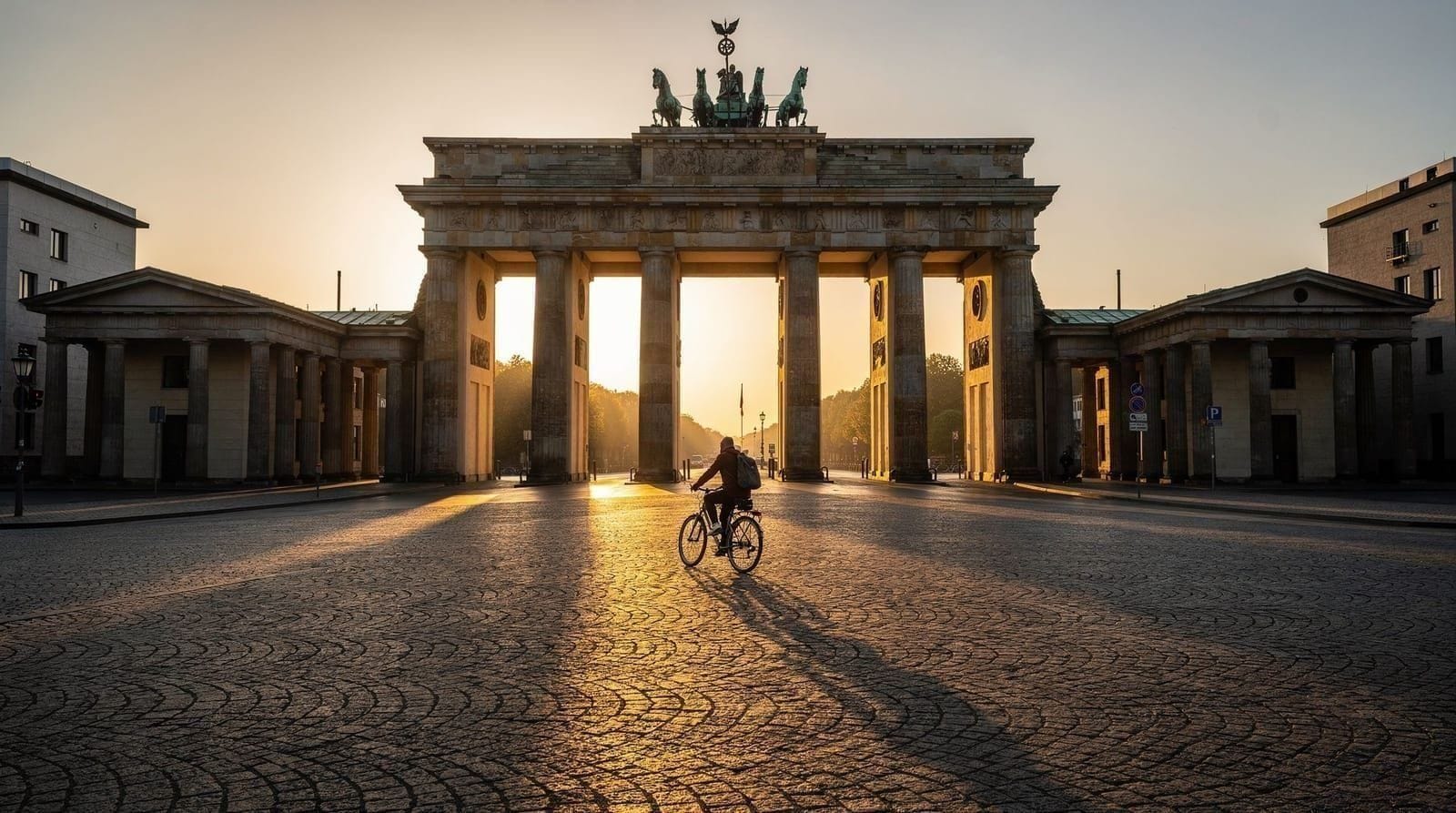
The Brandenburger Tor is Berlin’s most photographed landmark and the obvious starting point for any visit. Built in 1791 as a symbol of Prussian power, it became the Cold War’s most potent symbol of division — the gate stood in no-man’s-land, inaccessible to both sides, from 1961 to 1989. Standing here on 9 November 1989, crowds poured through it for the first time in 28 years.
Access is free, open 24 hours. The square gets busy by 9 am; photographers wanting clear shots should arrive before 8 am. The adjacent Holocaust Memorial (Memorial to the Murdered Jews of Europe) is five minutes on foot — 2,711 concrete stelae of varying heights on a gently sloping field. The underground information centre (free; closed Mondays) is one of the most powerful museum experiences in the city. Budget at least 90 minutes for both together.
Museum Island — the world’s greatest museum peninsula
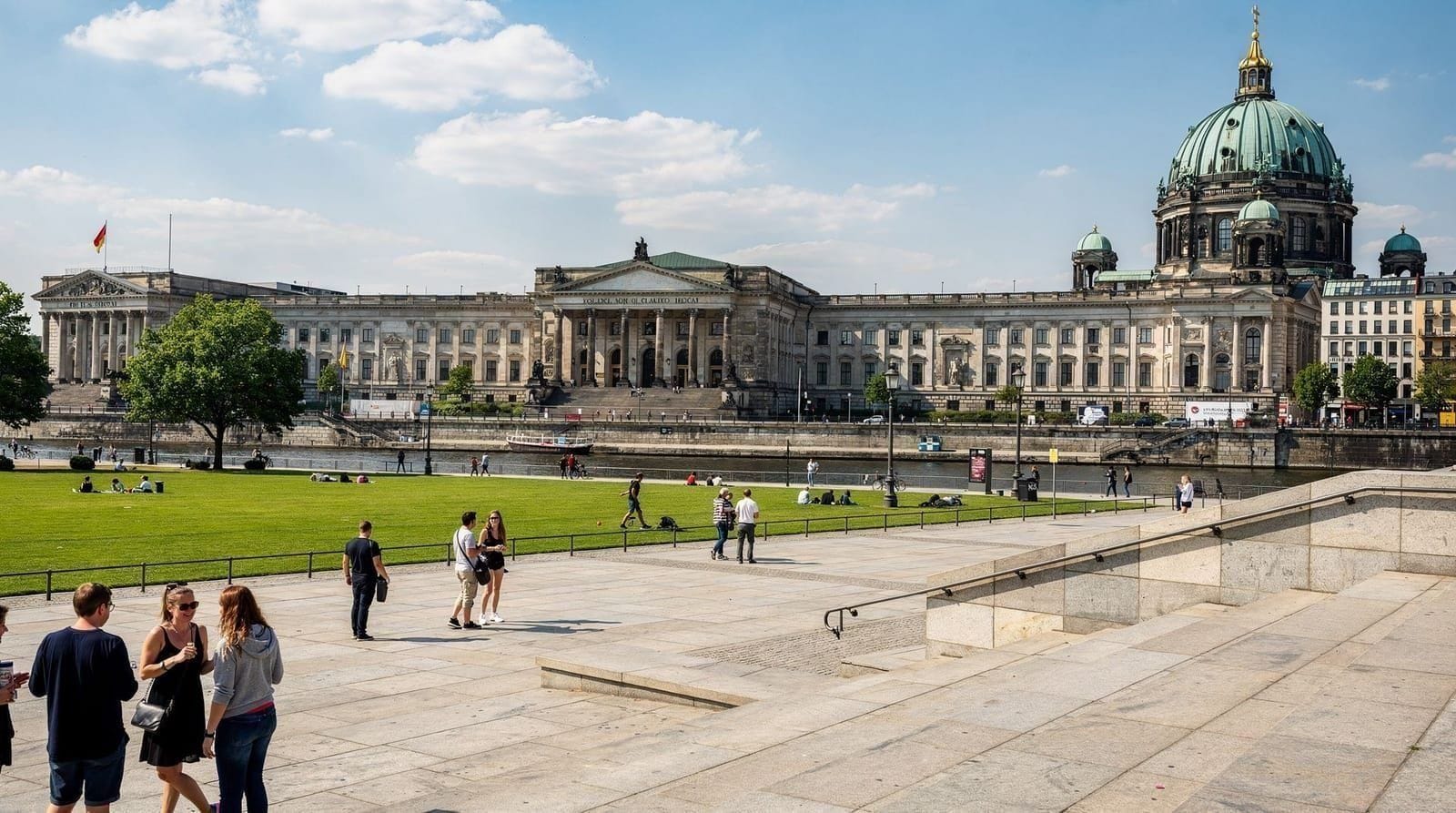
Five world-class museums occupy a UNESCO-listed island in the Spree river. This is arguably the densest concentration of antiquities and art in Europe.
Critical planning note for 2026: The Pergamonmuseum main building remains closed until June 2027 for structural renovation. The Pergamon Panorama by Asisi — a 360-degree immersive painting of ancient Pergamon — is open as a partial substitute and worth visiting in its own right, but the Pergamon Altar and Ishtar Gate are not accessible. Plan accordingly; a separate guide covers the best Pergamon Museum alternatives.
What is open in 2026:
- Neues Museum: Egyptian collection including the bust of Nefertiti (book in advance; it sells out days ahead)
- Altes Museum: Greek and Roman antiquities in a stunning neoclassical rotunda
- Bode Museum: Byzantine art and coin collection, free on the first Sunday of each month
- Alte Nationalgalerie: 19th-century European paintings and sculpture, Caspar David Friedrich works a highlight
A Museum Island day ticket (€18) covers all open venues. Guided walking tours of Museum Island are excellent value given how much context the collections require.
Join a guided Museum Island walking tour (skip the queues)The Reichstag dome
The glass dome designed by Norman Foster atop the German parliament offers panoramic views and is genuinely one of Berlin’s best free experiences — but it requires advance booking on the official Bundestag website (bundestag.de). Same-day tickets are rarely available. Book at minimum two weeks out, preferably a month. The dome is free; the process is just bureaucratic. The view from the rooftop terrace is excellent by day or night, and the internal ramp spiralling inside the dome is architecturally striking.
For those who want a guided political-context experience inside, private Reichstag tours can be arranged via licensed guides.
East Side Gallery
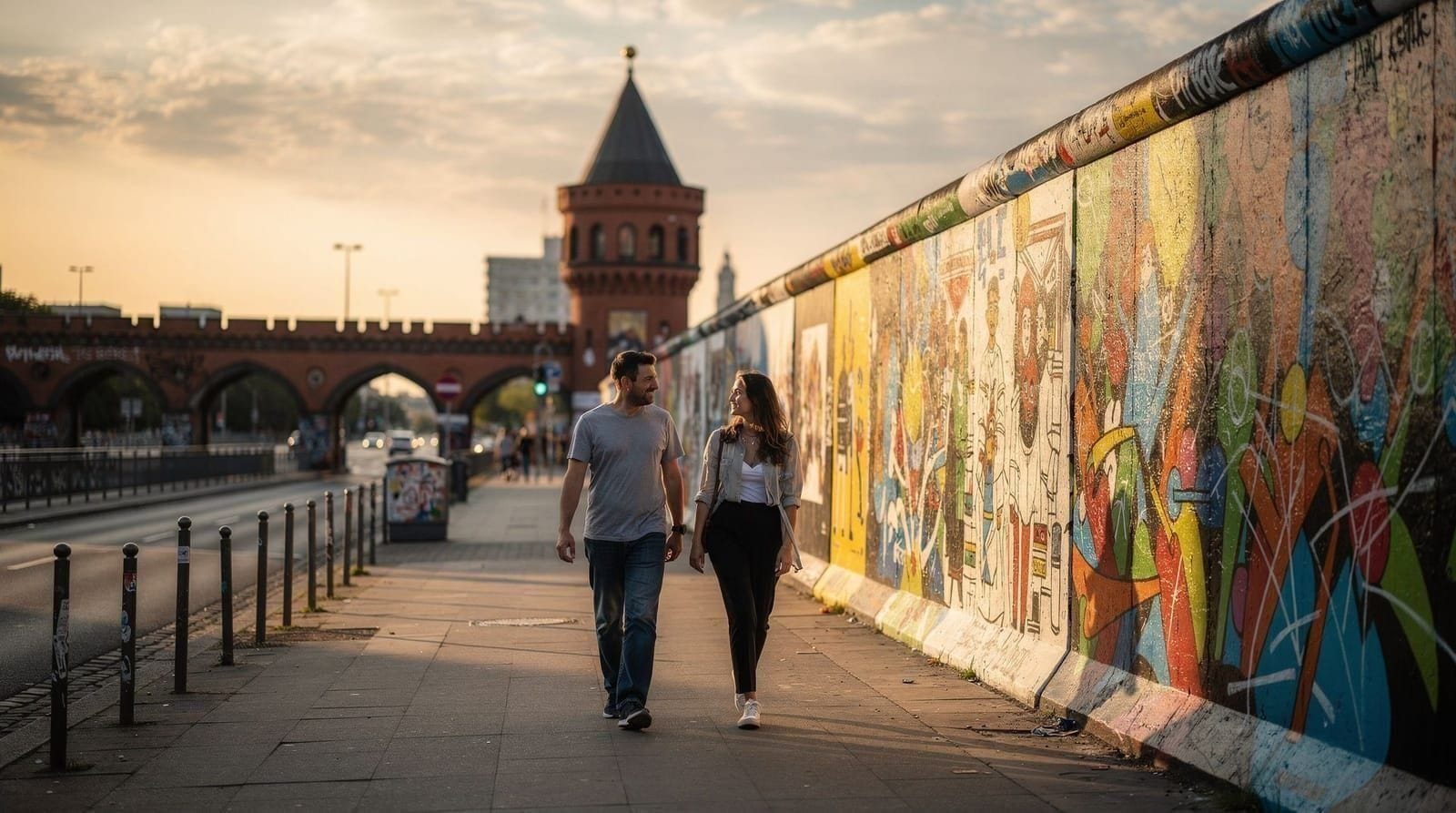
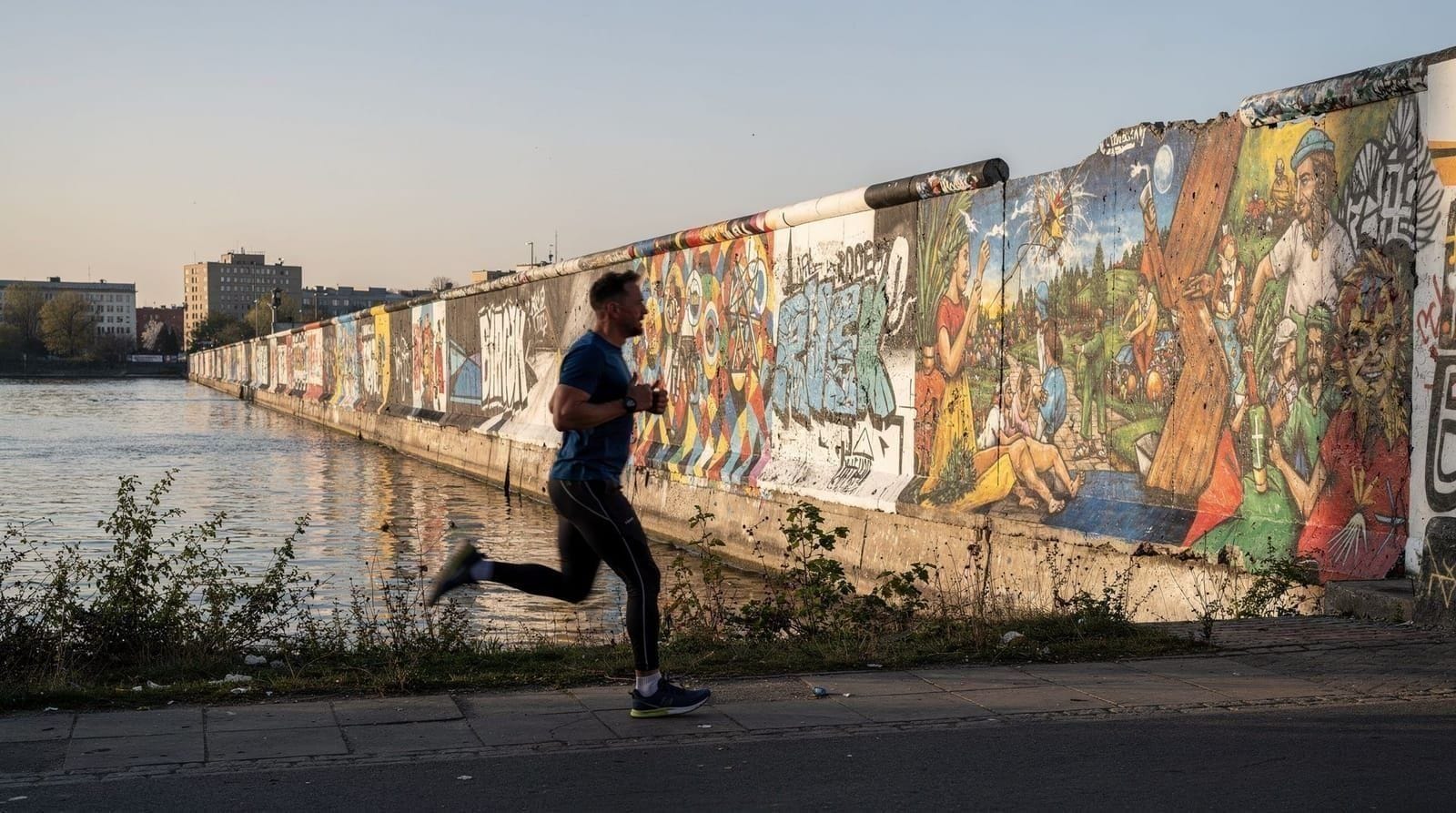
The longest surviving section of the Berlin Wall — 1.3 km along the Mühlenstrasse in Friedrichshain — has been painted by 118 artists from 21 countries. The famous “Brotherhood Kiss” mural by Dmitri Vrubel and Birgit Kinder’s trabant car piercing the wall are here. It’s always open, always free, and can be combined with a walk along the Spree.
A short walk north brings you to the Berlin Wall Memorial on Bernauer Strasse, the most complete surviving documentation of the Wall system — watchtowers, death strip, original wall sections, and an outdoor exhibition that puts the abstract statistics into human terms. Free and unmissable.
Checkpoint Charlie
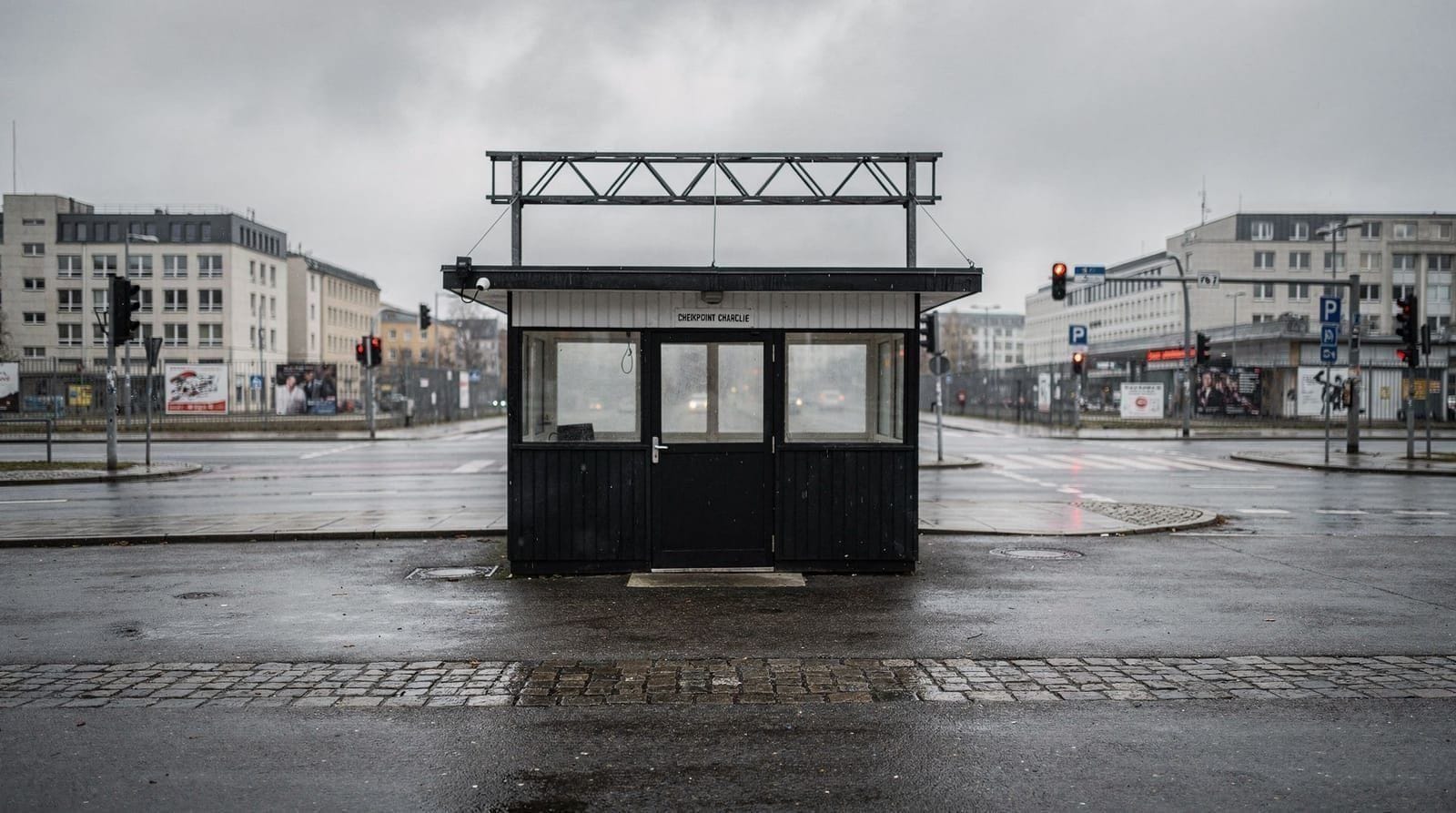
Honest assessment: the site itself — a replica guardhouse on Friedrichstrasse — is a tourist trap surrounded by overpriced cafes and actors in US uniforms charging €5 for a photo. The wall museum (Mauermuseum) adjacent is dated and expensive at €18.50 per adult. What IS worth doing at this location is a guided walking tour that puts the crossing point in its Cold War context and visits the original painted markings still visible on the road.
Book a guided Berlin history walk covering Checkpoint Charlie and the WallNeighbourhoods worth knowing
Mitte — the historic core
Alexanderplatz with its TV tower, Museum Island, the Nikolaiviertel (Berlin’s reconstructed medieval quarter), Hackescher Markt, and the new synagogue at Oranienburger Strasse all sit in Mitte. The TV tower (Fernsehturm) at 368 m offers the best 360-degree city panorama — book fast-track tickets to avoid the queue, which can reach 90 minutes in summer.
Skip the TV tower queue with a fast-track ticketKreuzberg — food, street art, and counterculture
Kreuzberg is Berlin’s most culturally diverse and arguably most interesting neighbourhood. The Turkish market (Türkenmarkt) on Maybachufer runs on Tuesdays and Fridays and is excellent for cheap, excellent food — gözleme, fresh meze, produce. The streets around Schlesisches Tor and Görlitzer Park are dense with street art. Currywurst and döner kebab shops of genuine quality are everywhere. The neighbourhood transitions from daytime food market to evening bar scene effortlessly.
Prenzlauer Berg — lived-in cool
Former East Berlin neighbourhood, now home to young families and a dense coffee-shop culture. The Mauerpark flea market on Sunday mornings is unmissable — vinyl, vintage clothing, handmade items, and the infamous outdoor karaoke that draws hundreds of onlookers. The area around Kollwitzplatz has some of the city’s best brunch spots.
Charlottenburg — West Berlin’s elegant core
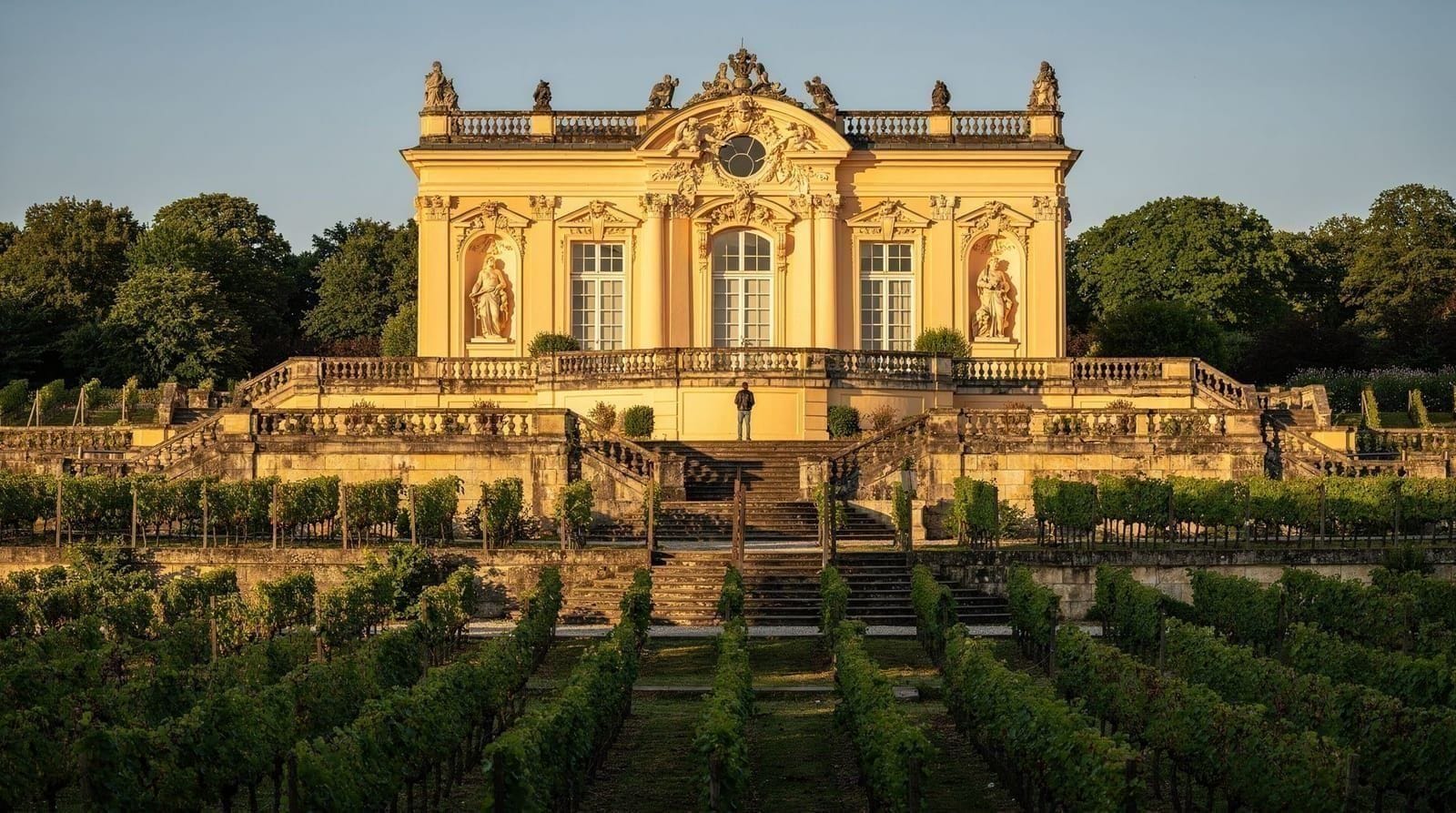
The western district feels noticeably different from central Berlin — wider streets, department stores, the KaDeWe (Kaufhaus des Westens, one of Europe’s great department stores), and Charlottenburg Palace at the district’s northern edge. The palace (€17 ticket) is the city’s largest, with formal baroque gardens that are free to enter.
History you can’t look away from: the Third Reich and Holocaust sites
Berlin was the capital of the Third Reich, and the city has chosen, rather than erased, much of this history. Key sites:
Topography of Terror (Niederkirchnerstrasse): Built on the excavated foundations of the Gestapo headquarters and SS Reich Main Security Office, this outdoor and indoor exhibition is one of the most thorough documentations of Nazi terror apparatus anywhere. Admission is free. Plan 2 hours.
Memorial to the Murdered Jews of Europe (already mentioned above): Free, open-air, always accessible.
Wannsee Conference House (in the Wannsee neighbourhood, day-trip from centre): The villa where senior Nazis coordinated the Final Solution in January 1942 is now a sober, well-curated memorial museum. Free, closed Mondays. S-Bahn S1 or S7 to Wannsee (45 min from Mitte). See our Wannsee destination page for full logistics.
Jewish Museum Berlin (Lindenstrasse, Kreuzberg): Daniel Libeskind’s architecture is itself a statement — disorienting, angular, intentionally unsettling. The collection covers 2,000 years of Jewish life in Germany with particular focus on Berlin’s Jewish community before and during the Holocaust. Tickets around €8; book ahead at busy periods.
For Holocaust and Third Reich sites combined, our third-reich-history-trail itinerary structures these across 2–3 days.
Cold War Berlin: the essential stops
Berlin’s Cold War history is as layered as its Nazi-era history. Key stops for a Cold War itinerary:
- Berlin Wall Memorial, Bernauer Strasse — best surviving documentation of the full wall system (free)
- DDR Museum (on Museum Island): Hands-on, interactive museum about daily life in East Germany. Popular with families; can get crowded. Tickets ~€13; book online.
- Stasi Museum (Lichtenberg): The actual former Stasi headquarters, with original offices preserved as they were in 1989. Less polished than the DDR Museum but more chilling. U5 to Magdalenenstrasse.
- Checkpoint Charlie area (see above for honest assessment)
- Treptower Park Soviet War Memorial: Massive Soviet-era monument in Treptow, honouring Red Army soldiers killed in the Battle of Berlin. Architecturally extraordinary and surprisingly few tourists visit. S-Bahn to Treptower Park.
See the complete Cold War Berlin itinerary for a structured 3-day plan.
Eating and drinking in Berlin
Currywurst
Berlin’s most famous street food — pork sausage sliced and doused in a spiced tomato-curry sauce, served with fries. Genuinely excellent when done well. Curry 36 in Kreuzberg (Mehringdamm) is the classic destination; Konnopke’s Imbiß under the U2 viaduct in Prenzlauer Berg is a close second. Expect to pay €4–5.
Döner kebab
Berlin’s Turkish community (one of the world’s largest outside Turkey) produces döner of a quality that bears no resemblance to the late-night queue-food of other cities. Mustafa’s Gemüse Kebap at Mehringdamm regularly has 45-minute queues and is worth it. Budget €6–8.
Food markets
- Markthalle Neun (Kreuzberg, Thursdays and Sundays): The city’s best covered market
- Türkenmarkt (Maybachufer, Tuesday and Friday): Turkish produce market along the canal
- Mauerpark (Prenzlauer Berg, Sundays): Flea market + street food + karaoke
Berlin’s restaurant scene
The city has a genuine Michelin-starred scene concentrated in Mitte and Charlottenburg, but its real strength is mid-range restaurants across every cuisine imaginable. The Vietnamese food in Lichtenberg and Marzahn (legacy of GDR-era Vietnamese guest workers) is excellent and cheap. The Middle Eastern and Kurdish restaurants along Sonnenallee in Neukölln are outstanding.
Getting around Berlin
Berlin’s BVG network (U-Bahn, S-Bahn, bus, tram) is extensive and runs 24 hours on weekends. Key tickets:
- Single ride (AB zones): €3.80 (valid 2 hours with transfers, no return trips)
- Day ticket (AB): €9.90
- Weekly ticket: €36.50
- Berlin WelcomeCard: Includes unlimited public transport plus museum discounts — the AB version (€23/48h, €36/72h) is good value if you plan to use transport heavily. The ABC version covers Potsdam.
For a detailed transport comparison, see our WelcomeCard guide.
The S-Bahn from BER airport runs to Ostbahnhof and Hauptbahnhof (S9) in around 30–45 minutes depending on destination. A single ticket is €3.80 — don’t fall for the taxi touts outside arrivals.
Practical planning notes
When to book in advance
- Reichstag dome: Book 2–4 weeks ahead on bundestag.de (free)
- Neues Museum (Nefertiti): Book at least 1 week ahead; daily slots sell out
- Berghain: Cannot be booked — show up and take your chances (see honest guide)
- Popular guided tours: Book 48–72h ahead in peak summer (June–August)
Berlin WelcomeCard — is it worth it?
For a 3-day trip with multiple museum visits and heavy transport use: usually yes, especially the “All Inclusive” version. For a short 2-day trip staying in one area: do the maths against individual tickets. Our dedicated comparison guide runs the numbers across 12 visitor profiles.
Cash in Berlin
Berlin is far more cash-dependent than most Western European capitals. Many restaurants, clubs, and market stalls are cash-only. Döner shops, street food stalls, and even some mid-range restaurants won’t take cards. Withdraw euros at a Sparkasse or Deutsche Bank ATM (avoid the Euronet machines at tourist hotspots — they charge €5+ fees and manipulate exchange rates).
Tourist traps to avoid
- The actor-costumed “soldiers” at Checkpoint Charlie charge €5 for a photo — not associated with any official site
- The Checkpoint Charlie “Wall Museum” (Mauermuseum) is overpriced and dated — the free Topography of Terror is superior
- Hop-on hop-off bus commentary can be thin; consider a walking tour for central areas and public transport otherwise
- Any currywurst stand near the Brandenburg Gate — walk two blocks for a tenth of the price and better quality
For a full rundown, see our Berlin tourist traps guide.
Day trips from Berlin
Berlin’s S-Bahn and regional train network makes a remarkable number of day trips feasible:
| Destination | Travel time | Transport |
|---|---|---|
| Potsdam (palaces, Sanssouci) | 30–40 min | S7 or RE1 |
| Sachsenhausen Memorial | 35 min | S1 to Oranienburg |
| Spreewald | 70 min | RE2 to Lübbenau |
| Dresden | 2h | ICE |
| Lutherstadt Wittenberg | 45 min | ICE |
The Potsdam day trip and Sachsenhausen day trip are the most popular and most rewarding. For a Berlin + Potsdam weekend, see our Berlin–Potsdam weekend itinerary.
Book a full-day guided Potsdam and Sanssouci tour from BerlinBerlin by season: when to go
Berlin has a genuine off-season advantage that many capitals don’t: shoulder-season and winter travel is not a compromise here, since so much of the city’s best content is indoors (museums, memorials with underground centres, clubs) or works fine in the cold (walking tours, markets).
| Season | Weather | Crowds & prices | Best for |
|---|---|---|---|
| Dec–Feb | Cold, occasional snow, short days | Low (except Christmas markets in Dec) | Christmas markets, museums, indoor culture, cheaper flights |
| Mar–May | Mild, increasingly green | Moderate, rising through May | Walking tours, outdoor memorials without summer heat, spring events |
| Jun–Aug | Warm, long daylight, lake weather | Highest, book ahead | Lake swimming, rooftop bars, outdoor food markets, summer festivals |
| Sep–Nov | Mild, cooling, golden light | Moderate, dropping through Nov | Best overall balance of weather and crowds; see the autumn guide |
For the fuller month-by-month breakdown, see the best time to visit Berlin guide.
First-timer vs. return visitor priorities
A first visit and a fourth visit to Berlin look quite different, and treating them the same wastes time either way.
First-timers should anchor the trip around Brandenburg Gate, the Holocaust Memorial, Museum Island, East Side Gallery, and one neighbourhood walk — the 3-day first-timer itinerary sequences this efficiently. Resist the urge to add a day trip on a first visit unless staying five days or more; Berlin itself rewards more time than most visitors budget.
Return visitors are better served skipping the headline sights entirely and going deeper: a full day in Charlottenburg, the Third Reich sites beyond the well-known ones, a proper Potsdam day trip, or Sachsenhausen if skipped the first time. Berlin’s neighbourhood culture — Neukölln, Friedrichshain — rewards the kind of unstructured wandering that a first, sight-heavy trip rarely leaves room for.
Frequently asked questions about Berlin
How many days do I need in Berlin?
Three days covers the absolute essentials: Brandenburg Gate, Holocaust Memorial, Museum Island, East Side Gallery, a neighbourhood walk (Kreuzberg or Prenzlauer Berg), and Checkpoint Charlie area. Five days allows you to add Sachsenhausen, Charlottenburg Palace, more Museum Island depth, a Potsdam day trip, and slower exploration of neighbourhoods. One week is comfortable and unhurried. Berlin is a city that rewards slow travel — don’t rush it.
Is Berlin safe for tourists?
Berlin is a safe city by any major European standard. Petty theft (pickpocketing) occurs on crowded U-Bahn lines, particularly U6 and U8, and around Alexanderplatz at night. The Görlitzer Park area in Kreuzberg has open drug dealing and is best avoided after dark. Standard urban awareness — don’t flash expensive cameras, keep phones in pockets on public transport — is sufficient precaution for most visitors.
Do I need to book Museum Island tickets in advance?
Yes, especially for the Neues Museum (Nefertiti hall books out days in advance in summer). The Bode Museum is the least crowded and doesn’t usually require advance booking. A Museum Island day pass is best purchased online to avoid the queue at the ticket office.
What’s the deal with Berghain?
The world’s most famous techno club operates a notoriously selective door policy with no published criteria. Being turned away is common — even for experienced clubbers. The Berghain honest guide covers the real probabilities by visitor profile, time of arrival, and what to wear (and not wear). Don’t base your entire trip around getting in.
Is the Pergamon Museum open in 2026?
No. The main Pergamonmuseum building is closed until at least June 2027 for structural renovation. The Pergamon Panorama by Asisi (a separate adjacent building) is open as an immersive alternative. The guide to Pergamon closed alternatives covers what you can visit instead.
What’s the best Berlin neighbourhood to stay in?
Mitte (for first-timers wanting central access), Prenzlauer Berg (for a more residential, local feel), Kreuzberg (for food and nightlife proximity), or Charlottenburg (for comfort and west Berlin atmosphere). Our where to stay in Berlin guide covers each with accommodation tiers and specific hotel streets.
Is the Berlin WelcomeCard worth buying?
It depends on your itinerary. For 72 hours with heavy museum use (Museum Island, Jewish Museum, DDR Museum) and regular S-Bahn/U-Bahn use: the All Inclusive version usually saves money. For shorter visits or those who plan to walk everywhere: buy single tickets or a day pass. The WelcomeCard comparison guide runs the actual numbers.
Can I visit Berlin on a budget?
Extremely well. Many of the best sites are free: Holocaust Memorial, Topography of Terror, East Side Gallery, Berlin Wall Memorial, Soviet War Memorial at Treptow. The BVG network is affordable, food markets are cheap, and street food is excellent at low prices. A genuine budget day in Berlin — sights, transport, street food — is achievable at €40–50. See our Berlin budget guide and budget itinerary for detailed planning.
What’s the best time of year to visit Berlin?
May–September for outdoor activities, lake swimming, and street life; December for the Christmas markets; but Berlin genuinely works year-round because so much of its best content — museums, memorials with indoor centres, nightlife — doesn’t depend on weather. Shoulder seasons (September–November, March–May) offer the best balance of mild weather and manageable crowds. See the seasonal breakdown above and the best time to visit guide for month-by-month detail.
Should I do a day trip on a short first visit?
Generally no. On a first visit of 3–4 days, a day trip to Potsdam or Sachsenhausen competes directly with time needed for Berlin’s own unmissable sights, and most first-timers regret the trade-off. Save day trips for a return visit or a trip of 5+ days — the Berlin–Potsdam weekend itinerary is built around exactly that longer-stay scenario.
Planning your Berlin visit: quick links
- 3-day Berlin itinerary for first-timers
- Berlin–Potsdam weekend
- Cold War Berlin 3-day trail
- Museum Island complete guide
- Getting around Berlin — transport explained
- Best time to visit Berlin
- Berlin with kids — 4-day plan
Top experiences
Bookable activities with verified prices and instant confirmation on GetYourGuide.