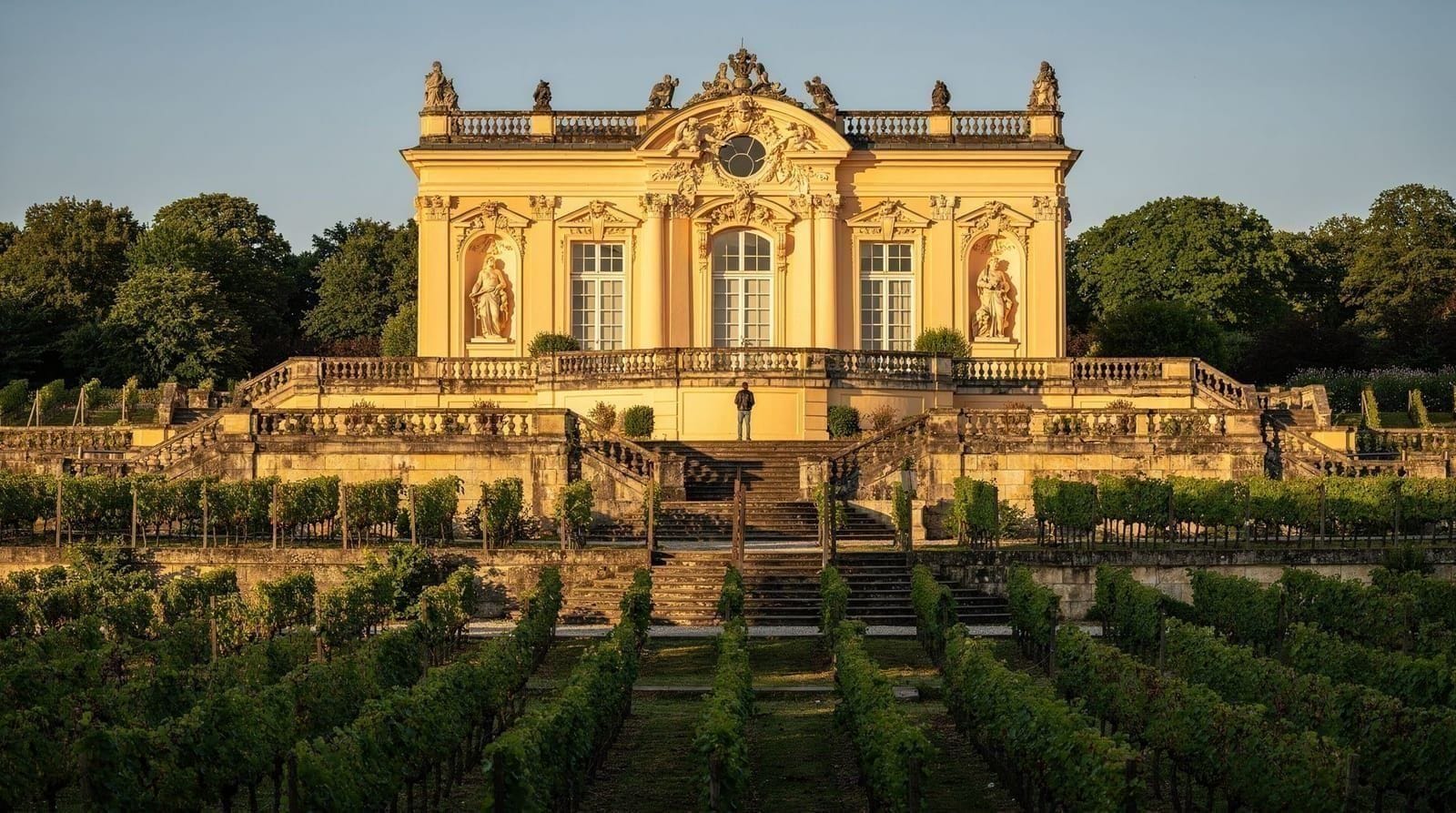
Wannsee — Berlin's swimming lake and the villa of the Final Solution
Wannsee is where Berliners swim in summer and where senior Nazis planned the Holocaust in 1942 — a dual destination of beauty and dark history.
From Berlin: Kings, Crimes, & Spies Potsdam Day Trip by Van
Quick facts
- Best for
- Swimming, WWII memorial history, lakeside cycling, villa architecture
- Entry
- Wannsee beach (Strandbad) €6.50 adults; Conference Memorial free
- Getting there
- S7 or S1 to Wannsee station from central Berlin (35–40 min)
- Time needed
- Half day; full day combining beach and memorial
- Honest note
- The Holocaust memorial and the beach are 15 min walk apart — plan with intention
Wannsee: holding two realities at once
Wannsee is an unusual place in any city’s geography: simultaneously one of Berlin’s most popular summer destinations and the location of one of modern history’s most chilling administrative decisions. In January 1942, fifteen senior Nazi officials met in a lakeside villa to coordinate the murder of European Jewry — what became known as the Final Solution. Today the villa is a sober, well-documented memorial museum. A 15-minute walk away, Berliners swim, sunbathe, and picnic on one of Europe’s largest inland beaches.
Both dimensions of Wannsee are genuine and worth engaging with. This guide covers both honestly.
| Where | S7/S1 to Wannsee, 35–40 min from central Berlin |
| Memorial | Free, Tue–Sun 10:00–18:00, closed Mondays |
| Beach | €6.50 adults, late April–September |
| Time needed | Half day for one, full day for both |
| Ticket zone | Standard AB — no ABC extension needed |
The Wannsee Conference Memorial
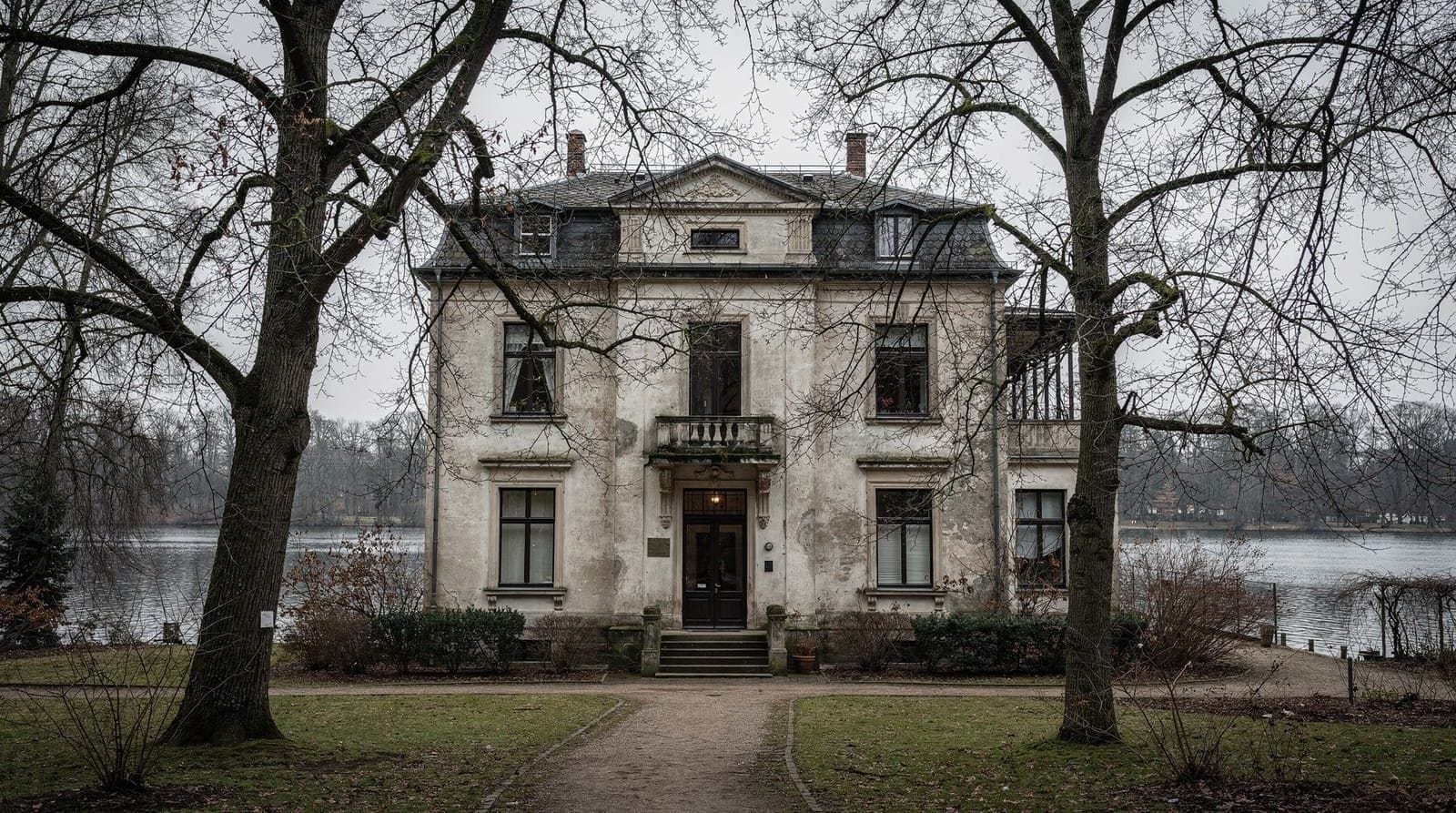
Am Grossen Wannsee 56-58, the Haus der Wannsee-Konferenz is a late-19th-century lakeside villa that was used by the SS as a guesthouse. On January 20, 1942, Reinhard Heydrich chaired a 90-minute conference at which fifteen senior Nazi officials — including Adolf Eichmann, who took the minutes — coordinated the administrative framework for murdering approximately 11 million Jews across occupied Europe.
The villa is now a permanent exhibition documenting the conference and its consequences. The exhibition — chronological, well-translated into English, rigorous without being overwhelming — is one of the most important Holocaust documentation sites in Germany. The conference room where the meeting took place is preserved.
Admission is free. Closed Mondays. Open Tuesday–Sunday 10 am–6 pm. Allow 1.5–2 hours.
The location on the lake is peaceful. The contrast between the villa’s elegant surroundings and what was decided there is itself part of the intended effect.
Explore Potsdam’s layered history of kings, Cold War, and crimes on a guided tourFor the Third Reich historical context, the third-reich-history-trail itinerary covers Wannsee alongside the Topography of Terror, Wannsee, and Sachsenhausen in a 2–3 day structured plan. For a deeper dive specifically on the conference itself, see our dedicated Wannsee Conference Memorial guide, and for the central-Berlin institution that documents the SS/Gestapo apparatus behind it, the Topography of Terror guide is a natural companion visit.
How much time to give each part of Wannsee
If you only have half a day, prioritise based on what you came for:
| If you want… | Prioritise | Time |
|---|---|---|
| Holocaust history | Conference Memorial | 1.5–2 hours |
| A summer swim | Strandbad beach | 2–3 hours |
| Quiet nature | Pfaueninsel ferry crossing | 1.5–2 hours |
| The full picture | All three, arriving early | Full day |
Strandbad Wannsee — Berlin’s urban beach
Strandbad Wannsee is one of the largest inland beach facilities in Europe — an 1,275-metre strip of white sand on the Grosser Wannsee lake, opened in 1907 and expanded to accommodate 30,000 bathers in the 1920s Weimar heyday. In summer it genuinely fills up: Berliners take the S-Bahn out for family beach days, the water is warm and clean, and the Art Deco beach facilities (changing rooms, cafes, volleyball courts) have been restored to their historic appearance.
Entry: €6.50 adults, €3.00 children. Season: typically late April to September, weather dependent. The water quality is regularly monitored and generally excellent.
Honest note: This is a popular local destination, not a tourist attraction in the conventional sense. It’s crowded on hot summer weekends. If swimming is the goal, arrive early or come on a weekday.
Pfaueninsel (Peacock Island)
A 15-minute ferry crossing from Wannsee ferry dock brings you to Pfaueninsel (Peacock Island) — a wooded island in the Havel with a romantic ruined castle built for Friedrich Wilhelm II in 1794. The island is a nature reserve; peacocks roam freely. No vehicles; no modern buildings. The castle interior is open seasonally (€5 entry). The island itself costs €2 to enter (ferry return ticket included).
Pfaueninsel is quiet, beautiful, and one of the less-visited spots in the entire Potsdam UNESCO landscape. An excellent addition for those who have already seen Sanssouci.
Combine a Havel boat tour with the Potsdam palace landscape near WannseeGetting to Wannsee
From central Berlin: S7 or S1 to Wannsee station — 35–40 minutes from Hauptbahnhof or Friedrichstrasse.
From Wannsee station to the Conference Memorial: 15 minutes on foot along the lake road (Am Grossen Wannsee), or bus 114.
From Wannsee station to Strandbad: 15 minutes on foot or bus 218/114.
Ticket: Standard AB zone Berlin day ticket (€9.90) covers Wannsee — it’s within the AB fare zone, unlike Potsdam which requires ABC.
Combining Wannsee with Potsdam
Wannsee is ideally positioned as a stop on the route to or from Potsdam. The S7 line runs: Berlin centre — Wannsee (35 min) — Babelsberg (8 min) — Potsdam Hauptbahnhof (5 min).
A practical combination: visit the Wannsee Conference Memorial in the morning (arrive 10 am when it opens), then continue by S7 to Potsdam for the afternoon palace visit, and return to Berlin in the evening. This is one of the most historically and architecturally rich half-days possible within the ABC zone.
For a detailed itinerary, see the Berlin–Potsdam weekend guide.
Frequently asked questions about Wannsee
Is the Wannsee Conference Memorial appropriate for children?
For teenagers: yes, with parental preparation. The exhibition deals directly with the planning of the Holocaust — it is historically important but requires engagement. For younger children under 12, the subject matter is difficult without substantial context. The exhibition itself is restrained in tone rather than graphic.
How long does the Wannsee Conference Memorial take?
Allow 1.5–2 hours to read the exhibition properly. The conference room itself takes 20–30 minutes; the surrounding documentation, including the Eichmann protocol (the original conference minutes), is what makes the visit significant. Rushing it would miss the point.
Is Wannsee lake clean enough to swim in?
Yes. Strandbad Wannsee maintains water quality monitoring throughout the season and results are generally excellent. The Grosser Wannsee is a large, well-flushed lake with good water quality standards. Blue-green algae blooms can occur in August heat waves — check before visiting.
Can I combine the beach and the memorial in one visit?
Yes, and many visitors do. The two sites are 15 minutes apart on foot. Visit the memorial first (it requires concentration), then walk to the beach for a contrast that is deliberately jarring but ultimately appropriate — ordinary life continuing alongside historical reckoning. Some find it uncomfortable; others find it exactly right.
Is Wannsee worth visiting in winter?
The Conference Memorial is excellent year-round. The beach is closed. The lakeside walk and Pfaueninsel ferry operate on a reduced schedule. Winter visits are quieter and allow a more reflective engagement with the memorial than busy summer weekends.
Should I visit Wannsee or the Topography of Terror first for Third Reich history?
Either order works, but many find it clarifying to visit the Topography of Terror first, since it lays out the broader SS/Gestapo administrative apparatus, and then Wannsee, which documents one specific and consequential meeting within that system. The third-reich-history-trail itinerary sequences both across a 2–3 day plan if you want a structured route.
Is Wannsee or Sanssouci the better first stop on a Potsdam-direction day?
If your priority is Holocaust history, start at Wannsee — it opens earlier in the day and the Conference Memorial rewards a fresh, unhurried mind. If your priority is the palace and gardens, go straight to Sanssouci and treat Wannsee as an add-on on the way back. Both are on the same S7 line, so the order is a matter of preference, not logistics.
Top experiences
Bookable activities with verified prices and instant confirmation on GetYourGuide.