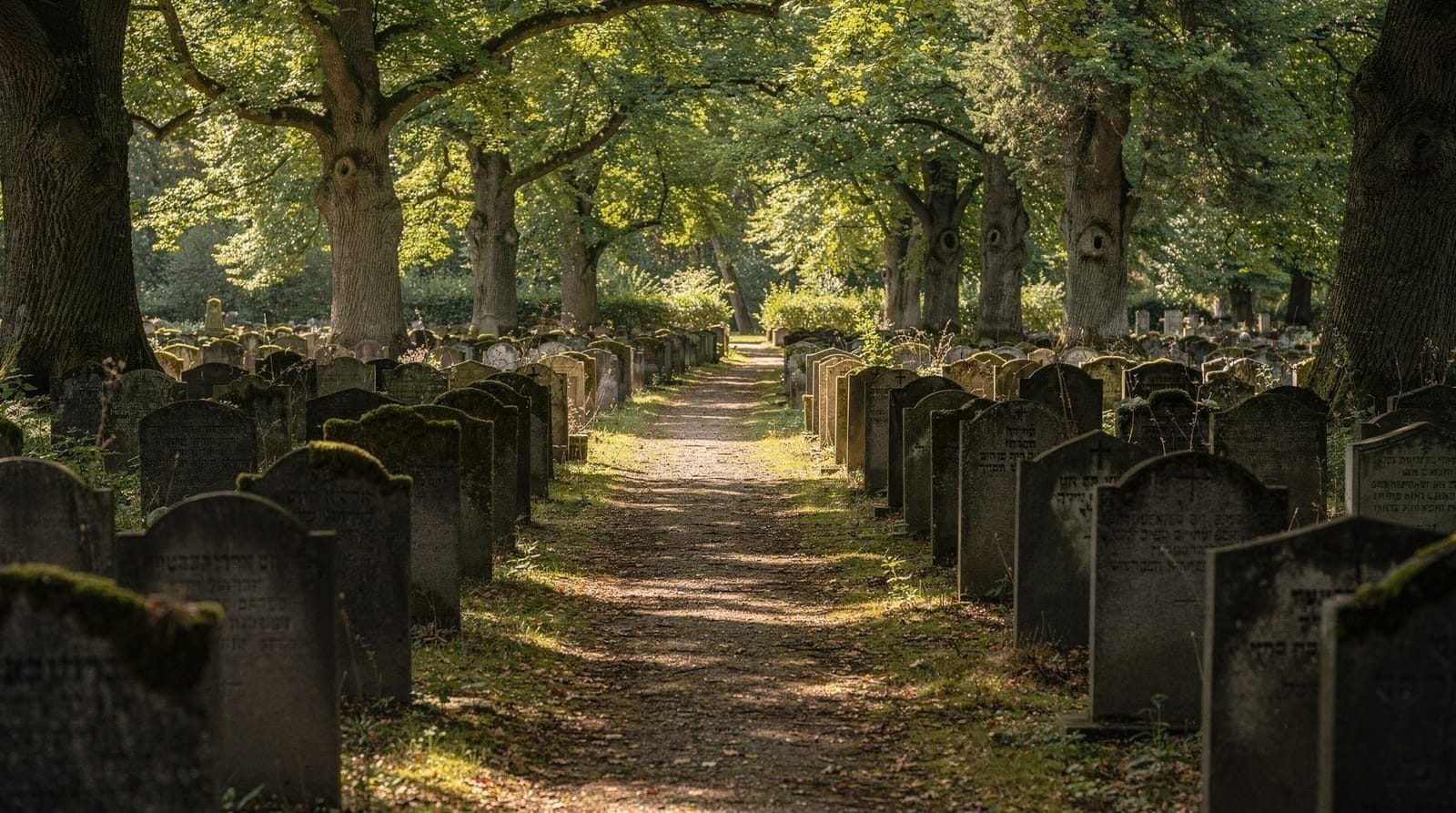
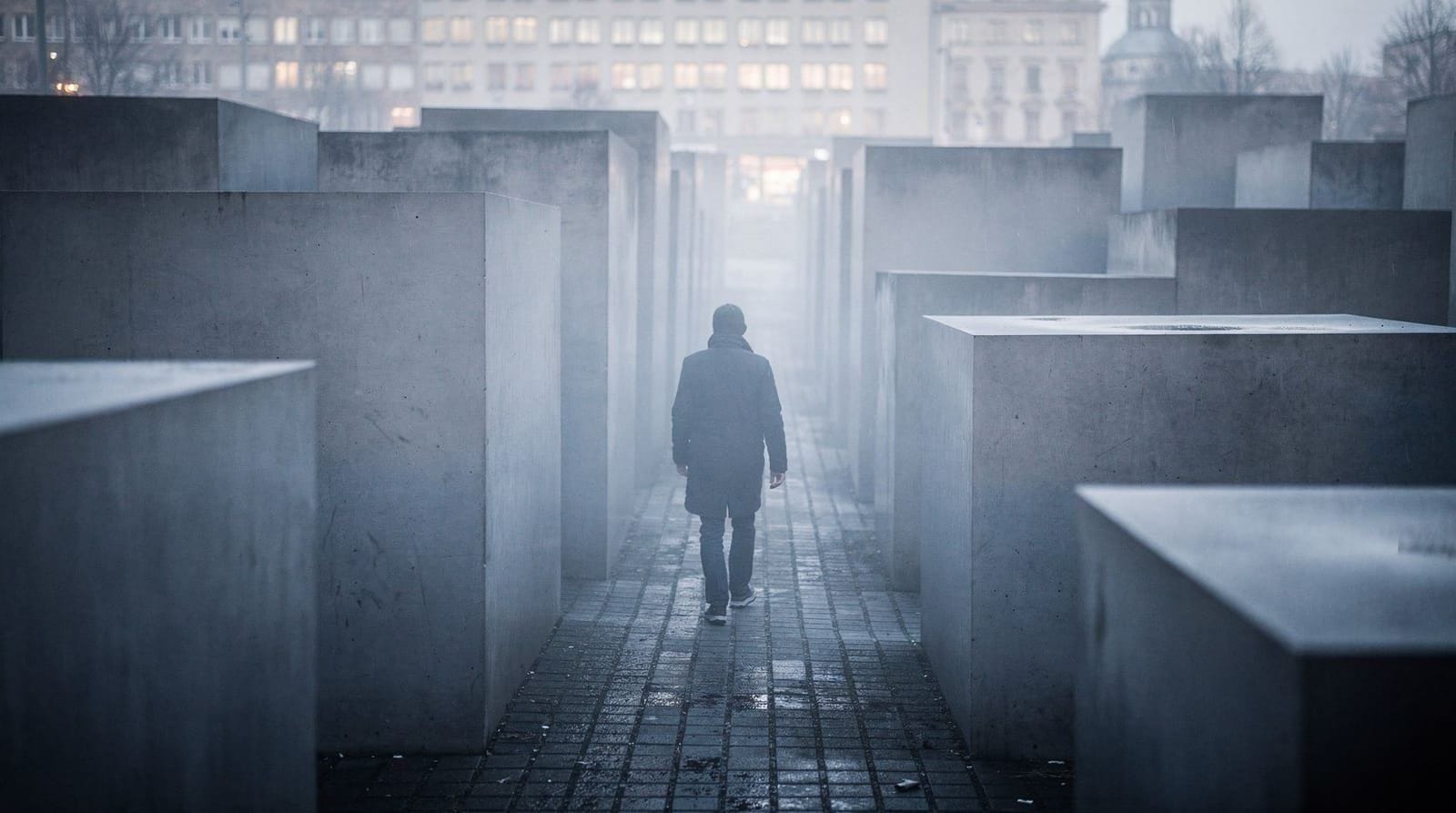
Wannsee Conference memorial — the Haus der Wannsee-Konferenz
What happened at the Wannsee Conference?
On 20 January 1942, fifteen senior Nazi officials met in a villa on the shore of Wannsee lake, southwest Berlin, to coordinate the logistics of the systematic murder of European Jews — the "Final Solution to the Jewish Question." The meeting lasted approximately 90 minutes. The villa is now the Haus der Wannsee-Konferenz, a free memorial and education center that documents the conference and its consequences. It is one of the most sobering sites in Germany.
The Haus der Wannsee-Konferenz is the villa on the shore of Wannsee lake where, on 20 January 1942, fifteen senior officials of the Nazi state met to coordinate the systematic murder of European Jews. The meeting lasted approximately 90 minutes. Entry to the memorial and education center now housed in the villa is free. Of all the sites in Berlin’s memorial landscape, this one — a bourgeois lakeside villa in a prosperous residential district — generates perhaps the most disquieting contrast between setting and historical event. The villa sits within the wider Wannsee lakeside district, better known to most visitors for summer swimming than for this history.
| Where | Am Grossen Wannsee 56–58, southwest Berlin |
| Cost | Free entry |
| Time needed | 2–2.5 hours |
| Getting there | S1 to Wannsee, then bus 114 (2 stops) or a 25-minute lakeside walk |
| Best time | Weekday mornings; open daily 10:00–18:00 |
The conference — what happened on 20 January 1942
The meeting was convened by Reinhard Heydrich, head of the Reich Security Main Office (RSHA), in his capacity as Plenipotentiary for the Preparation of the Final Solution. The location — Am Grossen Wannsee 56–58, a villa previously used by the SS — was chosen for its discretion: outside the city centre, accessible by private car, away from the government district’s normal traffic.
Fifteen men sat around the table in the villa’s conference room. They were not ideologues in the narrow sense — they were senior officials with legal training, administrative experience, and government careers. Eight of the fifteen held doctoral degrees. They arrived at this meeting through the normal machinery of German state service.
The meeting’s agenda, set by Heydrich, was the “final solution to the Jewish question in Europe” (Endlösung der Judenfrage). The Wannsee Protocol — the minutes of the conference prepared by Adolf Eichmann (SS-Obersturmbannführer, head of the Jewish affairs section of the RSHA) and approved by Heydrich — records the following:
The scope: Heydrich presented a table of European Jewish populations by country — occupied territories, allied states, neutral countries, and the United Kingdom, totalling approximately 11 million Jews to be covered by the “Final Solution.” The inclusion of Jews from neutral and unoccupied countries (Switzerland, Sweden, the UK) reveals the ambition of the plan, regardless of whether it was immediately achievable.
The methodology: The Wannsee Protocol uses bureaucratic euphemism throughout — “evacuation to the east,” “appropriate treatment,” “natural diminution.” Under cross-examination at the Nuremberg Eichmann trial in 1961, Eichmann testified that the language of the protocol was a deliberate softening of what was discussed in the meeting itself, which was, in his words, “frank discussion of killing, elimination, and annihilation.”
The jurisdictional coordination: A significant portion of the meeting addressed the coordination required between multiple agencies — the SS, the Foreign Office (for Jews in allied and neutral states), the Ministry for the Eastern Occupied Territories, the German railway system (for deportation logistics), and the camp administrations in Poland. The meeting established that the RSHA had primacy in coordinating all aspects of the operation.
The categories: Discussion included the status of Jews in mixed marriages, half-Jews (Mischlinge), and Jews in essential war industries, with differing proposed treatments debated and partially resolved.
The meeting ended in approximately 90 minutes. Wine, cognac, and food were served afterward. The participants returned to their offices and their careers.
Was the murder decision made at Wannsee?
This is the question most frequently asked and most frequently misunderstood. The decision to murder European Jews was not made at Wannsee.
By January 1942, systematic mass killings were already underway. The Einsatzgruppen (mobile killing squads) had murdered approximately 500,000 Jews in the Soviet Union following Operation Barbarossa in June 1941. The first dedicated extermination facility — Chelmno — had been operational in occupied Poland since December 1941. Decisions made by Hitler and Himmler in the second half of 1941 had committed the regime to the murder of all European Jews.
What Wannsee did was to coordinate the bureaucratic and logistical machinery of the existing policy across multiple government agencies that had previously operated without formal coordination. It resolved turf disputes, established clear command authority, and extended the policy explicitly to Jews in western Europe who had not yet been targeted in the same way as those in the east.
The Wannsee Conference matters not because it made the decision, but because it demonstrates what the Holocaust was: not the uncontrolled violence of a regime’s fringe, but the calculated coordination of multiple government ministries using the language, forms, and procedures of ordinary administration.
The Wannsee Protocol
The minutes of the Wannsee Conference — the “Wannsee Protocol” — survived the war through a copy found by American investigators in the files of the German Foreign Office in 1947. It is one of the most important documentary sources of the Holocaust.
The protocol was central to the Nuremberg Trials and to the 1961 Eichmann trial in Jerusalem. Hannah Arendt’s coverage of the Eichmann trial for The New Yorker, published as “Eichmann in Jerusalem: A Report on the Banality of Evil” (1963), drew directly on the protocol as evidence for her argument about the bureaucratic and ordinary nature of the perpetrators.
A facsimile of the protocol is displayed in the permanent exhibition at the Haus der Wannsee-Konferenz. The original is held in the German Foreign Office archive in Berlin.
The villa — Am Grossen Wannsee 56–58
The building itself is a typical example of prosperous Berlin bourgeois architecture of the early 20th century. Constructed in 1914–1915 as a private villa for Ernst Marlier, a Berlin businessman, it was purchased in 1940 by the SS for use as a resort and training facility. Heydrich chose it for the January 1942 conference precisely because it was SS property, private, and outside the government district.
After 1945, the villa was used for various purposes — as a youth hostel and recreational facility — without acknowledgment of what had occurred there. Efforts by historians and educators to establish a memorial began in the 1980s; the villa was opened as the Gedenk- und Bildungsstätte Haus der Wannsee-Konferenz on 20 January 1992, exactly 50 years after the conference.
The building has been restored to approximately its 1942 appearance. The conference room, where the meeting took place, is preserved with period furniture and a long table. The room is available for visitors to enter and sit in, though photography protocols vary — confirm at the information desk.
The permanent exhibition
The exhibition (German and English throughout) covers:
The road to the “Final Solution”: The development of Nazi racial policy from 1933 — boycotts, Nuremberg Laws, Kristallnacht, the Einsatzgruppen murders — showing the escalating radicalism that culminated in the decision to murder all European Jews.
The conference and its participants: Biographical documentation of all fifteen participants, including their careers before 1933, their roles in the Nazi state, and their postwar fates. This section is among the most important in the exhibition: it demonstrates the ordinariness of the perpetrators and the extent to which postwar German society reintegrated many of them.
The implementation: Documentation of the deportation logistics, the role of the railway system, the extermination camps in Poland (Auschwitz-Birkenau, Treblinka, Sobibor, Belzec, Chelmno, Majdanek), and the scale of the murders between 1942 and 1945.
The aftermath and memory: How the Holocaust has been addressed in Germany and internationally since 1945, including the evolution of memorial culture, the Nuremberg Trials, and the postwar careers of the Wannsee participants.
The postwar fate of the Wannsee participants
Of the fifteen men who sat around the conference table on 20 January 1942:
- Reinhard Heydrich was assassinated by Czech resistance fighters in Prague on 4 June 1942, four months after the conference.
- Adolf Eichmann escaped to Argentina after the war, was captured by Mossad agents in Buenos Aires in 1960, tried in Jerusalem in 1961, and executed in 1962 — the only person executed by the State of Israel under a death sentence.
- Three were convicted and sentenced at Nuremberg or subsequent Allied trials. Several received sentences; most were released before serving their full terms.
- Five were killed in the war or committed suicide at the war’s end.
- Six resumed careers in postwar Germany — in law, business, and in one case (Werner Best) as a senior official in occupied Denmark who then practised law in West Germany until the 1960s.
The exhibition presents this information directly and without euphemism. The fact that the majority of Wannsee participants who survived the war faced limited or no legal consequences is among the most disturbing facts the memorial conveys.
Practical planning
Address: Am Grossen Wannsee 56–58, 14109 Berlin
Opening hours: Daily 10:00–18:00. Closed 24 December. Check ghwk.de for public holiday exceptions.
Entry: Free.
Getting there by public transport:
- S-Bahn S1 from central Berlin to Wannsee (approximately 30–35 minutes from Potsdamer Platz)
- From Wannsee station: bus 114 (direction Babelsberg/Mehrower Allee), 2 stops to “Haus der Wannsee-Konferenz”
- Walking from Wannsee station: approximately 2.5 km via the lake path (25 minutes)
Facilities: Toilets, bookshop (with academic titles in German and English on the Holocaust, the Wannsee Conference, and related history). No café. The nearest food options are in Wannsee village near the S-Bahn station.
Accessibility: The ground floor and conference room are accessible; some exhibition areas involve stairs. Contact the memorial in advance for specific accessibility needs.
Photography: Permitted in most areas; check at the entrance desk for current rules regarding the conference room.
Combining with Wannsee lake: The villa sits directly on the Grosser Wannsee lake. The surrounding area is a wealthy residential district with lakeside paths. The contrast between the bucolic setting and the history of the villa is itself part of the experience — and a deliberate choice in how the memorial presents itself.
Context — how Wannsee connects to other Berlin sites
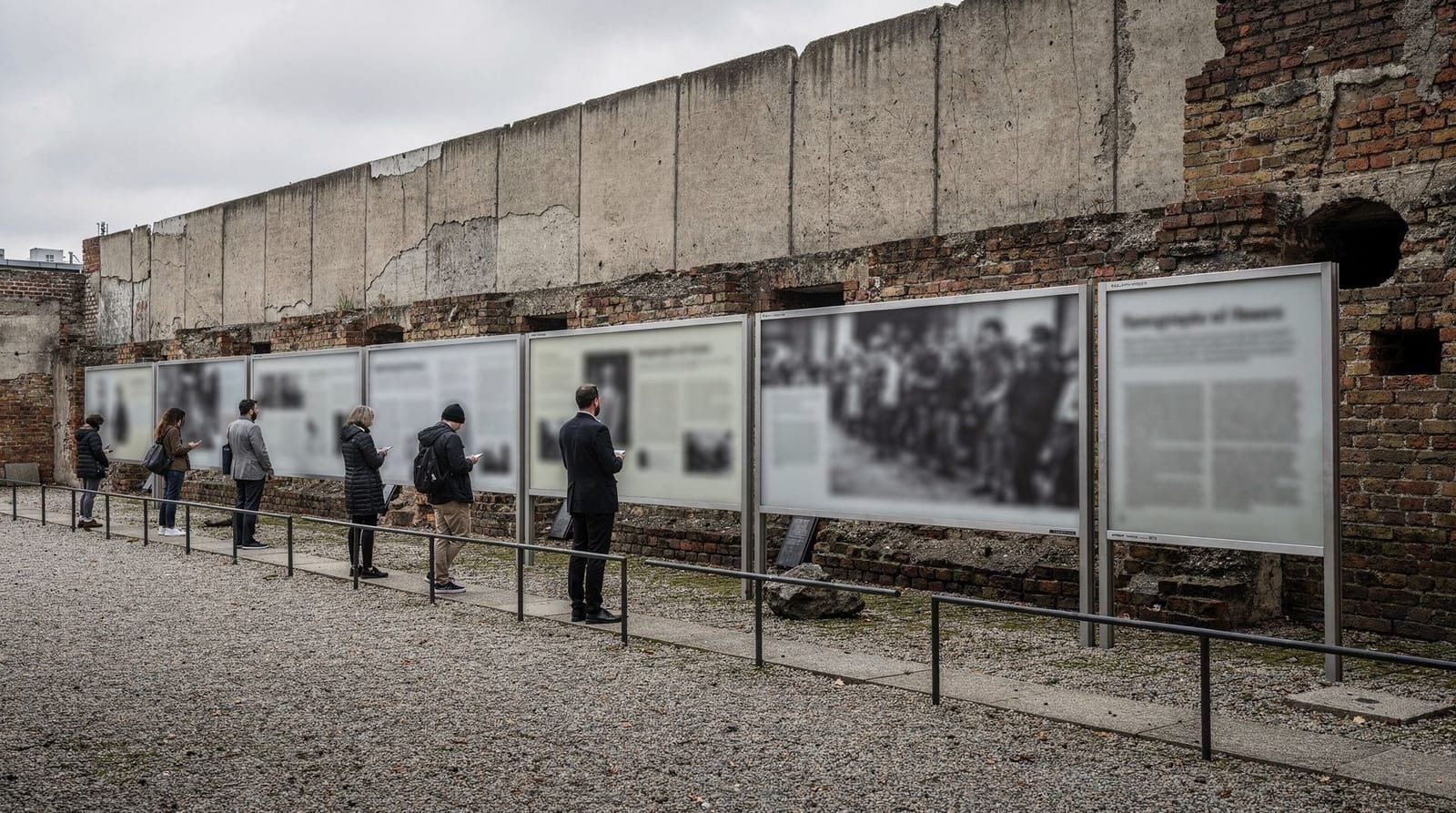
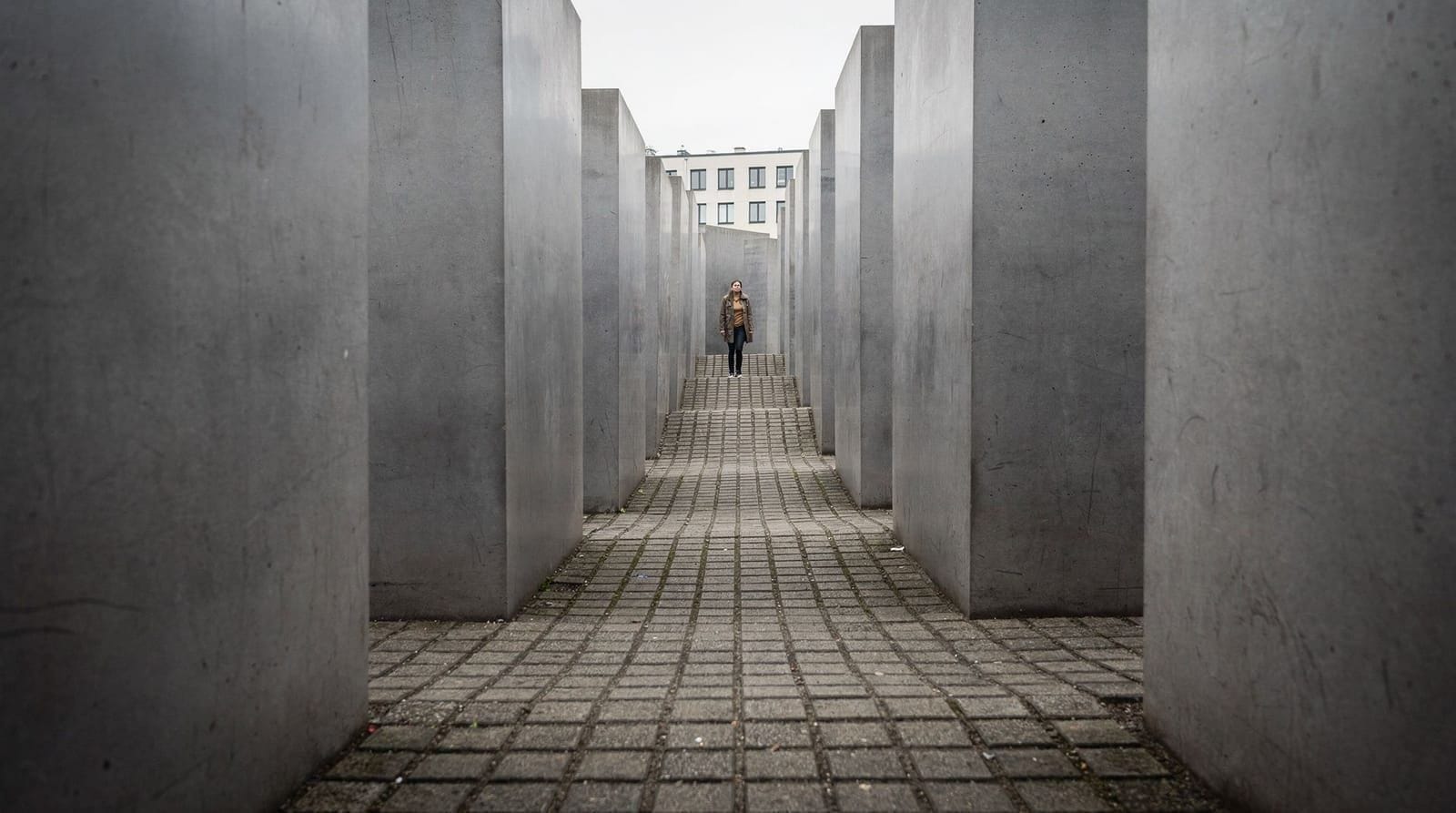
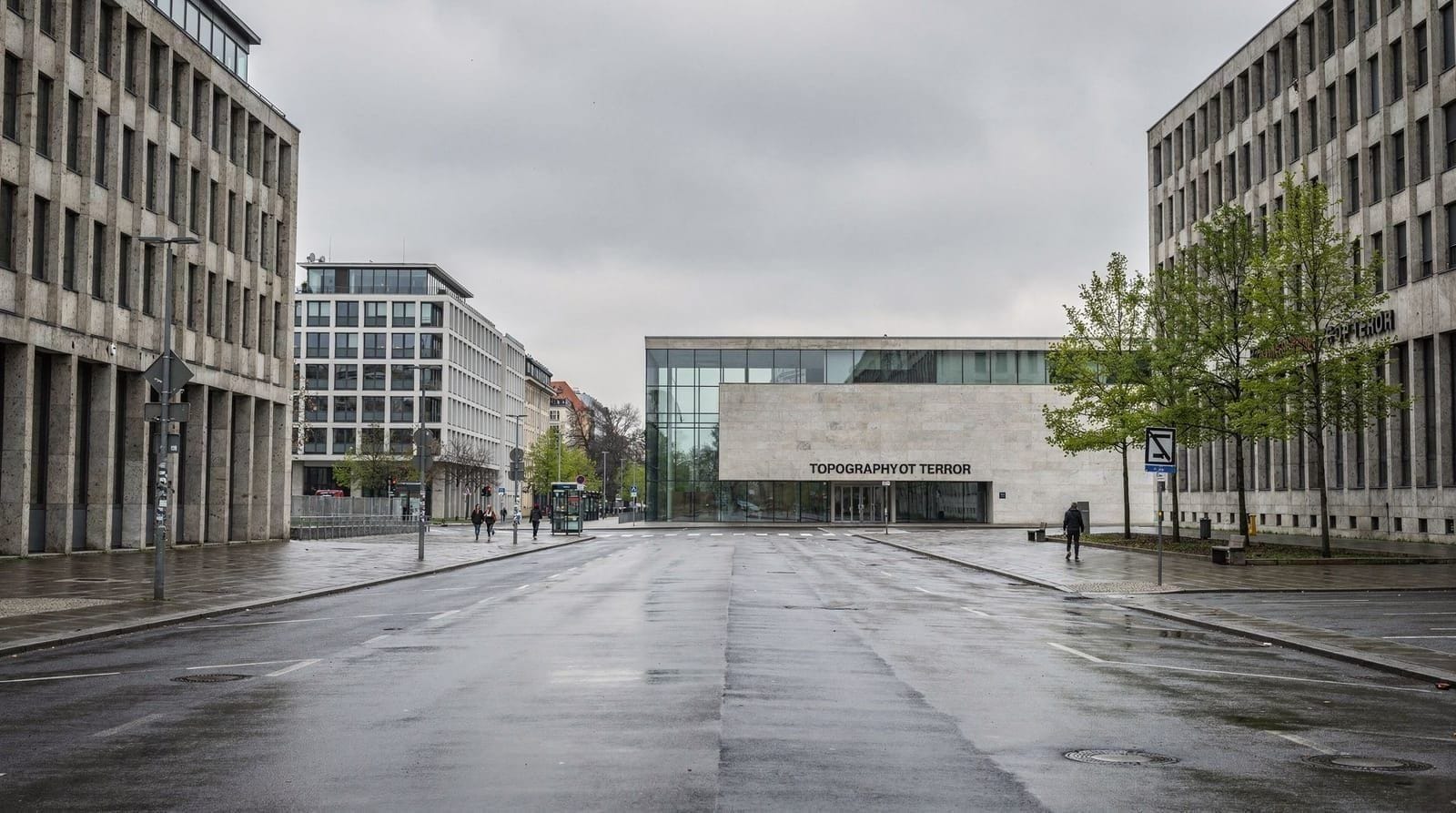
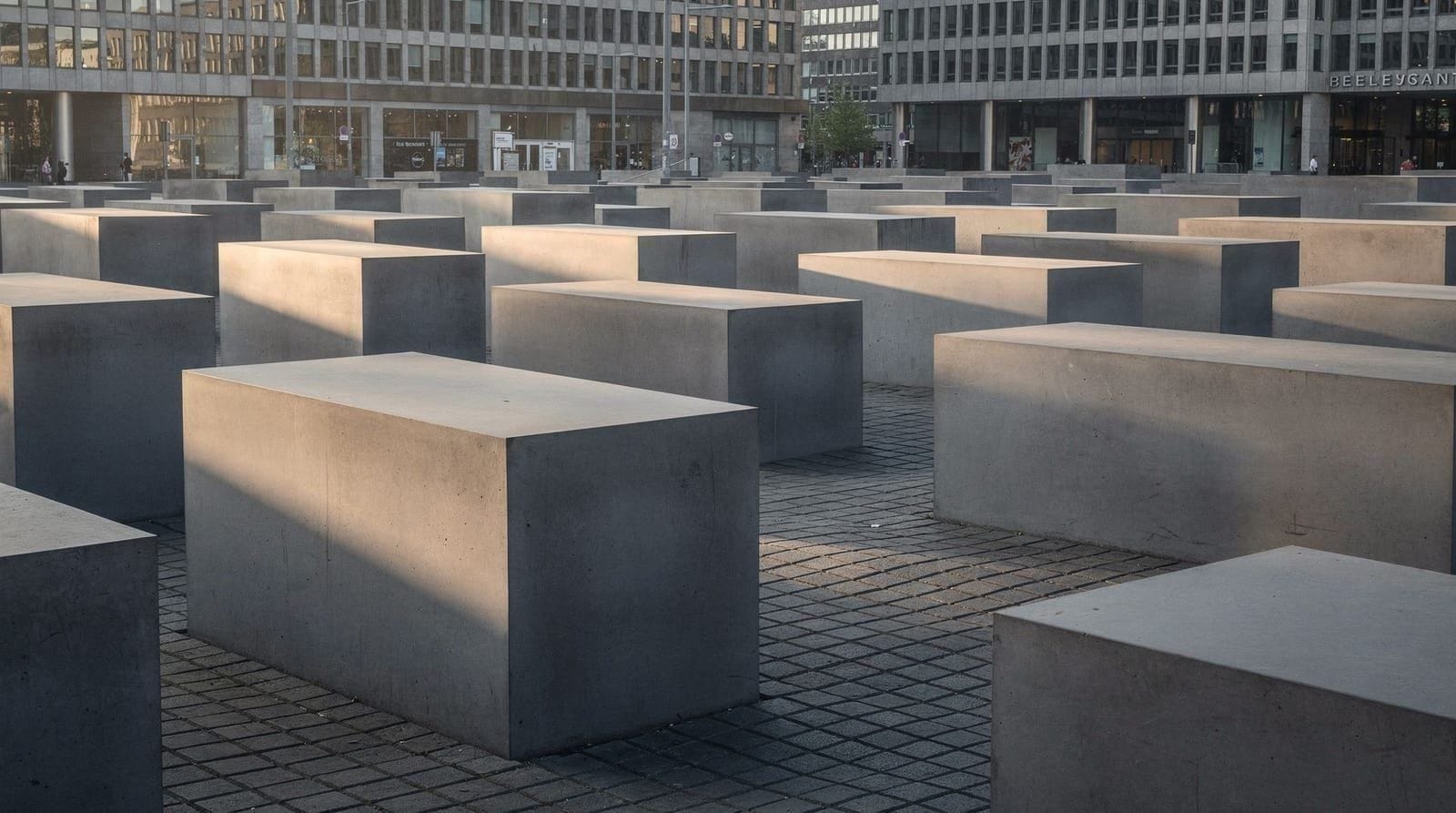
The Wannsee Conference was organised from the RSHA headquarters at the Topography of Terror site. The deportation logistics coordinated at Wannsee passed through German railway infrastructure administered by the Reichsbahn. The victims murdered as a result of the decisions made here are documented at the Memorial to the Murdered Jews of Europe.
- Topography of Terror guide — the Gestapo and SS headquarters where the meeting was planned
- Memorial to the Murdered Jews of Europe — the victims’ memorial near the Brandenburg Gate
- Third Reich sites in Berlin overview — the central Berlin context
- Third Reich history trail itinerary — a 2–3 day programme including Wannsee
- Berlin to Sachsenhausen day trip guide — the concentration camp memorial that received many of the deportations coordinated here
Combining the visit with Wannsee lake and beyond
Most visitors reach the memorial via S-Bahn to Wannsee station, which is also the gateway to the Wannsee destination area — the lakeside district known for summer swimming, sailing, and villa architecture entirely disconnected from this history. It’s worth being deliberate about sequencing: many visitors find it easier, emotionally, to see the memorial first and treat any lakeside time afterward as a separate, lighter activity rather than mixing the two. If you’re combining Wannsee with other sights in the area, things to do in Wannsee covers the wider options, from boat trips on the lake to the nearby Pfaueninsel (Peacock Island).
What makes this memorial different from others in Berlin
Unlike the Topography of Terror or the Memorial to the Murdered Jews, which sit in the dense urban core, the Haus der Wannsee-Konferenz asks something different of visitors: to sit with the fact that a plan for mass murder was coordinated in a comfortable villa, over the course of a single meeting, by men who then had lunch and returned to ordinary careers. Some visitors find the exhibition’s clinical, document-based approach easier to process than the more visceral documentary photography at other sites; others find the very calmness of the presentation more disturbing. Neither reaction is wrong — the memorial is deliberately designed to let the historical record speak without dramatisation.
Frequently asked questions about Wannsee Conference memorial
Is entry to the Wannsee Conference House free?
Yes, entry to the Haus der Wannsee-Konferenz is free. The permanent exhibition, the conference room itself, and the grounds are all included at no charge. Audio guides and guided tours are available; check ghwk.de for current availability and group tour booking.How do I get to the Wannsee Conference House?
Take S-Bahn S1 from central Berlin (Brandenburger Tor, Potsdamer Platz, or Anhalter Bahnhof stations) to Wannsee station (approximately 30–35 minutes). From Wannsee station, take bus 114 (direction Babelsberg/Mehrower Allee) two stops to Haus der Wannsee-Konferenz. The bus stop is directly in front of the villa gate. Alternatively, it is a 25-minute walk from the station along the lake path.How long should I spend at the Wannsee Conference House?
The permanent exhibition takes 1.5–2 hours. The conference room can be viewed in 15 minutes. The lakeside grounds can be walked in 20 minutes. Allow 2–2.5 hours in total. The site is not large, but the material in the exhibition is dense and deserves careful attention.What are the opening hours?
The Haus der Wannsee-Konferenz is open daily from 10:00 to 18:00, including weekends and most public holidays. Check ghwk.de for exceptions. The site is rarely closed, but it is worth confirming for visits on public holidays.Who attended the Wannsee Conference?
Fifteen men attended. The most senior were Reinhard Heydrich (RSHA chief, who convened the meeting) and Adolf Eichmann (SS-Obersturmbannführer, who prepared the minutes). Others included representatives of the SS, the RSHA, the Foreign Office, the Ministry for the Eastern Occupied Territories, the office of the Governor-General of occupied Poland, and the Reich Justice Ministry. Most held senior government or SS positions. Their names and postwar fates are documented in the memorial.What decisions were made at the Wannsee Conference?
The Wannsee Conference did not make the decision to murder European Jews — that decision had already been made by Hitler and Himmler in 1941, and mass killings were already underway in Eastern Europe. The conference's purpose was to coordinate the implementation across multiple agencies, resolve jurisdictional questions, and establish common procedures for the deportation and murder of Jews from across occupied and unoccupied Europe. Eichmann's minutes record agreement on the deportation and murder of approximately 11 million Jews across Europe.Why is the Wannsee Conference so significant?
The conference is historically significant partly because of what it reveals about the bureaucratic organisation of the Holocaust — the meeting of senior civil servants coordinating genocide with the language of administration — and partly because Eichmann's minutes (the Wannsee Protocol) survived, providing documentary evidence of the coordination of the "Final Solution" in the participants' own words. It demonstrates that the Holocaust was not merely the act of a few fanatics but was planned and executed through the apparatus of the German state.