Berlin to Sachsenhausen day trip — memorial visit guide 2026
From Berlin: Licensed Sachsenhausen Tour with max. 15 people
How do I get from Berlin to Sachsenhausen memorial?
Take S1 S-Bahn from Brandenburger Tor, Friedrichstrasse, or Gesundbrunnen to Oranienburg (end of line, 50 minutes). Then 20 minutes on foot or 5 minutes by bus 804 to the memorial entrance. Entry is free. Allow 3–4 hours minimum.
Quick answer: S1 S-Bahn from Brandenburger Tor to Oranienburg (50 minutes), then 20 minutes on foot or bus 804 to the memorial. Entry is free. Allow at minimum 3 hours. A BC zone ticket covers the train.
Sachsenhausen was established as a concentration camp in 1936, three years after Hitler came to power. Located 35 km north of Berlin in Oranienburg, it was designed as a model camp and training site for SS personnel who went on to operate camps across occupied Europe. Between 1936 and 1945, approximately 200,000 people passed through Sachsenhausen; tens of thousands died there.
After 1945, the same site became a Soviet NKVD Special Camp — a history that the memorial documents, though less prominently. Understanding both phases requires either a guide or deliberate attention to the full range of buildings on site.
| Where | Oranienburg, about 35km north of Berlin |
| Getting there | S1 to Oranienburg (around 50 min), then 20 min walk or bus 804 |
| Cost | Free entry; audio guide around €3; BC zone train ticket around €3.80–4.80 |
| Time needed | At least 3 hours, 4–5 for a full visit |
| Note | Serious historical content; recommended minimum age 12–14 |
Getting to Sachsenhausen from Berlin
Train: S1 S-Bahn The S1 runs from central Berlin north to Oranienburg, which is the last stop on the line. Relevant departure stations:
- Brandenburger Tor (S1 direction Oranienburg): approximately 48 minutes
- Friedrichstrasse: approximately 46 minutes
- Gesundbrunnen: approximately 34 minutes
- Oranienburg: end of line, cannot miss it
The S1 runs every 20 minutes. First departure from Brandenburger Tor approximately 5:30am; last return from Oranienburg around midnight.
From Oranienburg station to the memorial:
- On foot: Follow Stralsunder Strasse north from the station for about 20 minutes (1.5 km). Signs to the memorial are posted.
- Bus 804: Departs from in front of the station to the Gedenkstätte Sachsenhausen stop. Journey 5 minutes. Runs approximately every 30 minutes.
Tickets for the Berlin to Oranienburg journey
Oranienburg is in zone C of the Berlin public transport network. You need:
- ABC single ticket: €4.80. For passengers starting in zone A or B, this is the correct single fare.
- BC single ticket: €3.80. Valid if you’re starting from a zone B station (unusual for most visitors).
- Brandenburg Day Ticket (Tageskarte Brandenburg): ~€29 for up to 5 people. Valid for unlimited regional train travel from Berlin throughout the day — the most economical option for groups of 3–5.
Buy tickets at any Berlin S-Bahn station machine or DB machine at Hauptbahnhof. The machines are in English. Select “ABC zone” for a single ticket, or “Brandenburg Day Ticket” under the Brandenburg/regional options.
Validate your ticket by stamping it in the orange validator before boarding. The S1 to Oranienburg is regularly inspected.
The Sachsenhausen memorial — what to expect
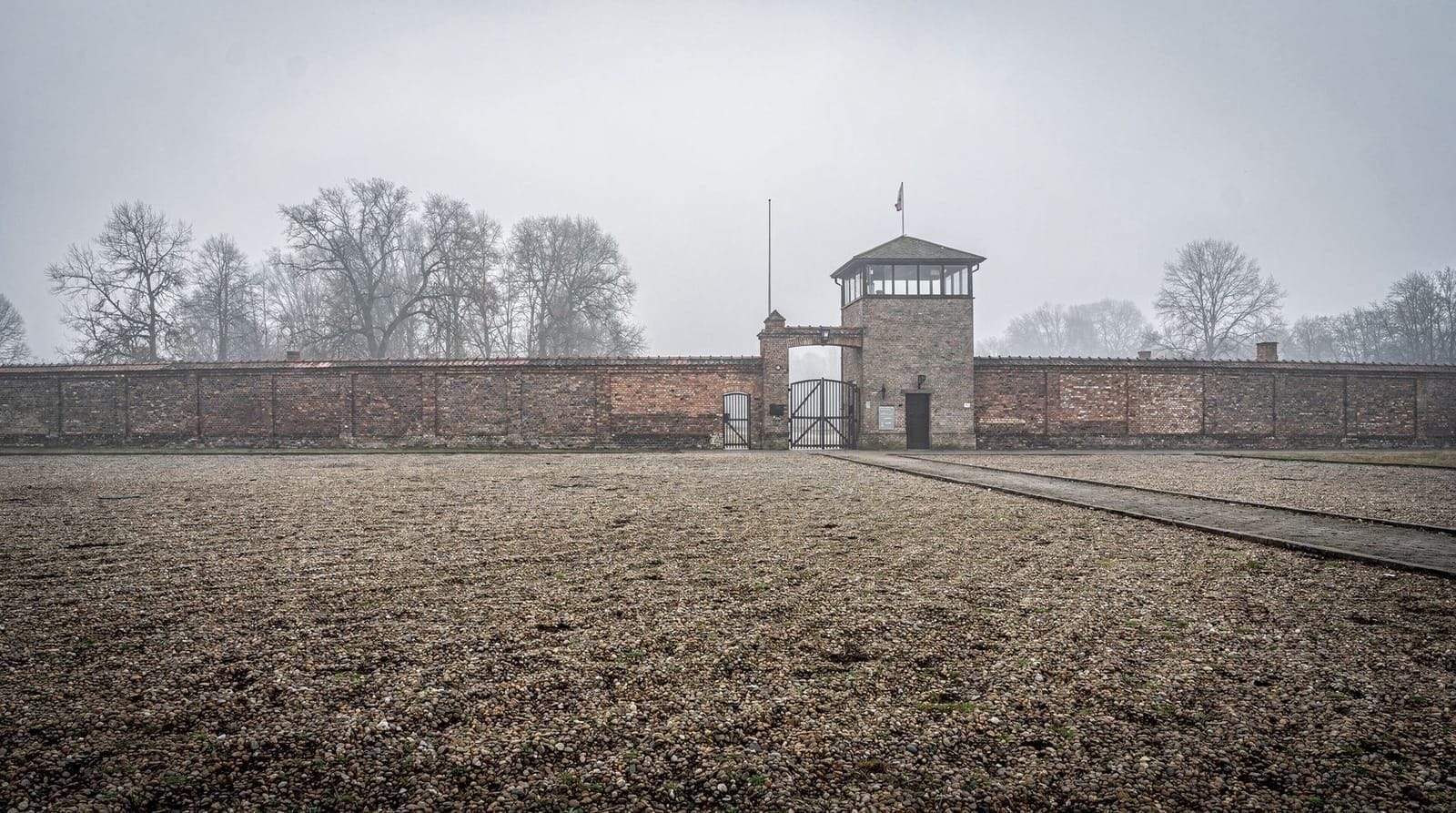
The site covers a large area on the northern edge of Oranienburg. The main entrance (Haupttor) through the “Arbeit Macht Frei” gate leads into the camp’s roll call area (Appellplatz) and the surviving barracks buildings.
Key areas and buildings:
Station Z: The camp’s primary execution and cremation site. The name was SS bureaucratic language — “Station A” was intake, “Station Z” was the end. The gas chamber, shooting facilities, and cremation ovens operated here from 1943. This is the most difficult area of the site.
Barracks buildings: Two original barracks are preserved and contain exhibitions. The exhibition on prisoner life and camp organization is well-documented and the most visited area.
Pathology building (Pathologie): The building where prisoner bodies were subjected to SS medical procedures. The documentation here is explicit and hard to look at; it is a deliberate choice by the memorial to maintain this record.
Museum in the New Commandant’s House: The most comprehensive historical exhibition on the camp, covering origins, SS structure, categories of prisoner, and individual stories.
Soviet Special Camp documentation: A separate building near the northeast of the site covers the NKVD Special Camp period (1945–1950). Worth visiting; the Soviet period is documented here more fully than in the main exhibition.
Book a licensed small-group guided tour of Sachsenhausen from Berlin, covering Nazi and Soviet camp periodsBerlin: Bus Tour to Sachsenhausen, East Side Gallery, and Berlin Story Bunker — one day covering the camp memorial plus two central Berlin history stops
The two periods — Nazi camp and Soviet camp
Sachsenhausen operated under two completely different systems within a decade:
Nazi concentration camp (1936–1945): Approximately 200,000 prisoners were held, including political opponents (primarily German and European), Jews, Soviet POWs, Jehovah’s Witnesses, Roma, homosexuals, and others categorised as criminal or asocial by Nazi ideology. Forced labor, medical experiments, executions, and starvation were systematic. The camp was designed as the SS training model, meaning its architecture and administration influenced every camp built subsequently.
Soviet NKVD Special Camp No. 7 (1945–1950): After the Red Army liberated Sachsenhausen in April 1945, the NKVD took over the site and used it as an internment camp. The approximately 60,000 people held here included former Nazis, but also German social democrats, conservatives, and people arrested without specific charge. An estimated 12,000 died — primarily from starvation and tuberculosis, in conditions documented to have been deliberately inadequate. The camp was closed in 1950 and the East German government kept its existence largely hidden until 1990.
Understanding both periods is important context for post-war German and European history. The memorial covers both, but a guided tour typically integrates them more effectively than the exhibition sequence alone.
Guided tours — why they matter at Sachsenhausen
The on-site information at Sachsenhausen is thorough and well-documented — it’s one of the more professionally presented memorial sites in Germany. But there are specific gaps that a guide fills:
- The Soviet camp period is documented but not always placed in its full context (political tensions between East and West Germany, Soviet memory politics, the families who didn’t know what happened to prisoners for 40 years)
- The individual stories of specific prisoners — many of them compelling — are spread across multiple buildings rather than sequenced as a narrative
- The architectural logic of the camp (how it was deliberately designed for control and surveillance) is much clearer with someone who can point it out while walking
Audio guides (€3 on site) are a partial substitute. A licensed guide (German tour association certification) is significantly better.
Book an English-language licensed guide for Sachsenhausen covering the full historyPlanning your visit — practical details
Opening hours: The main memorial and museum is open daily 8:30am–6pm (April–October) and 8:30am–4:30pm (November–March). Individual buildings may close on Mondays. The outdoor memorial area is accessible daily.
Duration: 3 hours minimum. 4–5 hours for a full visit including all museum buildings. If you book a guided tour from Berlin that includes transport, the tour typically runs 5–6 hours total.
Getting back: S1 from Oranienburg to Berlin runs until approximately midnight. Frequency is every 20 minutes in daytime, every 30–40 minutes in the evening.
What to bring: The site is primarily outdoors. Wear comfortable walking shoes and appropriate weather clothing. There are toilets and a small cafe near the entrance. A Brandenburg Day Ticket covers your return to Berlin.
Photography: Photography is permitted throughout the memorial site. Some families of victims prefer that photographs of the most graphic exhibits not be shared publicly — this is personal discretion.
Food and facilities: A small cafe operates near the visitor entrance with basic snacks and drinks; it’s not a full restaurant, so if you plan to spend the whole day on site, eating something substantial before you arrive or bringing food is sensible. Oranienburg town itself, a short walk or bus ride away, has more restaurant options if you’d rather eat before or after the visit rather than on site.
How Sachsenhausen fits into Berlin’s memorial landscape
Sachsenhausen is one of several memorial sites accessible from Berlin. Visitors interested in 20th-century German history often combine sites over multiple days:
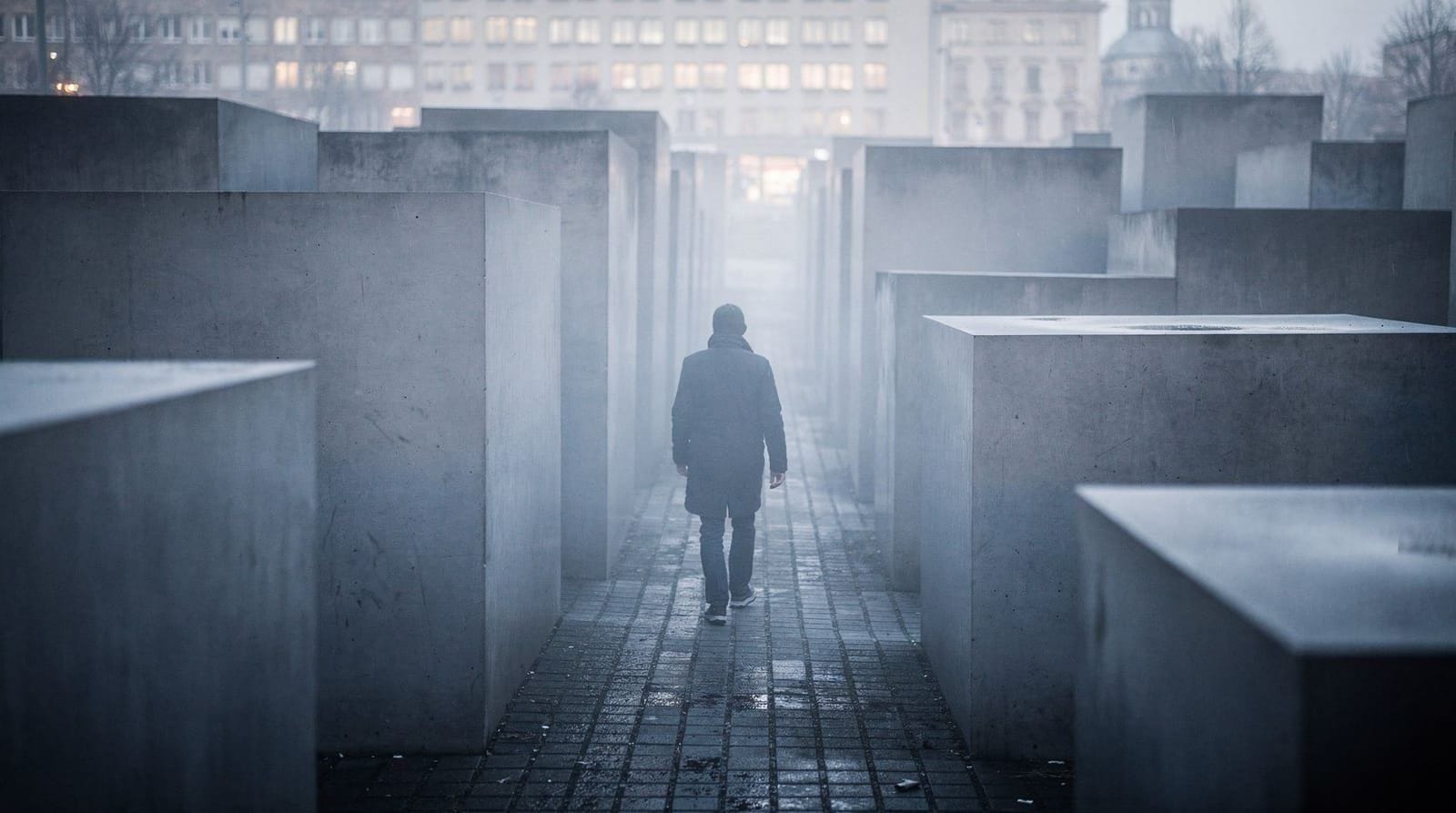
- Berlin’s Memorial to the Murdered Jews of Europe (central Berlin, Mitte)
- Topography of Terror (SS and Gestapo headquarters site, free)
- Wannsee Conference Memorial (S1 to Wannsee, then bus — where the Final Solution was coordinated in 1942)
- Ravensbrück Memorial (women’s concentration camp, 90 minutes north of Berlin)
- Sachsenhausen
For an itinerary connecting these sites across multiple days, see the Cold War Berlin itinerary and the Third Reich history trail.
Tone and expectations
The Sachsenhausen memorial is not entertainment and should not be treated as such. It is a place of historical record and, for many visitors, a place with direct family connections.
That said, understanding this history is not about inflicting suffering on visitors. The memorial professionals who work there have thought carefully about how to present difficult material in ways that are comprehensible and bearable — and about what purpose such memorials serve in a 21st-century democracy. Going with genuine engagement, spending enough time, and reading or listening carefully will result in an experience that is dark but not unbearable.
Sachsenhausen or Ravensbrück, if choosing one
Both sites are administered by the same Brandenburgische Gedenkstätten Foundation and cover related but distinct history. Sachsenhausen is closer to Berlin, larger, and typically the first choice for visitors with time for only one Nazi-era memorial outside the city. Ravensbrück, further north, focuses specifically on the persecution of women and is quieter given its greater distance from Berlin. Neither is a substitute for the other; visiting both, on separate days, gives a fuller picture if your schedule allows it.
Frequently asked questions about Berlin to Sachsenhausen day trip
Is Sachsenhausen free to visit?
Yes. The main Sachsenhausen Memorial and Museum site is free to enter. Some temporary exhibitions may charge €3–5. The train journey (S1 to Oranienburg) requires a BC zone ticket costing €3.80 single or approximately €7.70 for a day ticket. The Brandenburg Day Ticket (~€29 for up to 5 people) also covers the journey.How long does it take to get to Sachsenhausen from Berlin?
The S1 S-Bahn from Brandenburger Tor, Friedrichstrasse, or Gesundbrunnen to Oranienburg (end of line) takes approximately 50 minutes. From Oranienburg station, it is 20 minutes on foot or 5 minutes by bus 804 to the memorial entrance.What ticket do I need for the S1 to Oranienburg?
You need at minimum a BC zone ticket (€3.80 single) since Oranienburg is in zone C. If departing from a central Berlin station in zone A, buy an ABC single (€4.80). A Brandenburg Day Ticket (~€29 for 1-5 people) covers the round trip and is cost-effective for groups.How much time should I allow for Sachsenhausen?
Minimum 3 hours for the main memorial areas and the station museum. Allow 4–5 hours if you want to visit the dedicated buildings including the Pathology building, Museum in the New Commandant's House, and the Soviet camp documentation. A rushed 2-hour visit misses the most important parts.Is a guided tour of Sachsenhausen worth it?
Yes, significantly so. The on-site information covers the Nazi period comprehensively, but the post-1945 Soviet NKVD special camp period (1945–1950, ~12,000 prisoners died) is inadequately covered by the main exhibition. A licensed guide who covers both phases provides substantially more context. Audio guides are available on site for €3.What was Sachsenhausen used for after World War II?
The Soviet NKVD operated Sachsenhausen as Special Camp No. 7 from 1945 to 1950. Approximately 60,000 people were held there — including former Nazis, but also German democrats and people arrested arbitrarily. An estimated 12,000 died of starvation and disease. This phase of the camp's history is documented at the memorial site but is less prominently presented than the Nazi period.Are children appropriate for a Sachsenhausen visit?
The site includes graphic historical documentation including photographs and exhibits from the camp's operation. The memorial recommends visitors be at least 12–14 years old. The experience is serious and emotionally heavy. The on-site guides can be asked to adjust the depth of historical detail for younger visitors.Can I combine Sachsenhausen with a Potsdam visit in the same day?
Technically possible but not recommended. Sachsenhausen alone deserves 3–4 hours, and the emotional weight of the memorial makes it inappropriate to rush. A combined day would do justice to neither site. Plan these as separate trips.
Top experiences
Bookable activities with verified prices and instant confirmation on GetYourGuide.