Potsdam — royal palaces and Cold War history just west of Berlin
Potsdam packs UNESCO-listed palaces, the Cecilienhof of the 1945 conference, and beautiful lakeside parks into an easy 40-minute train ride from central Berlin.
Berlin: Day Trip to Potsdam & Sanssouci Palace Guided Tour
Quick facts
- Best for
- Royal palaces, Prussian history, lakeside parks, Cold War (Cecilienhof)
- Time needed
- Full day; 2 days to cover everything comfortably
- Getting there
- S7 from central Berlin (45 min) or RE1 regional train (30 min); ABC zone ticket €4.80
- Entry
- Sanssouci park free; palace entry €14–22 depending on ticket; combo tickets available
- Crowds
- Very busy June–August; arrive before 9 am or buy timed-entry in advance
- Best season
- May–June and September for comfortable crowds and full garden season
Potsdam: what to expect before you go
Potsdam is the Brandenburg capital and the most rewarding day trip from Berlin. Thirty minutes on the RE1 regional train brings you into a city of remarkable architectural coherence — Prussian baroque and rococo palaces, formal French-style gardens, and a Dutch quarter that feels transplanted from the Netherlands. The UNESCO World Heritage listing covers over 500 hectares of parks and more than 150 buildings.
What surprises many visitors: Potsdam is not just a museum park. It’s a working city of 180,000 people with a genuine restaurant and cafe culture, a Russian colony, a film studio of international reputation (Babelsberg), and the Cold War significance of Cecilienhof — where Truman, Stalin, and Churchill divided post-war Europe in 1945.
One realistic day covers Sanssouci palace, the park, and either Cecilienhof or the Dutch Quarter. Two days allows you to add Babelsberg, the Russian Colony Alexandrowka, and the lakeside areas.
| Where | Brandenburg capital, ~25 km south-west of central Berlin |
| Getting there | RE1 from Berlin Hbf, ~30 min; ABC zone ticket €4.80 |
| Cost | Sanssouci park free; palace entry €14–22 depending on ticket |
| Time needed | Full day; 2 days to cover everything comfortably |
| Best time | May–June and September for good weather without peak crowds |
Getting to Potsdam from Berlin
By S-Bahn: S7 from Hauptbahnhof or Charlottenburg to Potsdam Hauptbahnhof — 45–50 minutes. Runs every 10 minutes during the day.
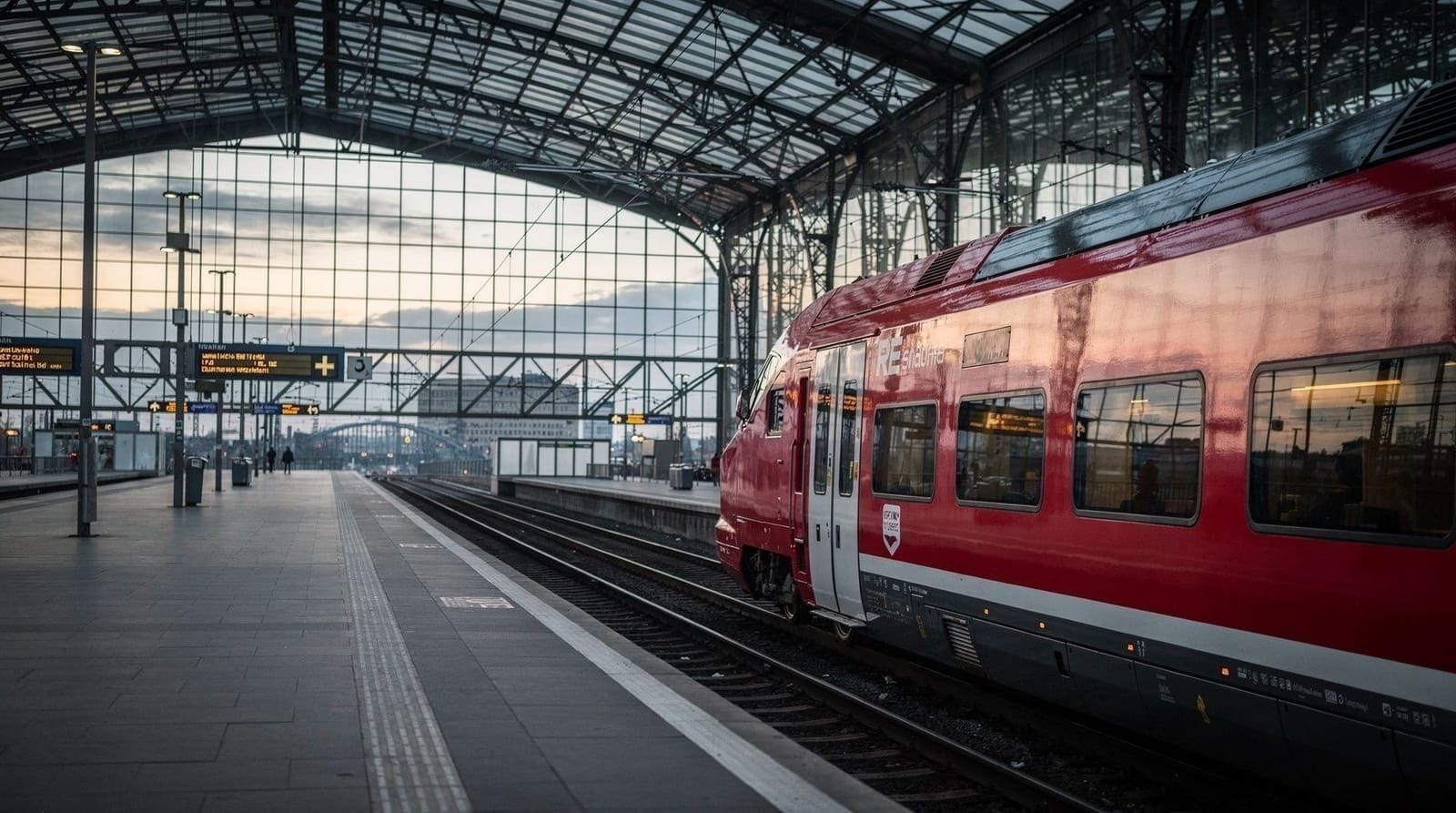
By regional train: RE1 from Hauptbahnhof or Ostbahnhof — 30 minutes to Potsdam Hauptbahnhof. Runs every 30 minutes.
Tickets: Both options require a Berlin ABC zone ticket (€4.80 single, or include Potsdam in your WelcomeCard zone selection). A single AB ticket does NOT cover Potsdam — this is the most common mistake visitors make.
From Potsdam Hauptbahnhof, bus 695 runs directly to the Sanssouci park entrance (5–10 minutes). A bicycle is excellent here — the park and city are very cyclable.
Book a full-day guided tour combining Berlin departure, Sanssouci, and CecilienhofSanssouci Palace and park — the essential stop
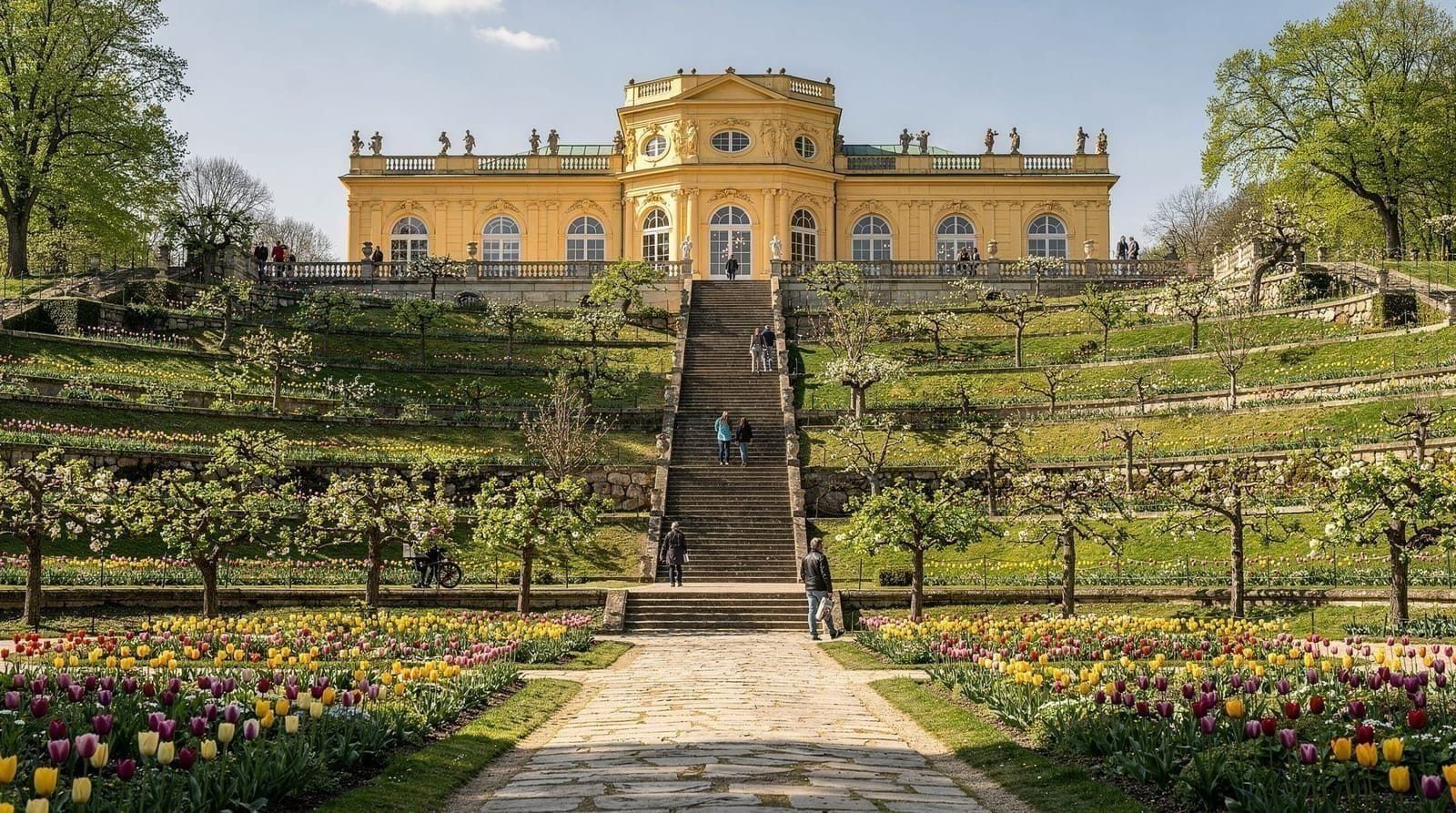
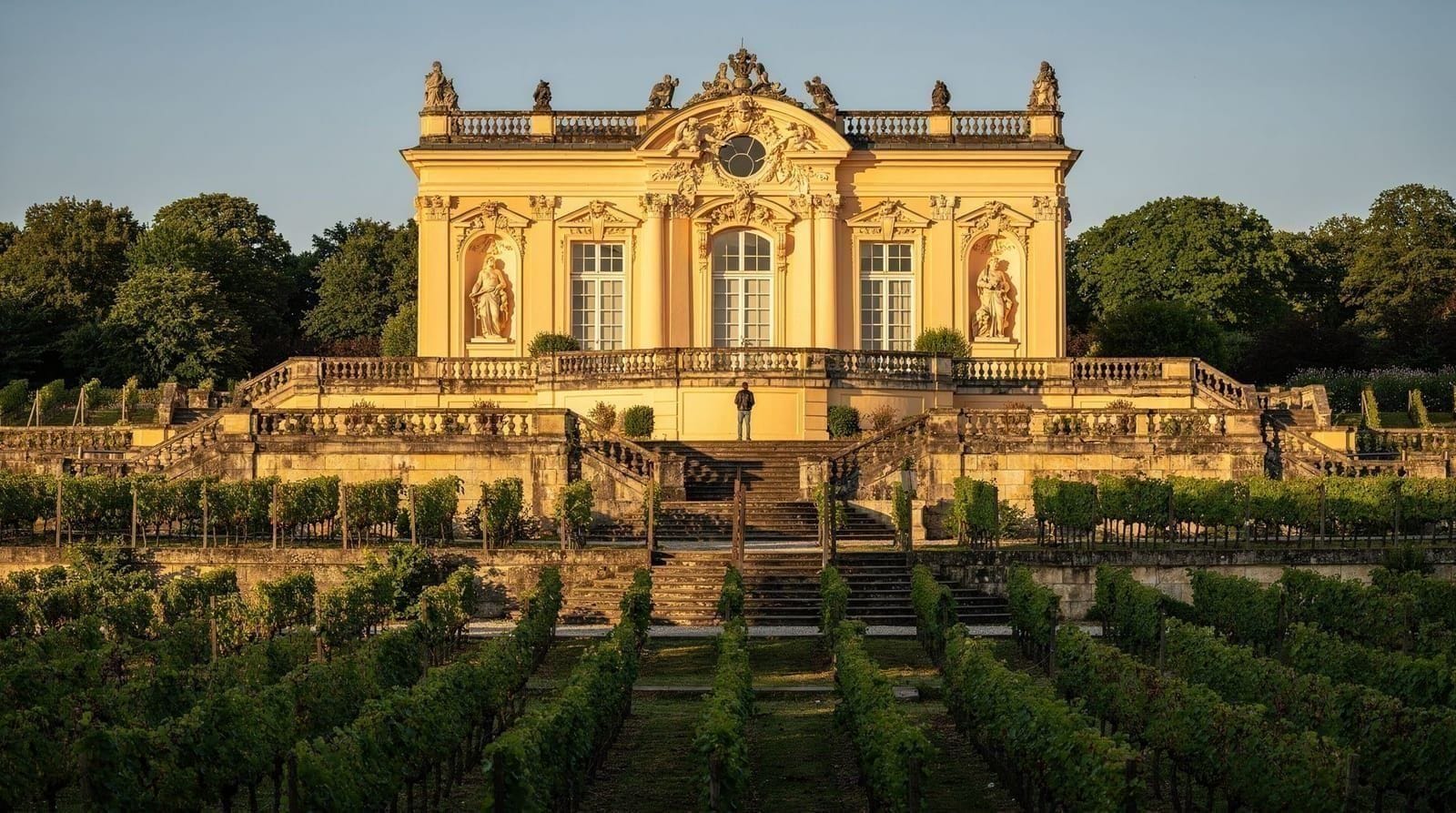
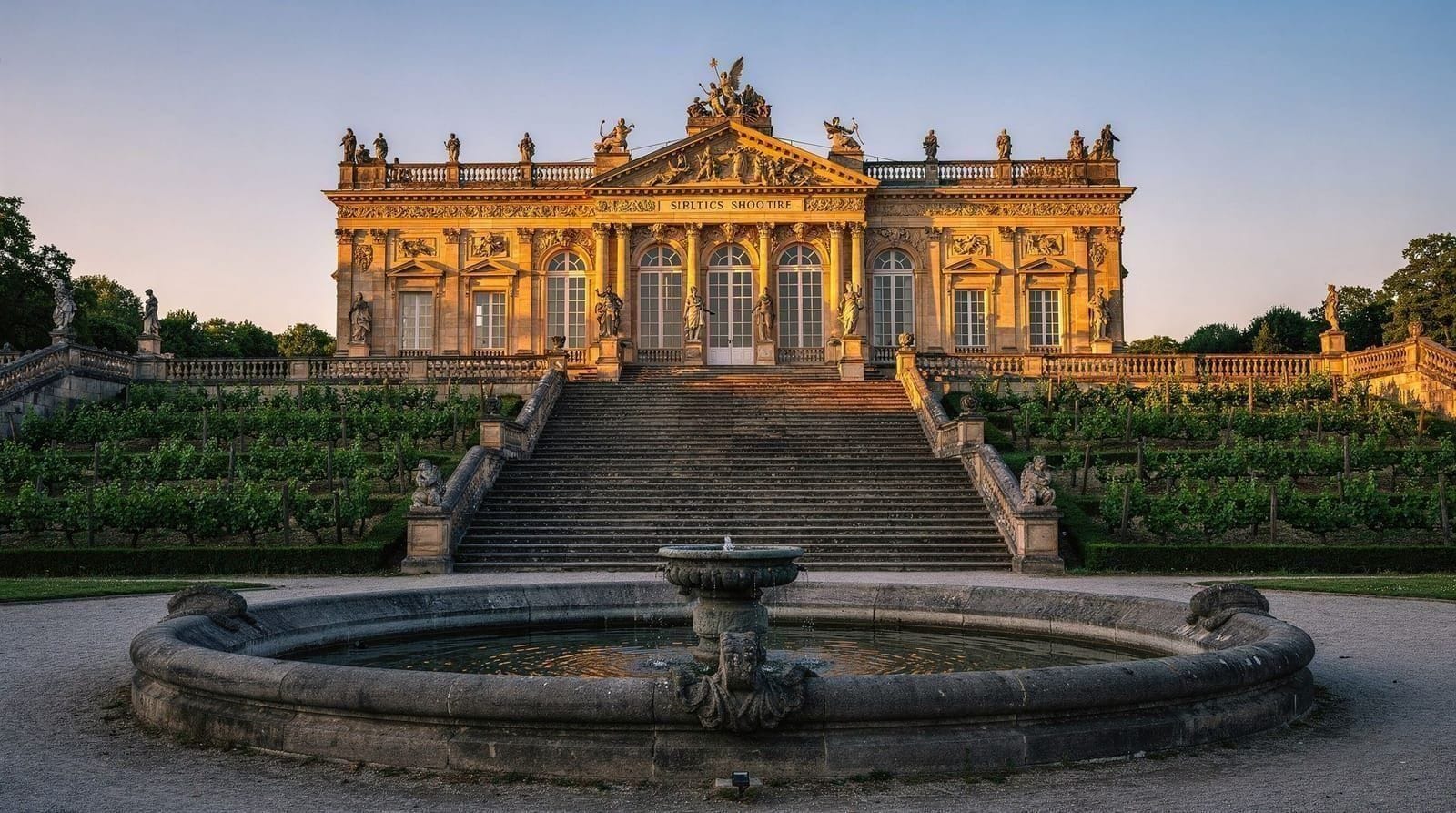
Sanssouci (French for “without care”) was Frederick the Great’s summer residence, built in 1747. The single-storey rococo palace crowning a stepped vineyard terrace is smaller and more intimate than photographs suggest — 12 rooms, all richly decorated, with the famous Voltaire Room and Frederick’s private concert hall.
Booking ahead is essential. Entry to the palace is by timed-entry ticket only; daily visitor numbers are capped, and summer weekend slots sell out by 8 am. Book online via spsg.de or in person at the visitors’ centre at the park’s eastern entrance. Adult tickets: €14.
The park surrounding the palace is free to enter and walkable from end to end in about 90 minutes at a gentle pace. The New Palace (Neues Palais) at the western end is the largest royal building in Potsdam (€8 entry) — worth the extra ticket if you have time. The Orangery Palace (Orangerieschloss) offers panoramic views and an Italian-inspired interior.
For a deep dive into the palace and its history, see the Sanssouci destination page.
Cecilienhof and the Potsdam Conference
The least visited of Potsdam’s major sites — and arguably the most historically significant. Cecilienhof is a Tudor-style country house in the New Garden (Neuer Garten) where Truman, Stalin, and Clement Attlee (who replaced Churchill mid-conference) met from July 17 to August 2, 1945 to determine the post-war order in Europe.
The conference table where Germany was divided, the three leaders’ study rooms, and the corridor where the decision to drop the atomic bomb on Japan was communicated to Truman — all are preserved essentially as they were. The exhibition is sober and well-documented. It costs €8 to enter; a private guided tour brings considerable extra context.
Book a private guided tour of Cecilienhof and the Potsdam Conference roomsGetting to Cecilienhof: bus 603 from Potsdam Hauptbahnhof to New Garden, or 35 minutes on foot from the Sanssouci park. It’s a completely separate site — allow half a day to combine it with a Sanssouci visit.
The Dutch Quarter (Holländisches Viertel)
Potsdam’s Dutch Quarter — 134 red-brick gabled houses built between 1733 and 1742 — is one of the largest collections of Dutch-style architecture outside the Netherlands. Frederick William I brought Dutch craftsmen to Potsdam; the quarter they built is now a pleasant area of independent cafes, galleries, and boutique shops. Good for lunch or coffee between the major sites. The streets around Mittelstrasse and Benkertstrasse are the most photogenic.
Babelsberg: palace, park, and Germany’s oldest film studio
Babelsberg is Potsdam’s second act, and most first-time visitors never get there. Babelsberg Palace (Schloss Babelsberg), a neo-Gothic residence built for Prince Wilhelm (later Emperor Wilhelm I) between 1833 and 1849, sits above the Havel in an English-style landscaped park designed by Peter Joseph Lenné — quieter and far less crowded than Sanssouci, and a genuinely pleasant walk in its own right even if the palace interior is currently under long-term restoration and not always fully open (check spsg.de before planning around it).
More famous today is Studio Babelsberg, founded in 1912 and the oldest large-scale film studio in the world — still operating, and the site where films from Metropolis (1927) to major international productions have been shot. The public-facing Filmpark Babelsberg offers studio tours, stunt shows, and exhibits on German film history, generally open April to October; check current hours, as the park sometimes runs a reduced winter schedule. It’s aimed partly at families and is a different, more playful register than the palace circuit — a sensible half-day add-on for a second Potsdam day rather than something to squeeze into a single-day Sanssouci visit.
The Russian Colony Alexandrowka
A short walk or tram ride north of the centre, Alexandrowka is a settlement of wooden houses built in 1826–27 for a choir of Russian soldiers who had settled in Prussia after the Napoleonic Wars — a genuinely unusual piece of Russo-Prussian history, and now a UNESCO-listed part of Potsdam’s World Heritage landscape alongside the palaces. The houses, built in a Russian log-cabin style incongruous with the rest of Potsdam, are still lived in today, and the small Alexandrowka Museum in one of the houses explains the settlement’s origins. It’s free to walk through the streets; the museum charges a modest admission (around €3). Combined with the nearby Russian Orthodox chapel on the Kapellenberg hill, it makes for an easy 45–60 minute detour that most Sanssouci-only visitors miss entirely.
Boat tours on the Havel lakes
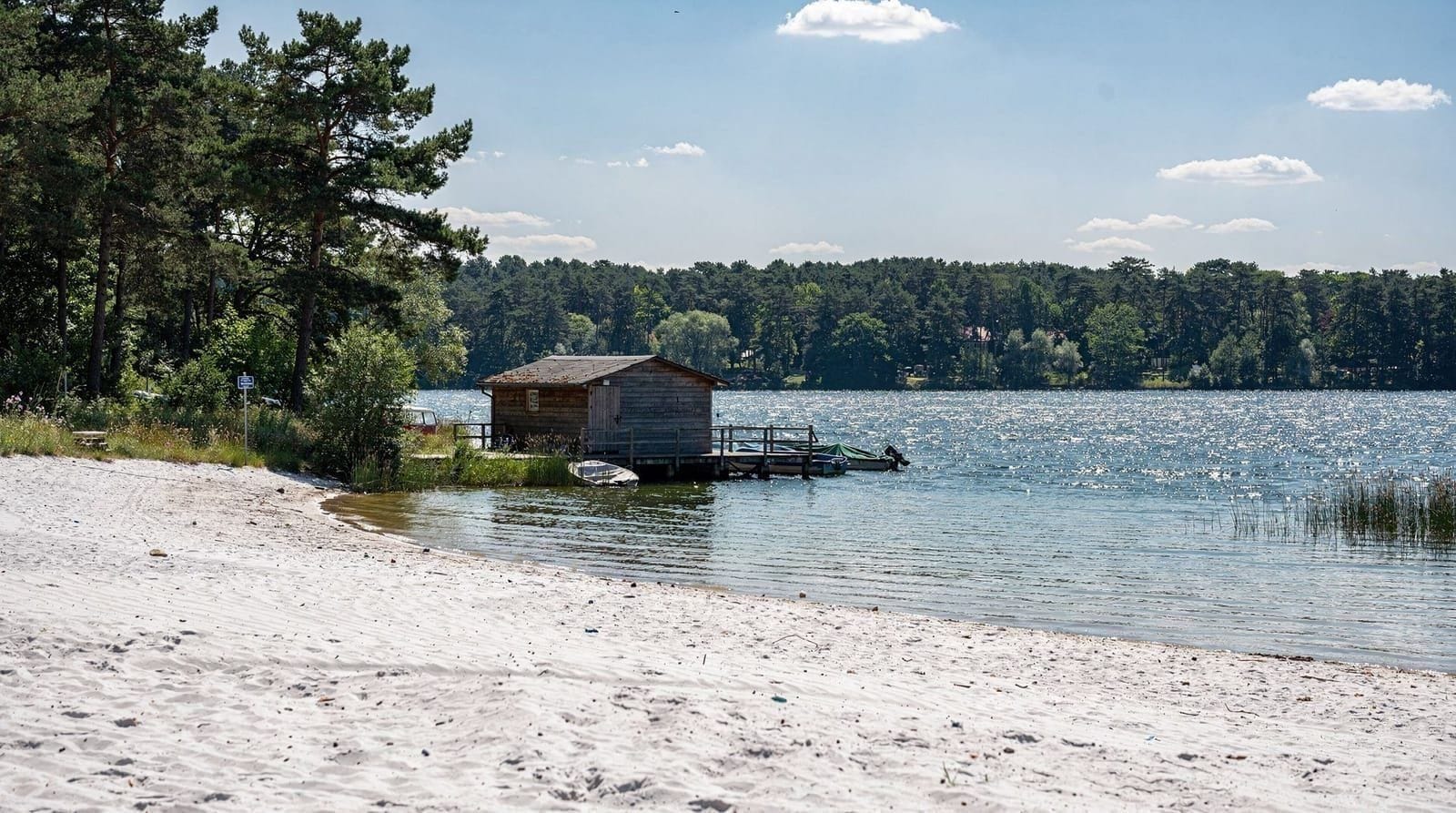
Potsdam sits at the confluence of the Havel river and a chain of lakes, and a boat tour is one of the best ways to see the palace architecture from the water. Weisse Flotte Potsdam runs regular trips ranging from 1-hour circuits to longer excursions toward the Wannsee area. Operating season is approximately April to October.
See the Potsdam palaces from the water on a Havel lake boat tourWhere to eat in Potsdam
The Dutch Quarter has the highest density of good cafes and restaurants. For budget eating, the Brandenburger Strasse pedestrian zone has standard German options. The market square (Alter Markt) area near the Nikolaikirche has some better restaurant options.
For a picnic in Sanssouci park: bring food from Berlin or pick up provisions from the market hall near the station. Food inside the park itself is limited and overpriced.
Practical notes
Closing days: Most palaces close on Mondays. The park itself is always open.
Best time of day: Arrive before 9 am to beat coach tour groups, which typically arrive from 10 am. By midday in summer the Sanssouci grounds are genuinely crowded.
Cycling: Bike rental is available near the station. The park is flat and pleasant by bike. A cycle route connects Sanssouci, the New Palace, and Cecilienhof in a 10–12 km loop.
Combined with Berlin day trip planning: See the Berlin to Potsdam day trip guide and the Berlin–Potsdam weekend itinerary for suggested schedules.
Frequently asked questions about Potsdam
Do I need to book Sanssouci tickets in advance?
Yes, emphatically. Summer weekend timed-entry slots for the palace interior sell out by 8 am. Book online via spsg.de at least 3–7 days in advance in June–August. The park (free) is always accessible, but entry to the palace building requires a booked time slot.
Is Potsdam worth visiting in winter?
The park is largely dormant November–March, but the palaces remain open (fewer crowds, no booking required). Cecilienhof is excellent year-round. The Dutch Quarter is pleasant in any season. For the full garden and vineyard experience, come May–September.
How long does the Sanssouci park take to explore?
The central area around the palace takes 1.5–2 hours. The full park from east to west (including New Palace) is about 3 km and takes 2.5–3 hours walking at a relaxed pace. A bicycle makes the west end comfortable to include.
Can I combine Potsdam with Wannsee in one day?
Yes, with careful planning. Wannsee station is on the S7 line between Berlin and Potsdam — you can stop there on the way. The Wannsee Conference Memorial takes 1.5 hours; add 30 minutes at the beach if time allows. Then continue to Potsdam for the afternoon. It’s a full day but manageable.
Is a guided tour of Potsdam worth it?
For first-time visitors: yes. The palaces look spectacular but the historical context — Frederick the Great’s philosophical personality, the 1945 conference decisions, the Soviet-era implications — is hard to absorb without explanation. A half-day guided tour from Berlin with a specialist guide costs €35–65 and pays for itself in comprehension.
Is Studio Babelsberg worth visiting if I’m not especially into film history?
The Filmpark’s stunt shows and family-oriented exhibits work fine as a change of pace after a morning of palaces, but it’s a genuinely different kind of attraction from Sanssouci or Cecilienhof — go for it specifically, rather than expecting it to slot neatly into a history-focused day. Film enthusiasts and families with children get the most out of it.
What is Alexandrowka and is it worth the detour?
A settlement of Russian-style wooden houses built in 1826–27 for a choir of Russian soldiers who settled in Prussia, now UNESCO-listed alongside Potsdam’s palace landscape. It’s free to walk through and takes under an hour, making it an easy add-on for a second Potsdam day rather than a reason to visit on its own.
Top experiences
Bookable activities with verified prices and instant confirmation on GetYourGuide.