Sachsenhausen Memorial — Concentration Camp Memorial in Oranienburg
The Sachsenhausen concentration camp memorial north of Berlin is a profound site of remembrance. Admission is free; the S1 takes about 45 minutes.
Berlin: Sachsenhausen Concentration Camp Memorial Tour
Quick facts
- Address
- Straße der Nationen 22, 16515 Oranienburg
- From Berlin
- S1 from Berlin Hauptbahnhof to Oranienburg (~45 min), then 20 min walk or bus
- Admission
- Free (permanent exhibitions); guided tours from €18
- Opening hours
- Mid-March to mid-October 08:30–18:00; mid-Oct to mid-March 08:30–16:30; closed Mondays
- Time needed
- 2–4 hours minimum; guided tour ~3 hours
Sachsenhausen was one of the first large concentration camps established by the SS, built in 1936 on the outskirts of Oranienburg, 35 kilometres north of Berlin. It served as a model for other camps in the Nazi system and as the administrative headquarters of the entire concentration camp network. Between 1936 and 1945, more than 200,000 people were imprisoned here — political opponents, Jews, Soviet prisoners of war, gay men, Jehovah’s Witnesses, and others deemed undesirable by the regime. Tens of thousands died from execution, exhaustion, starvation, medical experiments, and disease.
This is not an easy destination. It is, however, an important one. The Gedenkstätte und Museum Sachsenhausen is Germany’s most visited concentration camp memorial outside of Dachau and Bergen-Belsen, and its approach to documentation — factual, thorough, respectful of the victims — makes it one of the most useful places to understand how the Nazi system functioned.
| Where | Oranienburg, 35 km / ~45 min north of Berlin by S1 |
| Cost | Free entry; guided tours from Berlin from around €18 |
| Time needed | 2–4 hours; 3–3.5 hours on a guided tour |
| Pace | Self-guided with audio guide, or licensed small-group tour |
| Combine with | The town of Oranienburg, not lighter sightseeing |
Getting there from Berlin
By S-Bahn (the recommended approach): Take the S1 line from Berlin Hauptbahnhof, Brandenburger Tor, Friedrichstraße, or Oranienburg S-Bahn stops. The journey from Berlin Hauptbahnhof to Oranienburg takes approximately 45 minutes. Trains run every 20 minutes during the day. The S-Bahn ticket for the full ABC zone (required for Oranienburg) costs approximately €3.80 single or is covered by a day ticket.
From Oranienburg station, the memorial is about 1.5 km north-east — a 20-minute walk, mostly flat and signposted. Alternatively, bus 804 runs from the station to the memorial entrance (10 minutes, every 30 minutes).
By car: A111 north-west from Berlin to A10, then A111 north, exit Oranienburg. Approximately 40 km, 40–50 minutes. Free parking is available at the memorial site.
Several Berlin operators run guided excursions by coach or train, which can be valuable for those who want interpretive context from the beginning.
Join an expert-led Sachsenhausen tour from BerlinWhat to see: the memorial site
The memorial occupies most of the original camp footprint. Entry is through the original main gate, with its notorious inscription “Arbeit macht frei” (“Work sets you free”) — a phrase used across the Nazi camp system.
The appellplatz (roll-call square): The large central ground where prisoners were assembled twice daily for hours, regardless of weather. The scale of the space makes the numbers of prisoners held here viscerally comprehensible.
Barrack foundations and reconstructed barracks: Most prisoner barracks were demolished after the war. Foundation outlines are marked throughout the triangular camp. Several barracks have been reconstructed or preserved, including the Infirmary barrack (Station Z annex) where some medical experiments were conducted.
Exhibition buildings (Barrack 38 and 39): The main museum exhibitions cover the history of the camp from its founding through liberation in April 1945, with particular focus on different prisoner groups. The documentation is extensive, drawing heavily on survivor testimony and historical records. Text is available in German and English throughout.
Station Z — the extermination site: At the northern apex of the triangular camp is Station Z, where the SS constructed dedicated facilities for mass killing in 1941–42, including a gas chamber and industrial-scale shooting facility. The site is stark and deliberately left without elaboration beyond the historical record. A crematorium chimney remains standing.
Soviet Special Camp 1 (1945–1950): After liberation by Soviet forces in April 1945, the site was used as Special Camp No. 1 by Soviet occupation forces, in which an estimated 12,000 of the approximately 60,000 imprisoned there died. A separate exhibition documents this postwar history.
Guided tours: why they matter here
Sachsenhausen’s physical remains are fragmentary — many structures were demolished, and without context the triangular camp can be difficult to read. A knowledgeable guide contextualises what existed where, explains the SS administrative structure, and ensures that survivor testimony is woven through the physical geography.
The memorial’s official guided tours in German run daily; English-language public tours are available several times a week — check the Gedenkstätte website for current schedules. These cost approximately €5–8 per person.
Several Berlin-based operators run half-day tours with English-speaking licensed guides. These typically take small groups (max 10–15 people) and spend 3–3.5 hours on site, including transport from central Berlin.
Small-group licensed tour with a professional guideHow to approach the visit
A few considerations for making the most of a visit:
Allow enough time. The permanent exhibitions are extensive, and the physical site is large. Two hours is a minimum; 3–4 hours is appropriate for a thorough visit. Rushing through a site of this nature is counterproductive.
Audio guide: An audio guide is available at the visitor centre in multiple languages, including English. Cost approximately €3. It is particularly useful for independent visitors.
The visitor centre: Located at the main entrance, it has a bookshop, toilets, and a small café. Publications about the camp history and individual prisoner stories are available in German and English.
Children: The memorial is appropriate for older children and teenagers with adult accompaniment and preparation. Several German states include Sachsenhausen in secondary school curricula. Younger children should be accompanied and prepared for the subject matter.
Photography: Permitted throughout the site; please exercise discretion. Do not pose for photographs in contexts that trivialise the site’s significance.
Combining with Oranienburg
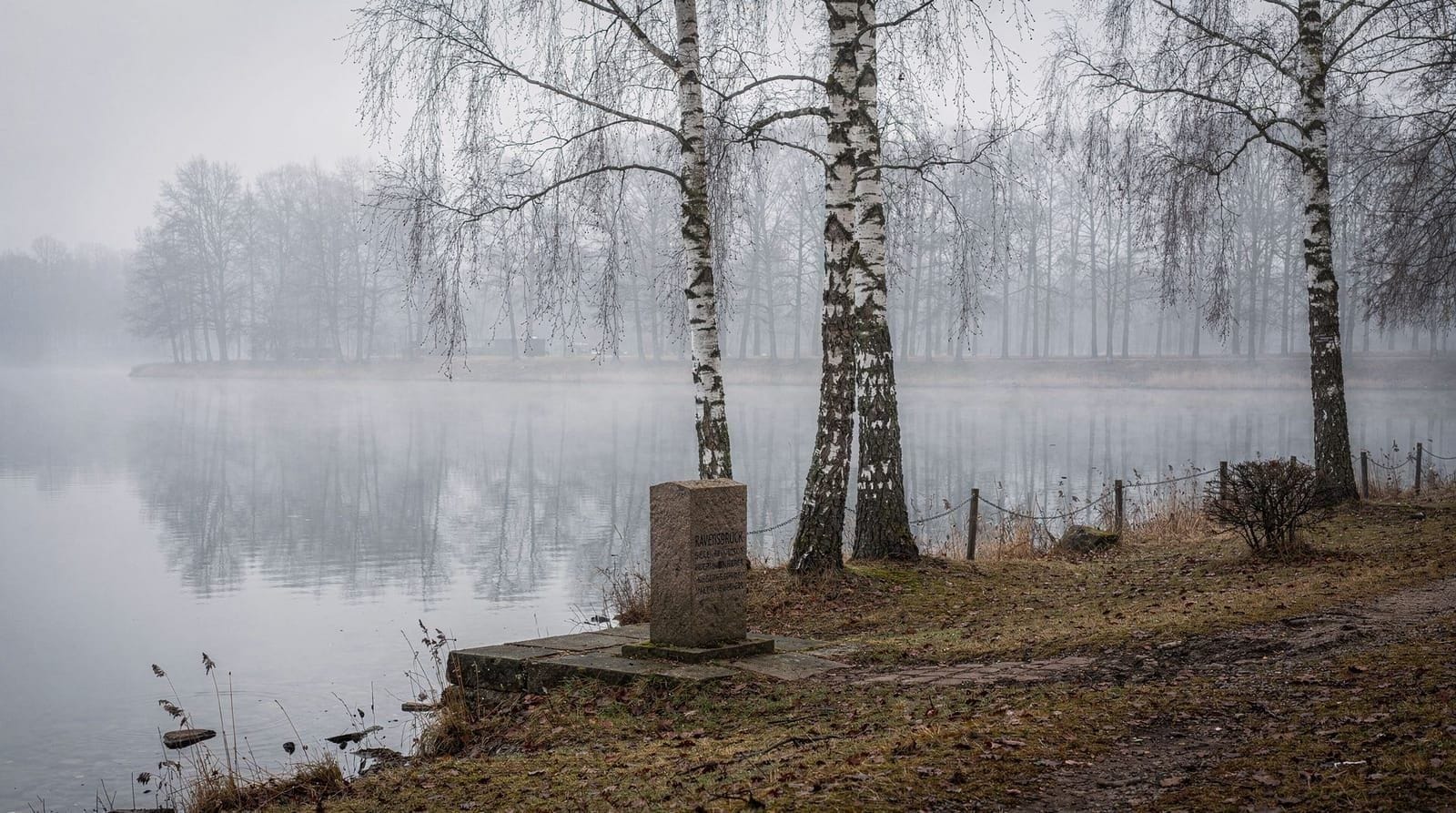
The nearby town of Oranienburg has its own history, including the early Sachsenhausen camp precursor at the Oranienburg SA camp (1933), and the baroque Oranienburg Palace. Many visitors stop briefly in the town before or after the memorial. The town is also the practical hub for reaching Ravensbrück to the north.
How Sachsenhausen compares to other Berlin-area WWII sites
Sachsenhausen is one of several ways to engage with the Nazi era around Berlin, and each site does a different job. This is not a “pick one” situation — the sites complement each other, but if time is limited it helps to know what each one covers.
| Site | What it covers | Time needed | Distance from Berlin |
|---|---|---|---|
| Sachsenhausen | A concentration camp itself — imprisonment, forced labour, killing | 2–4 hours | 45 min (S1) |
| Topography of Terror | The SS/Gestapo command structure that ran the camp system | 1.5–2 hours | Central Berlin |
| Ravensbrück | The main camp for women, further north near Fürstenberg | Half-day+ | ~90 min |
| Wannsee Conference Memorial | The bureaucratic planning of the genocide, January 1942 | 1.5–2 hours | 35–40 min |
Visitors piecing together a fuller picture often pair Sachsenhausen with the Topography of Terror or build a dedicated day around Third Reich sites in Berlin; our Berlin-to-Sachsenhausen day trip guide has step-by-step timing for a self-guided visit, and Sachsenhausen visiting tips covers first-hand practical notes from a recent visit.
Frequently asked questions about Sachsenhausen
Is admission to Sachsenhausen free?
Yes. Entry to the memorial and all permanent exhibitions is free of charge. Audio guides and printed materials are available for a small fee. Commercially operated guided tours from Berlin are ticketed separately.
How long should I plan for a visit?
Two hours is a realistic minimum for a self-guided visit covering the main site and one or two exhibition buildings. Three to four hours allows a more thorough visit including Station Z and the Soviet Special Camp exhibition. Guided tours from Berlin typically include 3–3.5 hours on site.
Is Sachsenhausen accessible by public transport?
Yes. The S1 S-Bahn line runs from central Berlin to Oranienburg in approximately 45 minutes. From Oranienburg station, the memorial is a 20-minute walk or a short bus ride (bus 804). No car is required.
Should I take a guided tour or visit independently?
Both are valid. Guided tours (official or privately operated) provide essential historical context that significantly enriches the experience; the site’s physical remains are fragmented and can be difficult to interpret without guidance. Independent visitors should use the audio guide and the exhibition texts carefully.
Is the visit emotionally difficult?
Yes. Sachsenhausen documents the systematic imprisonment and killing of hundreds of thousands of people, and the site is explicit about this history. Visitors should expect to find the experience sobering and sometimes distressing. This is appropriate — the memorial is designed to be honest about what happened here.
When is Sachsenhausen open?
Mid-March to mid-October: daily except Monday, 08:30–18:00. Mid-October to mid-March: daily except Monday, 08:30–16:30. The outdoor areas of the camp can be visited outside these hours; the exhibition buildings and visitor centre follow the above schedule.
Can I combine Sachsenhausen with other Berlin day trips?
Sachsenhausen is best visited on its own or combined only with the nearby town of Oranienburg. Combining it with lighter tourist activities on the same day is awkward from a tonal perspective and physically tiring. Many visitors schedule it as a dedicated half-day commitment.
Should I visit the Topography of Terror before or after Sachsenhausen?
Either order works, but many visitors find it useful to see the Topography of Terror first — it explains the SS command structure that built and ran Sachsenhausen — and then visit the camp itself to see where that machinery operated. If you only have time for one, Sachsenhausen is the more visceral experience; Topography of Terror gives the administrative context.
Is Sachsenhausen better than Ravensbrück for a first visit?
Sachsenhausen is more accessible (45 minutes by S-Bahn, no car needed) and was the administrative hub of the entire camp system, so most first-time visitors choose it. Ravensbrück, the main camp for women, is further north and requires more travel time, but it is a valuable second visit for anyone wanting a fuller picture of the system.
Top experiences
Bookable activities with verified prices and instant confirmation on GetYourGuide.