Oranienburg — Sachsenhausen gateway town with a baroque palace
Oranienburg combines the Sachsenhausen memorial with a 17th-century baroque palace. 35 km north of Berlin by S1, free memorial entry, palace from €6.
Berlin: Sachsenhausen Concentration Camp Memorial Tour
Quick facts
- From Berlin
- S1 from Berlin Hauptbahnhof to Oranienburg (~45 min); ABC zone ticket ~€3.80
- Sachsenhausen memorial
- Straße der Nationen 22 — free; Tue–Sun 08:30–18:00 (summer) / 16:30 (winter); closed Mon
- Schloss Oranienburg
- Schloßplatz 1 — adults €6, concessions €5; Tue–Sun 10:00–18:00 (Apr–Oct); closed Mon
- Town centre
- 10-minute walk from the S-Bahn station; compact and walkable
- Time needed
- Half-day for Sachsenhausen alone; full day to include the palace and town
Oranienburg is primarily known — and rightly so — as the location of the Sachsenhausen concentration camp memorial, one of the most important Holocaust sites within reach of Berlin and the starting point for understanding the administrative structure of the Nazi camp system. But Oranienburg is also a functioning Brandenburg town of 45,000 people with a history that predates the Third Reich by three centuries, anchored by the baroque Schloss Oranienburg on the banks of the Havel river.
For visitors who have half a day, Sachsenhausen is sufficient and is the reason to come. For those who can extend to a full day, combining the memorial with a visit to the palace adds a different historical register — 17th-century court culture rather than 20th-century atrocity — and gives a more layered picture of a town whose history spans both.
| Where | Oranienburg, Brandenburg, 35 km north of central Berlin |
| Getting there | S1 from Berlin Hbf, ~45 min; ABC zone ticket required |
| Cost | Sachsenhausen memorial free; Schloss Oranienburg €6 |
| Time needed | Half-day for Sachsenhausen alone; full day with the palace |
| Best time | Weekday mornings for a quieter, more reflective Sachsenhausen visit |
Sachsenhausen memorial: the essential visit
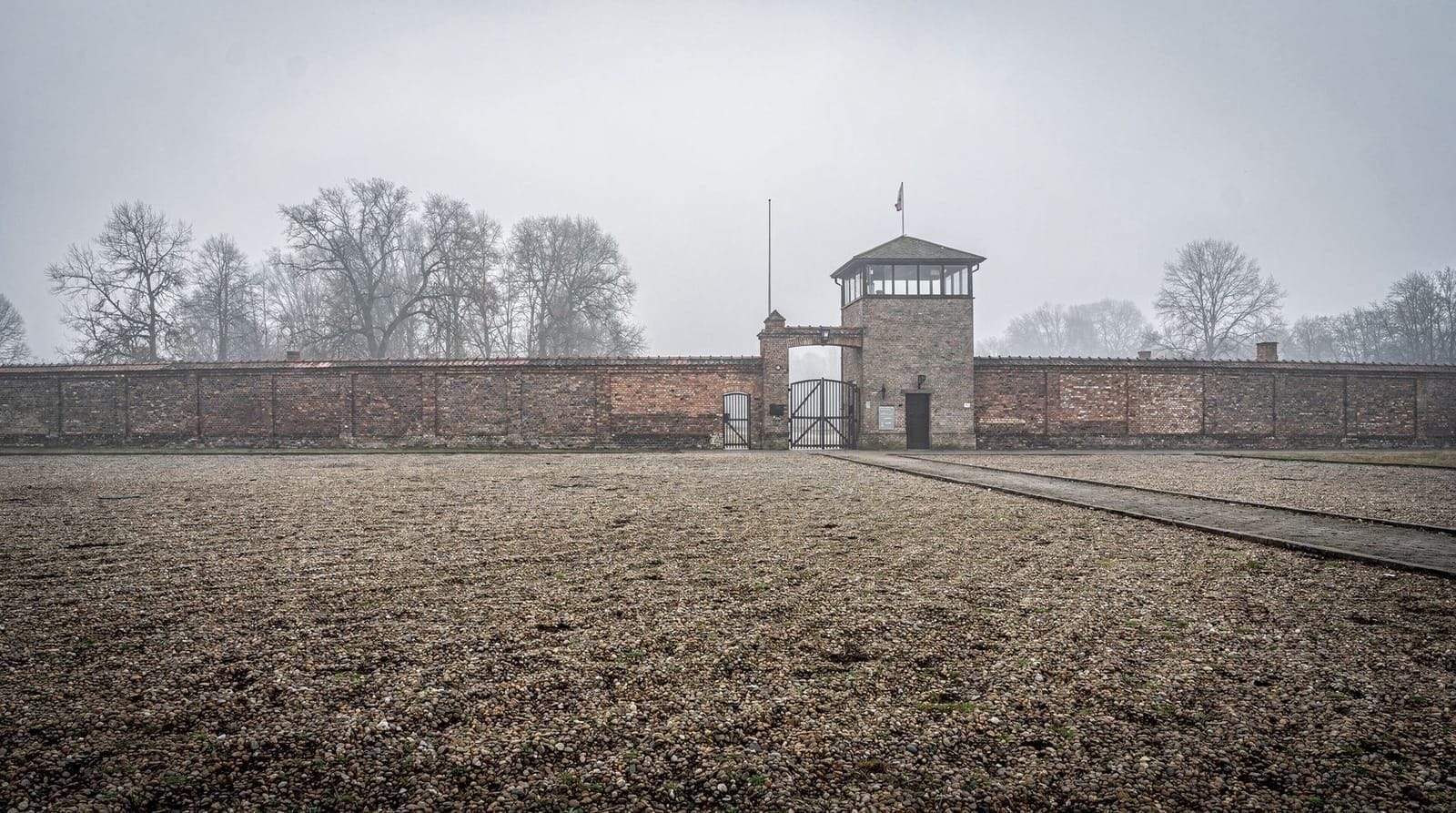
The Sachsenhausen concentration camp memorial is the primary reason most visitors come to Oranienburg, and the site justifies that priority without qualification. The camp was established by the SS in 1936 — using forced labour from an earlier SA camp in the town centre — and served as the administrative headquarters for the entire Nazi concentration camp network. It was a model camp: the triangular layout, the hierarchical prisoner system, and the administrative infrastructure developed here were exported to camps across occupied Europe. More than 200,000 people were imprisoned here between 1936 and 1945; tens of thousands died.
The Gedenkstätte und Museum Sachsenhausen is free to enter and open Tuesday to Sunday. From Oranienburg S-Bahn station, the memorial is 1.5 km north-east — a 20-minute walk, mostly flat and signposted, or a short ride on bus 804 (every 30 minutes, approximately 10 minutes, fare included in standard ticket).
Allow a minimum of two hours for a self-guided visit; three to four hours for a thorough one including the Station Z extermination site and the Soviet Special Camp exhibition. The permanent exhibitions document the camp’s history in extensive detail, with comprehensive English-language text throughout — unlike many German memorials, Sachsenhausen’s exhibitions are genuinely accessible to English-speaking independent visitors.
Join a guided Sachsenhausen tour from Berlin with an expert English-speaking guideGuided tours from Berlin — both coach and train-based — offer valuable interpretive context and are the best option for visitors who want the history explained as they move through a site where many physical remains are fragmentary and require context to read. Small-group tours with licensed English-speaking guides typically cover 3–3.5 hours on site and are among the most substantive historical day trips available from Berlin.
Small-group licensed tour with a professional English guide — max 15 peopleThe Soviet Special Camp period, 1945–1950
Sachsenhausen’s history did not end with liberation in April 1945. From August 1945 until 1950, Soviet occupation authorities operated Special Camp No. 7 (later No. 1) on part of the same site, interning roughly 60,000 people — former Nazi officials and functionaries, but also many held without clear cause: teenagers, opponents of the new communist order, and people caught up in denunciations. Conditions were severe; an estimated 12,000 people died there, mostly from malnutrition and disease, and were buried in mass graves in the surrounding forest that were only rediscovered and properly marked after German reunification.
The memorial’s exhibition on this period, added and substantially expanded from the 1990s onward, is one of the more historically complicated parts of a Sachsenhausen visit: it requires holding two distinct, non-equivalent, but both genuinely tragic histories on the same physical ground. The exhibition handles this without conflating the two periods, and it is worth the additional 30–45 minutes for visitors who want the fuller picture of what this site represents across the 20th century.
The early history of National Socialism in Oranienburg
One detail that contextualises Sachsenhausen’s location requires noting. Oranienburg had an earlier, lesser-known concentration camp. In March 1933 — within weeks of Hitler’s appointment as Chancellor — an SA camp was established in a disused brewery on Berliner Strasse in the town centre. The Oranienburg SA camp (1933–1934) was one of the first improvised concentration camps in Germany, used primarily for political opponents — Communist Party members, trade unionists, Social Democrats — in the regime’s first months.
This early camp was closed in 1934, partly because the SS was taking over the camp system from the SA and standardising facilities. The new, purpose-built Sachsenhausen camp 1.5 km to the north-east opened in 1936 as the SS’s model facility. The site of the 1933 SA camp is now largely built over, marked with a modest information board near the Berliner Strasse address. It is not a formal memorial, but for visitors interested in the chronology of the Nazi camp system, it illustrates how quickly the regime moved to institutionalise political detention — within weeks of taking power, not years.
Schloss Oranienburg: the baroque palace
Oranienburg Palace (Schloss Oranienburg) is a less obvious destination but historically significant as the first baroque palace built in Brandenburg. Construction began in the 1650s for Luise Henriette of Orange-Nassau — the wife of Elector Friedrich Wilhelm (the “Great Elector”) of Brandenburg-Prussia. The palace takes its name from her Dutch homeland: Oranienburg translates as “Orange Castle,” the reference being to the House of Orange-Nassau.
The original building was a relatively modest country house. It was substantially enlarged under subsequent electors and by Friedrich Wilhelm I (the “Soldier King,” reigned 1713–1740, father of Frederick the Great) who used it as a residence and later as an orphanage and military school. By the 18th century the complex had grown into a substantial palace ensemble with formal gardens descending to the Havel river.
The 20th century treated the palace less gently. During the Second World War the buildings served partly as a poison gas production facility — the Oranienburg area was a centre for chemical weapons development in the final years of the war, a fact that is documented in the palace’s exhibition and that explains the persistent contamination of certain surrounding areas even today. The palace itself was bombed in 1945 and suffered serious structural damage. Under the GDR the surviving buildings were used as a police school; the state of Brandenburg took ownership in 1990 and began a restoration programme that continues.
The current exhibition: The permanent display, “Das Preußische Versailles” und wie es dazu kam (“The Prussian Versailles” and how it came to be), covers the palace’s history from its Dutch Baroque beginnings through the Hohenzollern period, the Second World War damage, and the ongoing restoration. Restored state apartments in the main wing demonstrate what the interior looked like at its most complete — the Luise Henriette Apartment, the Audience Chamber, and the Gallery are the primary rooms open to visitors. The quality of the restoration work is high; the interiors give a genuine sense of North German Baroque court taste in the second half of the 17th century.
Admission: Adults €6, concessions €5, under 18 free. A combined ticket for the palace and the Stadtmuseum Oranienburg (town museum, covering local history from the Middle Ages onward) is available for approximately €8.
Opening hours: April to October — Tuesday to Sunday 10:00–18:00; November to March — Tuesday to Sunday 10:00–17:00. Closed Mondays.
Guided tours: German-language tours run at 11:00 and 14:00 on weekends and public holidays during season. English audio guide availability varies by season — confirm before visiting if this matters to your experience.
The palace gardens: The formal gardens between the palace and the Havel river are free to enter at all times. The parterre layout, restored in the 1990s based on historical engravings, is modest by the standards of Potsdam’s Sanssouci but pleasant in season, and the Havel riverfront provides a 20–30 minute walk with views back toward the palace facade. The garden is worth the brief visit if you are waiting for a train or simply want a restorative pause after Sachsenhausen.
Lehnitzsee: a quiet contrast after Sachsenhausen
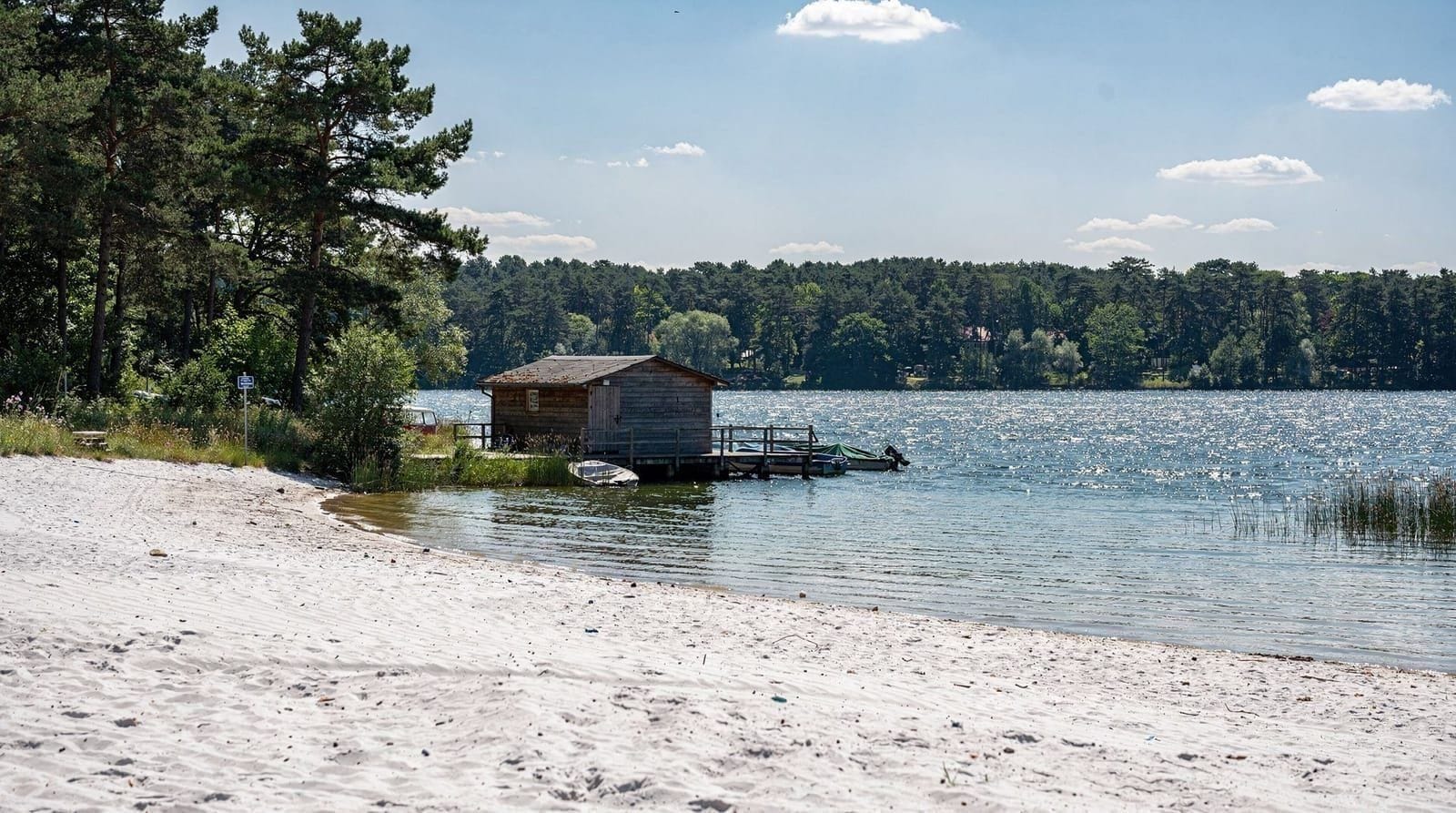
For visitors who want a decompressing pause between the memorial and the return train, or who are staying in Oranienburg overnight, the Lehnitzsee — a lake just north of the town centre, about a 20-minute walk or short bus ride from the S-Bahn station — offers a genuinely peaceful counterpoint. There is a public bathing area on the southern shore in summer, and a lakeside path suitable for an unhurried 30–45 minute walk. It is not a “sight” in any conventional sense and does not require planning, but several visitors who have spent the afternoon at Sachsenhausen report finding a short walk by the water genuinely useful before re-entering ordinary life on the train back to Berlin. There are no facilities of note beyond a small kiosk in peak summer months, so it works best as a walk rather than a destination in its own right.
Getting around Oranienburg
The town centre is compact and walkable from the S-Bahn station. Distances on foot:
- Sachsenhausen memorial: 1.5 km north-east (20-minute walk, or bus 804 to Gedenkstätte stop, 10 minutes)
- Schloss Oranienburg: 10-minute walk north-west from the station, on the Havel river
- Town centre / Marktplatz: 5-minute walk from the station
A practical full-day itinerary: arrive by 09:30 on the S1, walk to the palace for the 10:00 opening (1–1.5 hours in the state apartments and garden). Return to the town centre for lunch near the Marktplatz (45 minutes). Take bus 804 or walk north-east to Sachsenhausen, arriving by 13:00 for a 3–4 hour afternoon visit before the 18:00 closing time (summer). Return to the station by 17:30 for the S1 back to Berlin.
This schedule is achievable but leaves no margin for delays or extended lingering at either site. If you are prioritising Sachsenhausen — which you should — arrive earlier and plan the palace for after rather than before.
Getting to Oranienburg from Berlin
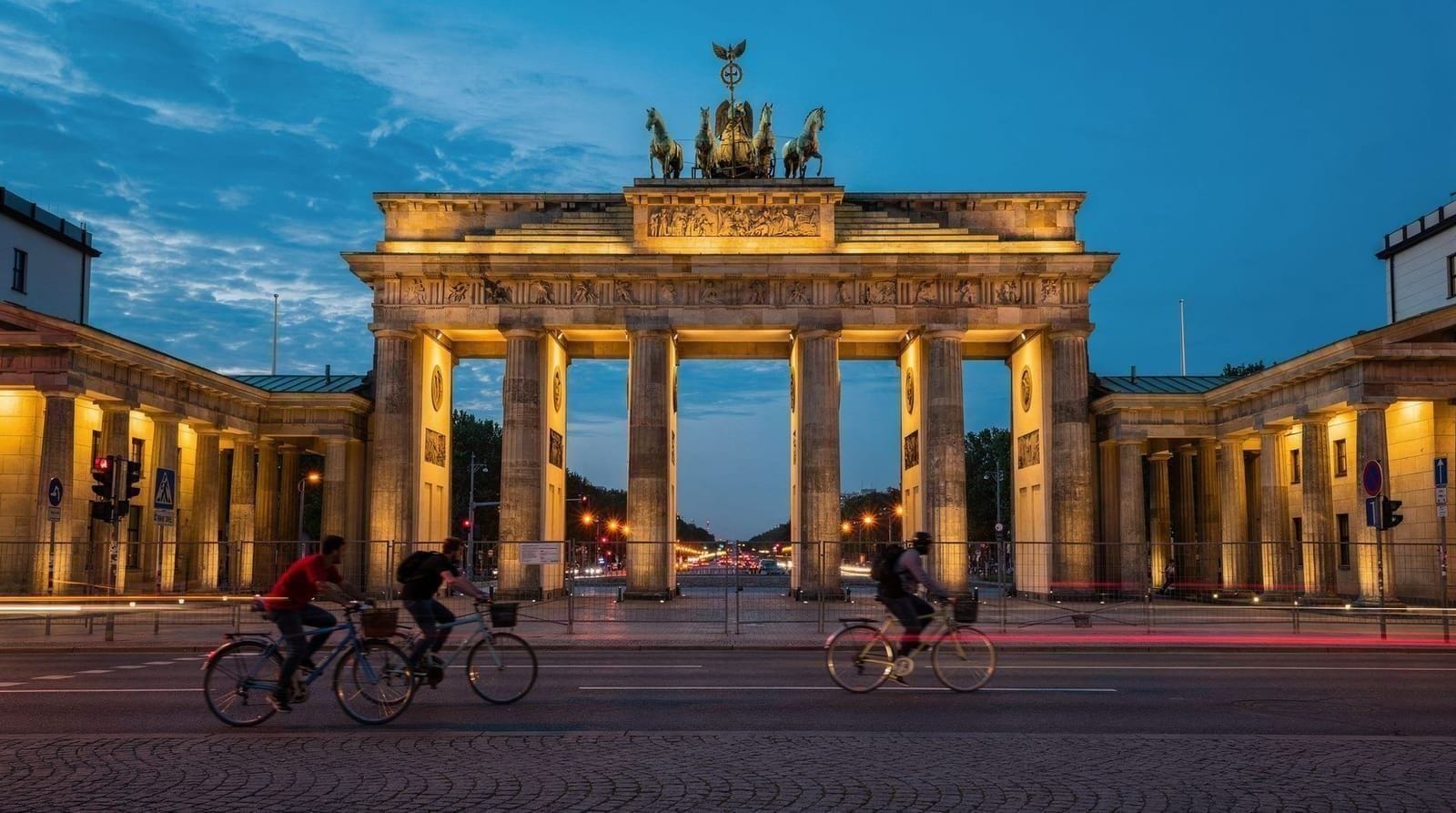
By S-Bahn: The S1 line runs from Berlin Hauptbahnhof — also Brandenburger Tor, Friedrichstraße, and Nordbahnhof — directly to Oranienburg. Journey time approximately 45 minutes from Hauptbahnhof. The S1 runs every 20 minutes during daytime hours.
Important: Oranienburg requires an ABC zone ticket, not the standard AB zone ticket that covers central Berlin. An ABC single ticket is approximately €3.80 (check current prices on bvg.de). An ABC day ticket is approximately €10.80 and covers unlimited S-Bahn, U-Bahn, and bus travel within all three zones. The most common ticketing mistake at Sachsenhausen-bound trains is purchasing an AB ticket and being caught without a valid ticket for the C zone.
A Berlin WelcomeCard in ABC zone, the Brandenburg Ticket (€29 single, €39 group of up to five, from 9 am weekdays and all day weekends), and the Deutschlandticket all cover the full journey.
By car: Take the A111 north-west from Berlin, then the A10 ring road, then the A111 north toward Oranienburg. Approximately 40 km, 40–50 minutes. Free parking is available at the Sachsenhausen memorial. Street parking is available near the palace.
Book a guided half-day Sachsenhausen excursion including transport from central BerlinOranienburg as a transit hub for Ravensbrück
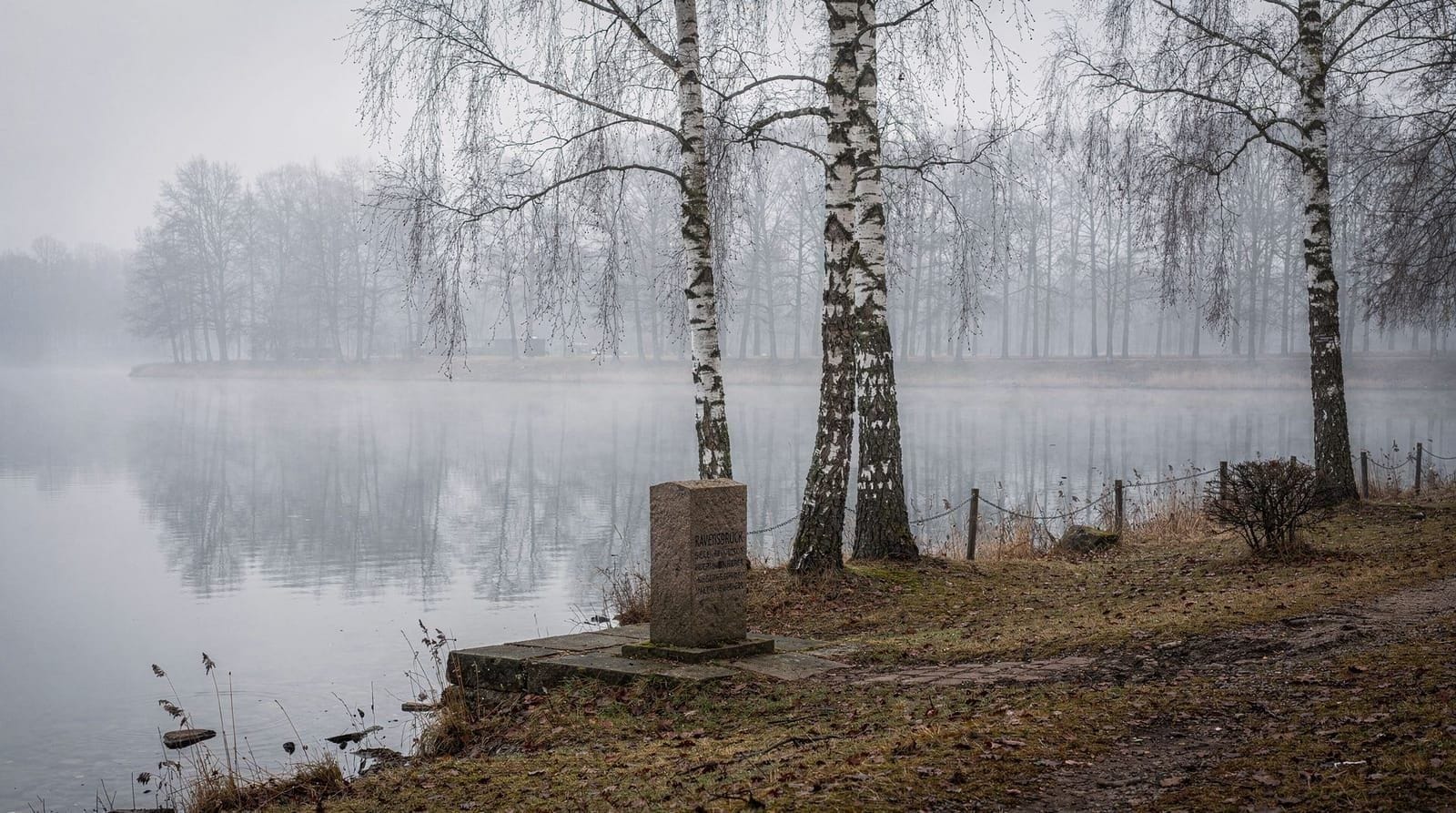
Oranienburg is also the most practical intermediate point for visitors continuing north to the Ravensbrück memorial in Fürstenberg/Havel. The RE5 regional train runs from Oranienburg station north to Fürstenberg/Havel in approximately 30–35 minutes — giving access to the Ravensbrück women’s concentration camp memorial without requiring a full return to Berlin. If you are planning to visit both Sachsenhausen and Ravensbrück in the same general trip, this rail connection makes Oranienburg the natural base.
By car, the drive from Oranienburg to Ravensbrück is approximately 55 km (50 minutes) north on the B96 and connecting roads. Combining both sites in a single day by car is feasible but demanding — a full day is required, and both sites deserve several hours each. Attempting both in half a day results in hurried visits to sites that warrant sustained attention.
Practical notes for the town
Oranienburg town centre is functional rather than picturesque. Postwar rebuilding replaced most of the historic town fabric, and the present-day Marktplatz area offers a standard Brandenburg provincial shopping street. There is no shortage of places for lunch — the streets between the Marktplatz and the palace have several cafes and restaurants — but Oranienburg is not a gastronomic destination.
The town has a supermarket and bakeries near the station for those who want to pack provisions for an afternoon at Sachsenhausen, where on-site food options are limited. The Sachsenhausen visitor centre has a small café, but it is not open on Mondays (when the memorial is closed in any case) and can be crowded at peak times.
For a proper sit-down lunch, the streets between the Marktplatz and the station have a handful of reliable, unpretentious options — bakeries with sandwich counters, a döner shop or two, and one or two mid-range restaurants serving standard German fare at €10–15 for a main. None of these are destination restaurants; Oranienburg is a practical stopover, not a food town, and most visitors either eat before the memorial or wait until back in Berlin.
Monday closures: Both Sachsenhausen and Schloss Oranienburg close on Mondays. If you are planning a day trip to Oranienburg, verify the day of the week — arriving on a Monday leaves only the town centre and the exterior of the palace accessible. This is not a wasted trip but is significantly less rewarding than a Tuesday-to-Sunday visit.
Weather and outdoor elements: The Sachsenhausen memorial is a large outdoor site. In summer bring sun protection and water — the open Appellplatz and the grounds between barracks foundations provide little shade, and summer days on the North German plain can be surprisingly warm. In winter, the outdoor sections of the site are cold and exposed; the exhibition buildings provide warmth, but budget extra time if you plan to visit Station Z and the far corners of the site in cold weather. Comfortable, broken-in shoes are important — the site covers considerable ground on gravel and grass surfaces.
Mobile signal and connectivity: Coverage across the memorial grounds is generally reliable for major German carriers, useful if you plan to use a self-guided audio or app-based tour rather than the paper guide. There is no free public wifi at the site itself, so download any offline materials before leaving Berlin if you rely on them.
Frequently asked questions about Oranienburg
Is the Sachsenhausen memorial actually in Oranienburg?
Yes. The memorial address is Straße der Nationen 22, 16515 Oranienburg — the “Sachsenhausen” name refers to the district designation used when the camp was founded in 1936, before postwar administrative boundary changes brought that area into Oranienburg municipality. The S1 S-Bahn terminates at “Oranienburg” station. Sachsenhausen does not have its own train station.
Can I do Sachsenhausen and the Oranienburg Palace in the same day?
Yes, with careful time management. The palace opens at 10:00 — arrive for that opening visit (1–1.5 hours). Lunch near the Marktplatz (45 minutes). Travel to Sachsenhausen for a 13:00 arrival, giving 3–5 hours before closing (18:00 summer, 16:30 winter). This fills a full day but allows adequate time at both. If Sachsenhausen is the priority — and it generally should be — schedule more time there rather than at the palace.
What is the ABC zone ticket for the S1 to Oranienburg?
Oranienburg falls in the C zone of the Berlin public transport network, meaning a standard AB zone ticket is not valid. An ABC single is approximately €3.80; an ABC day ticket approximately €10.80 (2026 pricing — confirm on bvg.de). The Brandenburg Ticket and the Deutschlandticket also cover the full journey. This is the most common mistake made by visitors using an AB day ticket they bought for central Berlin.
How does Oranienburg connect to Ravensbrück?
The RE5 regional train from Oranienburg station runs north to Fürstenberg/Havel (for Ravensbrück) in approximately 30–35 minutes. The Ravensbrück memorial is 2 km from Fürstenberg station. If visiting both memorials in a single trip, Oranienburg is the natural transit point — you can visit Sachsenhausen in the morning and continue by RE5 to Ravensbrück in the afternoon, though this makes for a very demanding day emotionally and physically.
Should I take a guided tour or visit Sachsenhausen independently?
Both are valid. Guided tours with English-speaking licensed guides provide historical context that significantly enriches the experience — the site’s physical remains are fragmentary, and many buildings were demolished after the war, leaving foundations and partial walls that require explanation to interpret. Independent visitors should use the audio guide (approximately €3 at the memorial) and allow 3–4 hours. Guided tours from Berlin typically include transport and spend 3–3.5 hours on site; they are particularly useful for first-time visitors.
Is there anything else in Oranienburg worth seeing?
The Stadtmuseum Oranienburg (town museum), combined with the palace ticket at €8 total, covers local history from the Middle Ages including the 1933 SA camp and wartime history. It is worth an hour for those interested in the full arc of the town’s history. The Havel riverside walk between the palace and the road bridge is pleasant in good weather. Beyond that, Oranienburg does not have conventional tourist attractions — the memorial and the palace are the two substantive sites.
What about the chemical contamination around Oranienburg?
This is worth mentioning because it occasionally appears in travel warnings. During the Second World War, a facility on the outskirts of Oranienburg produced chemical weapons, including degraded residues of chemical agents. Contaminated soil was discovered in sections of the town in the postwar decades, and low-level decontamination work has continued over many years. The contamination is localised and does not affect the Sachsenhausen memorial site, the palace, or the town centre. Visitors to the memorial and the palace are not at risk. The issue is raised here for completeness, not alarm — it has no practical bearing on a day trip to Oranienburg.
How far is Oranienburg from Potsdam?
Oranienburg and Potsdam are both day-trip destinations from Berlin on S-Bahn lines, but they are on opposite sides of the city and not practically connected to each other without returning through central Berlin. Oranienburg is 35 km north-west of central Berlin (S1); Potsdam is 30 km south-west (S7/RE1). Planning them as consecutive day trips from Berlin is sensible; attempting both on the same day would leave inadequate time at either.
What was the Soviet Special Camp at Sachsenhausen?
Between 1945 and 1950, Soviet occupation authorities used part of the former Sachsenhausen site as an internment camp, holding roughly 60,000 people, of whom an estimated 12,000 died from malnutrition and disease. It is a separate and distinct chapter from the Nazi camp period, documented in its own dedicated section of the memorial’s exhibition.
Is there anywhere quiet to walk after visiting Sachsenhausen?
Yes — the Lehnitzsee lake, about 20 minutes’ walk or a short bus ride north of the S-Bahn station, has a lakeside path and a summer bathing area. It isn’t a sight in itself, but many visitors find a short walk there a useful transition before the train back to Berlin.
Top experiences
Bookable activities with verified prices and instant confirmation on GetYourGuide.