Spreewald — Brandenburg's UNESCO Biosphere Canoe Country
Paddle wooden punts through 1,000 km of canals, taste the famous Spreewald pickles and explore a UNESCO biosphere reserve, 90 minutes from Berlin.
From Berlin: Spreewald Canoe or Kayak Tour with Guide
Quick facts
- Distance from Berlin
- 100 km south of Berlin
- Train
- RE2 or RE10 to Lübbenau / Lübben (~90 min, €10–14 with Brandenburg ticket)
- Admission
- Nature free; punt tours from €10 pp
- Season
- Year-round — punts run April to October
- Highlights
- Canals, traditional Sorbian culture, pickles, stork nests
Few landscapes in Germany feel as genuinely otherworldly as the Spreewald. Barely 90 minutes from central Berlin by regional train, this UNESCO Biosphere Reserve consists of more than 1,000 km of interconnected canals, narrow channels, and mossy backwaters threaded through ancient alder and oak forest. Flat-bottomed wooden punts — called Kähne — have ferried people, parcels, and produce here for centuries, and they still do today. On a summer afternoon, the sound of oars dipping through still green water while herons stand motionless on fallen logs is, to put it plainly, transformative.
| Where | 100 km south, ~90 min from Berlin by RE2/RE10 |
| Cost | Nature free; punt tours around €14–18pp |
| Time needed | 1 day; overnight for the quiet dawn version |
| Best time | May–September for punting; winter for silence |
| Book ahead? | Only for summer weekend punt tours |
Getting there from Berlin: trains and Brandenburg tickets
The easiest approach is the RE2 from Berlin Ostbahnhof or Berlin Südkreuz direct to Lübbenau (Spreewald) — journey time roughly 90 minutes, trains run every two hours. RE10 from Berlin Lichtenberg reaches Lübben in a similar time. Both towns serve as excellent bases.
The Brandenburg ticket (from €29 for 1–5 passengers, valid all day on regional trains and local buses in Brandenburg) makes a day trip very affordable. Buy it on the DB Navigator app or at station ticket machines. First departure around 05:30 means you can be in Lübbenau by 07:30 if you want a quiet morning on the water.
Driving: A13 south from Berlin, exit Lübbenau, around 80 minutes. Parking at Kahnhafen (the main boat harbour) costs roughly €4/day.
On the water: punt tours and kayak hire
The Spreewald’s signature experience is a guided punt tour (Kahnfahrt). Licensed boatmen pole you silently through narrow channels lined with weeping willows and garden allotments. Half-day tours (2–3 hours) from the Großer Hafen in Lübbenau cost roughly €14–18 per adult; children’s prices are lower. Book at one of the harbour kiosks or in advance online — summer weekends fill up fast.
If you prefer to move at your own pace, kayak and canoe hire is available at multiple outfitters in both Lübbenau and Lübben, typically from €12–15 per boat per day. Marked routes with rest stops and simple restaurants dot the canal network. The classic circuit from Lübbenau through the Lehde village open-air museum and back takes around three to four hours at a relaxed paddle.
Book a guided Spreewald canoe tour with a local naturalistLehde: the floating village
A 25-minute punt or 45-minute paddle from Lübbenau harbour, Lehde is one of the few genuine island villages left in Central Europe — to reach any house, you cross water. The open-air museum (Freilandmuseum Lehde, open April–October, €5 adults) preserves three traditional Sorbian farmsteads with tools, furniture, and livestock, giving real context to how people have lived in this landscape for over a thousand years.
The Sorbian (Wendish) people — a Slavic minority who have inhabited the Spreewald for fifteen centuries — still speak Lusatian Sorbian, and bilingual signage is common throughout the region. This cultural dimension distinguishes the Spreewald from any generic Brandenburg forest.
The famous Spreewald pickles (Spreewälder Gurken)
About 15 % of Germany’s cucumber harvest comes from Spreewald fields, and the Spreewälder Gurken hold EU Protected Geographical Indication status. You can buy them from roadside stalls, market vendors, and farm shops throughout the region — whole, halved, spiced with dill and garlic, or packed in mustard sauce. They are noticeably crisper and more aromatic than supermarket equivalents. Several producers offer factory tours by appointment; the biggest, Kühne, has a visitor centre in Lübbenau open most summer days.
For a deeper dive into pickle culture, the small Gurkenmuseum in Lehde covers the history of cultivation, brining traditions, and the PGI process. Admission is minimal and it’s a genuinely fun stop with kids.
What to eat and drink
Beyond the ubiquitous pickle, the Spreewald has a strong tradition of freshwater fish cookery. Look for crayfish (Krebse), perch, and eel at waterside Gaststätten. The Pension und Gaststätte Zum Grünen Strand der Spree in Leipe (accessible by punt) serves excellent traditional Brandenburg-Sorbian food at outdoor tables directly on the water. In Lübbenau, the town centre has multiple cafés serving Quark mit Leinöl (curd cheese with linseed oil) — a regional speciality dating back to Slavic settlers.
Local craft beer from small Brandenburg breweries is available at most restaurants. If you want wine, Brandenburg produces very little — bring your own or accept that this is beer country.
Beyond the water: hiking and cycling
The Spreewald has over 500 km of marked cycling paths, many running alongside or over the canals via wooden bridges. The Radweg Spreewald circular route connects Lübbenau, Lehde, Leipe, and Schlepzig — about 45 km in total, comfortable for most cyclists in a day. Bike hire is available at Lübbenau station forecourt (around €12/day including helmet).
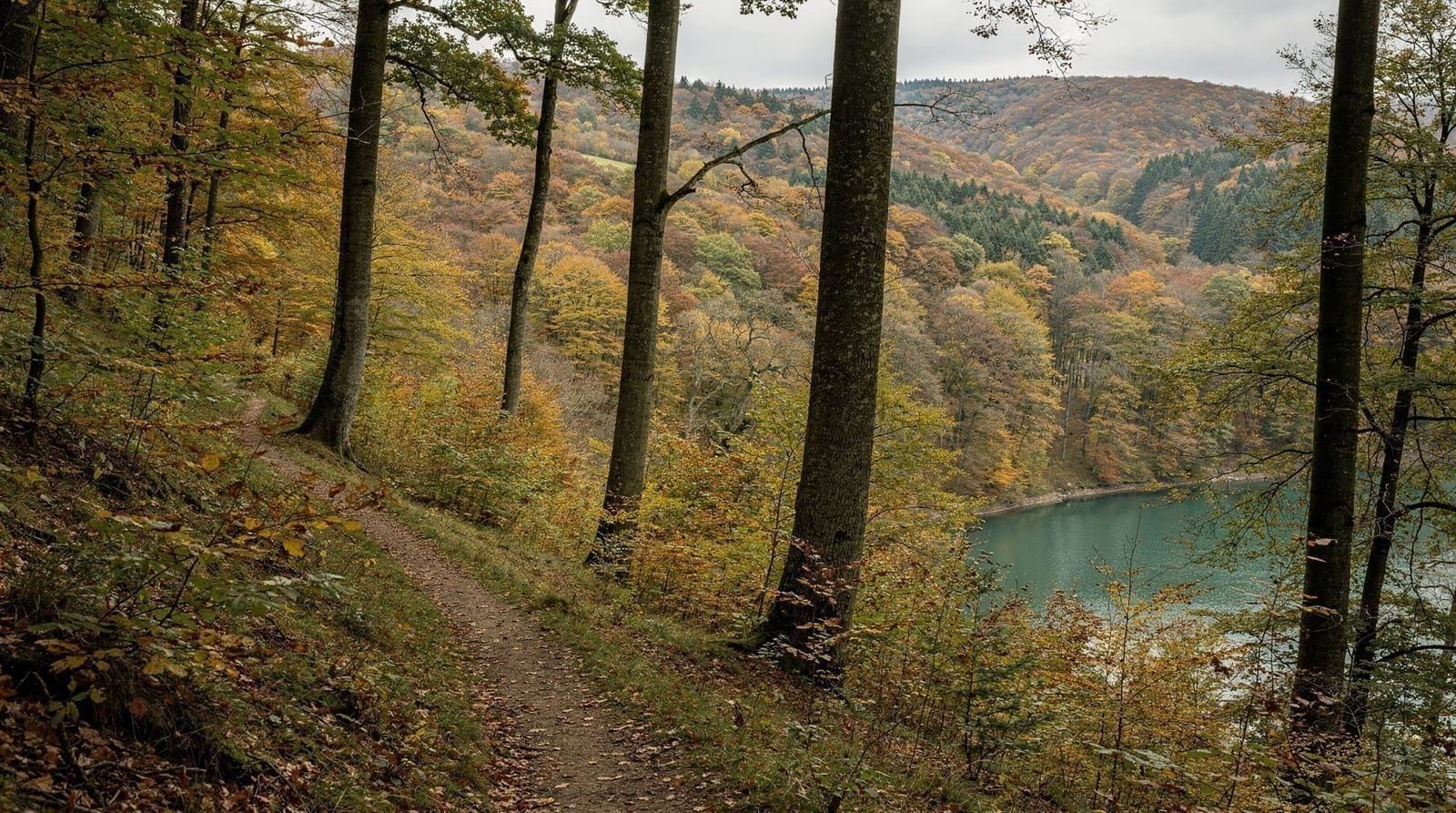
On foot, the trail from Lübben to Schlepzig through the Südspreewald nature reserve takes around three hours and offers some of the finest bird-watching in Brandenburg. White storks nest on rooftops and chimney stacks across the region from April to August; short-toed eagles are also recorded regularly.
Practical planning tips
- Brandenburg ticket: essential for groups of 2 or more — the savings are significant.
- Boat tours: arrive early in summer (before 10:00) to avoid queues at Lübbenau harbour; alternatively, start from Lübben, which is quieter.
- Mosquitoes: the Spreewald’s damp ecosystem means insects are plentiful in June and July. Bring repellent.
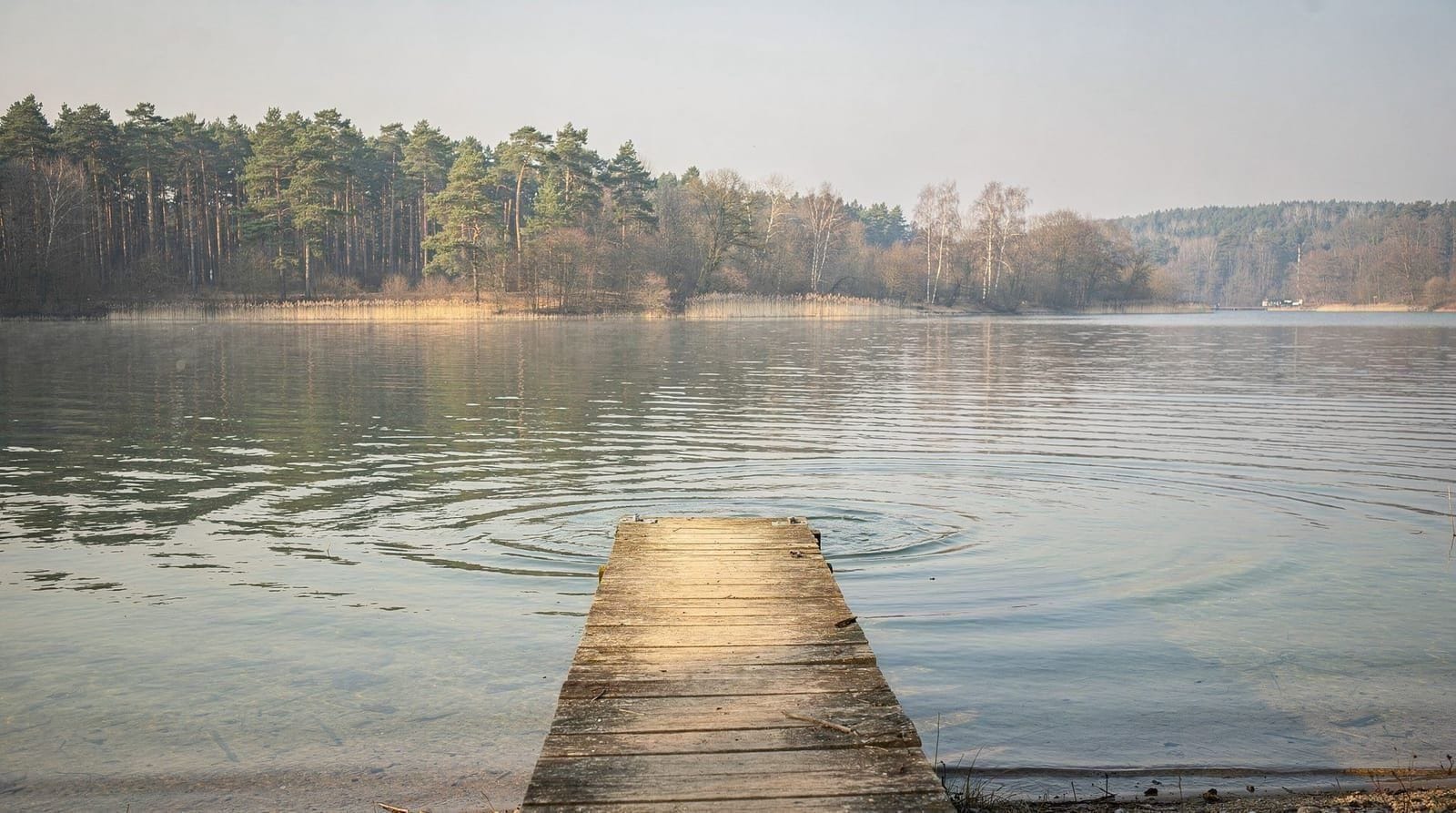
- Swimming: not in the main canal channels (boat traffic), but several designated lake swimming spots (Badestellen) exist near Lübben.
- Accessibility: punt tours accommodate pushchairs and some mobility devices — check with individual operators. The towpaths and cycling routes are flat and suitable for most fitness levels.
- Overnight stays: Lübbenau has several guesthouses and small hotels from around €60/night; staying overnight lets you experience the forest at dawn, which is extraordinary.

Day trip vs overnight: what works best
As a day trip from Berlin, you can comfortably fit in: morning arrival, a two-hour punt tour, lunch at a waterside Gaststätte, an afternoon paddle or walk through Lehde, and a train back by early evening. That makes for a satisfying 10-hour day without rushing.
An overnight stay, however, unlocks a different Spreewald. Most tourists leave by 18:00, and the canal network turns genuinely peaceful. Dawn mist on the channels, birdsong before the boats start, and the chance to eat dinner at leisure — if your schedule allows a Monday night, you will often have entire stretches of canal to yourself.
When to go: a season-by-season guide
| Season | Conditions | Crowds | Notes |
|---|---|---|---|
| May–June | Warm, full foliage, storks nesting | Moderate | The best balance of weather and space |
| July–August | Hot, peak punting season | Heaviest | Book tours ahead; arrive before 10:00 |
| September | Mild, harvest season for pickles | Light–moderate | A strong shoulder-season choice |
| October | Cooling, punts still running (to late Oct) | Light | Autumn colour on the canals |
| Nov–March | Cold, punt tours mostly paused | Minimal | Atmospheric but check operator schedules first |
Combining with other destinations
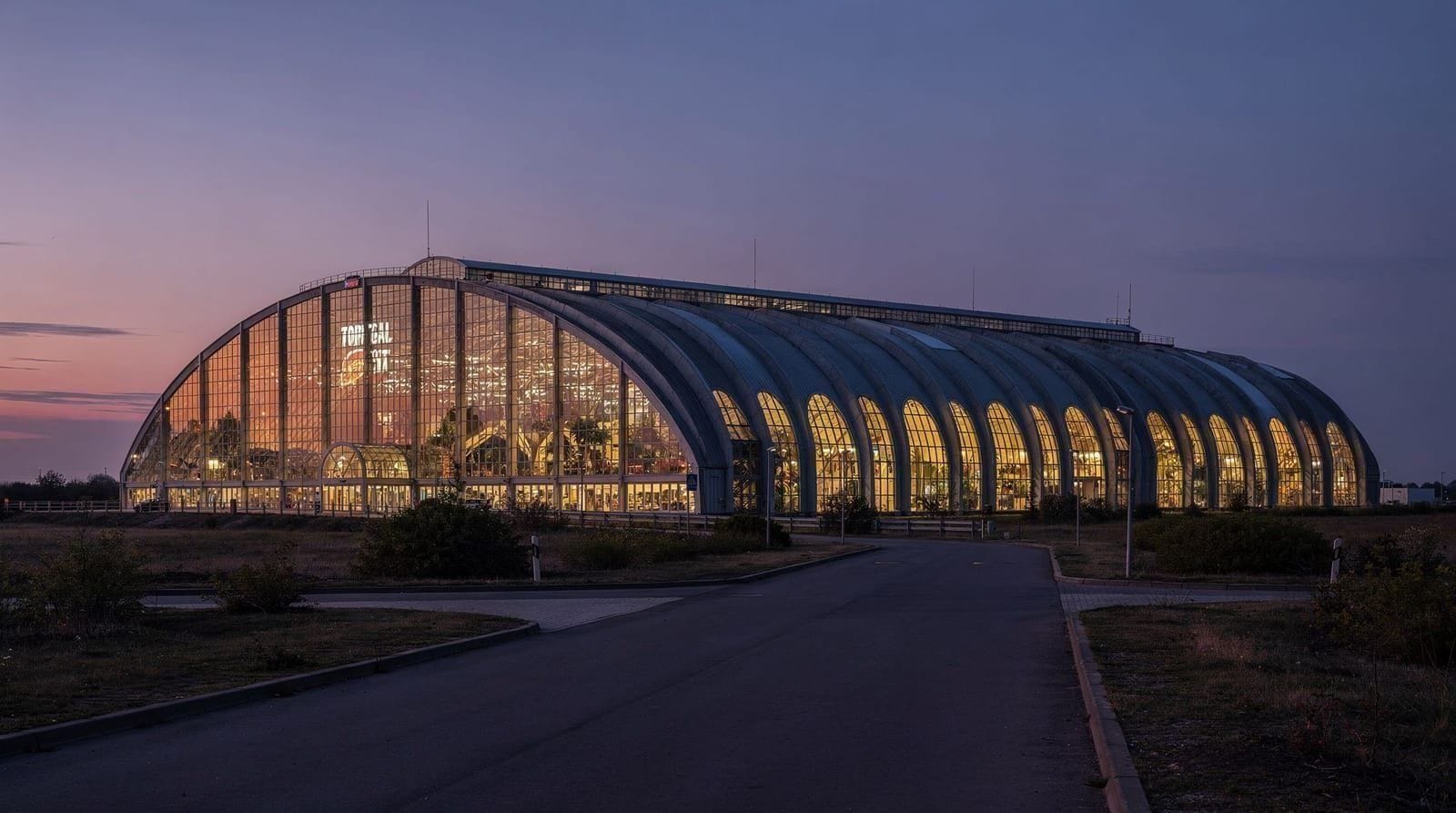
The Spreewald pairs naturally with Tropical Islands, located just 25 km east near Krausnick — an indoor tropical resort in a converted airship hangar. Some visitors do both in one day: canals in the morning, beach in the afternoon. Bad Saarow and the Scharmützelsee thermal baths are 50 km north-east and could be combined with an overnight stay.
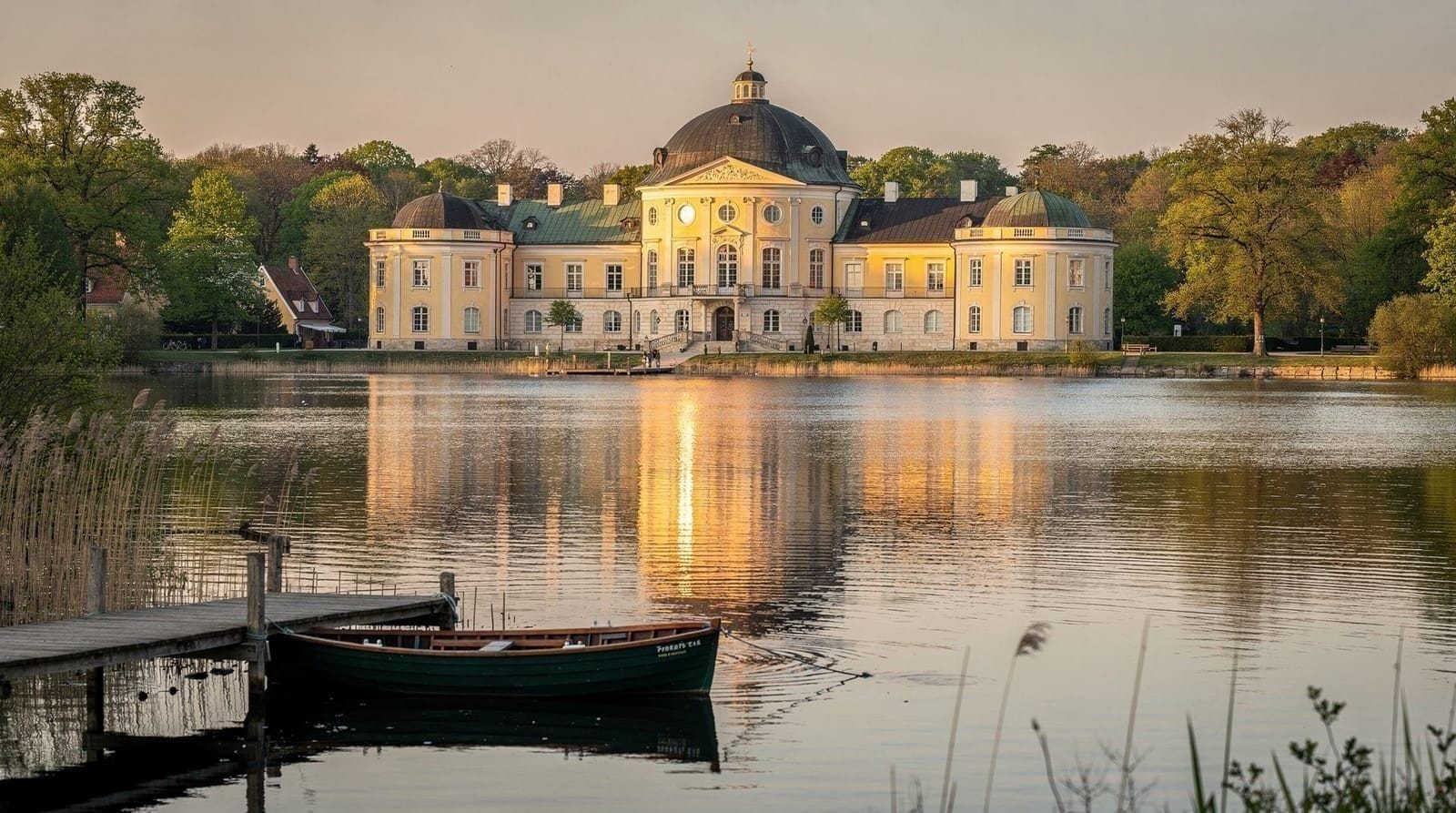
For a longer Brandenburg loop, Buckow and the Märkische Schweiz hills are 80 km north, and Rheinsberg with its lakeside castle is a further 60 km north-west. If Spreewald is your only Brandenburg day trip, our step-by-step Berlin to Spreewald day trip guide walks through timing a self-guided visit from first train to last.
Frequently asked questions about Spreewald
How long does the train journey take from Berlin?
The RE2 from Berlin Ostbahnhof reaches Lübbenau in approximately 90 minutes. First trains depart around 05:30; last return trains leave Lübbenau around 22:30.
Do I need to book a punt tour in advance?
In July and August, especially on weekend mornings, tours at Lübbenau’s main harbour can sell out. Booking online 1–2 days ahead is advisable for weekend visits. Weekdays in shoulder season you can usually walk up.
Is the Spreewald suitable for children?
Very much so. Punt tours are calm and children find the narrow channels exciting. The Freilandmuseum Lehde and Gurkenmuseum are both child-friendly. The flat cycling paths are also ideal for family rides.
What is the Brandenburg ticket and is it worth it?
The Brandenburg ticket costs from €29 for one person and allows one to five passengers to travel on regional trains and local buses throughout Brandenburg for a full day. For a group of two or more doing a Spreewald day trip, it is almost always cheaper than individual tickets.
Can I swim in the Spreewald?
Not in the main canals, where boat traffic is present. Designated swimming spots exist near Lübben and in the Südspreewald area — ask locally or check the tourist information office at Lübbenau station.
When is the Spreewald least crowded?
Weekdays in May, June, and September offer the best combination of good weather and manageable crowds. July and August weekends are busiest; winter visits (November to March) are atmospheric but punt tours have reduced schedules.
Are there guided tours from Berlin?
Yes — several operators run full-day guided excursions combining train travel, a punt tour, and lunch. These are good options if you prefer to have logistics handled, particularly for first-time visitors or families.
Is Spreewald better than Tropical Islands for a family day out?
They’re different trips. Spreewald is an outdoor, weather-dependent nature experience — canals, forest, pickles — best from May to September. Tropical Islands is an indoor tropical resort that works year-round, including grey winter days when Spreewald is quieter but colder and less lush. Families wanting a guaranteed warm day regardless of forecast should lean toward Tropical Islands; those wanting a genuinely distinctive, slower-paced nature outing should choose Spreewald.
Can I visit Spreewald without booking a punt tour in advance?
On weekdays outside July–August, yes — walk-up availability at Lübbenau harbour is normally fine. For summer weekends, book online 1–2 days ahead, since morning slots can sell out. If you’d rather not risk it, a guided canoe tour booked from Berlin guarantees your slot along with transport.
Top experiences
Bookable activities with verified prices and instant confirmation on GetYourGuide.