Rheinsberg — Baroque Palace and the Ruppiner Seenland
A fairy-tale baroque palace on a clear lake, links to Frederick the Great and Kurt Tucholsky, and the calm Ruppiner Seenland, 90 km from Berlin.
Quick facts
- Distance from Berlin
- 90 km north-west
- Train
- RE6 to Neuruppin Seedamm, then bus 787/X95 to Rheinsberg (~2h total)
- Palace
- Schloss Rheinsberg — guided tours from €9 adults; gardens free
- Lake
- Rheinsberger See — clear, warm, direct palace waterfront
- Kurt Tucholsky Museum
- Open April–October, Tue–Sun, admission ~€5
The town of Rheinsberg appears in the German cultural imagination out of all proportion to its modest size. Theodor Fontane dedicated pages to it in his Wanderungen durch die Mark Brandenburg. Kurt Tucholsky set a beloved novella (Rheinsberg: Ein Bilderbuch für Verliebte, 1912) here. And before any of them, a young Crown Prince Friedrich — who would become Frederick the Great — lived in Rheinsberg’s baroque palace from 1736 to 1740, studying the French Enlightenment and laying the intellectual foundations for his reign.
Today the palace, the lake, and the surrounding Ruppiner Seenland landscape are remarkably well preserved. Rheinsberg is quieter than Potsdam, less trafficked than Sanssouci, and considerably more atmospheric for it.
| Where | Brandenburg, ~90 km north-west of Berlin, Ruppiner Seenland |
| Getting there | RE6 to Neuruppin Seedamm + bus, ~2h total |
| Cost | Palace tour from €9; gardens and lakefront free |
| Time needed | 1 day; overnight recommended for the full lake district |
| Best time | May–September for swimming and gardens; October for solitude |
Getting there from Berlin
By train: RE6 from Berlin Hauptbahnhof or Berlin Gesundbrunnen north to Neuruppin Seedamm (approximately 70 minutes), then bus 787 or regional bus connection to Rheinsberg (approximately 30 minutes). Total journey roughly 2 hours. This is slower than the journey to most other Brandenburg destinations, which contributes to Rheinsberg’s relative serenity — it’s slightly too far for a quick escape, so the crowds are thinner.
By car: B96 north from Berlin to Neuruppin, then B122 west to Rheinsberg. Approximately 90 km and 75 minutes. Parking is available in the town centre near the market square.
Schloss Rheinsberg: palace of the young prince
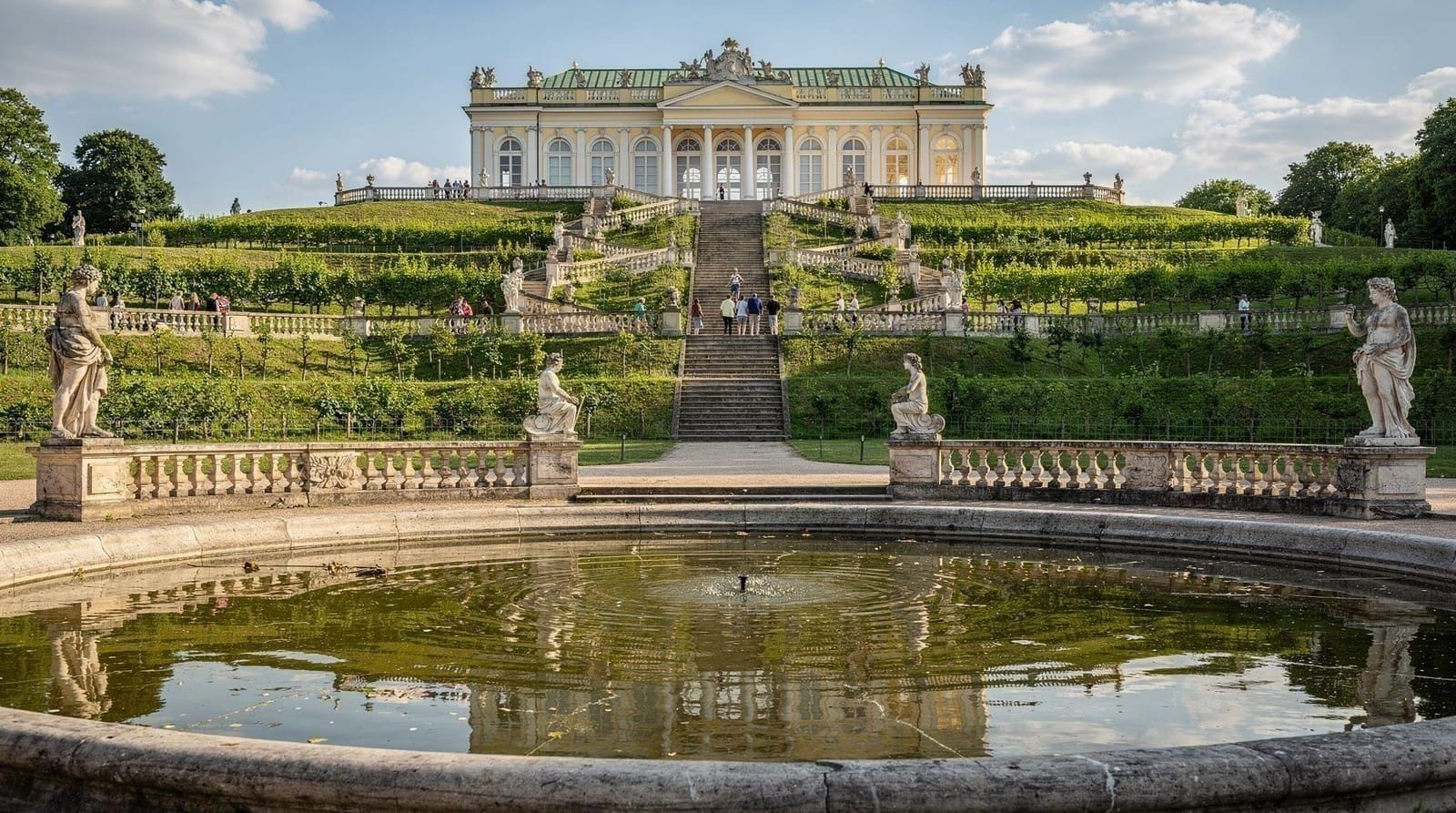
The palace occupies a promontory on the western shore of the Rheinsberger See, its white baroque facades reflected in the water. The current form was commissioned in 1734 for Crown Prince Friedrich, and architect Knobelsdorff — who would later design Sans Souci in Potsdam — gave it elegant proportions that feel both formal and human-scaled.
Frederick’s years at Rheinsberg (1736–1740) were, by his own account, among the happiest of his life. He corresponded intensively with Voltaire, composed music, and assembled a small court of intellectuals and artists. The Kavaliershaus (companion building) now houses the Kurt Tucholsky Literature Museum — an intelligent pairing, since Tucholsky’s famous novella used the palace as the backdrop for a romantic escapade.
Palace tours run April to October, Tuesday through Sunday, with last admission at 16:30. Admission approximately €9 for adults, €6 concessions; an audio guide is available in German and English. The rococo interior rooms are well-preserved, including Frederick’s library, music room, and the Spiegelsaal (mirror hall).
The palace gardens are open year-round without charge and extend along the lakefront. A short boat trip around the palace from the pier is available in summer (approximately €8).
Kurt Tucholsky Literature Museum
Housed in the Kavaliershaus adjacent to the palace, the Kurt Tucholsky Literature Museum documents the life and work of one of Weimar Germany’s most important satirists and essayists. Tucholsky spent time in Rheinsberg and used the setting — a young couple’s idyllic weekend escape — in his 1912 debut work. The museum traces his career from that youthful romance through his increasingly political journalism, his exile after 1933, and his death in Sweden in 1935.
Open April to October, Tuesday to Sunday, 10:00–17:00. Admission approximately €5 adults. The museum is small but well-curated and particularly worthwhile for German-language readers who know Tucholsky’s work.
The Rheinsberger See: lake life
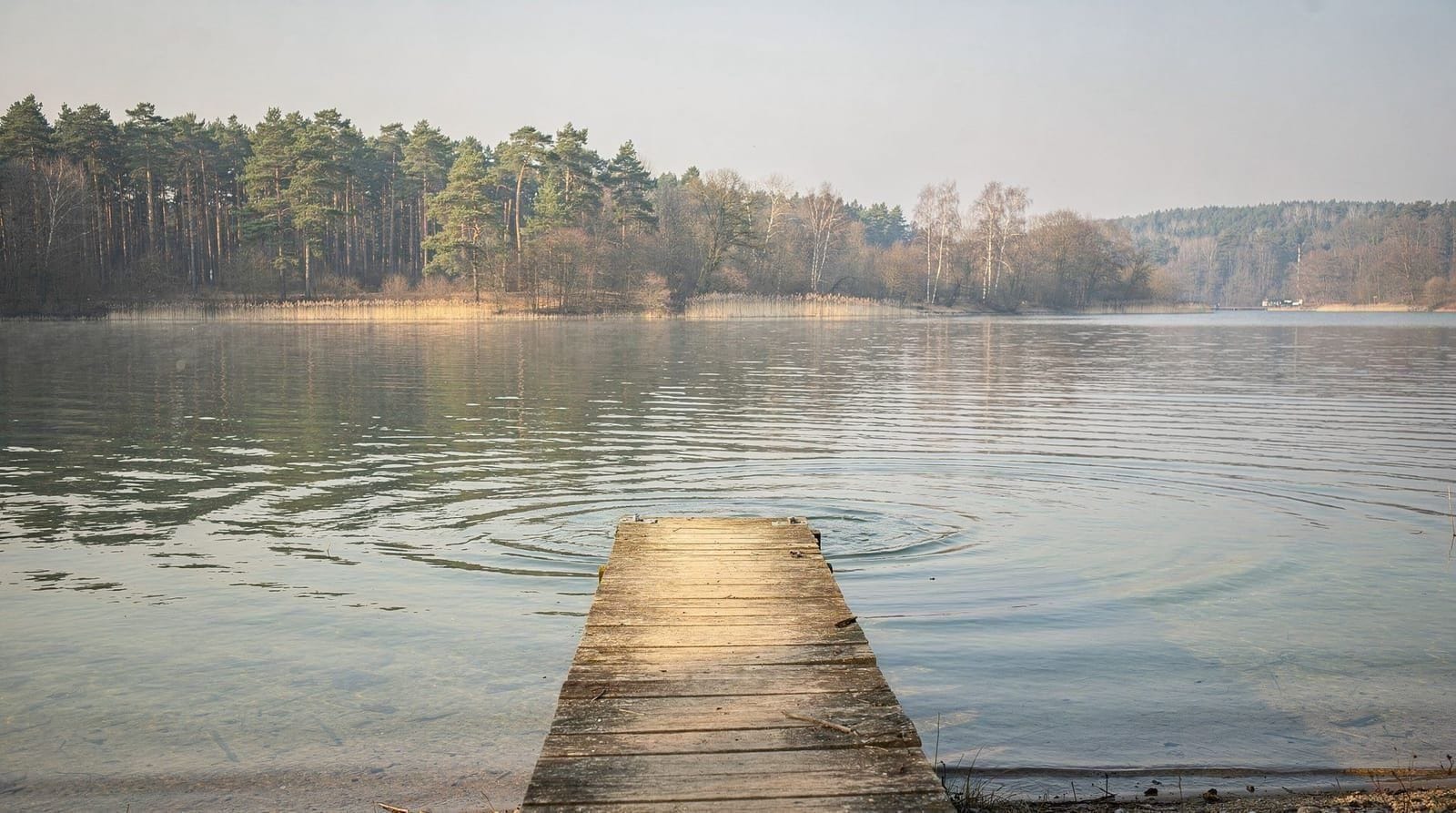
The Rheinsberger See is approximately 5 km long and strikingly clear. The public beach (Strandbad Rheinsberg) near the town centre has sandy access and free entry; surface temperatures in July and August reach 22–24°C. The lake is a popular sailing and kayaking destination, and the connected Ruppiner Seenland lake network (Grienericksee, Großer Pälitzsee) offers extended paddling routes.
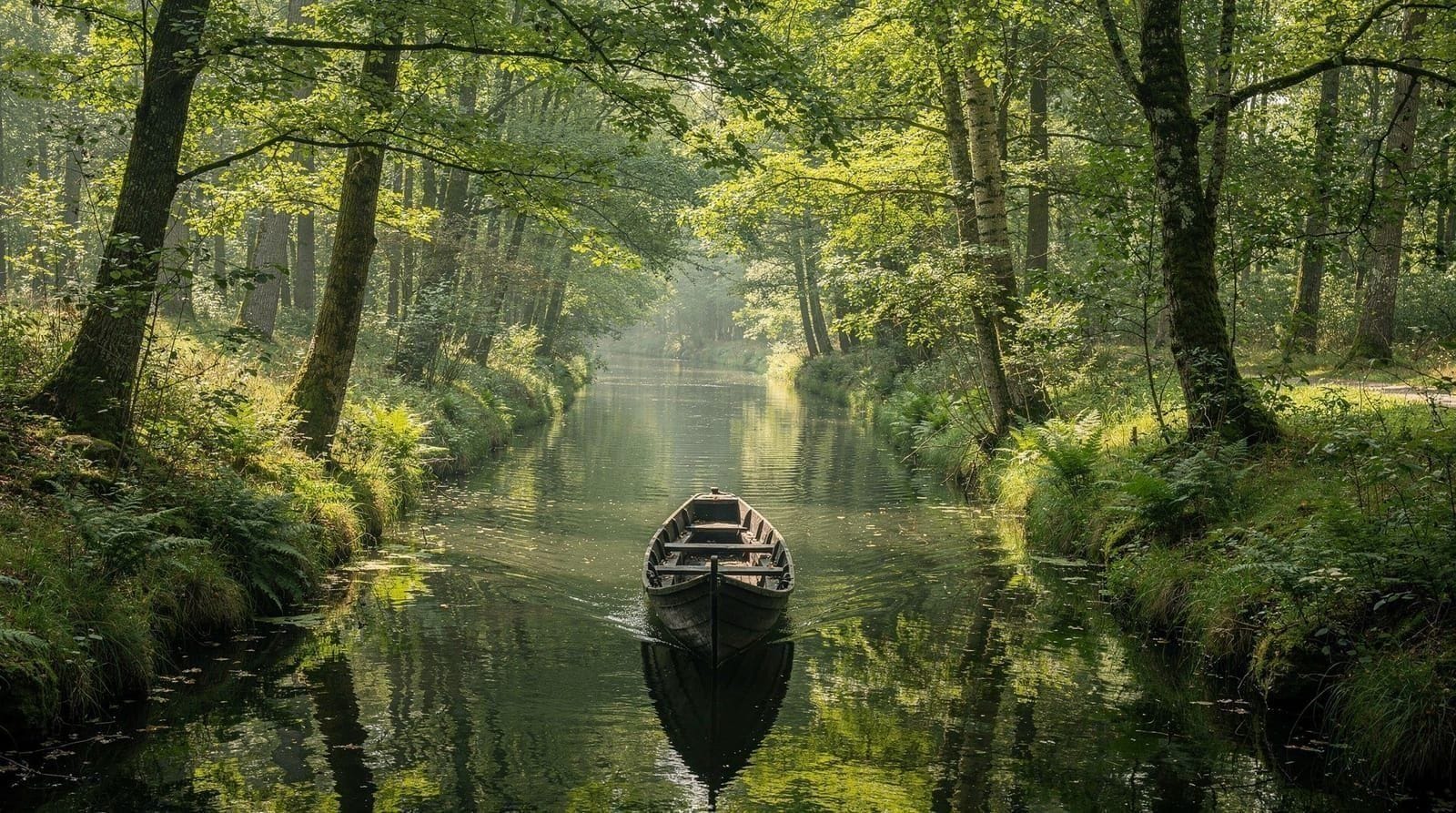
Boat hire is available from the pier near the Marktplatz from April through September: rowing boats from ~€12/hour, kayaks from ~€10/hour, electric boats from ~€20/hour. Day-long canoe routes connecting Rheinsberg to surrounding lakes via short portages are possible with a map from the tourist office.
Prince Heinrich’s Rheinsberg: the palace after Frederick
Frederick’s four years at Rheinsberg are the town’s most famous chapter, but the palace’s longer and arguably more consequential resident was his younger brother, Prince Heinrich of Prussia (1726–1802), who received Rheinsberg as his own residence in 1744 and lived there for nearly six decades until his death. Heinrich, a capable military commander in his own right and a sharper political mind than his reputation often credits, expanded the palace and gardens substantially, adding the obelisk commemorating Seven Years’ War generals and shaping much of the parkland visitors walk through today. He also maintained a famously open and cosmopolitan court at Rheinsberg, at a time when his own relationship with Frederick had cooled considerably over decades of political disagreement.
Much of what makes Rheinsberg’s interiors and grounds feel complete rather than a preserved single moment — as Sanssouci sometimes does — is Heinrich’s long custodianship. The Spiegelsaal and several state rooms reflect his tenure as much as his brother’s, and the current exhibition inside the palace addresses both periods rather than reducing the site to “young Frederick’s palace.”
Neuruppin: an easy add-on
Fontane’s birthplace, Neuruppin, sits directly on the RE6 route between Berlin and Rheinsberg’s bus connection, roughly 20 km north-east of Rheinsberg and about 70 minutes from Berlin by train alone. The town’s lakeside setting on the Ruppiner See, its planned neoclassical street grid (rebuilt after a devastating 1787 fire), and the small Fontane museum make it a natural stopping point for travellers with a full day rather than a rushed half-day trip. Breaking the journey here — an hour in the town centre on the way out or back — adds relatively little time given that most travellers are already changing at Neuruppin Seedamm for the Rheinsberg bus.
Walking, cycling and the Fontane Trail
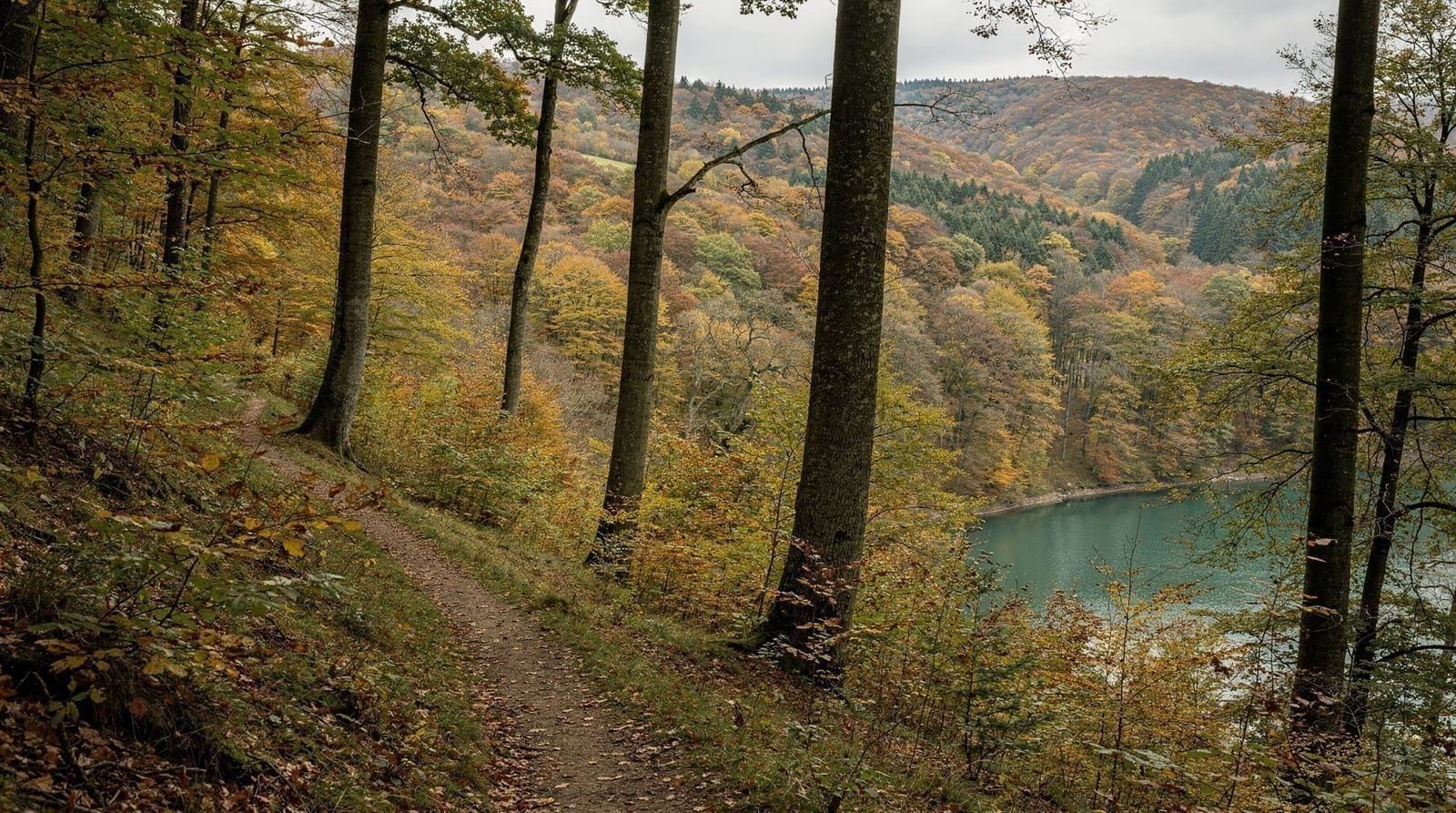
Theodor Fontane’s walking accounts of 19th-century Brandenburg created a tradition of literary landscape tourism that continues today. The Fontaneweg long-distance walking route passes through Rheinsberg and links it to Neuruppin (Fontane’s birthplace, 20 km north-east) and the Ruppiner Seenland. The section from Rheinsberg to Grienericksee (about 12 km return) is particularly pleasant and mostly flat.
Cycling: Rheinsberg is connected to the Ruppiner Seenland Radweg, a signed cycle route through the lake district. Bike hire is available in town from approximately €12/day.
Where to eat in Rheinsberg
The town has a handful of restaurants and cafés concentrated around the Marktplatz and the lakefront promenade. Wirtshaus zum Alten Fritz (named after Frederick) serves Brandenburg regional food — lake fish, game, and Brandenburg vegetables — at moderate prices with outdoor seating. Strandcafé near the beach is the casual option for sandwiches and coffee. The palace café in the inner courtyard operates in summer and is pleasant for coffee and cake without being exceptional.
Rheinsberg’s scale is small — a permanent population of around 8,000 — so restaurant choice is limited compared to a larger town. One or two options may be closed on Mondays or Tuesdays outside peak summer.
Practical tips
- Journey planning: the train-bus connection from Berlin is reliable but bus frequency is limited. Check VBB.de for current timetables and plan return times before departing.
- Palace hours: closed Mondays year-round; closed from November through March for most interior rooms. Gardens open year-round.
- Brandenburg ticket: covers the full RE6 and connecting bus journey.
- Overnight stays: several small hotels and guesthouses offer rooms from approximately €70/night. Staying overnight allows an evening walk around the lit palace and an early morning before day visitors arrive — both worthwhile.
- Fontane context: if you plan to visit as a literary pilgrimage, reading Fontane’s Wanderungen (translated as Wanderings through the Mark Brandenburg) beforehand greatly enriches the experience.
Combining with other destinations
Rheinsberg is furthest north of Berlin’s Brandenburg-lakes destinations, making it harder to combine with others in a single day. By car, Buckow is approximately 90 km south-east — possible for an energetic overnight loop but not ideal as a single-day combination. A dedicated trip to Rheinsberg, perhaps combined with a stop in Neuruppin to see Fontane’s birthplace, makes the most of the distance.
Potsdam is south and closer to Berlin — a logical pairing on a different day if you’re interested in following Frederick the Great’s life from Rheinsberg (his youthful residence) to Sanssouci (his mature palace).
Frequently asked questions about Rheinsberg
How long does it take to get from Berlin to Rheinsberg?
Approximately 2 hours by public transport: RE6 train to Neuruppin Seedamm (around 70 minutes), then bus to Rheinsberg (around 30 minutes). The Brandenburg ticket covers both legs. By car it’s approximately 75 minutes via the B96 and B122.
Is Schloss Rheinsberg open year-round?
The palace is open April to October, Tuesday to Sunday. Gardens are open year-round. Winter visits are still possible for the lakefront walk and town, but the palace interior is closed November to March.
What is the connection between Rheinsberg and Frederick the Great?
Crown Prince Friedrich lived in Schloss Rheinsberg from 1736 to 1740, before becoming King. He considered it the happiest period of his life — he studied, wrote, composed music, and corresponded with Voltaire here. The palace predates Sanssouci (which he built later in Potsdam) and is more intimate in character.
Who was Kurt Tucholsky and what is his connection to Rheinsberg?
Kurt Tucholsky (1890–1935) was one of Weimar Germany’s foremost satirists and essayists. His 1912 debut, Rheinsberg: Ein Bilderbuch für Verliebte (“Rheinsberg: A Picture Book for Lovers”), set a romantic weekend story against the backdrop of the town and palace. The Kurt Tucholsky Literature Museum in the Kavaliershaus documents his life and exile.
Can you swim in the Rheinsberger See?
Yes. The public beach (Strandbad Rheinsberg) has free access, changing facilities, and lifeguard supervision in summer. Water is clear and surface temperatures reach 22–24°C in July and August. The lake is also popular for kayaking and sailing.
Is Rheinsberg worth visiting compared to Potsdam?
They offer different experiences. Potsdam (Sanssouci) is grander, more elaborate, and considerably busier. Rheinsberg is smaller, quieter, more intimate, and arguably more atmospheric precisely because it receives fewer visitors. If you’ve already seen Potsdam, Rheinsberg is a rewarding contrast; if you’ve seen neither, see Potsdam first as it’s easier to reach and more central.
Who was Prince Heinrich and why does he matter to Rheinsberg?
Prince Heinrich (1726–1802), Frederick the Great’s younger brother, received Rheinsberg as his own residence in 1744 and lived there for nearly six decades — far longer than Frederick’s original four years. He expanded the palace and gardens substantially, and much of what visitors see today, including several state rooms and the parkland, reflects his long tenure as much as his brother’s brief one.
Can I combine Rheinsberg with Neuruppin in one trip?
Yes, easily. Neuruppin sits directly on the RE6 route to Rheinsberg’s connecting bus, about 70 minutes from Berlin by train alone. An hour in the town centre — Fontane’s birthplace, with a lakeside setting and small museum — adds relatively little time to a Rheinsberg day for travellers who already have a full day planned.