Visiting Sachsenhausen — what to know before you go
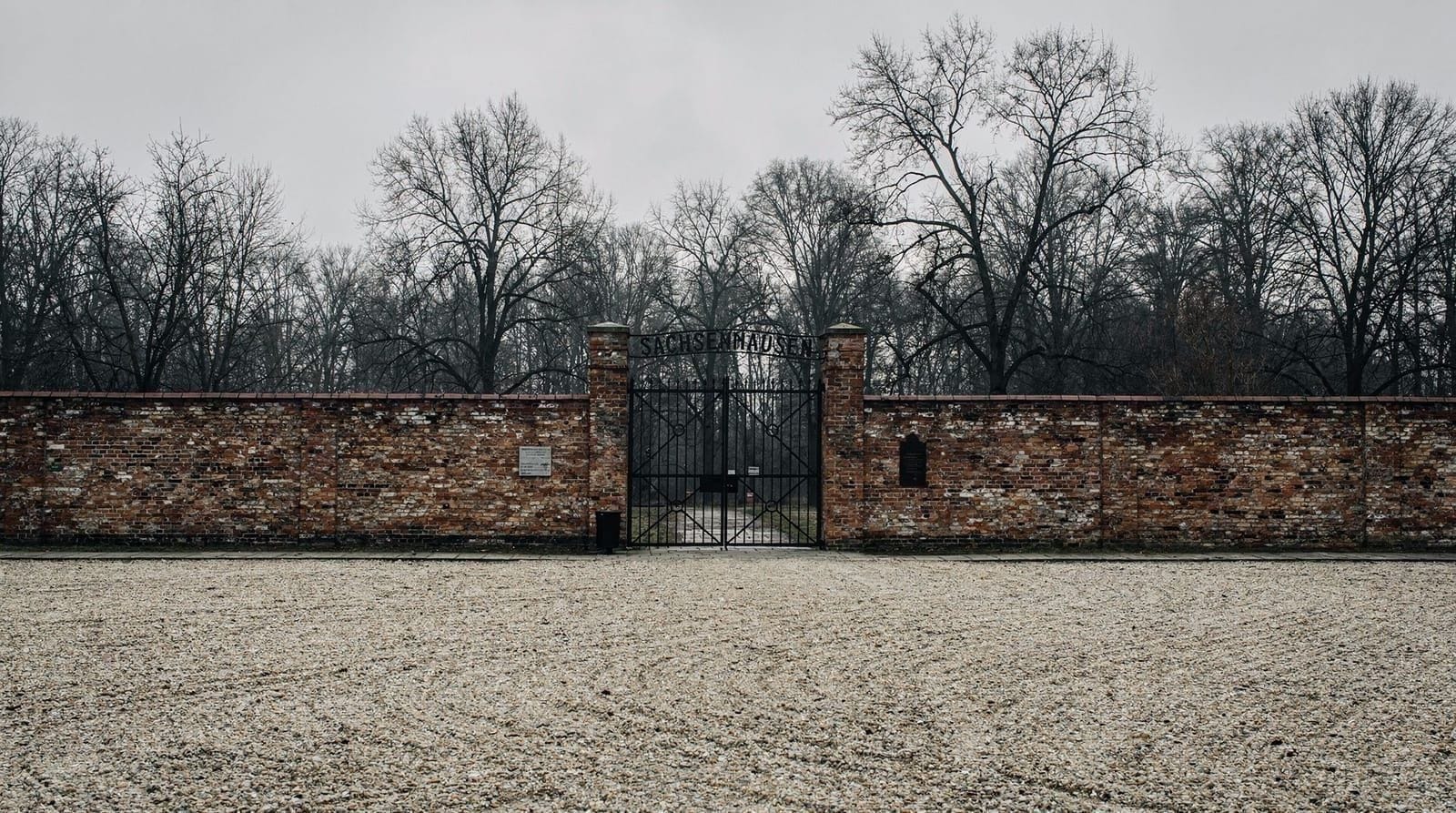
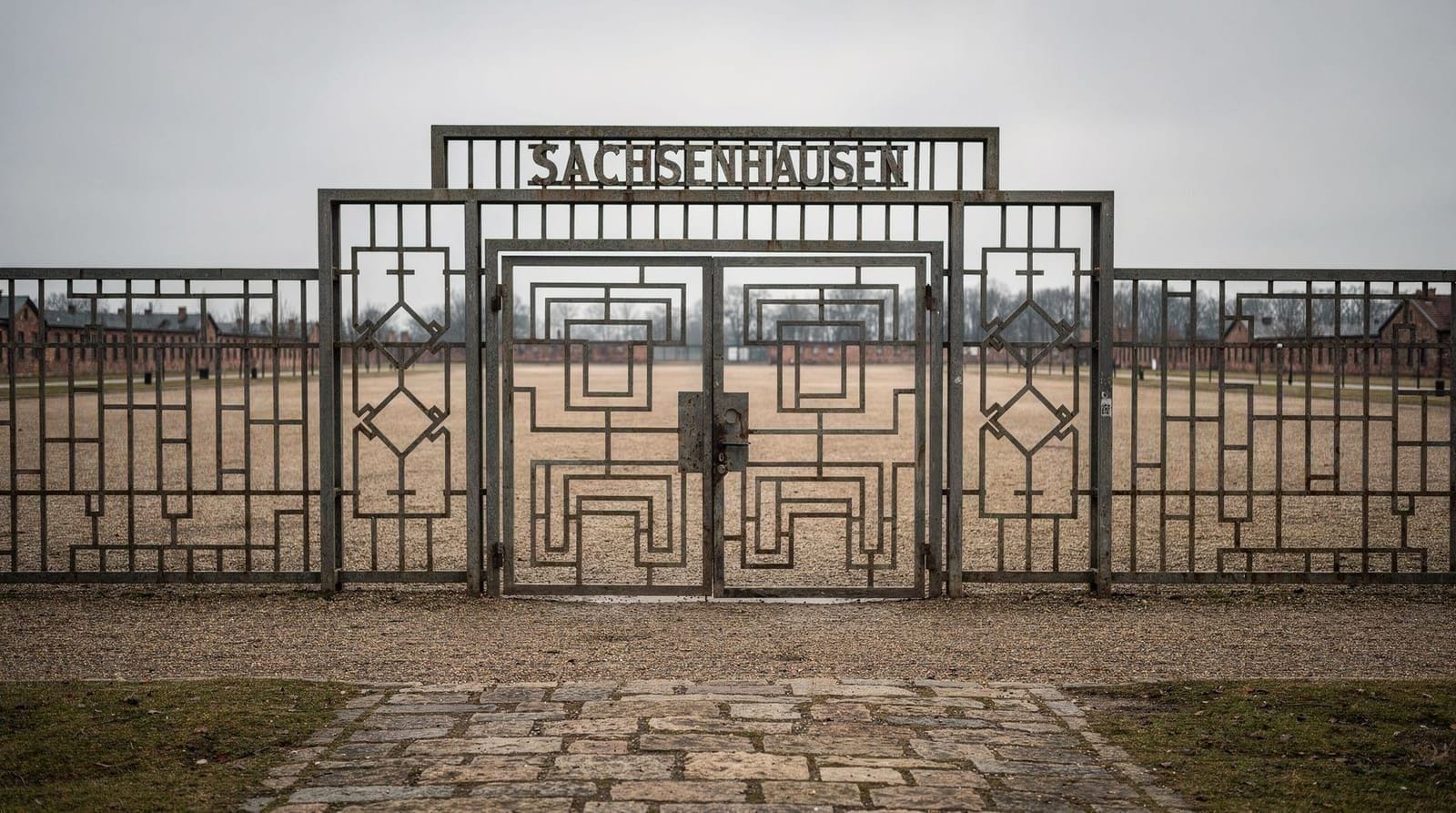
Sachsenhausen is not a comfortable visit. It is an important one. The memorial site in Oranienburg, about 35 kilometres north of Berlin, stands where the SS established a concentration camp in 1936 that served both as a place of persecution and murder and as a model for the system of camps that followed. Between 1936 and 1945, around 200,000 people were imprisoned here. Tens of thousands died.
This post covers the practical considerations for visiting respectfully and getting the most from the site. For a full guide to the journey from Berlin, logistics, and what each part of the site contains, see the dedicated Sachsenhausen destination page and the Berlin to Sachsenhausen day trip guide.
| Where | Oranienburg, around 35km north of Berlin |
| Cost | free entry, audio guide small charge |
| Time needed | minimum 3 hours, 4–5 for a full visit |
| Getting there | S1 to Oranienburg (~50 min), then 20 min walk |
| Best time | weekday mornings, avoid summer weekends |
What Sachsenhausen is — and what it isn’t
Sachsenhausen was an SS concentration camp, not an extermination camp in the direct model of Auschwitz-Birkenau. It was a place of forced labour, medical experiments, political imprisonment, and killing — but the machinery of industrialised mass murder was concentrated in the occupied eastern territories. The distinction matters historically, though it should not minimise the suffering that occurred here.
The site is now a Gedenkstätte — a memorial and museum — operated by the State of Brandenburg. It is run with scholarly rigour and maintained to a high standard. The documentation is serious and the interpretation honest. The site does not shy away from the perpetrators’ motivations or the scale of suffering.
Who was imprisoned here
The prisoner population at Sachsenhausen changed significantly over the nine years the camp operated. In its early years, it held primarily political opponents of the Nazi regime: Social Democrats, Communists, trade unionists. After 1938, following Kristallnacht, Jewish men were deported here in large numbers. As the war progressed, the population became increasingly international: Poles, Soviets, Dutch, Belgian, French, and other nationals arrived in large numbers. Soviet prisoners of war were shot en masse in 1941 in an operation code-named “Bullet,” with estimates of 13,000-18,000 killed.
The memorial documents all these groups with care. The permanent exhibitions avoid the trap of reducing victims to statistics.
The physical layout of the site
The camp was designed in a triangular form — an architectural feature the SS used deliberately to allow surveillance from a central tower. Walking the site, this geometry is still visible and creates an unsettling clarity about how control operated.
Key structures on site include:
The Appellplatz (roll call square), where prisoners stood for hours in all weather.
Station Z, the main execution site, which included a trench for shooting Soviet POWs, a gallows, and later a gas chamber and crematorium.
The infirmary barracks, where medical experiments were conducted.
The Jewish barracks, reconstructed after the originals were destroyed.
The special camp, operated by the Soviets after the war — the site was used as an NKVD special camp from 1945 to 1950, in which thousands of German civilians and former Nazi functionaries were held and many died.
This last period is part of the memorial’s documentation and is presented without whitewashing. The post-war Soviet use of the site is uncomfortable history and is handled honestly.
How long to allow
A minimum of three hours for a self-guided visit. Four to five hours if you want to go through the indoor exhibitions in detail. A guided tour typically runs two to two and a half hours and covers the main structures and history.
Do not try to combine Sachsenhausen with Potsdam on the same day. Both deserve proper attention. Sachsenhausen particularly does not benefit from being rushed.
Guided tours vs self-guided
Both work, with different strengths.
A knowledgeable guide can provide context that ties individual stories to the broader historical arc — the camp’s role in the SS system, the specific terror campaigns, the post-war history. Guides certified by the memorial are trained and reliable.
Self-guided visits allow you to set your own pace and spend more time with whatever affects you most. The audio guide available at the site is solid. Signage is in German and English throughout.
Licensed small-group tour to SachsenhausenGetting there from Berlin
The S-Bahn runs from Berlin Hauptbahnhof or Gesundbrunnen to Oranienburg (S1 line, approximately 50 minutes). From Oranienburg station, the memorial is a 20-minute walk through the town, well signposted.
Buses from the station also run near the site. Taxis are available but not necessary if you’re comfortable walking.
Entry to the Sachsenhausen memorial is free. Some special exhibitions or audio guides have a small charge.
Practical advice for the visit
Go on a weekday if you can. Summer weekends bring large school groups and tour buses, which makes the site more crowded and can affect the atmosphere.
Bring water and something to eat. There is a small café near the entrance, but it’s not always open and the site is large.
Wear comfortable shoes. The ground is uneven in places and you will cover significant distance.
Dress appropriately. This is a memorial site. Loud or provocative clothing is out of place. It’s also usually cooler than central Berlin, particularly in spring and autumn.
Phone photography is permitted. There are no restrictions on photography of the site, but use judgment around the more significant memorial areas.
What’s included in the visit at a glance
| Element | Access | Notes |
|---|---|---|
| Outdoor grounds | Free, always accessible | Appellplatz, Station Z, watchtowers |
| Indoor exhibitions | Free, ~10am–late afternoon | Detailed documentation, English signage |
| Audio guide | Small charge | Available at the entrance |
| Guided tour | Booking required | 2–2.5 hours, memorial-certified guides |
| Café | Free to enter | Not always open; bring your own water |
Emotional preparation
It is reasonable to find the visit difficult. Many people do. The memorial is not designed to produce catharsis or resolution — it is designed to document what happened and to ensure it is not forgotten.
Some people find it useful to read a personal testimony before visiting. The memorial’s website and the Gedenkstätte’s own publications contain individual accounts. This shifts the experience from abstract history to specific human reality.
If you are Jewish, have family connections to the Holocaust, or have other personal reasons why this visit might be particularly affecting, it is worth knowing in advance that there are staff and volunteers at the site who can speak with you.
Connecting to other sites in Berlin
Sachsenhausen does not stand alone. It connects to a broader network of sites in and around Berlin that document the Third Reich and its crimes.
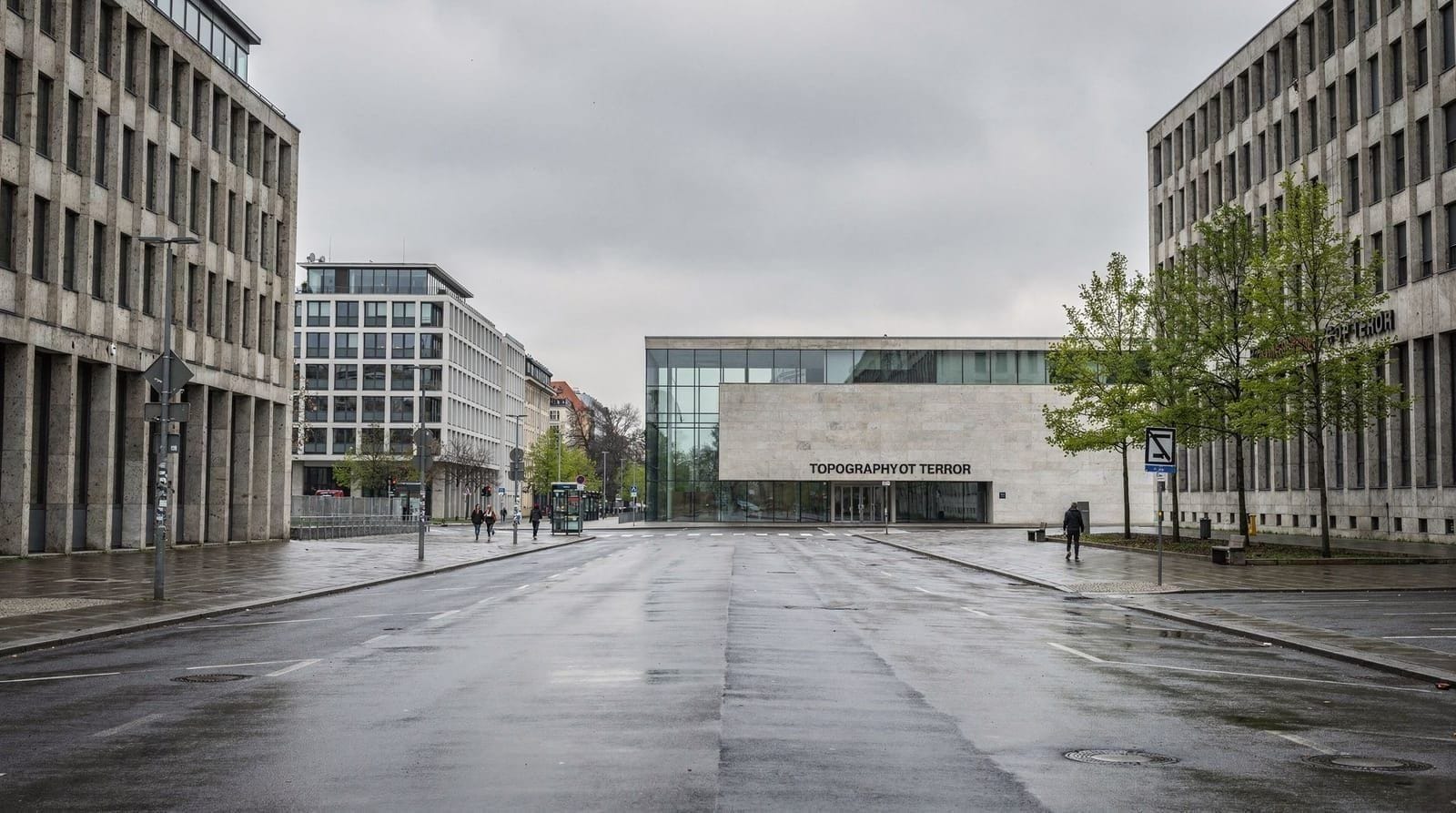
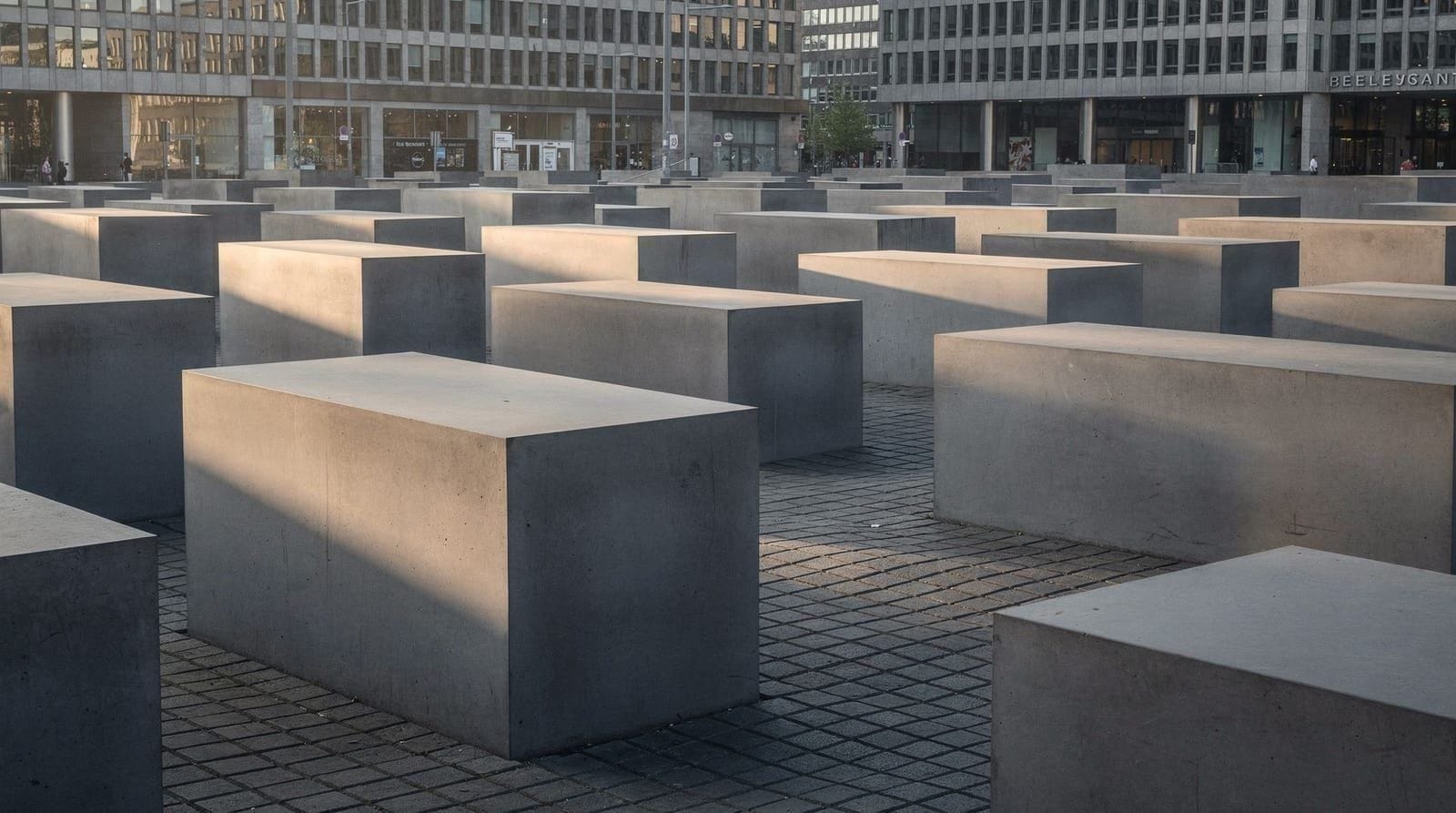
The Topography of Terror in central Berlin documents the SS and Gestapo on the site of their former headquarters. The Memorial to the Murdered Jews of Europe (Holocaust Memorial) provides a different kind of memorial space near the Brandenburger Tor. The Jewish Museum Berlin offers a comprehensive narrative of Jewish life in Germany from its origins to the present.
For visitors planning a history-focused trip, the Third Reich sites in Berlin guide provides a map of significant locations across the city.
Sachsenhausen guided tour in EnglishA note on the Soviet special camp
After the defeat of Nazi Germany in May 1945, Soviet forces occupied Oranienburg and took over the camp. From 1945 to 1950, the Soviet NKVD used it as Special Camp No. 7 (later No. 1). Between 60,000 and 70,000 people passed through this camp; estimates suggest that approximately 12,000 died there, primarily from disease and starvation.
The prisoners included former Nazi Party members, SS officers, and Gestapo personnel — but also many people with no direct connection to Nazi crimes who were caught up in the NKVD’s broad arrests. This period of the site’s history is documented in a dedicated section of the memorial.
Its inclusion in the memorial reflects an honest approach to the full history of the place. It does not create a false equivalence between the Nazi camp and its Soviet successor, but it acknowledges that the suffering did not end in 1945.
Combining the visit with other history sites
Some visitors choose to pair Sachsenhausen with a broader day of Third Reich history in central Berlin, either before travelling out to Oranienburg or afterward. The Holocaust Memorial guide and the Third Reich sites in Berlin guide both work well as a half-day complement if you’re arriving back in the city with energy left, though most visitors find that Sachsenhausen alone is enough for one day given its emotional weight. If you’re building a longer history-focused itinerary across several days, spacing these visits out rather than clustering them tends to make the whole experience more absorbable rather than overwhelming.
FAQ
Q: Is Sachsenhausen appropriate for children? For older children and teenagers, particularly those who have covered this period in school, yes. The site is managed thoughtfully and the documentation is factual rather than graphic. For young children, the subject matter and the site’s atmosphere make it unsuitable. Use your judgment based on your child’s age and maturity.
Q: Is entry free? Yes. The Sachsenhausen Memorial charges no entry fee. Audio guides and some special exhibitions have a small charge.
Q: Can you visit without a guided tour? Yes. The site is open to self-guided visitors and the signage is thorough. An audio guide is available for hire at the site.
Q: How does Sachsenhausen compare to Ravensbrück? Ravensbrück, about 80 kilometres north of Berlin, was the main concentration camp for women. Both are important sites. If you have time for only one, Sachsenhausen is closer to Berlin and larger. Our Berlin to Ravensbrück day trip guide has details on visiting Ravensbrück.
Q: What are the opening hours? The site is open daily. Outdoor areas are accessible from dawn. Indoor exhibitions typically open at 10am and close in the late afternoon. Check the official memorial website for current hours before visiting.
Q: Is there parking? Yes, near the site entrance, if you’re travelling by car.