Friedrichshain guide — clubs, East Side Gallery, RAW-Gelände, and Boxhagener Platz
Berlin: Berlin Wall Short History & Art Tour at East Side Gallery
What is Friedrichshain known for and who should stay there?
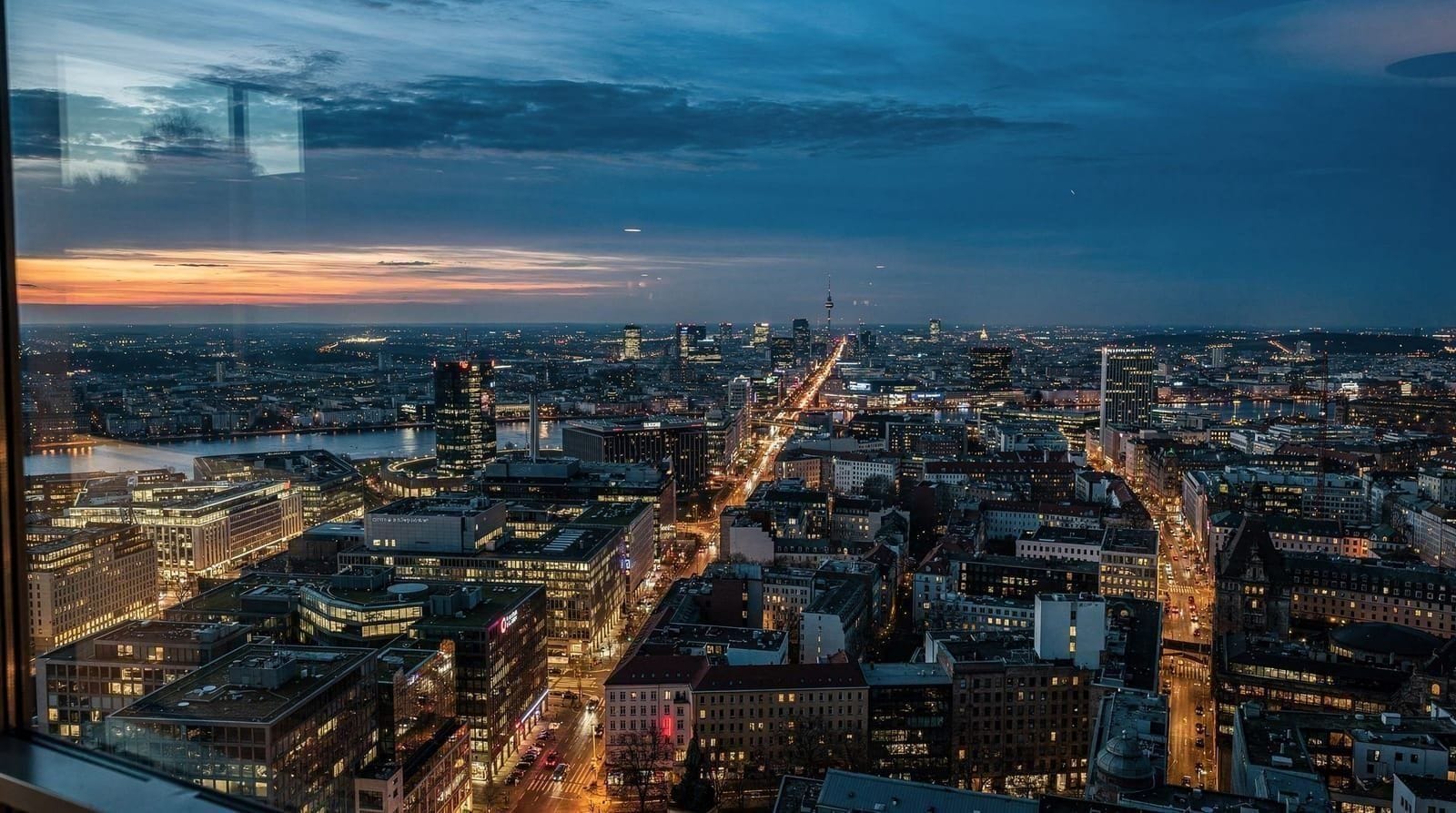
Friedrichshain is Berlin's nightlife and alternative culture hub — home to Berghain, the East Side Gallery, the RAW-Gelände club complex, and a concentration of bars and venues around Simon-Dach-Strasse and Revaler Strasse. It suits travelers who prioritize nightlife, street art, and an energetic atmosphere over quiet or tourist-friendly infrastructure. Accommodation is cheaper than Mitte and Prenzlauer Berg, and the Oberbaum Bridge connection to Kreuzberg makes both neighborhoods accessible.
What kind of Berlin is Friedrichshain? Friedrichshain is the neighborhood where the city’s reputation for nightlife and post-industrial creativity is most densely concentrated. It combines GDR-era monuments of surprising scale (Karl-Marx-Allee, the Soviet War Memorial at Treptower Park nearby), the East Side Gallery as a living art installation, and a club scene built in warehouses and disused rail yards. It is also, increasingly, a regular residential neighborhood with families and commuters. The two lives coexist imperfectly and make for an interesting place to be.
| Where | Eastern Berlin, along the Spree — S-Bahn/U1 Warschauer Strasse or S-Bahn Ostbahnhof |
| Cost to visit | Free (East Side Gallery, Boxi market); club entry typically EUR 10-25 |
| Best for | Nightlife, street art, alternative culture, budget-conscious travelers |
| Getting there | 10-15 minutes from Alexanderplatz by S-Bahn or U-Bahn |
| Where to stay | Around EUR 60-100/night mid-range; EUR 20-35 hostel dorm beds |
The layout: three different Friedrichshains
Friedrichshain covers more ground than it appears on the map. Three distinct zones shape the visitor experience:
Western Friedrichshain — Warschauer Strasse and the Spree riverbank is where the highest visitor density lands. The East Side Gallery runs along the river. The S-Bahn station at Warschauer Strasse is surrounded by bars, clubs, and the elevated U1 bridge crossing to Kreuzberg. This is the entertainment corridor.
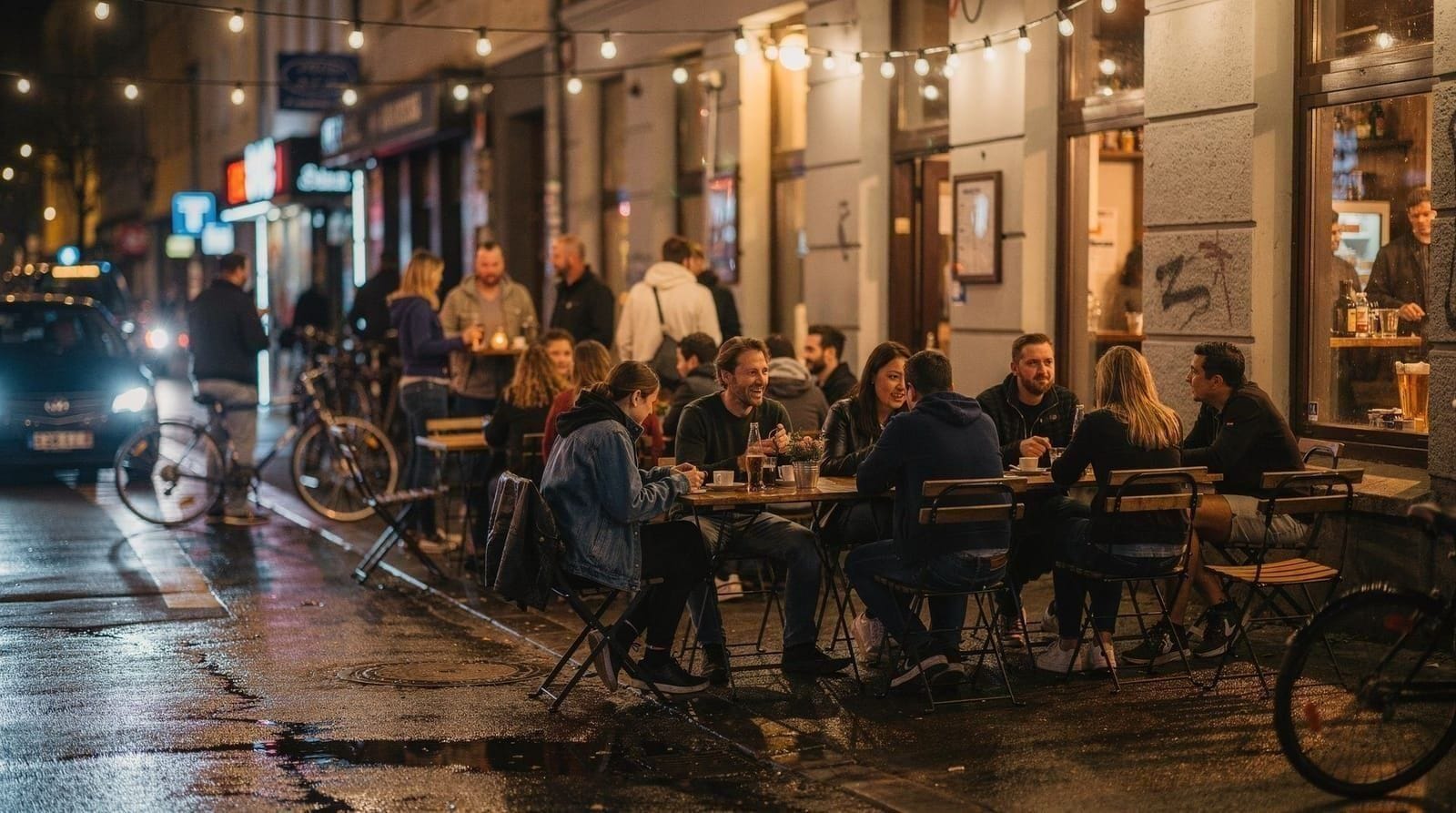
Central Friedrichshain — Simon-Dach-Strasse and Boxhagener Platz is the residential core that most Berliner residents in Friedrichshain actually use. Simon-Dach-Strasse has a long strip of bars aimed primarily at a 20-35 demographic; Boxhagener Platz (Boxi) is the genuine neighborhood square. This area is less touristy than the riverbank and more representative of how the neighborhood actually functions.
Eastern Friedrichshain — Karl-Marx-Allee and Frankfurter Allee is the GDR monumental zone. The wide boulevards, the massive Stalinist housing blocks, the Kino International (a cinema built for GDR film premieres), and the increasingly local-facing restaurants on side streets make this worth visiting for anyone interested in the city’s divided history.
The three zones compared
| Western (Warschauer Strasse) | Central (Boxhagener Platz) | Eastern (Karl-Marx-Allee) | |
|---|---|---|---|
| Character | Entertainment corridor, tourist-heavy | Residential, genuine neighborhood feel | GDR monumental architecture |
| Best for | East Side Gallery, clubs, nightlife | Restaurants, flea market, local life | History, architecture, Kino International |
| Noise level | Loud on weekends | Moderate | Quiet |
| Where to base yourself | If nightlife is the priority | If you want a residential feel with good food | If you’re focused on history over nightlife |
For a broader comparison against Berlin’s other neighborhoods, see the Berlin neighborhoods overview and the Kreuzberg neighborhood guide if alternative culture without quite as much club noise interests you.
The East Side Gallery
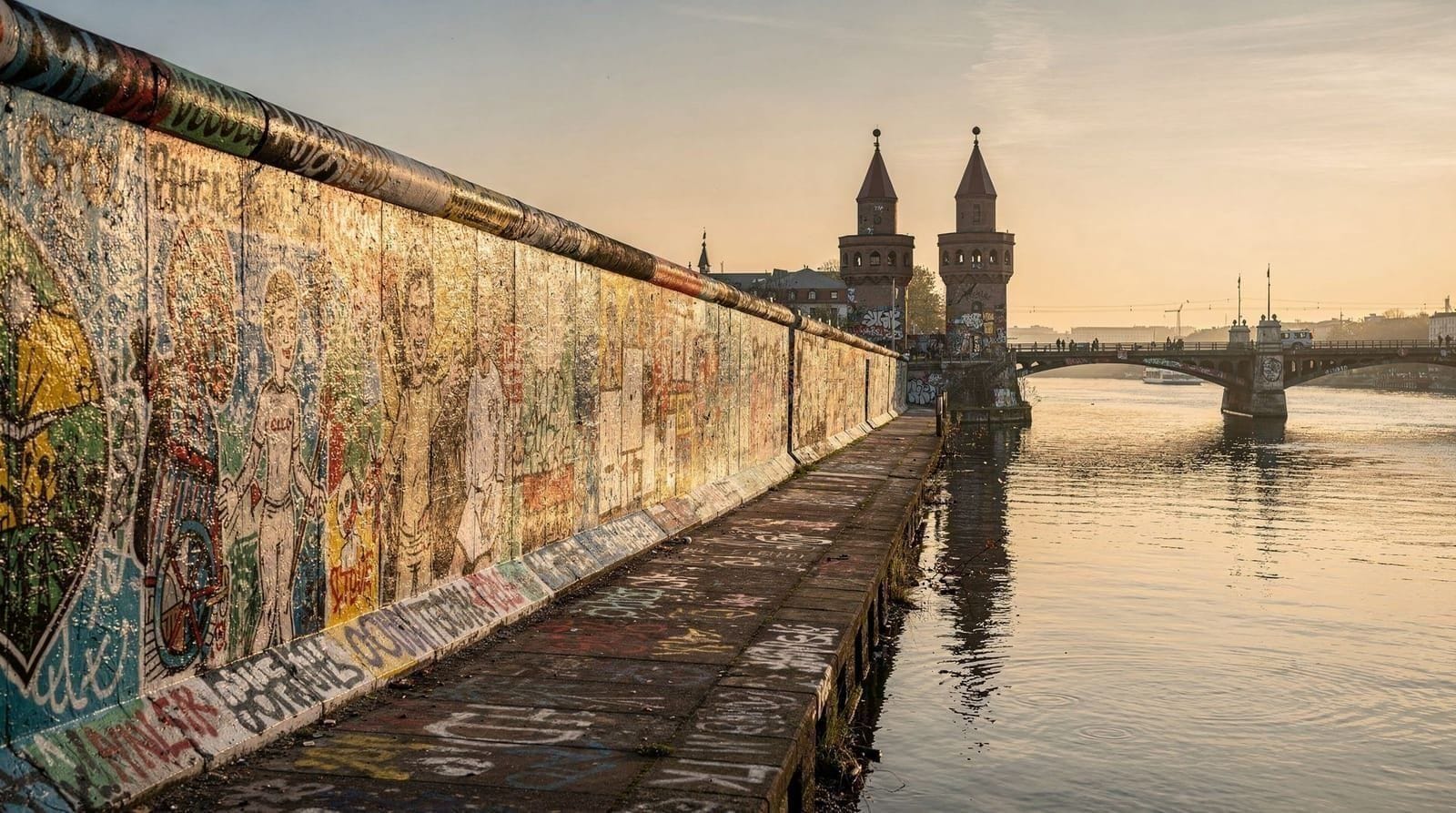
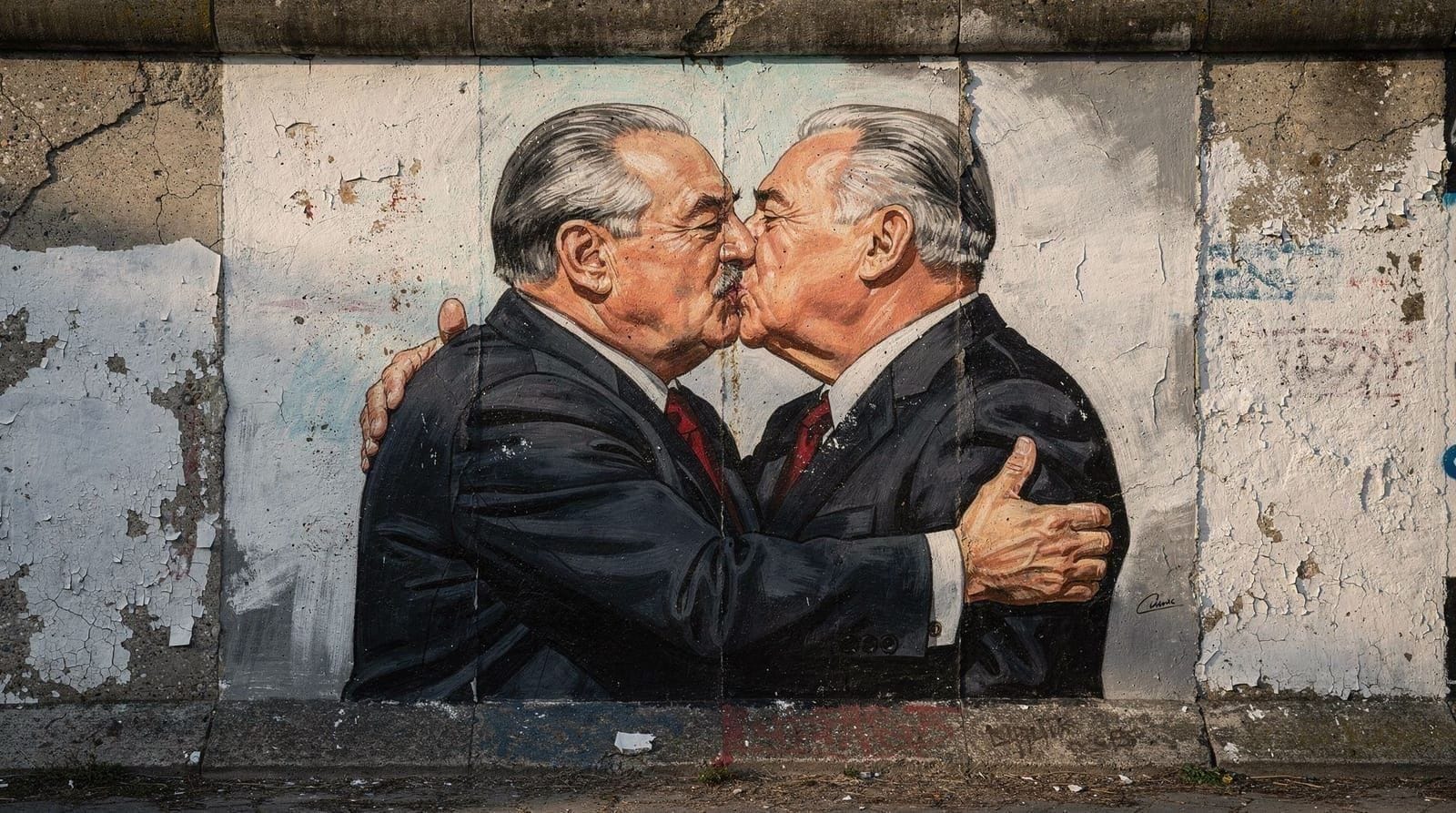
The East Side Gallery is the most visited section of the Berlin Wall in existence — 1.3 km of the original outer wall, painted by 118 artists from 21 countries in 1990 after the Wall fell. The murals have become iconic independent of their political context: Dmitri Vrubel’s fraternal kiss between Brezhnev and Honecker (the most replicated Berlin image), Birgit Kinder’s Trabant crashing through the Wall, and dozens of others.
A few things to know before you go:
The Wall here is the outer wall — the side that faced East Berlin. East Germans could not approach it; it was part of the death strip. When artists painted it in 1990, they painted what had been invisible to East Berliners for 28 years.
The murals have been partially repainted — several sections deteriorated from weather and vandalism and were restored by the original artists or by conservators. This is documented; the restorations are not perfect matches for the originals.
It is free and always accessible but very crowded between 10am and 6pm in summer. Early morning (before 8am) gives a dramatically different experience.
East Side Gallery guided art tour — 90 minutes, explains the murals and Cold War contextFor the full history and mural-by-mural guide, see the East Side Gallery guide.
Berghain — the club and the door policy
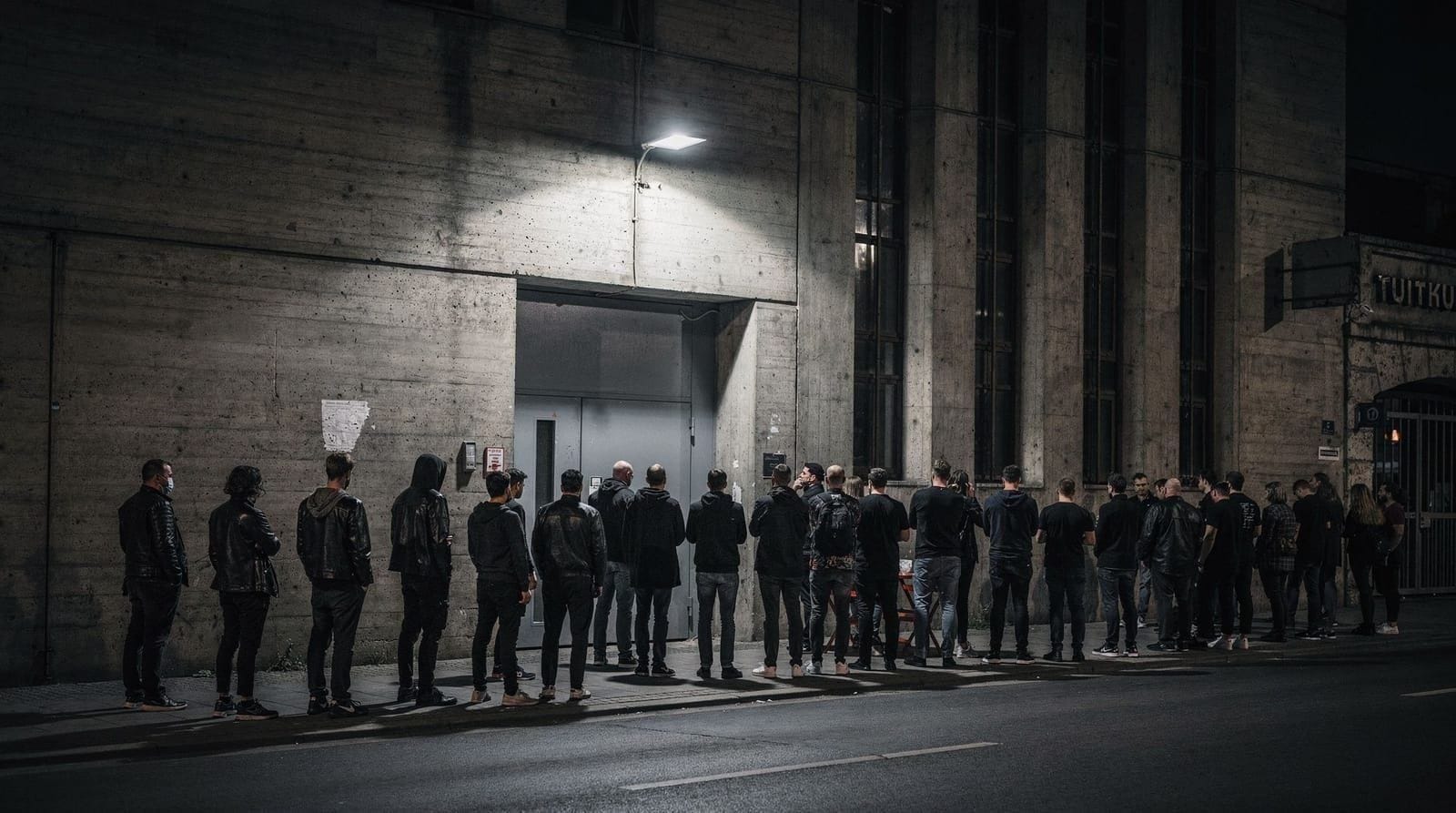
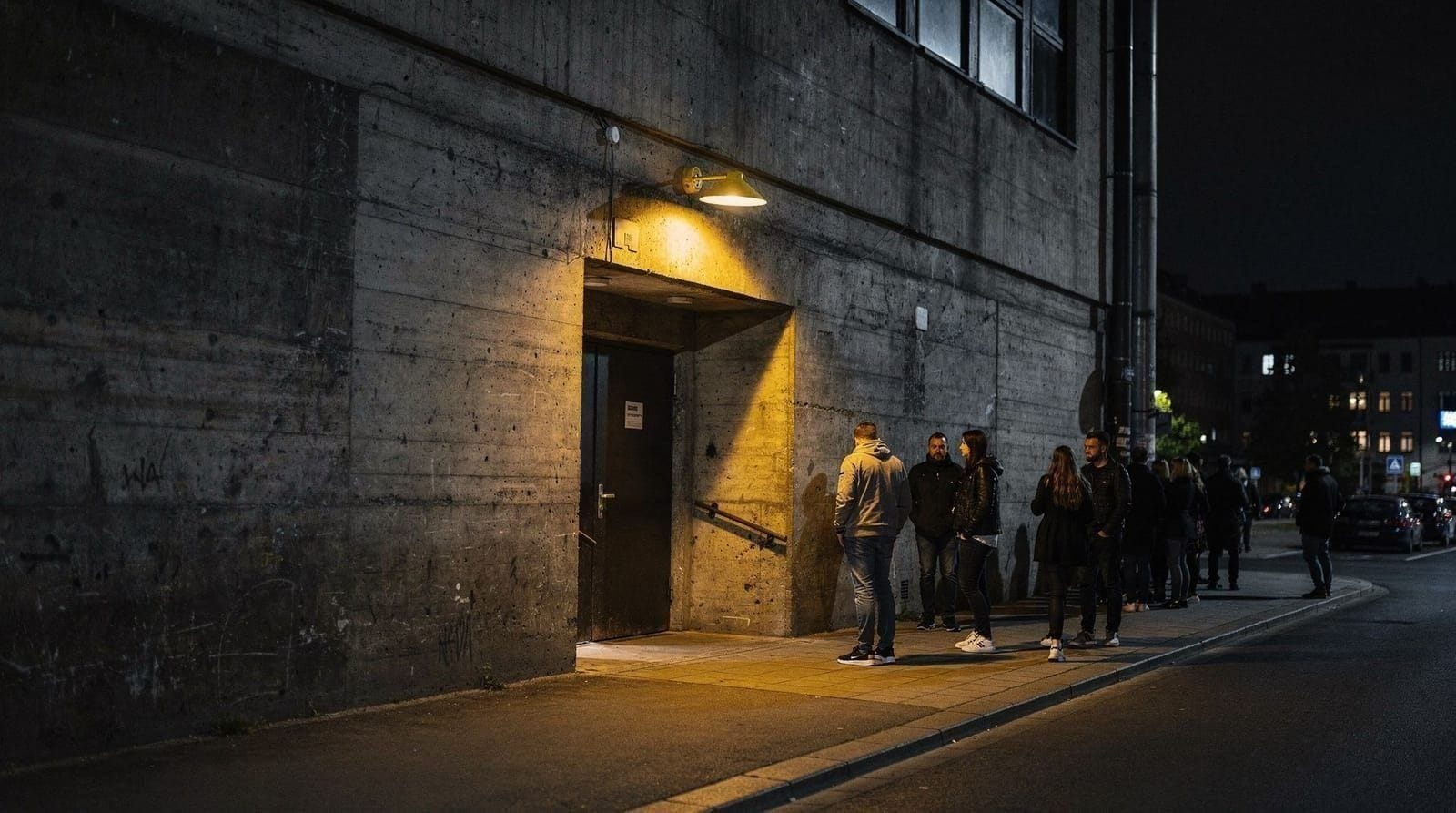
Berghain sits at the border of Friedrichshain and Mitte, in a former power plant on Am Wriezener Bahnhof. It is genuinely the most famous club in the world and operates on a model that is essentially the opposite of a tourist experience: minimal promotion, no guest lists worth noting, a door policy designed to select for people who fit the venue’s ethos.
The venue itself is enormous — the main Berghain room has a ceiling that approaches 18 metres, a sound system that cost more than most clubs earn in a year, and an adjacent Panorama Bar upstairs with a different (but equally serious) program. It operates Friday to Monday, typically from about midnight onward. Sets run 6-12 hours; some DJs play for longer.
Whether you get in depends on factors that no guide can fully control. The consistent advice from people who get in regularly is: small group, casual dress (nothing expensive-looking), no cologne, phone put away, some German, and genuine intent to be in the room rather than to photograph it (photography is prohibited inside). The full probability breakdown by profile is in the Berghain guide.
RAW-Gelände: the industrial club complex
RAW-Gelände (Revaler Strasse 99) is the most concentrated example of Berlin’s post-reunification club aesthetic: old industrial buildings repurposed as entertainment venues without extensive renovation. The site was a railway repair yard (Reichsbahnausbesserungswerk) until 1994; since then it has hosted a rotating cast of clubs, bars, and cultural spaces.
Current venues on site include:
- Cassiopeia — alternative, indie, techno; more accessible door policy than Berghain
- Astra Kulturhaus — mid-size concerts, international bookings, standing room
- Suicide Circus — weekend techno club, outdoor terrace
- Skatehalle — indoor skate park
- Climbing wall
- Weekend flea market (Saturday and Sunday)
The flea market is one of the more practical in Friedrichshain — smaller than Mauerpark, with vinyl records, secondhand electronics, and vintage clothing.
The RAW-Gelände’s identity has shifted repeatedly since the site’s railway function ended in 1994, and it continues to shift — individual venues open and close, and the mix of clubs versus bars versus cultural space changes from year to year in a way that more established venues like Berghain do not. This means checking current listings before a visit matters more here than almost anywhere else in the neighborhood; a venue that was central to the site’s reputation two or three years ago may have closed or relocated. The constant is the site’s overall character: unpolished industrial buildings adapted with minimal renovation, which is as much the draw for visitors as any specific club night.
Karl-Marx-Allee: the GDR’s showcase boulevard
Karl-Marx-Allee (called Stalin Allee until 1961) was constructed between 1952 and 1960 as the GDR’s demonstration that the Soviet planning model could build better housing than the West. The result is a 2.3 km boulevard flanked by buildings of 7-9 storeys covered in porcelain-tile cladding, with shops on the ground floor and apartments above. The scale is Soviet in the precise literal sense — architects were trained in Moscow and the design references Moscow’s major boulevards directly.
Today the boulevard functions as a regular Berlin street: trams run down the center, the apartments are inhabited, the ground-floor spaces hold restaurants, a cinema (Kino International, excellent for screenings with historical atmosphere), and the Café Sibylle (no. 72), which has a small free DDR museum documenting the boulevard’s construction and the workers’ uprising of June 17, 1953 that occurred here.
Kino International (Karl-Marx-Allee 33) deserves specific mention: built in 1963 as the GDR’s premier film premiere cinema, it has been maintained in its original state and is one of the most atmospheric cinemas in Germany. Regular screenings continue; check the program.
Walking the full length of Karl-Marx-Allee from Frankfurter Tor toward Strausberger Platz gives a much stronger sense of the scale than any single photograph, since the boulevard’s width and the height of the flanking buildings were both deliberately exaggerated beyond what functional housing required, in order to create a processional space suitable for the state parades the GDR staged here through the 1950s and 1980s. The twin domed towers at Frankfurter Tor, modelled loosely on the Gendarmenmarkt’s churches in Mitte, are the boulevard’s most recognisable landmark and a useful point to start or end the walk.
Boxhagener Platz and the real neighborhood
Boxhagener Platz — “Boxi” — is where Friedrichshain residents actually live rather than perform. The square has a playground, benches, and the kind of mixed demographic (old tenants who survived the gentrification wave, young professionals, families, students) that makes it feel like an actual neighborhood rather than an entertainment zone.
The flea market on Saturdays (from about 9am to 4pm) runs around the perimeter of the square with stalls that skew toward secondhand books, records, household objects, and tools. Less vintage clothing than Mauerpark, more genuine junk. Good for vinyl hunting.
The surrounding streets — Grünberger Strasse, Gabriel-Max-Strasse, Sonntagstrasse — have some of the most consistent restaurant quality in eastern Berlin:
Schneeweiß (Simplonstrasse 16) — a long-standing neighborhood restaurant in a renovated 19th-century space; dinner EUR 20-35 per person, reservations needed on weekends.
Vöner (Warschauer Platz 18) — vegan döner kebab that tastes substantially better than this sentence suggests. EUR 5-7.
Hops and Barley (Wühlischstrasse 22/23) — a brewpub in a converted butcher shop serving its own unfiltered Pils, wheat beer, and stout. EUR 4-5 per half-litre. One of the best spots for afternoon beer in the neighborhood.
The Oberbaum Bridge and Kreuzberg connection
The Oberbaumbrücke (between Warschauer Strasse and Schlesisches Tor) is the most photogenic bridge in eastern Berlin. Two red-brick towers in a faux-Gothic style anchor a double-deck structure: the U1 line uses the upper level; the lower deck is for pedestrians and cyclists. The bridge crosses the Spree at a point where it forms the border between Friedrichshain and Kreuzberg.
During the division, the bridge was a Wall crossing point — Checkpoint Oberbaumbrücke handled foot traffic between East and West. The border ran along the center of the Spree; the bridge itself was in the death strip. Today it is one of the most-photographed points on the Spree and a useful navigational landmark. Walk or cycle to Kreuzberg in 5 minutes from Warschauer Strasse.
Kreuzberg and Friedrichshain bike tour — covers both neighborhoods, East Side Gallery, and the canalWhere to stay in Friedrichshain
Friedrichshain suits nightlife-focused travelers and visitors who want proximity to the East Side Gallery without Mitte prices. Accommodation is generally EUR 60-100 per night for mid-range doubles, with hostels from EUR 20-35 per dorm bed.
The best positions are:
- Near Warschauer Strasse for direct access to the East Side Gallery and transport connections
- Around Boxhagener Platz for the residential neighborhood feel with good restaurants nearby
- Along Frankfurter Allee for cheaper options with easy U5 access to the center
Noise is worth considering: the area around Warschauer Strasse and the RAW-Gelände is loud on weekends into early morning hours. Check hotel soundproofing ratings if you are a light sleeper.
For a broader survey of Berlin’s club scene beyond Friedrichshain, see the Berlin techno clubs guide and the Berlin nightlife neighborhoods guide, which compares Friedrichshain against Kreuzberg and Neukölln for a night out.
Frequently asked questions about Friedrichshain guide
Where exactly is the East Side Gallery in Friedrichshain?
The East Side Gallery runs along Mühlenstrasse on the north bank of the Spree in Friedrichshain, between Ostbahnhof (to the west) and the Oberbaum Bridge (to the east). It is 1.3 km of original Wall, painted in 1990 by international artists. Access is free, 24 hours. The nearest stations are Ostbahnhof (S-Bahn) and Warschauer Strasse (S-Bahn, U1). See the East Side Gallery guide for detailed mural information.What is the RAW-Gelände in Friedrichshain?
RAW-Gelände (short for Reichsbahnausbesserungswerk, a former railway repair yard) on Revaler Strasse is a cluster of repurposed industrial buildings hosting clubs, bars, a climbing wall, a skate park, a flea market on weekends, and various cultural spaces. It is the most concentrated example of Berlin's club-in-a-ruin aesthetic. Key venues include Cassiopeia (techno and alternative), Astra Kulturhaus (concerts), Suicide Circus (techno), and several smaller bars.How do you get into Berghain?
Berghain (on the Friedrichshain/Mitte border, at Am Wriezener Bahnhof) has a door policy that requires no explanation from the bouncers. The practical advice is consistent — go in small groups of 2-3, dress down (not dressed-up), do not talk in the queue, speak German if you can, go after 3am, avoid obvious tourist behavior, and have no visible agenda for going in. Success rates for non-regulars vary between 30 and 60 percent depending on the night and the crew. See the full Berghain guide for honest probability assessments by profile.What is Boxhagener Platz and its flea market?
Boxhagener Platz (universally called "Boxi" by locals) is the main social square in western Friedrichshain. The Saturday flea market is one of the more genuine in the city — less touristy than Mauerpark, more records, books, and household objects than branded vintage clothing. The Sunday organic market covers the same square. The square's surrounding streets (Grünberger Strasse, Gabriel-Max-Strasse) have some of the most consistent restaurant quality in eastern Berlin.Is Friedrichshain safe?
Generally yes, though the area around Warschauer Strasse S-Bahn station and the club entrances on Revaler Strasse can be disorienting late at night given the volume of people and the mix of states they are in. Standard Berlin nightlife precautions apply. The residential streets north of Boxhagener Platz are quiet and safe at all hours. The East Side Gallery is very busy during the day and deserted at night — the latter is fine, the former is pickpocket territory.What is Karl-Marx-Allee in Friedrichshain?
Karl-Marx-Allee is a 2.3 km boulevard running west from Frankfurter Tor through Friedrichshain, built between 1952 and 1960 as Stalin Allee — the GDR's showpiece Stalinist neoclassical housing project. The buildings are enormous (up to 9 storeys), with ornate ceramic tile facades, and were designed to house workers and GDR government officials. The boulevard is now a UNESCO World Heritage candidate; the buildings have been converted to apartments, restaurants, and a cinema (Kino International). The scale is genuinely striking and unlike anything else in Berlin.What S-Bahn and U-Bahn lines serve Friedrichshain?
The S3/S5/S7/S9 lines connect Warschauer Strasse and Ostbahnhof to the city center (Alexanderplatz is 2 stations west). The U1 elevated line connects Warschauer Strasse to Kreuzberg via the Oberbaum Bridge (Schlesisches Tor, 1 stop) and continues to Kottbusser Tor. The U5 connects Frankfurter Allee and Samariterstrasse in northern Friedrichshain to the new U5 extension through Mitte to the Hauptbahnhof.
Top experiences
Bookable activities with verified prices and instant confirmation on GetYourGuide.