Kreuzberg neighborhood guide — alternative Berlin, Turkish food, and real nightlife
Berlin: Private Kreuzberg Food and Street Art Tour
What is Kreuzberg best known for and should you stay there?
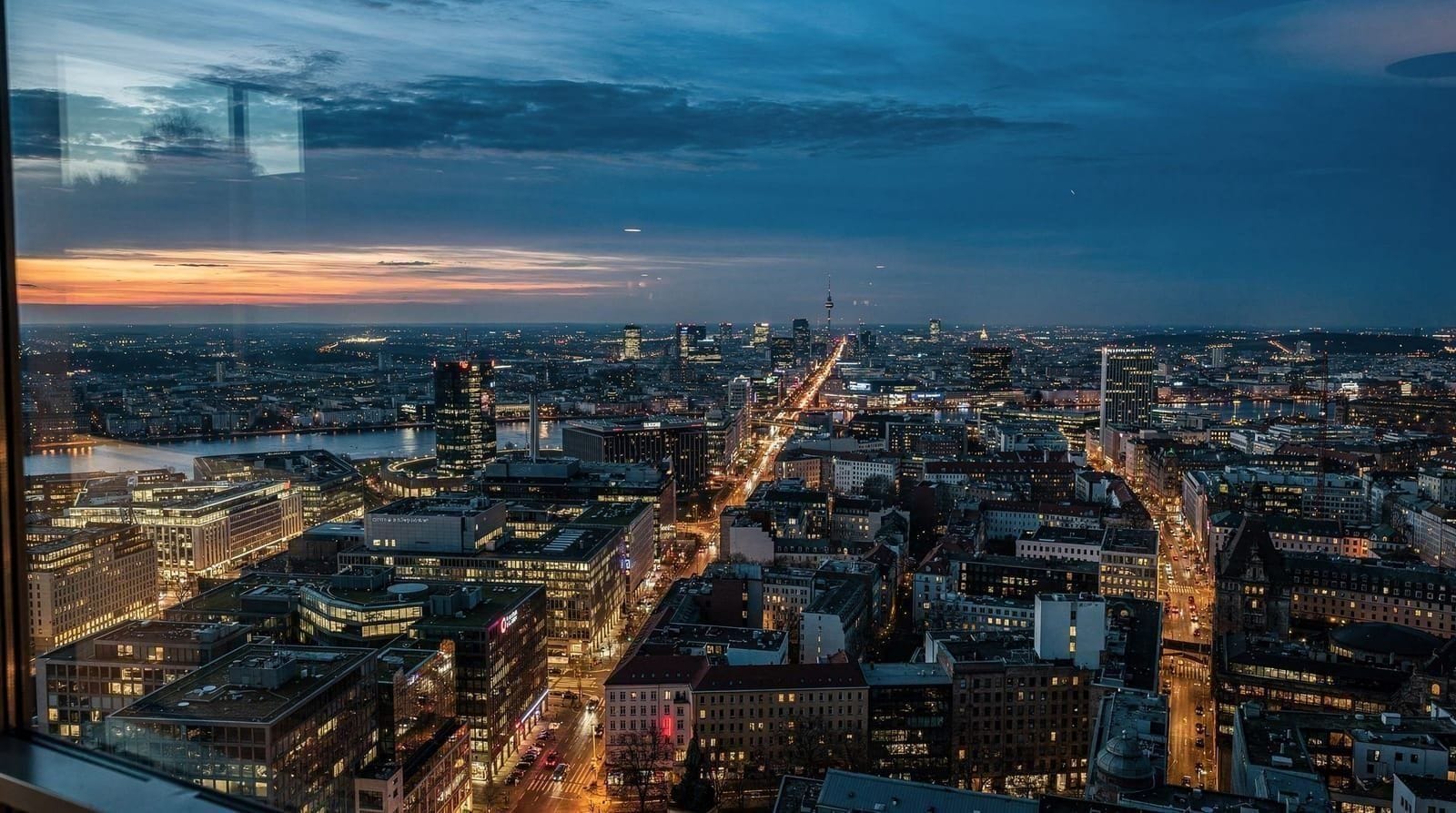
Kreuzberg is Berlin's most culturally mixed neighborhood — historically a working-class immigrant quarter, now split between gentrified Bergmannkiez in the west and the grittier SO36 area around Kottbusser Tor in the east. It has the city's best street food, the Turkish Market on Maybach Ufer, and genuine nightlife. It is an excellent base for travelers who prioritize eating, drinking, and street-level culture over proximity to museums.
What is Kreuzberg and why does it matter? Kreuzberg is the neighborhood most Berliners point to when asked what makes their city different from other European capitals. It is not a theme park version of alternative culture — it is a working neighborhood with one of the highest proportions of Turkish-German residents in the city, a visible squatter and punk history, excellent cheap food, and a genuine night scene that predates the techno club boom. The trick is knowing which part you are heading to, because Kreuzberg has two very different characters divided roughly by Gneisenaustrasse.
| Where | South of Mitte, split into western Bergmannkiez and eastern SO36 |
| Getting there | U6 Mehringdamm (west), U1/U8 Kottbusser Tor (east) |
| Cost level | Cheaper than Mitte — döner €5–7, dinner for two €20–35 |
| Best for | Food, street art, nightlife, non-touristy Berlin |
| Avoid at night | Görlitzer Park after dark |
SO36 vs. Bergmannkiez at a glance
| SO36 (east) | Bergmankiez (west) | |
|---|---|---|
| Atmosphere | Loud, dense, visually chaotic | Quiet, leafy, gentrified |
| Food | Turkish street food, döner, Türkenmarkt | Cafés, brunch, Marheinekehalle |
| Nightlife | SO36 club, Späti culture, dive bars | Neighbourhood bars, quieter evenings |
| Best for | First-time visitors wanting the “classic” Kreuzberg | Families, longer stays, quieter mornings |
| Transport hub | Kottbusser Tor (U1/U8) | Mehringdamm (U6/U7) |
The two Kreuzbergs
Western Kreuzberg (Bergmannkiez, around Bergmannstrasse and Chamissoplatz) is gentrified, quieter, and more expensive than its eastern counterpart. The streets are leafy, the apartment buildings are well-maintained 19th-century Altbau (old buildings), and the restaurants cater to a mix of long-term residents and young professionals. Chamissoplatz is one of the most photogenic squares in Berlin and hosts a weekend organic market on Saturdays. Marheinekehalle (a covered market hall on Marheinekeplatz) is an excellent morning stop for coffee, bread, and groceries at neighborhood prices.
Eastern Kreuzberg (SO36, around Kottbusser Tor, Oranienstrasse, and the Landwehrkanal) is louder, busier, more visually chaotic, and significantly cheaper. The name SO36 comes from a historical postal code and is used both as a geographic marker and as an identity for the area’s political character — anti-fascist stickers, alternative bars, and the legacy of the squatter movement that defined this part of the city in the 1970s and 1980s. The U1 elevated S-Bahn rattles overhead on Skalitzer Strasse, the streets are dense with people at almost any hour, and the döner kebab here is among the best in Europe.
Eating in Kreuzberg: where the city’s reputation comes from
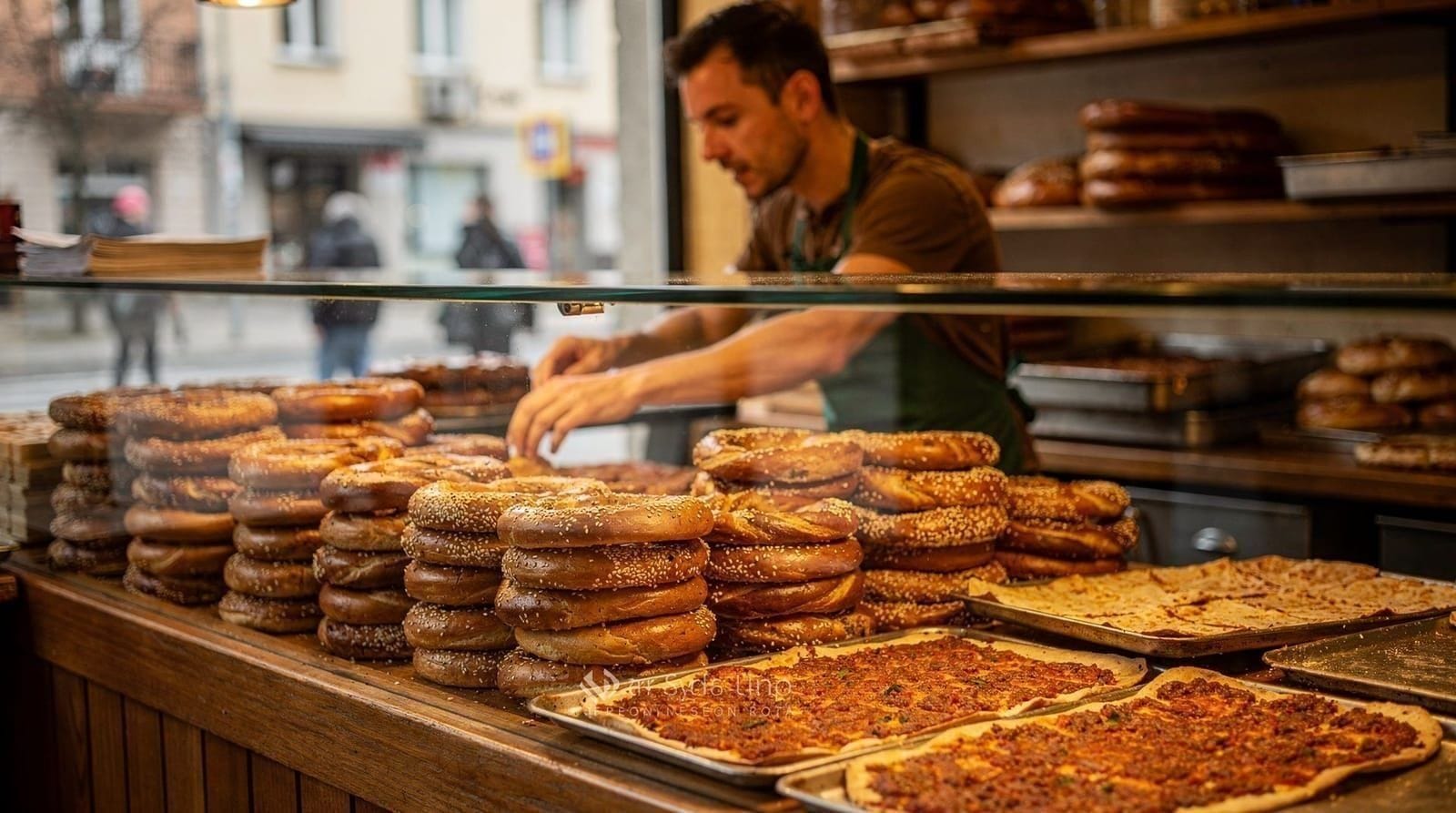
Kreuzberg’s food scene is the reason the neighborhood appears in every honest Berlin travel guide. The Turkish and Turkish-German communities that settled here from the 1960s onward built an ecosystem of restaurants, bakeries, and market stalls that operates on a different price logic than the rest of the city.
Mustafas Gemüse Kebap (Mehringdamm 32) — the most famous queue in Berlin for a reason. The vegetable döner with roasted red pepper, feta, and herb sauce is genuinely worth the 30-60 minute wait, though it is less worth it if you have access to any decent Turkish neighborhood. Open late. Price: EUR 5-7.
Oranienstrasse restaurant strip — the entire stretch from Kottbusser Tor to Görlitzer Strasse is dense with Turkish, Vietnamese, and fusion restaurants. Dinner for two with drinks runs EUR 20-35 in most establishments. The quality varies; look for places with a predominantly non-tourist clientele.
Markthalle Neun (Eisenbahnstrasse 42-43) — a Victorian market hall that has been revived as a mixed food and retail market. The permanent vendors include a good cheese counter, a bread stall, and a butcher. Street Food Thursday (held once a month on the third Thursday evening) brings 30+ vendors and long queues; the regular market is less crowded and better for actual shopping.
Marheinekehalle — the covered market hall in western Kreuzberg on Marheinekeplatz. More expensive than the Turkish markets but good for specialty foods, wine, and breakfast.
Kreuzberg food and street art tour — local guide, Turkish market, döner tasting, 3.5 hoursThe Turkish Market on Maybach Ufer
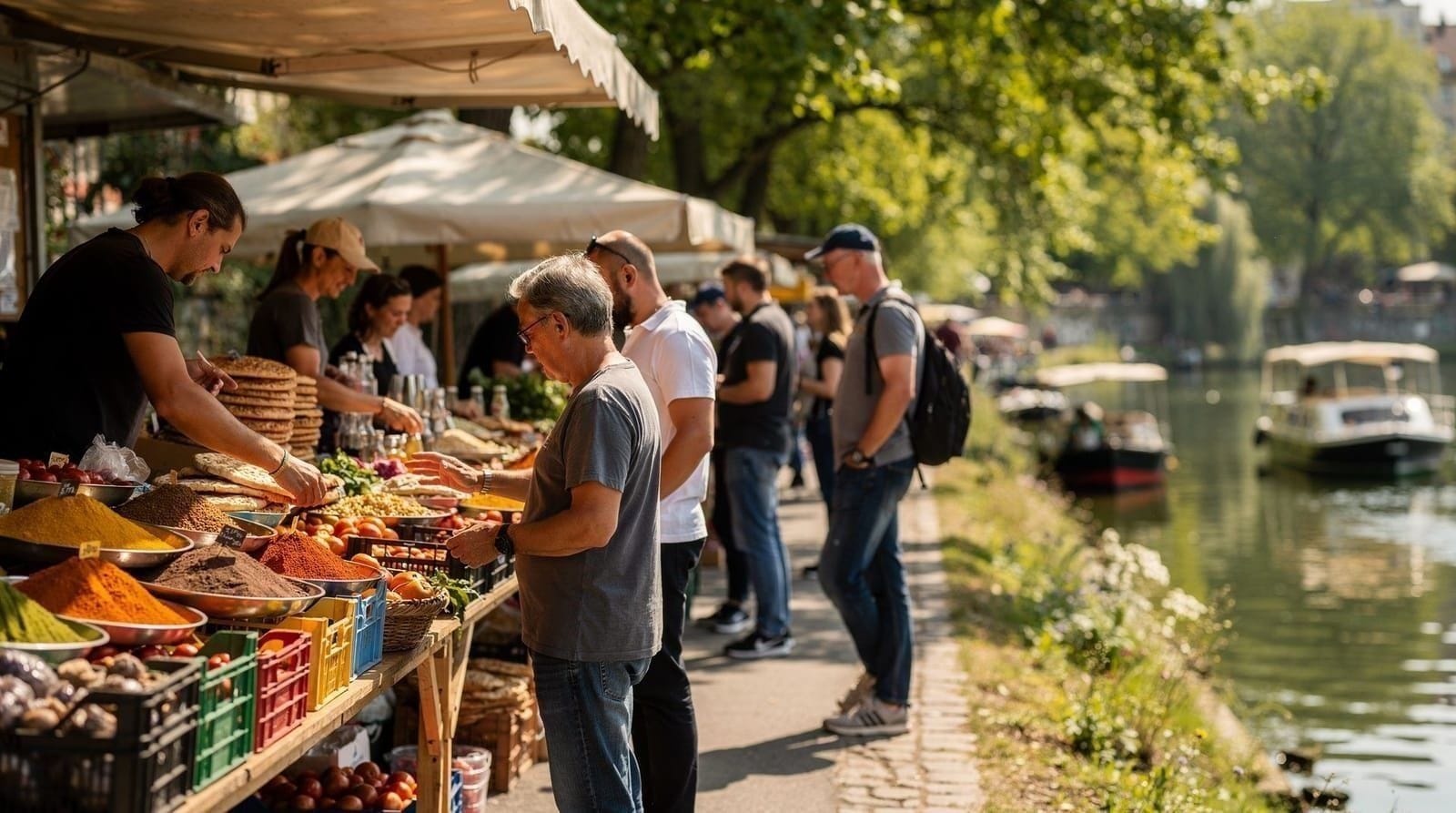
The Türkenmarkt runs every Tuesday and Friday along the Maybach Ufer canal embankment, technically in Neukölln on the south bank of the Landwehrkanal but accessed from Kreuzberg just across the bridge. It is one of the best markets in Berlin for fresh produce and a genuine non-tourist experience.
The stalls sell: fresh fruit and vegetables (seasonal, well-priced), olives and pickles in bulk, fresh fish (especially on Fridays), Turkish cheeses and breads, fabrics, and cheap household goods. The canal setting makes it pleasant regardless of what you buy. Arrive before 11am for the best produce; the market winds down from 4pm.
The Landwehrkanal embankment between Kottbusser Brücke and Paul-Lincke-Ufer is where Berliners come to sit on the grass in summer. This stretch — sometimes called the “Berliner Riviera” without any irony — is packed on warm weekends. Bring food from the market, buy a beer from a Späti (corner kiosk), and settle in.
Street art and the visual culture
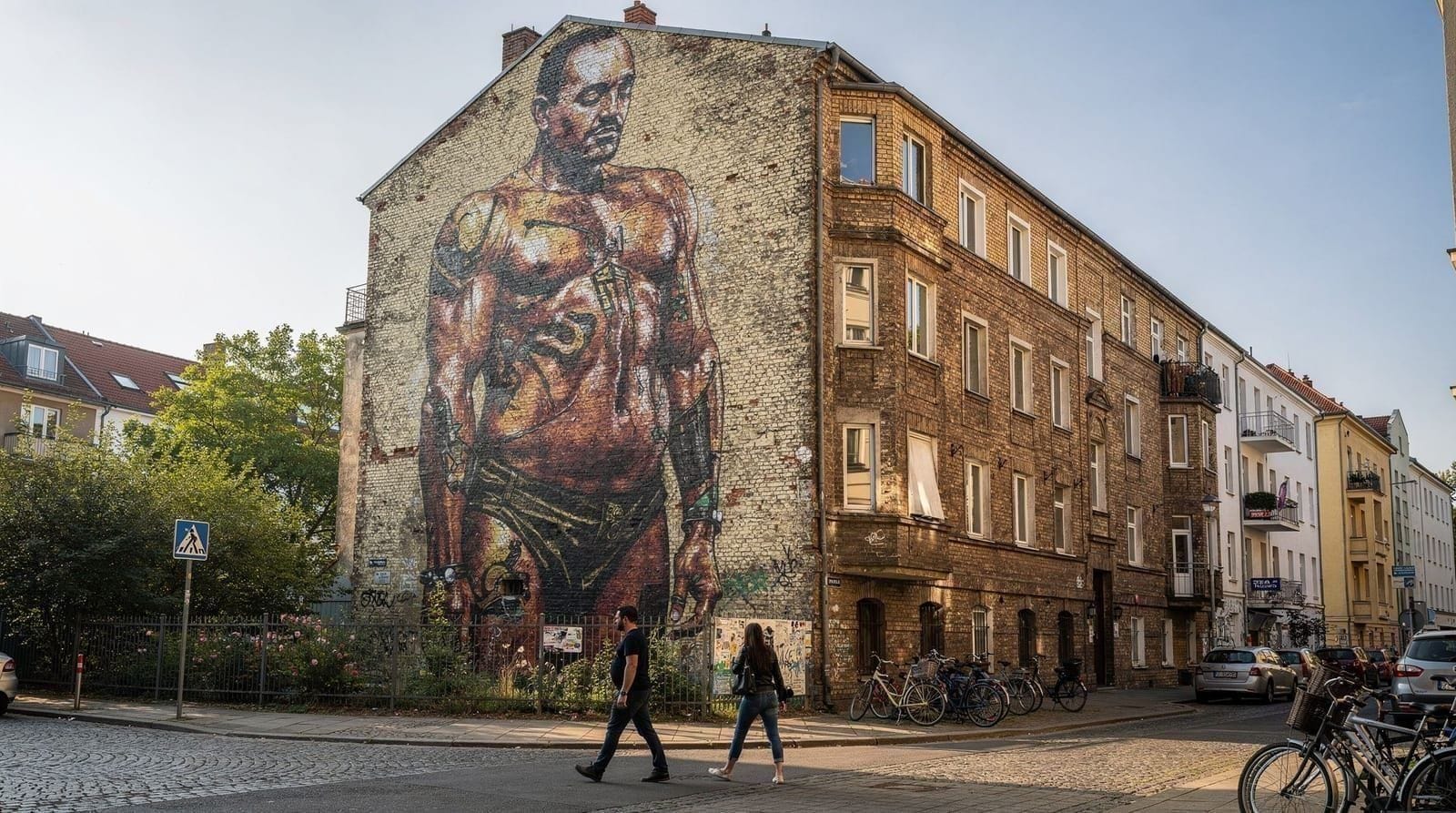
Kreuzberg’s walls are one of the denser open-air art collections in Europe. The difference between Kreuzberg street art and the curated East Side Gallery in Friedrichshain is essentially the difference between a live music venue and a concert hall: one changes constantly, the other is managed and preserved.
The best concentrations are along:
- Fraenkelufer and Maybachufer (canal embankments)
- Oranienstrasse side streets — particularly around the intersection with Lausitzer Platz
- The walls of Görlitzer Park (avoid the park itself after dark)
- Ritterstrasse in the eastern part
The Kreuzberg street art scene has deep roots in the squatter movement. The Tacheles collective is long gone, but several artists from that period still work in the neighborhood. Guided tours offer context that self-guided walks miss.
Private street art tour of Kreuzberg — small group, artist-led, covers history and techniqueNightlife: what actually exists here
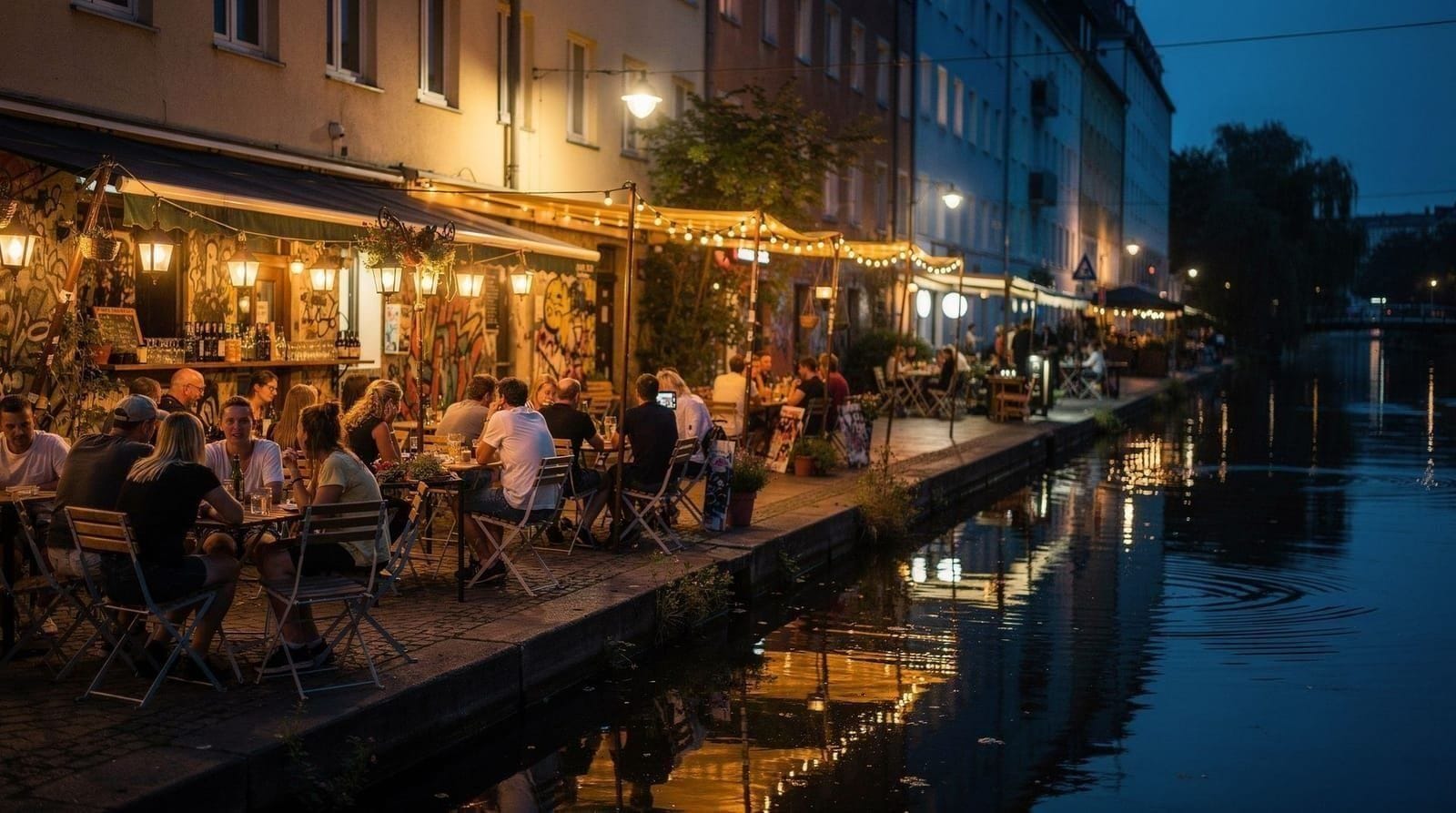
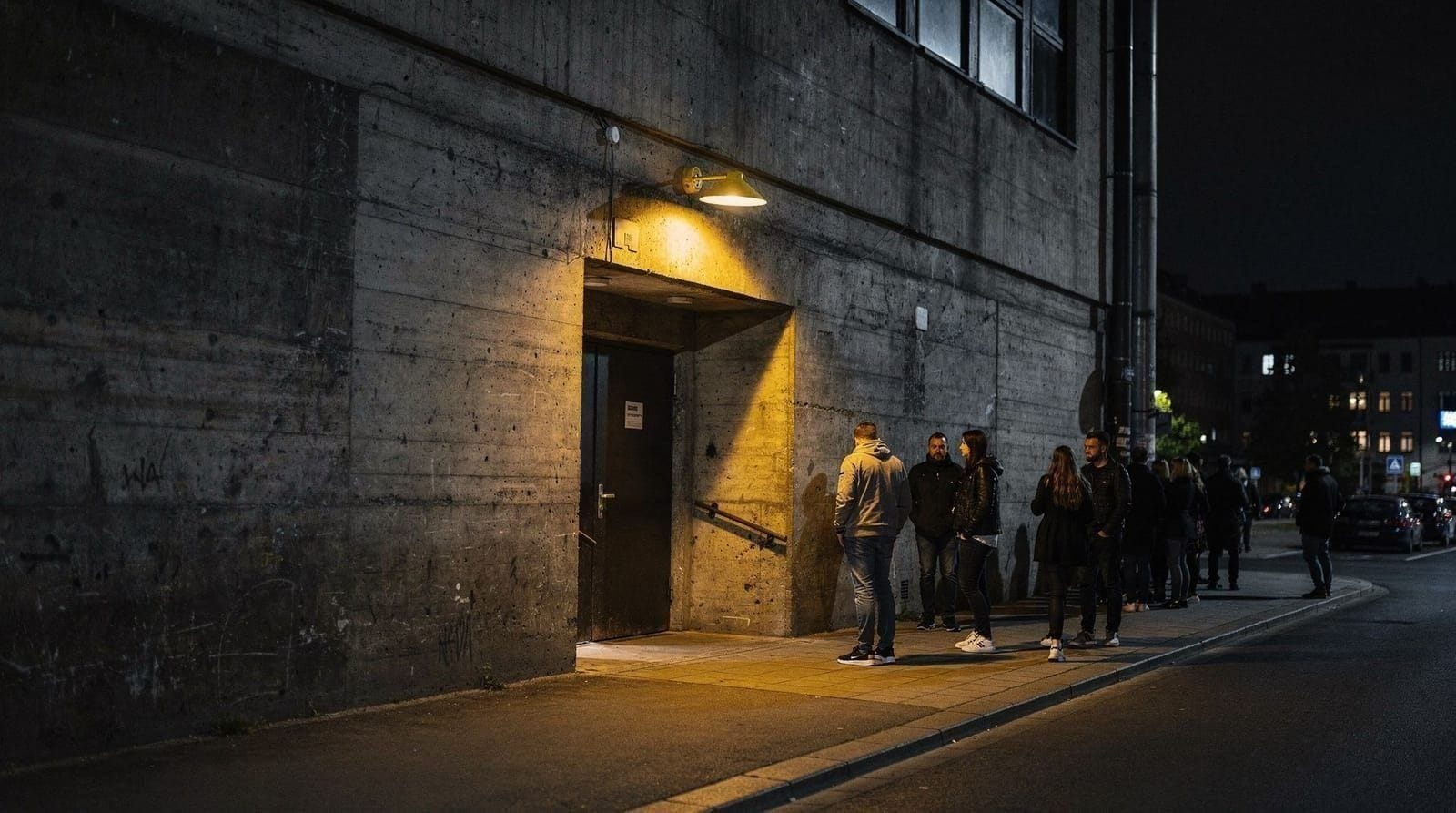
Kreuzberg’s nightlife occupies a different tier from Friedrichshain’s club scene. It tends toward bars, late-night Spätis, and smaller venues rather than the megaclubs:
Watergate (Falckensteinstrasse 49) — on the Spree, with a glass terrace over the water. Internationally known techno and house programme. Friday and Saturday from midnight. Door policy exists but is considerably less selective than Berghain. Entry EUR 10-15.
SO36 club (Oranienstrasse 190) — the historic punk and queer venue. Mixed programming including punk nights, queer parties, and concerts. The Cafe Fatal ballroom dance night (Sundays) is a Berlin institution. Entry EUR 6-10.
Bar Raval (Lübbener Strasse 1) — a good neighborhood bar with reasonable prices and a consistent crowd. Open until 5am.
Späti culture — Kreuzberg Spätis (late-opening corner shops) form an informal social infrastructure. Groups of friends gather outside with canned beers (EUR 1.50-2.00) on warm evenings. The Späti on Oranienstrasse/Wiener Strasse corner has been a local landmark for years.
For the full nightlife picture across the city, see Berlin nightlife neighborhoods.
Karneval der Kulturen — Kreuzberg’s biggest annual event
The Carnival of Cultures (Karneval der Kulturen) takes place every Whitsun weekend (late May or early June) and centers on Kreuzberg. The street parade on Sunday is one of the largest in Germany: about 5,000 participants, 100+ groups, and estimated crowds of 500,000 on the parade route. The street festival (Görlitzer Park and surrounding streets) runs all four days with music stages and food stalls. Free entry. See the Karneval der Kulturen guide for dates and logistics.
The Topography of Terror — Kreuzberg’s most significant memorial site
On the southern edge of Kreuzberg, where Niederkirchnerstrasse meets the site of the former Gestapo and SS headquarters, stands the Topography of Terror (Topographie des Terrors). This is one of the most important historical sites in Berlin: an outdoor and indoor exhibition documenting the Nazi state’s apparatus of terror from the headquarters that stood on this exact ground.
Entry is free. The indoor exhibition runs to several hundred metres of documentation; the outdoor section is always accessible and includes a surviving stretch of the Berlin Wall running along the northern perimeter. Allow 2-3 hours. The combination of Nazi history and Wall history on the same site makes this particularly thought-provoking — see the Topography of Terror guide for the full historical context.
Where to stay in Kreuzberg
Kreuzberg is a practical base for travelers prioritizing food, nightlife, and non-touristy Berlin. Accommodation runs EUR 60-100 per night for a basic double, roughly 20-30% cheaper than equivalent quality in Mitte. Options:
Bergmannkiez hotels — quieter, more suited to 30+ travelers and families. Several mid-range hotels on Mehringdamm and Gneisenaustrasse.
SO36/Kottbusser Tor area — more affordable but noisier. Hostels and cheaper hotels cluster here; expect street noise into the early hours on weekends.
The best position: anywhere within walking distance of the Landwehrkanal puts you equidistant between the food markets, the bar scene, and U-Bahn connections to the rest of the city.
For a full comparison of accommodation options across Berlin’s neighborhoods, see where to stay in Berlin.
Getting around Kreuzberg
- U6: Mehringdamm and Platz der Luftbrücke serve western Kreuzberg (Bergmannkiez)
- U1/U3: Görlitzer Bahnhof and Schlesisches Tor serve eastern Kreuzberg
- U8: Kottbusser Tor is the central hub of SO36
- Cycling: Kreuzberg is exceptionally bikeable — flat, dense with dedicated lanes, and bikeshare (DB Rad, Nextbike) stations throughout. The Landwehrkanal path is a pleasant and practical cycling route. See Berlin bike rental guide.
Pairing Kreuzberg with the rest of your trip
Kreuzberg works well as a half-day or full-day slice of a longer Berlin itinerary rather than the sole focus of a visit — most travellers combine it with Mitte’s museums or a Friedrichshain crossing over the Oberbaum Bridge. For a deeper dive into the food side specifically, the Kreuzberg food guide sequences a half-day route through the Türkenmarkt, Mehringdamm, and Markthalle Neun. For the drinking side, the Kreuzberg bars guide covers Oranienstrasse, Wrangelkiez, and the canal in more depth. If your visit lines up with late May or early June, build time around the Karneval der Kulturen parade, which turns the whole neighbourhood into a street festival for four days.
Frequently asked questions about Kreuzberg neighborhood guide
What are SO36 and Bergmannkiez in Kreuzberg?
Kreuzberg is informally divided into two postal code areas: SO36 (the eastern part around Kottbusser Tor, Oranienstrasse, and the Görlitzer Park) which is more diverse, cheaper, and associated with the Turkish community and alternative/punk scene; and SW61/Bergmannkiez (the western part around Bergmannstrasse) which is quieter, more gentrified, and better for families and food. Both are in the same administrative district.What is the Turkish Market in Kreuzberg?
The Turkish Market (Türkenmarkt) runs every Tuesday and Friday from about 9am to 6pm along Maybach Ufer canal in Neukölln, directly across the Landwehr Canal from Kreuzberg. Despite the name, it covers Kreuzberg and Neukölln vendors. It sells fresh produce, fish, olives, cheeses, fabrics, and clothing at genuinely competitive prices. Arrive before noon for the best selection. The canal promenade is walkable and pleasant.Is Kreuzberg safe for tourists?
Yes, with the standard caveats. Bergmannkiez is relaxed and family-friendly. The SO36 area around Kottbusser Tor has a reputation for drug dealing in and around the U-Bahn station — it is not dangerous for passersby but can feel uncomfortable at night. Görlitzer Park has a known drug scene; avoid it after dark. The Landwehrkanal embankments are pleasant and safe at all hours.What is the best food in Kreuzberg?
Kreuzberg has Berlin's densest concentration of good döner kebab (Mustafas Gemüse Kebap on Mehringdamm draws long queues for a reason), Turkish restaurants on and around Oranienstrasse, and a strong Vietnamese food scene along Skalitzer Strasse. The Markthalle Neun on Eisenbahnstrasse hosts Street Food Thursday (every third Thursday of the month) with 30+ vendors. For breakfast, the Marheinekehalle in Bergmannkiez is a covered market hall with several excellent cafe stalls.Where is Kreuzberg street art?
The densest concentration is along the Landwehrkanal embankment (Fraenkelufer, Maybachufer), the walls of Görlitzer Park, and the side streets off Oranienstrasse. The East Side Gallery in neighboring Friedrichshain is the most famous mural site but is a different neighborhood. Kreuzberg street art tends to be more spontaneous and layered — pieces change frequently. Several guided tours specialize in the Kreuzberg and Friedrichshain art scene.How do I get to Kreuzberg?
The main transport arteries are U6 (Mehringdamm, Platz der Luftbrücke) for western Kreuzberg, and U1/U8 (Kottbusser Tor) for SO36. The U1 elevated line running along Skalitzer Strasse/Oberbaumstrasse provides iconic views and connects east Kreuzberg to Friedrichshain over the Oberbaum Bridge. From central Mitte, the U6 from Stadtmitte to Mehringdamm takes about 8 minutes.What clubs are in Kreuzberg?
The most significant club in Kreuzberg is Watergate on Falckensteinstrasse, with a terrace over the Spree and a strong techno/house programme. SO36 (the club, not just the area) on Oranienstrasse is an institution of Berlin's queer and punk history. Bar 25 no longer exists at its original location. See the Berlin techno clubs guide for current venue status.
Top experiences
Bookable activities with verified prices and instant confirmation on GetYourGuide.