Berlin techno clubs guide — Tresor, Sisyphos, ://about blank, Kater Blau
Berlin Nightlife: The Original Unlimited Pub Crawl
What are the best techno clubs in Berlin besides Berghain?
Tresor (industrial techno in a vault), Sisyphos (sprawling outdoor complex), ://about blank (political, queer-friendly), and Kater Blau (riverside, alternative) are the four most significant alternatives. Each has a distinct identity and music policy. Entry ranges from €8 to €18 depending on the night.
What are the best techno clubs in Berlin beyond Berghain? The four most significant are Tresor, Sisyphos, ://about blank, and Kater Blau — each with a distinct sound, crowd, and philosophy. This guide covers what each one is, how to get in, what it costs, and what you’ll experience.
| Best for hard techno | Tresor, industrial vault sound |
| Best for a full weekend | Sisyphos, runs Friday night to Monday |
| Best for queer/political | ://about blank, Friedrichshain |
| Best for a river terrace | Kater Blau, melodic and accessible |
| Typical entry | around €8–€18, cash only |
| When to arrive | after midnight, ideally 1–3am |
If none of these fit and you’d rather have a lower-stakes night out, a guided Berlin pub crawl with skip-the-line club entry covers several bars and a club stop with a group, no door anxiety involved.
Tresor — industrial techno in a former vault
Tresor opened in 1991 in the basement vault of the demolished Wertheim department store on Potsdamer Platz — a space that had survived both wartime bombing and 40 years of division. It moved to its current location on Köpenicker Strasse in Mitte in 2007 after the original building was demolished for redevelopment.
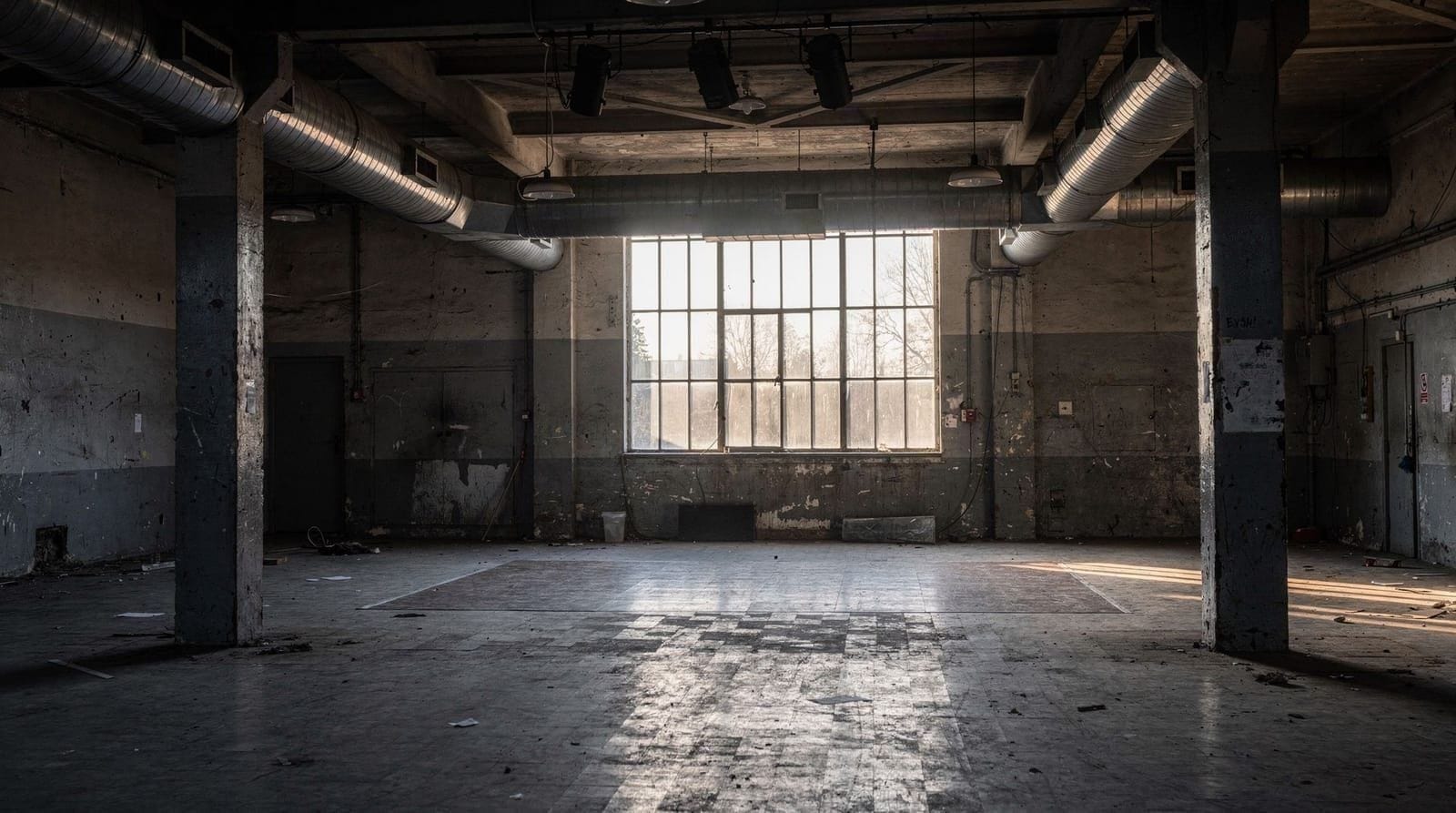
The current venue is a former power station. The main room downstairs — still called “the vault” though it is now a basement corridor of raw concrete — runs hard, dark, Detroit-influenced techno. The upstairs room (Globe) handles more varied programming including techno house and electro. The connecting corridor between rooms creates a functional industrial aesthetic that is not a design decision but a retained feature of the original building.
Music: Detroit techno, industrial techno, electro. Tresor has long-standing relationships with Detroit producers including Robert Hood, Jeff Mills, and Underground Resistance — many of whom played the original venue in the early 1990s.
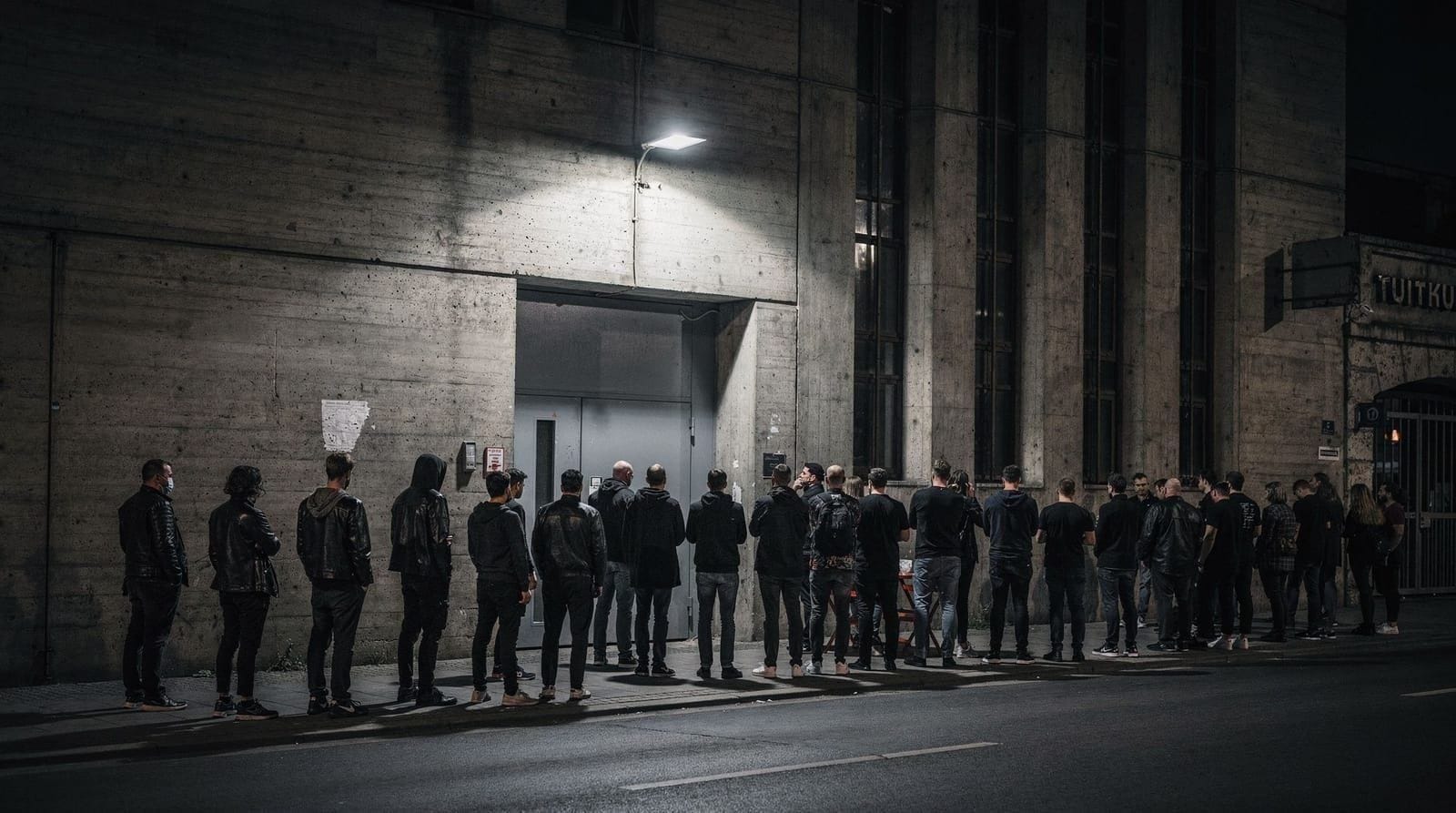
Door policy: Less strict than Berghain. A queue exists on busy nights, but groups are generally admitted if the club has space. Dress code is dark and minimal but not enforced as rigidly.
Entry: Typically €12-€15 on weekends. Cash strongly preferred. ATM available inside.
Hours: Opens Thursday/Friday night, runs through the weekend. Check the Tresor website for specific event schedules.
Getting there: U8 to Heinrich-Heine-Strasse, 8-minute walk. Or S-Bahn to Jannowitzbrücke.
The honest take: Tresor’s historical significance is genuine — it was one of the first clubs to establish Berlin as a techno destination, and it helped bring Detroit producers to European audiences. The current venue is not the original but maintains the spirit. If you want hard, functional techno in a raw space without Berghain’s door uncertainty, Tresor is the right choice.
Sisyphos — sprawling weekend complex
Sisyphos occupies a former dog biscuit factory in Rummelsburg, east of Friedrichshain near the Spree. It is a genuine complex rather than a single club: multiple indoor rooms, outdoor areas, a beach, and an overall ambience that sits somewhere between club and festival.
It runs continuously from Friday evening to Monday morning (sometimes Tuesday), which makes it genuinely unique. The outdoor areas operate when weather permits (spring through autumn). In winter, the operation is more contained but still runs through the weekend.
Music: Sisyphos programs across several rooms simultaneously. The main “Hammahalle” plays hard techno and industrial. The “Dschungel” is a dome structure in the outdoor area for house and deep techno. The “Pferdestall” plays more eclectic electronic music. Programming varies significantly by night — check lineups on the Sisyphos website.
Door policy: More accessible than Berghain. The large venue can accommodate more guests, and the door team applies less selective criteria. Groups are generally admitted if behaviour in the queue is reasonable. The outdoor festival atmosphere attracts a broader crowd.
Entry: €12-€16 on weekends. Cash only.
Hours: Opens Friday around 10pm; the outdoor areas come alive Friday night and peak Saturday afternoon and evening.
Getting there: S-Bahn S3 to Rummelsburg, then about 15 minutes walking (or cycle). Not on a direct U-Bahn line — factor this into late-night travel planning. Taxis and rideshares reach it; be aware that late-night options from this part of east Berlin can be limited.
The honest take: Sisyphos is the best option for visitors who want the Berlin club experience over an extended period, or who want outdoor dancing in warm weather. It lacks the mythological status of Berghain or the historical weight of Tresor, but the programming is serious and the experience is genuinely Berlin-specific. The scale also means you can arrive, explore, and find your room without committing to one sound all night.
://about blank — political and queer-friendly
://about blank (spoken “about blank”) is on Revaler Strasse in Friedrichshain, roughly 15 minutes walk from Berghain. It occupies a single-storey building with an outdoor garden area. It is smaller, more politically engaged, and more explicitly queer than most Berlin clubs.
The club’s programming reflects its political identity: frequent benefit events for leftist causes, queer and trans nights, and programming that actively resists commercial mainstream bookings. It is not trying to be Berghain. It is trying to be something more explicitly community-rooted.
Music: Techno, electro, experimental, and bass music. ://about blank has been particularly associated with the deconstructed club scene and experimental electronics. The outdoor garden plays different music from the indoor space.
Door policy: Accessible but not indifferent. The door is not trying to build an exclusive atmosphere; it is trying to ensure the interior culture (queer-friendly, consent-centred, politically aware) is protected. Large groups of drunk tourists may be turned away. People who look comfortable in alternative club environments will generally be fine.
Entry: €8-€12 on most nights. Cash preferred.
Hours: Weekends, typically from midnight or later. Some events start earlier for special programming.
Getting there: U1/U3 to Warschauer Strasse, then a 10-minute walk. S-Bahn S3/S5/S7 to Ostbahnhof is also close.
The honest take: ://about blank is the right choice if you want a Berlin techno experience in a more politically engaged and explicitly welcoming environment. The outdoor garden in summer is excellent. The music programming takes risks that larger clubs don’t. It is less international-famous than Berghain or Tresor, which in practice means less tourist pressure and a more local crowd.
Kater Blau — melodic techno on the Spree
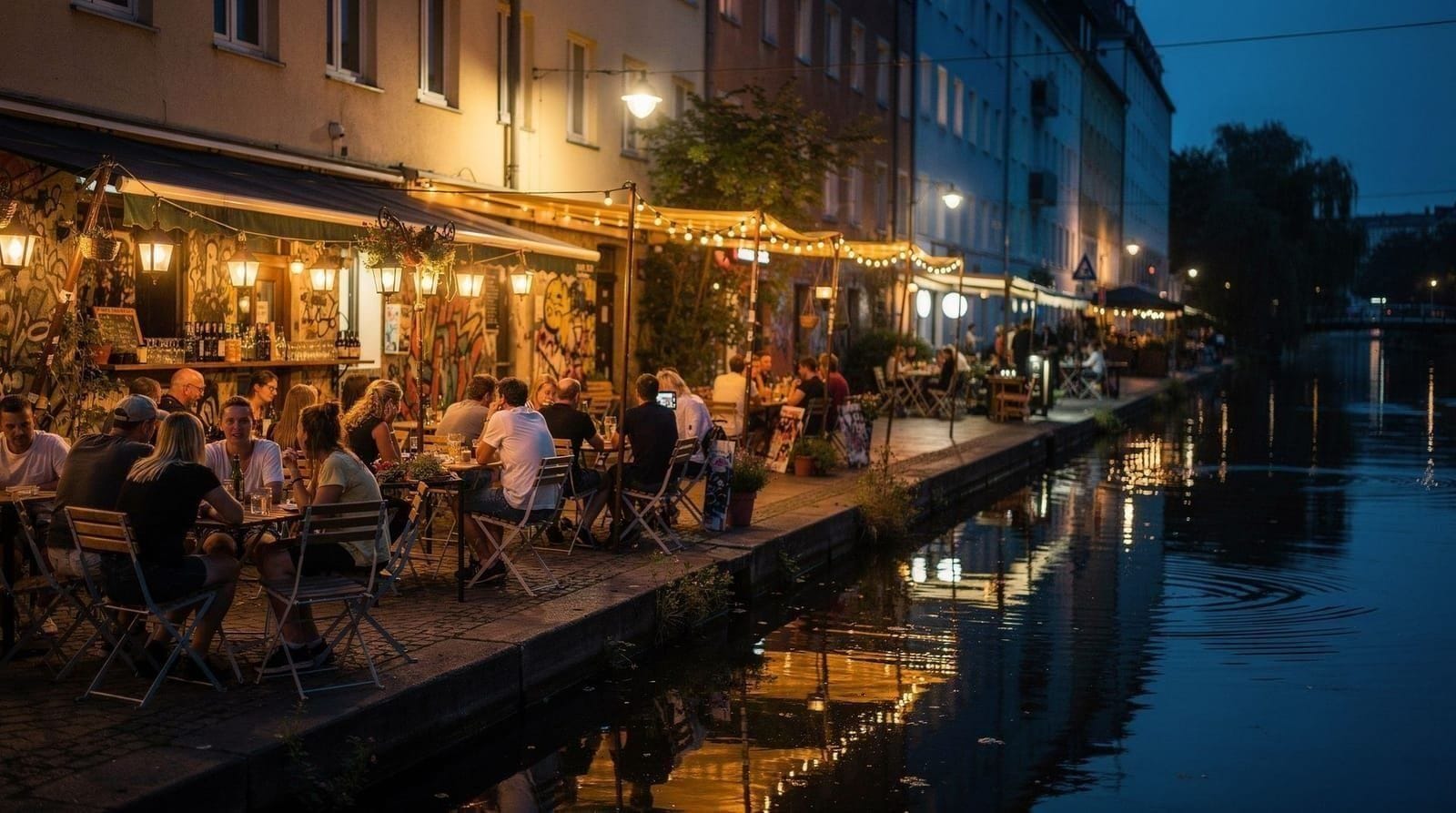
Kater Blau is on Holzmarktstrasse along the Spree riverbank in Mitte, with a distinctive outdoor terrace that runs in warmer months. The venue has been through several identities (it was previously part of Bar25, a legendary outdoor club that closed in 2010) and retains something of that alternative, arts-inflected approach.
The architecture is a mix of repurposed warehouse space and outdoor stages. The river location makes the outdoor terrace one of the best in Berlin when the weather permits.
Music: Melodic techno, minimal techno, house. Kater Blau tends toward the more melodic and hypnotic end of the spectrum rather than hard industrial techno. This makes it slightly more accessible to people newer to the scene.
Door policy: Moderate. Not as strict as Berghain, more discerning than Sisyphos. Dark, minimal clothing helps. Large groups may wait longer or be admitted in smaller batches.
Entry: €10-€15 on weekends. Cash strongly preferred.
Hours: Typically opens Friday and Saturday nights, with some events running into Sunday afternoon.
Getting there: S-Bahn to Ostbahnhof (15 min walk) or Jannowitzbrücke. The riverside location means it is walkable from multiple S-Bahn stations in the area.
The outdoor terrace: Open in spring and summer, it has a river view and multiple bars. This is genuinely one of the better outdoor club settings in Berlin. Plan for it if you are visiting between April and September.
The honest take: Kater Blau is a good entry point for visitors less familiar with heavy industrial techno. The melodic programming and outdoor setting create a less confrontational atmosphere while still being firmly within Berlin’s electronic music culture. It also benefits from the Bar25 legacy — the attitude toward sustainability, community, and alternative culture that characterised that era of Berlin clubs is still visible.
Comparing the four venues
| Club | Music style | Door strictness | Weekend entry | Best for |
|---|---|---|---|---|
| Tresor | Hard/industrial techno | Medium | €12-€15 | Detroit techno fans, historical significance |
| Sisyphos | Multi-room (techno/house) | Low-medium | €12-€16 | Long stays, outdoor dancing, groups |
| ://about blank | Techno/electro/experimental | Medium | €8-€12 | Queer-friendly, local feel, political culture |
| Kater Blau | Melodic techno/house | Medium | €10-€15 | River terrace, melodic sounds, less intense experience |
Door strategy, compared with Berghain
If you have already read our Berghain door guide, the good news is that all four clubs here are meaningfully easier. Berghain’s door is famously unpredictable even for locals; Tresor, Sisyphos and Kater Blau apply looser, more legible criteria (behaviour, group size, sobriety), and ://about blank is more about protecting its community atmosphere than gatekeeping for its own sake. A sensible strategy for a first Berlin club night: try one of the four clubs in this guide before attempting Berghain, both to calibrate what “Berlin club door” actually feels like and because getting turned away from Berghain first can sour the rest of the night.
Solo visitors and pairs generally have an easier time than large groups at every venue listed here. If you’re travelling with more than four people, consider splitting up at the door or arriving in staggered smaller groups.
Where these clubs sit in the city
Three of the four cluster around Friedrichshain and the Spree — handy if you’re also exploring the Friedrichshain neighbourhood guide or want a bar crawl beforehand in Kreuzberg. If techno isn’t the plan for every night of your trip, our roundup of Berlin’s best bars and rooftop bars covers lower-key evenings, and the Berlin nightlife weekend itinerary sequences a full 48 hours between bars, clubs and recovery time. For the wider queer scene beyond ://about blank, see Berlin queer nightlife.
Practical notes for all Berlin clubs
Cash: Every major Berlin techno club operates primarily or exclusively with cash. Bring enough euros before you queue — there may be ATMs inside but they are often out of service at 3am.
Coat check: Essential for a long night. Most venues charge €2-€3. Leave everything you don’t need — bags, jackets, extra layers. Wear comfortable shoes you can stand in for many hours.
Getting there late: Clubs in Berlin do not reach full energy before 1am on weekend nights. Going at 10pm gets you in easily but into a near-empty space. Most experienced visitors arrive between midnight and 3am.
Night transport: Berlin’s U-Bahn and S-Bahn run continuously on Friday and Saturday nights. Bus lines cover the gaps. Taxis and Bolt/Uber are available but surge pricing applies at peak weekend hours.
Alcohol and safety: Berlin clubs are environments where stimulants of various kinds are part of the culture. This is widely known and not the subject of a lecture here. What is relevant: stay aware of your drinks, know your limits, and the clubs themselves have trained staff and harm reduction volunteers.
Re-entry and staying overnight: Most of these clubs allow re-entry with a wristband, so stepping outside for air is fine at Tresor, Sisyphos and Kater Blau — check with the door staff first. Sisyphos in particular is built around people coming and going across a long weekend, with food stalls on site so you don’t need to leave to eat. If you’re planning a genuine overnight session, pace your drinking, bring a phone charger, and plan your route home in advance rather than trying to work it out at 6am.
Language: English is widely spoken at the door and bar in all four venues — Berlin’s club scene is thoroughly international, and door staff are used to dealing with visitors in English. Basic politeness (put your phone away, don’t push in the queue) matters more than language ability.
For the broader context of how Berlin’s club scene developed from 1989 onward, see the Berlin club culture history guide.
For neighbourhood context around Friedrichshain and Kreuzberg where most of these clubs sit, see Berlin nightlife neighborhoods.
Frequently asked questions about Berlin techno clubs guide
Do I need a reservation or ticket for Berlin techno clubs?
Most Berlin clubs operate walk-in queues with no advance booking. Exceptions include special events, New Year's Eve, and CSD weekend. Check each club's social channels for sold-out event notices. Tresor and ://about blank occasionally sell advance tickets for larger bookings.What is the typical entry price for Berlin techno clubs?
Entry ranges from €8-€18 for most clubs. Tresor is typically €12-€15. Sisyphos weekend entry is around €12-€16. ://about blank is €8-€12. Kater Blau is €10-€15. Cash is strongly preferred or required at all four venues — bring euros in small notes.What music do Berlin techno clubs play?
Tresor focuses on hard, industrial techno in the tradition of Detroit techno. ://about blank spans techno, electro, and experimental. Sisyphos has multiple rooms covering techno, house, and bass music. Kater Blau leans toward melodic techno and house. Each venue programs differently on different nights — check lineups before going.Are Berlin techno clubs LGBTQ-friendly?
Yes. Berlin's club scene has a strong queer identity across most venues. ://about blank actively programs queer nights. Berghain has explicit queer roots. Sisyphos and Kater Blau are mixed but welcoming. Pride weekend and CSD see special events across the city.What should I wear to Berlin techno clubs?
Dark, minimal clothing is the default across Berlin's techno scene. Black is reliable. Leather, technical fabrics, and understated fashion read well. Avoid branded casualwear, tourist gear, and anything that signals you're primarily there for photos. The stricter the door policy, the more this matters.Can I bring a camera to Berlin techno clubs?
Generally no photography inside any Berlin techno club. This is a near-universal policy. Berghain enforces it with camera lens stickers. Most other clubs enforce it via social expectation. Leave your camera at the hotel.How long do Berlin clubs stay open?
Major Berlin clubs run continuously through the weekend — Friday night to Monday morning in many cases. Sisyphos is particularly known for marathon sessions. Most people arrive after midnight and leave when they need to rather than when the club closes.