Berlin Mitte guide — the historic center, Museum Island, and Hackescher Markt
Berlin: Museum Island Guided Walking Tour
What is Berlin Mitte and is it the best area for tourists?
Mitte is Berlin's historic center — home to the Brandenburg Gate, Museum Island, and the Reichstag. It is the most convenient base for first-time visitors who want to walk between major sights. However, it is also the most expensive and touristy part of the city. Prices for accommodation run 30-50% higher than equivalent quality in Prenzlauer Berg or Charlottenburg.
What is Berlin Mitte and is it the right base for your trip? Mitte is Berlin’s historic center — the Brandenburg Gate, Museum Island, the Reichstag, and the TV Tower all sit within its boundaries. For first-time visitors planning a compact, walkable stay, Mitte makes practical sense. For travelers who want to feel the city’s living character rather than its postcard version, it is better used as a day-trip destination from a base in Kreuzberg, Prenzlauer Berg, or Charlottenburg.
| Where | Historic center — Brandenburg Gate to Alexanderplatz |
| Getting around | U2, U6, S-Bahn ring, trams M1/M4/M5/M6 |
| Hotel price (double) | around EUR 90–150/night, peak summer |
| Best for | First-time visitors, compact walkable sightseeing |
| Trade-off | Most expensive, most touristy district in Berlin |
The honest geography of Mitte
Mitte means “middle” in German, but the district covers a surprisingly large area stretching from the government quarter in the west to Alexanderplatz in the east. For practical purposes, visitors should think of it in three zones:
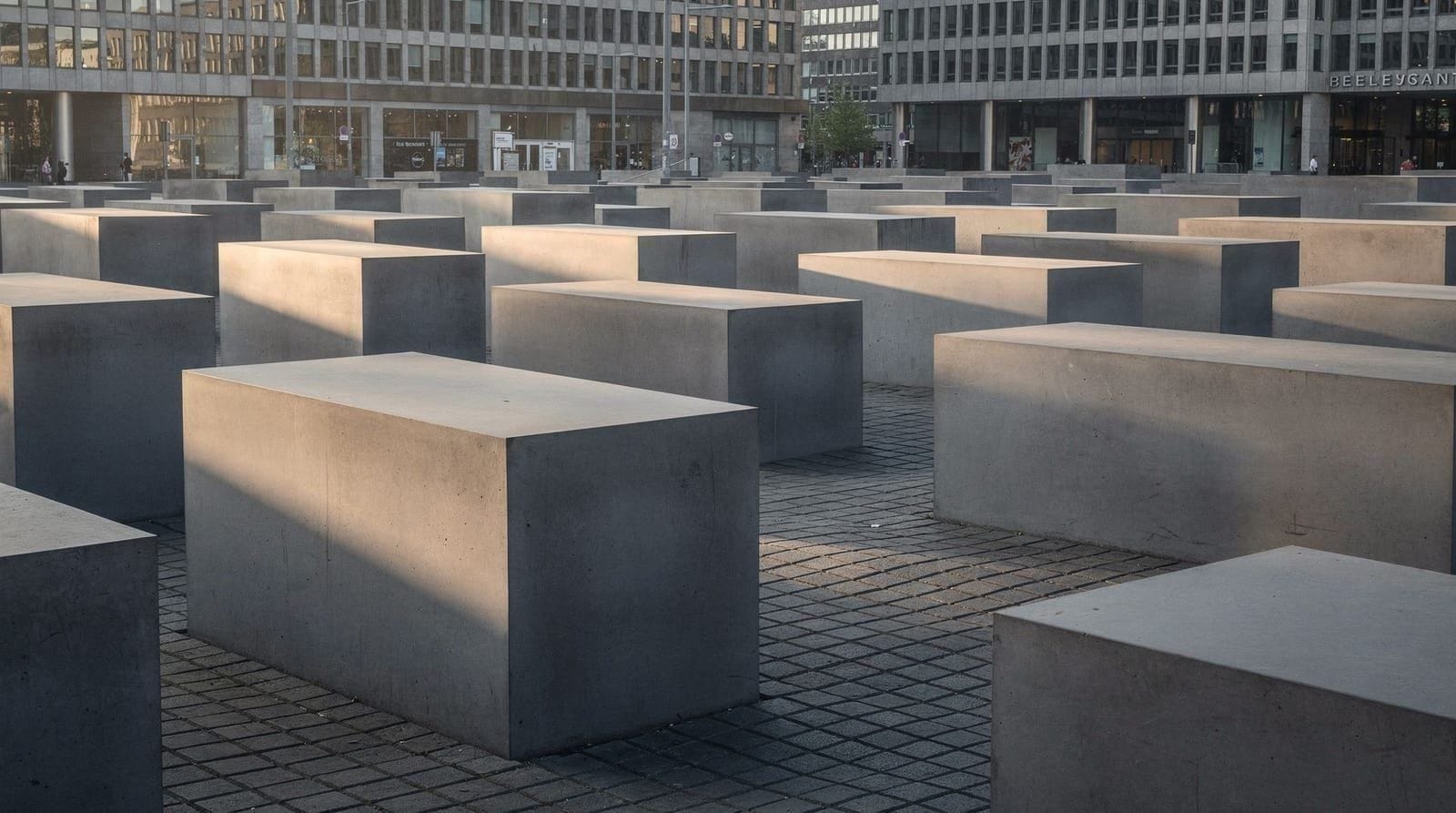
The western civic core — Brandenburg Gate, Unter den Linden boulevard, the Reichstag, the Holocaust Memorial, and Potsdamer Platz on the southern edge. This is monumental Berlin: wide boulevards, state buildings, and heavily trafficked tourist sites.
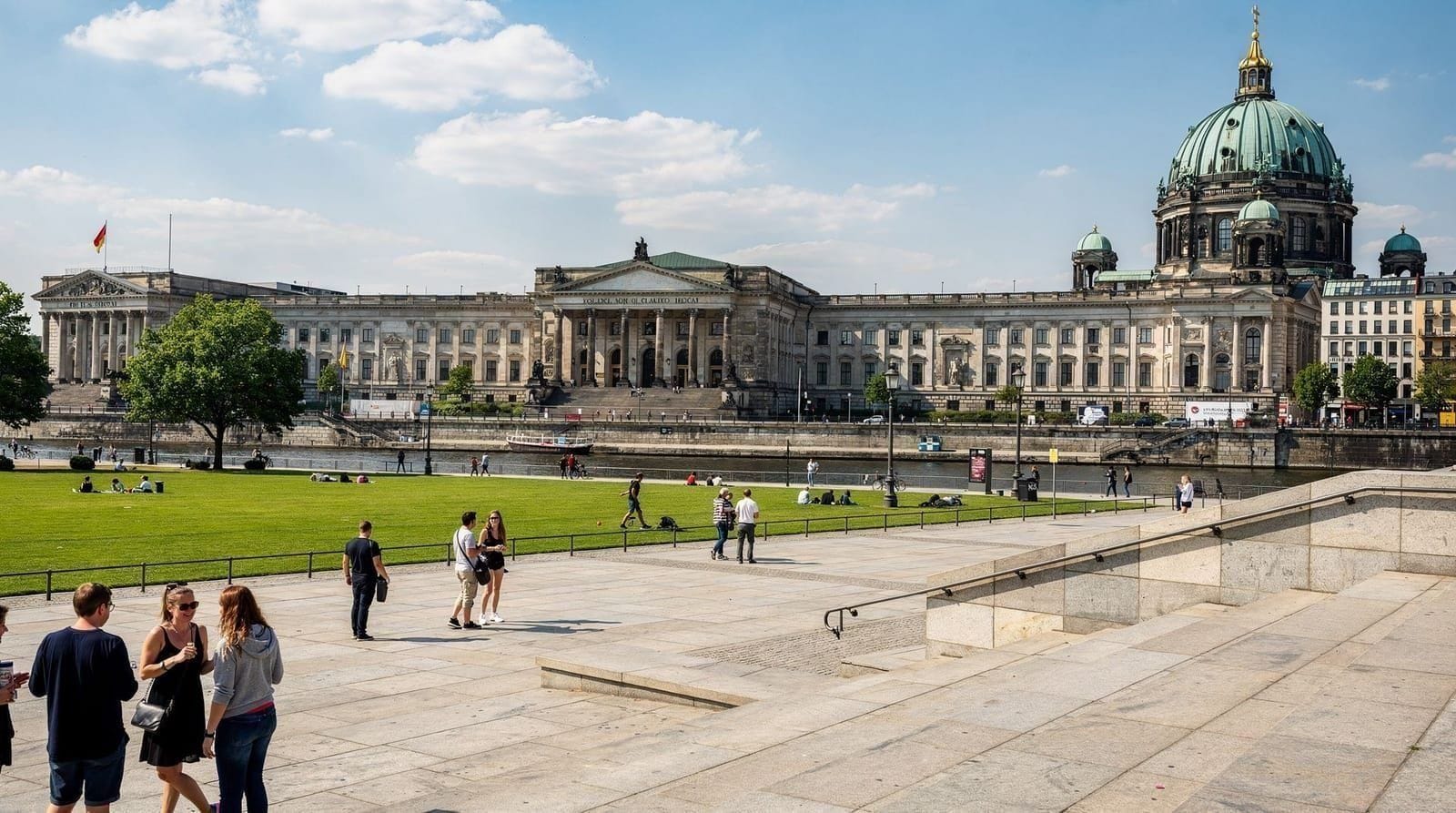
Museum Island and the Spree bend — five major museums clustered on an island in the Spree river, surrounded by the Berliner Dom cathedral and the newly rebuilt Stadtschloss (now the Humboldt Forum). This is the oldest part of Berlin proper, where the twin cities of Cölln and Berlin merged into a single settlement in 1709.
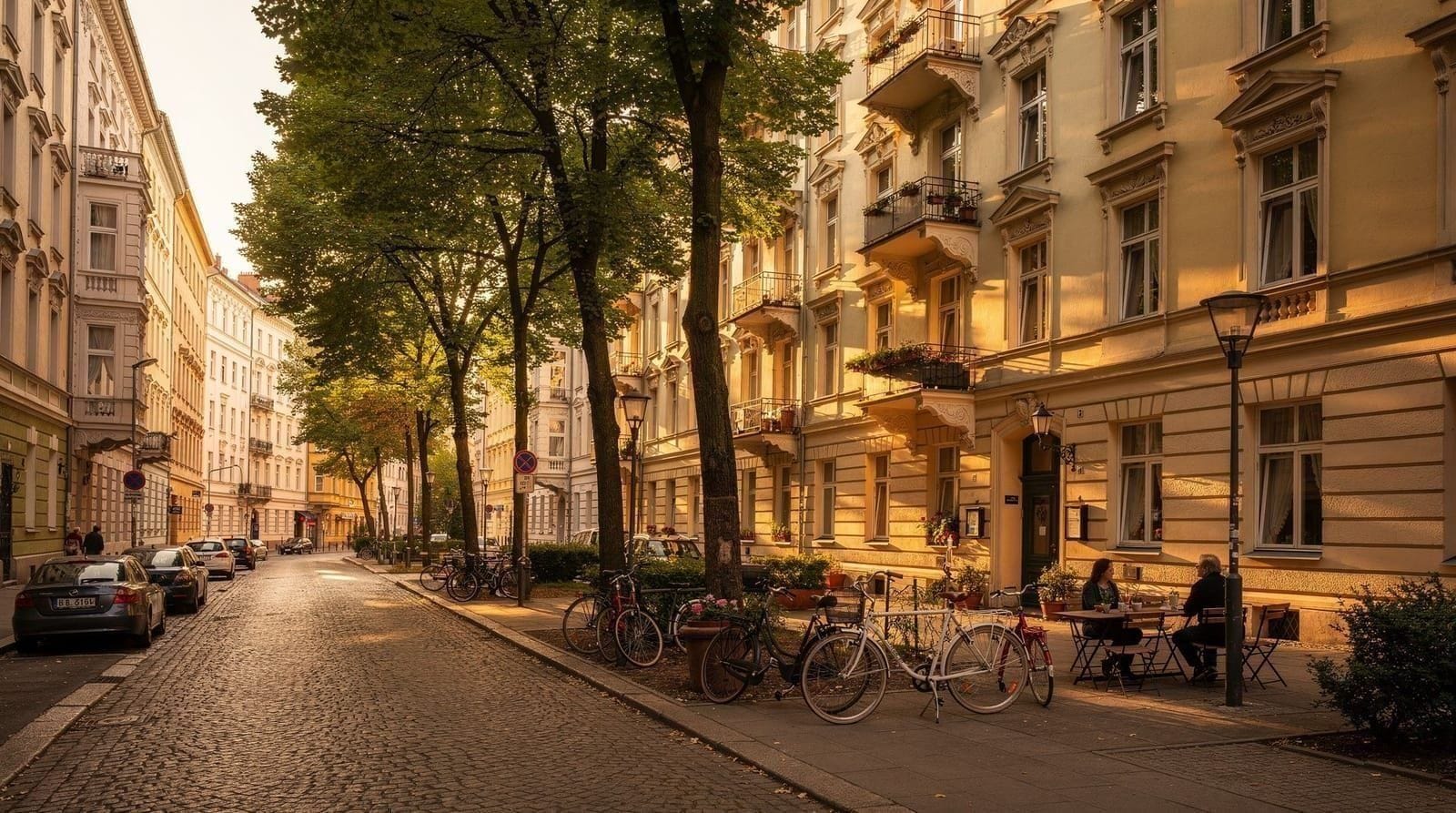
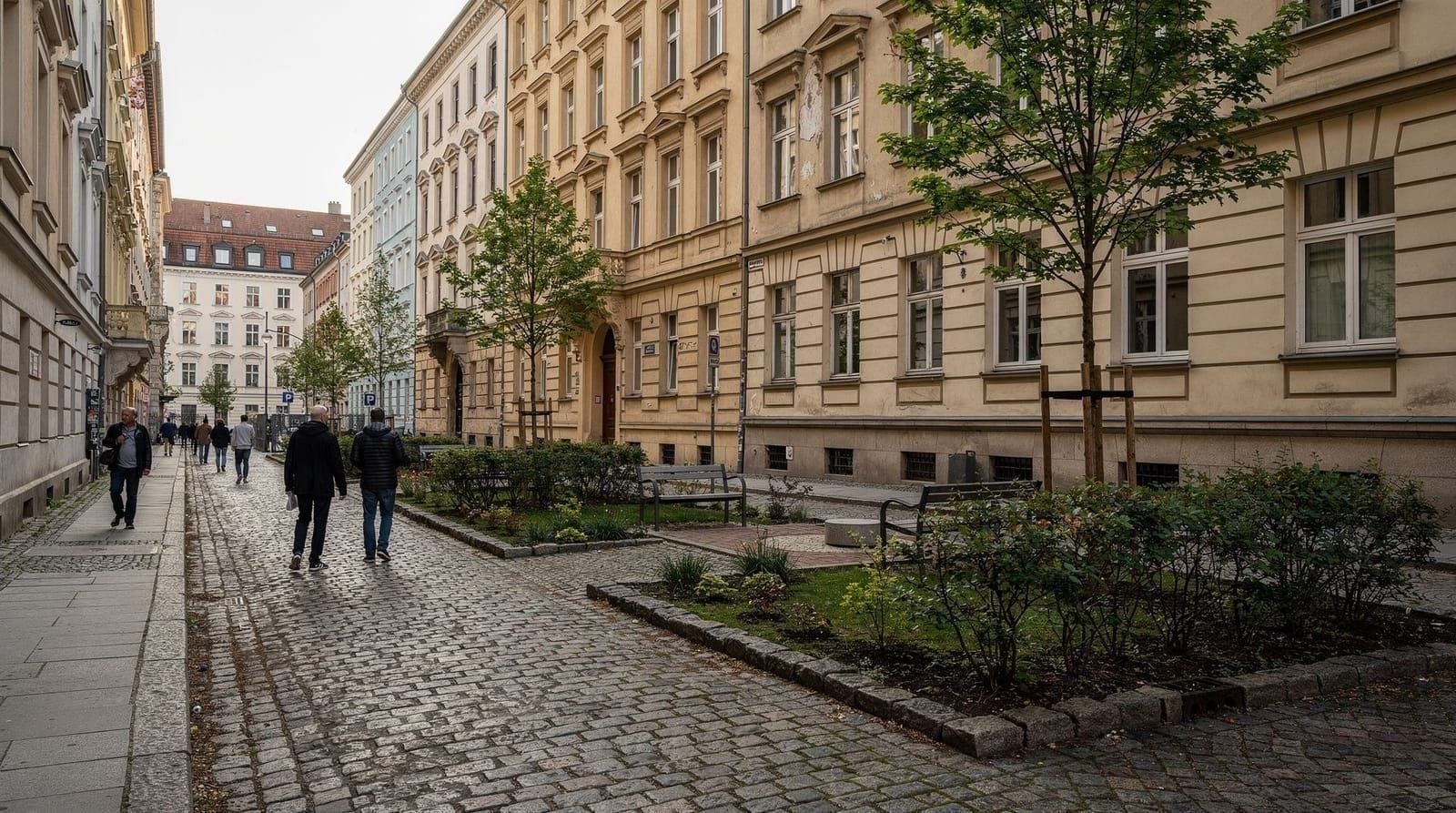
The northeastern quarter — Hackescher Markt and Scheunenviertel — tram-served, more human-scaled, home to the Art Nouveau Hackesche Höfe, the New Synagogue, and the Stolpersteine-lined streets of the former Jewish quarter. This is the most liveable part of Mitte for a base, with actual neighborhood cafes alongside tourist restaurants.
Museum Island: what to prioritize in 2026
Museum Island holds five world-class institutions; a single visit realistically covers two or three. Here is an honest ranking by visitor profile:
Neues Museum — home to the bust of Nefertiti, Egyptian antiquities, and prehistoric European artifacts. The building itself, reconstructed by David Chipperfield after wartime bomb damage, is worth time. Queue for the Nefertiti room but do not skip the bronze age section. Allow 2-3 hours.
Alte Nationalgalerie — 19th-century art in a temple-form building: Caspar David Friedrich, Adolph Menzel, French Impressionists. Underrated and rarely crowded. Allow 1.5-2 hours.
Bode Museum — sculptures, Byzantine art, and the coin cabinet. Architecturally striking at the northern tip of the island. Specialist interest for most visitors, but exceptional if you care about medieval and Renaissance sculpture. Allow 1.5 hours.
Altes Museum — classical antiquities (Greece and Rome) in Schinkel’s 1830 building. The Etruscan and Roman collections are better than they sound. Allow 1.5-2 hours.
Pergamon Museum — the main hall with the Pergamon Altar and the Ishtar Gate is closed until at least June 2027. The Panorama Asisi — a 360-degree photorealistic reconstruction of ancient Pergamon at 1:1 scale — is the best available alternative and actually impressive in a different way. See the full Pergamon Museum 2026 status guide before planning your visit.
The Museum Island multi-entry pass (Bereichskarte) covers all five museums for EUR 29 (day ticket), a significant saving over individual entries. Audioguides are available in English at each museum for EUR 5-6 extra.
Guided walking tour of Museum Island — expert guide, English, covers all five institutionsBrandenburg Gate and the government quarter
The Brandenburg Gate (Brandenburger Tor) is free to approach at any hour. The gate itself is a neoclassical triumphal arch designed by Carl Gotthard Langhans, completed in 1791. Its significance derives entirely from history — it stood in the death strip during the division, was the backdrop for major political speeches, and became the symbol of reunification in 1990. As an object, it is more photogenic than thought-provoking.
The area immediately around the gate is dense with costumed characters (charging for photos) and souvenir stalls. Walk through to the Tiergarten side for a quieter view.
The Reichstag dome requires advance booking — free but registration must be done online at bundestag.de weeks in advance in high season. The glass dome provides good 360-degree views of the government district. The plenary chamber can sometimes be observed from the walkway. If you have not pre-booked, the visitor service sometimes releases same-day slots; arrive at the booking office by 8am.
Unter den Linden: what is actually there
Unter den Linden (literally “under the linden trees”) is the central ceremonial boulevard running from the Brandenburg Gate to Schlossbrücke. Despite its reputation, it is primarily a broad traffic artery. The notable buildings along it include:
- Humboldt University (public, walk through the main courtyard)
- Bebelplatz — the square where Nazi book burnings took place in 1933; a glass panel in the pavement covers a symbolic underground empty library. See the Bebelplatz guide for the history.
- Neue Wache — the central German memorial, small and austere, always open, always free
- Deutsche Staatsoper — one of the best opera venues in Germany if you are staying more than two days; cheap standing tickets available at the box office day-of
Hackescher Markt and the Scheunenviertel
Hackescher Markt is reached by S-Bahn S3/S5/S7/S9 or tram M4/M5/M6. The S-Bahn station is elevated and provides a useful landmark. The Hackesche Höfe complex (Rosenthaler Strasse 40-41) is the architectural highlight — nine connected Art Nouveau courtyards with tilework from 1906. Entry is free; the complex is a working mixed-use development rather than a museum.
The streets immediately north of Hackescher Markt — Sophienstrasse, Gipsstrasse, Auguststrasse — form the Scheunenviertel, the former Jewish quarter of Berlin. The concentration of Stolpersteine (brass memorial plaques for Holocaust victims) on these streets is high. The New Synagogue on Oranienburger Strasse is visible from several blocks away; the gold dome was restored after WWII damage. See the Jewish Quarter guide for the full historical context.
The TV Tower at Alexanderplatz
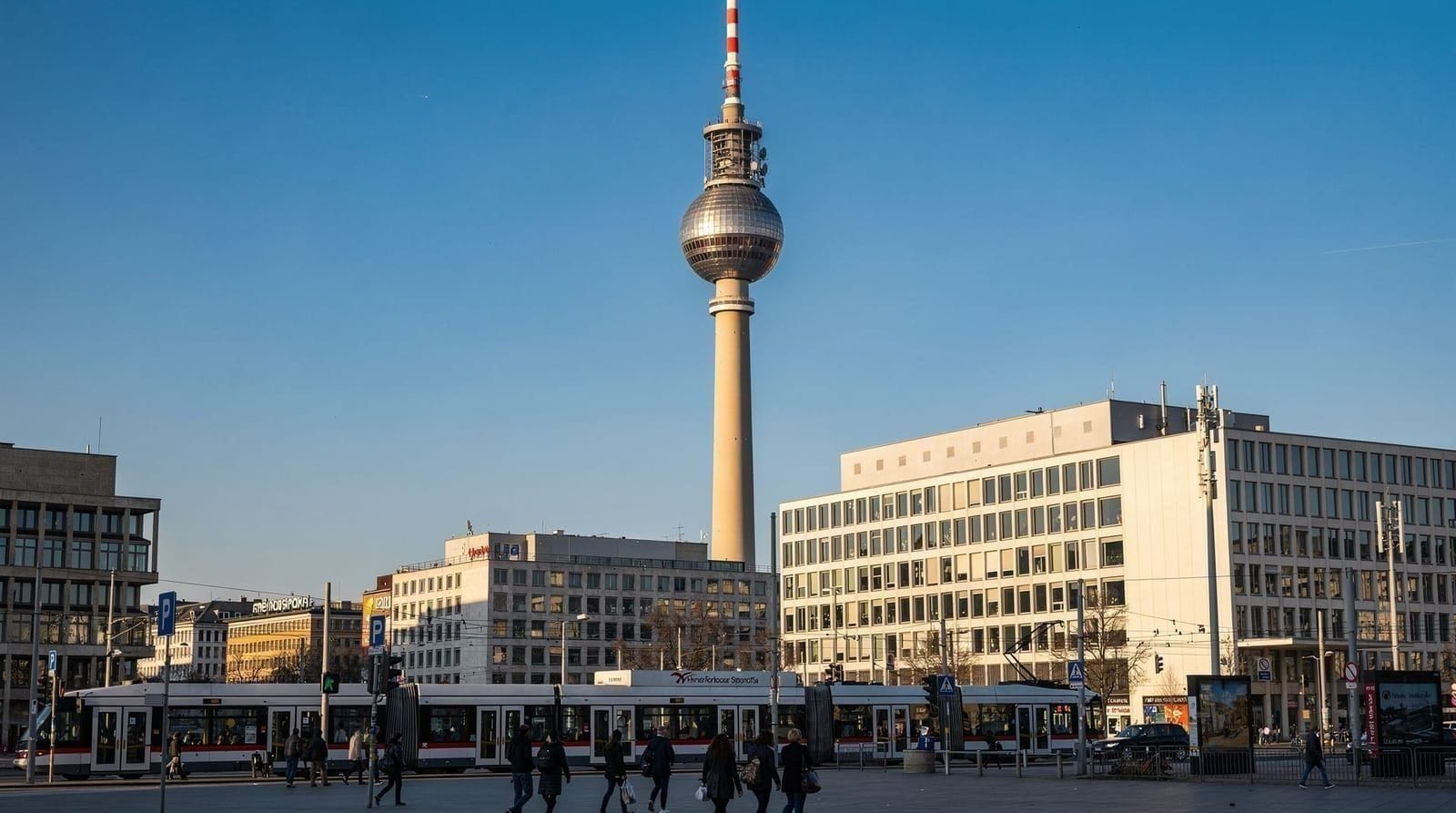
The Fernsehturm — 368 metres, completed 1969, the tallest structure in Germany — is the defining visual of the East Berlin skyline. The observation deck at 203 metres gives the most comprehensive panoramic view of Berlin available from any public platform. Clear days extend the view 40-50 km.
The catch: queues. In peak summer, the wait for the standard elevator can reach 45-60 minutes. The fast-track ticket is worth the premium (EUR 22 vs EUR 16) if you are visiting between 10am and 6pm from May to September. The restaurant at the top revolves and is overpriced; the observation deck below it is the reason to visit.
Berlin TV Tower fast-track ticket — skip the queue, observation deckAlexanderplatz square itself has less character than its historical significance would suggest. The World Clock (Weltzeituhr) is a genuine landmark; the surrounding pedestrian zone is primarily a transit hub and shopping area.
Eating and drinking in Mitte honestly
Mitte is not a neighborhood known for authentic or affordable eating outside of a few pockets. The immediate vicinity of the Brandenburg Gate, Museum Island, and Alexanderplatz skews toward tourist-trap pricing: EUR 15-20 for pasta, EUR 5-6 for filter coffee. Some honest exceptions:
Markthalle Neun satellite — the Streetfood Thursday concept has spread; look for the pop-up markets near Hackescher Markt on weekend mornings for more realistic prices.
Auguststrasse gallery cafes — the galleries on Auguststrasse often have attached cafes with reasonable prices and actual Berliner clientele.
Hackescher Markt Starbucks and chains — if budget is the constraint and you need to sit down quickly, the chains around Hackescher Markt S-Bahn are at least predictably priced.
For serious eating, take the U2 to Prenzlauer Berg or the U8 to Kottbusser Tor in Kreuzberg. See the Kreuzberg food guide for the city’s real food scene.
Where to stay in Mitte — realistic price expectations
Mitte commands a premium. Budget for EUR 90-150 per night for a basic double room in the area around Hackescher Markt and Unter den Linden in peak summer. Options to know:
Business/mid-range: The hotels on and near Friedrichstrasse (Westin, Hilton, Park Inn by Radisson at Alexanderplatz) offer consistent quality but impersonal atmosphere. The Park Inn’s rooftop bar is a local institution.
Boutique options: Several smaller hotels around Hackescher Markt and Rosenthaler Platz offer more character at EUR 120-200 per night. The trade-off is room size.
Budget: Hostels cluster around Oranienburger Strasse and Alexanderplatz. The Circus Hostel near Rosenthaler Platz has a strong reputation among budget travelers.
For a broader comparison of where to stay across the city, see where to stay in Berlin.
Booking timing: Mitte hotels sell out fastest during the Christmas markets (late November through December) and around major events at the Brandenburg Gate — New Year’s Eve above all. If your trip lands in either window, book at least two to three months ahead; outside of those peaks, three to four weeks is usually enough to secure a reasonable rate on Friedrichstrasse or around Hackescher Markt.
Getting out of Mitte — practical transport
The U2 line is the most useful single line for Mitte visitors: it connects Ruhleben in the west (near Charlottenburg Palace) through Zoologischer Garten, Potsdamer Platz, Stadtmitte, and Alexanderplatz. The S-Bahn ring (S41/S42) connects Hackescher Markt to Prenzlauer Berg (Schönhauser Allee) in 10 minutes and to Ostkreuz for Friedrichshain connections in 15 minutes.
The BVG AB zone ticket (EUR 3.50 single, EUR 10.00 day ticket) covers all journeys within the S-Bahn ring and beyond. The ABC zone (EUR 4.50 single) is only needed for Potsdam, Schönefeld airport terminals, or Sachsenhausen.
Mitte for a first-time visitor: an honest day plan
Morning: Museum Island — Neues Museum first (book timed entry in advance at smb.museum), then Alte Nationalgalerie if time allows. Coffee at the museum cafe is acceptable.
Midday: Walk west along the Spree embankment to the Berliner Dom (entry EUR 9), then continue to Unter den Linden. Skip the restaurant strip; use the Rewe or Lidl on Friedrichstrasse for a cheap lunch.
Afternoon: Brandenburg Gate, Holocaust Memorial (always free, no booking required), then the rooftop or lobby of the DZ Bank building (free public access to Frank Gehry interior).
Late afternoon: Tram M1 or M2 from Unter den Linden to Hackescher Markt, then walk the Scheunenviertel streets.
Evening: Head south on U8 to Kreuzberg or northeast on M10 tram to Prenzlauer Berg for dinner at realistic prices.
This loop covers the essential Mitte without spending a full day standing in queues or paying premium tourist prices for food.
Berlin city center walking tour — Mitte highlights with English guide, small group, 2.5 hoursMitte vs. the alternatives — an honest comparison
| Base | Walkability to sights | Price level | Atmosphere |
|---|---|---|---|
| Mitte | Best — most sights in walking range | Highest | Monumental, touristy |
| Prenzlauer Berg | Good — 10-min tram/U-Bahn to Mitte | Mid | Residential, cafes, families |
| Kreuzberg | Fair — 15-20 min U-Bahn | Mid-low | Nightlife, food, street art |
| Charlottenburg | Fair — 15-20 min U-Bahn | Mid | Quiet, elegant, shopping |
For a full breakdown of how these areas compare beyond price and distance, see the Berlin neighborhoods overview and where to stay in Berlin.
Mitte with limited time
If you only have a single day in Berlin and Mitte is where you will spend most of it, prioritise ruthlessly: one Museum Island institution (Neues Museum for most visitors), the Brandenburg Gate and Holocaust Memorial on foot, and either the Reichstag dome (if pre-booked) or the TV Tower observation deck — not both, since the queues and travel time between them eat a surprising amount of the day. Skip Alexanderplatz itself beyond a quick look at the World Clock; the square rewards very little time investment. For a structured single day covering Mitte alongside the rest of the city, see Berlin in one day and how many days you actually need in Berlin.
Rainy-day Mitte
Mitte holds up unusually well in bad weather because so much of what matters is indoors. All five Museum Island institutions, the DDR Museum, the Humboldt Forum, and the covered Hackesche Höfe courtyards give a full day of sightseeing without stepping outside for long. The TV Tower observation deck is indoor and unaffected by rain (though views suffer in low cloud). This makes Mitte one of the better districts to retreat to on a wet day of a longer Berlin trip — see the rainy day Berlin guide for the fuller list.
Frequently asked questions about Berlin Mitte guide
What are the main attractions in Berlin Mitte?
Museum Island (five world-class museums, UNESCO World Heritage), the Brandenburg Gate, the Reichstag (free but requires advance booking at bundestag.de), the Holocaust Memorial, the Berliner Dom cathedral, and Hackescher Markt with its renovated Höfe courtyard complex. The TV Tower at Alexanderplatz is also in Mitte and offers the best panoramic views in the city.Is Berlin Mitte safe?
Yes, Mitte is one of the safest areas in Berlin for tourists. The usual urban precautions apply — watch for pickpockets around the TV Tower and Alexanderplatz S-Bahn station, especially on weekends. Hackescher Markt is lively but not problematic. The neighborhood quiets down considerably after midnight compared to Kreuzberg or Friedrichshain.How do I get around Mitte without a car?
Mitte is served by U2 and U6 (east-west through the center), S-Bahn ring line, and several tram lines (M1, M4, M5, M6) covering the eastern section near Alexanderplatz. Museum Island is walkable from most Mitte hotels in under 20 minutes. The BVG AB zone ticket covers all of Mitte.What is the best area to stay in Mitte for tourists?
The triangle between Friedrichstrasse, Unter den Linden, and the Spree gives the most central position. Hackescher Markt puts you within walking distance of Museum Island, the Jewish Quarter, and tram connections to Prenzlauer Berg. Budget travelers will find better value further out — Mitte hotels rarely drop below EUR 90-120 per night for a basic double.What is Hackescher Markt?
Hackescher Markt is a square and S-Bahn station in northeastern Mitte, surrounded by restaurants, bars, and the Hackesche Höfe — a series of nine interconnected Art Nouveau courtyards dating from 1906. The Höfe host boutiques, a cinema, a jazz club, and cafes. It is a more pleasant area than the TV Tower plaza and makes a good base for exploring the Jewish Quarter (Scheunenviertel) on foot.Is the Pergamon Museum open in 2026?
The main Pergamon Museum hall is closed for renovation until at least 4 June 2027. The Panorama Asisi exhibition (a 360-degree reconstruction of ancient Pergamon) is the best available alternative and is open. The Neues Museum, Altes Museum, Bode Museum, and Alte Nationalgalerie on Museum Island are all fully open.Can I walk from Mitte to the East Side Gallery?
Yes, but it takes about 40-50 minutes on foot along the Spree. A more practical option is the S-Bahn from Alexanderplatz to Ostbahnhof (5 minutes), which deposits you at the eastern end of the East Side Gallery. The walk along the river from Mitte to the East Side Gallery passes the DDR Museum and the Berliner Dom.
Top experiences
Bookable activities with verified prices and instant confirmation on GetYourGuide.