Pergamon Museum Berlin 2026 — closure status, what is open, and alternatives
Berlin: "Pergamonmuseum. The Panorama" Exhibition Tickets
Is the Pergamon Museum open in 2026?
No — the main Pergamonmuseum building is closed for structural renovation until June 4, 2027. The Pergamon Altar, Market Gate of Miletus, and most of the ancient Near Eastern collection are inaccessible. The Pergamon Panorama Asisi annexe, across the canal from the main entrance, is open with a separate ticket (€15 adults). The other four Museum Island museums are unaffected.
Quick answer: The Pergamonmuseum main building is closed until June 4, 2027. The Pergamon Altar, Ishtar Gate, and most Near Eastern collections are inaccessible. The Panorama Asisi annexe (separate ticket, €15) is open. The other four Museum Island museums are fully operational.
| Status | Main building closed until June 4, 2027 |
| Still open | Panorama Asisi, plus 4 other Museum Island museums |
| Cost | Panorama Asisi around €15; Museum Island day pass around €29 |
| Getting there | U5 Museumsinsel, or S-Bahn Hackescher Markt |
| Full alternatives | See Pergamon closure alternatives guide |
What is actually closed
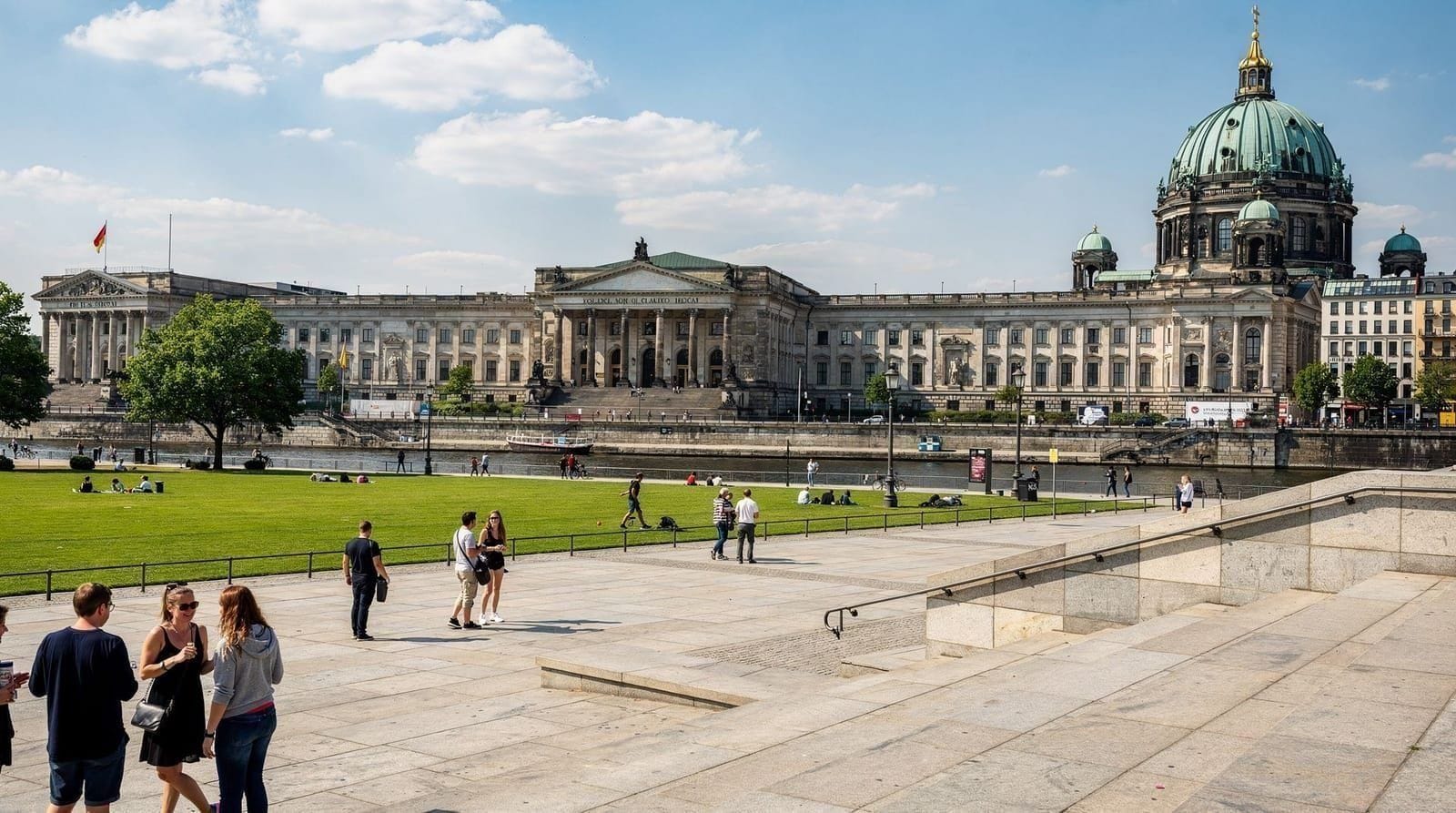
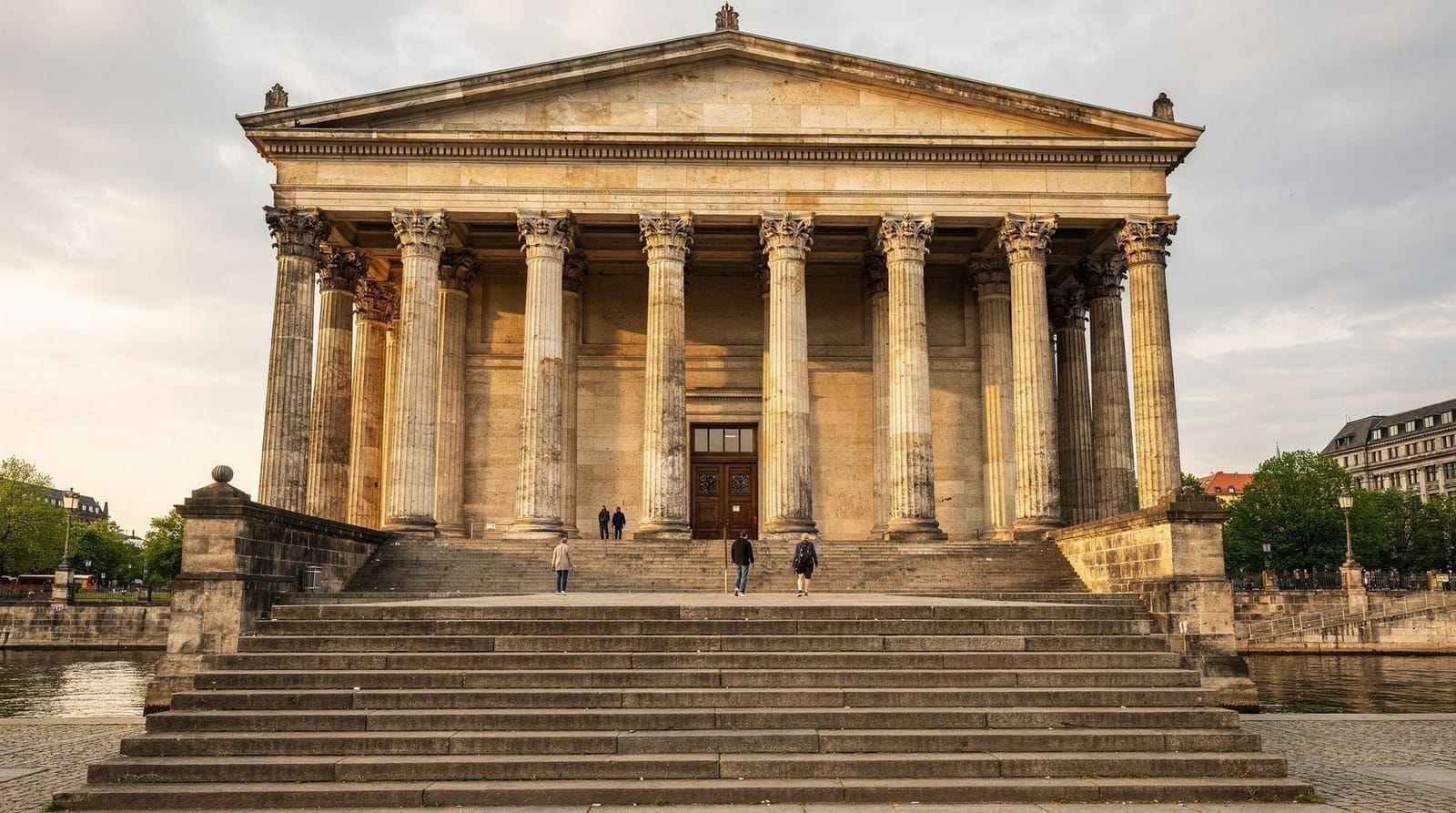
The Pergamonmuseum main building — the four-winged structure at the southern end of Museum Island — is fully closed. Entry to the building is not possible.
The following are inaccessible until at least June 4, 2027:
- The Pergamon Altar hall (Greek, 2nd century BCE, from the ancient city of Pergamon in modern Turkey)
- The Market Gate of Miletus (Roman, c. 120 CE)
- The Processional Way and Ishtar Gate (Babylonian, 6th century BCE)
- The Museum of the Ancient Near East collections (Mesopotamia, Anatolia, Syria)
- The Museum of Islamic Art within the main building
- The north and south wings of the main structure
This is a significant portion of what was, before closure, Germany’s most-visited museum.
What remains open: the Pergamon Panorama Asisi
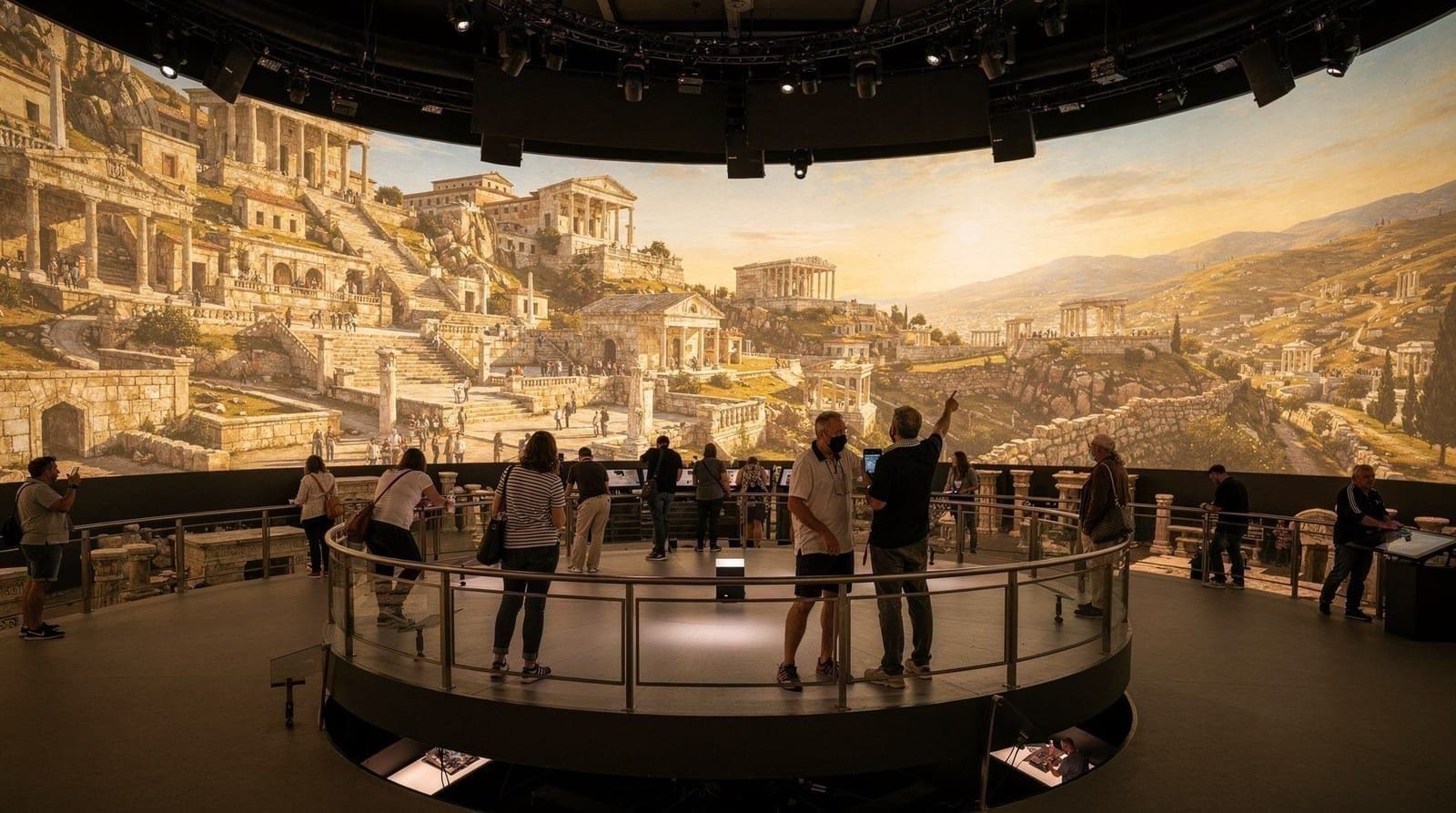
The Pergamonmuseum. Das Panorama is a purpose-built cylindrical pavilion at Kupfergraben 2, directly across the canal from the main Pergamonmuseum entrance. It opened in 2023 as a partial substitute during the closure.
The central feature is Yadegar Asisi’s monumental 360-degree panorama, 30 metres high and 102 metres in circumference, depicting the ancient city of Pergamon as it appeared around 129 CE at the height of its prosperity under Roman rule. The panorama combines architectural reconstruction, landscape painting, and figure groups to show the city’s temples, gymnasium, theatre, and Acropolis in a single immersive image.
The panorama is accompanied by an exhibition covering the Pergamon excavations — the German archaeological work from the 1870s onward under Carl Humann — and the history of the objects now housed in the closed main building.
Practical details for the Panorama Asisi:
- Address: Kupfergraben 2, 10117 Berlin
- Tickets: €15 adults; not covered by Museum Island day pass or Berlin Museum Pass
- Hours: Tuesday–Sunday 10:00–18:00 (Thursdays until 20:00)
- Duration: 45–75 minutes for most visitors
- Getting there: same approach as Museum Island (U5 Museumsinsel or S-Bahn Hackescher Markt)
For a detailed guide to the Panorama exhibition, see the Pergamon Panorama Asisi guide.
Book Pergamon Panorama Asisi tickets in advanceWhy the main building closed
The Pergamonmuseum opened in 1930 after decades of construction. Its structural design was ambitious — large stone architectural elements, including the reconstructed Pergamon Altar, required floor loads that the building’s foundations were engineered to handle permanently. By the early 2000s, it was clear that the foundations and facade structure required major engineering work that could not be carried out while the building remained in use.
The renovation project formally began in 2023. It encompasses:
Foundation work: Reinforcing and in some sections rebuilding the building’s load-bearing foundations beneath the island’s waterlogged ground conditions.
Facade conservation: The exterior stonework requires cleaning, repair, and in places replacement. The building’s visual appearance will not change substantially, but the structural integrity needed attention.
Interior upgrades: Climate control and humidity management for the conservation of fragile ancient materials. Modern museum standards for the large architectural reconstructions require more sophisticated environmental controls than the 1930s building could provide.
Collection conservation: Several major objects — the Pergamon Altar frieze panels, the Ishtar Gate glazed brick reconstruction — required conservation treatment that was not possible while they were on public display.
The project has been consistently described as one of the most complex museum renovation projects in Germany’s post-war history.
The reopening: what June 4, 2027 means
The June 4, 2027 date refers to a partial reopening of the main building — not a full return to pre-closure capacity. The current plan indicates that the north wing and part of the central structure will reopen first, with the remaining wings following on a phased timeline into 2028.
What this means in practice:
- The Pergamon Altar hall is expected to be in the first phase of reopening
- The full Museum of Islamic Art and Museum of the Ancient Near East may take longer
- Access and operating capacity in the initial months will be restricted
Anyone planning a visit specifically around the reopening date should check smb.museum for updates and confirmed opening scope — construction projects of this scale frequently experience timeline adjustments.
The best alternatives in 2026
On Museum Island
All four other Museum Island institutions are open and unaffected by the Pergamonmuseum closure:
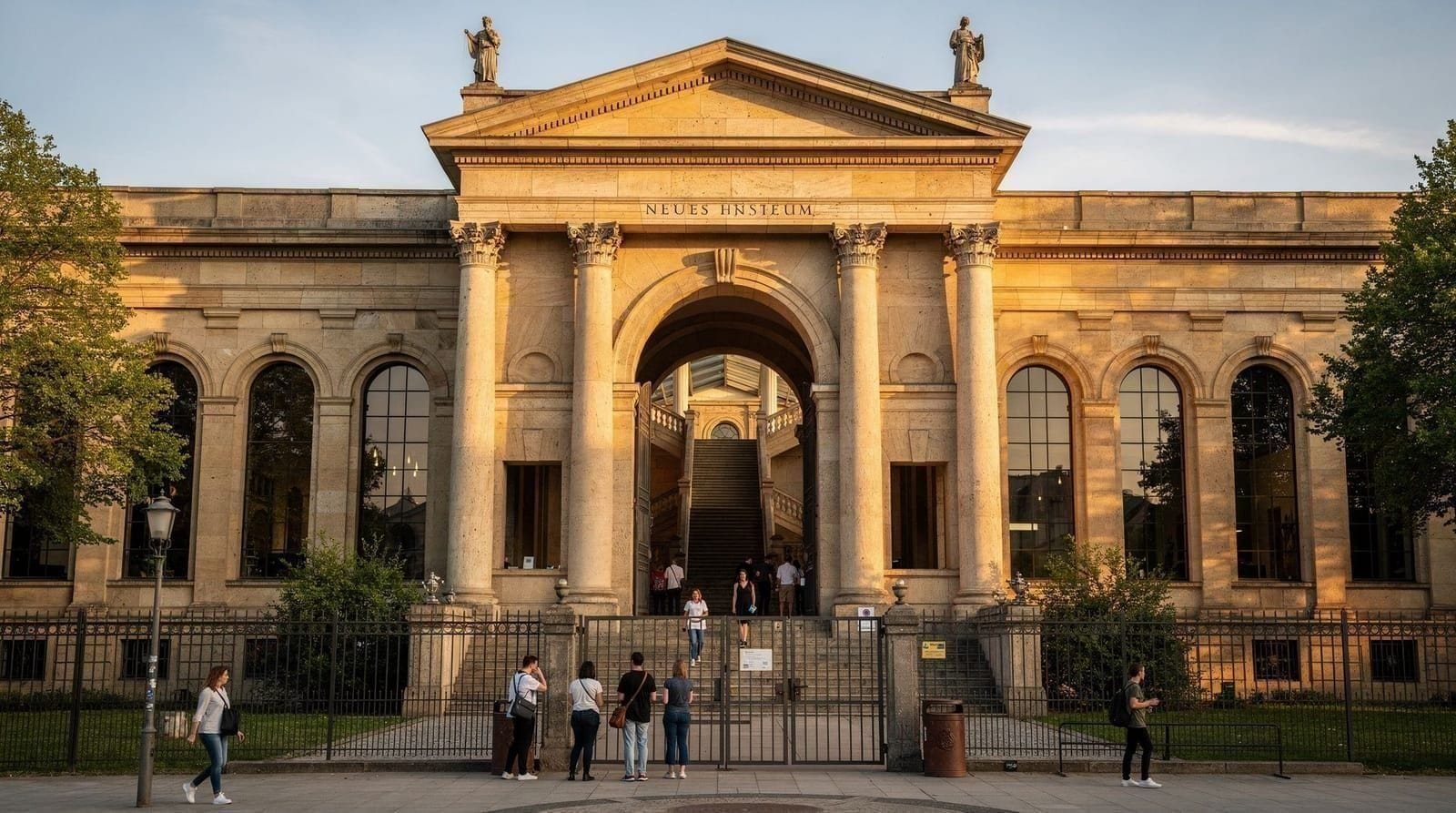
- Neues Museum — Egyptian collection including the Nefertiti bust. One of Europe’s great museum experiences. Book timed-entry well in advance.
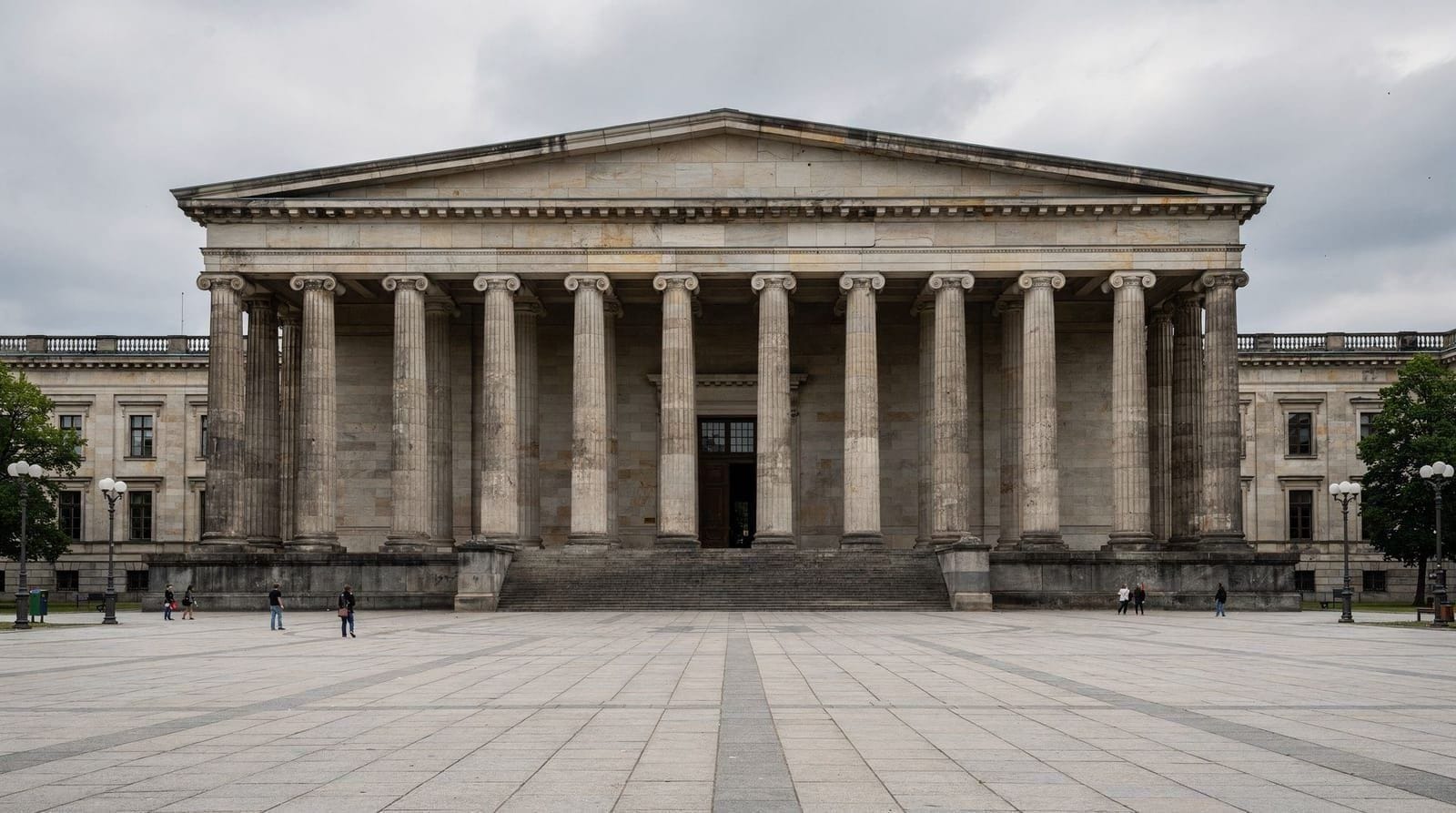
- Altes Museum — Greek and Roman antiquities in Schinkel’s rotunda. Strong on classical sculpture and Attic pottery.
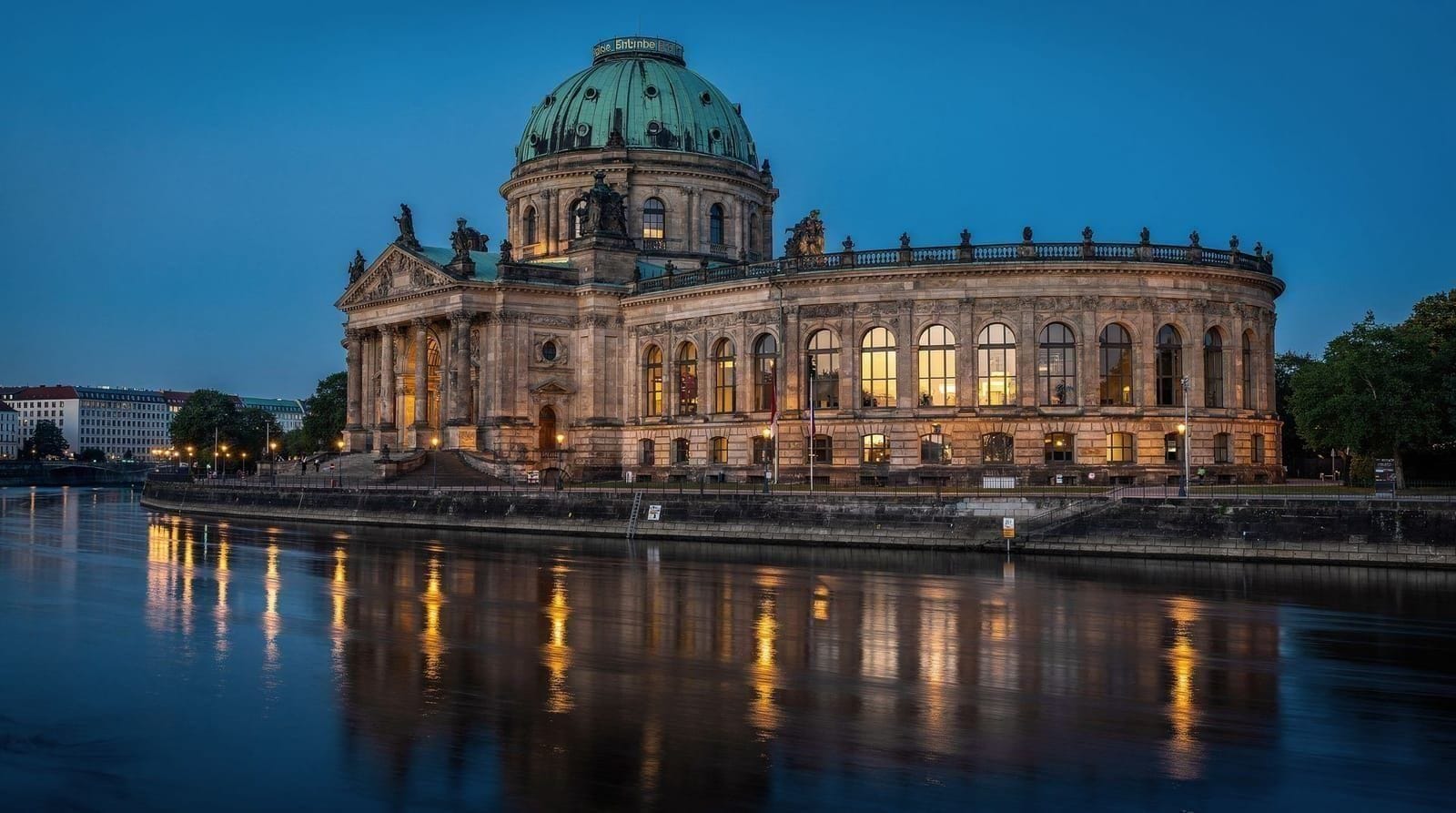
- Bode-Museum — Byzantine art, medieval European sculpture, the Coin Cabinet. Quietest of the five; rewards a dedicated visit.
- Alte Nationalgalerie — German and European 19th-century painting. Caspar David Friedrich’s Monk by the Sea and Menzel’s Iron Rolling Mill.
These four provide a full day’s visit without the Pergamonmuseum and collectively cover civilisations from ancient Egypt to the early 20th century. See the Museum Island guide for how to sequence a visit across all of them, and the full list of Pergamon-closure alternatives for a deeper comparison of what each institution offers relative to what’s closed.
Book Museum Island combined entry for the four open museumsFor ancient Near Eastern art specifically
The collections closest in subject to the Pergamonmuseum’s Ancient Near East holdings are partially represented in:
- The Vorderasiatisches Museum collections are largely in storage during the renovation; some objects may appear in temporary exhibitions at the Bode-Museum or the Humboldt Forum — check smb.museum for current display information.
- The Humboldt Forum (rebuilt Berlin Palace, across the Schlossbrücke) holds the Ethnologisches Museum and Museum für Asiatische Kunst in its upper floors, covering non-European and Asian civilisations. Not a substitute for the Pergamonmuseum but a significant museum in its own right.
For Islamic art specifically
The Museum of Islamic Art from the Pergamonmuseum is not accessible during closure. Berlin does not have an equivalent Islamic art collection on public display in the city during this period.
Practical impact on Museum Island visits
Ticket pricing: The Museum Island Tageskarte (€29) remains the same price despite the Pergamonmuseum being closed. It now covers four buildings instead of five. Whether this represents value depends on how many of the four you plan to visit — three or more makes the day pass competitive with individual tickets.
Crowd redistribution: The Pergamonmuseum’s closure means some visitors have redistributed to the other four institutions, particularly the Neues Museum. This may contribute to slightly increased demand at peak times, reinforcing the need to pre-book Neues Museum timed entry.
Information in the Panorama Asisi: The exhibition accompanying the panorama provides substantial context about the main building’s collections — it functions partly as a surrogate display for objects that cannot currently be seen. First-time visitors to Berlin who had planned to see the Pergamon Altar will find the Panorama partially compensates in terms of understanding the ancient city’s scale.
How to check for the latest status before you travel
Renovation timelines on projects this scale shift, and this page reflects the most recent confirmed schedule as of mid-2026. Before finalising travel plans, especially if the Pergamonmuseum was a primary reason for your Berlin trip, verify directly at smb.museum, which publishes updates on the phased reopening. It’s also worth checking whether any temporary exhibitions drawing on the closed collection have opened elsewhere on Museum Island — the Bode-Museum has previously hosted rotating displays of objects normally housed in the main Pergamonmuseum building while it is inaccessible, giving a partial, changing window onto material that would otherwise be completely unavailable.
Frequently asked questions about Pergamon Museum Berlin 2026
When will the Pergamon Museum reopen?
The current scheduled reopening date is June 4, 2027. This date covers a partial reopening of the main building — not all galleries are expected to be accessible immediately. A complete reopening with all collection wings available is projected for 2027–2028. Confirm via smb.museum before planning a specific trip around the reopening.What is closed at the Pergamonmuseum in 2026?
The main building is fully closed. This includes the Pergamon Altar hall, the Market Gate of Miletus, the Processional Way and Ishtar Gate displays, the Museum of the Ancient Near East collections, and the Museum of Islamic Art within the main building. The Panorama Asisi annexe on Kupfergraben is a separate structure and remains open.What is the Pergamon Panorama Asisi?
The Panorama Asisi is a temporary exhibition in a purpose-built cylindrical pavilion on Kupfergraben, directly facing the main museum entrance. It features a monumental 360-degree panorama by artist Yadegar Asisi depicting the ancient city of Pergamon at the height of its second-century CE prosperity. Entry is €15 adults, sold separately — it is not covered by the Museum Island day pass.What are the best alternatives to the Pergamonmuseum during the closure?
The four other Museum Island institutions remain fully open — the Neues Museum (Egyptian collection and Nefertiti), Altes Museum (Greek and Roman antiquities), Bode-Museum (Byzantine art and medieval sculpture), and Alte Nationalgalerie (19th-century painting). The Vorderasiatisches Museum collections from the Pergamon are not fully accessible elsewhere, but the Bode-Museum's Byzantine and medieval holdings provide related ancient context.Why is the Pergamonmuseum closed?
The main building has structural issues with its foundations and facades that require long-term renovation. The project began in 2023 and involves extensive engineering work on the building's load-bearing structure. The museum was also due for a comprehensive conservation review — several of the large architectural elements (Pergamon Altar, Ishtar Gate reconstructions) required conservation treatment.Can I still see the Ishtar Gate in Berlin?
No — the Ishtar Gate and Processional Way are inside the main Pergamonmuseum building, which is closed until June 4, 2027. They cannot be accessed until the building reopens. The Panorama Asisi depicts the ancient city of Pergamon but does not show the Ishtar Gate or Babylonian material.How much do tickets for the Pergamon Panorama Asisi cost?
Adult tickets for the Panorama Asisi are €15. The exhibition is not covered by the Museum Island Tageskarte or the Berlin Museum Pass. Tickets can be purchased online or on arrival.Is there any point visiting Museum Island if the Pergamonmuseum is closed?
Yes — absolutely. The four open institutions cover ancient Egypt, Greek and Roman antiquity, Byzantine and medieval art, and 19th-century European painting. Many specialist visitors consider the Neues Museum and Bode-Museum superior to the Pergamonmuseum even when the latter is open. The closure primarily affects visitors specifically interested in ancient Near Eastern and Islamic art.Does the Bode-Museum ever display objects from the closed Pergamonmuseum collection?
Occasionally. The Bode-Museum has previously hosted rotating temporary displays of select objects normally housed in the closed main Pergamonmuseum building, offering a partial and changing window onto material that would otherwise be entirely unavailable during the renovation. Availability varies, so check smb.museum or the Bode-Museum's current exhibition listing before your visit if this interests you.