Bode-Museum Berlin — Byzantine art, medieval sculpture, and coins
Berlin: Museum Island Multiple Museum Entry Ticket
What is in the Bode-Museum in Berlin?
The Bode-Museum holds three major collections — Byzantine art, the Sculpture Collection (medieval to early modern European), and the Coin Cabinet (one of the world's largest). It is located at the northern tip of Museum Island in a baroque palace building. It is the least crowded of the five Museum Island museums and takes 2–3 hours to cover properly.
Quick answer: The Bode-Museum holds Byzantine art, medieval European sculpture, and one of the world’s great coin collections. It is the least crowded of Museum Island’s five institutions. Adult entry €12. Walk-up tickets usually available.
| Where | Northern tip of Museum Island, Mitte |
| Cost | €12 adult; free under-18; €29 Museum Island day pass covers all five |
| Time needed | 2–3 hours |
| Getting there | U5 Museumsinsel (10 min walk) or Hackescher Markt S-Bahn (8 min walk) |
| Best time | Any time — it’s the least crowded Museum Island building |
The museum at the tip of the island
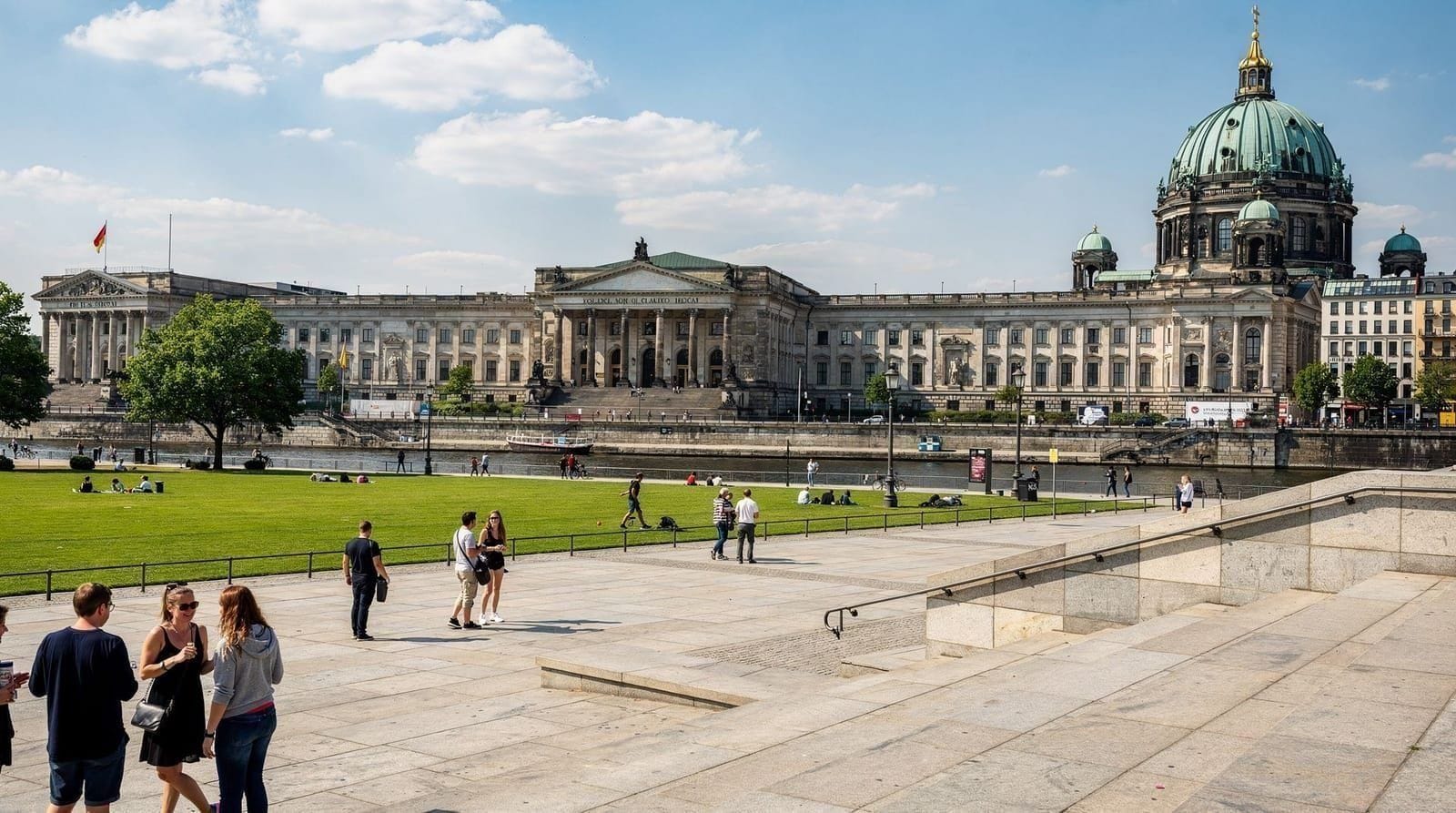
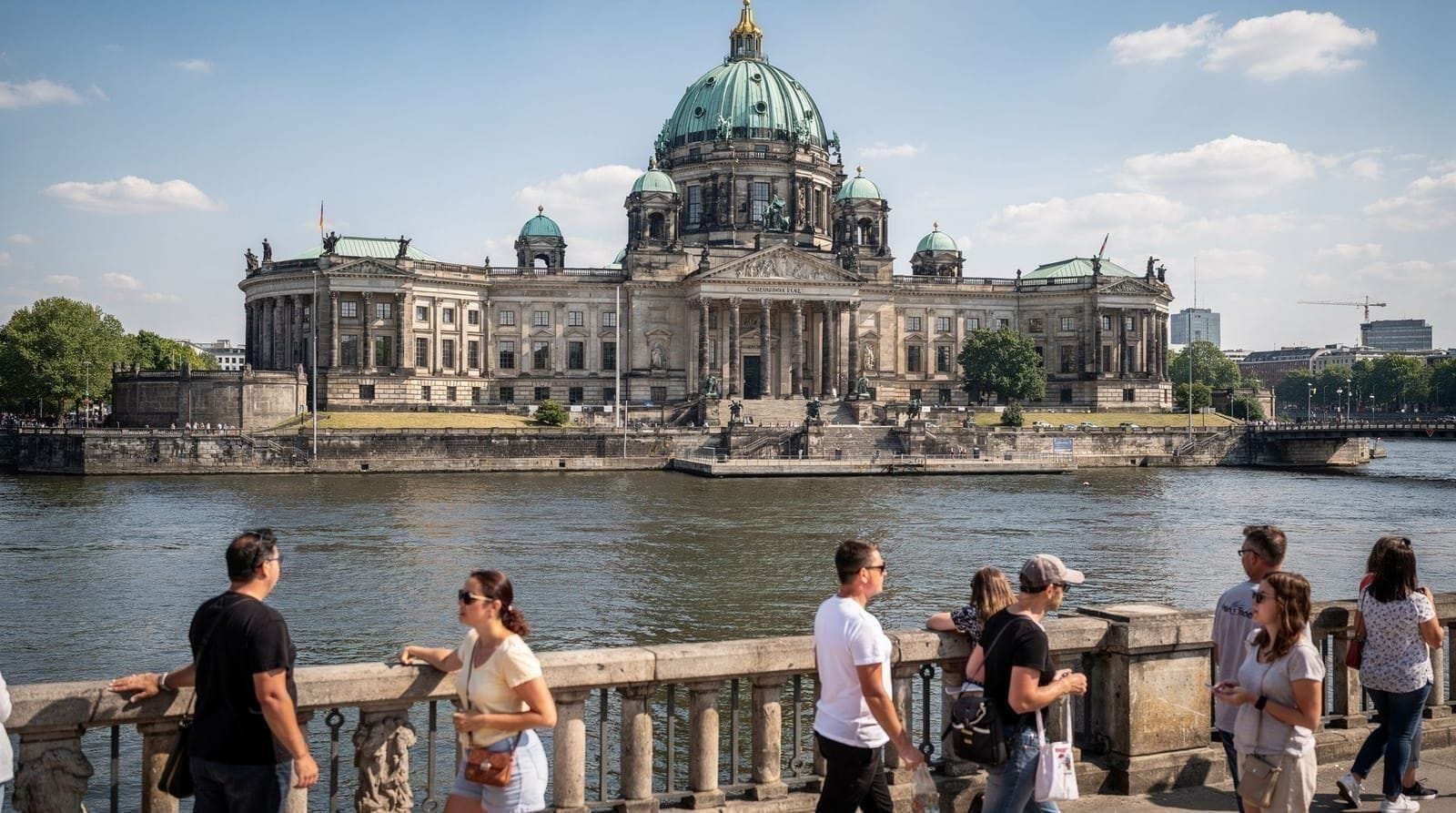
The Bode-Museum sits at the northern apex of Museum Island, where the Spree and Kupfergraben canals divide. Its position gives it a distinctive silhouette — a baroque palace-style building with a central dome, visible from across the water and entirely different in character from the neoclassical buildings further south on the island.
It opened in 1904, named after Wilhelm von Bode, the director who assembled much of its collection. Of the five Museum Island institutions, it receives the fewest visitors — partly because its collections (Byzantine art, medieval sculpture, numismatics) are less immediately accessible than Egypt or classical antiquity, and partly because its position at the far end of the island means visitors who run out of energy often don’t reach it.
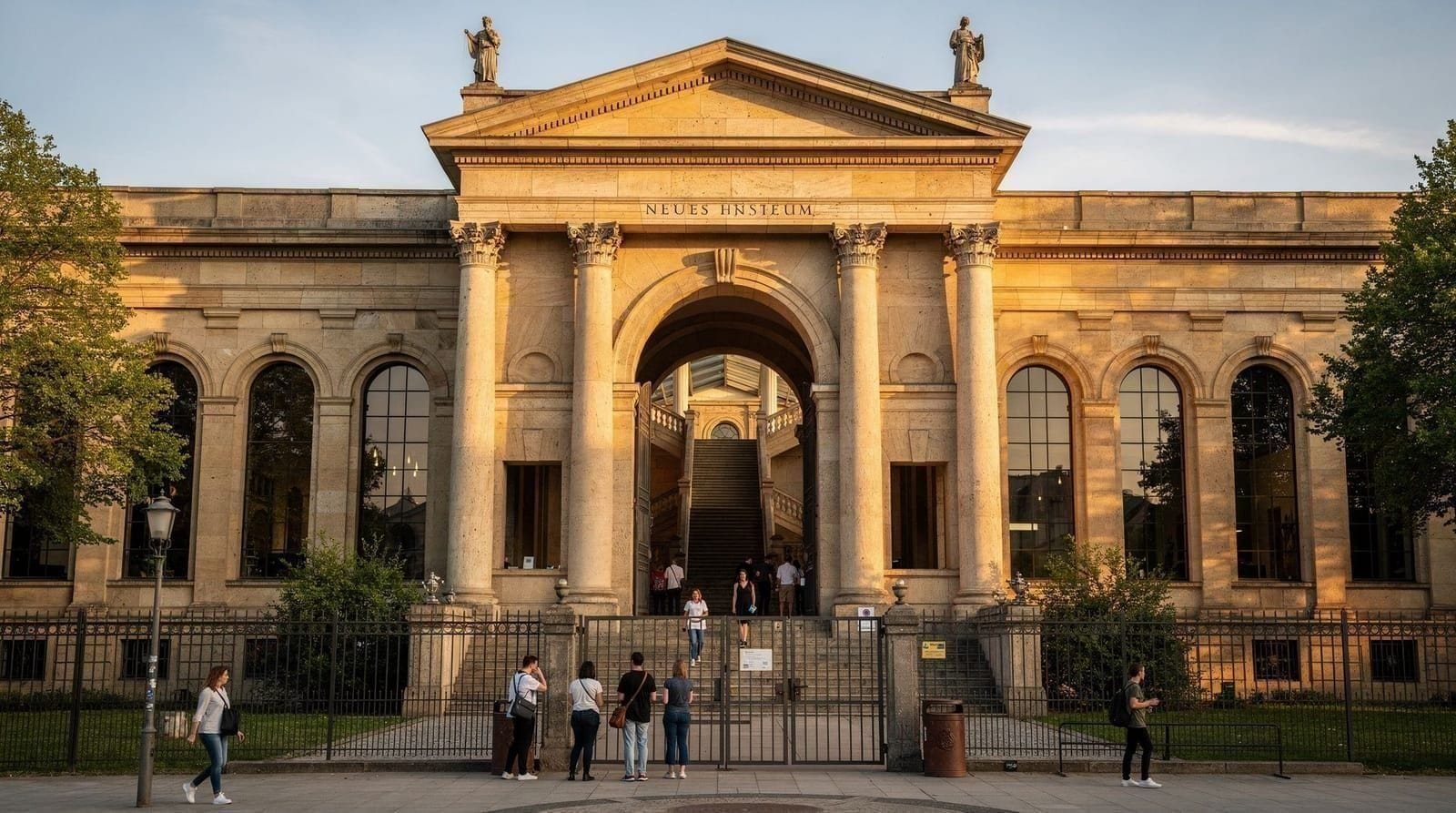
That relative quiet is one of its defining virtues. The galleries here can be genuinely contemplative in a way that the Neues Museum — with its Nefertiti queues — rarely is.
The Sculpture Collection
The Skulpturensammlung covers European sculpture from the early medieval period through the early 18th century, with particular strengths in Italian Renaissance, German Gothic and Renaissance, and Netherlandish sculpture.
Italian Renaissance sculpture. A substantial and coherent grouping of work from the 12th through 16th centuries, including pieces attributed to or close to Donatello, Della Robbia, and their contemporaries. The Italian material is comparable in quality to the holdings of the Victoria and Albert Museum in London and is less well known internationally.
German Gothic and Renaissance. Works from the 13th through 16th centuries including altarpiece fragments, devotional sculptures, and monumental funerary works. The German Gothic material — devotional Madonnas, carved relief panels, and wooden figures — is exceptional. German Romanesque stone carving from the 11th and 12th centuries represents one of the most undervalued traditions in European art history, and the Bode’s collection provides a substantial survey.
Architectural context. Unlike many sculpture collections housed in plain gallery spaces, the Bode-Museum uses period architectural elements — reconstructed chapel interiors, original arched niches, and decorative frames — to display works in contexts approximating their original settings. The arrangement requires careful navigation (the building’s floor plan can be confusing) but rewards patience.
The grand stairs and dome hall. The building’s interior architecture is worth appreciating independently of the collections. The central staircase hall leading up to the dome is one of the most theatrical interiors on Museum Island. The dome itself frames a ring of sculptures in the round — a deliberate design echo of the Altes Museum’s Rotunda.
A note on lighting and photography conditions. The Sculpture Collection’s period-room approach means natural light plays across many pieces differently through the day — the Italian Renaissance galleries on the south-facing side are noticeably better lit in the morning, while the German Gothic rooms toward the river side hold even, diffuse light most of the day. Photographers visiting specifically for the architecture should aim for a morning slot when the dome hall gets direct light through its upper windows.
The Byzantine collection
The Byzantine collection — one of the most significant in Germany — covers the culture of the Eastern Roman Empire from the fourth through fifteenth centuries CE. This encompasses the period from Constantine the Great’s adoption of Christianity to the fall of Constantinople in 1453.
Ivories. The collection of Byzantine carved ivories is exceptional. Ivory diptychs (paired panels carved in high relief) served as luxury diplomatic gifts and liturgical objects. The Bode holds a significant number from the fifth and sixth centuries — the peak of the tradition — and the carving quality in the best pieces rivals anything in the Louvre or British Museum.
Gold and enamel work. Cloisonné enamel on gold — the technique of filling metal cell-work with vitreous enamel — was perfected in Byzantine workshops. The Bode’s collection of enamel panels, crosses, and liturgical vessels demonstrates the range and quality of this work across several centuries.
Mosaic fragments. Original mosaic panels from Byzantine churches, including face fragments from larger compositional schemes. These are difficult objects to display — removed from their architectural context, they lose some of their intended meaning — but the technical quality of the tessellation work is visible at close range.
The Coptic section. A sub-collection of early Christian material from Egypt (Coptic culture) covers textiles, sculpture, and objects from the period between the Roman conversion to Christianity and the Arab conquest of Egypt (approximately 4th–7th centuries CE). Often overlooked by visitors who rush past it on their way to the medieval sculpture.
The Coin Cabinet (Münzkabinett)
The Münzkabinett is one of the world’s five largest coin collections, with over 540,000 objects spanning from pre-monetary ancient exchange objects through Greek and Roman coinage, medieval European coins, German-speaking monetary history, and modern currency.
The public gallery displays a rotating selection across several themes — ancient Greek coinage (the intricate portrait and deity designs of which represent some of the finest small-scale sculpture of antiquity), the development of portrait coinage from Alexander the Great through the Roman Empire, medieval European monetary systems, and modern commemorative medals.
The 2017 theft of the Big Maple Leaf coin — a 100-kilogram pure gold Canadian commemorative coin worth around €3.7 million — brought the museum unusual international attention. The coin was never recovered. Security has been substantially upgraded since. The display case where it was held is no longer used for high-value portable items.
For numismatists, the study collections are accessible by appointment. The public galleries are sufficient for general visitors.
Practical information
Address: Am Kupfergraben 1, 10117 Berlin. Enter from the riverside on Monbijoubrücke bridge side.
Opening hours: Tuesday–Sunday 10:00–18:00; Thursdays 10:00–20:00. Closed Mondays.
Tickets: €12 adults; children under 18 free. Museum Island Tageskarte (€29) covers all five museums. Book at smb.museum or on arrival.
Getting there: U5 Museumsinsel, then 10 minutes on foot north along the island. From Hackescher Markt S-Bahn, about 8 minutes on foot along the Spree.
Audio guide: €5, available in German and English. Particularly useful for the Byzantine collection where context is essential.
Cafe: The cafe inside the dome hall is one of the most architecturally distinctive museum cafes in Berlin. Coffee and light food; reasonable prices by museum standards.
Photography: Free throughout without flash.
What not to miss and what to skip
Don’t miss: The Italian Renaissance sculpture, especially the Della Robbia glazed terracotta reliefs. The Byzantine ivory diptychs. The building’s own staircase hall and dome. The Coin Cabinet’s Greek and Roman portrait coinage.
Can be brief about: The later German baroque sculpture (17th–early 18th century) on the upper floors is of specialized interest. The Coptic collection merits 15–20 minutes for context.
Common mistake: Treating the Bode as an afterthought after exhaustion from the Neues Museum. It rewards a dedicated visit — or a fresh morning visit before tackling the more crowded museums on the same day.
The Bode compared with Museum Island’s other buildings
| Museum | Known for | Typical crowd level | Time needed |
|---|---|---|---|
| Bode-Museum | Byzantine art, sculpture, coins | Low | 2–3 hours |
| Neues Museum | Nefertiti bust, Egyptian collection | High, timed entry | 2 hours |
| Altes Museum | Classical antiquities | Moderate | 1.5–2 hours |
| Alte Nationalgalerie | 19th-century painting | Moderate | 1.5 hours |
| Pergamonmuseum | Closed until June 2027 | — | — |
Combining with other Museum Island visits
The Bode-Museum at the northern tip makes logical sense as the starting point if you are working through the island from north to south. Begin at 10:00 at the Bode (2 hours), then walk south to the Alte Nationalgalerie (1.5 hours), then continue to the Neues Museum for your timed slot in the afternoon.
Alternatively, save the Bode for a second Museum Island day after covering the Neues Museum and Altes Museum on day one. The Museum Island guide covers the full five-museum logistics if you’re planning a first visit to the complex.
The Pergamonmuseum’s main building is closed until June 4, 2027. If you were planning to include it, reallocate that time to the Bode — the Byzantine and medieval collections are comparable in scope to what you would have seen in the Pergamon’s Islamic art wing.
If you’re building a museum-focused Berlin trip beyond just Museum Island, the Berlin museums day pass guide and the museum lovers’ itinerary both help sequence a multi-day museum plan.
Book a Museum Island combined pass covering all five buildings including the Bode-MuseumFrequently asked questions about Bode-Museum Berlin
How much do Bode-Museum tickets cost?
Adult tickets cost €12. Children under 18 enter free. The Museum Island Tageskarte (€29) covers the Bode-Museum plus all four other Museum Island institutions on the same day. The Berlin Museum Pass (€32 for three days) also covers entry. Walk-up tickets are usually available.Why is the Bode-Museum worth visiting?
The Bode-Museum is one of the most under-visited world-class museums in Berlin. It holds outstanding Italian Renaissance and medieval German sculpture, Byzantine mosaics and ivory carvings, and an enormous coin collection. The baroque building with its distinctive dome and river views is architecturally impressive. Visitor numbers are a fraction of the Neues Museum's.What is the Coin Cabinet at the Bode-Museum?
The Münzkabinett (Coin Cabinet) holds over 540,000 objects — coins, medals, and paper money from ancient Greece to the present day. It is one of the largest and most important numismatic collections in the world. A dedicated gallery space within the museum is open to the public; scholars can access study rooms by appointment.What happened to the Big Maple Leaf gold coin at the Bode-Museum?
In March 2017, thieves stole a 100-kilogram solid gold coin — the Canadian "Big Maple Leaf" — from the museum using a ladder through a window from a nearby elevated rail line. The coin, worth approximately €3.7 million at theft, has never been recovered. Several individuals were convicted for the theft in 2020. The security improvements following the theft are visible throughout the museum.How long does the Bode-Museum take to visit?
Allow 2 to 3 hours for a thorough visit. The sculpture galleries alone justify 1.5 hours. Add 30–45 minutes for the Byzantine collection and 30 minutes for the accessible Coin Cabinet galleries.Is the Bode-Museum difficult to reach?
The Bode-Museum is at the extreme northern tip of Museum Island, a 10-minute walk from the Neues Museum or Altes Museum. The nearest U-Bahn is Museumsinsel (U5), about 10 minutes on foot. It can also be reached from Hackescher Markt S-Bahn in about 8 minutes.Do I need to pre-book tickets for the Bode-Museum?
Usually not. The Bode-Museum is the least visited of the five Museum Island institutions. Walk-up tickets are available on most days, including weekends in summer. If you have a Museum Island day pass, it covers entry without additional booking.
Top experiences
Bookable activities with verified prices and instant confirmation on GetYourGuide.