Charlottenburg guide — west Berlin's chic neighborhood, Ku'damm, KaDeWe, and the palace
Berlin: Charlottenburg Palace Entry Ticket with New Pavilion
What is Charlottenburg in Berlin and is it worth visiting?
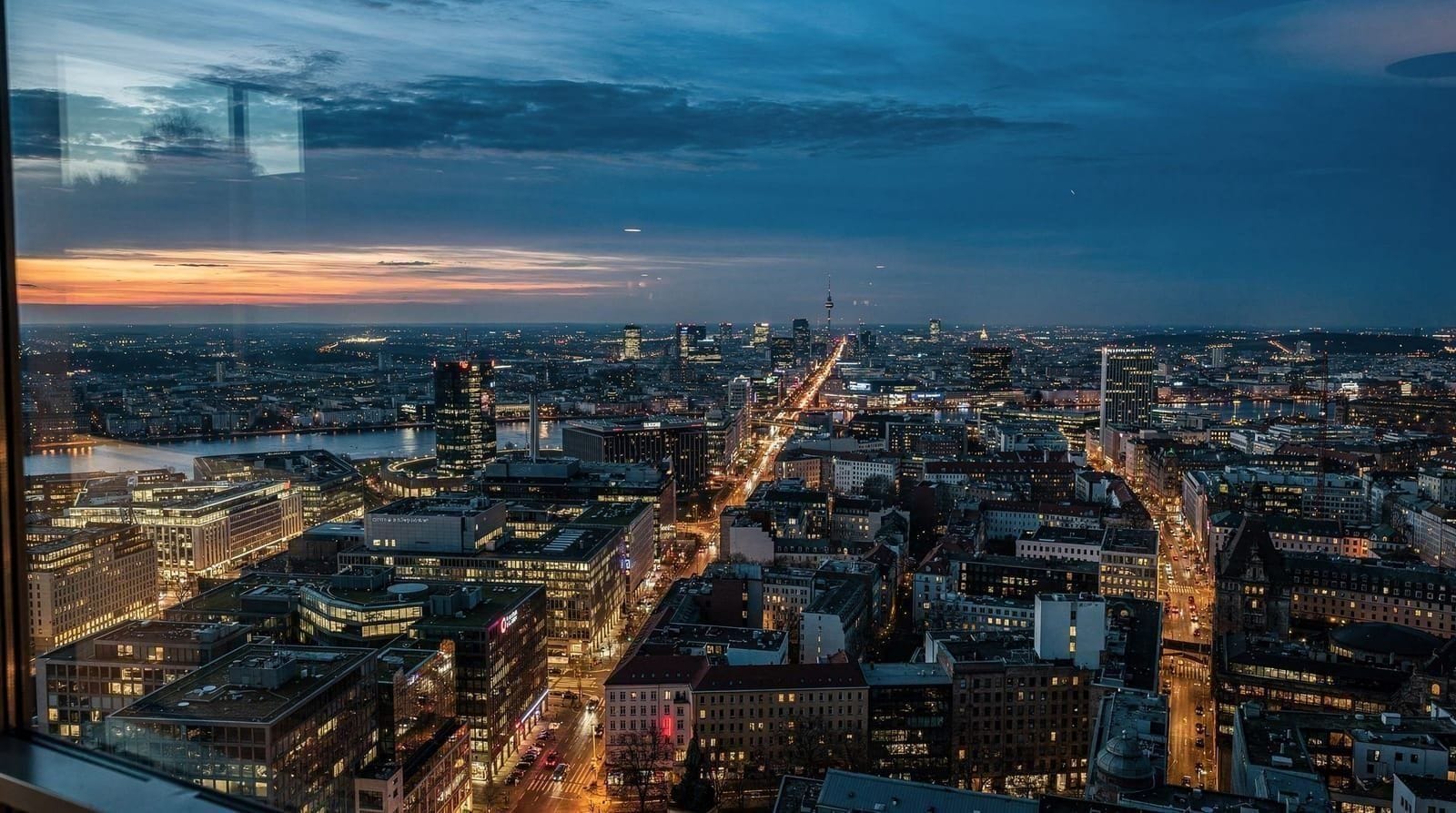
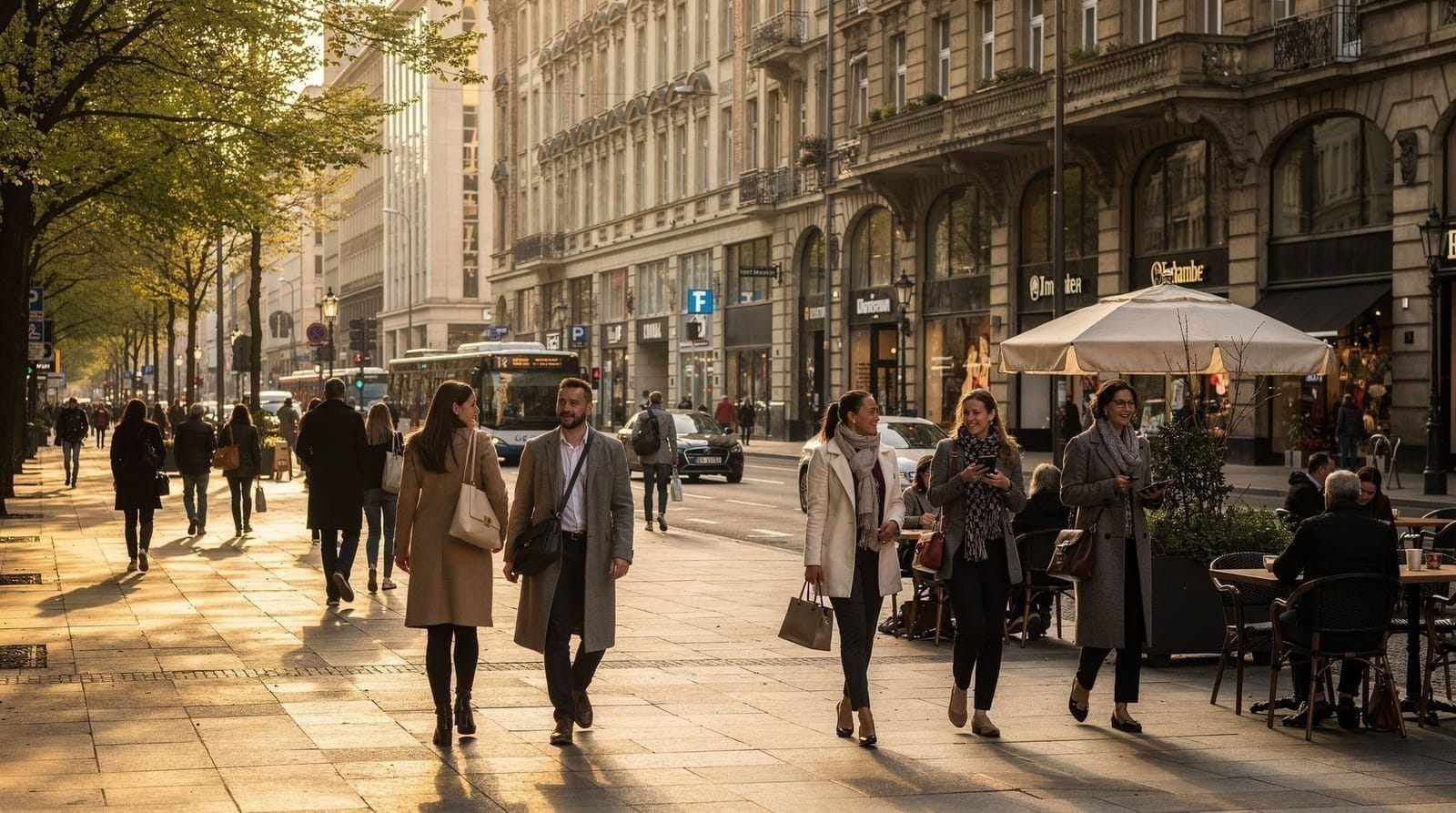
Charlottenburg is the main district of West Berlin — the side of the city that was American, British, and French-occupied from 1945 to 1990. It centers on Kurfürstendamm (Ku'damm), one of Europe's premier shopping streets, and contains the Charlottenburg Palace, the Berlin Zoo, KaDeWe department store, and a well-developed hotel infrastructure. It is the most comfortable and polished part of Berlin, better suited to higher-budget travelers than those seeking alternative culture.
Why does Charlottenburg exist as a distinct part of Berlin? Charlottenburg was an independent city until 1920 — Berlin’s wealthier western neighbor, with its own palace, parliament, and identity. When it was incorporated into Greater Berlin, it remained the commercial and bourgeois counterweight to working-class eastern districts. The Cold War division cemented this: Charlottenburg and the surrounding western boroughs became West Berlin, supported by Allied presence and an outsized density of shops, hotels, and civic infrastructure designed to make the divided enclave feel viable and appealing. The result, in 2026, is the most polished and comfortable part of Berlin — with all the trade-offs that implies.
| Where | West Berlin, around U-Bahn Zoologischer Garten / U2, U7, U9 |
| Cost to visit | Free to walk; palace entry around EUR 22; KaDeWe food hall around EUR 30-60 for lunch |
| Time needed | Half a day for Ku’damm and KaDeWe, a full day if adding the palace and museums |
| Getting there | S-Bahn or U-Bahn to Zoologischer Garten, about 15-20 minutes from Alexanderplatz/Mitte |
| Best for | Shopping, palace, mid-to-high-budget travelers wanting a polished base |
Kurfürstendamm: what to actually do there
The Ku’damm is one of those European boulevards that visitors feel they should walk because it is famous, and then walk and wonder what the fuss was about. The honest answer is that it is a very good high-street shopping street with some genuinely interesting architecture and a few specific institutions that make it worth an afternoon.
What is actually worth your time on Ku’damm:
- The Kaiser Wilhelm Memorial Church at Breitscheidplatz (western end of the boulevard where it meets Tauentzienstrasse) is one of Berlin’s most affecting memorials. The bombed tower ruin is preserved next to the 1961 replacement church; the interior of the modern church has blue glass walls that create an almost underwater atmosphere. Free entry.
- Story of Berlin at Ku’damm 207-208, with its bunker tour. See the FAQ entry below for details.
- Window shopping and architecture — the pre-war and 1950s/60s commercial buildings on the north side of the boulevard include some interesting facades. The building at Ku’damm 195-196 (now a Kaufland) retains its original 1920s department store structure.
What is not worth queuing for: The chain restaurants along the main stretch are overpriced and not better than equivalents anywhere else in the city. The original Café Kranzler (rebranded and relocated) has none of the character of the original West Berlin institution.
KaDeWe: how to use it honestly
KaDeWe (Kaufhaus des Westens) at Tauentzienstrasse 21 — a short walk south from Wittenbergplatz U-Bahn — is the most serious department store in Germany. Six floors of fashion, homeware, electronics, and cosmetics culminate in the sixth floor food hall, which is the reason most visitors come.
The food hall is organized by product category: a wine section with thousands of bottles, a cheese counter with 300+ varieties, a fish and seafood section, a meat counter with specialist cuts, an oyster bar, a chocolate room, a sushi section, and a dozen or so small restaurants and bars where you can eat what is sold at the counters. The prices are premium — a glass of wine at the wine bar starts at EUR 6-8, a plate of oysters at EUR 18-25 — but the quality is reliably excellent.
For groceries, KaDeWe is impractical. For a high-quality meal or food tasting experience that skips the restaurant rigamarole, the food hall is genuinely useful. Budget EUR 30-60 for a proper food hall lunch with drinks.
Charlottenburg Palace
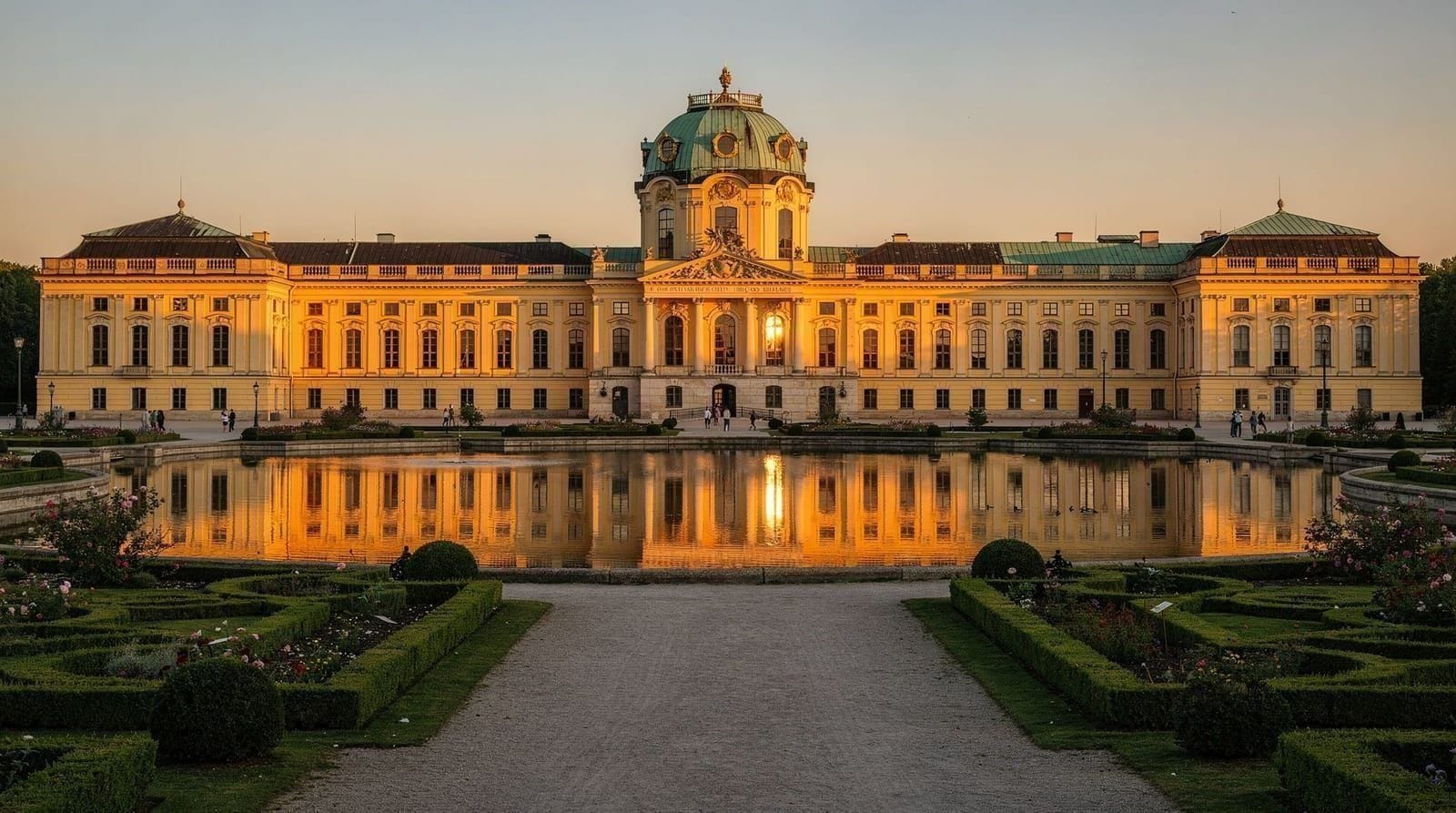
The Schloss Charlottenburg is the largest surviving royal palace in Berlin, built from 1695 for Sophie Charlotte (wife of the Elector Friedrich III, later King Friedrich I of Prussia). The main palace building and its two wings stretch 500 metres across a formal parterre garden; the copper-green dome and the gilded figure of Fortuna on top are visible from the street.
What to visit:
- Old Palace (Altes Schloss) — the main building, including the Oak Gallery, the Porcelain Cabinet, and the chapel. The Porcelain Cabinet is one of the finest surviving Baroque interiors in Germany. Entry: EUR 22 (includes audio guide).
- New Wing (Neuer Flügel) — extended under Frederick the Great in the 1740s; contains the Golden Gallery and Friedrich’s private apartments. Separate ticket or combined.
- Palace gardens — free, always open. The Baroque formal garden (parterre) facing the north facade is the most visited section; the English landscape garden extending behind is quieter and pleasant.
The important caveat for 2026: Check the Spsg.de website for current restoration status. Parts of the interior have been under phased renovation. The Belvedere teahouse and the Mausoleum are in the garden and may have different opening hours.
Charlottenburg Palace entry ticket — includes audio guide, skip the ticket queueA combined Charlottenburg + Potsdam day trip is possible but exhausting. The palace is better given half a day on its own, with the afternoon in the Charlottenburg neighborhood. If you do want to pair the two royal sites in one outing, a guided excursion handles the logistics rather than you juggling regional trains and bus transfers.
Charlottenburg and Potsdam palaces excursion — guided, transport includedThe museums opposite the palace
Directly across Spandauer Damm from the palace gates sits a small cluster of museums that most Ku’damm-focused visitors never see, which is a mistake if you have any interest in 20th-century art. The Museum Berggruen, in a former officers’ barracks facing the palace, holds one of the best concentrated Picasso collections outside Spain, alongside significant works by Paul Klee, Henri Matisse, and Alberto Giacometti. It is compact — 90 minutes is enough for most visitors — and rarely crowded even when the palace itself is busy.
Next door, the Bröhan Museum covers Art Nouveau and Art Deco: furniture, glassware, ceramics, and posters from roughly 1889 to 1939, arranged in period rooms that give a much better sense of how wealthy Charlottenburg residents actually lived than the palace’s state rooms do. Combined, the two museums add about three hours to a palace visit and cost far less than the palace’s own entry fee — each runs EUR 8-10 for adults.
Getting to Charlottenburg and getting around once you’re there
From central Berlin, the fastest routes into Charlottenburg run through Zoologischer Garten: the S5/S7/S9 from Alexanderplatz or Hauptbahnhof take 15-20 minutes, and the U2 connects from Mitte via Potsdamer Platz in a similar window. For the palace specifically, the U7 to Richard-Wagner-Platz or bus 309/M45 from Zoo is more direct than walking the full length of Ku’damm first.
Once in the neighborhood, Charlottenburg is genuinely walkable — the Ku’damm, Savignyplatz, and the palace grounds form a rough triangle that most visitors can cover on foot in a day, with the U-Bahn as backup for tired legs rather than a necessity. This is a meaningful contrast with the newer eastern sights around Friedrichshain or the East Side Gallery, which sit far enough from Charlottenburg that combining both areas in one day is not realistic.
Charlottenburg vs. the other side of the city
| Charlottenburg | Mitte | Kreuzberg | |
|---|---|---|---|
| Character | Polished, bourgeois, West Berlin | Historic center, museums, government | Alternative, multicultural, nightlife |
| Typical visitor | Shopping, palace, comfortable hotels | First-time sightseeing, landmarks | Street art, food, bars, younger crowd |
| Hotel prices | Mid-to-high, wide selection | Mid-to-high, premium for location | Lower to mid-range |
| Evening scene | Quiet, restaurant-focused | Mixed, tourist-heavy | Loud, late, bar-and-club-driven |
For a fuller comparison of where to base yourself, see the Berlin neighborhoods overview and the dedicated Kreuzberg neighborhood guide.
The neighborhood around the palace
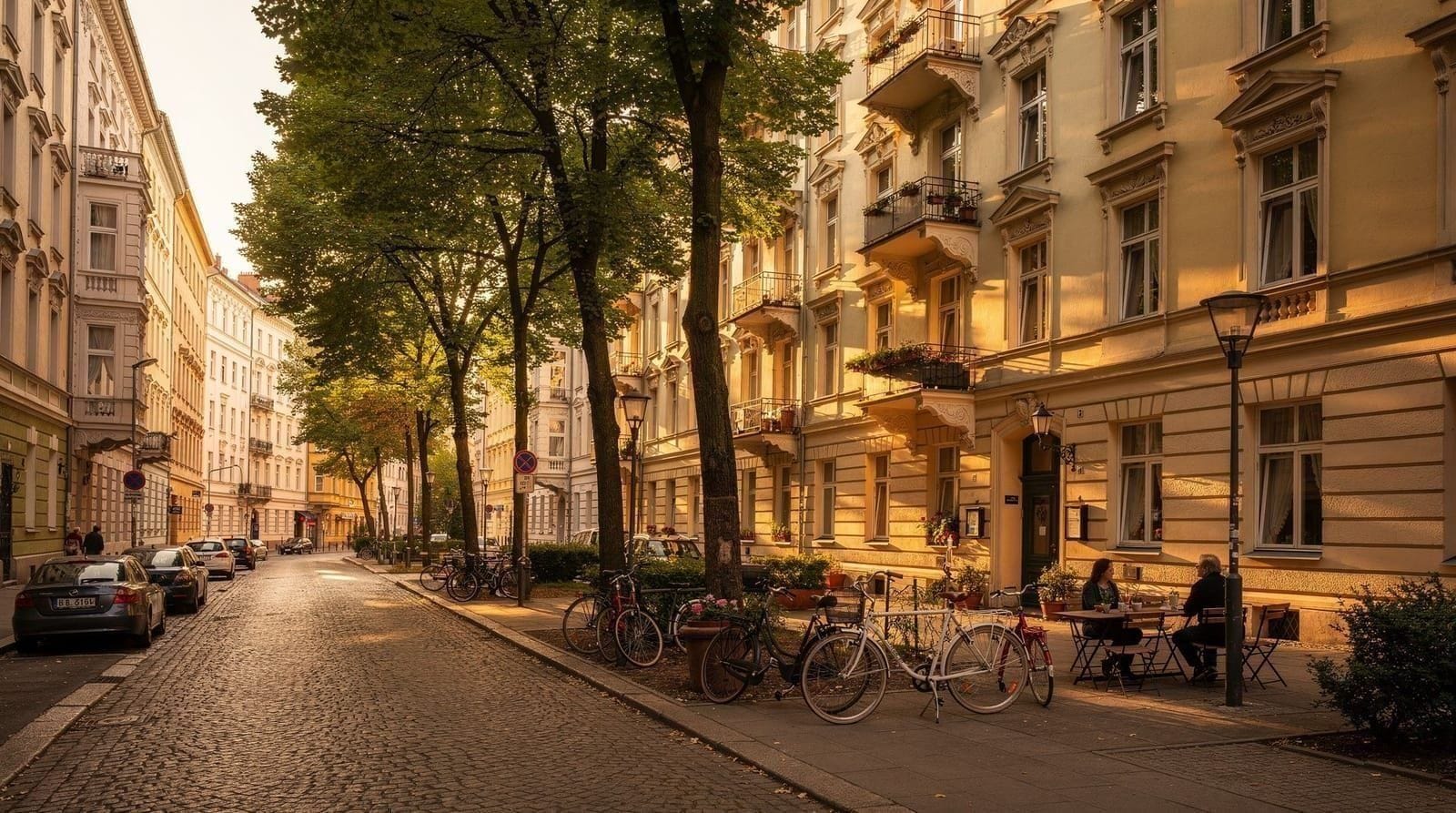
The streets between the palace and the Ku’damm form a relatively calm residential neighborhood that most tourists skip entirely. Schlossstrasse, Mommsenstrasse, and the streets around Sophie-Charlotten-Platz have independent restaurants, bakeries, and small shops serving actual residents rather than tourists.
The Savignyplatz area (between Zoo and the Ku’damm) is particularly good for this: a leafy square surrounded by restaurants, a secondhand bookshop with good English-language stock (Bücherbogen am Savignyplatz, under the S-Bahn arches), and the kind of bars that close at 1am and do not try to sell you shots. Dinner here runs EUR 18-30 per person at sit-down places.
Zoologischer Garten: the western transport hub
Bahnhof Zoologischer Garten (Zoo station) was the main long-distance train hub for West Berlin from the 1970s until the Hauptbahnhof opened in 2006. It retains importance as a transport interchange: S-Bahn, U-Bahn (U2, U9), and regional trains all pass through. The station was famous in the 1980s as a gathering point for addicts and homeless youth — documented in the book and film “Christiane F.” That period is long past; Zoo station is now a standard busy urban transit node.
The station is useful primarily for its transport connections: S5/S7/S9 to the center takes 15 minutes to Hauptbahnhof and 20 minutes to Alexanderplatz. The IC/ICE trains from Hamburg and Hanover stop here.
Berlin Olympic Stadium — western Charlottenburg
The Olympiastadion (Olympic Stadium), 7 km west of the Ku’damm by U2 to Olympia-Stadion station, was built for the 1936 Berlin Olympics under Albert Speer’s direction. It is still in use: Hertha BSC Berlin plays its home matches here, and major concerts are staged in the summer. The architecture is deliberately monumental — 74,475 capacity, neoclassical exterior, an asymmetric design that opens toward the west.
Guided tours of the stadium are available when no event is scheduled. The Bell Tower (Glockenturm) offers panoramic views of the surrounding forest and stadium complex. Entry is EUR 12 (stadium) or EUR 14 (combined with Bell Tower). See the Olympiastadion guide for the full history and tour logistics.
Where to stay in Charlottenburg
Charlottenburg is Berlin’s strongest hotel market in terms of volume and mid-to-high-range quality. The concentration of 4-star and above hotels is higher here than anywhere else in the city. Price expectations:
Budget-mid-range (EUR 80-120): Several 3-star hotels on side streets off Ku’damm; Novotels and similar chain properties near Zoo station.
Mid-range (EUR 120-200): Multiple 4-star options on and around Ku’damm and in the Savignyplatz area. The Hotel am Steinplatz near Savignyplatz is a good independent option with genuine character.
Luxury (EUR 200+): The Waldorf Astoria on Hardenbergstrasse (adjacent to the Europa Center), the Hotel Zoo on Ku’damm, and the Kempinski Bristol are the established top-tier options. For the full neighborhood comparison, see where to stay in Berlin.
Charlottenburg walking tour — palace, Ku’damm, and West Berlin history, English guideFrequently asked questions about Charlottenburg guide
What is the Kurfürstendamm (Ku'damm)?
Kurfürstendamm is the central boulevard of West Berlin, running 3.5 km from Breitscheidplatz (with the Kaiser Wilhelm Memorial Church) westward through Charlottenburg. It is lined with international fashion houses, restaurants, cinemas, and hotels. The standard comparison is the Champs-Élysées, though Ku'damm is less grand in scale. The junction with Tauentzienstrasse at Breitscheidplatz is the commercial heart of western Berlin.Is KaDeWe worth visiting?
KaDeWe (Kaufhaus des Westens, "Department Store of the West") at Tauentzienstrasse 21 is the second-largest department store in Europe. The sixth floor is the main draw — an enormous food hall with counters for cheese, wine, chocolate, meat, seafood, sushi, and prepared foods. The prices are high but the selection is exceptional. Visitors who are not buying can graze the samples at the counters. The building itself is worth exploring even without purchasing.How far is Charlottenburg Palace from Ku'damm?
The palace is approximately 2.5 km northwest of the Ku'damm shopping area. From Zoologischer Garten station, take the U7 to Richard-Wagner-Platz or the bus M45. The walk from Zoo along Kantstrasse and then Spandauer Damm takes about 30-35 minutes. Taxis from Ku'damm to the palace run EUR 8-12. See the Charlottenburg Palace guide for practical information.What is the Berlin Zoo like and is it worth visiting?
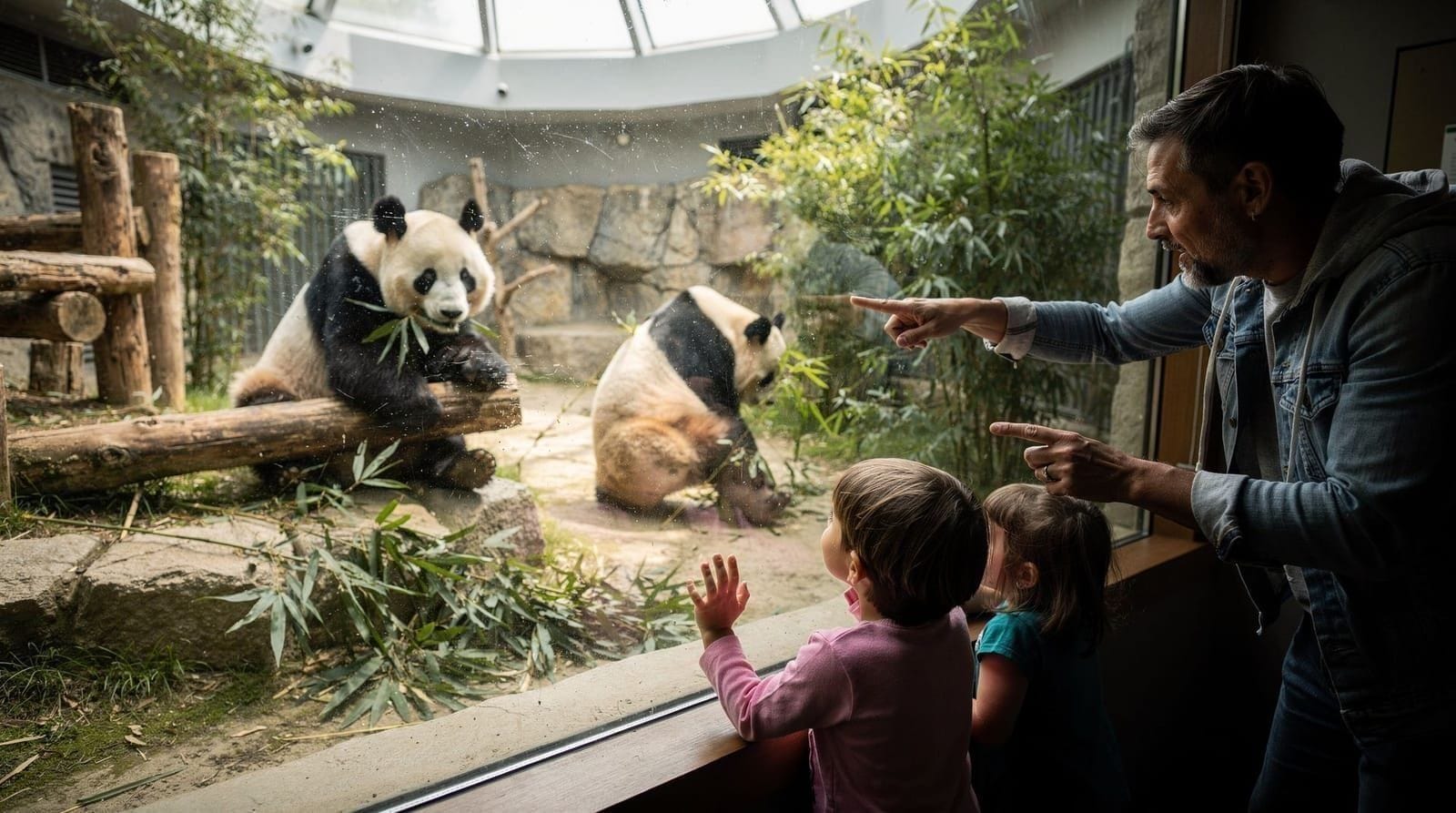
The Berlin Zoo (Zoologischer Garten) at Hardenbergplatz is the oldest and most visited zoo in Germany, with around 3.7 million visitors annually. It has about 20,000 animals across 1,500 species. Entry is EUR 22 for adults, EUR 11 for children (3-15). Combined tickets with the Aquarium Berlin next door are available. The zoo is genuinely large — allow at least half a day. It is good for families and tolerable for adults. See the Berlin Zoo guide for honest assessment of what to prioritize.What happened to the Kaiser Wilhelm Memorial Church?
The Kaiser Wilhelm Memorial Church (Kaiser-Wilhelm-Gedächtniskirche) at Breitscheidplatz was badly damaged by RAF bombing in 1943. The ruin was preserved deliberately as a war memorial — the broken tower stands alongside a modern hexagonal church built in 1961. The ruin is open to visitors (free), with a small exhibition on the church's history and the wartime bombing. It is one of the most effective anti-war memorials in Berlin precisely because it is in the middle of a busy commercial district.Where is Charlottenburg and how does it connect to eastern Berlin?
Charlottenburg is in the western part of Berlin. From Zoo station, the S-Bahn connects to Alexanderplatz in 15 minutes (S5, S7, S9) and to Hackescher Markt (Mitte) in about 18 minutes. The U2 runs from Ruhleben in the west through Zoologischer Garten, Wittenbergplatz, and eventually to Mitte and Pankow. The connection is reliable but Charlottenburg is genuinely further from the east than Mitte or Prenzlauer Berg.What is the Story of Berlin museum?
The Story of Berlin museum (Ku'damm 207-208) covers 800 years of Berlin history across 23 rooms, including a tour of the original nuclear bunker beneath the building. The bunker section (designed to shelter 3,500 people during the Cold War) is the most distinctive element and is only accessible on guided tours. Entry is EUR 14; bunker tours run regularly throughout the day. It is a solid introduction to Berlin history without the depth of the Bernauer Strasse documentation center or the Topography of Terror.
Top experiences
Bookable activities with verified prices and instant confirmation on GetYourGuide.