Best time to visit Berlin — seasons, events and honest crowd advice
Berlin: Guided Walking Tour in English
What is the best time to visit Berlin?
April–May and September–October are the sweet spots — mild temperatures (12–20°C), manageable crowds, and hotel rates 20–30% below the summer peak. July and August have the longest days and the most outdoor events, but also the heaviest tourist volumes and highest accommodation prices. December is worth considering specifically for the Christmas markets, despite short days.
What is the best time to visit Berlin? April–May and September–October offer the most balanced experience — mild temperatures, manageable crowds, and hotel rates well below the summer peak. July and August deliver long evenings and a vibrant outdoor scene but come with real congestion. December earns its place for the Christmas markets alone. Each season has a genuine argument for it; this guide gives you the honest picture.
| Best overall | Late April–May, or September–October |
| Cheapest | January–early February (excluding Berlinale) |
| Warmest | July (24°C average high, occasional heatwaves) |
| Busiest | Late June–August, and December Christmas markets |
| Best for events | June (CSD Pride), September (Art Week, Marathon), October (Festival of Lights) |
Spring — April and May
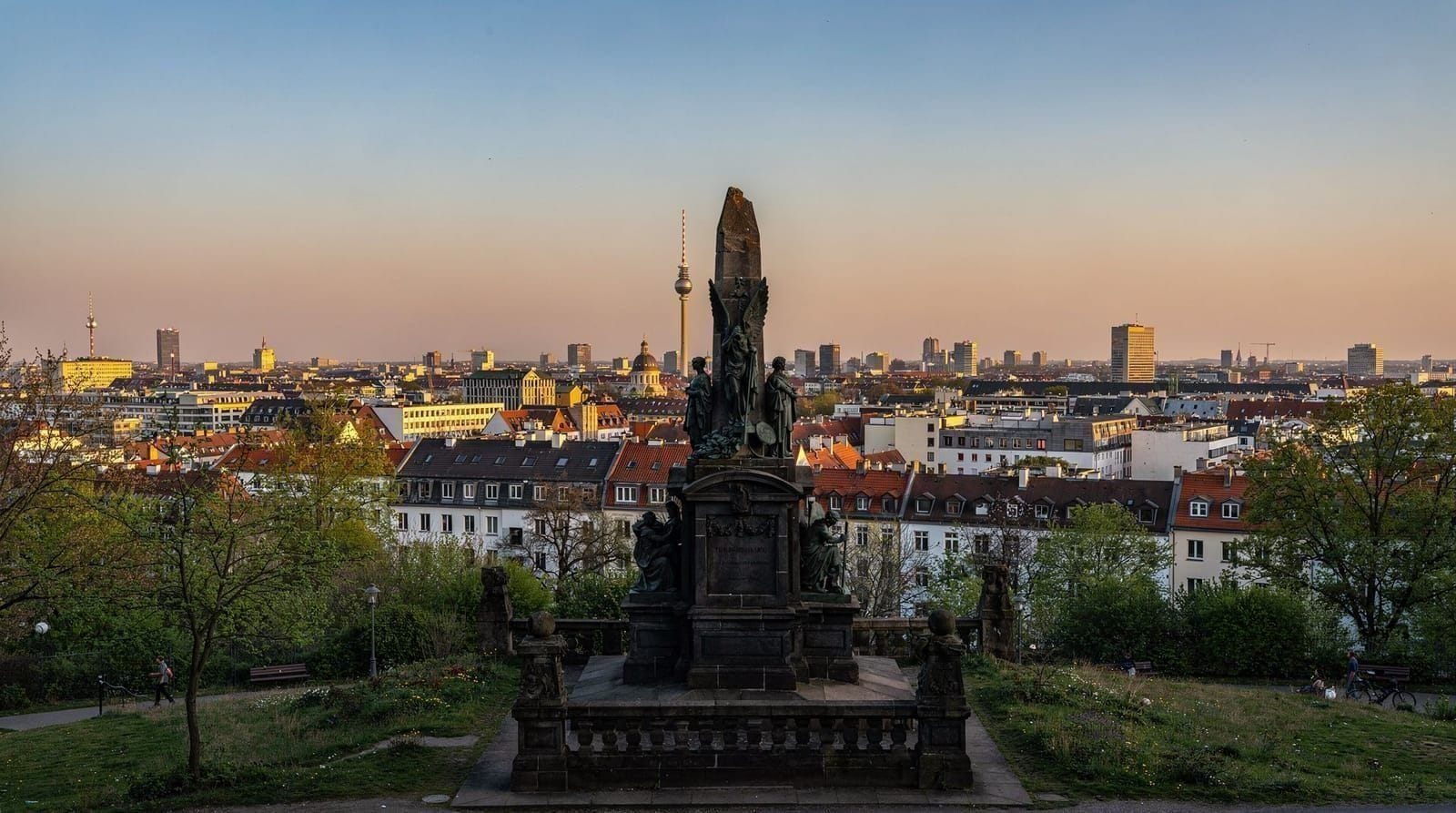
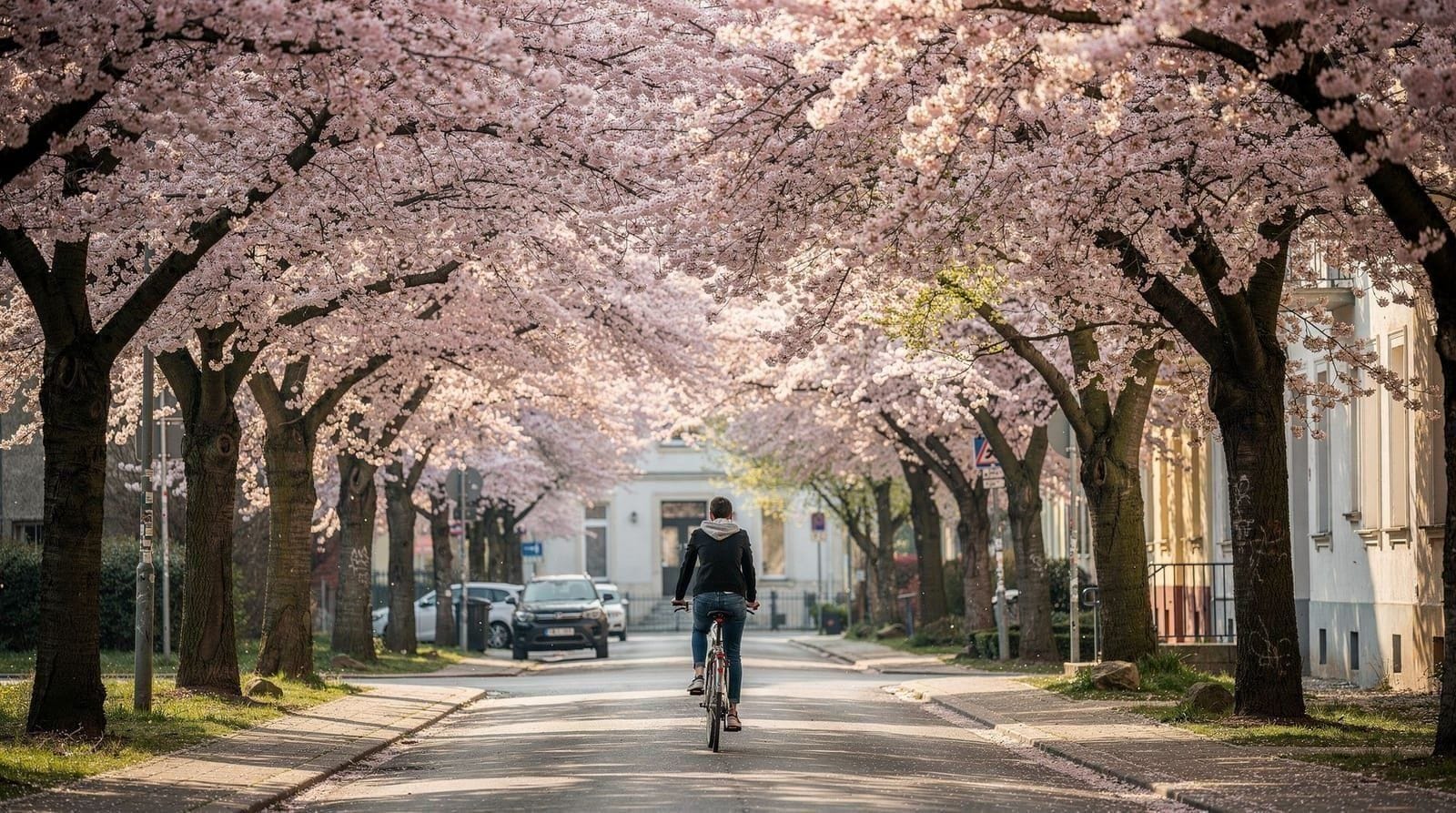
Spring is the most reliably pleasant time to visit Berlin. Temperatures climb from around 8°C in early April to 18°C in late May. The Tiergarten fills with blossom, outdoor café seating opens up, and the city is noticeably quieter than in summer.
What’s on:
- Easter weekend (variable, late March to late April) — some museums have special programming
- Carnival of Cultures (Karneval der Kulturen) — May/June, a four-day street festival in Kreuzberg with 100+ nations represented, culminating in a parade through Gneisenaustrasse
- Berlin Marathon registration opens but the race itself is in September
Practical considerations:
- April rain is genuinely likely — pack a waterproof layer
- School Easter holidays bring a moderate uptick in German family visitors
- Hotel rates are lower than summer but beginning to rise by May
- All museum opening hours back to full schedule after quiet January/February
If your priority is avoiding crowds while having good weather, early May is the single best week in the calendar. See the Berlin spring guide for a fuller month-by-month spring breakdown.
Summer — June, July, August
Berlin in summer is vivid and high-energy, but also the hardest season logistically.
What’s on:
- Christopher Street Day CSD Pride (late June) — one of Europe’s largest Pride events, the main parade drawing close to a million people
- Lollapalooza Berlin (September 2026 — technically early autumn but announced in summer planning windows)
- Fête de la Musique (June 21) — free music events in public spaces across the city
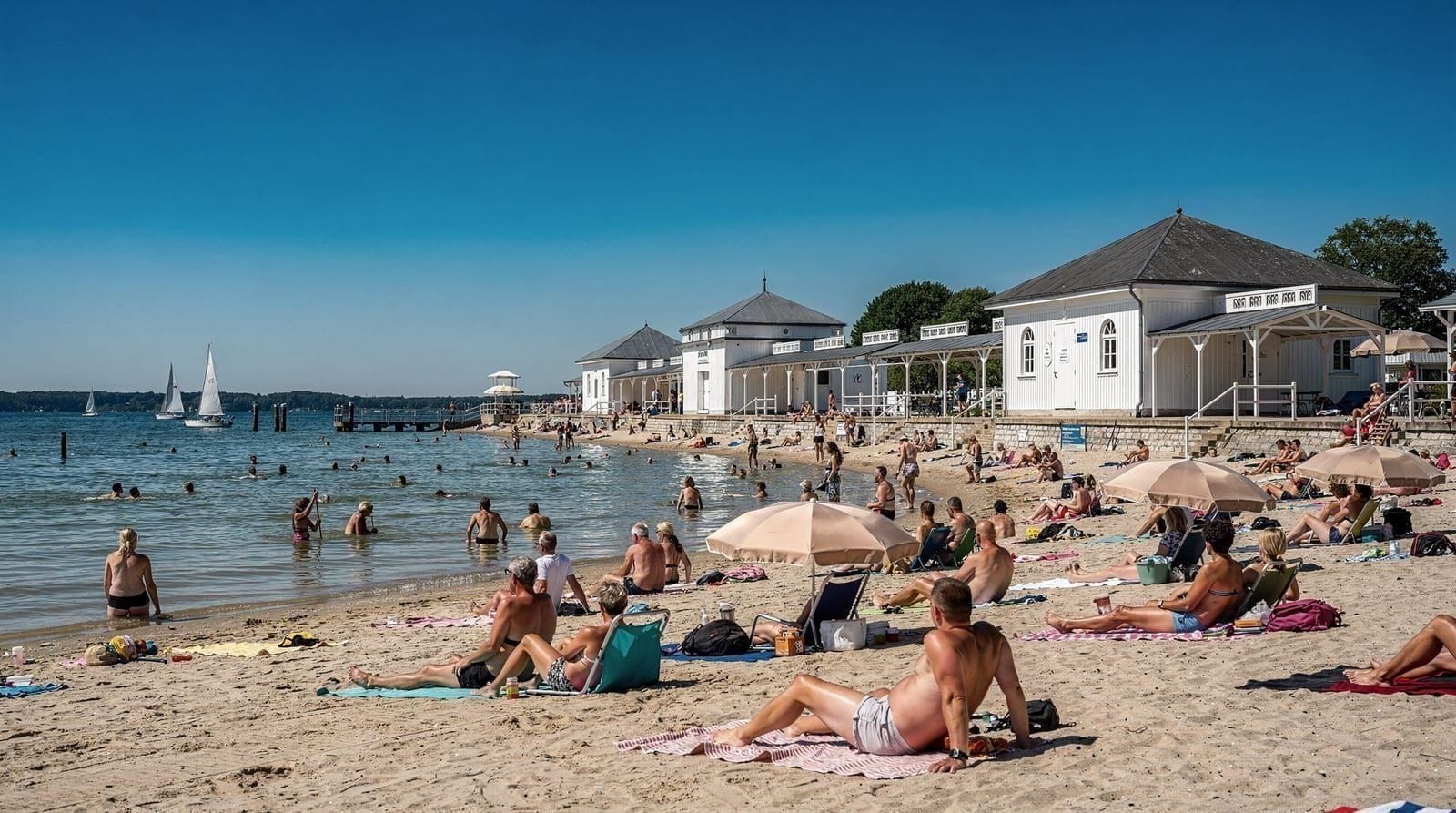
- Berlin lakes open for swimming — Wannsee, Müggelsee, Weißer See — from late June
- Long evenings — sunset after 9:30 pm through June–July
Practical considerations:
- Peak hotel prices: a mid-range room costs 30–50% more than in April
- Museum Island queues are serious — arrive at opening (10 am) or book timed entry where available
- Berghain has its longest queue-free windows on weekday early evenings (6–10 pm) in summer; see the Berghain guide for realistic entry odds
- Outdoor biergartens and terraces are fully open; the Tiergarten Café, BRLO Brwhouse, and Golgatha (Viktoriapark) fill fast on warm evenings
- Book Sachsenhausen and popular day-trip tours at least 10 days ahead
- Potsdam is packed on summer weekends — visit on a weekday
July is the absolute peak. If you travel in August, the German school holidays (varying by state, mostly the last two weeks of July and first two of August) bring additional domestic tourists. The Berlin in summer guide covers lake swimming, outdoor events, and heat-avoidance strategy in more depth than fits here.
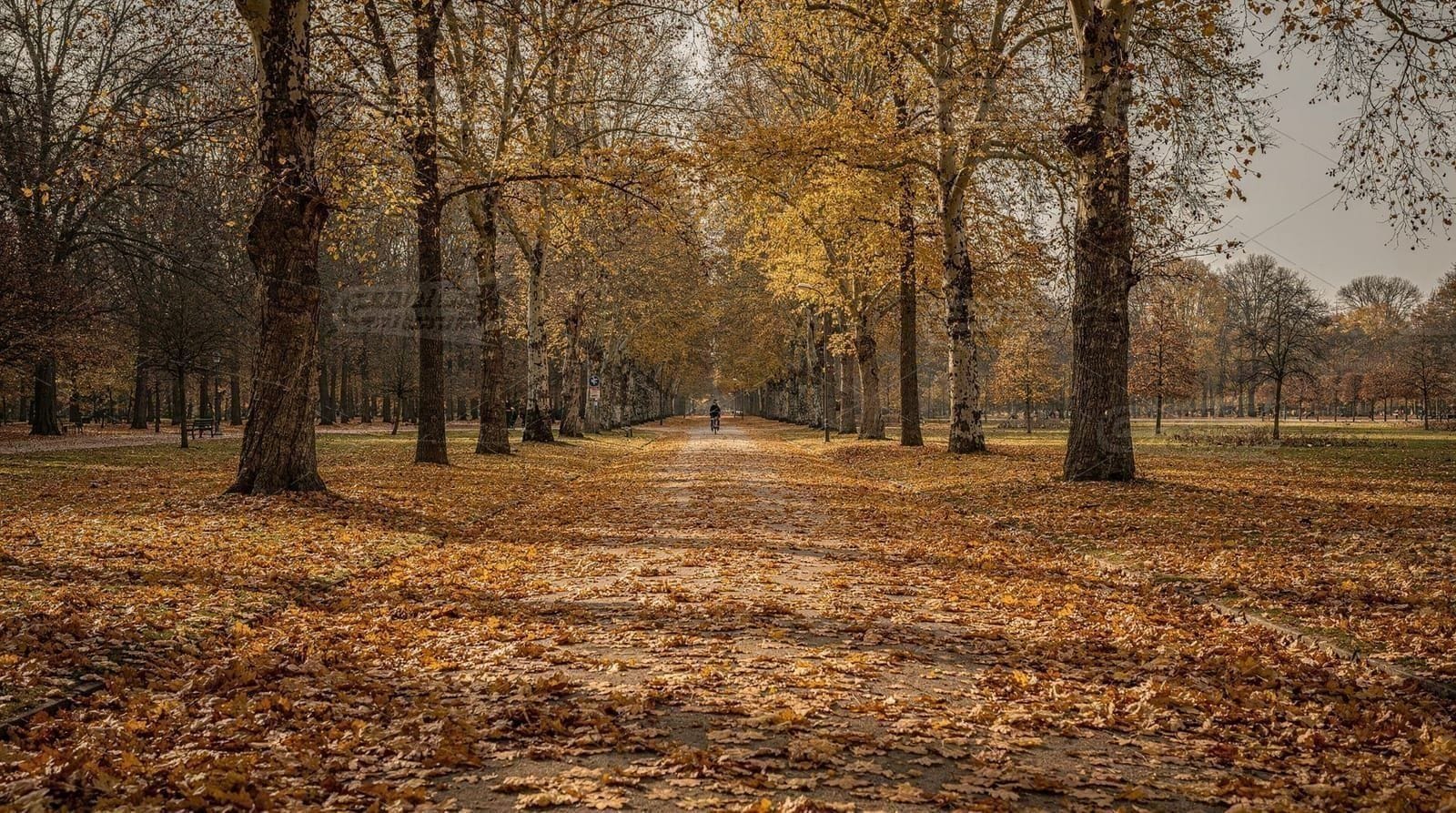
Autumn — September and October
September and October represent Berlin’s second-best season and are often preferred by experienced visitors.
What’s on:
- Berlin Art Week (September) — gallery openings, art fairs, museum special events
- Berlin Marathon (September) — road closures, but an atmospheric event if you’re not trying to drive
- Festival of Lights (October, usually mid-month) — major landmarks including the Brandenburg Gate, Berlin Cathedral, and TV Tower are illuminated with video projections after dark; best experienced on foot from 7 pm onward
- Museum Night (Lange Nacht der Museen, August and January) — participating museums open until midnight on one weekend night
Practical considerations:
- Temperatures 10–15°C in October — comfortable for walking but a warm layer is essential
- Crowds visibly thinner after the school holiday season ends in late August
- Hotel rates 15–25% below August peaks
- Outdoor swimming spots have closed by late September
- Nightlife remains very active — autumn and winter are actually considered the best seasons for Berlin’s club scene
See the Berlin autumn guide for a fuller seasonal breakdown, including specific event dates as they’re confirmed each year.
Winter — November, December, January, February
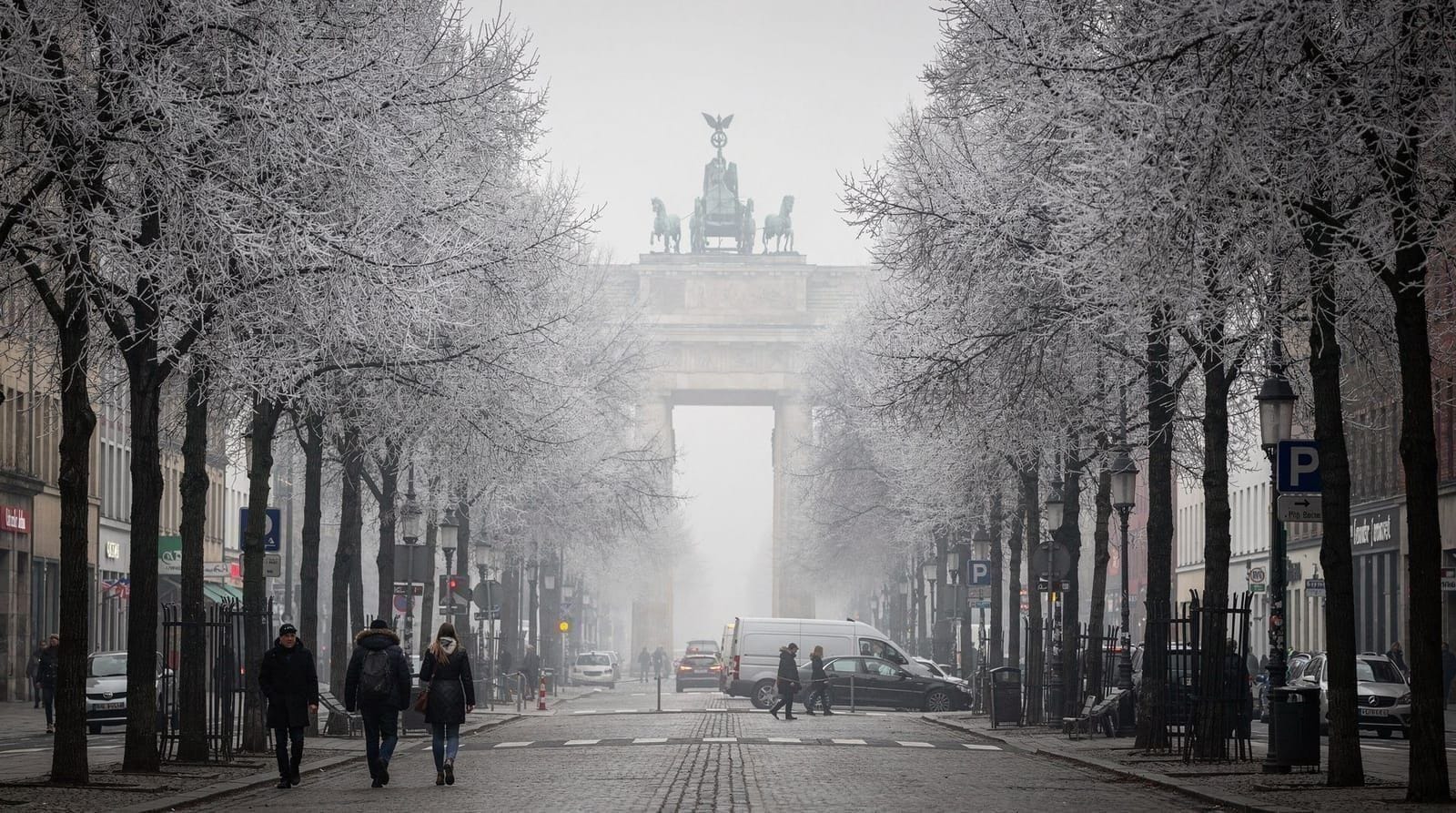
Winter Berlin divides opinions. The city goes dark early (sunset at 4 pm in December) and temperatures hover between -3°C and 5°C. But it also becomes affordable, quiet, and for December, genuinely beautiful.
November: Grey, uncrowded, and cheap. Museum visits without queues. Poor weather for outdoor sightseeing. Good if museums are the main purpose.
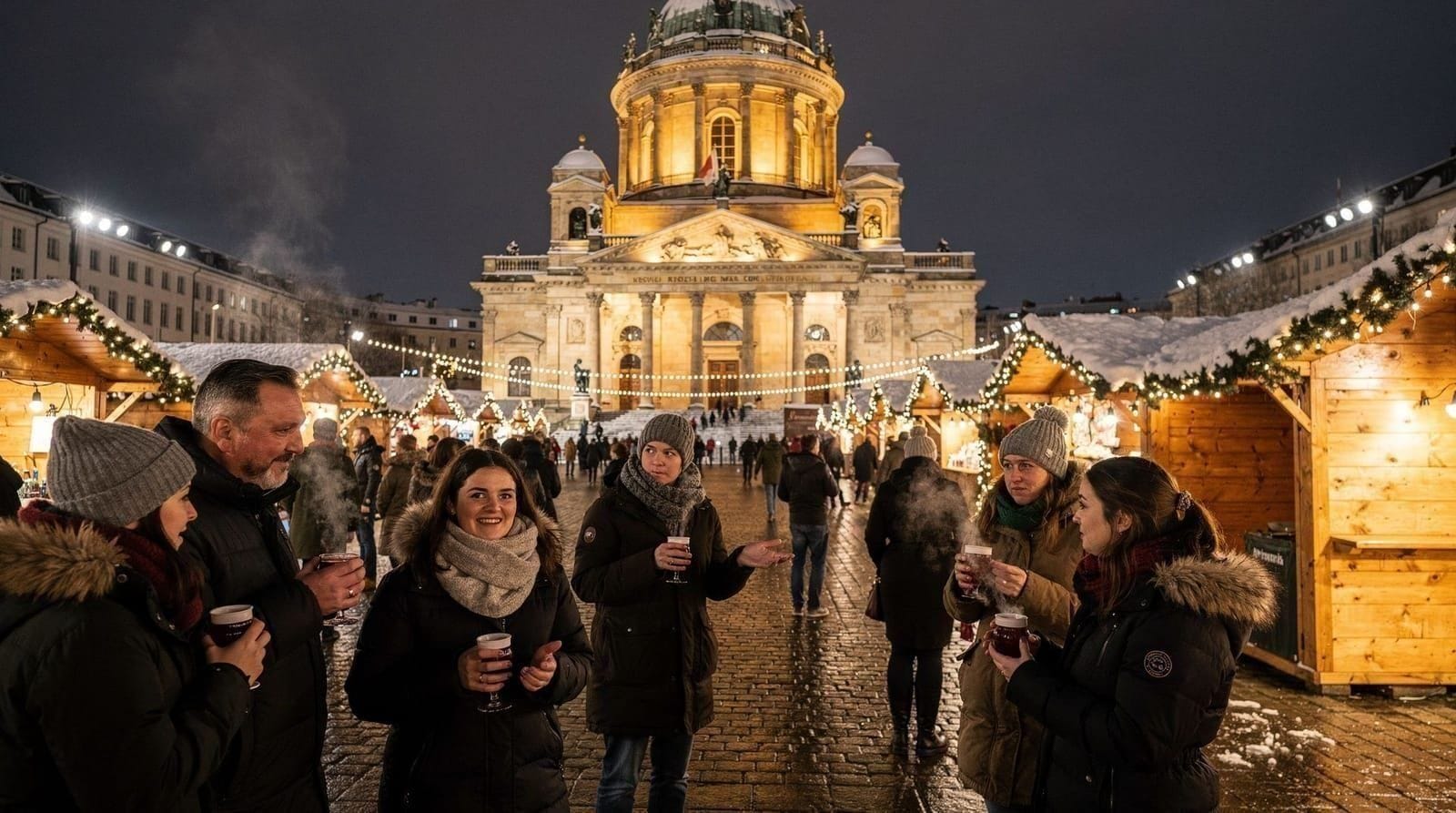
December: Christmas markets transform the city. The major ones include:
- Gendarmenmarkt market — elegant, upscale, entry €1 (worth it)
- Breitscheidplatz market near the Kaiser Wilhelm Memorial Church
- Charlottenburg Palace market — largest, slightly theme-park atmosphere
- Spandau market — traditional, local, less touristy
- Mauerpark Christmas market — alternative, vintage-inflected
Markets typically run from late November (around the 25th or 27th) to December 26. The busiest period is the weekends in December — if you want to experience the markets without crowds, weekday evenings are significantly calmer. See the Berlin Christmas markets guide for a full comparison, and the Berlin in winter guide for the wider season including what to pack.
New Year Eve at the Brandenburg Gate is a massive free street party drawing hundreds of thousands. Fireworks are launched from the Gate and from private citizens throughout Mitte — dramatic but chaotic.
January: The cheapest month. The Berlinale International Film Festival arrives in mid-February and runs for 11 days. Outside festival dates, January–early February is the quietest window of the year for museums and popular sites.
February (Berlinale): One of the world’s leading film festivals, screening in multiple venues across the city. Accreditation and press passes are competitive, but public tickets for most screenings are available online from late January. Plan hotel accommodation 2–3 months ahead if Berlinale overlaps your trip. See the Berlinale guide for the full ticket-buying process.
Month-by-month temperature and precipitation reference
| Month | Avg high (°C) | Avg low (°C) | Rain days |
|---|---|---|---|
| January | 3 | -2 | 11 |
| February | 5 | -1 | 9 |
| March | 9 | 2 | 10 |
| April | 14 | 5 | 11 |
| May | 19 | 9 | 11 |
| June | 22 | 13 | 11 |
| July | 24 | 15 | 10 |
| August | 24 | 14 | 9 |
| September | 19 | 10 | 9 |
| October | 13 | 6 | 10 |
| November | 7 | 2 | 11 |
| December | 3 | -1 | 12 |
Rain is distributed fairly evenly across the year — no “dry season.” Summer thunderstorms are localised and usually brief. Snow is possible November–February but rarely accumulates heavily in the city centre.
How Berlin compares to other German cities by season
Berlin’s continental climate means sharper seasonal swings than cities further west or south in Germany — colder winters than Cologne or Frankfurt, but comparable or slightly warmer summers than Munich. This matters for trip planning if you’re combining Berlin with other German cities: a late-October visit that feels mild in Berlin can already feel properly cold by the time you reach Dresden or Leipzig a few degrees further from the coast’s moderating effect, so pack for the coldest leg of a multi-city trip rather than Berlin’s own average.
Which season for which type of trip
Museum-focused: November–February (no queues, full schedule). Avoid August.
History and memorials: Year-round; open-air sites like Bernauer Strasse and the East Side Gallery are better in dry weather. The Topography of Terror has outdoor exhibits most impactful in calm, non-summer-crowd conditions.
Street life and food: May–September, when outdoor markets, Imbiss stands, biergartens, and canal-side eating are all active.
Nightlife and clubs: September–April is Berlin’s prime club season. The Berghain, Tresor, and Berghain’s sister clubs report their most reliable door policies in autumn and winter. Summer is technically open but the serious crowd returns from holiday in September.
Families with kids: School holiday periods mean more family-friendly programming at major museums and attractions, but also more competition for hotel rooms. July–August for families is fine; Easter and the October holidays are good alternatives.
Day-trips: Potsdam is best on weekdays in summer or any weekend in spring/autumn. Sachsenhausen, Spreewald, and Dresden are all year-round; avoid peak summer weekends for Potsdam. See the best day trips from Berlin guide for how to sequence a multi-day trip around your season.
Making the most of a first visit in any season
Whatever season you land in, a first orientation walk through the central landmarks helps calibrate the rest of the trip — it works in spring sunshine or winter cold alike, and gives context that makes independent sightseeing afterward more efficient.
Berlin guided walking tour in English — central landmarks orientationFrequently asked questions about Best time to visit Berlin
Is Berlin worth visiting in winter?
Yes, with caveats. December has excellent Christmas markets (late November through late December), festive lighting, and a genuine seasonal atmosphere. January and February are the quietest and cheapest months — good for museum-focused trips. The Berlinale film festival (usually mid-February) adds a cultural draw. Temperatures can drop to -5°C or colder; short days (sunset around 4 pm) limit outdoor sightseeing.What is the weather like in Berlin in summer?
July averages 24°C daytime, with occasional heatwaves pushing past 35°C. Rain is possible any month but summer afternoon thunderstorms are common. Evenings cool to 14–16°C. Days are extremely long (sunset around 9:30 pm in June). The heat can make unventilated museums uncomfortable and outdoor queues tiring. Berlin's lakes (Wannsee, Müggelsee) are swimmable from late June.When is Berlin cheapest to visit?
January (excluding New Year) and early February are the cheapest period for hotels — rates in central Berlin can drop 40% below August peaks. February has the Berlinale spike. November is also cheap and uncrowded, though grey. Shoulder months (April–May, September–October) offer the best value-to-experience ratio.What are the main annual events in Berlin?
Berlinale (February, international film festival), Carnival of Cultures (May/June, street parade), Christopher Street Day CSD Pride (late June, 700,000+ participants), Lollapalooza (September), Berlin Art Week (September), Festival of Lights (October, landmark projections), Christmas markets (late November to late December). New Year Eve at Brandenburg Gate draws massive crowds.How crowded is Berlin in July and August?
Very. Museum Island queues can reach 45–60 minutes for the Neues Museum without pre-booking. The East Side Gallery is packed from 10 am to 6 pm. Guided tour groups dominate the Brandenburg Gate area all day. If you visit in summer, go to popular sites before 9 am or after 5 pm, and book all timed-entry museums in advance.Is Berlin good in autumn?
September and October are excellent. Berlin Art Week in September brings gallery openings across the city. The Festival of Lights in October illuminates major landmarks after dark. Temperatures drop to 10–15°C in October, requiring a jacket but making walking comfortable. Crowds thin noticeably after the school holiday season ends in late August.When is Berlin Pride and how busy does it get?
Christopher Street Day (CSD Berlin) takes place in late June, typically the last Saturday of June. The main parade draws 700,000–1 million participants and spectators along Kurfürstendamm and through the city centre. Hotels in central Berlin book out 3–4 months ahead. If this is your reason to visit, excellent. If you want to avoid it, check the exact date before booking your trip.