Berlinale guide — how to attend the Berlin International Film Festival
Berlin: Guided Walking Tour in English
How do I get tickets to the Berlinale?
Public tickets go on sale in late January via the Berlinale website (berlinale.de). Most screenings are available to the general public, not only industry professionals. Tickets cost €9–17 per screening. The most popular films sell out within hours of tickets going live; queue online from early morning on opening day. The festival runs for about 10 days in mid-to-late February.
How do I get Berlinale tickets? Public sales open online via berlinale.de in late January, approximately 10 days before the festival begins. Tickets cost €9–17 per screening and most screenings are open to the general public. Competition film tickets sell out within hours; less-prominent section screenings remain available throughout the festival. February in Berlin is cold — plan accommodation and warm clothing accordingly.
| Where | Zoo Palast (Charlottenburg), Friedrichstadt-Palast and venues across Mitte |
| Cost | Around €9–17 per screening; day passes available for multiple films |
| Time needed | A single day covers 2–3 screenings; the festival runs about 10 days |
| Getting there | U9 Kurfürstendamm or S/U Zoologischer Garten for the main venue |
| Best time | Book the moment public sales open, about 10 days before the festival |
What the Berlinale is — and where it sits among world festivals
The Berlinale (formally the Internationale Filmfestspiele Berlin) is one of the three most important film festivals in the world, alongside Cannes and Venice. Founded in 1951 during the Allied occupation of West Berlin, it carries the distinction of being the most publicly oriented of the three — Cannes is primarily an industry market with a small public component; Venice is more closed. Berlin explicitly invites the general public to most screenings.
The festival awards the Golden Bear (Goldener Bär) for best film and Silver Bears for directing, acting, screenplay, and other categories. The jury changes each year and is typically composed of established directors, actors, and cultural figures.
Competition films are typically by established directors from around the world, with a consistent emphasis on political, social, and formally challenging cinema. Past Golden Bear winners include films by Michael Haneke, Wim Wenders, Robert Altman, and Wong Kar-wai. German and European cinema is prominent but the selection is genuinely international.
Berlinale sections — what to prioritise
The festival’s programme is divided into sections, each with a different curatorial brief:
Competition: The main competition with approximately 18–22 films competing for bears. Evening galas are prestigious events with directors and stars in attendance. Daytime repeat screenings of Competition films are the most practical way to see these films as a public visitor.
Panorama: Typically around 40–50 films with a strong emphasis on LGBTQ+ stories, international cinema, and documentaries. Less glamorous than Competition but often more interesting film-by-film. Public tickets are easier to obtain.
Forum: The most experimental section, founded in 1971 as a counter-programme to the main festival. Shows documentary, essay film, avant-garde fiction, and restored archive work. Tickets are more available here than in Competition. The Forum is often where the most formally interesting programming appears.
Generation: Films for children and young adults. Less relevant for most adult visitors but worth knowing — some screenings are cheap and family-friendly.
Berlinale Series: Prestige television series presented over multiple episodes. Increasingly important as the distinction between cinema and streaming content blurs.
Encounters: Introduced in 2020 as a second competitive section for more experimental work. Smaller jury, smaller audience, but often produces the genuinely surprising discoveries of any given year.
For a first-time visitor with limited time, Panorama and Forum offer the best combination of ticket availability, programme quality, and manageable screening locations.
Getting tickets — practical steps
Step 1: Register — Create an account on berlinale.de before tickets go on sale. The website tends to be under heavy load on the first day of public sales; having an account established in advance saves time.
Step 2: Know the sale date — Public ticket sales for the current year open approximately 10 days before the festival begins. The exact date is announced on the Berlinale website in December or January. Mark the date and time (typically 10 am Berlin time).
Step 3: Queue early on sale day — The online queue system means you enter a virtual waiting room at 10 am. Popular Competition screenings and Opening Night sell out within 30–60 minutes. Less prominent section films may be available for days after the initial sale.
Step 4: Buy multiple screenings — If you can attend multiple days, buy tickets for several films across different sections. The day pass is worth considering if you plan more than three screenings on one day.
Step 5: Check returns — Returned tickets become available in the days before each screening. Check the website regularly. The Berlinale also operates last-minute sales at venue box offices on the day of a screening (from 1 hour before). Queuing at the box office of a sold-out screening is sometimes productive.
Box office locations: Each venue has its own box office. The Berlinale Palast (Zoo Palast) at Hardenbergstrasse 29a in Charlottenburg is the main Competition venue. The Friedrichstadt-Palast on Friedrichstrasse hosts several other screenings. All venues are accessible by U-Bahn or S-Bahn.
The red carpet and public access without tickets
If you cannot get tickets to a specific premiere, several elements of the Berlinale are visible from the street:
Zoo Palast red carpet: Competition premieres at the Zoo Palast typically have red carpet arrivals from around 7–8 pm. The pavement in front of the entrance is public space. Directors and cast arrive from the street side; photographers and press line the entrance. No special access needed, though the best viewing positions require arriving early.
Breitscheidplatz events: The Berlinale has historically used the area around Breitscheidplatz (adjacent to Zoo Palast) for outdoor screenings and public events. Check the current year’s programme for free outdoor components.
Section screenings: Forum and Panorama screenings at cinemas across Mitte and Prenzlauer Berg are less heavily attended and tickets are more available. The Filmkunst 66, Hackesche Höfe Kino, and Arsenal cinema are regular Berlinale venues where a last-minute box office visit has a reasonable chance of success.
Planning your Berlin visit around the Berlinale
Accommodation: Book accommodation for Berlinale weeks as far in advance as possible — typically 3–6 months ahead. Hotel prices in central Berlin increase significantly during the festival. Prices in Charlottenburg (closest to Zoo Palast) are highest. Accommodation further east in Mitte or Prenzlauer Berg is more affordable while remaining well-connected by U-Bahn.
Transport: All main Berlinale venues are within the Berlin AB zone. A 7-day Berlin WelcomeCard or a 10-trip ticket gives the most flexibility. Nights can be long — the U-Bahn runs 24 hours at weekends and from Friday to Sunday in February. See the Berlin public transport guide for ticketing options.
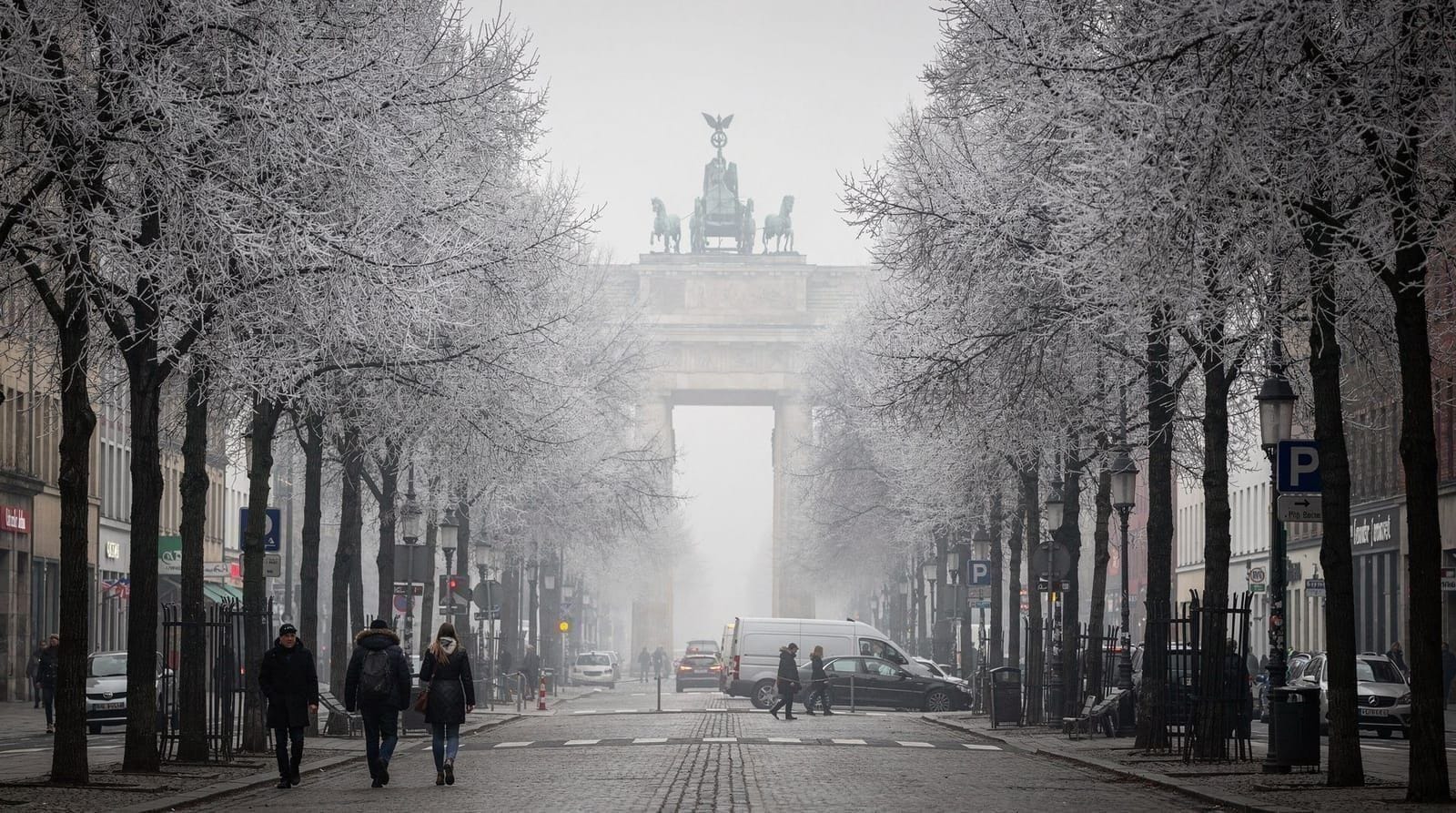
Weather: February in Berlin averages 0–5°C, with occasional snow or sleet. The queues for premieres can mean standing outside for 30–45 minutes. Dress warmly: proper winter coat, hat, gloves, and waterproof boots.
Programme: The full programme is published on berlinale.de about 2 weeks before the festival. Programme booklets are available free at venues during the festival. The Berlinale app covers schedules, venue maps, and ticket booking.
The Berlinale in Berlin’s cultural calendar
The Berlinale is the first major international film festival of any year. Its timing in February means it sets early critical tone for European and international cinema’s award season.
For visitors to Berlin, it represents one of the few times when the city’s cultural life and international media attention converge in a way that is genuinely accessible to ordinary visitors — unlike, say, Cannes, where public access to key events is extremely limited.
The film programme often reflects Berlin’s particular political sensibility: the festival has historically shown films from conflict zones, refugee stories, politically sensitive subjects, and formally challenging work that Cannes or Venice might find too niche. This gives the Berlinale its character as a socially engaged festival rather than primarily a glamour event.
What else is worth doing in Berlin in February
February is low season for Berlin tourism, which has significant advantages: shorter queues at museums, lower hotel prices outside Berlinale weeks, and a more local atmosphere in restaurants and bars.
The major indoor cultural sites are fully operational: Museum Island (remember the Pergamonmuseum’s main hall is closed until at least June 2027 — see the Pergamon museum 2026 status guide for alternatives), the Jewish Museum, the Topography of Terror, the DDR Museum.
For guidance on visiting Berlin in winter including what to expect and how to dress, see the Berlin in winter guide.
Where to stay for the Berlinale
Charlottenburg, closest to Zoo Palast, is the most convenient base but also the most expensive during festival weeks — book 3–6 months ahead if you want to stay within walking distance of the main venue. Mitte and Prenzlauer Berg are more affordable while remaining well-connected by U-Bahn to all venues; see the Berlin where to stay guide and the Charlottenburg neighbourhood guide for a fuller comparison of each area’s character. Whichever district you choose, factor in that February evenings mean walking back from late screenings in the cold — proximity to a well-lit U-Bahn or S-Bahn station matters more than usual.
Filling the days between screenings
Not every hour of a Berlinale trip needs to be inside a cinema. If you have gaps between screenings, a guided walking tour is a low-effort way to see the city’s landmarks without much planning, and works well fitted around a festival schedule.
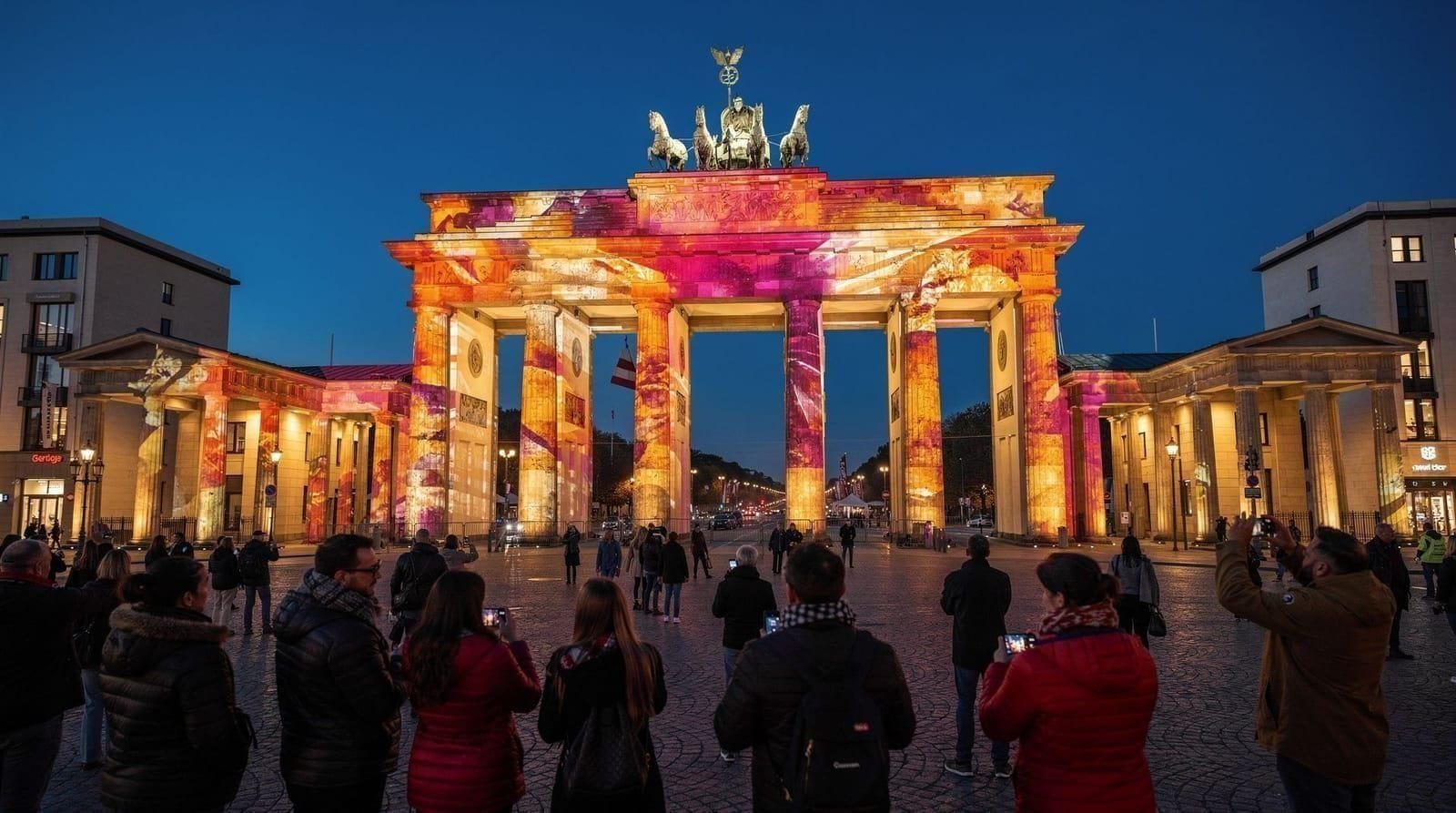
Berlin guided walking tour in English — Brandenburg Gate, Reichstag and central landmarksFor a longer view of how to structure a Berlin trip beyond the festival itself, see the Berlin trip planning guide.
Frequently asked questions about Berlinale guide
When is the Berlinale held?
The Berlinale (Berlin International Film Festival) runs for 10 days in February, typically beginning in the second week of the month and ending around 23 February. The exact dates shift slightly each year — in 2025 it ran from 13 to 23 February. Dates for the following year are announced by the festival in autumn.Where does the Berlinale take place?
The main competition screenings take place at the Berlinale Palast (Zoo Palast) near the Zoologischer Garten station in Charlottenburg, and at the Friedrichstadt-Palast and other venues in Mitte. The Berlinale Palast on Potsdamer Platz was the historical main venue; the festival moved its Competition section to Zoo Palast from 2021. Various cinemas across Berlin host section screenings.What is the difference between the Competition and the other sections?
The Competition section contains the films competing for the Golden Bear and Silver Bears — typically around 20 films. Other sections include Panorama (LGBTQ+ and arthouse focus), Forum (experimental and documentary), Berlinale Series (prestige TV), Encounters (more experimental competition), and Generation (films for young audiences). Public tickets are available for all sections, not only the Competition.Do you need industry accreditation to attend the Berlinale?
No. The Berlinale is one of the most public-facing major film festivals. Industry accreditation gives priority access to premieres and screenings, but most screenings are also sold to the general public. Public tickets go on sale about 10 days before the festival opens. Some premieres and galas are exclusively for accredited press and industry, but the majority of the programme is accessible.Is the Golden Bear ceremony open to the public?
The Golden Bear Award Ceremony (closing ceremony) is not generally open to the public — it is a ticketed industry event. However, the red carpet on the Berlinale Palast (Zoo Palast) steps is visible from the street during Competition premieres. Some of the section award ceremonies are more accessible.How much do Berlinale tickets cost?
Public tickets for regular screenings cost €9–14. Special screenings, gala premieres, and series events cost up to €17. A day pass covering multiple screenings at a reduced per-film rate is available. Industry and press tickets are separate. Student discounts apply at some venues.What should I wear to the Berlinale?
For regular daytime screenings, smart casual is standard. For evening gala premieres and red-carpet events, guests typically wear formal attire, but there is no enforced dress code for public ticket holders. The February weather in Berlin is cold (0–5°C average, sometimes below zero), so a warm coat is essential for outdoor queues.