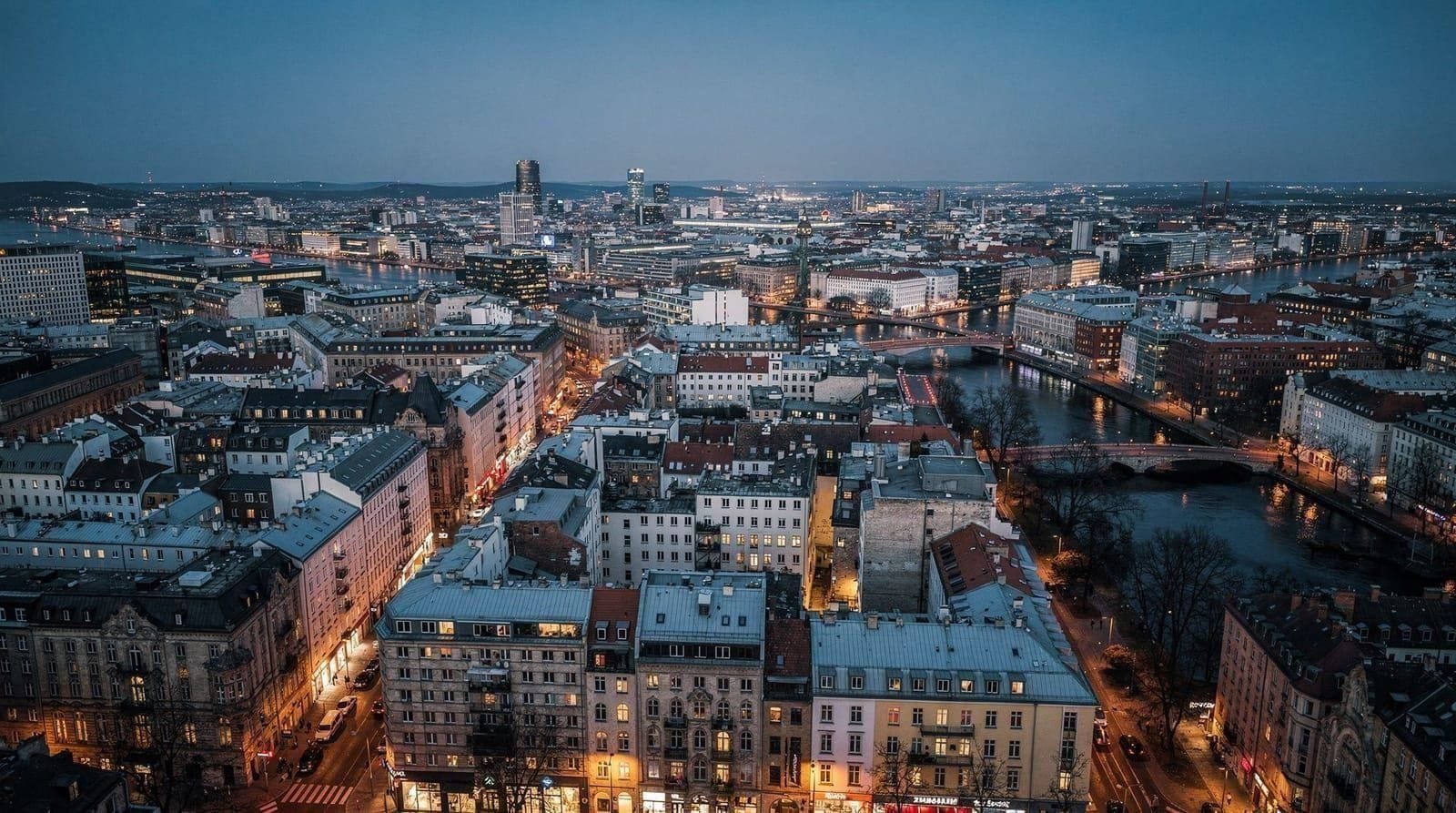
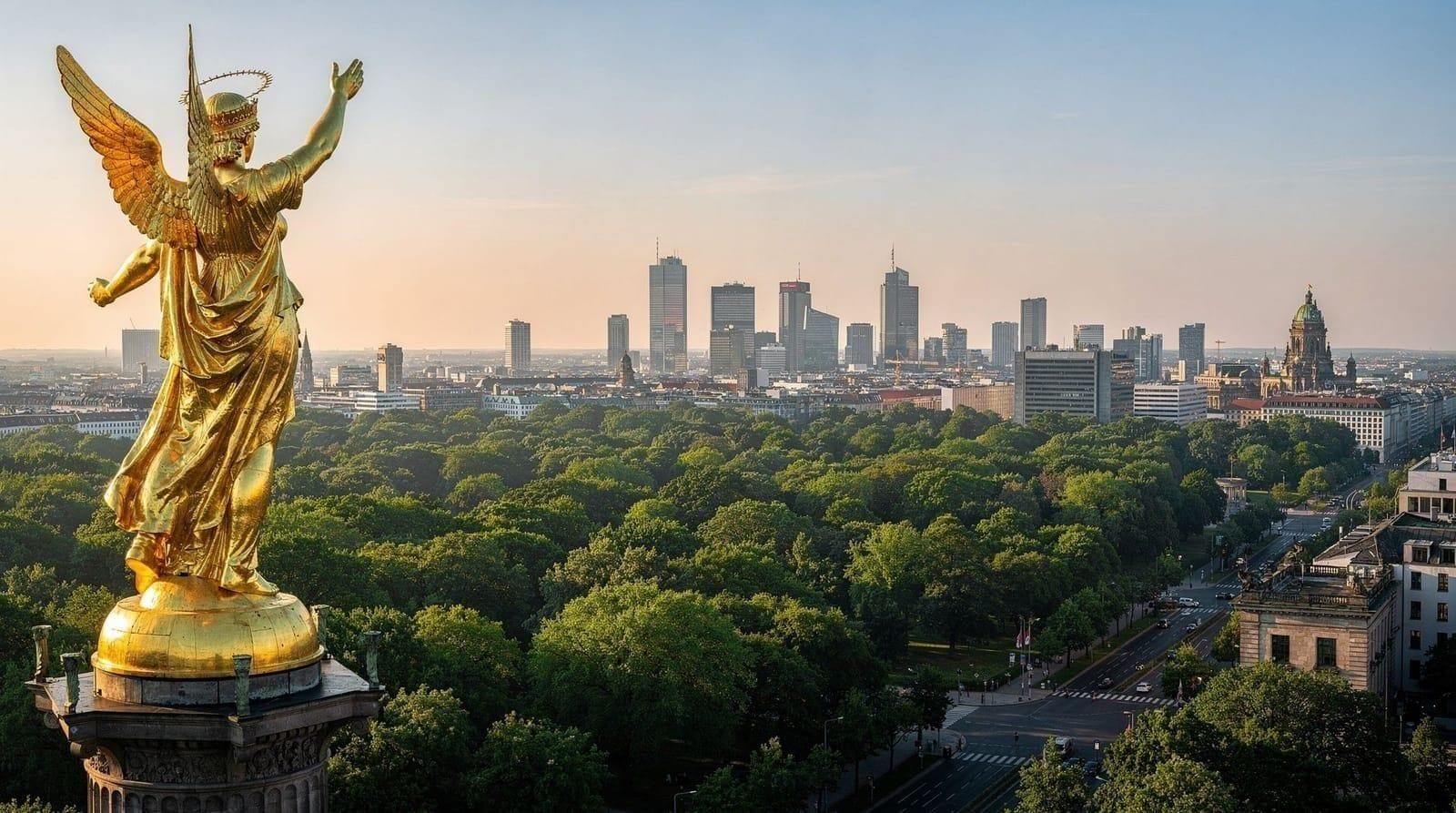
Berlin trip planning guide — everything you need before you go
Berlin: Discover Berlin Half-Day Walking Tour
How do I plan a trip to Berlin?
Start by fixing your dates (shoulder season April–May or September–October beats peak summer crowds). Budget €80–150/day mid-range. Book Reichstag and any popular museum tickets at least 2 weeks ahead. Buy a BVG 7-day AB ticket on arrival — it covers all zones inside the city ring. Most Berlin sights need no advance booking; the city rewards spontaneous exploration.
How do you plan a trip to Berlin? Fix your dates in shoulder season (April–May or September–October) for the best balance of weather and crowds. Budget €100–140/day mid-range. Reserve the Reichstag dome online as far ahead as possible. Buy a BVG 7-day AB ticket on arrival. Beyond those steps, Berlin is one of Europe’s most accessible cities to navigate independently — most of what makes it extraordinary requires no booking at all.
| Best time | April-May or September-October, shoulder season |
| Time needed | 3 days minimum, 5-7 for depth |
| Daily budget | Around €60-80 budget / €100-150 mid-range |
| Book ahead | Reichstag dome (free, bundestag.de), Berlinale/Pride hotels |
| Getting around | BVG 7-day AB ticket, around €36.50 |
Step 1 — Fix your travel window
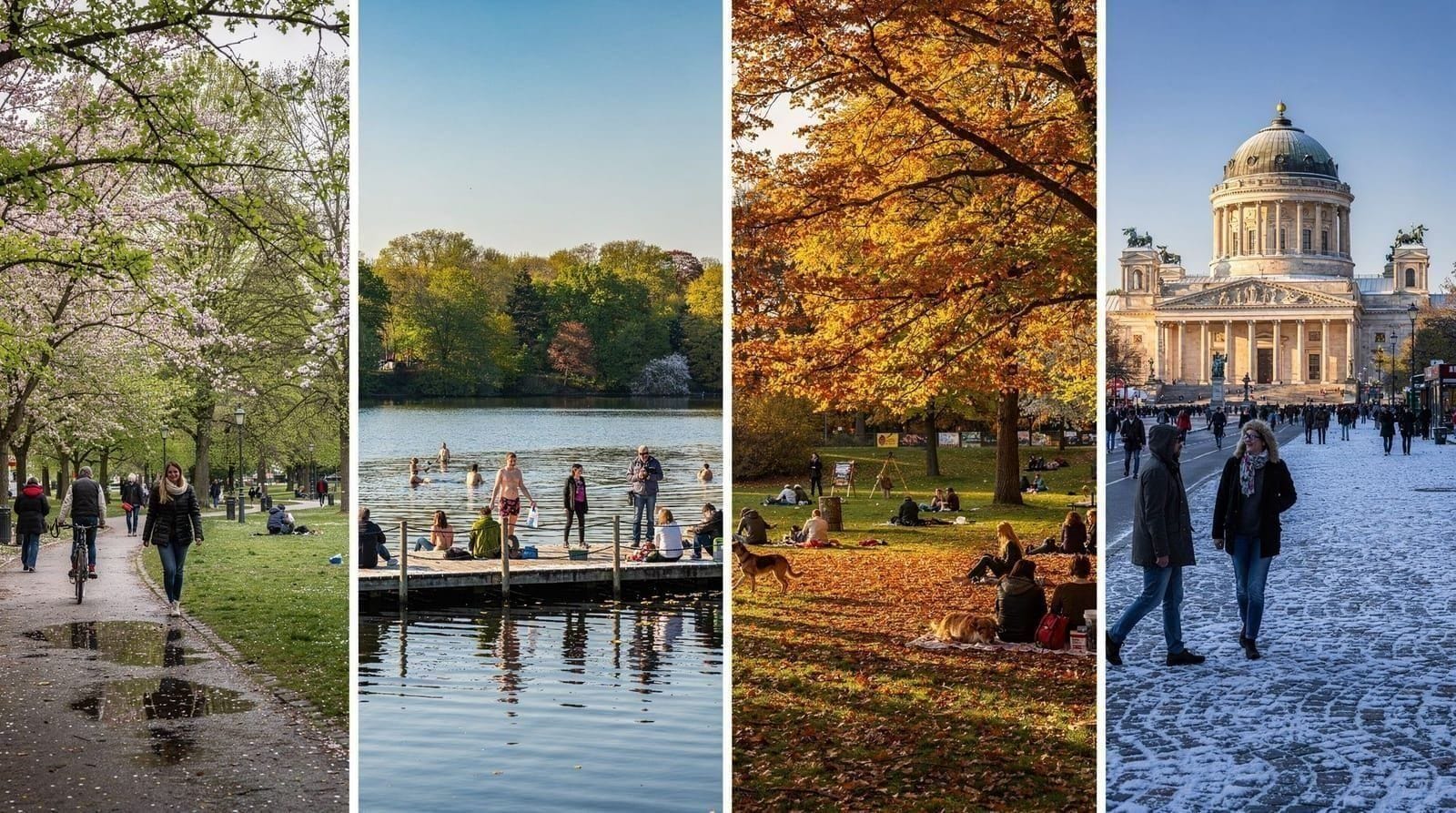
Your first decision shapes everything else. Berlin has distinct seasons that affect price, crowds, and what you can do:
April–May (spring): Temperatures 8–18°C. Cherry blossoms in the Tiergarten and along Unter den Linden. Museums quiet on weekdays. Hotel rates 20–30% below summer peak. Recommended for first-timers.
June–August (summer): Long days (sunset 9:30 pm in June), outdoor festivals, terrace bars, lake swimming at Wannsee and Müggelsee. Also the peak of tourist volumes — Museum Island queues are long, and accommodation costs spike around Christopher Street Day (CSD Pride, late June). Book early.
September–October (autumn): Berlin Art Week in September, Festival of Lights in October. Fewer tourists than summer, still pleasant weather, outdoor biergartens still open into early October. Second-best window after spring.
November–March (winter): Christmas markets (late November–December) justify a December visit if you plan carefully. January–February is the quietest and cheapest period; the Berlinale International Film Festival (mid-February) is the exception, with hotels filling fast.
For a full breakdown including event calendar, see the best time to visit Berlin guide.
Season-by-season quick reference:
| Season | Weather | Crowds | Notable |
|---|---|---|---|
| Spring (Apr-May) | 8-18°C, mild | Low-moderate | Cherry blossoms, hotel rates lowest of the warm months |
| Summer (Jun-Aug) | Warm, long days | Peak | Lake swimming, festivals, book early around CSD Pride |
| Autumn (Sep-Oct) | Mild, cooling | Moderate | Festival of Lights, still pleasant outdoor season |
| Winter (Nov-Mar) | Cold, short days | Low except Feb | Christmas markets, Berlinale mid-February |
Step 2 — Decide how long to stay
The number of days determines the rhythm of your trip. As a rough guide:
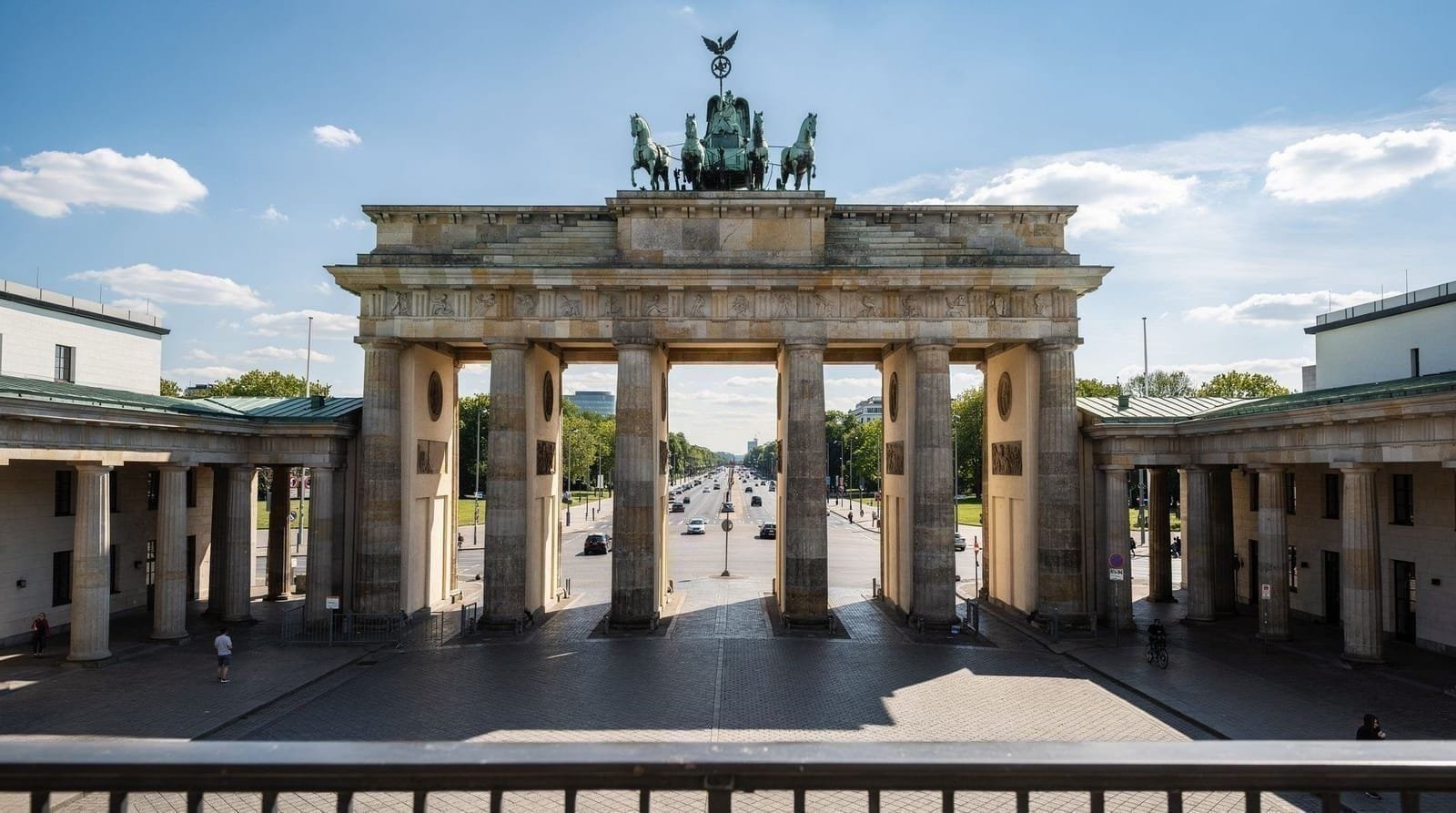
- 2 days: Brandenburg Gate, Museum Island (Neues Museum + Altes Museum), East Side Gallery, Checkpoint Charlie. Rushed but doable.
- 3 days: All of the above at a comfortable pace, plus one neighbourhood (Kreuzberg or Prenzlauer Berg) and a half-day at the Berlin Wall Memorial on Bernauer Strasse.
- 4–5 days: Adds Sachsenhausen, a day in Potsdam, deeper museum exploration (Topography of Terror, DDR Museum), and one evening of nightlife.
- 6–7 days: Full immersion — Spreewald, Dresden day-trip, unhurried neighbourhood wandering, the full Cold War trail.
For specific day-by-day breakdowns, see the how many days in Berlin guide and the Berlin itinerary ideas guide.
Step 3 — Set your budget
Berlin is mid-priced for a capital city but varies enormously by how you travel. The honest figures for 2026:
Budget (hostel + street food): €60–80/day
Mid-range (2-star hotel + sit-down meals): €100–150/day
Comfortable (3-4 star hotel + restaurants): €180–250/day
Major cost drivers: accommodation (hostels from €25/night, 3-star hotels from €90), museum passes (€10–15 each), and guided tours (€20–50). Public transport is efficient and cheap. For a full cost breakdown by travel style, see the Berlin budget guide.
Step 4 — Choose your neighbourhood to stay
Where you base yourself affects how you use the city. A summary:
- Mitte: Central, expensive, close to Museum Island and government district. Best for first-timers who want walkability to the main sights.
- Kreuzberg: Hip, multicultural, strong food and bar scene. Good for those who want the alternative Berlin alongside history.
- Prenzlauer Berg: Quieter, family-friendly, nice cafés. Good for repeat visitors wanting residential character.
- Charlottenburg: West Berlin’s upscale quarter, quieter, close to the KaDeWe department store and Charlottenburg Palace. Good for luxury stays.
- Friedrichshain: Young, cheap, close to the East Side Gallery and club scene.
For detailed neighbourhood comparisons with hotel categories and price ranges, see where to stay in Berlin and the Berlin areas guide.
Step 5 — Plan your transport
Getting into the city from BER airport: The FEX express train runs from BER Terminal 1 to Berlin Ostbahnhof in 30 minutes (€4.20 with an AB zone ticket or included in a Berlin WelcomeCard ABC zone). S-Bahn S9 is slower (45–50 min) but runs more frequently. Taxis to central Berlin: €40–60.
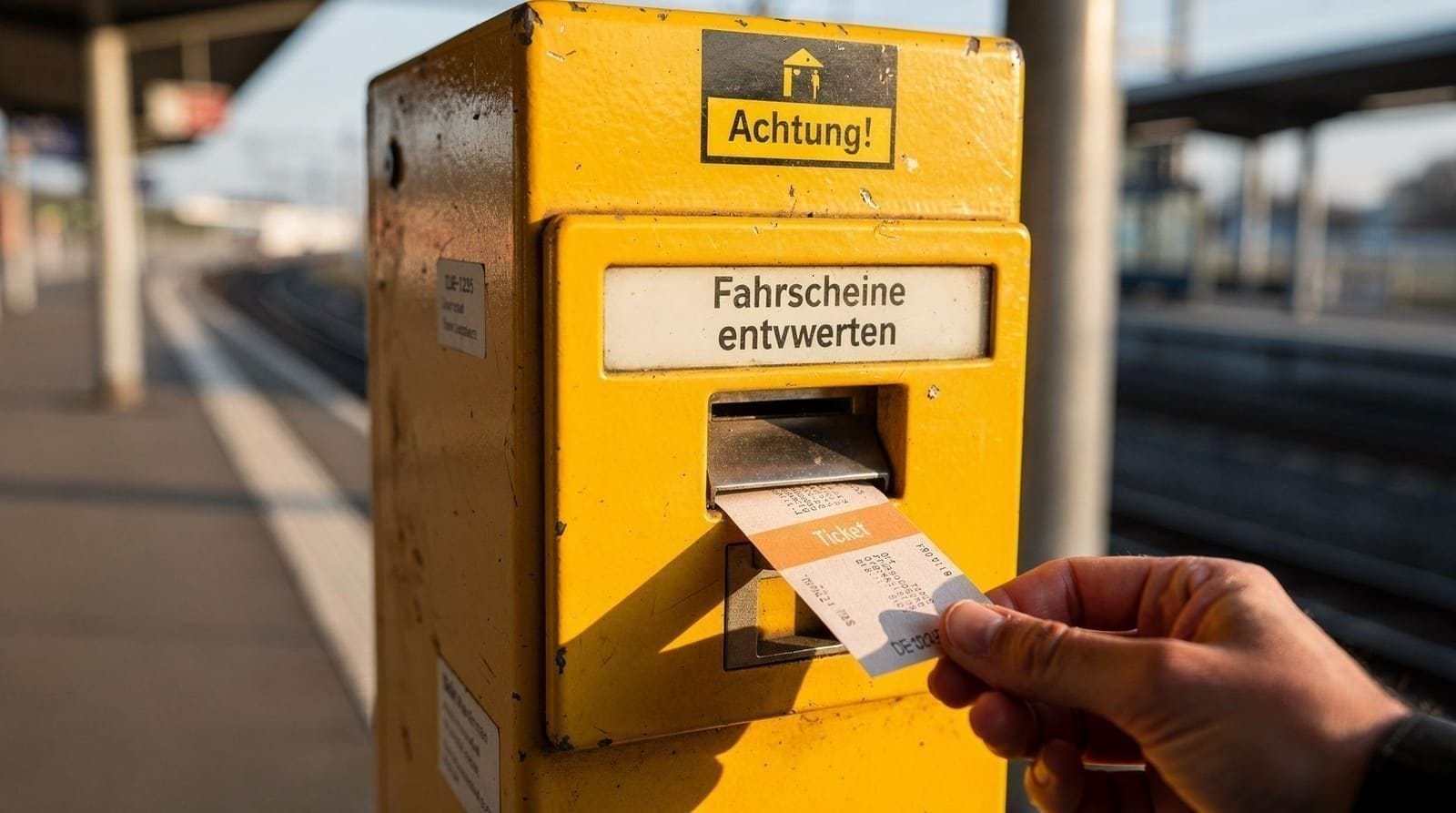
Within the city: The BVG network (U-Bahn, S-Bahn, tram, bus) covers the entire city. A 7-day AB zone ticket costs €36.50 and covers unlimited travel within the city ring. Zone ABC (€44) adds Potsdam, Schönefeld/BER airport, and Oranienburg (Sachsenhausen). Buy tickets at station machines or the BVG app. Always validate (stamp) your ticket before boarding — plain-clothes inspectors operate regularly, and the fine for riding without a valid ticket is €60.
Cycling: Berlin is largely flat and well-supplied with cycle lanes. Rental bikes are available throughout the city. Cycling is particularly practical in summer for crossing the Tiergarten or reaching the East Side Gallery from Mitte.
For full details on routes and fares, see the Berlin public transport guide and the BER airport to city centre guide.
Step 6 — Book what needs booking
Most of Berlin requires no advance booking. The exceptions:
Reichstag dome: Free entry but mandatory online registration at bundestag.de. Book 3–4 weeks ahead in summer. Walk-in slots sometimes appear the morning of, but cannot be relied on.
Pergamonmuseum main building: Closed for renovation until 4 June 2027. Do not attempt to book it. The Pergamon Panorama by Asisi (nearby on Museum Island) is open and does not require advance booking. See the Pergamonmuseum 2026 status guide for current alternatives.
Popular walking tours and day trips: Best booked 5–10 days ahead in July–August.
Hotels during Berlinale (February) and CSD Pride (late June): 2–3 months ahead minimum.
Step 7 — Practical preparation
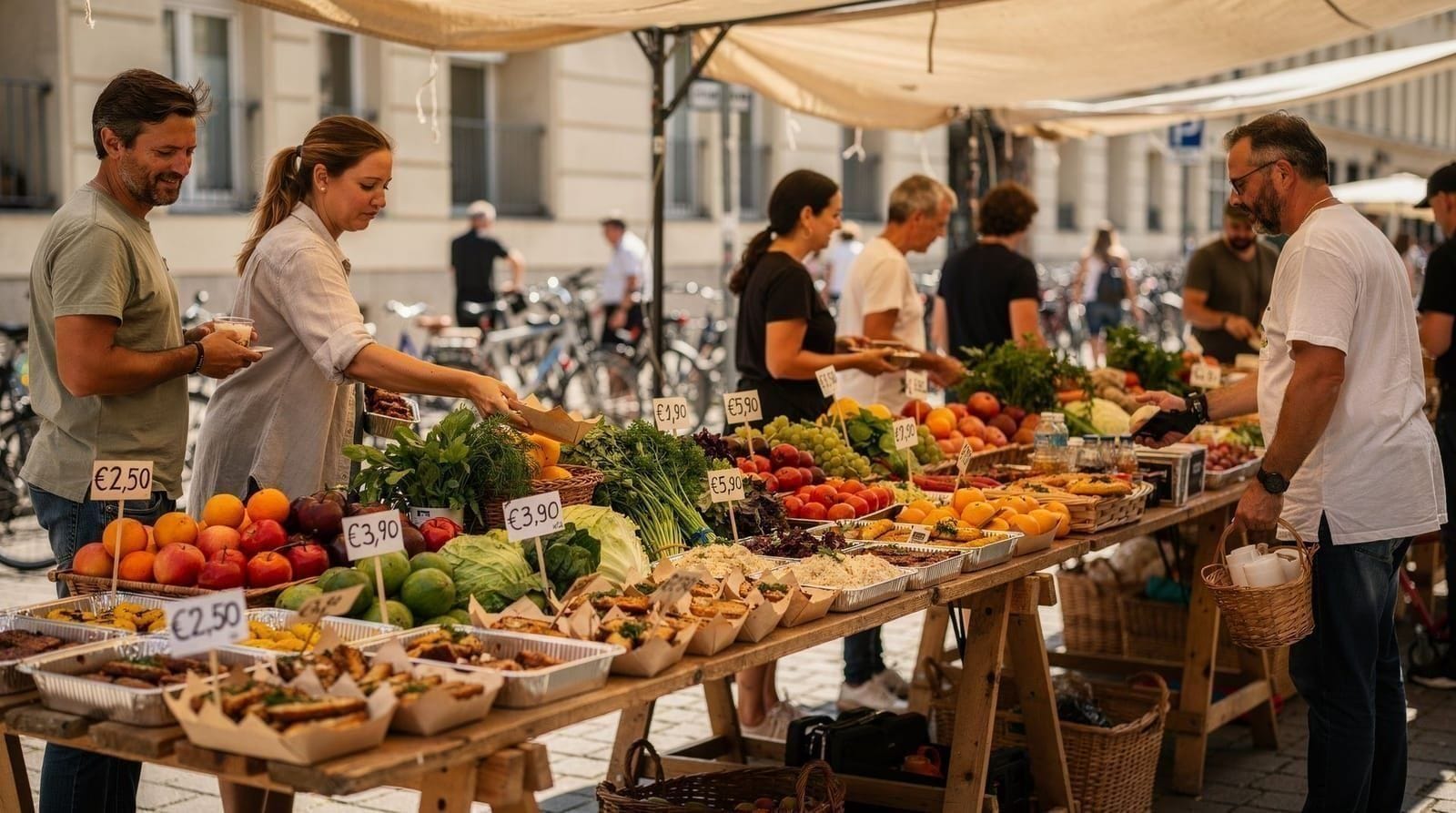
Money: Bring a card with low foreign transaction fees (Revolut, Wise, N26, or your bank’s travel card). Always have €30–50 in cash for bars, clubs, market stalls, and small restaurants. ATMs are common; use bank-branded machines.
SIM card: German prepaid SIMs (Aldi Talk, Lidl Connect, Congstar) work well and are cheap. Buy at a supermarket or electronics store on arrival. EU SIMs from other member states also work without roaming charges.
Electricity: Germany uses Type F plugs (two round pins), 230V/50Hz. US and UK travellers need adapters. UK travellers need a Type F adapter (not just a voltage adapter).
Language: German is essential for navigating residential areas and reading transport displays. Google Translate works well offline once German is downloaded. Basic survival phrases make a real difference in how locals respond to you.
Step 8 — Build your pre-departure checklist
Work through this in the week before you go:
- Passport valid 3+ months beyond return date
- Visa confirmed (if required for your nationality)
- Reichstag dome reservation confirmed (bundestag.de)
- Any guided tours or museum tickets booked
- BVG ticket plan decided (7-day AB or ABC depending on itinerary)
- Cash supply organised
- SIM card or roaming plan arranged
- Hotel/hostel confirmation received
- Offline maps downloaded (Berlin on Google Maps or Maps.me)
- German phrasebook or Google Translate offline pack downloaded
For packing specifics, see the Berlin packing guide.
Your first 24 hours — a realistic sequence
Landing tired and jumping straight into a packed itinerary is the most common planning mistake. A more realistic first day:
Hour 1-2: Clear the airport, buy and validate your transport ticket (or activate one in the BVG app), and get to your accommodation. See the BER airport to city centre guide for the fastest route from your specific terminal.
Hour 2-4: Check in, drop bags, get cash from a bank-affiliated ATM near your hotel. Resist the urge to start with a major museum on zero sleep — a short walk in your neighbourhood is more useful for getting oriented.
Afternoon: An easy, low-commitment introduction — Brandenburg Gate and a walk down Unter den Linden, or a first look at your home neighbourhood — works better than a timed-entry attraction on day one, in case flights run late.
Evening: An early dinner (many good neighbourhood restaurants get busy after 8pm) and an early night. Save the ambitious itinerary for day two, once the jet lag has settled.
Booking priority order
Not everything needs booking, but a handful of things genuinely benefit from being locked in before other plans form around them:
- Reichstag dome — free but mandatory registration; the single most time-sensitive booking on this list.
- Hotel/hostel — especially for Berlinale or CSD Pride dates, where availability disappears months out.
- Any specific day trip (Potsdam, Sachsenhausen, Dresden) — not because slots are scarce, but because fixing the date early makes the rest of the week easier to plan around.
- Popular guided tours in July-August — book 5-10 days ahead in peak season; the rest of the year, a few days’ notice is usually enough.
Everything else — Museum Island (excluding the closed Pergamon main hall), the East Side Gallery, Bernauer Strasse, Checkpoint Charlie’s free elements — can be decided day-of.
The sites you should not miss — and what they cost
A quick reference for the most-visited attractions:
| Site | Entry | Booking needed? |
|---|---|---|
| Brandenburg Gate | Free | No |
| Museum Island (5 museums) | €12–15 each / day pass €29 | No (Pergamon main hall closed) |
| Berlin Wall Memorial, Bernauer Strasse | Free | No |
| East Side Gallery | Free | No |
| Checkpoint Charlie area | Free (museum €15) | No |
| Topography of Terror | Free | No |
| Holocaust Memorial | Free | No |
| Reichstag dome | Free | Yes — bundestag.de |
| DDR Museum | €12.50 | No (queues can be long) |
| Charlottenburg Palace | €12 | No |
| Sachsenhausen (day trip) | Free (guided tours extra) | No |
A note on Berlin’s unique character
Berlin is not a city designed for maximum tourist efficiency. Its power lies in the layers — Cold War, Nazi history, Weimar culture, reunification, 20 years of creative reinvention — that accumulate as you slow down and look. The city rewards walking over scheduling. Getting briefly lost in Kreuzberg or Prenzlauer Berg is not wasted time.
Berlin is also the city of early closing times in the wrong places and startlingly late opening in others. Shops close Sundays (genuinely — plan your grocery shopping for Saturday). Clubs open Thursday or Friday and run until Monday morning. Museums close Mondays (with exceptions). Understanding this rhythm prevents frustration.
For practical tips on exactly this kind of thing, see the Berlin travel tips guide.
Berlin city highlights walking tour — 3.5 hours, English, all major landmarks covered
A general city orientation tour on your first day is worth considering if you have no prior Berlin context. A good guide covers the geography — why things are where they are — in a way that makes the rest of your trip more legible. Look for small-group English tours of 2–3 hours covering Mitte and the government district.
Frequently asked questions about Berlin trip planning guide
How far in advance should I book Berlin?
Reichstag dome visits (bundestag.de, free) must be reserved online — go 3-4 weeks ahead in summer. The Pergamonmuseum main hall is closed until 4 June 2027; no need to book it. Popular guided tours sell out 1-2 weeks ahead in July-August. Hotels can be booked a week out most of the year except Berlinale (February) and Pride (July), when you need 2-3 months.Is Berlin expensive?
By major European capital standards, Berlin is moderate. Eating: a Döner is €4-6, a sit-down meal €12-20, a craft beer €4-5. Museums: €10-15. Public transport 7-day AB ticket €36.50. A realistic mid-range daily budget is €100-140 all-in. Budget travellers can do €60-70/day with hostel dorms and street food.Do I need a visa for Berlin?
EU/EEA citizens need only a national ID. US, Canadian, Australian and UK passport holders can enter Germany visa-free for up to 90 days (UK post-Brexit). Other nationalities need a Schengen short-stay visa applied for at a German embassy. Germany requires passport validity of at least 3 months beyond departure date.What language is spoken in Berlin, and do locals speak English?
German is the official language. In central Berlin, tourist-facing staff at hotels, restaurants, museums, and transport points speak English well. In residential areas (Neukölln, Wedding, outer Lichtenberg) English is less common. Learning basic German greetings (Guten Morgen, Danke, Bitte, Entschuldigung) is appreciated and smooths interactions.What currency does Berlin use, and can I pay by card?
Germany uses the euro (EUR). Berlin is famously cash-friendly — many bars, clubs, and independent restaurants are cash-only. Supermarkets and major restaurants accept cards, but always carry €20-30 in cash. ATMs (Geldautomaten) are widely available; use bank-affiliated machines (Deutsche Bank, Sparkasse, Commerzbank) to avoid high private ATM fees.When is the best time to visit Berlin?
April-May and September-October offer the best mix of mild weather, manageable crowds, and lower hotel prices. July-August is the peak season — longest daylight but heavy tourist volumes and higher rates. December has the Christmas markets but short days. January-February is the quietest and cheapest, with Berlinale in mid-February as the main draw.How many days do I need in Berlin?
Three days covers the major highlights — Museum Island, the Wall sites, Brandenburg Gate, and one neighbourhood deep-dive. Five days adds a day-trip to Potsdam and a slower pace through Kreuzberg and Prenzlauer Berg. A week allows for Sachsenhausen, Spreewald, and genuine neighbourhood immersion. Two days is possible but compressed.