Berlin packing guide — what to bring for variable weather, clubs and day trips
What should I pack for Berlin?
Comfortable walking shoes are the single most important item — you will cover 8–12 km per day on foot. A versatile mid-layer (fleece or light down) works for all but peak summer. Carry cash (€30–50 minimum). Pack a compact rain jacket regardless of season. For clubs, dark and plain clothing is the standard — no sportswear, no tourist gear, no groups in matching outfits. Bring a Type F plug adapter if coming from the US or UK.
What should you pack for Berlin? The honest answer is: less than you think, but with a few specific items that matter more here than in most cities. Walking shoes that can handle cobblestones. A compact rain jacket that works any month. Cash (not just your card). A plug adapter if you’re coming from outside the EU. And if clubbing is on the agenda, specific clothing choices that affect whether you get through the door. This guide covers it all by category.
| Top priority item | Sturdy walking shoes for cobblestones |
| Rain gear | Compact waterproof jacket, any season |
| Cash to carry | Around €30–50 daily minimum |
| Plug type | Type F (Schuko), 230V/50Hz |
| Club dress code | Dark, plain, no sportswear or matching groups |
| Luggage | Backpack over wheeled trolley (cobblestones, stairs) |
The non-negotiables — what not to skip
Walking shoes
This is the single most important item. The average Berlin visitor walks 8–12 km per day. The historic centre around Museum Island, Unter den Linden, and Prenzlauer Berg is extensively cobblestoned. Fashion trainers with thin soles become painful within hours on Pflasterstein cobblestones.
What works:
- Well-cushioned walking trainers (Salomon, Merrell, Hoka, New Balance 990+ series)
- Classic leather or suede trainers with thick soles (Adidas Samba, Nike Air Force 1 — the sole, not the look, is what matters)
- Low hiking shoes for autumn/winter visits
- Chelsea boots for those who prefer a smarter look and will average fewer than 8 km
What doesn’t work:
- Ballet flats or thin-soled fashion shoes (muscle pain by day 2)
- High heels (physically impractical on cobblestones)
- New shoes (break them in before the trip, not on it)
For club visits: dark plain trainers or boots are standard. Pure white trainers are associated with tourist profiles at venues that operate selective door policies.
Rain jacket
Pack a compact waterproof jacket regardless of the season you visit. Berlin has no meaningful dry season — rain days are distributed across all 12 months (9–12 days per month). Summer afternoons often produce brief thunderstorms; autumn and winter bring steady drizzle. A jacket that packs into its own pocket saves luggage space.
Cash
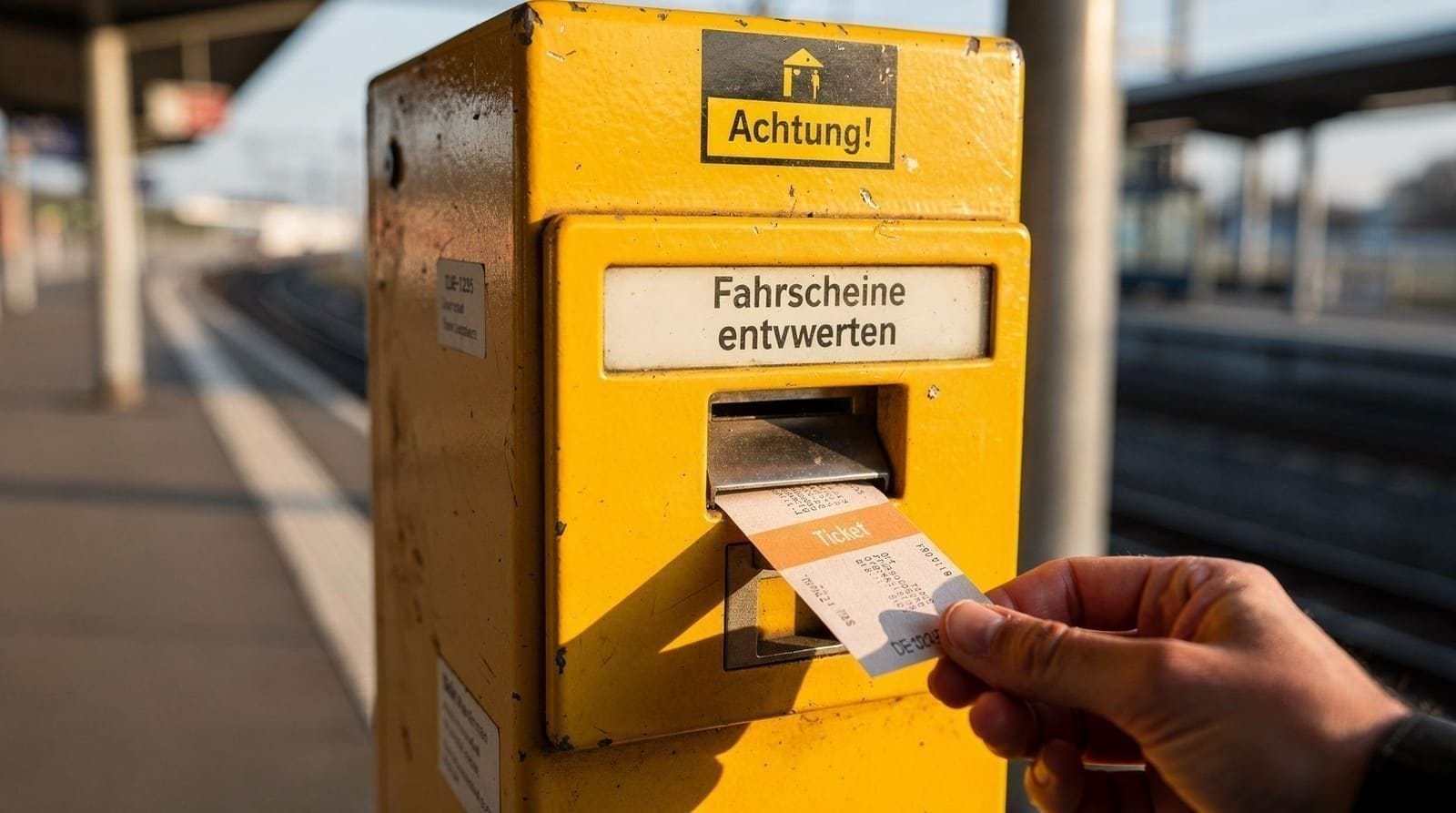
Covered in detail in the Berlin travel tips guide, but the short version: carry €30–50 at all times. Many bars, clubs, Imbiss stands, and market stalls are cash-only. Clubs (Berghain, Tresor, Watergate) are cash at the door and at the bar. BVG ticket machines at older stations take coins only. Cards are fine for supermarkets and hotels.
Phone with offline maps
Download Berlin on Google Maps or Maps.me before you go. Signal is generally good on the U-Bahn platform level (less so in some tunnels). Having the offline map means you can navigate without data at any point.
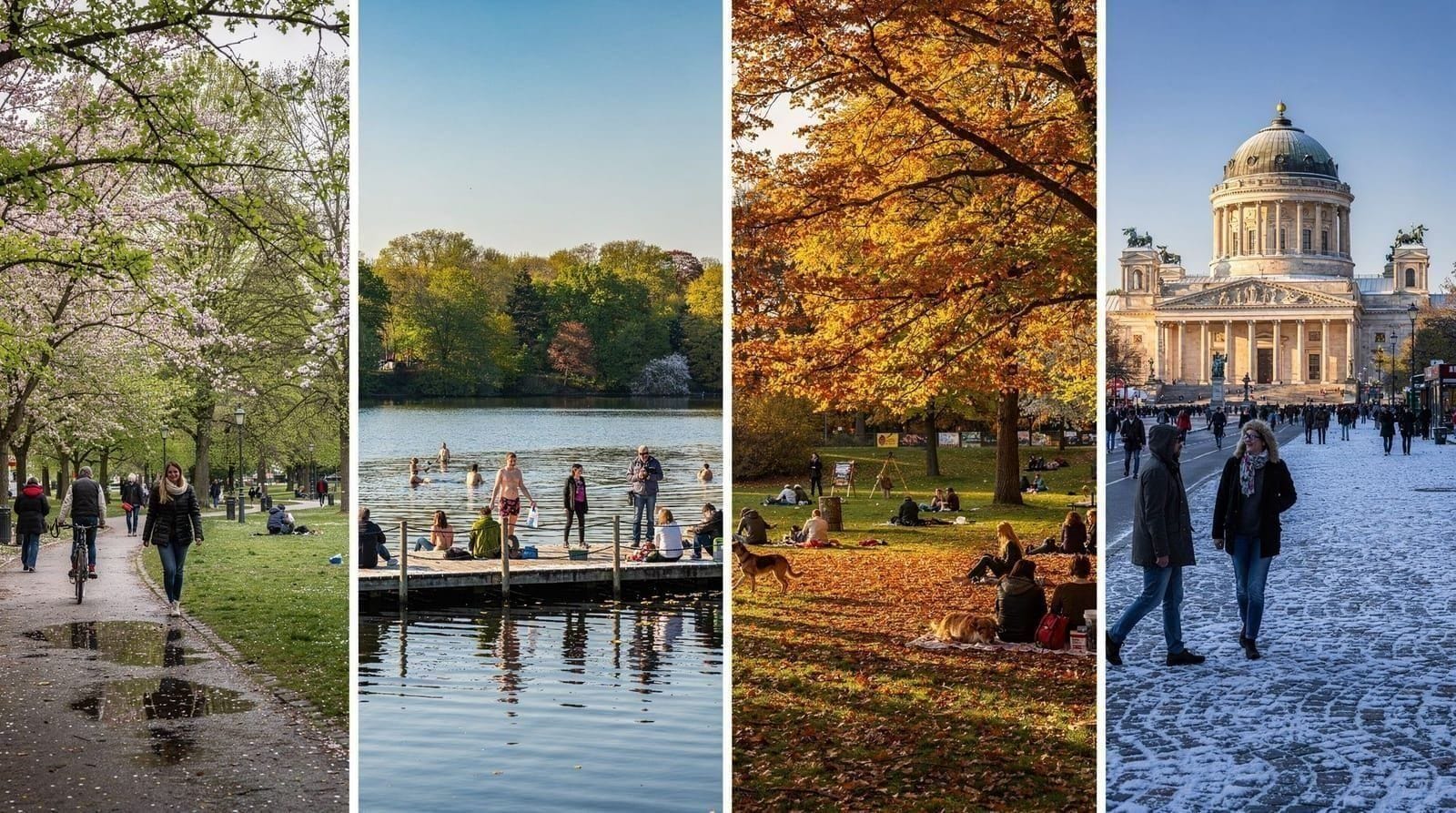
Seasonal packing by month
Spring (April–May)
Temperatures: 8–18°C, variable. Snow occasionally in early April; warm sunny days possible in May.
Pack:
- T-shirts (3–4) + long-sleeve shirts (2)
- Light to mid-weight jeans or trousers
- A fleece or light cardigan for mornings and evenings
- A mid-weight jacket or light down jacket
- Compact rain jacket
- Walking shoes
- One pair of smarter shoes if dining out is planned
Leave behind: Heavy winter coat (April onwards), thick wool sweaters, sandals (too cold and cobblestones)
Summer (June–August)
Temperatures: 20–30°C, occasional heatwaves to 35°C+. Long days (sunset 9:30 pm in June).
Pack:
- T-shirts (4–5) and lightweight shirts
- Shorts or light trousers
- A light layer for air-conditioned museums (they can be cold)
- Compact rain jacket (summer thunderstorms)
- Sunscreen SPF 30+
- Sunglasses
- Reusable water bottle
- Swimwear if visiting lakes (Wannsee, Müggelsee)
- Flip-flops for lake beaches
- Walking shoes (trainers)
Note on summer club nights: Even in 30°C+ weather, clubs like Berghain have no AC and are extremely hot inside. Wear light clothing you don’t mind sweating in. Some people bring a change of top.
Autumn (September–October)
Temperatures: 10–18°C in September, 8–13°C in October. First frost possible late October.
Pack:
- Layers: T-shirts + long-sleeved shirts + a mid-weight sweater
- A proper jacket (not just a fleece — rain and wind are common)
- Waterproof shoes or a pair with good grip for wet cobblestones
- Light scarf
- Walking shoes
October specifically: Temperatures drop faster than visitors typically expect. A warm mid-layer is essential; the Festival of Lights is experienced on foot outdoors after dark.
Packing by season at a glance
| Season | Avg. temp | Essential item | Skip |
|---|---|---|---|
| Spring (Apr–May) | 8–18°C | Fleece + mid-weight jacket | Heavy winter coat |
| Summer (Jun–Aug) | 20–30°C | Swimwear, sunscreen, light layer for AC | Heavy jackets |
| Autumn (Sep–Oct) | 8–18°C | Waterproof shoes, proper jacket | Sandals |
| Winter (Nov–Feb) | -3–5°C | Rated winter coat, thermal base layer | Light jackets alone |
For a deeper seasonal breakdown beyond packing specifically — crowds, pricing, and what each season is actually like to visit — see Berlin in summer, Berlin in winter, and the best time to visit Berlin.
Winter (November–February)
Temperatures: -3°C to 5°C on average; occasional weeks below -10°C.
Pack:
- Warm winter coat (rated to at least -10°C if visiting January/February)
- Thermal underlayer (base layer top and bottom)
- Mid-layer fleece or down jacket worn under the outer coat
- Waterproof boots — ideally warm-lined
- Hat covering the ears
- Gloves (preferably waterproof or touchscreen-compatible)
- Scarf
- Warm socks (wool or synthetic)
- Lip balm (winter air is very dry)
December Christmas market visits: Markets run outdoors in wind and cold. Dress for a skiing trip, not a dinner out.
Clubbing-specific packing advice
If Berlin’s club scene is part of the plan, clothing choices have practical consequences:
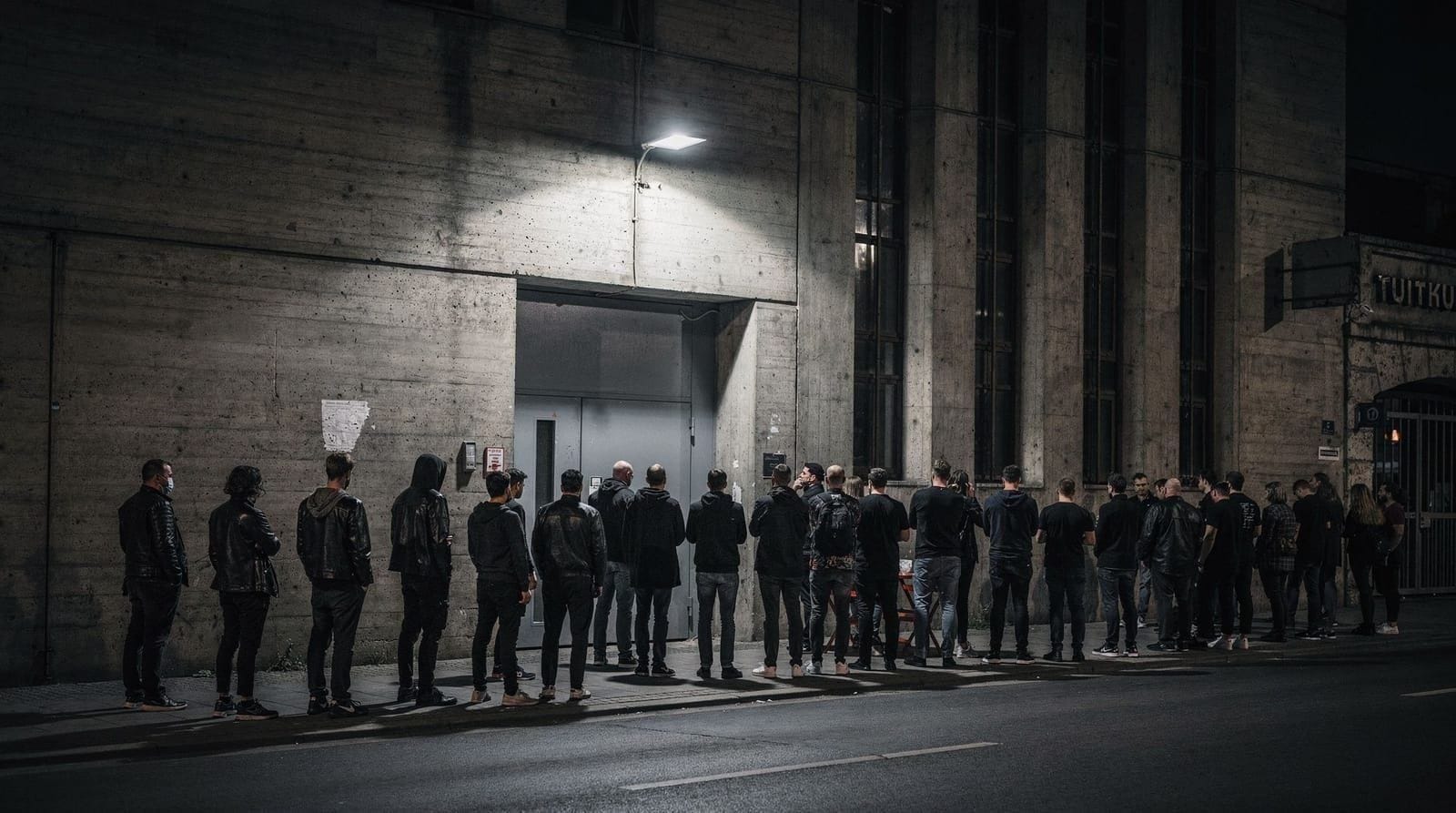
The Berlin club look: Dark, plain, experimental. Black is the baseline at Berghain and Tresor. Leather jackets, technical fabric, experimental silhouettes, and vintage clothing all read as appropriate. The goal is to look like you belong to the local scene, not like you’re on a package night out.
What gets you turned away at door-selective venues:
- Sportswear (sports jerseys, Nike/Adidas tracksuits in obviously matched sets)
- Tourist-branded clothing or souvenir items
- Very formal wear (suits, ties) at underground venues — unless clearly intentional/ironic
- Large matching-outfit groups
What you don’t need to worry about:
- High-fashion or expensive clothing is not a positive signal at Berghain or Tresor
- Looking poor or plain is fine — a plain black t-shirt and dark jeans is standard
- Comfort matters more than style at venues that involve 8+ hours of dancing
Practical club night items:
- Earplugs — serious clubs have serious sound systems. Reusable earplugs (HiFi EarPeace or similar) protect your hearing without removing the audio detail.
- A small bag or pockets for phone and cash. Large bags are often checked in at the cloakroom (€2–3). Phone cameras may be requested to have stickers placed over the lens at some venues.
- Cash — €60–80 minimum for a club night including entry (typically €12–20) and drinks.
For the full club entry guide, see the Berghain guide.
Technology and adapters
Plug adapter: Germany uses Type F (Schuko) sockets — two round pins, 230V/50Hz.
- US/Canada: need a Type F adapter. Also check device voltage — look for “100–240V” on the charger label. If it says “100–240V” it’s dual voltage and needs only the adapter. If it says “120V only” it needs a voltage converter (rare for modern electronics).
- UK: need a Type G to Type F adapter. No voltage conversion needed (both 230V).
- Australia/NZ: need a Type I to Type F adapter; devices are dual-voltage.
- EU (Type C/E/F): generally compatible — Type C and E plugs typically fit Type F sockets.
A universal travel adapter covers all cases and doubles for future trips — worth buying one even if this is a one-off Berlin visit, since Type F sockets are standard across most of continental Europe.
Mobile data: Berlin has excellent 4G/LTE coverage. EU SIM cards work without roaming charges. Non-EU visitors: German prepaid SIMs from ALDI Talk, Lidl Connect, or Congstar are available at supermarkets and cost €5–15 for data-heavy packages. Alternatively, a Fizz or portable WiFi device covers multiple devices.
Portable battery: Useful for long sightseeing days when charging isn’t convenient. Berlin museum gift shops and station kiosks sell charging cables at inflated prices if you forget.
BVG transport app: Download the BVG app before you land — it covers real-time U-Bahn, S-Bahn, tram and bus timing across the whole network, works offline for saved routes, and doubles as a digital ticket purchase option if you would rather not queue at a machine. Combined with offline maps, this removes most of the friction of getting around without asking for directions.
Documents and practical items
Essential documents:
- Passport (validity: at least 3 months beyond return date for most nationalities)
- Visa documentation if required
- Travel insurance confirmation (with 24-hour helpline number noted separately)
- Hotel/hostel booking confirmation (printed or screenshot)
- Return flight/train booking
- EHIC/GHIC card (EU and eligible UK visitors)
Money:
- Your primary payment card (ideally with low foreign transaction fees)
- A backup card on a different network
- €50–80 in euros cash from home (avoids airport exchange rate at arrival)
Health:
- Personal prescription medications (sufficient for trip + a few days buffer)
- Any regular over-the-counter items you rely on — German pharmacies carry equivalents but may have different brand names
- Travel insurance with emergency contact
Practical small items:
- Small day bag or backpack (for museum visits, with a zip — pickpocketing in crowded museums)
- Compact umbrella or rain jacket that packs small
- Reusable water bottle (Berlin tap water is excellent)
- Sunscreen and sunglasses (June–August)
- Hand sanitiser (provided at most museum entries but useful on the go)
What not to bring
Leave behind:
- A full-size suitcase if you’re spending more than 3 days walking the city — Berlin’s cobblestones, U-Bahn stairs, and hostel staircases make large wheeled luggage painful
- Formal dress unless you have a specific fine-dining reservation (even Berlin’s better restaurants have relaxed dress codes)
- Hiking gear — the city has no terrain requiring it; the Spreewald and Grunewald are accessible in trainers
- Multiple guidebooks — one good digital resource is more useful and weighs nothing
- Travel iron — most accommodation provides one, and Berlin’s casual dress culture makes it largely unnecessary
Luggage size advice
Carry-on (cabin bag, 55 x 40 x 20 cm): Sufficient for up to 7 days if you pack efficiently and have laundry access. Most Berlin hostels have washing machines (€3–5 per load). Mid-range hotels may offer laundry service.
Medium checked bag (60–70 L): Standard for 7–14 day trips. Note: some budget airlines serving Berlin (Ryanair to BER, easyJet) have strict cabin bag policies — check before packing a full-size carry-on.
Backpack vs. trolley: In Berlin specifically, a backpack (30–40 L for short trips, 60–70 L for longer) handles the city better than a wheeled trolley. The historic centre’s cobblestones and the U-Bahn’s frequent stairs make wheels more effort than they save.
Packing for specific plans
Day trips (Potsdam, Sachsenhausen, Spreewald): Add a small day pack, a reusable water bottle, and — for Sachsenhausen specifically — weather-appropriate layers, since the memorial site is largely outdoors with limited shelter. Comfortable walking shoes matter even more here than in the city, as day-trip sites tend to involve longer uninterrupted walking stretches without the option of ducking into a café or museum.
A trip built around budget travel: If cost is the main constraint, the packing list barely changes, but plan for self-catering — a reusable water bottle and a compact tote for Späti or supermarket shopping save real money over the length of a trip. The Berlin budget guide covers where that saved money matters most.
A trip built around nightlife: If clubbing is a major part of the plan, pack fewer outfits but choose them more deliberately — two or three genuinely dark, plain options beat a full suitcase of daytime clothing that will not clear a serious door. See the Berlin nightlife neighborhoods guide for how the dress expectations shift by area — Kreuzberg’s bar scene is far more relaxed than Friedrichshain’s door-selective clubs.
Frequently asked questions about Berlin packing guide
What shoes should I wear in Berlin?
Walking shoes or trainers with solid support — not fashion trainers with thin soles. Cobblestone streets dominate in the historic centre, Prenzlauer Berg, and around Museum Island. Sandals work in summer for casual days but are inadequate for a full 10-km sightseeing day. For clubs, plain dark trainers or boots are standard. White trainers and overtly branded sportswear are associated with tourist profiles that clubs turn away.Is there a dress code for Berlin clubs?
Not a formal one, but a strong informal convention. Dark, plain clothing (black is the Berghain default), no sports jerseys, no tourist branded clothing, no large groups in matching outfits. Leather, avant-garde, and experimental looks are welcome at many venues. The idea is that you look like you belong to the local scene, not that you're on a night out as a group activity. Asking your entire group to coordinate outfits in advance is a door-negative signal at serious venues.What do I need for Berlin in winter?
A proper winter coat (rated to at least -10°C), waterproof boots, hat, gloves, and a thermal mid-layer. Berlin winters average -1°C to 5°C but can drop to -15°C in exceptional cold snaps. Most indoor attractions are well-heated, but the outdoor Christmas markets, Wall memorials, and the Tiergarten require genuine winter preparation. Layering is more practical than a single very heavy coat.What do I need for Berlin in summer?
Light clothing for 20–30°C days, a light rain jacket for afternoon thunderstorms, sunscreen, and a reusable water bottle. Summers occasionally hit 35°C+ heatwaves; bring a small hand-held fan and plan indoor museum time during peak afternoon heat. Berlin's lake beaches require a towel, swimwear, and flip-flops.Do I need a power adapter for Berlin?
Germany uses Type F (Schuko) plugs — two round pins, 230V/50Hz. US and Canadian travellers need both an adapter and check that their devices are dual-voltage (most modern electronics are — check the charger label for 100–240V). UK travellers need a Type G to Type F adapter. EU travellers with Type C or E plugs generally fit directly into Type F sockets.Is there anything I should leave at home for Berlin?
Overpacked suitcases — Berlin is largely navigated on foot and by U-Bahn stairs, rarely by escalator. Large wheeled suitcases are impractical on cobblestones. A medium backpack or carry-on trolley is more practical. Formal dress is rarely needed unless you have a specific restaurant booking at a fine dining venue. Camping gear for outdoor attractions is unnecessary — all the main sites are easily accessed by public transport.