Berlin budget guide — real 2026 costs for backpackers, mid-range and luxury
Berlin WelcomeCard: Discounts & Transport Berlin Zones (AB)
How much does a trip to Berlin cost per day?
Budget travellers can manage €55–70/day (hostel dorm, street food, free museums). Mid-range costs €100–150/day (2-3 star hotel, sit-down meals, paid attractions). Comfortable travel runs €200–280/day (4-star hotel, restaurants, occasional tours). Accommodation is the biggest variable; food and transport remain reasonable at every level.
How much does Berlin cost? The honest answer depends on your travel style, but Berlin is genuinely mid-range for a major European capital. The gap between a budget trip and a comfortable trip here is smaller than in London or Paris — because so much of what makes Berlin worthwhile is free. This guide gives you real figures, not aspirational ones.
| Where | Applies city-wide; cheapest stays in Lichtenberg, Neukölln, Wedding |
| Cost | around €55–75/day budget, €100–150/day mid-range |
| Time needed | Figures below assume a 3–5 day trip |
| Getting there | BVG U-Bahn/S-Bahn network, 7-day AB ticket €36.50 |
| Best time | January–February for the lowest hotel prices |
Daily budget summary by profile
Budget traveller — €55–75/day
This is achievable with genuine discipline. The major constraint is accommodation; a hostel dorm bed in a decent location costs €20–30/night. Below is a realistic daily breakdown:
| Category | Daily cost |
|---|---|
| Hostel dorm | €22–28 |
| Breakfast (Bäckerei, coffee + pastry) | €4–6 |
| Lunch (Döner or Currywurst) | €5–7 |
| Dinner (Vietnamese/Turkish restaurant, Neukölln or Wedding) | €9–13 |
| Drinks (two beers at a Spätkauf or biergarten) | €5–8 |
| Transport (7-day ticket averaged per day) | €5–6 |
| Sightseeing (mixing paid and free) | €5–12 |
| Total | €55–80 |
Berlin’s free attraction list is substantial enough that a budget traveller can spend 3–4 days hitting primarily free sites before needing to pay for anything significant.
Mid-range traveller — €100–150/day
The mid-range experience in Berlin is very good value compared to western European capitals. A private room in a 2–3 star hotel or boutique hostel in Mitte or Kreuzberg costs €70–110/night. The gap from budget to mid-range is mostly in accommodation and adding restaurant meals for every sitting.
| Category | Daily cost |
|---|---|
| Hotel (2–3 star, private room) | €70–100 |
| Breakfast (café, full) | €8–12 |
| Lunch (restaurant, main course) | €12–16 |
| Dinner (restaurant, two courses + glass of wine) | €22–30 |
| Drinks (two cocktails or craft beers at a bar) | €14–18 |
| Transport | €5–6 |
| Sightseeing (1-2 paid museums or guided tour) | €15–25 |
| Total | €146–207 |
The mid-range traveller can afford a guided walking tour (€15–25), a paid museum most days, and drinks at a proper bar without anxiety.
Comfortable/luxury — €200–350/day and above
Four-star hotels in Mitte or Charlottenburg start at €150–200/night in shoulder season and €250+ in peak summer. Michelin-starred or aspirational restaurants add significantly. Guided private tours (€150–300 for half-day private) push daily costs up quickly.
| Category | Daily cost |
|---|---|
| Hotel (4-star, central) | €160–260 |
| Breakfast (hotel or upscale café) | €15–25 |
| Lunch (restaurant) | €20–35 |
| Dinner (wine, multiple courses) | €60–120 |
| Drinks | €20–40 |
| Transport (occasional taxi) | €15–25 |
| Sightseeing/tours | €30–80 |
| Total | €320–585 |
Note: Berlin has a very short list of truly luxury restaurants with multi-year reputations. Coda Dessert Dining (2 Michelin stars), Rutz (2 stars), and Nobelhart & Schmutzig are the most serious — book 4–8 weeks ahead.
Accommodation costs in detail
Accommodation is the single biggest variable in any Berlin budget. Price ranges for 2026 peak season (July–August):
| Type | Price range per night |
|---|---|
| Hostel dorm (6–10 bed) | €18–32 |
| Hostel private room | €55–90 |
| Budget hotel (2-star, outer areas) | €65–90 |
| Mid-range hotel (3-star, central) | €90–160 |
| Boutique hotel (Mitte, Prenzlauer Berg) | €130–220 |
| 4-star hotel (central) | €180–300 |
| 5-star hotel | €280–600 |
Prices drop 30–40% in January–February (excluding Berlinale). Shoulder season (April–May, September–October) sits 15–25% below peak.
Neighbourhoods and cost: The cheapest areas with good transport are Lichtenberg, Marzahn-Hellersdorf, and outer Neukölln. Mitte, Prenzlauer Berg, and Charlottenburg command premiums. Kreuzberg and Friedrichshain offer a mid-range of price and character.
Food and drink — real prices
Street food:
- Döner Kebab at a local Imbiss: €4–6 (avoid tourist-area Döner: €7–10 for the same thing)
- Currywurst (Berlin standard): €3–5 at Konnopke’s (Prenzlauer Berg) or Curry 36 (Kreuzberg)
- Falafel wrap (Kreuzberg specialty): €4–5
- Bratwurst at a market stall: €3–4
Cafés and breakfast:
- Coffee (Filterkaffee, the standard): €2–3
- Flat white or specialty coffee: €3.50–5
- Croissant/pastry at a Bäckerei: €1.50–3
- Full breakfast at a café (eggs, bread, juice, coffee): €9–14
Restaurants:
- Lunch main course: €10–16
- Dinner main course: €14–22
- Set lunch menus (Mittagstisch): €8–12 — genuinely good value at neighbourhood spots
- Craft beer at a bar: €4–5.50 (330ml–500ml)
- Glass of house wine at a restaurant: €5–7
- Cocktail at a proper bar: €10–14
Supermarkets (self-catering):
- ALDI, LIDL, REWE, Kaufland are the main chains. A full self-catered breakfast for two from REWE costs €4–6. Supermarkets close Sundays — stock up on Saturday.
Transport costs
| Ticket | Price (2026) |
|---|---|
| Single AB zone ticket | €3.50 |
| Single ABC zone ticket | €4.40 |
| 1-day AB ticket (Tageskarte) | €9.90 |
| 7-day AB ticket | €36.50 |
| 7-day ABC ticket (covers BER, Potsdam, Sachsenhausen) | €44.00 |
| BVG Monthly AB | €86.00 |
| Airport express FEX (to/from BER) | Included in ABC ticket; €4.40 otherwise |
| Taxi within city centre | €10–20 |
| U-Bahn fine for riding without valid ticket | €60 |
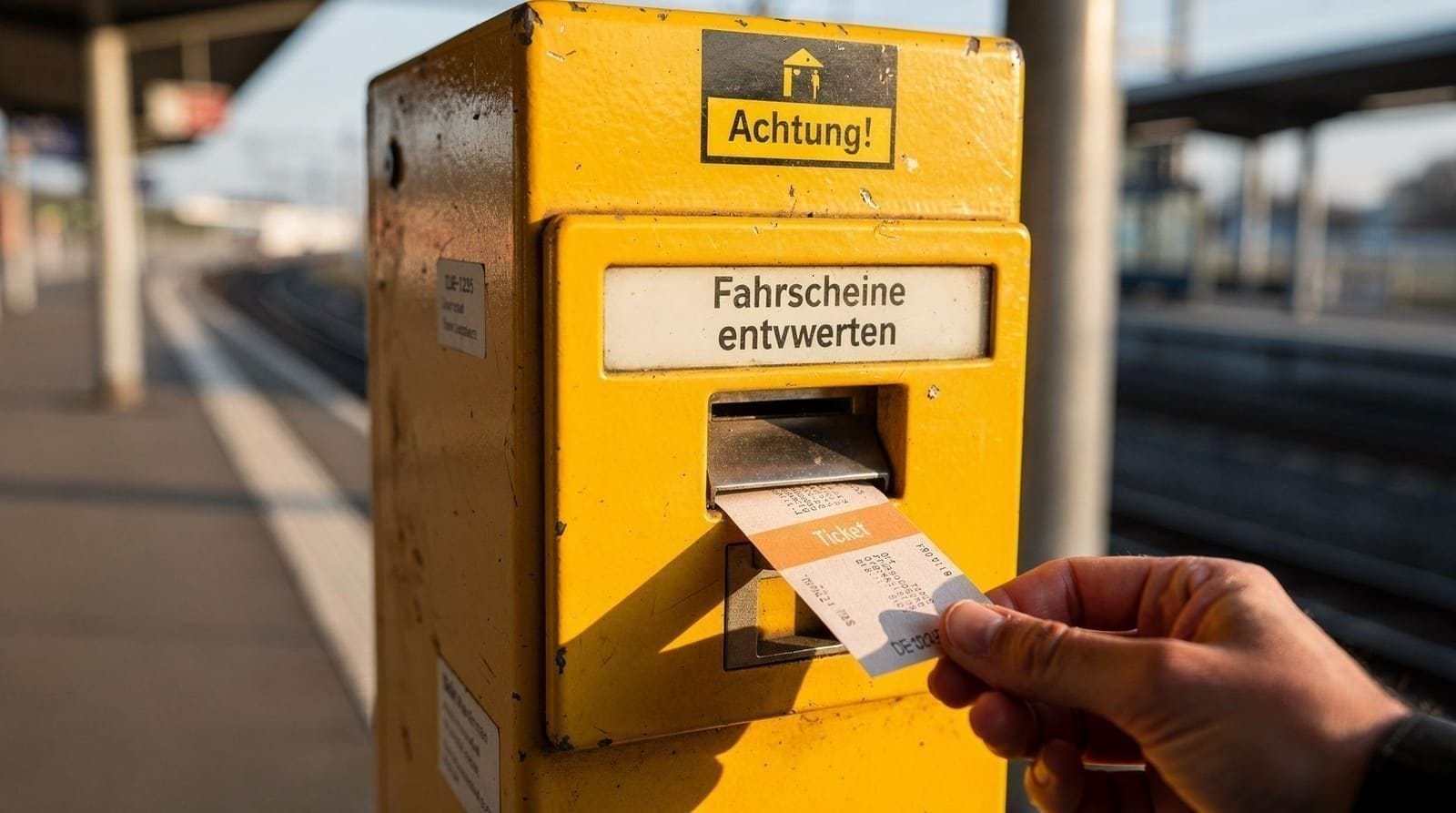
Validate your ticket before boarding — always. Plain-clothes BVG inspectors check regularly and the Schwarzfahren fine is €60 on the spot. “I didn’t know” is not accepted.
Museum entry prices (2026)
| Museum | Entry |
|---|---|
| Neues Museum | €12 (€14 with special exhibition) |
| Altes Museum | €12 |
| Alte Nationalgalerie | €12 |
| Bode Museum | €12 |
| Museum Island day pass (all 5) | €29 |
| DDR Museum | €12.50 |
| Topography of Terror | Free |
| Holocaust Memorial/Foundation | Free |
| Charlottenburg Palace | €12 |
| Stasi Museum (Lichtenberg) | €8 |
| Jewish Museum Berlin | €16 |
| Berlin Story Bunker | €14 |
| German Spy Museum | €15 |
| Berlin Zoo | €22 |
| Aquarium (combined with Zoo) | €30 |
| Natural History Museum | €12 |
| Pergamon Panorama Asisi | €14 |
Note: The Pergamonmuseum main hall is closed until 4 June 2027. The Pergamon Panorama by Yadegar Asisi (also on Museum Island) is open and provides context for the Pergamon collection.
Where the tourist traps are — money advice
Checkpoint Charlie: The outdoor exhibits are free and informative. The Mauermuseum (Checkpoint Charlie Museum) charges €15 and offers a cluttered, poorly signed experience. The free information boards outside give more actual history. Skip the paid museum.
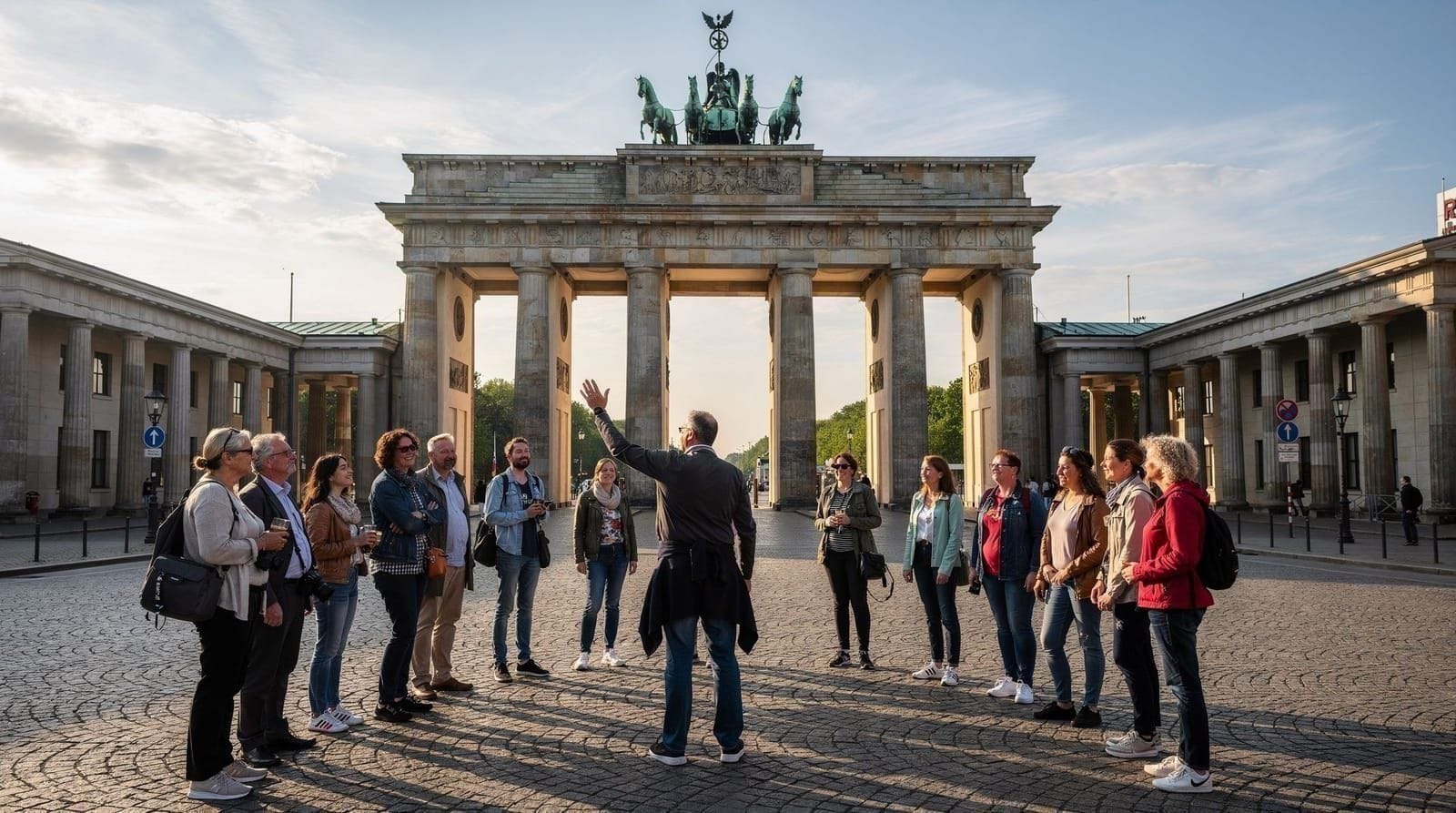
Brandenburg Gate costumed “guards”: Men in Red Army or US Army costumes near the Brandenburg Gate charge €10 for a photo. This is a voluntary tourist trap. Walk past.
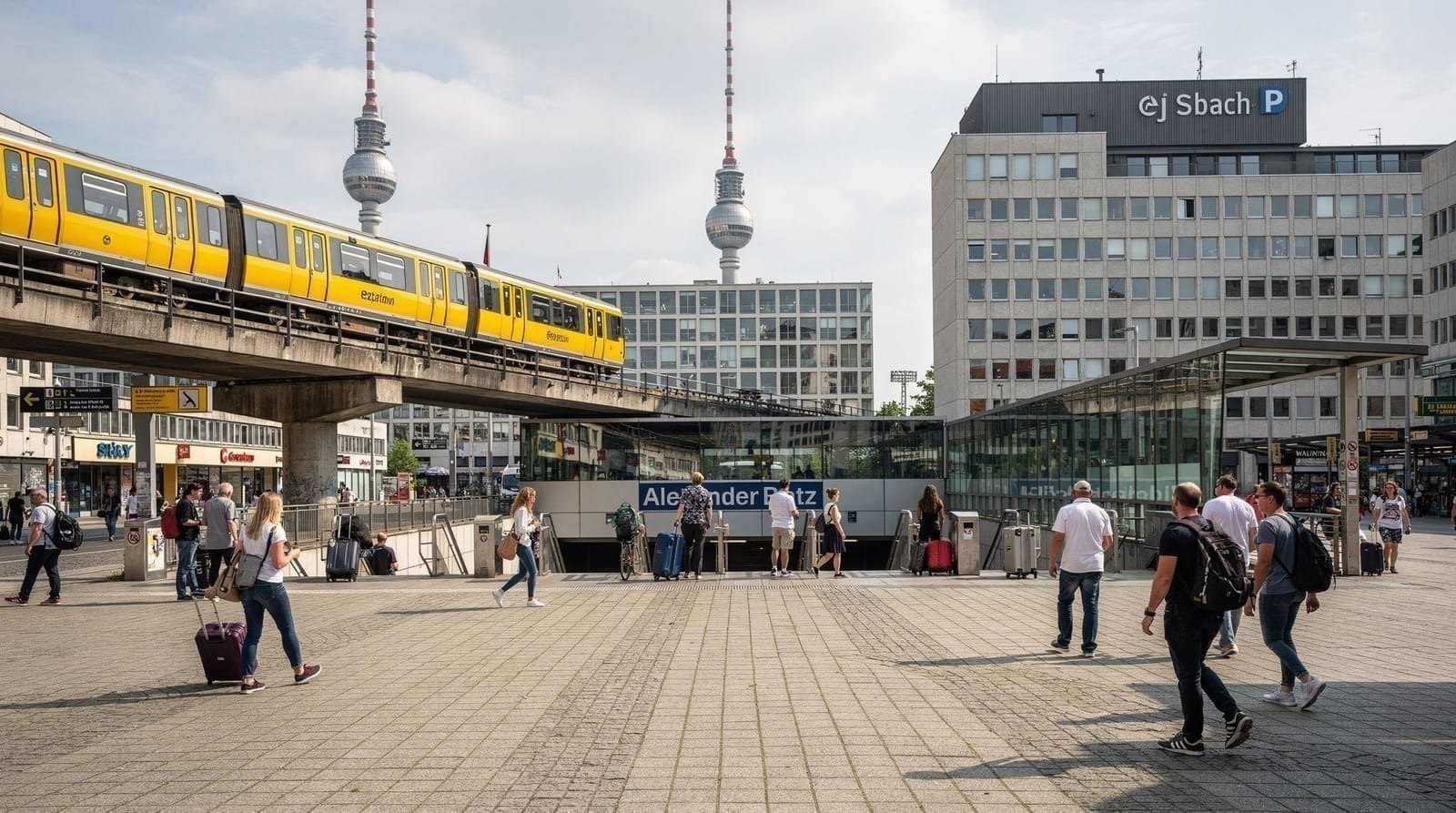
Alexanderplatz restaurants: The restaurants around Alexanderplatz and on the tourist circuit charge 20–30% more for food of lower quality. Two blocks off the main tourist circuit, quality goes up and prices go down. The area around Hackescher Markt has better food within a 5-minute walk of the main sights.
Reichstag tour operators: Entry to the Reichstag dome is free and booked directly at bundestag.de. Any operator selling “Reichstag tours” is selling you a guided experience outside the building, not access to the dome. Book direct.
“Free” walking tours: Berlin’s free walking tour circuit is large and established. The tours themselves are genuinely good (the guides earn through tips). The standard tip is €10–15 per person for a 2.5-hour tour. This is not a trap — it’s a real and good-value way to orient yourself.
For more on what’s worth it versus what isn’t, see the Berlin tourist traps guide.
Cash vs. card — the Berlin reality
Berlin has a reputation for being cash-only, and it is more justified here than in most European capitals:
- Most clubs and many bars are cash-only
- Traditional Kneipen (pubs) and Imbiss stands almost always cash-only
- Some U-Bahn ticket machines still only accept coins and notes
- Markets (Mauerpark, Türkenmarkt) are cash-only
- Smaller restaurants in Neukölln, Kreuzberg, and Wedding may be cash-only
Contactless card payment (Girocard/Maestro, Visa, Mastercard) is accepted at supermarkets, larger restaurants, hotel bars, and the BVG app/modern ticket machines. American Express is accepted less widely than Visa or Mastercard.
ATM advice: Use machines attached to German banks (Sparkasse, Deutsche Bank, Commerzbank, Volksbank). Third-party ATMs in tourist areas (Euronet, Cardtronics) charge €4–8 per withdrawal. Check your home bank’s foreign ATM fee — some charge 1.5–3% on top. Revolut, Wise, and N26 accounts have good exchange rates and low ATM fees.
Passes worth buying — and the one that usually isn’t
The Berlin WelcomeCard bundles public transport with discounted museum and attraction entry, and it can be worth it if you plan several paid sights in a short window. For a single-day sightseeing push in the AB zone, the transport-plus-discounts combination often beats buying tickets separately — the WelcomeCard value guide breaks down exactly when it pays off versus a plain 7-day ticket. Skip it if you’re mostly visiting free sites (Wall memorials, parks, markets), since you’re then just paying for transport you could buy alone.
Berlin WelcomeCard — AB zone transport and discountsFree walking tours are the other genuinely good-value option: no upfront cost, tip-based (€10–15/person is standard), and a solid way to orient yourself on day one. See the free walking tours guide for the best-regarded operators.
How Berlin compares to other European capitals
| City | Budget/day | Mid-range/day | Note |
|---|---|---|---|
| Berlin | €55–75 | €100–150 | Cheapest food/drink of the major capitals |
| Paris | €70–95 | €150–220 | Accommodation notably pricier |
| London | €75–100 | €160–240 | Currency + accommodation drive costs up |
| Amsterdam | €65–90 | €140–200 | Similar transport costs, pricier hotels |
| Barcelona | €55–75 | €100–150 | Closest comparison to Berlin overall |
Berlin’s free-attraction list (Wall memorials, Topography of Terror, most parks) is also unusually deep for a capital city, which narrows the real gap between a shoestring trip and a comfortable one.
Eating cheap without eating badly
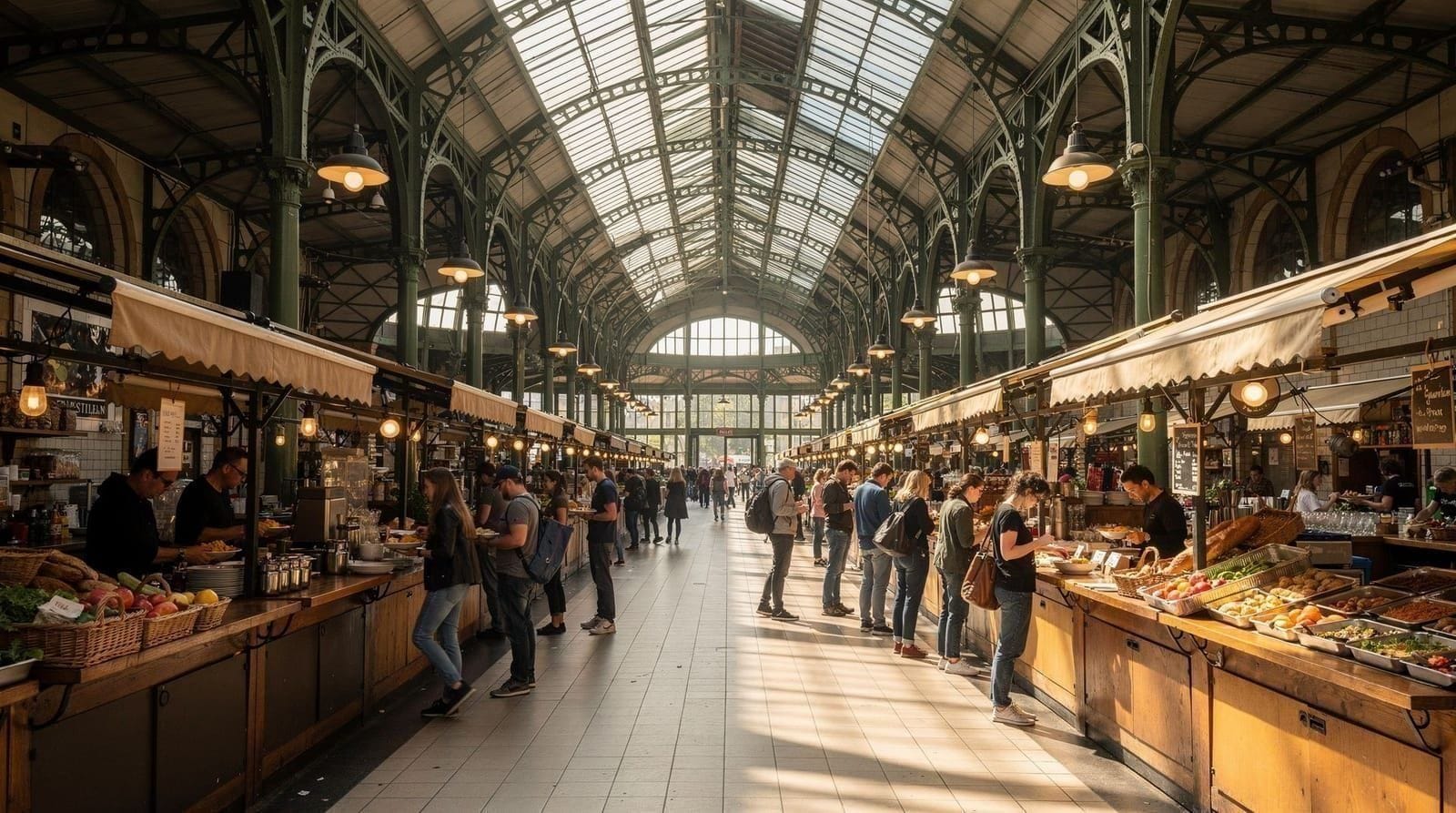
Budget food in Berlin doesn’t mean poor food — the city’s Döner and Currywurst culture is genuinely excellent at the lower price points. The best Döner kebab guide and the Currywurst guide both cover where locals actually eat, not the tourist-circuit versions that charge €2–3 more for a worse product. Markthalle Neun in Kreuzberg and the wider markets guide are worth planning a meal around, especially on Street Food Thursday.
For a full sample day-by-day plan built around these numbers, see the budget Berlin itinerary.
Sample budgets for a 3-day trip
Budget 3 days (one person):
Hostel dorms x3: €75 · Transport 7-day: €36.50 · Food x3 (street food): €50 · Free sights only: €0 · One paid museum: €12 · Beers x6: €20 · Total: ~€195
Mid-range 3 days (one person):
Hotel x3 nights (€90/night): €270 · Transport: €36.50 · Food x3 days (café breakfast + restaurant lunch/dinner): €120 · Two museums + one tour: €50 · Drinks x3 evenings: €50 · Total: ~€525
Per-couple discounts: Accommodation is the same cost whether one or two people share a room; food and transport costs double. A mid-range 3-day trip for two sharing a hotel room: ~€750–850.
Frequently asked questions about Berlin budget guide
Is Berlin an expensive city?
By major European capital standards, Berlin is moderate — cheaper than London, Paris, Amsterdam, and Zurich, roughly comparable to Barcelona. Eating and drinking costs are lower than in most northern European capitals. Accommodation in the city centre has risen since 2020 but remains below Paris and London levels. The main cost drivers are hotels (especially in peak summer) and paid museum entry.How much cash should I carry in Berlin?
Carry €30–50 at all times. Berlin is famously cash-heavy — many bars, clubs, smaller restaurants, market stalls, and some U-Bahn machine types only accept cash. ATMs (Geldautomaten) are widespread; use Sparkasse, Deutsche Bank, or Commerzbank to avoid private ATM fees of €4–8 per withdrawal.How much do Berlin museums cost?
Standard entry is €12–15 per museum. Museum Island's 5 museums have a day pass at €29 (covers all five; Pergamon main hall closed until 2027). The Topography of Terror, Holocaust Memorial, Bernauer Strasse Wall Memorial, East Side Gallery, and Mauerpark are free. Berlin's free attractions are among its best.What is the cheapest way to get around Berlin?
A 7-day BVG AB zone ticket costs €36.50 and covers all U-Bahn, S-Bahn, tram, and bus travel within the city ring. Single tickets cost €3.50 each — the 7-day pass pays off after 11 single journeys, typically within 3-4 days. Cycling is also cheap; rental bikes from €10–15/day.Is tipping expected in Berlin?
Tipping is customary but not compulsory. In restaurants, round up or add 5–10% for satisfactory service — pay in cash if possible, as some card machines don't handle split tips cleanly. Tell the server the total including tip when paying ("Stimmt so" means "that's fine, keep the change"). Do not leave money on the table and walk out — hand it directly to your server. Tipping in cafés and bars is optional (round up the change).Where can I eat cheaply in Berlin?
Street food is the budget baseline. A Döner Kebab (the Berlin staple) costs €4–6 at independent shops — avoid tourist-area Döner near Checkpoint Charlie or the Brandenburg Gate where the same product costs €7–9. Markthalle Neun in Kreuzberg has excellent market food at fair prices on Thursdays and Sundays. Turkish and Vietnamese restaurants in Neukölln and Wedding offer full meals for €8–12.Are there free things to do in Berlin?
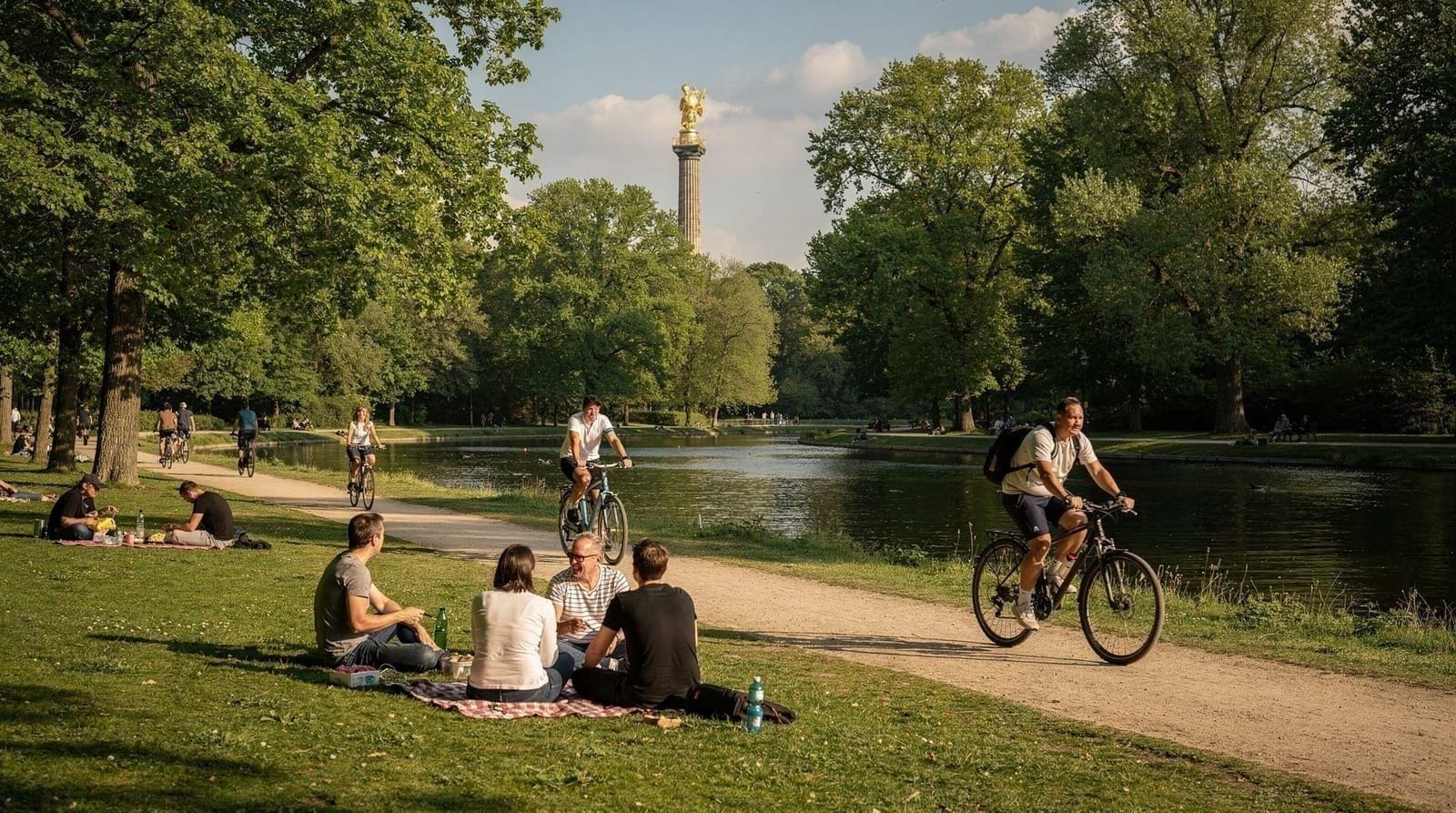
Many of Berlin's best sites are free. The East Side Gallery, Bernauer Strasse Wall Memorial grounds, Holocaust Memorial, Topography of Terror, Soviet War Memorial, Mauerpark, the Tiergarten, Volkspark Friedrichshain, and the Brandenburg Gate area cost nothing. Most Berlin parks and lakes are free. The weekly Mauerpark flea market (Sunday) and Türkenmarkt (Turkish market, Tuesday/Friday in Kreuzberg) are free to browse.Is the Berlin WelcomeCard worth buying?
It depends on your itinerary. The WelcomeCard bundles transport with discounted museum and attraction entry, and it pays off if you're visiting several paid sights in a short window. If your plan leans heavily on free attractions like the Wall memorials and parks, a plain transport ticket is cheaper. Run your planned sights through the numbers before buying.How does Berlin compare in cost to Paris or London?
Berlin runs noticeably cheaper than both, mainly on accommodation and food/drink. A mid-range day in Berlin costs roughly €100–150 versus €150–220 in Paris and €160–240 in London. Transport costs are broadly similar across all three cities. Berlin is closer in price to Barcelona than to the other major western European capitals.