Berlin in winter — what to expect and how to plan your visit
Berlin: Discover Berlin Half-Day Walking Tour
Is Berlin worth visiting in winter?
Yes, with realistic expectations. Temperatures range from -3°C to 5°C (December to February), days are short (8 hours of daylight), and the city is grey and cold. But museum crowds are thin, hotel prices drop 30–40%, and the indoor cultural scene — concerts, theatre, club nights — is at its peak. Christmas markets (late November to late December) are genuinely excellent.
Is Berlin worth visiting in winter? The honest answer: yes, if you adjust your expectations. Berlin in December through February is cold, grey, and dark. But it is also at its most culturally intense — the club scene, concert halls, and theatres fill with Berliners rather than tourists, museum queues disappear, and hotel prices fall sharply. The Christmas market season (late November to late December) is a genuine draw. January and February are challenging weather-wise but extraordinary for anyone interested in nightlife, museums, or getting a less crowded version of the city.
| Temperature | -3°C to 5°C, December–February |
| Daylight | As little as 8 hours around the solstice |
| Hotel prices | 30–40% below peak summer rates |
| Best for | Museums, Christmas markets, club scene, concerts |
| Watch out for | Short days, wind chill on open plazas |
Month-by-month at a glance
| Month | Weather | Highlight | Crowds |
|---|---|---|---|
| December | 2°C avg, damp | Christmas markets (to 26 Dec) | High until Christmas, then quiet |
| January | 0°C avg, coldest | Cheapest month, club scene peaks | Lowest of the year |
| February | 2–4°C avg, lengthening days | Museum Island at its quietest | Low, rising toward half-term |
What winter actually feels like in Berlin
Berlin sits on the North European Plain, exposed to cold air masses from the east and damp westerly systems from the Atlantic. The result is a winter that is reliably cold and grey without being dramatic. Average temperatures:
- December: 2°C average, highs of 4°C, lows of -1°C
- January: 0°C average, the coldest month; lows can reach -8°C to -10°C during cold snaps
- February: 2–4°C average, days begin to lengthen noticeably
Rain and drizzle are more common than snow. A photogenic snow cover happens perhaps a handful of times per winter, usually in January or early February. When it does snow, Tiergarten and the canal districts in Kreuzberg look genuinely beautiful. But do not plan your trip expecting snow — you’re more likely to get slush.
Daylight hours are genuinely short. In late December, Berlin gets around 8 hours of usable daylight, with sunrise after 8am and sunset before 4pm. This shapes how you plan your days: outdoor sightseeing before 3pm, indoor activities in the late afternoon and evening.
Wind chill at exposed outdoor sites — the Brandenburger Tor plaza, Alexanderplatz, the long stretch of the East Side Gallery along the Spree — makes temperatures feel 3–5°C colder than air temperature. Dress accordingly: a proper insulated coat (down or wool), waterproof layer, gloves, and hat are not optional. Berlin winters punish under-dressing.
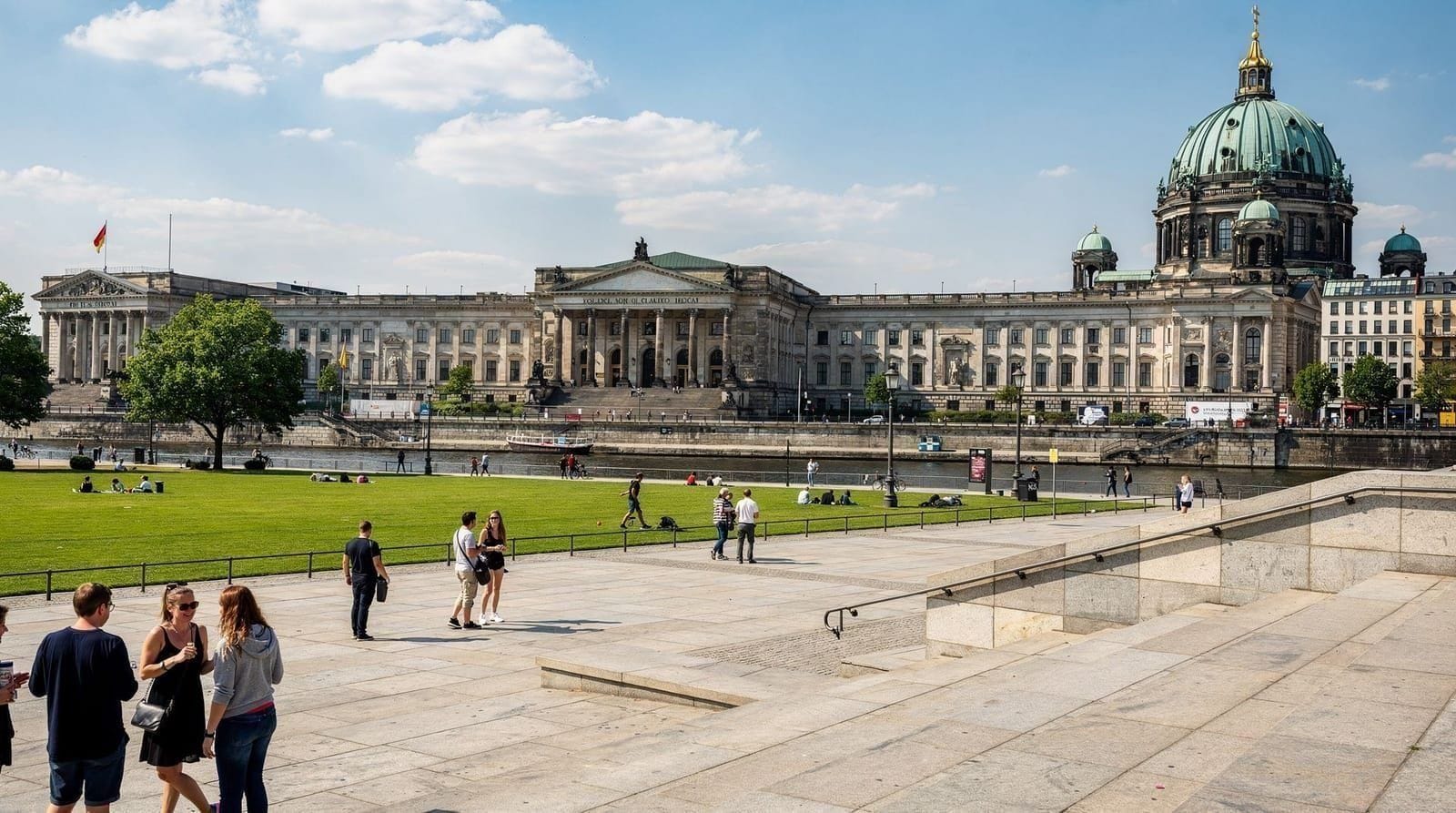
Museum Island and major indoor attractions
Winter is the best time to visit Berlin’s indoor cultural institutions without the crowds that overwhelm them from May through September. The key sites:
Museum Island (Museumsinsel) in Mitte contains five world-class museums within walking distance. The Museum Island guide covers all options in detail. Note that the Pergamonmuseum main building remains closed until June 2027 — the Asisi Panorama exhibition in a temporary pavilion runs alongside. The Neues Museum (Nefertiti bust, Egyptian antiquities), Altes Museum (Greek and Roman art), Bode Museum (Byzantine art, coin collection), and Alte Nationalgalerie (19th-century German painting) are all fully open.
In winter, the Neues Museum — which in summer can have 90-minute queues — is typically walk-in accessible on weekday mornings. Ticket prices are unchanged (€12 per museum, €22 Museum Island Day Pass), but the experience is dramatically better with fewer crowds.
The DDR Museum on Karl-Liebknecht-Strasse (€12.50, book online to skip the desk queue) is a good winter afternoon option — it’s small, heated, and interactive, with a focus on everyday GDR life that provides context for the Cold War sites around the city. See the DDR Museum guide.
The Spy Museum (Deutsches Spionagemuseum) near Potsdamer Platz is another solid rainy-day option: hands-on exhibitions on Cold War espionage, laser corridors, cipher machines. Around €14. See the Berlin Spy Museum guide.
Ice rinks and winter outdoor activities
Berlin in winter is not purely an indoor city. Several outdoor activities work well:
Ice skating is the most seasonal. The Potsdamer Platz rink runs from late November through February — outdoor, central, with skate hire available. Entry is typically free if you bring your own skates; hire adds €4–6. The setting is pleasant in the evening under lights. The rink is small and gets crowded on weekend afternoons.
Tiergarten walks in winter are underrated. The 210-hectare park in the city centre looks different when bare — the canal paths are quiet, and the park’s scale becomes more apparent without summer foliage. The Siegessäule (Victory Column) at the park’s centre is open year-round and worth the climb on a clear winter day for elevated views of the city. Entry to the column viewing platform is €3.
The East Side Gallery in Friedrichshain is open year-round. Winter mornings, especially on weekdays, offer the rare experience of walking the 1.3 km without crowds. Cold air keeps the photography conditions better — flat light can actually suit the Wall’s texture and murals. The East Side Gallery guide covers all murals.
Mauerpark on Sundays hosts a reduced but still-active flea market through winter (weather permitting). The open-air karaoke amphitheatre goes on hiatus until spring. The park itself — occupying the former death strip — is atmospheric in winter. See the Mauerpark guide.
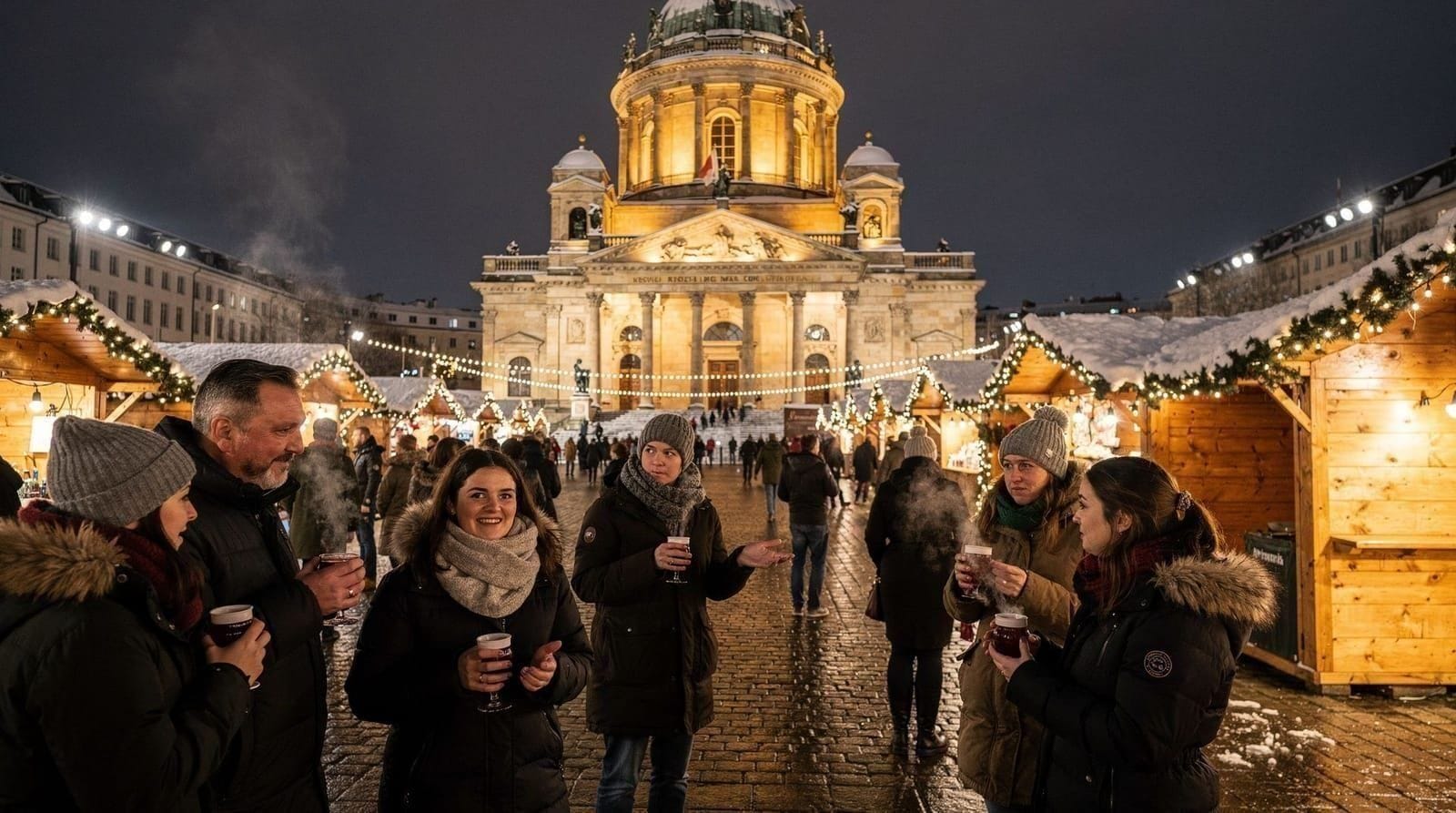
The Christmas market season (late November to 26 December)
This is Berlin’s most popular winter draw, and for good reason — the markets are genuinely good, varied, and mostly accessible without tourist-trap pricing. They deserve their own detailed guide (see the Berlin Christmas markets guide), but the key orientation:
Berlin has approximately 80 markets, ranging from large commercial markets at Alexanderplatz and the Breitscheidplatz (Kaiser Wilhelm Memorial Church ruins) to smaller neighbourhood markets in Prenzlauer Berg and Schöneberg. The Gendarmenmarkt market charges €1 entry and is considered the most refined setting — classical columns, less Glühwein-and-plastic feel, better craft stalls.
Glühwein (mulled wine) runs €3.50–5.50 per cup, often with a €2–3 Pfand (deposit) on the mug. Bring cash — most stalls do not accept cards. Currywurst and Bratwurst stalls are everywhere at €3–5.
Most markets close by 9–10pm. The peak period is the two weekends before Christmas, when crowds at Gendarmenmarkt and Alexanderplatz are significant. Weekday mornings and lunchtime visits are noticeably quieter.
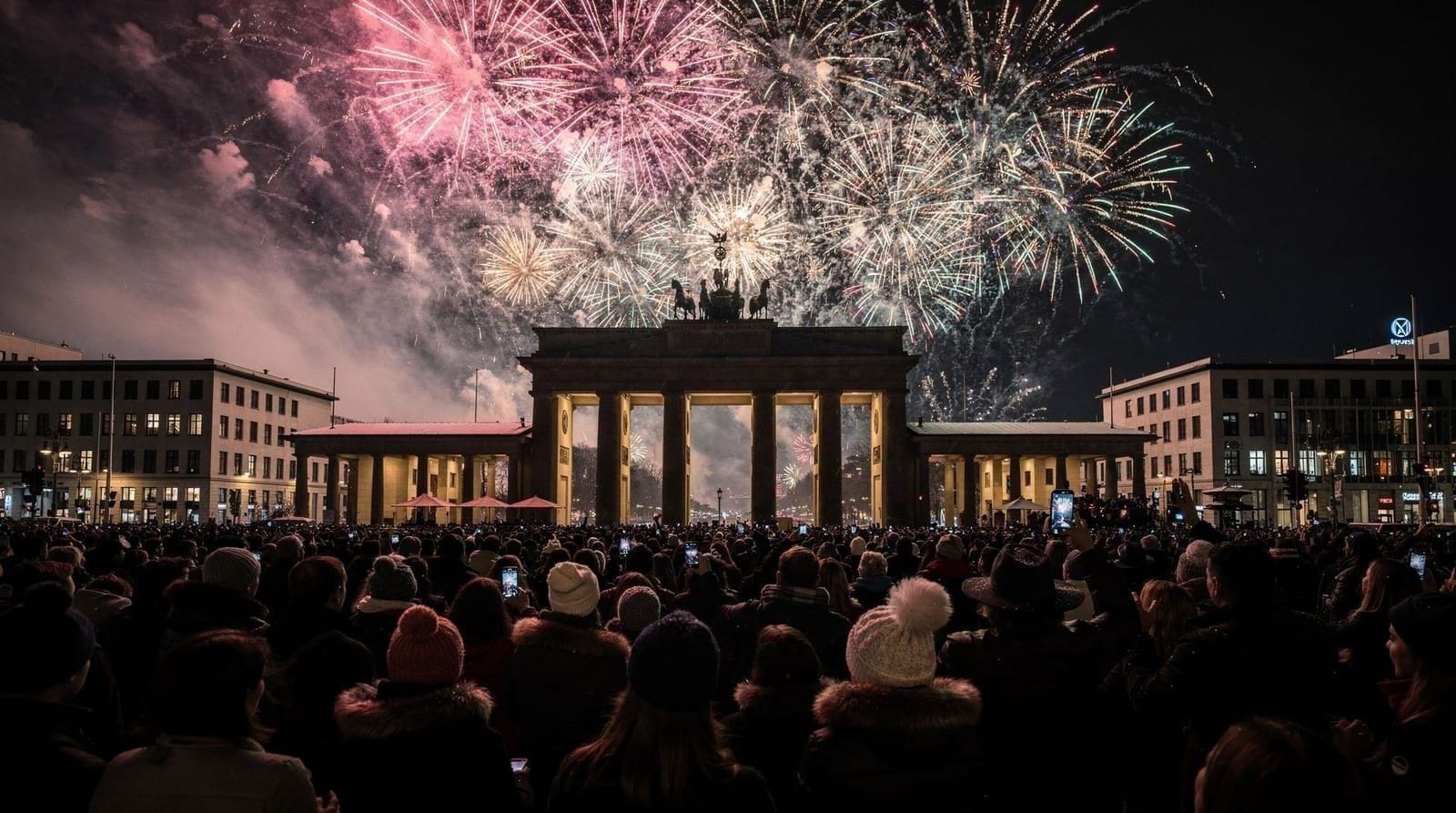
After 26 December, the Christmas market mood gives way to Silvester (New Year’s Eve) preparations. The Berlin New Year guide covers what to expect.
Concerts, theatre, and cultural events
Berlin’s performing arts scene runs at full capacity in winter. The institutions worth noting:
Berliner Philharmonie on Herbert-von-Karajan-Strasse: the Berlin Philharmonic’s home venue, designed by Hans Scharoun and completed in 1963. Tickets range from €15 (cheap side seats with partial view) to €120+ for premium positions. The “Digital Concert Hall” livestream is a separate paid service, but in-person tickets sell out weeks ahead for popular programmes. Book at berliner-philharmoniker.de.
Konzerthaus Berlin on Gendarmenmarkt: the Konzerthausorchester Berlin performs in this neoclassical hall. Less expensive than the Philharmonic, with excellent acoustics and a broader range of programming including chamber music. Tickets often available at shorter notice.
Volksbühne on Rosa-Luxemburg-Platz: Berlin’s radical political theatre, reopened after controversy under Frank Castorf’s long tenure. Programming is challenging and experimental; not accessible if your German is limited, but worth knowing if it is.
Staatsoper Unter den Linden: the main state opera, recently renovated. Programming includes opera, ballet, and orchestral concerts. Check spielplan.staatsoper-berlin.de for current season.
Biergartens and outdoor dining in winter
Biergartens are a summer phenomenon — essentially all close in November. A few exceptions:
The Prater Garten in Prenzlauer Berg, Berlin’s oldest biergarten (1837), closes its outdoor section but keeps the indoor tavern open year-round. The interior is wood-panelled and atmospheric. It is a legitimate neighbourhood pub in winter rather than a tourist destination.
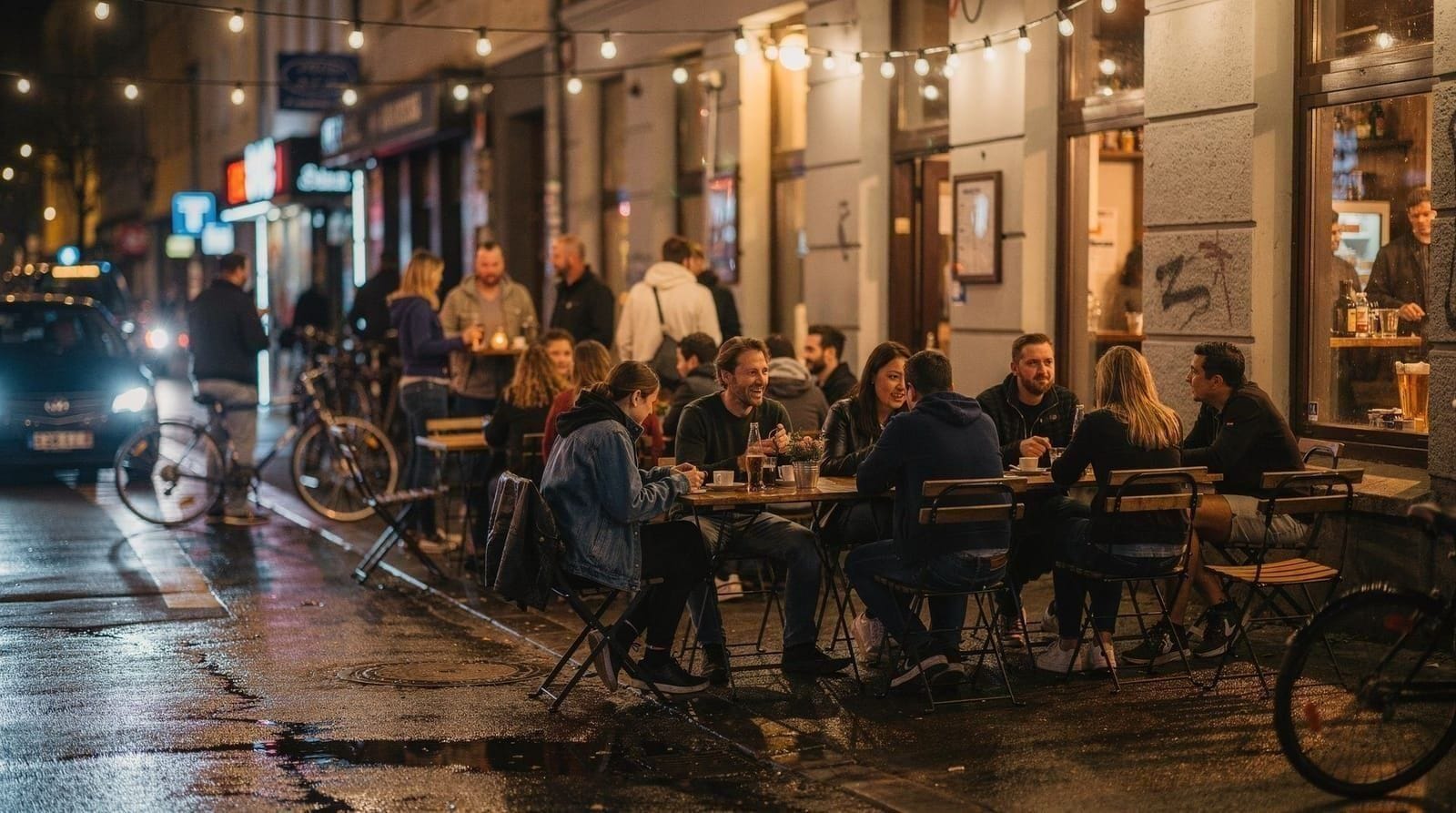
Several Kreuzberg bars shift to indoor operation in winter but maintain their informal character. The bar density along Oranienstrasse and around Görlitzer Park means you are rarely more than a few metres from a warm interior.
For a realistic picture of Berlin’s food scene beyond biergartens, the Kreuzberg food guide and Berlin breakfast and brunch guide cover year-round options.
Getting a guided tour in winter
Walking tours run year-round but operate differently in winter. The free walking tour operators (New Berlin, Sandeman’s, etc.) reduce their winter schedules and the groups are smaller — which can actually be a better experience.
Cold War and indoor-focused tours work especially well in winter: they move through heated spaces (museums, bunkers, documented sites) rather than standing on exposed plazas. The Berlin Story Bunker, for instance, is entirely underground and temperature-controlled. See the Berlin Story Bunker guide.
Berlin city discovery walking tour — English guide, year-round operationBoat tours on the Spree operate in winter, though the selection is reduced. Some operators run heated boats; check departure boards at the Moltkebrücke or Märkisches Ufer landing stages. See the Berlin boat tours guide.
Practical planning for a winter Berlin trip
Accommodation: January and February are among the cheapest months to book Berlin hotels. Mitte and Prenzlauer Berg properties that charge €120+ per night in August often drop to €70–90. Book closer to your travel date in January — last-minute deals are real because occupancy is genuinely lower.
Getting there: Berlin BER airport serves major European hubs year-round. Winter sales from UK, French, and Dutch airports regularly bring Berlin fares to €40–70 return. Check January particularly — the post-New Year period is very cheap.
Transport in Berlin: The BVG AB zone covers almost all tourist-relevant destinations. A 7-day AB pass is around €36 and gives unlimited travel on U-Bahn, S-Bahn, tram, and bus. The Berlin public transport guide explains zones, tickets, and route planning.
Health considerations: Berlin in January is genuinely cold and damp. Pack:
- Thermal base layers (merino wool if possible)
- Waterproof outer layer
- Insulated waterproof boots (Alexanderplatz paving gets icy)
- A hat and gloves you actually wear
Pharmacies (Apotheke) are everywhere in Berlin and open six days a week. If you get caught without cold weather gear, H&M and Zara in Mitte sell affordable thermals.
Daylight planning: Build your itinerary around the short daylight window rather than fighting it. A workable winter day: outdoor sightseeing or a market visit from 9am to 2:30pm while there’s still usable light, a warm lunch, then museums, concerts, or shopping from mid-afternoon into the evening once it’s already dark outside anyway. Trying to force a summer-style itinerary — spreading outdoor and indoor activities evenly across the day — leads to a lot of stumbling around in the dark by 4:30pm.
The club scene in winter
This deserves its own mention because it is genuinely one of the strongest reasons to visit Berlin in winter. The techno and electronic music scene operates year-round, but the winter months are when the Berlin-resident crowd dominates. Summer brings large international groups; January and February see the more serious regular attendance.
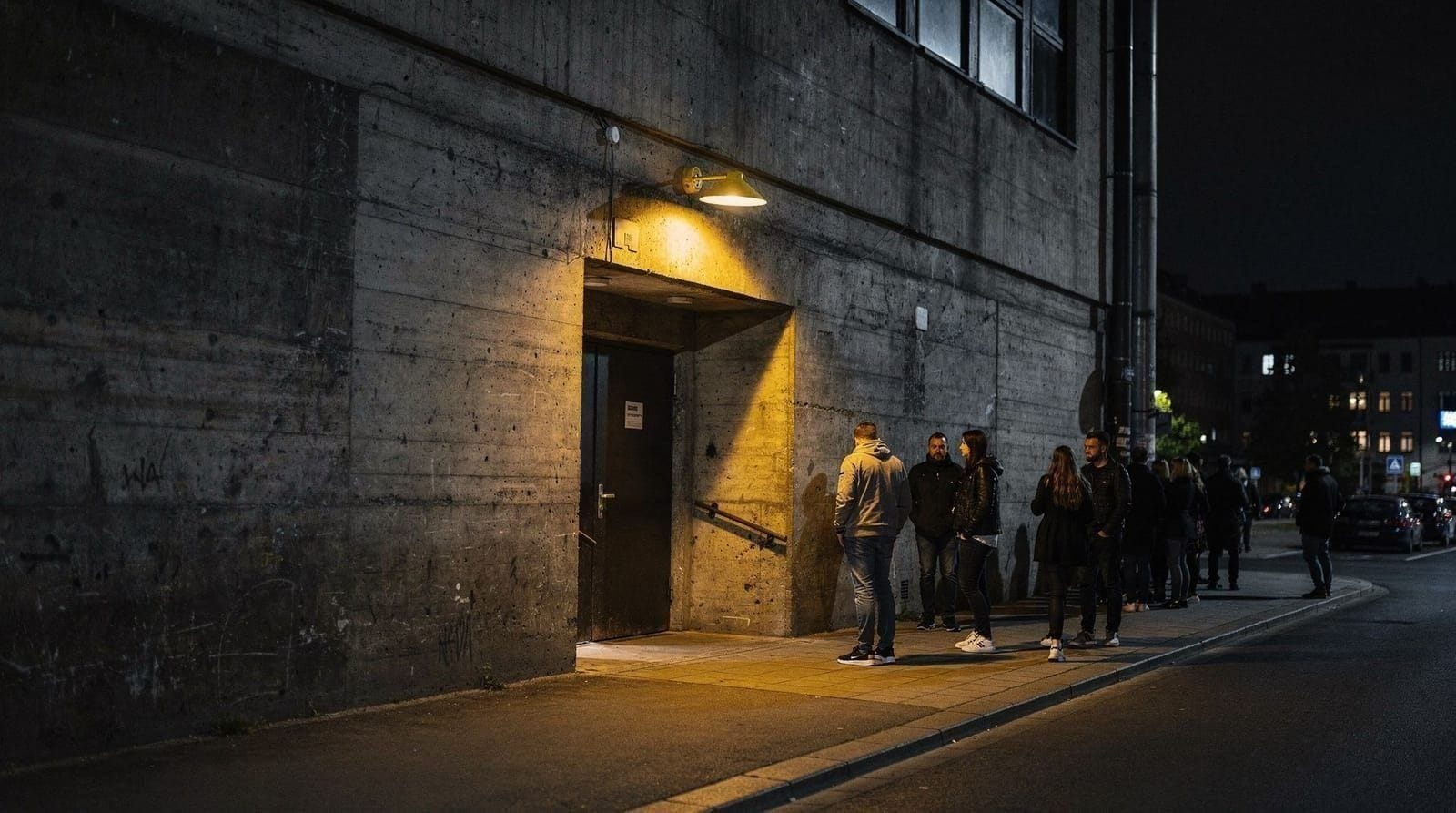
Berghain operates on weekends (Friday night through to Monday morning without interruption in peak season). Entry is not guaranteed — the door policy is real and consistent. The Berghain guide gives an honest account of the selection process.
Tresor on Köpenicker Strasse is the original techno club, housed in the vault rooms of a former department store basement. Smaller than Berghain, more mechanical industrial sound. Watergate on the Spreekanal in Friedrichshain has a floating dancefloor section above the water.
For a broader map of the nightlife geography, see the Berlin nightlife neighborhoods guide, and for the specific clubs and door culture, the Berlin techno clubs guide goes deeper than this overview can.
Winter with children
Berlin’s short, cold days are harder on families with young children than on solo travellers or couples happy to duck into a warm museum. If you’re travelling with kids in winter, indoor options do most of the work: the DDR Museum’s hands-on exhibits, the Spy Museum’s laser corridors, and the Berlin rainy day with kids guide all cover activities that don’t depend on daylight or good weather. Christmas markets are genuinely one of the better family-friendly winter activities — carousel rides, hot chocolate, and manageable walking distances at most locations — but plan for an early exit before children (and adults) get too cold, rather than a full evening out.
Is winter the right season for your trip?
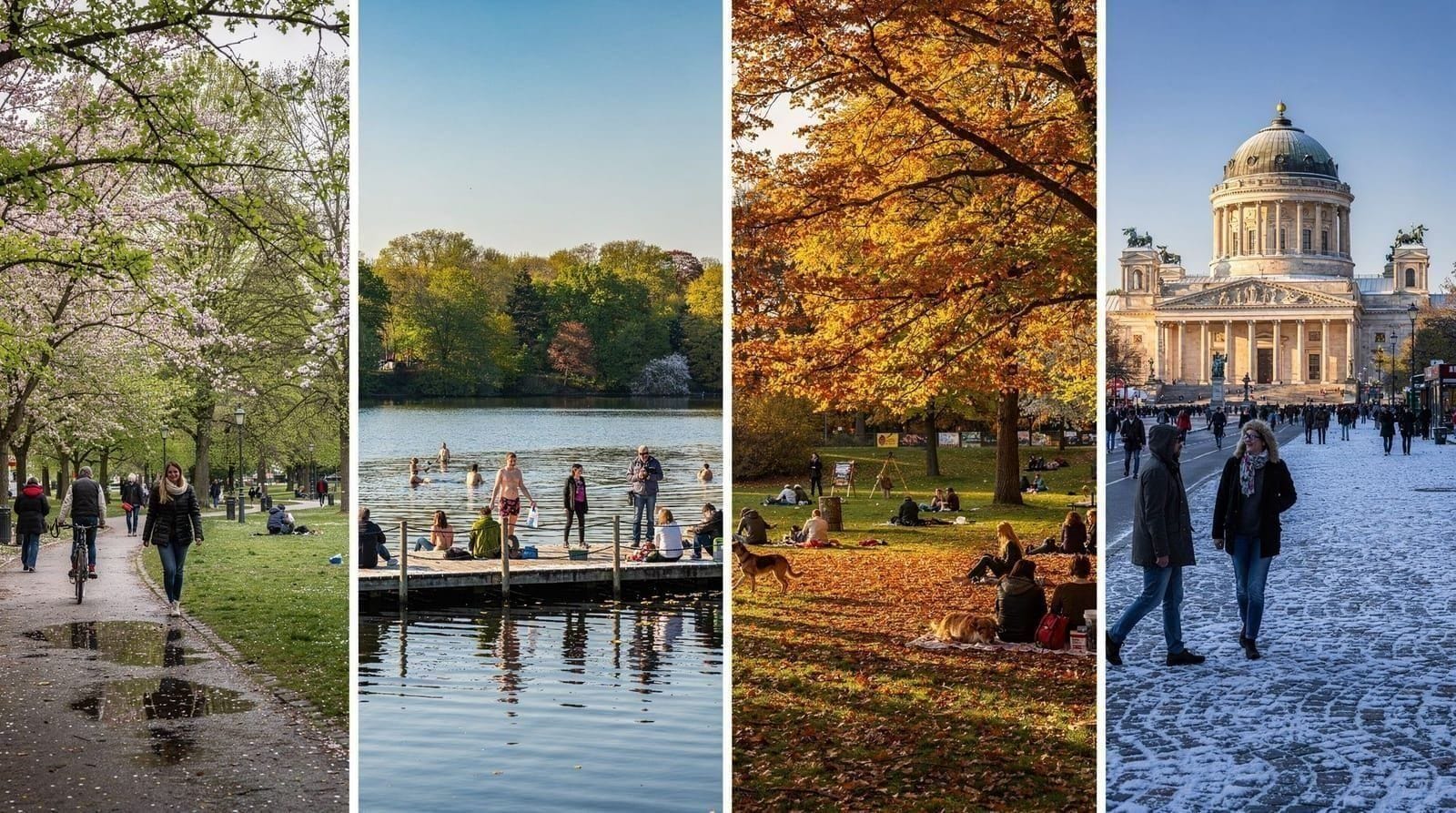
Winter suits a specific kind of visitor: someone prioritising museums, concerts, nightlife, and budget over outdoor sightseeing and long days. If your priority list runs the other way — parks, lakes, rooftop bars, all-day outdoor wandering — Berlin in summer or the shoulder seasons will serve you far better. For a full month-by-month comparison across the whole year, see the best time to visit Berlin guide. If you want a shorter, quieter version of the city’s parks even in cold weather, Tiergarten rewards a bare-branch winter walk in a way few visitors expect.
Frequently asked questions about Berlin in winter
How cold does Berlin get in winter?
December averages 2°C, January is the coldest month at around 0°C, and February begins to warm slightly to 2–4°C. Temperatures below -10°C are rare but possible during cold snaps from the east. Wind chill on open plazas (Alexanderplatz, Brandenburger Tor) makes it feel significantly colder. Pack a proper insulated coat, not just a jacket.Does it snow in Berlin in winter?
Snow is possible but not guaranteed. Berlin averages 25–30 days per year with snow cover, concentrated in January and February. When it does snow, the city can look striking — Tiergarten and Mauerpark in snow are worth the cold. However, expect rain and grey skies more often than snow.Are there ice rinks in Berlin in winter?
Yes, several. The most central is the Potsdamer Platz ice rink (outdoor, late November to February, around €4–6 skate hire plus entry). Tempodrom occasionally hosts indoor skating. Several shopping centres (like Mall of Berlin) run small rinks in December. The Berlin ice skating season roughly matches the Christmas market season.What indoor activities are best in Berlin in winter?
Museum Island is ideal — Neues Museum, Altes Museum, Bode Museum, and Alte Nationalgalerie are all open and significantly less crowded than in summer. The DDR Museum, Jewish Museum, Spy Museum, and Natural History Museum are all good winter options. Concerts at the Philharmonie and Konzerthaus Berlin are worth booking. The Asisi Panorama (substitute for the closed Pergamon) is well heated.When do Berlin's Christmas markets run?
Most markets open in late November (around the last week) and close on 26 December, though some extend to 30 December or New Year's. The Gendarmenmarkt market charges €1 entry and is considered the most elegant. WeihnachtsZauber am Gendarmenmarkt and the Alexanderplatz market are among the largest. See the full Christmas markets guide for dates and practical advice.Is Berlin public transport reliable in winter?
Generally yes. The BVG network runs normally in winter, though heavy snowfall occasionally causes delays on surface tram lines (M10, M1). U-Bahn and S-Bahn are underground or elevated and largely unaffected by weather. Always validate your ticket — winter inspectors are as active as summer ones.What is the cheapest time to visit Berlin in winter?
January and February are the cheapest months to visit Berlin overall. Hotel prices are lowest, flights are cheaper, and major attractions have no queues. The trade-off is cold temperatures and short days. If budget is a priority, January mid-week is the sweet spot — after New Year crowds, before February school holidays.Can you go clubbing in Berlin in winter?
Berlin's club scene actually peaks in winter. Berghain, Tresor, Watergate, and Sisyphos all operate normally and are often at their best in January and February, when the international tourist crowd thins and Berlin regulars dominate. Check resident DJ schedules rather than relying on random weekends.Is Berlin good for families with children in winter?
It works, but requires more planning than summer. Short daylight hours mean front-loading outdoor plans and relying on indoor attractions like the DDR Museum, Spy Museum, and Christmas markets for the rest of the day. Dress children in proper winter layers, since wind chill on open plazas is significant.What's the cheapest month to visit Berlin in winter?
January, specifically after New Year and before February half-term school holidays. Hotel prices are at their annual low, flights are often heavily discounted, and major attractions have effectively no queues.