Berlin Gallery Weekend — the April art event and Berlin's gallery scene explained
What is Berlin Gallery Weekend and when does it happen?
Berlin Gallery Weekend is an annual event held over three days in late April or early May, when approximately 50 of Berlin's leading commercial galleries open new exhibitions simultaneously and coordinate evening openings and special events. It is free to attend — galleries are free to enter. It is one of the most significant dates in the European contemporary art calendar.
What is Berlin Gallery Weekend? An annual three-day event in late April when approximately 50 of Berlin’s leading commercial galleries open new exhibitions simultaneously, coordinate opening events, and attract international collectors, critics, and curators to the city. Entry to all galleries is free. It is the most significant annual event on Berlin’s visual art calendar and one of the most important in Europe.
| When | Three days, late April/early May |
| Cost | Free to enter all participating galleries |
| Where | Potsdamer Strasse, Mitte (Auguststrasse), Charlottenburg |
| Best viewing | Saturday morning (Friday is social, Sunday quietest) |
| Booking | Not required for galleries; book accommodation 2–3 months ahead |
How Gallery Weekend began and why it matters
Berlin Gallery Weekend was founded in 2004, when a group of Berlin gallery owners decided to coordinate their spring openings into a single concentrated event. The logic was competitive: Berlin had a growing number of excellent galleries but no annual focal point to draw international attention — the kind of event that brought buyers, press, and curators to Basel, Venice, or Cologne.
The first edition involved around 20 galleries. By the late 2010s, participation had grown to 50 or more. The event now draws international visitors specifically for its three-day duration, with a satellite programme of dinners, artist talks, and off-programme events that extends the main gallery schedule.
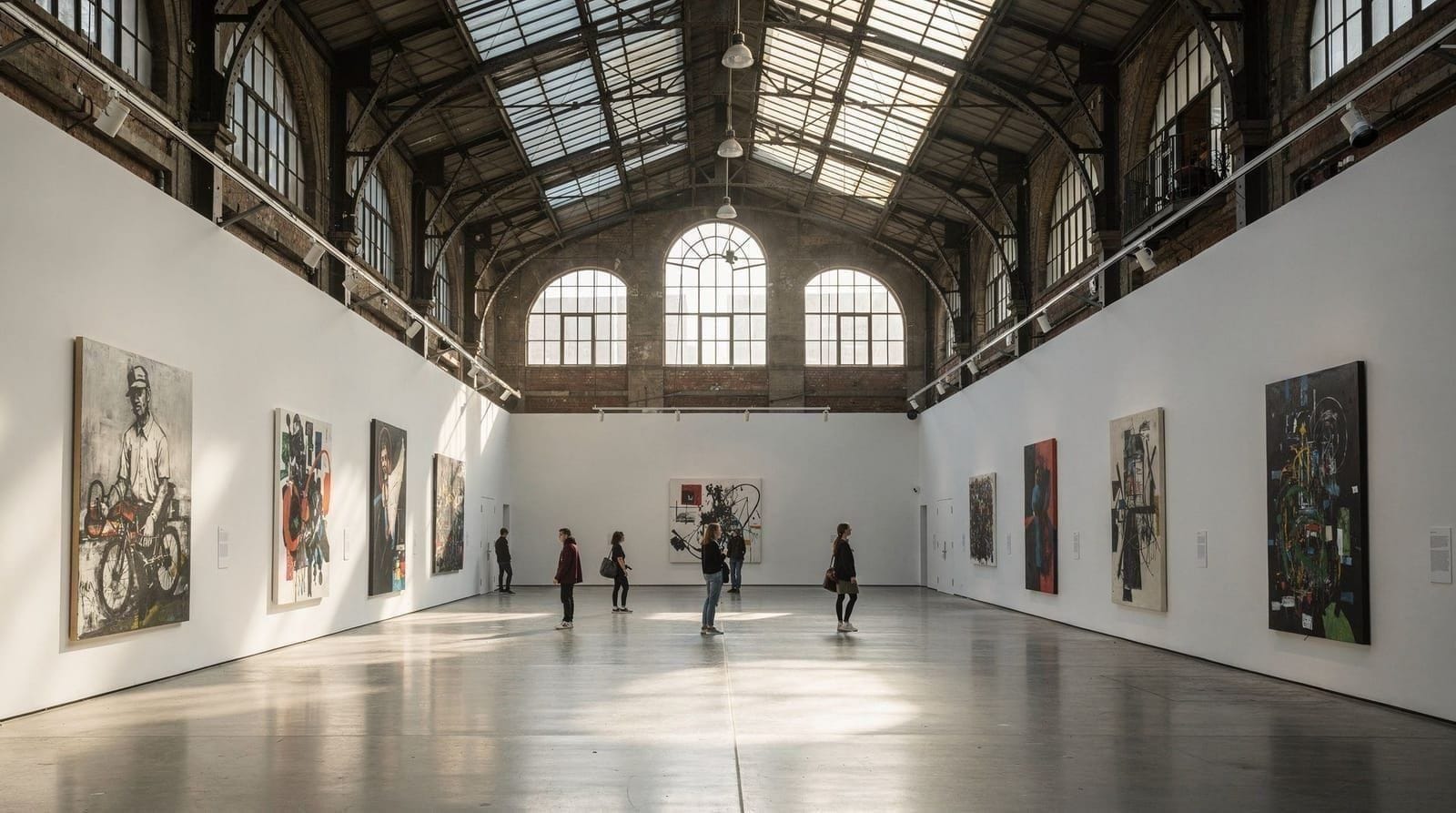
What distinguishes Berlin Gallery Weekend from art fairs is its format: you are visiting working gallery spaces that have organized exhibitions specifically for the event, not a temporary fair hall. The experience is dispersed across the city, which requires more planning but also means you see Berlin’s neighbourhoods alongside the art.
The main gallery clusters
Potsdamer Strasse / Schöneberg: This is the most concentrated gallery corridor in Berlin and the anchor of Gallery Weekend. The stretch from Potsdamer Brücke south toward Bülowstrasse contains a dense cluster of significant spaces opened in the 2000s and 2010s when rents were lower than in Mitte.
Key galleries on and around Potsdamer Strasse:
- Esther Schipper (Potsdamer Strasse 81e) — international programme, frequently shows major names
- neugerriemschneider (Linienstrasse 155, also has Potsdamer presence) — German and international roster
- Sprüth Magers (Oranienburger Strasse 18) — major commercial gallery with blue-chip roster
- König Galerie (Sankt Agnes Kirche, Alexandrinenstrasse 118) — largest space in Berlin, housed in a brutalist church; shows large-scale works
The Potsdamer Strasse cluster can be walked in a single morning. Galleries here open at 11 am on Saturday and Sunday, and from 6 pm on Friday for opening night.
Mitte — Auguststrasse area: Berlin’s original gallery district from the 1990s, when newly empty East Berlin buildings attracted galleries priced out of West Berlin. The cluster around Auguststrasse, Linienstrasse, and Gipsstrasse has evolved and partly dispersed since then, but several major spaces remain:
- Galerie Eigen+Art (Auguststrasse 26) — one of the founding gallery-district spaces, still operates original premises
- Galerie Volker Diehl (Auguststrasse 14) — photorealism and contemporary figurative work
- ChertLüdde — positions between Mitte and Charlottenburg depending on year
The Mitte cluster is best visited by walking from Weinmeisterstrasse (U8) south along Auguststrasse.
Charlottenburg: Several galleries with older histories operate in Charlottenburg, particularly around Fasanenstrasse and Kurfürstendamm. This cluster is less fashionable than Potsdamer Strasse or Mitte but shows more established artists.
Opening night versus weekend days
Friday evening opening night: The formal opening of Gallery Weekend. Galleries typically open from 6 pm and run events until 9 or 10 pm. Artists are usually present. The atmosphere is social — drinks are served, crowds are heavy in the most prominent spaces. This is when you are most likely to see the Berlin art world in its public form: collectors, gallery directors, critics, and artists in the same rooms.
The disadvantage: it is impossible to look at art seriously in a crowded opening. The Friday evening is primarily a social event that happens to take place around exhibitions.
Saturday morning: The optimum time to look at the exhibitions. Galleries open at 11 am and the crowds are significantly lighter than opening night. Artists and gallerists are still often present. The day passes until around 7 pm.
Sunday: The quietest day, when galleries typically close by 6 pm. Good for leisurely viewing of spaces you couldn’t get to on Saturday.
Practical suggestion: Attend one or two opening night events on Friday for the atmosphere and social energy, then dedicate Saturday morning to serious viewing in the less crowded spaces.
Day-by-day at a glance
| Day | Character | Best for |
|---|---|---|
| Friday evening | Social, crowded, artists present | Atmosphere, spotting the art-world crowd |
| Saturday morning | Quieter, still lively | Serious viewing, talking to gallerists |
| Saturday afternoon | Busiest daytime slot | Skip if avoiding crowds |
| Sunday | Quietest overall | Catching spaces you missed |
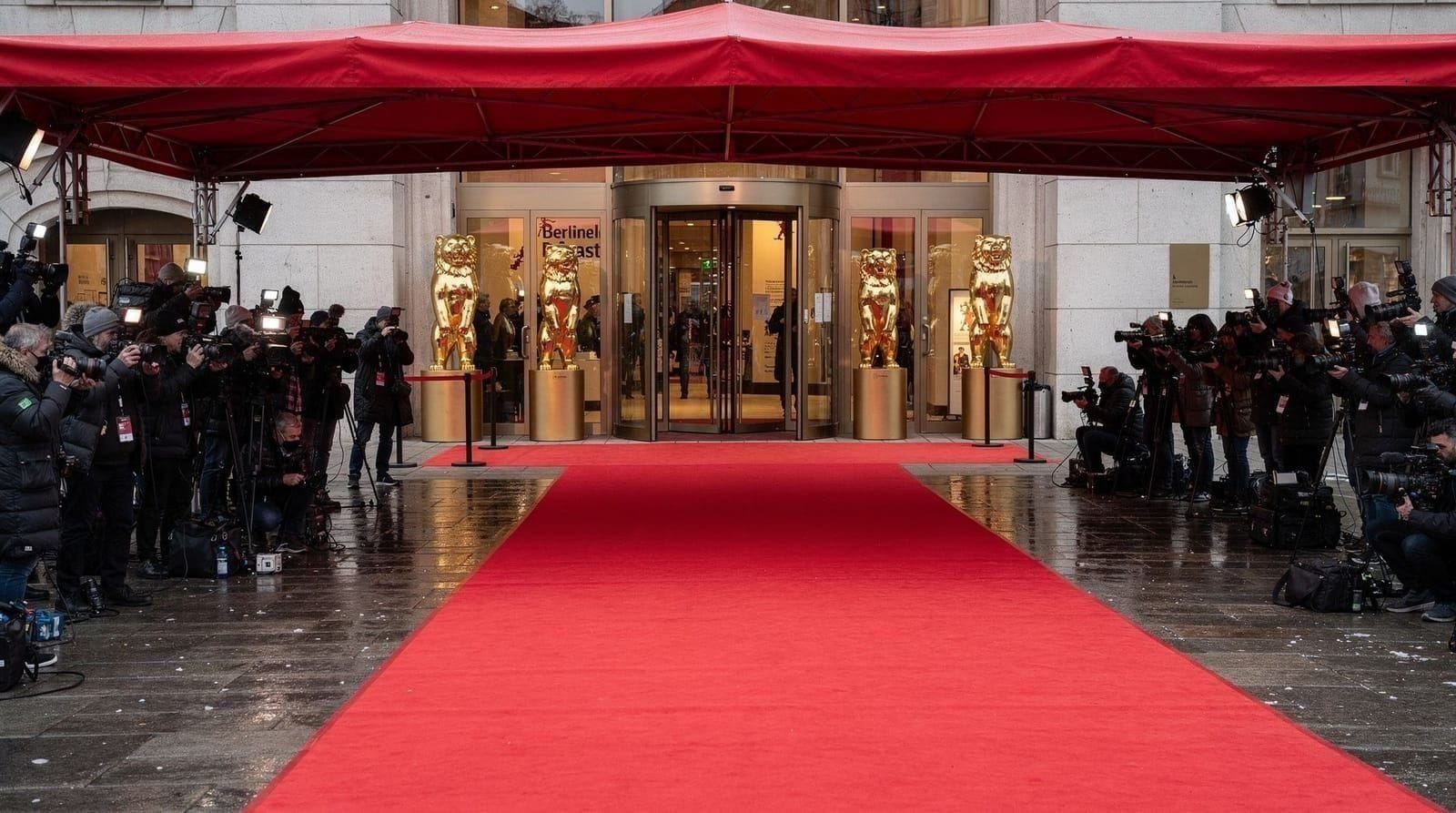
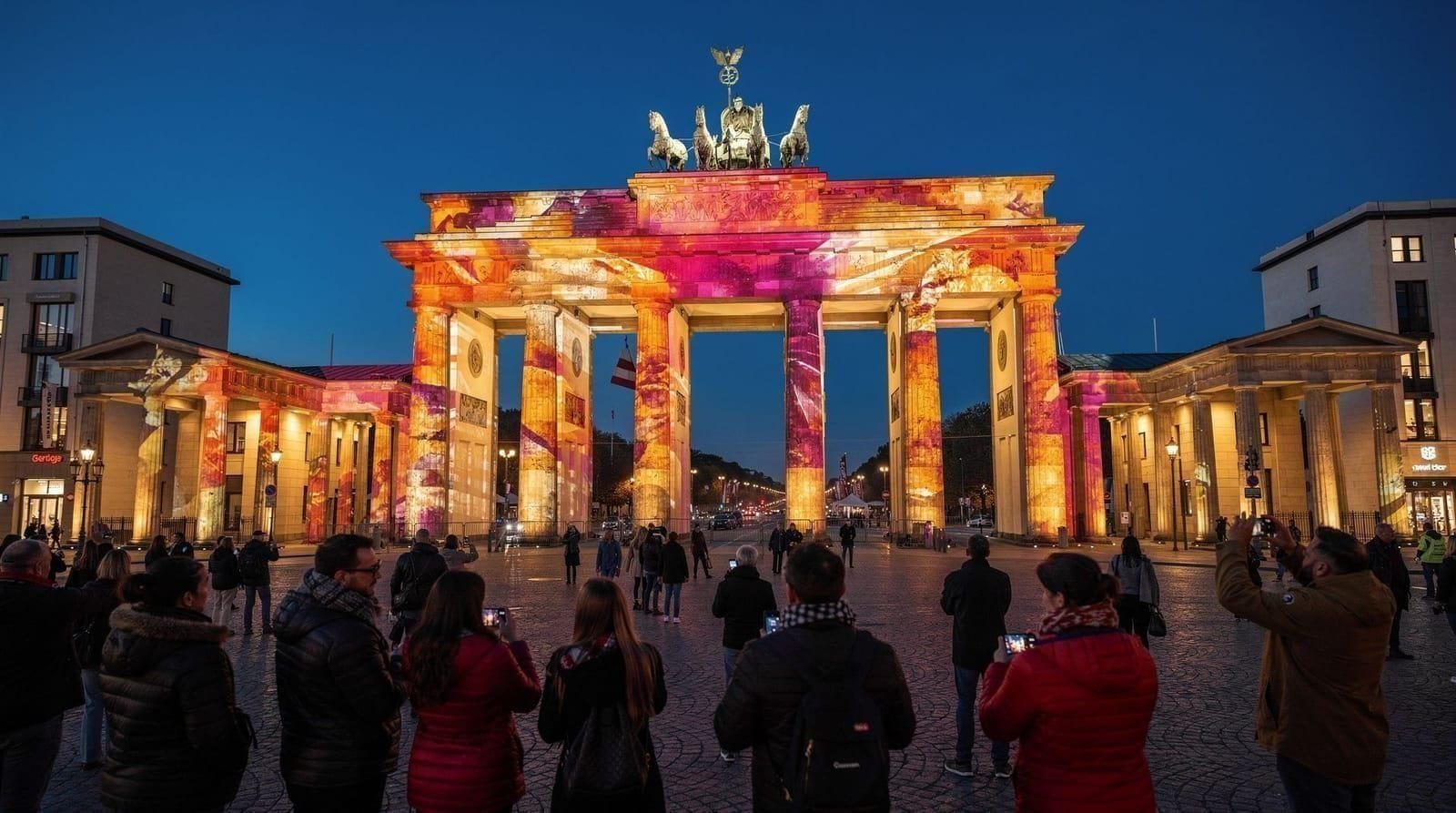
Gallery Weekend also overlaps loosely with Berlin’s wider spring and summer cultural calendar — see the Berlin in summer guide for what follows it, and the Berlinale guide for the film festival that precedes it earlier in the year. If light installations interest you more than gallery openings, the Festival of Lights in October is Berlin’s other major art-adjacent event, though its outdoor format is very different.
The programme beyond the gallery openings
Gallery Weekend publishes a programme of satellite events — artist talks, curator-led tours, dinners, and film screenings — that run alongside the gallery openings. These vary each year and range from free public events to ticketed dinners at €150+ per person.
The public programme is published on gallery-weekend-berlin.de in March. Worth checking:
- Curator and artist talks, which are often free and genuinely informative
- Off-site events in non-gallery spaces (studios, former industrial sites)
- Collaboration events with institutions like the Hamburger Bahnhof or KW Institute for Contemporary Art
The satellite programme is where Gallery Weekend intersects with Berlin’s institutional art world rather than the purely commercial gallery circuit.
Berlin’s gallery scene year-round
Berlin’s strength as an art city is not only its galleries but its institutions, and understanding both is useful:
Hamburger Bahnhof (Museum für Gegenwart): The main public museum of contemporary art, housed in a 19th-century railway station on Invalidenstrasse. The Friedrich Christian Flick collection here is one of the most significant donations of contemporary art to any public museum in Germany. The building’s main hall is one of the most dramatic exhibition spaces in Europe. Currently operating despite partial renovation; check current opening status.
KW Institute for Contemporary Art: At Auguststrasse 69 in Mitte, KW is the most important independent art institution in Berlin. Founded in 1991 in a margarine factory, it shows experimental and politically engaged contemporary art. Admission is moderate (around €8). KW often presents works during Gallery Weekend by artists associated with the event’s programme.
Boros Collection: A private collection of contemporary art housed in a World War II bunker on Reinhardtstrasse. Accessible only by guided tour, which must be booked well in advance (months ahead for popular dates). One of the most architecturally extraordinary art experiences in Berlin.
For full details on Berlin’s contemporary art institutions, see the Berlin contemporary art scene guide.
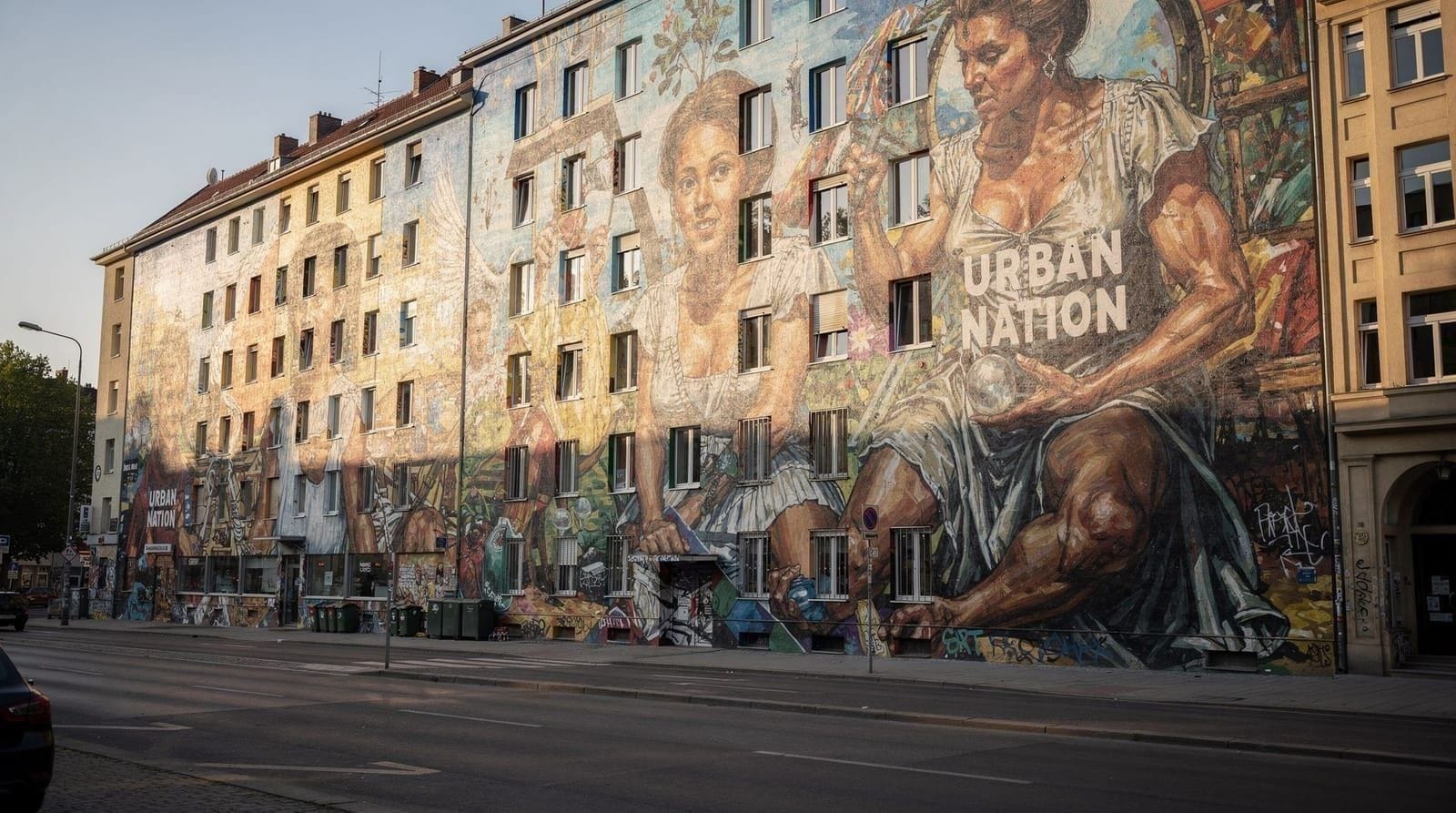
If commercial galleries feel too formal, Berlin’s street art scene runs on its own year-round, entirely free logic — see the Berlin street art guide and the Kreuzberg urban art guide for the outdoor counterpart to Gallery Weekend’s indoor spaces. Several artists exhibited in Potsdamer Strasse or Mitte galleries also have roots in the street art scene, so the two worlds aren’t as separate as the venues suggest.
Accommodation and logistics for Gallery Weekend
Gallery Weekend draws significant numbers of art-world visitors from other European cities and internationally. Hotel prices in Berlin during the event are higher than typical late-April rates, though not as extreme as during Berlinale or CSD.
Book accommodation 2–3 months in advance for Gallery Weekend dates. Schöneberg and Mitte are the most convenient locations; both are well-served by S-Bahn and U-Bahn. The Berlin AB zone ticket (€8.80 day pass) covers all gallery district areas.
Many visitors combine Gallery Weekend with other Berlin cultural activities. The Hamburger Bahnhof, Museum Island, and the Jewish Museum are all open during the same period.
For planning a Berlin visit that includes Gallery Weekend alongside other cultural content, see the Berlin trip planning guide. If you only have two days and want Gallery Weekend to anchor a short trip, the Berlin 2-day itinerary gives a workable frame to slot the gallery clusters around the city’s other essentials.
Who Gallery Weekend suits — and who it doesn’t
Gallery Weekend rewards visitors with genuine curiosity about contemporary art, or at least tolerance for wandering between white-cube spaces without a rigid itinerary. It does not suit visitors expecting museum-style wall text and audio guides — commercial galleries assume some baseline familiarity with how a gallery visit works, even if the art itself needs no prior knowledge. Families with young children will find the crowded Friday evening openings impractical, though Saturday and Sunday daytime visits work fine for older children with an interest in art. If your main goal is people-watching and atmosphere rather than looking closely at the work, Friday night delivers that in spades; if you want to actually engage with the exhibitions, treat Friday as a preview and do your real looking on Saturday morning.
Frequently asked questions about Berlin Gallery Weekend
Is Berlin Gallery Weekend free to attend?
Yes. All gallery openings are free to enter. There is no ticket or registration required. The event programme is published on the Berlin Gallery Weekend website (gallery-weekend-berlin.de) before the event. Some evening events at venues outside gallery spaces may be ticketed separately.Which galleries participate in Berlin Gallery Weekend?
Approximately 45–55 galleries participate, including most of Berlin's most significant commercial spaces — Galerie Eigen+Art, neugerriemschneider, Esther Schipper, König Galerie, Sprüth Magers, Contemporary Fine Arts, and many others. The participant list is published on the official website in March. Not every major gallery participates every year; the list shifts slightly annually.Where are the galleries concentrated during Berlin Gallery Weekend?
The largest cluster is on and around Potsdamer Strasse in Schöneberg/Tiergarten. A second cluster is in Mitte around Auguststrasse (Mitte gallery district). Charlottenburg has several spaces. Maps are available on the event website and as printed guides at participating galleries.How should I plan my days at Berlin Gallery Weekend?
The event runs Friday to Sunday. Friday evening is the formal opening night — galleries are packed, artists are often present, and the atmosphere is social. Saturday and Sunday mornings offer quieter viewing conditions. Concentrate geographically — Potsdamer Strasse can be walked in a full morning; the Mitte cluster is a separate half-day. Do not try to see all 50 galleries; select 8–12 that match your interests.Do I need to know about art to enjoy Gallery Weekend?
No. The galleries' function as commercial spaces means their exhibitions are designed to be accessible and legible to potential buyers, who include many people without specialist art education. Artists and gallery staff are typically present and willing to talk about the work. The social atmosphere of opening nights makes them enjoyable regardless of art knowledge.What is the difference between Berlin Gallery Weekend and Art Berlin?
Berlin Gallery Weekend takes place in participating gallery spaces across the city — it is a distributed event. Art Berlin (or abc art berlin contemporary, when it ran) was an art fair in a single venue. Gallery Weekend is longer-established and focuses on permanent gallery spaces; art fairs consolidate commercial content from many galleries in a temporary exhibition space. The two events have at different points overlapped or been held at the same time.Is Berlin Gallery Weekend suitable for children?
Saturday and Sunday daytime visits work fine for older children with an interest in art, but the crowded Friday evening openings are impractical with young children. Commercial galleries also assume more visitor familiarity than a museum with wall text and audio guides, so it suits curious teenagers better than very young children.How far in advance should I book accommodation for Gallery Weekend?
Book 2–3 months ahead. Gallery Weekend draws significant numbers of international art-world visitors, and hotel prices in Schöneberg and Mitte rise noticeably during the event, though not as extremely as during Berlinale or CSD.