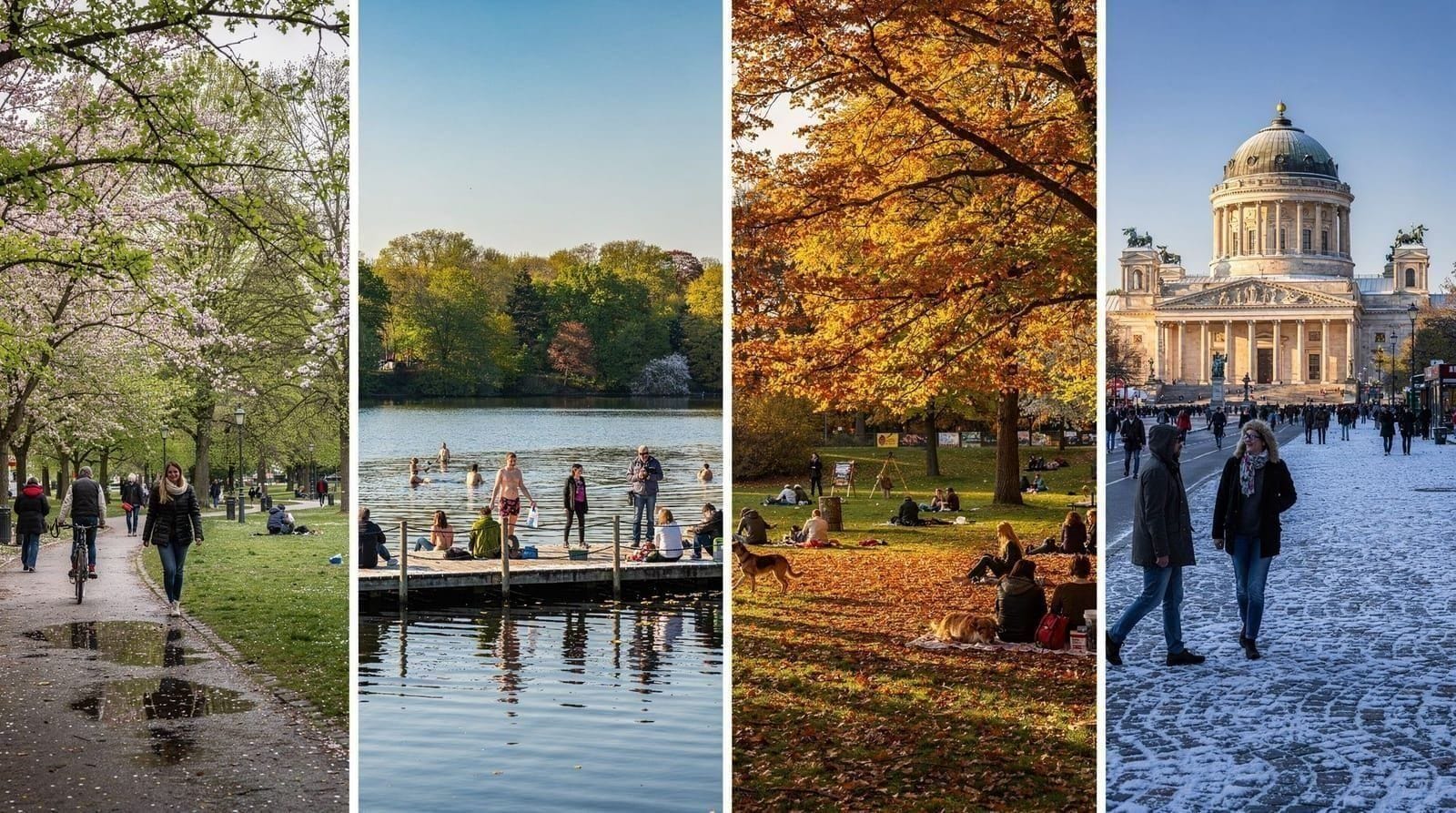
Berlin in autumn — fall colours, Festival of Lights, and what to expect
Berlin: Walking Tour of All The Iconic Sites
What is Berlin like in autumn?
Autumn in Berlin (September–November) is one of the most underrated times to visit. September still has summer warmth (18–22°C), October brings dramatic fall colours and the Festival of Lights, and November is the quiet low season before Christmas markets begin. Crowds are significantly lower than summer, hotel prices drop from October onward, and the cultural calendar is at its most dense.
What is Berlin like in autumn? September is arguably Berlin’s most pleasant month — summer warmth without summer crowds, the cultural season resuming after August holidays, and hotel prices beginning to fall. October brings dramatic fall colours across Tiergarten and the Festival of Lights illuminating the city’s monuments for 10 nights. November is grey and quiet, a genuine off-season with the lowest hotel prices of the year and the least-crowded museums. For visitors who prioritise good-value access over peak weather, autumn — particularly October — is one of the best windows.
| Best month overall | September, for weather and lower crowds |
| Peak event | Festival of Lights, around 10 nights in early October |
| Cost | hotel prices around 20–30% below summer from October |
| Pack for | layers in September/October, full winter kit by November |
| Getting there | standard AB zone transport, extended zone for Grunewald |
Autumn month by month at a glance
| Month | Temperature | Rain/crowds | Best for |
|---|---|---|---|
| September | around 17–20°C | low rain, moderate crowds | outdoor sightseeing, Lollapalooza |
| October | around 10–14°C | rising rain, festival crowds | fall colours, Festival of Lights |
| November | around 5–8°C | frequent rain, lowest crowds | museums, nightlife, budget trips |
Month by month in autumn
September sits at the border between summer and autumn. Average temperatures of 17–20°C make it excellent for outdoor sightseeing. School holidays end in Berlin in early September, which drops tourist volumes noticeably. The cultural season resumes: the Berliner Philharmonie and Konzerthaus reopen after August pauses, galleries launch autumn exhibition programmes. Lollapalooza Berlin is the major festival event, typically mid-September. Hotel prices are still relatively high, dropping in the second half of the month.
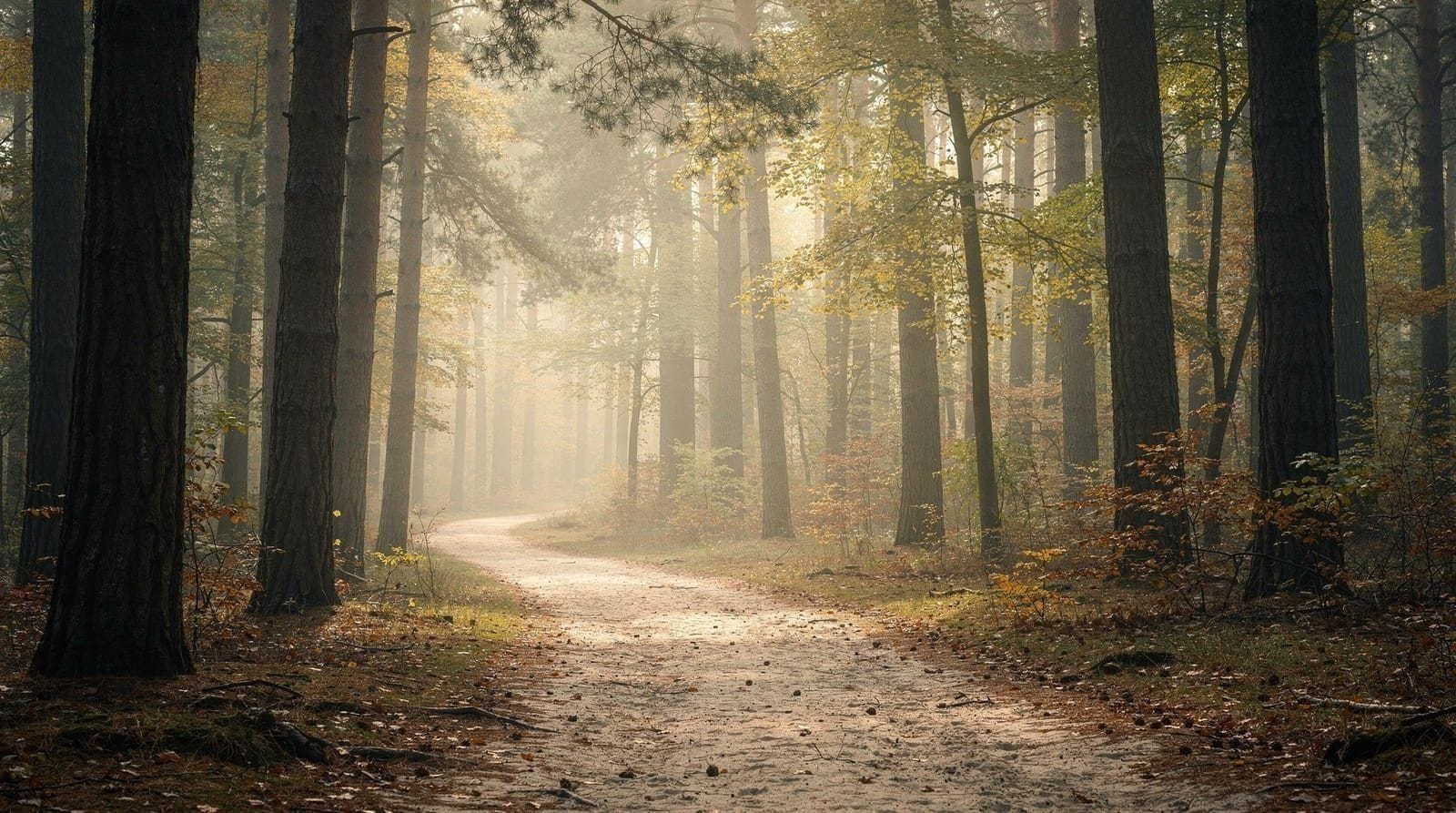
October is the visual and cultural peak of autumn. Average temperatures 10–14°C. The city’s parks — particularly Tiergarten and Grunewald — shift into fall colour, with red, orange, and gold visible across much of the tree canopy by mid-October. The Festival of Lights (typically the first or second week of October) is the headline event. Hotel prices drop from summer levels, often 25–30% lower than August by mid-October. The trade-off is increasing cloud and rain probability.
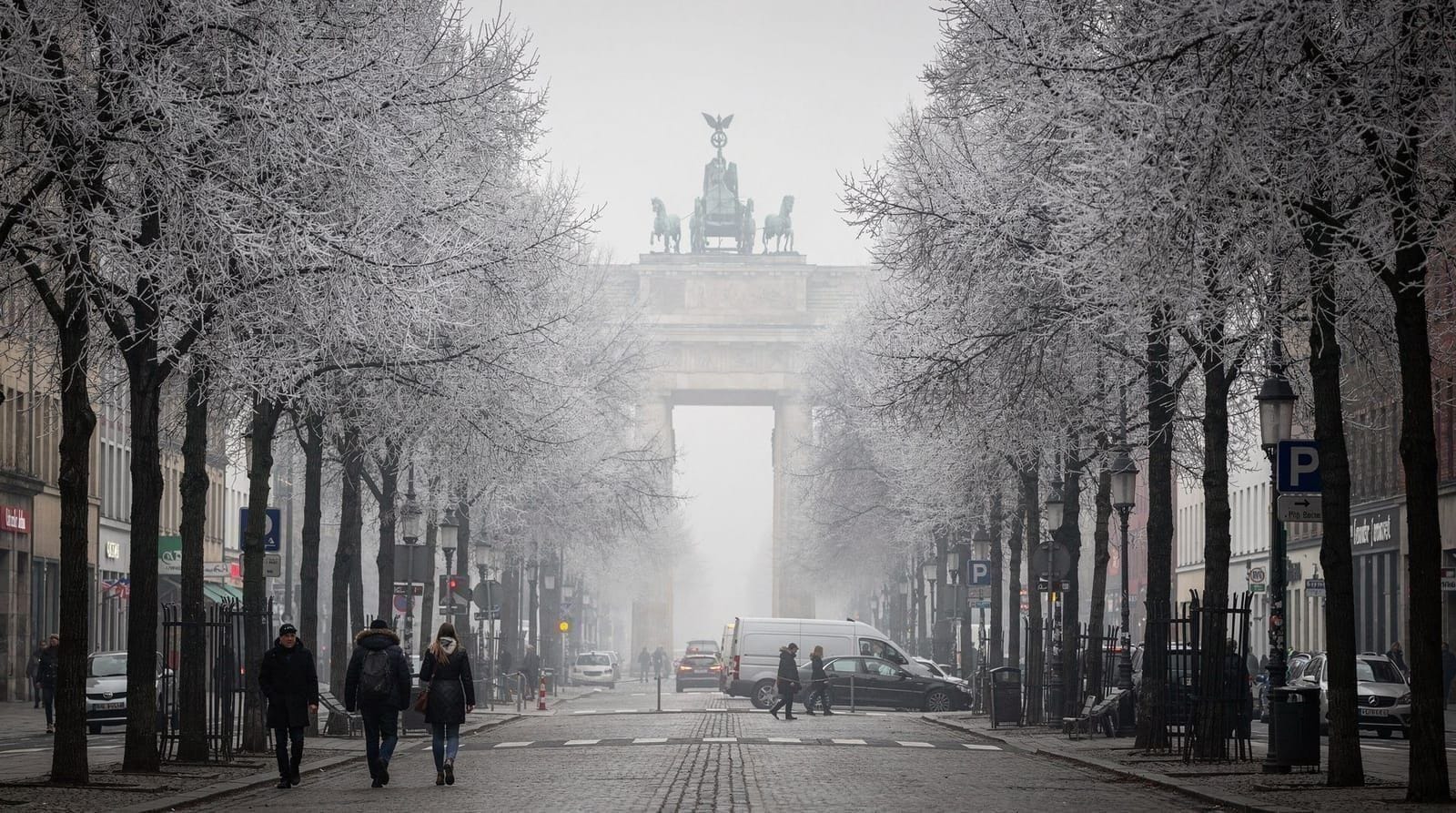
November is the quietest month in Berlin’s tourist calendar. Average temperatures 5–8°C, frequent grey days, short daylight (sunset around 4pm by month’s end). Museum Island is at its least crowded. Hotel prices are at annual lows (matching January/February). From late November, Christmas markets begin to open, providing a reason to embrace rather than avoid the cold. November is excellent for anyone whose priorities are museums, nightlife, and budget — and less suited to outdoor sightseeing.
The Festival of Lights — Berlin in October
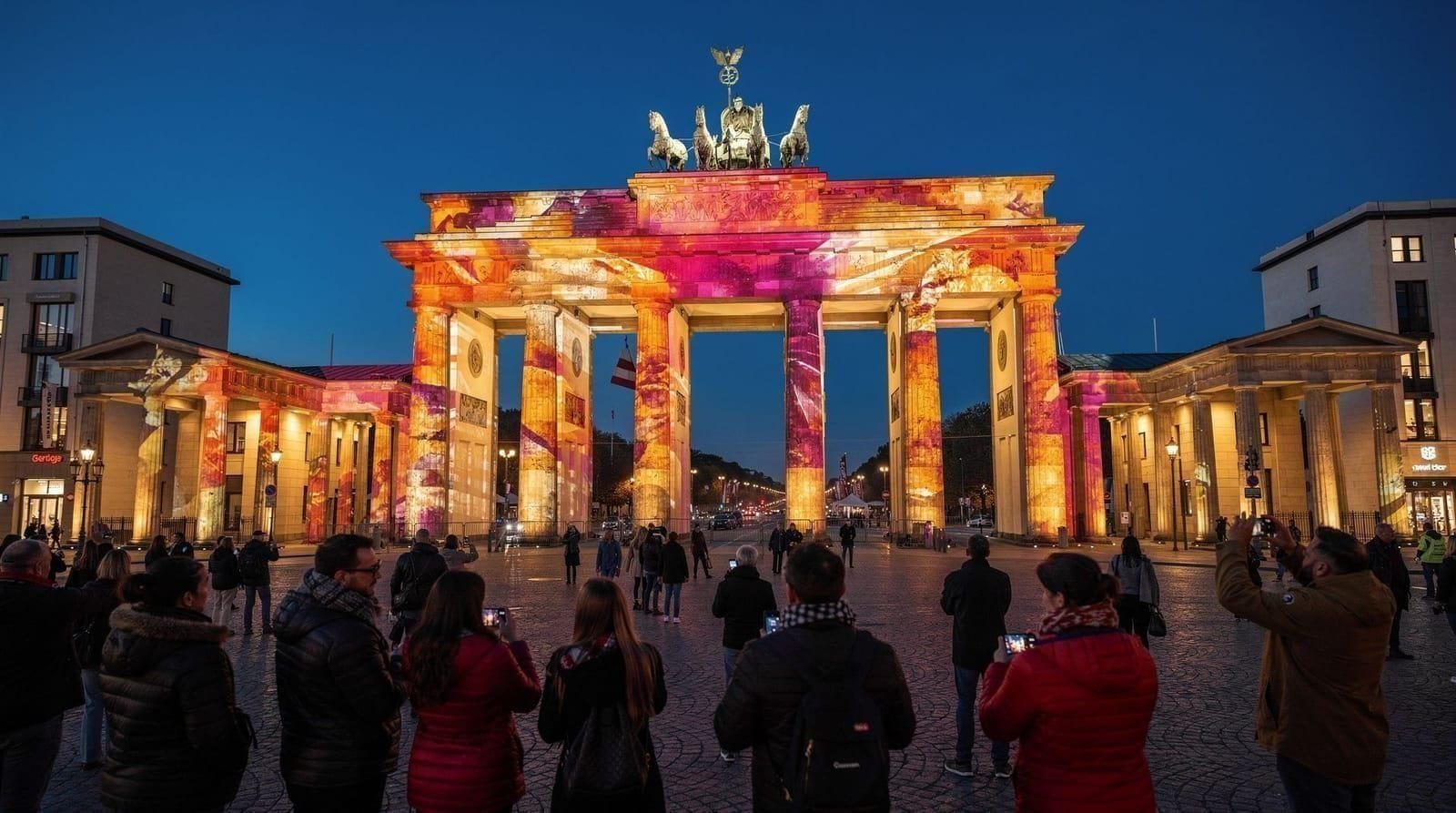
The Festival of Lights Berlin is the city’s largest autumnal event and genuinely worth timing a visit around. For 10 nights in early October, major monuments and buildings across the city are illuminated with projections, light art, and coloured displays. The programme changes annually.
Consistent focal points of past festivals include:
- Brandenburger Tor (Brandenburg Gate): the most elaborate projections, often the centrepiece of media coverage
- Berliner Dom (Berlin Cathedral): full facade projections visible from Museum Island and the Lustgarten
- Fernsehturm (TV Tower): lighting of the sphere
- Altes Museum, Humboldt Forum: illuminations in the Lustgarten area
- Rotes Rathaus (Red Town Hall): projected designs change nightly
- KaDeWe and Kurfürstendamm: commercial lighting along the shopping boulevard
The outdoor installations are free — you walk the route and view them. A special Sightseeing Bus runs during the festival period covering major light sites; tickets are around €15. This is efficient for the spread-out installations.
Viewing times: the light displays switch on at dusk (around 7pm in early October) and run until 11pm or midnight. Weekday evenings are noticeably less crowded than weekends for the Brandenburg Gate installation specifically.
For a complete guide to the festival, see the dedicated Berlin Festival of Lights guide.
Berlin iconic sites walking tour — English guide, covers Brandenburger Tor, Museum Island, and surrounding landmarksFall colours — where to see them in Berlin
Berlin has more tree coverage per capita than most European capitals, and October turns much of it gold.
Tiergarten is the most accessible autumn colour location. The 210-hectare park in the city centre is dominated by mature oaks, limes, beeches, and horse chestnuts — all of which colour well in October. The paths around the Neuer See lake are particularly photogenic. Peak colour typically arrives in the second week of October, though timing varies with temperature. See the Tiergarten guide.
Grunewald forest in the southwest covers 3,000 hectares between the Havel river and the western suburbs. The forest is primarily Scots pine and birch, with deciduous species concentrated near the Havel lakeshores. Peak autumn colour in Grunewald tends to run slightly later than Tiergarten — often the third and fourth weeks of October into early November. Access: S7 to Grunewald station, then on foot into the forest. See the Grunewald forest guide.
Volkspark Friedrichshain in the east has dramatic tree-lined avenues — linden, maple, and oak — that turn a deep yellow-orange in October. The Marchenbrunnen fountain area is particularly photogenic with autumn colour framing the Art Nouveau fountain structure.
The Landwehrkanal banks in Kreuzberg: the canal runs through the neighbourhood flanked by mature plane trees that turn golden in autumn. The stretch between Kottbusser Brücke and Görlitzer Park is a popular Sunday walk for Berliners in October.
Treptower Park in the southeast: the Soviet War Memorial at Treptower Park sits in a park of mature poplars and birches that are at their best in October. Combining a visit to the memorial with an autumn walk through the park makes for a distinctly Berlin experience — monumental Soviet-era architecture in fall colour. See the Soviet War Memorial guide.
Cultural calendar in autumn
The autumn cultural season is dense in Berlin:
Berliner Philharmonie (September to June): the Berlin Philharmonic’s season resumes in September after the August break. Tickets for popular programmes sell out quickly. Check berliner-philharmoniker.de early if you have specific interest in particular conductors or soloists. Cheaper seats (category E) are available for most concerts and have perfectly adequate acoustics.
Berlin Art Week (mid-September): a cluster of gallery openings, museum events, and art fairs concentrated in one week. The Berlin Art Prize and several major gallery programme launches occur during this period. The ABC (Art Berlin Contemporary) and various satellite fairs run alongside. See the Berlin contemporary art scene guide.
Lollapalooza Berlin (mid-September): international music festival at the Olympiastadion. The stadium itself — built for the 1936 Olympics and preserved as a historical monument — is worth visiting independently of any festival. See the Olympiastadion guide.
Berlin Jazz Festival (late October/early November): one of Europe’s serious jazz festivals, running since 1964. Venues across the city; ticket prices are reasonable by European festival standards (€20–40 per concert). Check berlinerfestspiele.de for programme.
Jüdische Kulturtage Berlin (Jewish Cultural Days): typically in late September/October, a festival of Jewish music, film, and performance. Distributed across venues including the Jüdisches Gemeindehaus on Fasanenstrasse and multiple theatres.
Nightlife and club culture in autumn
Berlin’s nightlife operates year-round but autumn marks a genuine intensification. As the tourist mix shifts from international summer visitors to a higher proportion of Berliners and European weekenders, the club scene — particularly Berghain, Tresor, and Watergate — returns to full operation after summer diversification into outdoor events.
October and November are excellent months for Berlin’s techno club scene. The Berghain queues are still long but the selection criteria remains consistent. The Berghain guide gives a realistic account of what to expect at the door.
For the broader nightlife geography — which neighbourhoods, which nights, which clubs for different music preferences — see the Berlin nightlife neighborhoods guide and the Berlin techno clubs guide.
Practical planning for autumn in Berlin
What to pack for September: Light layers — a T-shirt and light jacket combination works for most September days. Evenings can cool to 12–14°C; a mid-weight jacket is useful after dark. Sun protection is still relevant in September.
What to pack for October: A proper jacket, waterproof layer, and closed shoes. October rain is common, particularly later in the month. Layering works better than a single heavy coat — temperatures range from 8°C mornings to 16°C warm afternoons.
What to pack for November: Full winter kit — hat, gloves, insulated coat, waterproof outer layer. November in Berlin is genuinely cold and the short days mean evening conditions arrive early.
Transport: BVG AB zone covers all the sites mentioned. An Autumn trip combining Grunewald with Museum Island could require combining AB zones with the extended zone for the western forests — check bvg.de. The Berlin public transport guide covers the zone system.
Accommodation: October prices are 20–30% below August peak and continue dropping through November. The Festival of Lights period (10 days in October) sees a modest uptick in accommodation demand — book 3–4 weeks ahead for that period. For all other autumn dates, last-minute booking is often possible.
Guided tours in autumn
Walking tours work well in autumn — cooler temperatures make outdoor walking more comfortable than the July heat. Several operators run specific autumn or Festival of Lights themed tours during October.
Berlin city centre walking tour — major landmarks, English-language, small groupThe boat cruise season on the Spree technically ends in late October, but some operators run through the autumn depending on demand. Evening cruises in the autumn golden light can be atmospheric — check listings at the Märkisches Ufer landing stage. See the Berlin boat tours guide.
Frequently asked questions about Berlin in autumn
How is the weather in Berlin in autumn?
September averages 17–20°C and is often Berlin's best weather month — warm but without summer heat peaks, and rarely rainy. October cools to 10–14°C with increasing cloud and rain probability. November is the greyest month — 5–8°C, frequent rain, very short days by month's end. October is the visual peak for autumn (fall colours), but pack layers and a waterproof.When does the Berlin Festival of Lights take place?
The Festival of Lights (Festival of Lights Berlin) takes place in October, typically for 10 nights. In 2025 it ran 3–12 October. The 2026 dates will be confirmed at festival-of-lights.de. The festival illuminates major buildings and monuments across the city with projections, light art installations, and coloured lighting. The Brandenburg Gate, Berliner Dom, TV Tower, and Museum Island are among the sites used. Admission to the outdoor installations is free.What are the best spots for fall colours in Berlin?
Tiergarten is the most accessible — 210 hectares of mature woodland in the city centre turn golden in October. The Landwehrkanal banks in Kreuzberg and Tempelhof are also excellent. Grunewald forest in the southwest covers 3,000 hectares and peaks slightly later (late October to early November). The Volkspark Friedrichshain avenue in the east offers dramatic alley perspectives.Is Berlin cheaper to visit in autumn than summer?
From October onward, yes significantly. September is still relatively expensive (summer spillover). October sees a 20–30% drop in hotel prices from summer peaks. November is the cheapest month in autumn — only matched by January/February. If budget is a priority, November (excluding the Christmas market run-up from late November) is very cheap.What is the Lollapalooza Berlin festival?
Lollapalooza Berlin is a major international music festival held at the Olympiastadion (Olympic Stadium) over one weekend in September. In recent years it has occupied mid-September. Headline acts vary annually. Two-day passes typically run €140–180. The Olympiastadion setting — an intact 1936 structure — is architecturally remarkable regardless of the music. Check lollapalooza.de for 2026 dates and lineup.Are there any autumn markets in Berlin?
The main autumn market event is the Herbstmarkt at Tempelhof Airport (former airfield, now a park) in October — craft goods, food, and seasonal produce on the former runways. The Mauerpark flea market continues on Sundays through October. Indoor craft and design markets begin appearing in November. The Christmas market season starts in late November, bridging autumn and winter.What is the best way to see the Festival of Lights?
The Festival of Lights is best experienced on foot or by the special Sightseeing Bus route that runs specifically for the festival. The outdoor projections on major monuments are free to view; you simply walk to each location. A festival route guide is available at festival-of-lights.de. The Brandenburg Gate and Berliner Dom projections are the most elaborate. Evening hours (7pm–11pm) are peak viewing time. Weeknights have smaller crowds than weekends.Is Berlin safe to visit in November?
Yes. Berlin has no significant safety issues in autumn or any season that are out of the ordinary for a major European city. The reduced tourist numbers in November mean public transport is less crowded and major sites are more accessible. Standard urban precautions apply — watch your belongings in crowded areas and at Alexanderplatz station, which has persistent pickpocket activity.Should I visit Berlin in September, October, or November?
September for the best weather-to-crowd ratio, October for fall colours and the Festival of Lights but with rising rain risk, and November for the lowest prices and quietest museums if you don't mind cold and short days. Families and first-time visitors tend to prefer September; culture and photography-focused visitors tend to prefer October.Do I need to book museums in advance during autumn?
Less than in summer. October and November see noticeably shorter queues at Museum Island and other major sites, and walk-up tickets are more often available. Booking ahead still helps for the Neues Museum's timed Nefertiti slots and for anything falling within the Festival of Lights week, when accommodation and some tours see a demand spike.