Berlin in spring — what to expect from March through May
Berlin: Guided Walking Tour in English
What is Berlin like in spring?
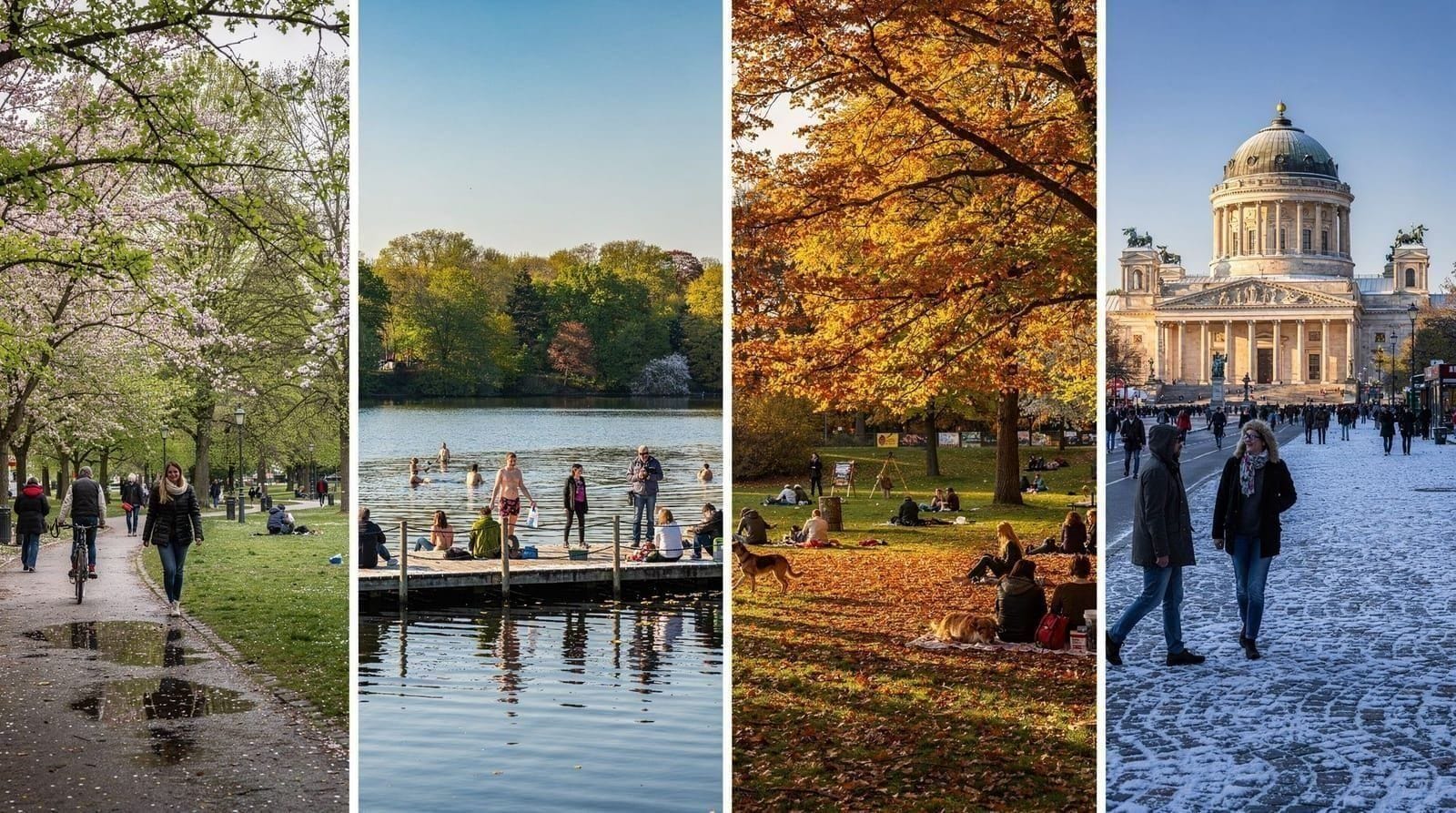
Spring in Berlin (March–May) brings a dramatic transformation. March is still cold with variable weather, but by late April the parks are in full bloom and terraces open. May is one of the best months to visit — warm enough for outdoor sightseeing (15–20°C), fewer tourists than summer, and the Karneval der Kulturen street festival typically falls in late May or early June. Cherry blossoms peak in mid-April along Unter den Linden and at the Japanese Garden in Marzahn.
What is Berlin like in spring? The short answer: from March to early April it’s still unpredictable, but from late April onward, Berlin in spring is one of the best times to visit the city. The parks come alive, terraces open, museum queues are manageable, and the lead-up to the Karneval der Kulturen in late May makes Kreuzberg especially vibrant. Hotel prices sit 20–30% below summer peak. If you are planning a first trip and have flexibility, late April through May is genuinely the optimal window.
| Best window | late April to late May |
| Temperatures | around 8-20°C, widely variable in March |
| Cherry blossoms | peak around 10-20 April |
| Hotel prices | around 20-35% below summer peak |
| Big event | Karneval der Kulturen, Whitsun weekend |
| Pack | layers, light rain jacket |
Month by month: what to expect
March is transitional. Early March often still feels like winter — grey, cold (3–8°C), and with a residual winter quietness. By mid-March the daylight extends noticeably (spring equinox is 20 March), and the first warm weekends bring Berliners outdoors with striking speed. Expect variable conditions: T-shirt weather one day, snow the next.
April is the month of the spring transformation. Average temperatures reach 12–15°C, with warm days hitting 18–20°C. The parks green up rapidly. Cherry blossoms typically peak around 10–20 April. Easter falls in April (in 2026, Easter is 5 April), bringing a brief surge in family tourism. Late April — after Easter, before the summer rush — is arguably Berlin’s best-kept seasonal secret.
May is reliably good. Average temperatures are 17–20°C, evenings are warm enough to sit outside until 9pm, and daylight extends to around 9pm by late May. The Karneval der Kulturen (usually the Whitsun weekend, last weekend of May in most years) is the peak spring event. Crowds are building but still well below July levels. Hotel prices start rising from mid-May.
Cherry blossoms and the best spring parks
Berlin’s most famous cherry blossom site is the Gärten der Welt (Gardens of the World) in Marzahn. The Japanese-German garden within it contains over 100 flowering cherry trees — a gift from Japan — that bloom around mid-April. Entry to the Gärten der Welt is €7 adults. Access: U5 to Kienberg (Gärten der Welt), opened for the 2017 International Garden Exhibition and permanently integrated since.
The bloom is weather-dependent. A warm March advances it; a late cold snap delays it. The Gärten der Welt posts bloom updates on their website (gaerten-der-welt.de) in April — check before making a special trip.
Unter den Linden — literally “under the linden trees” — has a name that is apt in a different season (linden/lime blossoms come in June), but the boulevard also has ornamental spring-flowering trees along its length. Mid-April sees some blooming here. The Brandenburg Gate as backdrop makes this a photographically obvious but genuinely attractive spring destination.
Tiergarten is the most accessible spring park. 210 hectares in the city centre, the park transitions rapidly in spring — bare-branched in early March, pale green in early April, fully leafed in May. The Neuer See lake in the park’s south is particularly pleasant in April with ducks, rowboats, and the Café am Neuen See biergarten open. See the Tiergarten guide for orientation.
Volkspark Friedrichshain in the east of the city has mature tree avenues that are excellent in spring. The Marchenbrunnen fairy-tale fountain in the park reopens for spring after winter closure.
Mauerpark in Prenzlauer Berg comes back to life from spring — the Sunday flea market returns to full capacity, the open-air karaoke amphitheatre resumes, and the park’s atmosphere transforms from the grey winter version. See the Mauerpark guide.
Karneval der Kulturen — the spring festival
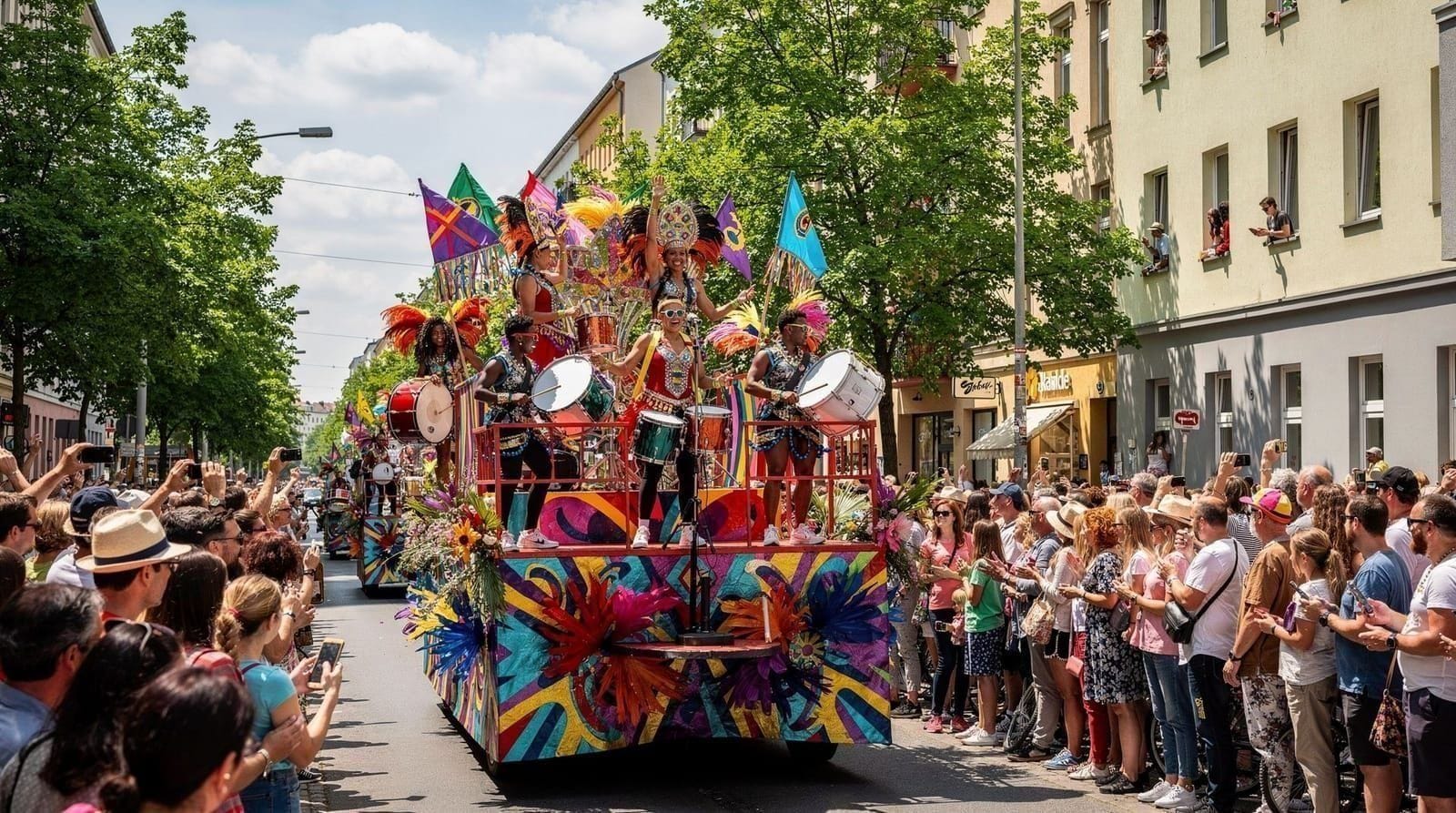
The Karneval der Kulturen (Carnival of Cultures) is Berlin’s most distinctive spring festival, held over four days during the Whitsun (Pfingsten) weekend, typically the last weekend of May. In 2026, Whitsun falls around 23–24 May, so the festival runs approximately 21–24 May.
The centrepiece is the Sunday street parade through Kreuzberg, starting near Hermannplatz (U8 Hermannplatz) and moving through the neighbourhood. Over 70 groups representing Berlin’s communities — Turkish, African, Caribbean, Latin American, South Asian, and others — participate. No entry charges.
The four days surrounding the parade include stages at multiple Kreuzberg locations with live music across genres: Afrobeat, reggae, cumbia, electronic, drumming ensembles. Food stalls represent dozens of national cuisines. The atmosphere is genuinely celebratory rather than commercial.
Practical advice: the parade route gets very crowded, particularly around the Görlitzer Park stretch and the Mehringdamm intersection. Arrive early (before 11am) if you want a viewpoint for the parade. For the music stages in the evenings, the crowd density is easier to manage.
The Karneval der Kulturen guide covers the full programme in detail.
Terrace culture and biergartens opening
Berlin’s outdoor dining and drinking culture is suppressed all winter. The opening of terraces in spring — some as early as late March during warm spells — is a genuine seasonal event.
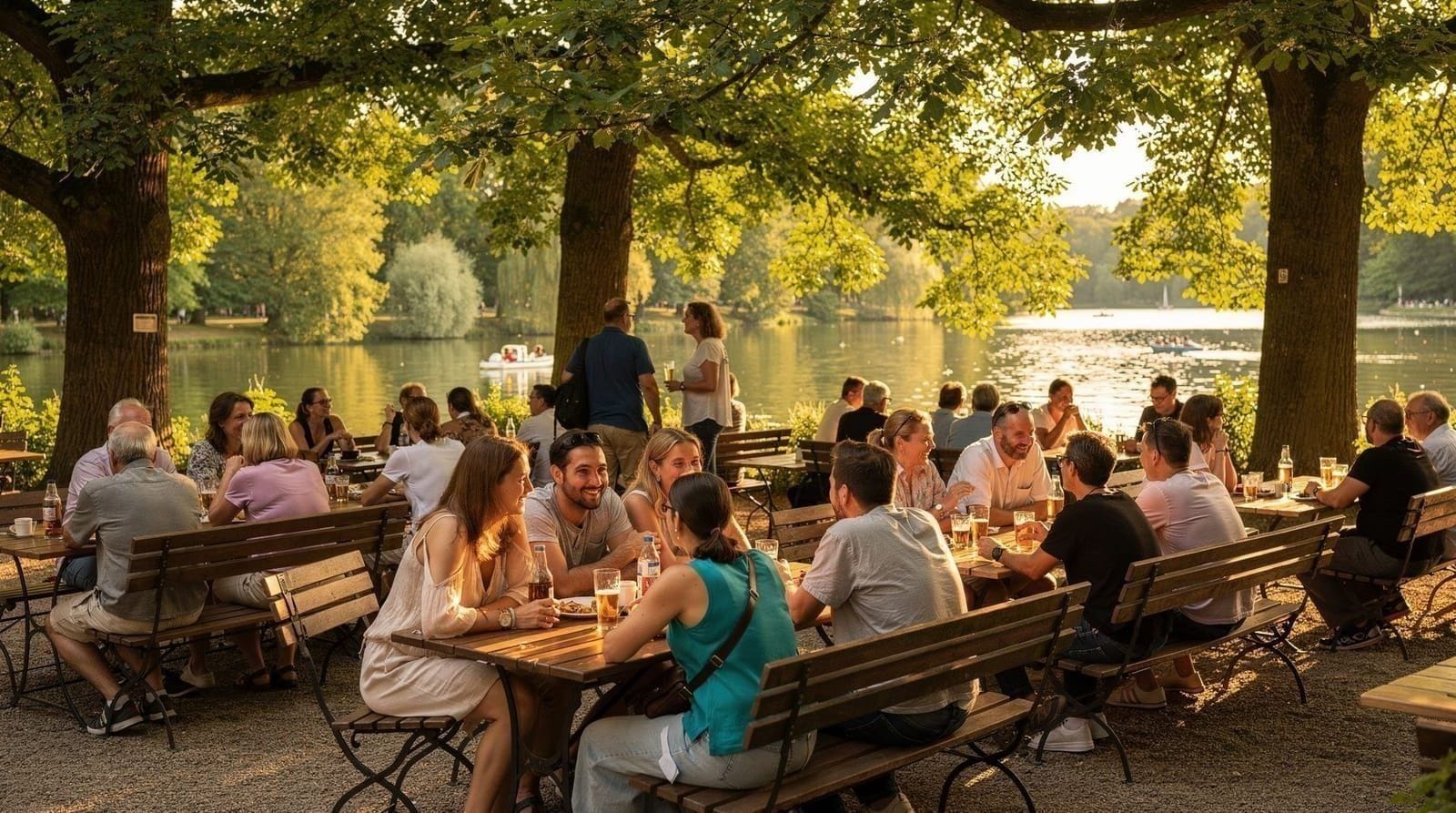
Prater Garten (Kastanienallee 7–9, Prenzlauer Berg, U2 Eberswalder Strasse): Berlin’s oldest biergarten opens its outdoor section in April. In good spring weather, the chestnut-tree canopy is bare enough to let sun through while providing some shade by May. A half-litre Pils costs around €4.50. No reservations; show up and find a table or share.
Café am Neuen See (inside Tiergarten, by the lake): a lakeside café-biergarten that is a Berlin institution. Very popular on spring weekends. Rowboat hire on the Neuer See is available from spring through autumn (around €15/hour). The setting — lake, weeping willows, surrounded by park — is as close to a country escape as you can get in the city centre.
Schleusenkrug (Tiergarten, canal lock): reliable quality biergarten on the Landwehrkanal, open from April.
Terraces on Oranienstrasse (Kreuzberg): The main street of Kreuzberg doesn’t have a formal biergarten culture, but the bars and restaurants along Oranienstrasse extend terraces immediately on the first warm days of spring. This is where to observe Berlin street life in spring — diverse, loud, and casual.
Berlin Gallery Weekend
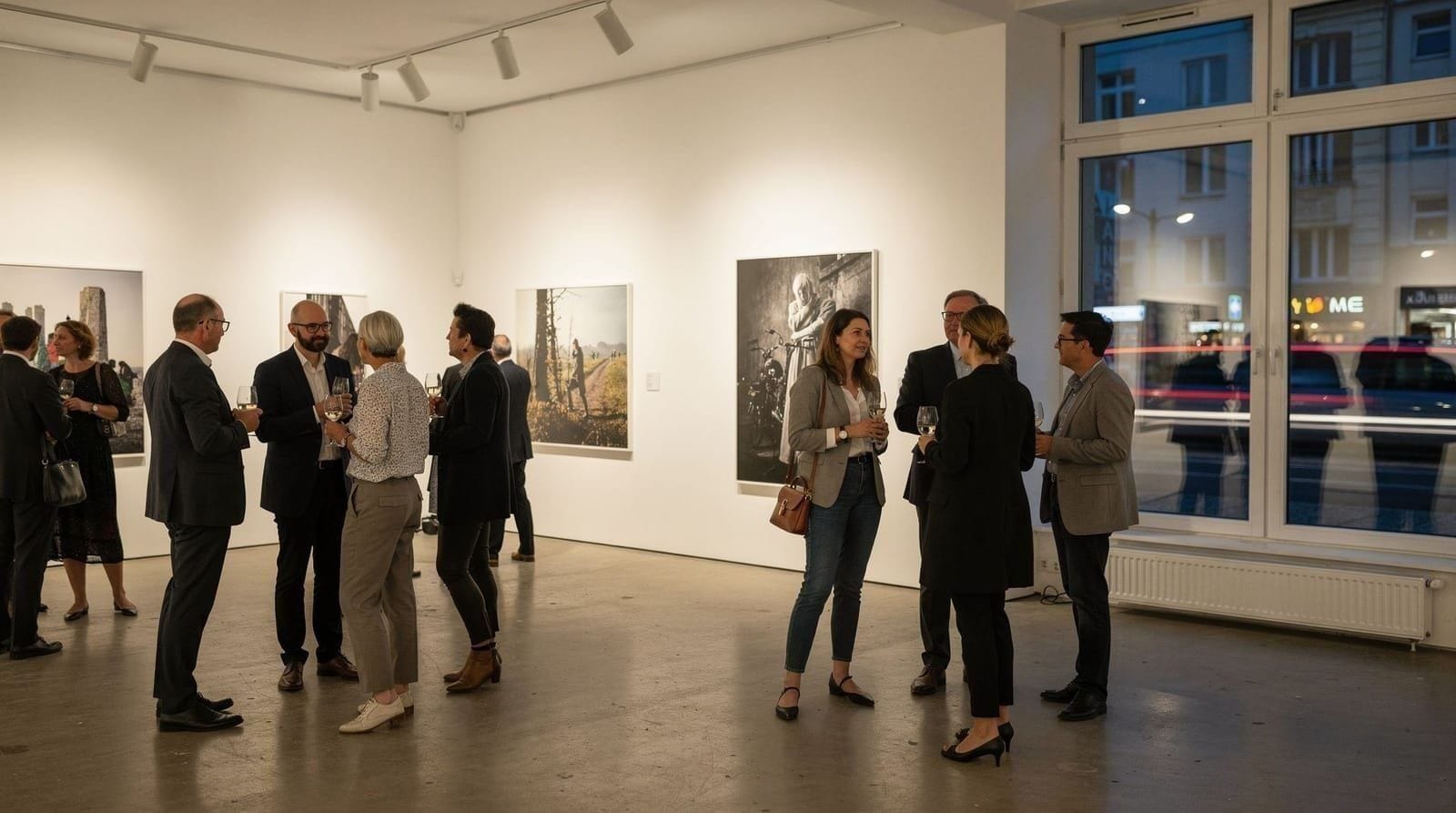
The Berlin Gallery Weekend (Galerie Weekend Berlin) takes place over one Friday–Sunday in late April. In 2026, check berlinartweek.de for exact dates (typically the last or second-to-last weekend of April).
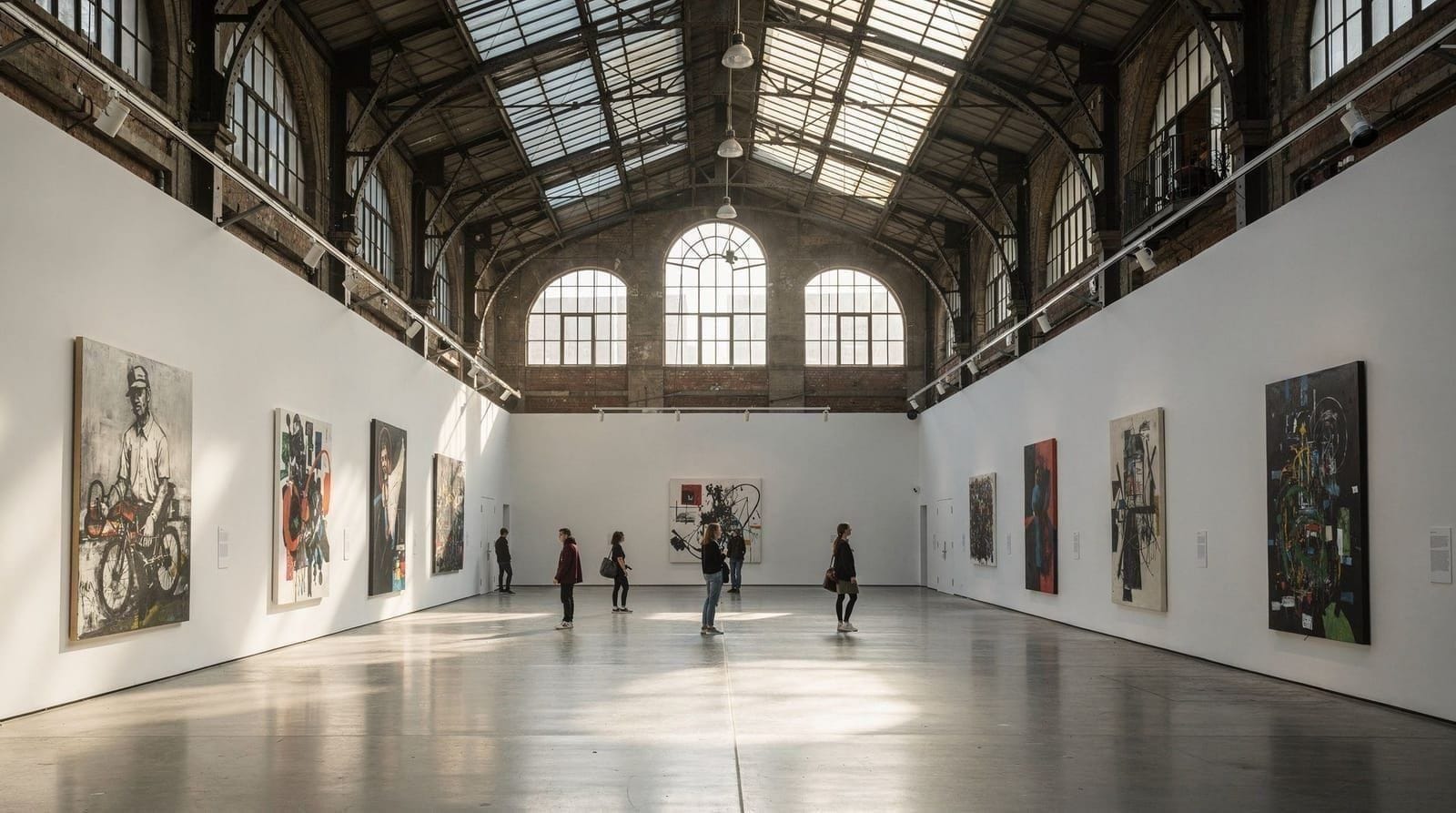
Around 50 galleries simultaneously open new exhibitions with extended hours, private views, and artist talks. The event draws an international art audience and is free to attend throughout. The galleries are concentrated in Mitte (particularly around Auguststrasse and Linienstrasse in the gallery district), Charlottenburg (Fasanenstrasse area), and Kreuzberg.
For a non-specialist visitor, the Gallery Weekend is a good way to access Berlin’s contemporary art world beyond the established museums. The scale of the city’s private gallery scene — over 400 commercial galleries — is not obvious without an event like this.
See the Berlin Gallery Weekend guide and the Berlin contemporary art scene guide for context.
Guided tours in spring
Spring is arguably the best season for guided walking and cycling tours. The weather is comfortable for outdoor activity, the crowds are smaller than summer, and the parks provide pleasant backdrops.
Berlin city guided walking tour — English-language, covers major landmarks, year-roundCycling tours are particularly good in spring when the weather is mild but not hot. The city’s flat topography makes cycling accessible for most fitness levels.
Berlin green city bike tour — parks, gardens, and hidden green spaces, 3 hoursEaster and spring markets
Berlin’s Easter markets are a lesser-known alternative to the famous Christmas markets. The main Easter market (Ostermarkt) typically runs on Alexanderplatz and around the Brandenburg Gate area for the 10 days before Easter. Decorated eggs, spring flowers, seasonal food, and a less commercial atmosphere than the Christmas equivalents.
In 2026, Easter is 5 April, meaning the Easter market would run approximately 26 March to 5 April. Check berlin.de/events for confirmed dates as they are set closer to the time.
The Britzer Garten in the south of the city (U7 Parchimer Allee, then walk) hosts a spring flower show (Frühjahrszauber) in late March and April with tulips, daffodils, and ornamental garden displays. Entry around €3. Less well known to tourists than the Gärten der Welt but closer to the city centre.
Practical planning for spring in Berlin
Best weeks: Late April (after Easter) through late May offers the best combination of pleasant weather, manageable crowds, and reasonable hotel prices. The specific days around Karneval der Kulturen (Whitsun weekend) will be very busy in Kreuzberg specifically; plan accommodation in advance for that weekend.
Weather layering: Spring in Berlin requires layering. Morning temperatures in April can be 8–10°C; afternoon can reach 18°C on sunny days. A light packable jacket, mid-layer, and comfortable walking shoes are the essentials. Rain is possible throughout — a compact umbrella or lightweight rain jacket is worth carrying.
Museum visits: Spring crowds are manageable at Museum Island compared to summer, but Easter weekend is an exception. Book online for the Neues Museum (smb.museum) if visiting over Easter. See the Museum Island guide for practical booking advice.
Getting around: The BVG AB zone covers all the destinations mentioned except the Gärten der Welt (which requires an AB ticket plus zone B extension — check bvg.de for current fare). Spring bike rental (Nextbike, Lime) is a good complement to the U-Bahn for reaching parks.
Spring at a glance, month by month
| Month | Weather | Crowds | Key event |
|---|---|---|---|
| March | around 3-8°C, variable | Low | Easter markets begin late March |
| April | around 12-20°C, rapid greening | Low-medium, higher over Easter | Cherry blossoms, Gallery Weekend |
| May | around 17-20°C, reliably pleasant | Medium, building toward summer | Karneval der Kulturen (Whitsun) |
If weather-reliability matters more than blossoms or festivals, May is the safer bet. If you specifically want the cherry blossoms or the Gallery Weekend, plan around mid-to-late April and accept slightly more variable conditions.
Spring versus the other seasons — a quick reality check
Visitors comparing spring to summer often assume summer wins simply on warmth, but the trade-offs are more nuanced than that. Spring’s core advantage is the ratio of good experience to cost and crowding: hotel prices in April and May sit meaningfully below July and August, the parks and outdoor terraces are in full swing by mid-spring, and you are not competing with the peak-season crowds at Museum Island, the Brandenburg Gate, or the East Side Gallery. Compare this to the Berlin in summer guide for the fuller picture of what you’re trading off — mainly, guaranteed warm evenings and the longest daylight of the year, both genuinely valuable if outdoor nightlife and lake swimming matter to your trip. Autumn, covered in the Berlin autumn guide, shares some of spring’s shoulder-season pricing advantages but without the cherry blossoms or the Karneval der Kulturen. For a broader month-by-month comparison across the whole year, see best time to visit Berlin.
Spring events for art and culture lovers
Beyond the Gallery Weekend, spring is a strong season generally for Berlin’s indoor cultural calendar, since much of the outdoor festival programme doesn’t start until June. The Philharmonie and Konzerthaus run full spring seasons, and the Berlin contemporary art scene is unusually active in the weeks around the Gallery Weekend specifically, when private collectors and international visitors are in town and smaller galleries often schedule their most ambitious shows of the year to coincide. If contemporary art is a priority for your trip, timing a visit to overlap with late April is worth the modest planning effort — outside that window, the same galleries are open but without the same concentrated energy.
Frequently asked questions about Berlin in spring
When does spring start in Berlin?
Meteorological spring begins 1 March, but Berlin weather often remains winter-like until mid-March. The real turning point is usually mid-April, when temperatures reliably reach 15°C+ and the parks visibly green up. By May, conditions are consistently pleasant for outdoor sightseeing — average temperatures of 17–20°C, long evenings, and the city's terrace culture in full swing.When do Berlin's cherry blossoms bloom?
Cherry blossoms in Berlin typically peak between 10–25 April, depending on the year. The most photographed location is the cherry blossom avenue at the Japanese-German Garden in Marzahn (Gärten der Welt, U5 Kienberg). The trees along Unter den Linden also bloom in mid-April. Bloom timing varies by 1–2 weeks depending on winter temperatures. Check the Gärten der Welt website (gaerten-der-welt.de) for real-time bloom updates.What is Karneval der Kulturen and when does it happen?
Karneval der Kulturen is a four-day multicultural street festival in Kreuzberg, culminating in a street parade on the Sunday of the Whitsun weekend. In 2026, Whitsun falls in late May, putting the parade on around 24 May. The event celebrates Berlin's cultural diversity with music stages, food stalls, and a parade involving 70+ groups representing communities from dozens of countries. Attendance is free throughout. Expect 700,000+ attendees over the weekend.Is Berlin cheaper to visit in spring than summer?
Yes. March and April are shoulder season — hotels are 20–35% cheaper than July peak prices, and popular attractions have shorter queues. May sits between shoulder and peak: cheaper than July but busier than March. If budget is a priority, aim for March or early April. If you want the best weather-value balance, late April or early May is the sweet spot.What is Berlin like at Easter?
Easter (school holidays) brings a noticeable increase in domestic tourists, particularly families. Major museums and attractions are busy over Easter weekend. Hotels book up faster than in regular spring weeks. The upside is that the Easter markets at Alexanderplatz and the Brandenburg Gate (typically running the week before Easter) are a pleasant spring counterpart to the Christmas markets — less famous but enjoyable.Can you use biergartens in spring in Berlin?
Most biergartens open in April, subject to weather. The Prater Garten in Prenzlauer Berg (Berlin's oldest) typically opens for the season in April, on warm afternoons. The Schleusenkrug in Tiergarten follows a similar schedule. In a warm year, some open in late March. In a cold spring, they may delay until early May. All are fully operational by mid-May.Are there outdoor concerts in Berlin in spring?
Some, but the bulk of outdoor concerts and festivals start from June. The Classic Open Air on Gendarmenmarkt is a summer event. Spring cultural activity is concentrated indoors — the Philharmonie, Konzerthaus, and Volksoper all run spring programmes. The Berlinale film festival (mid-February) overlaps with the very start of spring; the Gallery Weekend (late April) is the key spring art event.What is the Berlin Gallery Weekend?
The Berlin Gallery Weekend (Galerie Weekend Berlin) takes place over one weekend in late April, when around 50 Berlin galleries simultaneously open new exhibitions with special programming — openings, artist talks, late-night hours. It is free to attend and draws an international art audience. The participating galleries cluster in Mitte, Charlottenburg, and Kreuzberg. Check berlinartweek.de for the 2026 programme.