Prenzlauer Berg guide — Berlin's family-friendly neighborhood with organic markets and Kollwitzplatz
Berlin: Discover Berlin Half-Day Walking Tour
What is Prenzlauer Berg like and who should stay there?
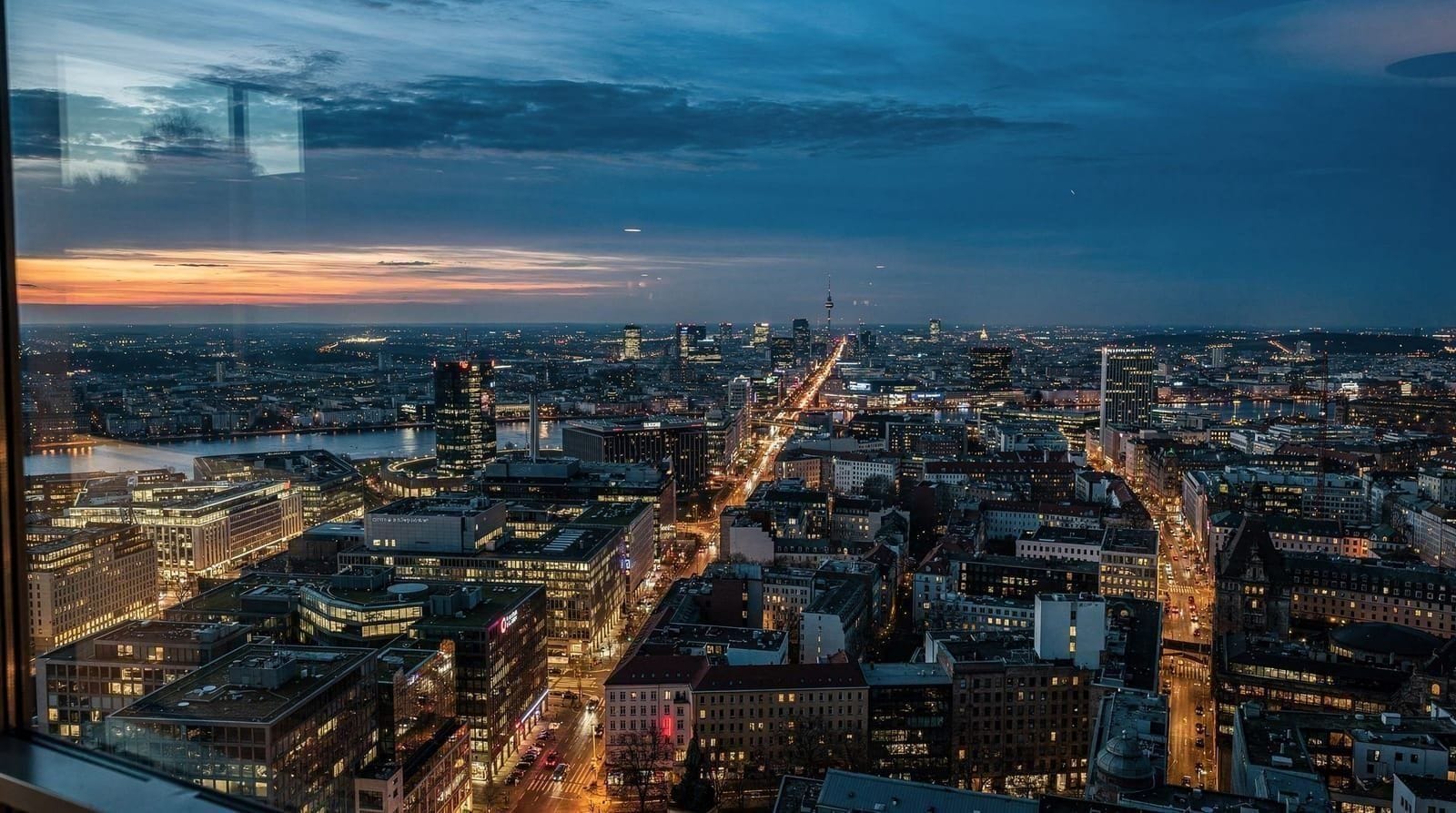
Prenzlauer Berg is the most aggressively gentrified neighborhood in former East Berlin — leafy streets, well-preserved 19th-century apartment buildings, organic food shops, and a high concentration of families with children. It suits travelers who want a quieter, residential feel with good cafes and restaurants, easy transport to Mitte (10 minutes by tram or U-Bahn), and proximity to Mauerpark and the Wall trail. It is not the right base for nightlife-focused visitors.
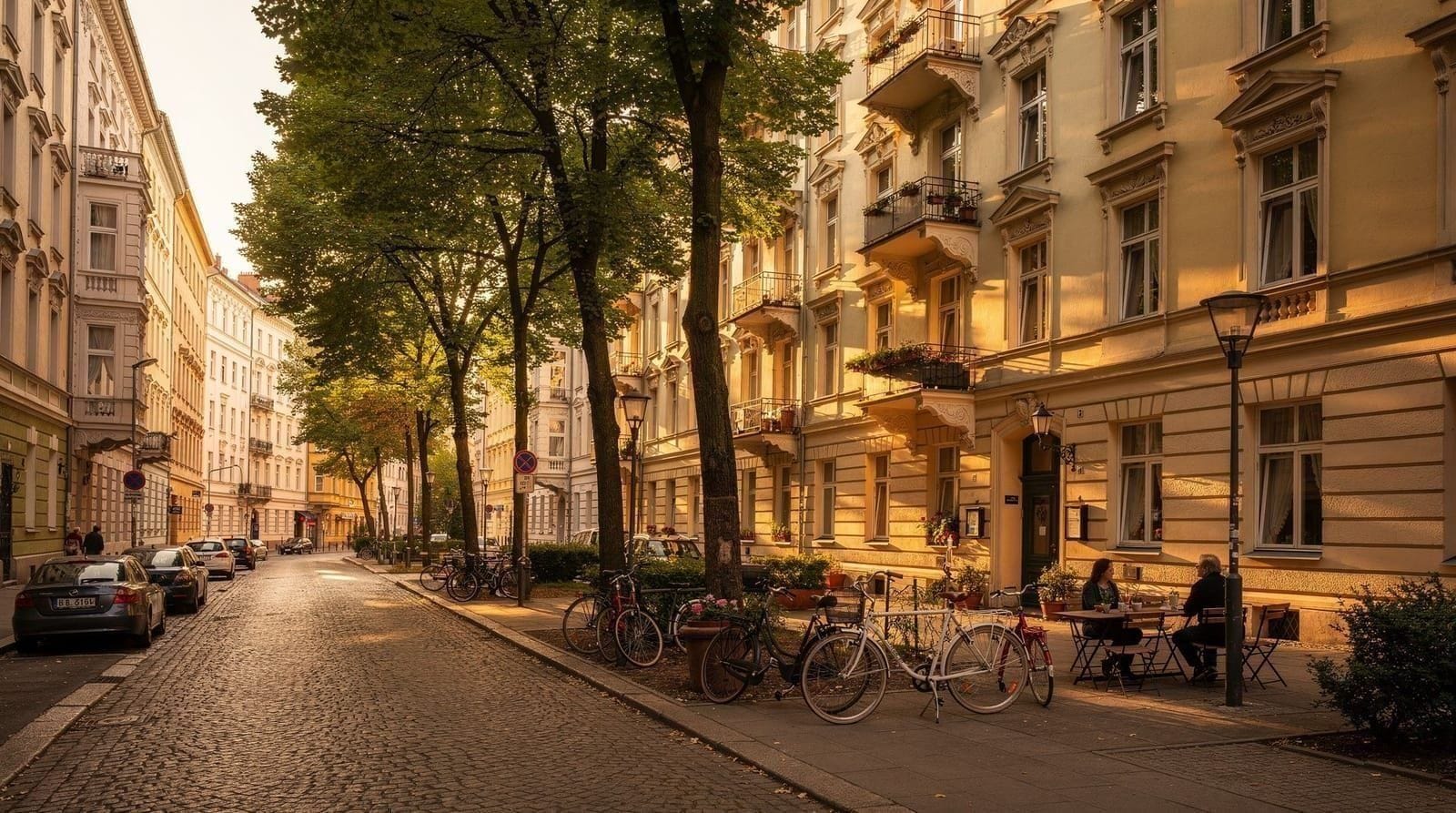
Who is Prenzlauer Berg for? In the 1990s, Prenzlauer Berg was the artist and squatter neighborhood of reunified Berlin — cheap rents in unrenovated GDR-era Altbau apartments, no chains, visible political culture. By the 2010s, the same apartments had been renovated and priced for young professional families. By the 2020s, the transformation was largely complete. Prenzlauer Berg is now Berlin’s most family-friendly neighborhood: excellent schools, well-maintained parks, organic food shops on every street, and a café culture that caters to parents with prams. It is a good place to stay if you want a quiet, residential feel with quick tram access to the center.
| Where | Former East Berlin, north of Mitte, around Kollwitzplatz and Schönhauser Allee |
| Vibe | Family-friendly, gentrified, quiet evenings |
| Cost | around EUR 80-130/night double; mains around EUR 12-25 |
| Getting there | U2 Senefelderplatz/Schönhauser Allee, M1/M2/M10 trams |
| Best for | Families, longer stays, quiet base near Mitte |
The geography of Prenzlauer Berg
Prenzlauer Berg sits between Mitte to the south, Pankow to the north, Weissensee to the east, and Wedding to the northwest. The neighborhood is built on what was genuinely a “berg” (hill) in the landscape — the streets rise gently from the Schönhauser Allee valley, which accounts for the elevated position of the water towers at Belforter Strasse.
The spine of the neighborhood runs along Schönhauser Allee, where the U2 elevated line operates (a genuine visual landmark — the same red-brick elevated railway structure that has been here since 1913). East of Schönhauser Allee, the character shifts slightly toward Helmholtzplatz, which has retained more working-class tenants than the Kollwitzplatz area and has a slightly rougher edge.
West of Schönhauser Allee, Kastanienallee runs parallel and is the main artery for restaurants and independent shops — nicknamed “Casting Allee” by Berliners in the mid-2000s for its concentration of visible lifestyle aspirants. The name stuck, even affectionately.
Prenzlauer Berg vs other Berlin bases
| Neighborhood | Vibe | Best for | Downside |
|---|---|---|---|
| Prenzlauer Berg | Quiet, family, leafy | Families, longer stays | Limited nightlife |
| Mitte | Central, touristy | First-timers, sightseeing | Pricier, busier |
| Kreuzberg | Alternative, multicultural | Food, street life | Noisier at night |
| Friedrichshain | Young, nightlife-heavy | Clubbing, budget bars | Loud, less polished |
Prenzlauer Berg trades nightlife and grit for calm streets and reliable quality — the trade-off suits travelers staying more than a few nights or traveling with children more than it suits a short party-focused weekend. For a wider comparison of where to base yourself, see the where to stay in Berlin guide and the neighborhoods overview.
Kollwitzplatz and surrounding streets
Kollwitzplatz is the neighborhood’s social center. The square is not large but functions as a real meeting point: the Saturday Ökomarkt (organic farmers market, 9am-4pm) draws residents from a wide radius to buy vegetables, cheese, bread, and flowers from regional producers. Prices are higher than the Turkish Market in Kreuzberg but the quality is consistently good.
The streets radiating from Kollwitzplatz — Kollwitzstrasse, Husemannstrasse, Wörther Strasse — contain the densest concentration of 19th-century apartment buildings in reasonable to excellent condition. Several were used as film locations for period productions; Husemannstrasse in particular has been cleaned and lit to approximate a pre-war street scene.
Restaurants in this zone target the local professional demographic: good ingredients, mid-range prices, German and international menus. For dinner, budget EUR 15-25 per person with drinks at sit-down places. Breakfast and brunch spots cluster particularly heavily; Saturday and Sunday brunches at popular cafes require arriving before 10am or accepting a queue.
Mauerpark and the Wall trail
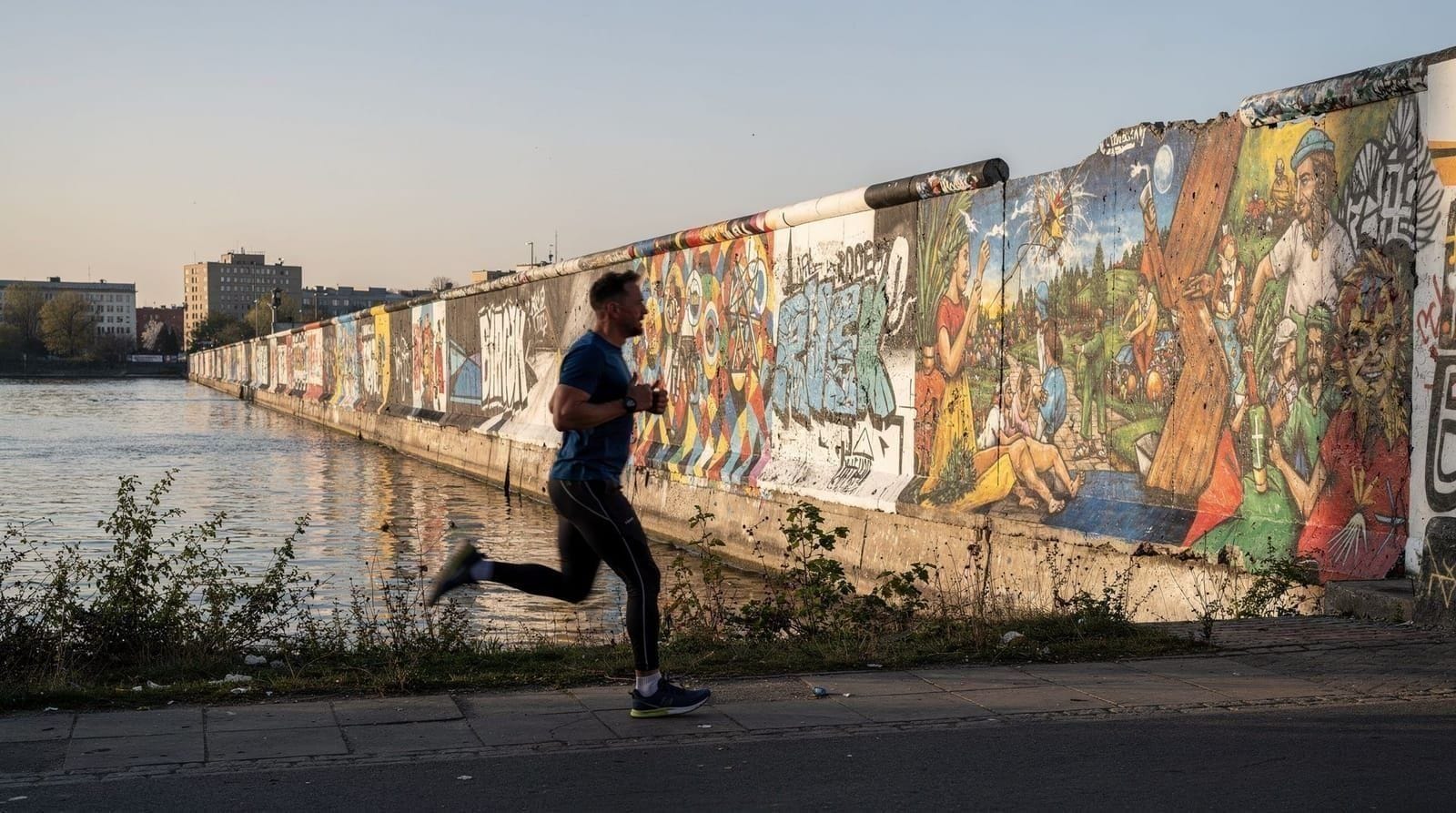
Mauerpark occupies the former death strip between Prenzlauer Berg and Wedding, on a section where the wall ran along what is now the park boundary. The name is literal: Wall Park. Opened in 1994, the park is one of the most visited recreational spaces in northern Berlin.
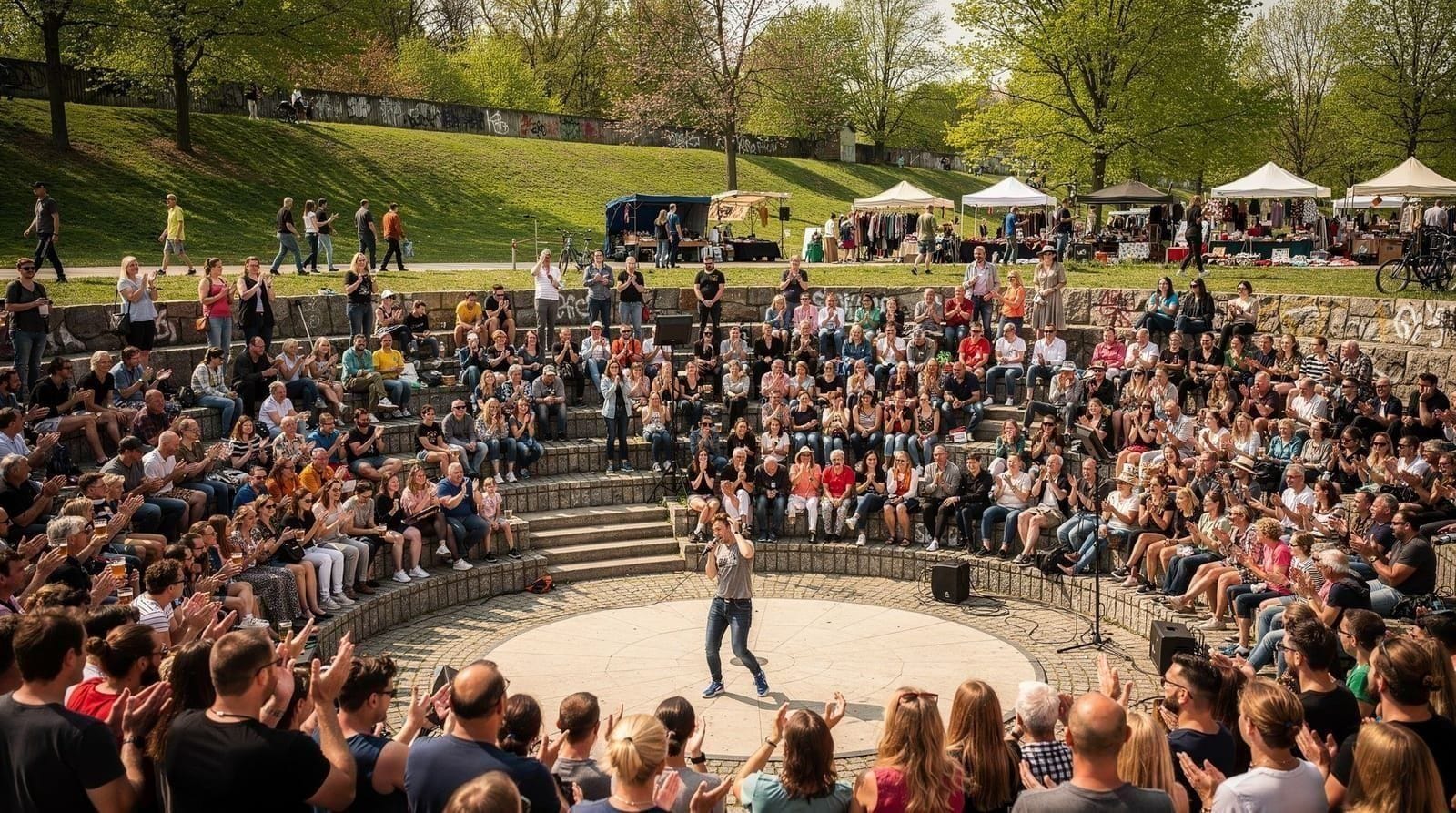
On Sundays the flea market (Flohmarkt am Mauerpark) takes over the park’s eastern sections with several hundred stalls. The open-air karaoke — the Bearpit Karaoke hosted by Joe Hatchiban in the park amphitheater — starts around midday and draws crowds that can reach into the hundreds by afternoon. Spectators bring snacks from nearby stalls. Entry is free; participation is genuinely welcome.
The original Wall section still standing on the park’s western edge (the dark, graffiti-covered stretch) is an original outer wall segment. It is maintained in controlled decay rather than as a pristine monument. See the Mauerpark guide for the full story and Sunday market logistics.
Berlin highlights guided bike tour — covers Prenzlauer Berg, the Wall trail, and key sightsThe Kulturbrauerei complex
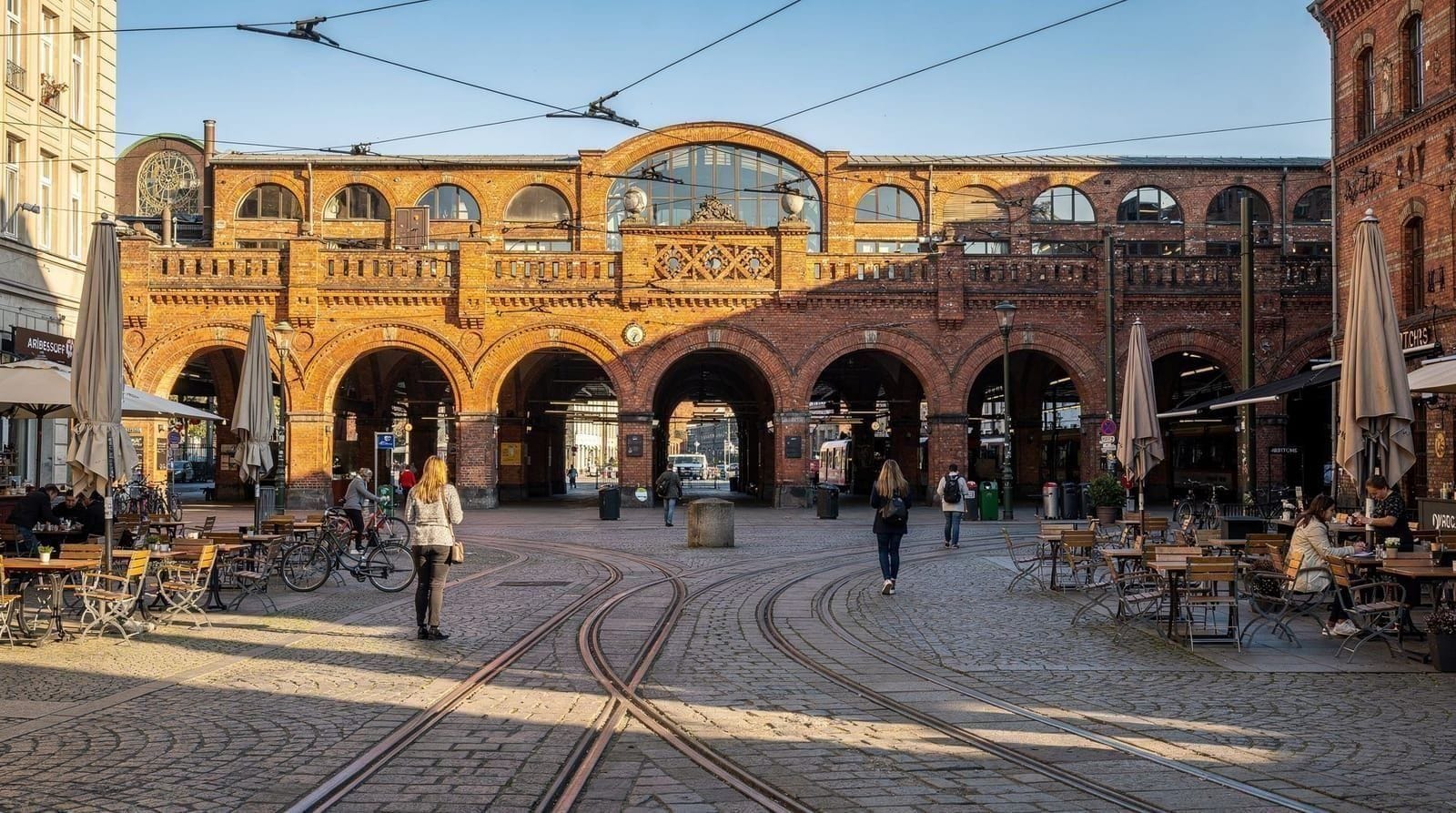
The Kulturbrauerei at Schönhauser Allee 36 is the most architecturally significant building in Prenzlauer Berg. The complex was originally the Schultheiss brewery, built between 1871 and 1914 in a dense brick industrial style with towers, warehouses, and a fermentation hall covering an entire city block. The GDR used parts of it as a cultural center; after reunification, the complex was converted gradually into a mixed cultural and commercial venue.
What is currently there:
- Kino in der Kulturbrauerei — an independent cinema in the original fermentation hall, one of the best cinema atmospheres in Berlin
- Alltag in der DDR — a free permanent exhibition on everyday life in East Germany, run by the Federal Agency for Civic Education; genuinely informative without requiring a connection to East German history
- Supermarkt REWE — practical for groceries
- Event spaces — the main hall hosts concerts, club nights, and markets seasonally
Entry to the complex and outdoor areas is free at all times. The architecture alone justifies a walk-through.
Kastanienallee and the independent shop scene
Kastanienallee runs north from Rosenthaler Platz (at the Mitte border) through the heart of Prenzlauer Berg. In the early 2000s, this was the stretch of independent boutiques, vintage shops, and flat-white cafes that defined the neighborhood’s character for a visiting media class. Many of those independents have since been replaced by mid-range retail chains or remain as slightly tired versions of their earlier selves.
What remains genuinely useful: the record shops on and off Kastanienallee (Neurotitan at Rosenthaler Platz is still excellent for independent releases), several good secondhand clothing shops in the EUR 5-15 range, and the Prater Biergarten at Kastanienallee 7-9 — the oldest beer garden in Berlin, operated by the same family since 1852. The Prater Biergarten opens from April when weather allows, serves its own branded lager, and does not require food orders. A lager runs EUR 4-5; bring your own food if you want to eat cheaply.
Eating in Prenzlauer Berg
The neighborhood is well-served but rarely surprising. Highlights:
Umami (Rykestrasse 29) — Southeast Asian food with good quality ingredients, reasonable prices, often full. No reservations.
Konnopke’s Imbiss (Schönhauser Allee 44b, under the U-Bahn) — Berlin institution since 1930 serving currywurst from a stall under the elevated railway. The original family recipe, long queues at lunch. EUR 2.50-4.50. See the Berlin currywurst guide for context on the debate.
Prater Biergarten — beer garden on Kastanienallee, oldest in Berlin (1852). German food, outdoor tables in summer, authentic rather than touristy.
Anna Blume (Kollwitzstrasse 83) — a classic Prenzlauer Berg cafe with excellent florist attached, good breakfasts (EUR 8-14), and a patio. Reliable but expect queues on weekend mornings.
For the full picture of Berlin’s food scene by neighborhood, see the Berlin food tour guide.
Prenzlauer Berg for families
The neighborhood has a disproportionately high density of children under 10 relative to most European city neighborhoods, which tells you something about its character. Practical points for families:
Parks: Volkspark Friedrichshain (at the border with Friedrichshain) is the nearest large park with a fairy-tale fountain, playgrounds, and ponds. The Prenzlauer Berg Volkspark at Prenzlauer Promenade has a good adventure playground.
Natural History Museum (Museum für Naturkunde) is a 15-minute tram ride south and is one of the best children’s museums in Germany — the Brachiosaurus skeleton in the atrium is genuinely enormous. See the Natural History Museum kids guide.
Schönhauser Allee Arcaden — a covered mall at Schönhauser Allee 79 with a cinema, children’s play area, and supermarket. Unremarkable but useful in bad weather.
Toy and children’s shops: Kollwitzstrasse and the streets around it have a cluster of independent toy shops, children’s clothing boutiques, and a secondhand kids’ clothing market inside the Saturday Ökomarkt. Strollers are the default mode of transport on weekend mornings, and cafes generally accommodate them without complaint.
School holidays: Berlin school holiday periods (particularly late June through early August, and around Christmas) bring noticeably more families into the neighborhood’s playgrounds and cafes; expect longer waits for brunch tables during these windows.
For day-trip options that work well for families based in Prenzlauer Berg, see the Berlin family day trips guide and the broader Berlin with kids guide.
The Rykestrasse Synagogue
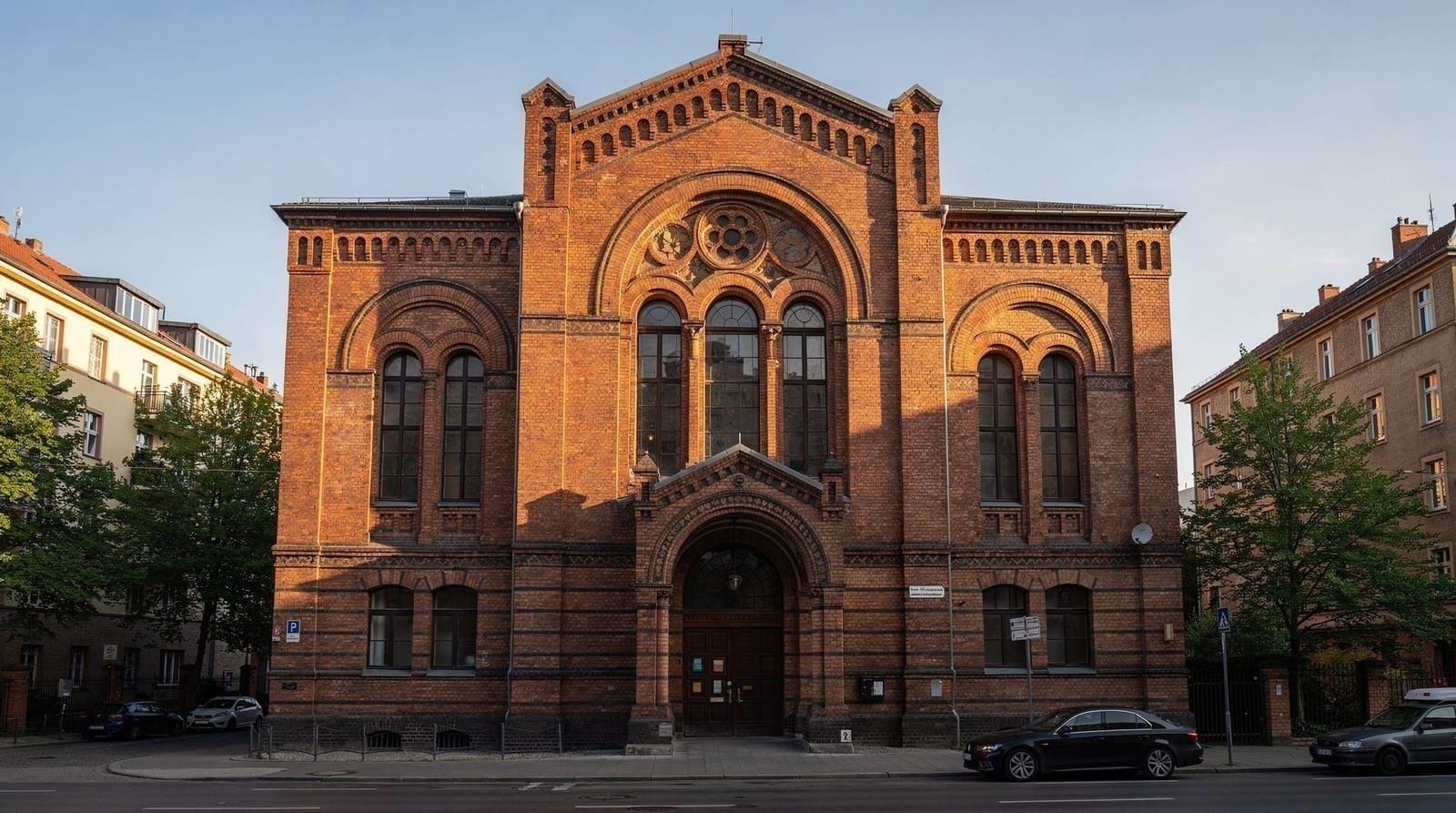
The Synagoge Rykestrasse, built in 1904 and one of the largest synagogues in Germany, stands at Rykestrasse 53. It survived Kristallnacht in November 1938 because the adjacent apartment buildings prevented the SA from setting it on fire without risk to neighboring properties. It operated intermittently during the GDR period and was fully restored in 2007.
The synagogue is an active house of worship and is not a standard tourist attraction. Guided tours are available on specific dates through the Jewish Community of Berlin. See the dedicated Synagogue Rykestrasse guide for visit planning.
Its survival is a useful counterpoint to the Kristallnacht destruction seen elsewhere in the city — for the fuller picture of Jewish history across Berlin’s neighborhoods, including sites in Mitte’s former Scheunenviertel, see the Jewish history Berlin complete guide.
Getting to and around Prenzlauer Berg
U2: Senefelderplatz and Schönhauser Allee are the main U-Bahn stations, connecting directly to Alexanderplatz (6 minutes) and Zoologischer Garten (20 minutes).
M1 tram: From Rosenthaler Platz/Hackescher Markt (Mitte) through Kollwitzplatz to Pankow. The fastest surface route from Mitte.
M2 tram: Alexanderplatz to Heinersdorf via Kollwitzplatz — useful for reaching the northern end of the neighborhood from the center.
M10 tram: From the Hauptbahnhof to Warschauer Strasse via Prenzlauer Berg — a cross-city route useful for connecting to Friedrichshain.
Cycling in Prenzlauer Berg is practical and the streets are generally well-provisioned with lanes. The neighborhood is compact enough that a bicycle covers most destinations faster than waiting for trams. For general cycling logistics across the city, see the Berlin bike rental guide.
How much time to allow
A single afternoon covers Kollwitzplatz, a walk down Kastanienallee, and the Kulturbrauerei — roughly 3-4 hours including a coffee stop. If the Saturday Ökomarkt or the Sunday Mauerpark flea market fits your dates, build the visit around that morning specifically, since both lose most of their character once the stalls pack up by early afternoon. Travelers staying in the neighborhood rather than just visiting typically find two nights enough to get a feel for it before wanting to explore further into Mitte or Friedrichshain. See the how many days in Berlin guide for fitting Prenzlauer Berg into a wider itinerary.
Berlin discovery walking tour — covers the city’s contrasting neighborhoods including Prenzlauer BergFrequently asked questions about Prenzlauer Berg guide
What is Kollwitzplatz in Prenzlauer Berg?
Kollwitzplatz is the main square of Prenzlauer Berg, named after the artist Käthe Kollwitz who lived nearby. The square has a statue of Kollwitz and hosts a Saturday organic farmers market (Ökomarkt) that is one of the best in the city. The surrounding streets — Kollwitzstrasse, Husemannstrasse, Rykestrasse — are lined with restaurants, independent cafes, and pre-war apartment buildings in good condition. The Rykestrasse Synagogue, one of the largest surviving synagogues in Germany, is a short walk away.What is the Mauerpark flea market?
The Mauerpark flea market runs every Sunday from approximately 9am to 6pm in the park that occupies a former stretch of the Wall death strip. It is one of the most visited flea markets in Berlin — several hundred stalls selling vintage clothing, records, books, and miscellaneous objects. The park also hosts open-air karaoke (free, enormous audience by midday) and buskers. It gets crowded by 11am; arrive before 10am for the best finds. See the Mauerpark guide for full details.Is Prenzlauer Berg expensive?
Relative to other Berlin neighborhoods, yes. Rent prices and property values in Prenzlauer Berg have risen sharply since the 1990s gentrification wave. Restaurant prices are mid-range (EUR 12-20 for a main course at sit-down restaurants), but cheaper options exist on side streets. Accommodation runs EUR 80-130 per night for a mid-range double. It is not as expensive as central Mitte but noticeably pricier than Neukölln or parts of Wedding.What tram lines serve Prenzlauer Berg?
The M1 tram runs from Mitte (Unter den Linden) through Prenzlauer Berg to the northern edge of the neighborhood. The M2 runs from Alexanderplatz through Kollwitzplatz to Schönhauser Allee. The M10 connects Prenzlauer Berg to Mitte and on to Friedrichshain. Tram coverage is comprehensive and trams run frequently (every 5-10 minutes on main lines). Schönhauser Allee station (U2) is the main U-Bahn connection.What nightlife exists in Prenzlauer Berg?
Less than its reputation suggests. Prenzlauer Berg gentrified rapidly in the 2000s and most of the alternative clubs that made it famous (Kulturbrauerei parties, the outdoor venues) have either closed or shifted their character. The Kulturbrauerei complex (a converted brewery) hosts occasional large events and has a cinema. The bar scene around Helmholtzplatz and Kastanienallee is solid but oriented toward residents rather than club-goers. For serious nightlife, head to Friedrichshain or Kreuzberg.What is the Kulturbrauerei?
The Kulturbrauerei (Schönhauser Allee 36) is a former Schultheiss brewery complex converted into a cultural venue in the 1990s. The brick buildings cover a full city block and house a cinema (Kino in der Kulturbrauerei), event spaces, a supermarket, restaurants, and the DDR museum Alltag in der DDR (everyday life exhibition, free entry). The complex is worth walking through for its architecture even if no event is scheduled.Where is the Rykestrasse Synagogue?
The Synagoge Rykestrasse is at Rykestrasse 53, a short walk from Kollwitzplatz. Built in 1904, it survived the Nazi era (it was too close to residential buildings for the fire attacks of Kristallnacht in 1938) and is the largest surviving synagogue in Germany. It is an active synagogue with a small Jewish community; guided tours are available on certain days (check the Oranienburger Strasse Jewish Community website). It is not generally open for casual walk-in visits.
Top experiences
Bookable activities with verified prices and instant confirmation on GetYourGuide.