Berlin with kids — the honest family travel guide for 2026
Berlin: Sightseeing Boat Tour on the Spree for Families
Is Berlin a good city for families with children?
Yes — Berlin has a dense cluster of world-class child-friendly attractions at genuinely reasonable prices. The Zoo, Museum für Naturkunde, Legoland Discovery Centre, Sea Life, and the DDR Museum are all within 30 minutes of the city centre. Public transport is efficient, strollers ride free, and children under 6 travel free on the BVG network. Expect to pay €12–18 per child per attraction; combination tickets can cut that significantly.
Is Berlin worth it with children? Yes, and it’s more manageable than most European capitals. The major family attractions are clustered enough to combine efficiently, public transport is good with a pram, and the city’s outdoor spaces — the Tiergarten, Volkspark Friedrichshain, and the banks of the Spree — give children space to run without spending money. The cost is reasonable by Western European standards if you plan combination tickets.
| Where | Attractions cluster around Charlottenburg (Zoo), Mitte (DDR Museum, Sea Life), Potsdamer Platz (Legoland) |
| Cost | Around €12–20 per child per attraction; combo tickets cut this |
| Time needed | 1 day for highlights, 3 days for a relaxed family trip |
| Getting there | BER Airport Express (FEX) 30–40 min to city; BVG day ticket for local transport |
| Best time | Weekday mornings before 10:00, outside German school holidays |
Why Berlin works for families
Berlin doesn’t feel like a city designed for tourists. That can be initially confusing — signage is less comprehensive than Paris or Amsterdam — but it also means family attractions haven’t been priced accordingly. The Zoo is one of the best in Europe at €16–25 for an adult, €7.50–12.50 for a child. The Museum für Naturkunde (natural history museum) charges €11 for adults and €5 for children aged 6 and over; under-6s enter free. The Tiergarten is a working city park, not a theme park with admission.
The practical infrastructure is solid. Most U-Bahn lines have lifts at major stations. Trams in the eastern half of the city are low-floor throughout. The BVG network covers the city comprehensively, and a day ticket (Tageskarte AB zone: €11.20 for adults, free for under-6s; up to three children aged 6–14 travel free with an adult) covers unlimited travel all day.
Children aged 4–14 get the most from Berlin. Under-4s are limited by stamina and attention span, but the Zoo and Tiergarten work well for toddlers. Teenagers engage more deeply with the Cold War history, street art, and the city’s alternative culture.
Best family attractions by age group
For under-5s
Berlin Zoo and Tiergarten: The Zoo (Zoologischer Garten) is the most visited zoo in Germany — 19,500 animals across 1,380 species on 35 hectares, including a giant panda enclosure, a children’s zoo with climbable animals, and a large playground. Combined with the adjacent Tiergarten, you can fill a full day. See the Berlin Zoo guide for practical information.
Tiergarten playgrounds: At least four major playgrounds are scattered through the park, including a well-maintained one near the Siegessäule (Victory Column). The park has wide, flat paths suitable for pushchairs and space to run.
Spree boat trips: A 1-hour river cruise gives under-5s a break from walking while covering the city’s main landmarks from the water. The family sightseeing boat on the Spree is specifically structured for families with children.
Spree family sightseeing boat cruise — child-friendly, 1 hourFor ages 5–10
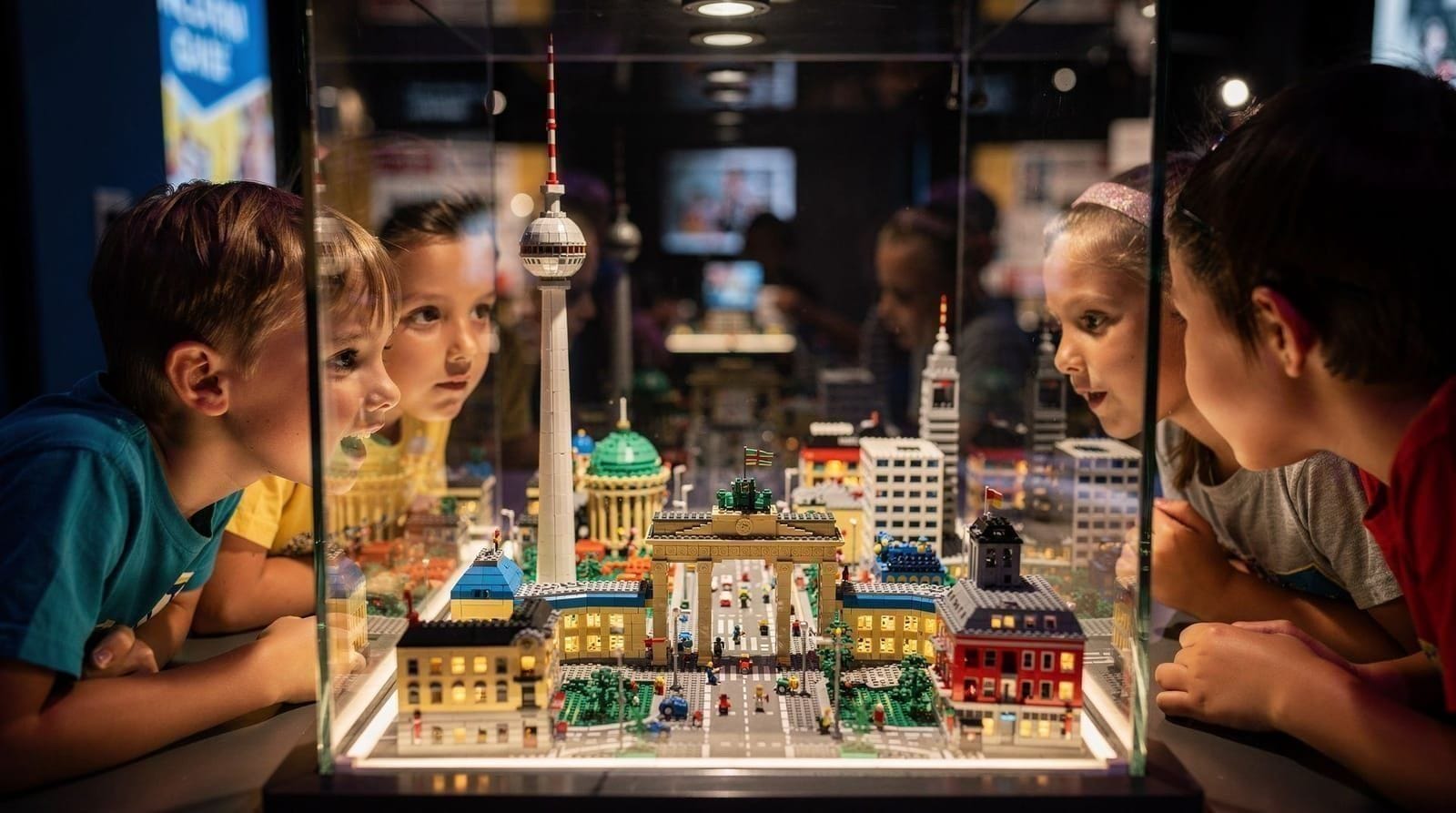
Legoland Discovery Centre: 90 minutes of interactive Lego activities in Potsdamer Platz, with a 4D cinema, rides, and a massive Miniland Berlin model. Best for ages 3–10; older children find it too small. See the full Legoland Discovery Berlin guide.
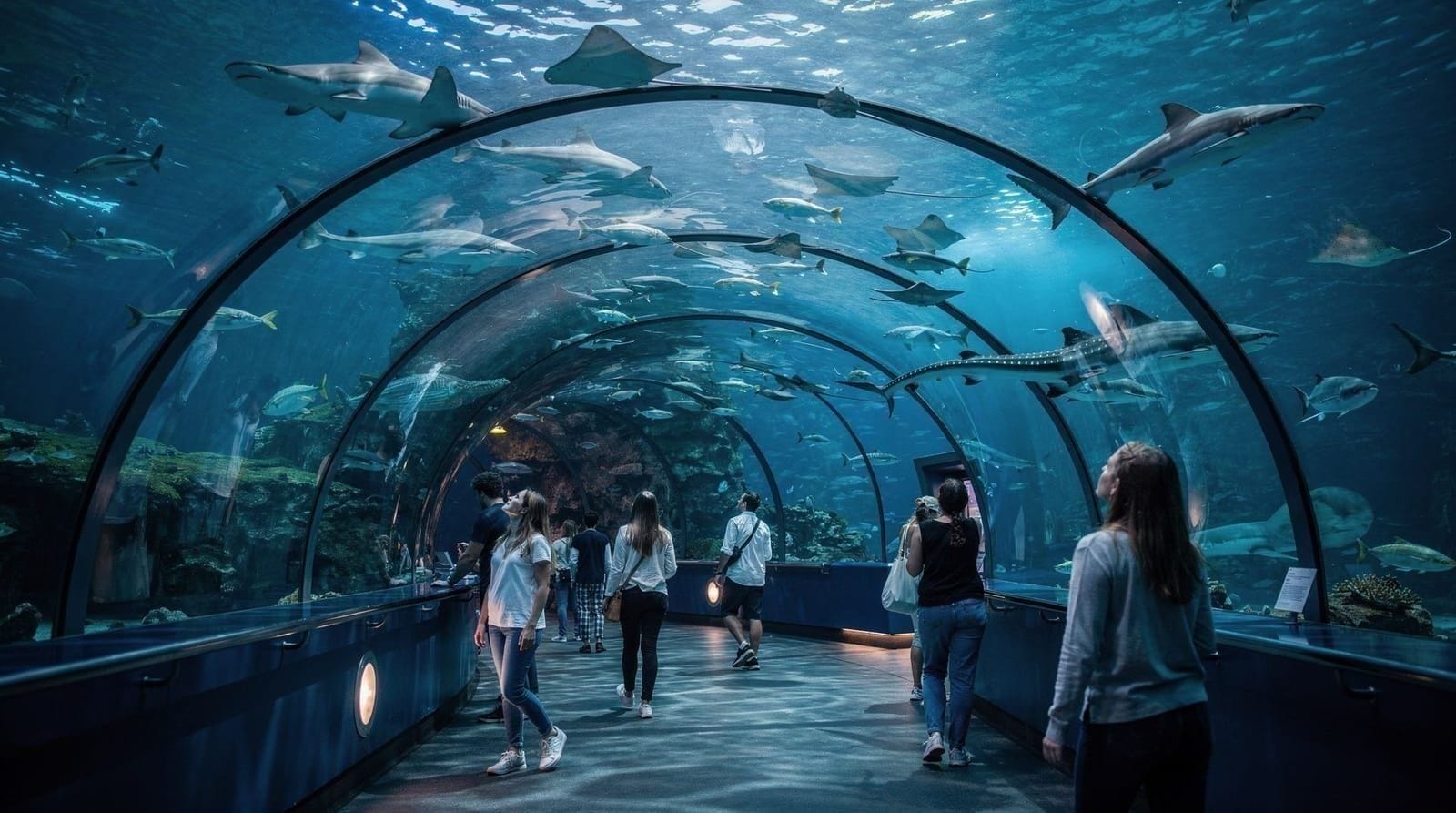
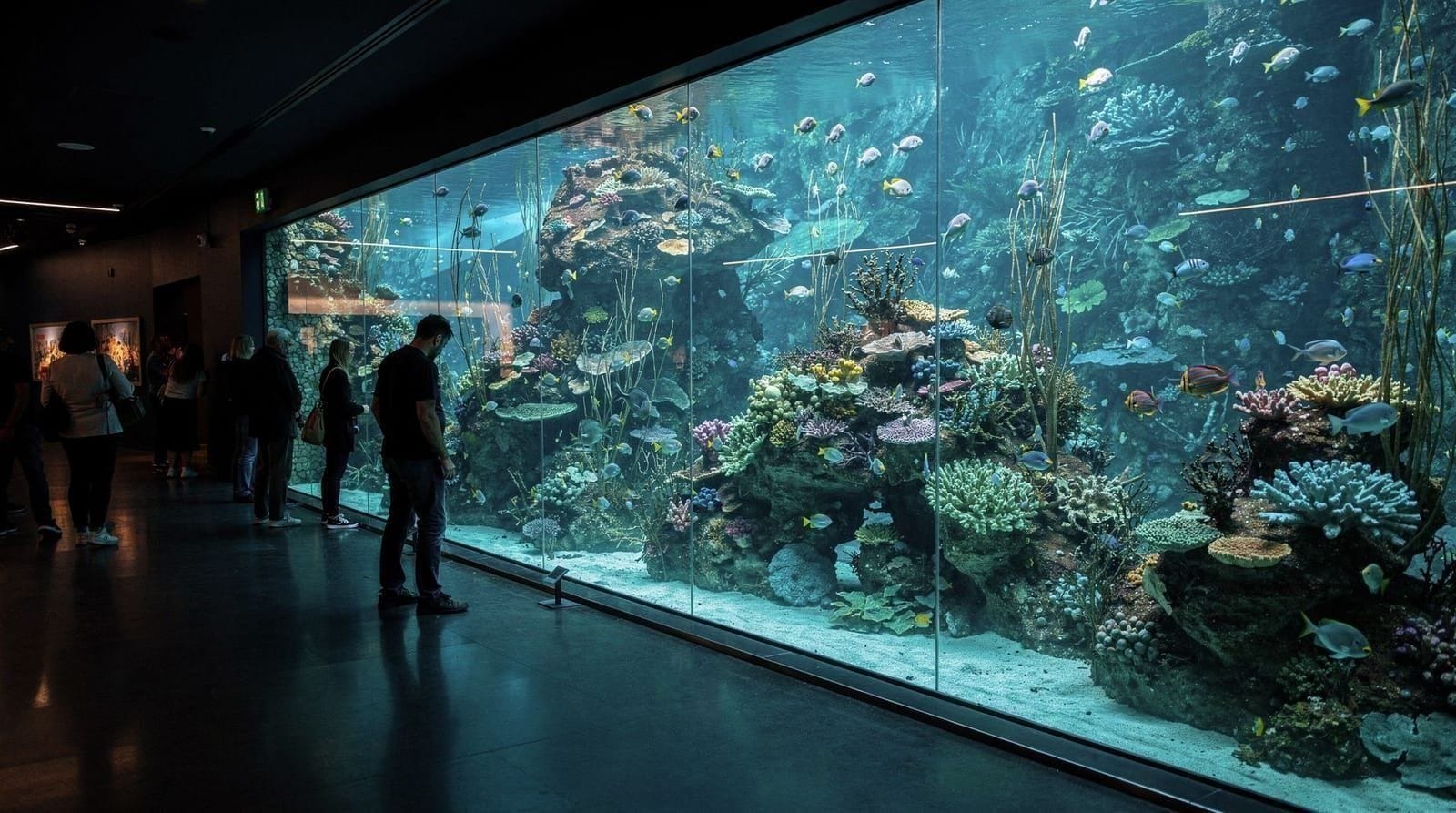
Sea Life Berlin: The indoor aquarium at the Spree in Mitte, covering 30 tank environments from freshwater Berlin rivers to tropical reefs. Good for 1.5 hours. Note: the AquaDom cylinder tank at the DomAquarée hotel was destroyed in December 2022 and is no longer accessible. See Sea Life Berlin guide.
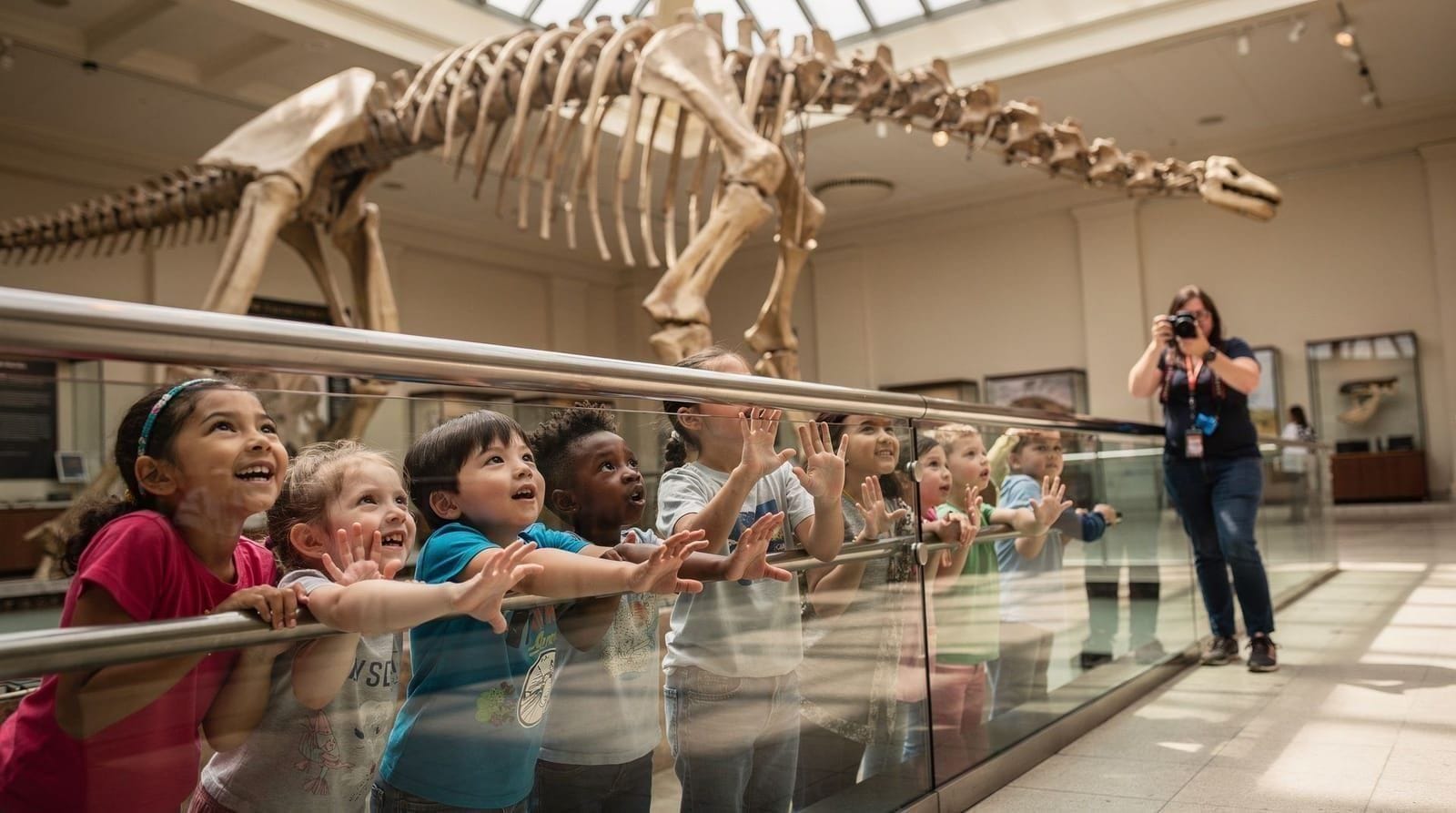
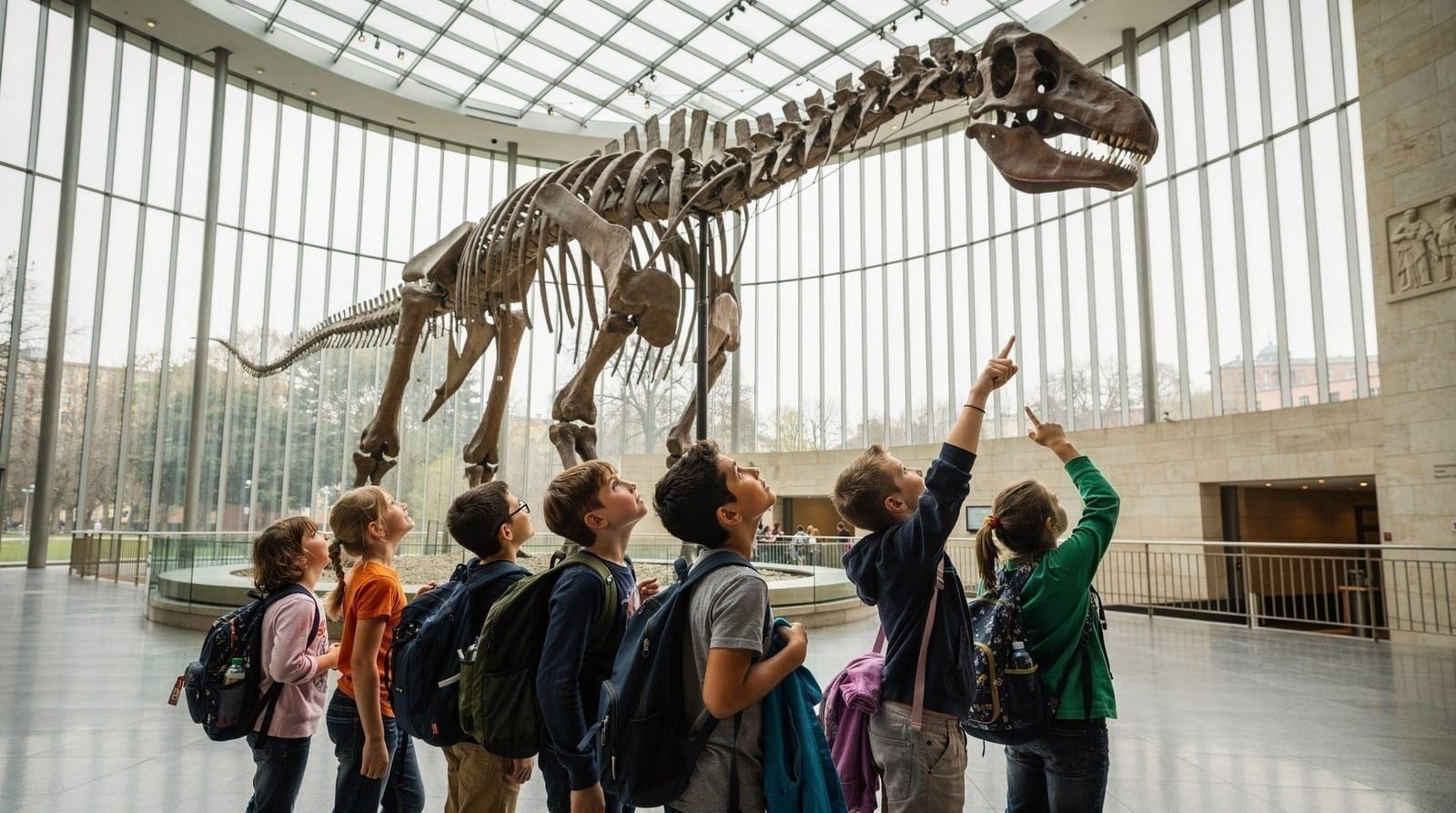
Museum für Naturkunde (Natural History Museum): Free permanent collection, 30-metre dinosaur skeleton (the world’s tallest mounted dinosaur), wet specimens, and minerals. Children are consistently overwhelmed by the Brachiosaurus skeleton in the main hall. Plan 2 hours minimum. See natural history museum for kids guide.
Berlin Zoo + Aquarium combo: The combined ticket covers both the Zoo and the separate Berlin Aquarium building (not Sea Life) in Budapester Strasse. The Aquarium has 650 species across 9,000 animals. See Berlin Zoo guide and Berlin Aquarium guide.
For ages 10–14
DDR Museum: Interactive exhibits on daily life in East Germany — you can sit in a Trabant, see a reconstructed East German apartment, and read sampled Stasi surveillance files. Genuinely engaging for pre-teens curious about how the other half lived. Adults €13.90, children €8.50. U-Bahn: Hackescher Markt.
East Side Gallery: The longest surviving section of the Berlin Wall, covered in murals by international artists. The history is explained on information boards in four languages. Free, outdoors, can be paired with a walk along the Spree. See East Side Gallery guide.
Natural history museum + Planetarium combo: The Museum für Naturkunde doesn’t have a built-in planetarium, but the nearby Archenhold Observatory in Treptower Park (U-Bahn: Treptower Park) runs family planetarium shows in German most weekends for €12.
Filmpark Babelsberg: For film-interested pre-teens, the Filmpark Babelsberg outside Berlin (30 min by S-Bahn to Griebnitzsee) is worth a day trip. See Berlin family day trips.
Transport logistics for families
Getting from the airport
Berlin Brandenburg Airport (BER) connects to the city by Airport Express (FEX) train every 15 minutes. Journey time to Hauptbahnhof: about 23 min; to Alexanderplatz: 40 min. A family of 4 pays the standard fares on a group/Kleingruppen ticket (€37.70 for up to 5 people, day-long validity on all BVG services including the airport train).
BVG day tickets
- AB zone day ticket (Tageskarte): €11.20 per adult. Covers all U-Bahn, S-Bahn, bus, and tram within the city ring. Up to three children aged 6–14 travel free with an adult. Under 6: free.
- ABC zone day ticket: €12.90 per adult. Needed for trips to Tropical Islands (Halbe station) or Sachsenhausen (Oranienburg).
- Small group ticket (Kleingruppenkarte AB): €35.30 for up to 5 people, any mix of adults and children. Valid for 24 hours. Usually the best value for families of 3+.
Stroller logistics
Heavy prams work on low-floor trams (all M-line trams) and buses. For the U-Bahn, check the BVG app for lift status before travel — some lifts are intermittently out of service. The S-Bahn Ringbahn (S41/S42) has less reliable lift coverage. Folding buggies are easiest for flexibility.
Bike hire and family cycling
Berlin has extensive cycle lanes. Family bike hire (including cargo bikes and bike seats for children) is available from Donkey Republic and Fat Tire Tours near the Tiergarten and Hackescher Markt. The Tiergarten paths and the route along the Spree are flat, direct, and safe for children on bikes.
Family-friendly eating
Berlin is more cash-friendly than most European capitals. Many smaller restaurants and food stalls still prefer cash — carry €20–40 in coins and notes.
Prenzlauer Berg is the neighbourhood with the highest density of child-tolerant restaurants with space for pushchairs. Kastanienallee and Helmholtzplatz have multiple options with outdoor seating.
Markthalle Neun (Kreuzberg, every Thursday “Street Food Thursday”) is good for older children — varied food stalls, outdoor seating, no need to sit down at one spot.
Biergartens: Most Berlin biergartens allow children and have outdoor space. The Café am Neuen See in the Tiergarten is a good family option — lake setting, pizza and snacks, no dressing code, ample space.
Neighbourhoods compared for families
Where you base yourself shapes how much walking and transport you need with tired children in tow.
| Neighbourhood | Vibe for families | Best for |
|---|---|---|
| Prenzlauer Berg | Playgrounds, pushchair-friendly cafés, quiet streets | Families staying 3+ nights, toddlers |
| Charlottenburg | Wide pavements, close to Zoo and Tiergarten | Families prioritising the Zoo and Aquarium |
| Mitte | Central, walkable to DDR Museum and TV Tower | Short stays, older children interested in history |
| Kreuzberg | Good food, patchy playground density | Families with teens, less with toddlers |
Money-saving combo tickets
Combination tickets are the single biggest lever on cost for a family visit. The Zoo + Aquarium combo (€24–37 adult / €11–17.50 child) beats buying separately if you plan both — see the Berlin Zoo guide for the full price breakdown. The Berlin WelcomeCard bundles transport with discounted entry to several family attractions; whether it pays off depends on how many paid sites you plan — see is the Berlin WelcomeCard worth it for the maths.
For getting a first overview of the whole city with children who tire of walking, a hop-on-hop-off bus lets you cover distance while they rest.
Berlin hop-on-hop-off sightseeing bus, 24-hour ticketRainy-day backup plan
Berlin’s weather is unreliable outside high summer, so it helps to have an indoor plan ready. The Museum für Naturkunde, Legoland Discovery Centre, Sea Life Berlin, and the Zoo’s covered animal houses (see Berlin Zoo guide) are all fully indoor or substantially covered. For a dedicated rundown of wet-weather options by age group, see the Berlin rainy day with kids guide. Avoid outdoor-heavy plans like Tiergarten playgrounds or the East Side Gallery walk on days with sustained rain — save those for clear weather instead.
Pacing a day with children
The biggest difference between a good family day and a miserable one is rhythm, not the list of attractions. Pair one high-energy stop with one calm stop, and leave a real gap in the middle for food and a rest. Children who have sat down for lunch in a park or a biergarten cope far better with an afternoon museum than those dragged straight from one queue to the next. The Tiergarten family guide is a good model: playgrounds, paths and open lawns let everyone reset without spending anything.
If you are travelling with very small children, the practical advice in Berlin with toddlers goes further on naps, nappy changes and low-effort routes. Families with a bit more stamina can look at the family day trips guide or, for a full day under cover, Tropical Islands for families. A gentler excursion is the Potsdam day trip, where the palace gardens give children plenty of room to run, or the film-themed outing at Babelsberg.
Choosing where to stay and how long to plan
Your base matters more with children than with any other kind of group, because every extra transfer is a negotiation. The where to stay in Berlin areas guide compares the districts in more detail, and the Prenzlauer Berg guide and the Charlottenburg guide explain why those two suit families so well. If you are still deciding how much time to give the city, how many days in Berlin helps you weigh a short break against a slower trip, and the ready-made Berlin with kids 4-day itinerary lays out a relaxed sequence you can adapt.
Getting around without stress
Children tolerate transport much better when they know what to expect. Let them hold the map, count the stops and choose the platform, and a tram ride becomes part of the day rather than a gap in it. For fares, lines and station tips, read the Berlin public transport guide before you arrive. If you plan to visit several paid sites, work through whether the WelcomeCard is worth it with your own list in hand. Families with confident riders can also consider the bike rental guide, since the flat riverside routes suit children who like to pedal.
Eating, budget and the weather
Fussy eaters usually do well in Berlin because so much of the food is simple and served in small portions. The street food scene guide and the best markets to eat in Berlin are useful when you want everyone to choose their own lunch. For keeping the total down, the Berlin budget guide shows where families tend to overspend. Pack for the season using the Berlin packing guide, and check Berlin in summer or Berlin in winter to match your plans to the weather.
Older children who like big collections may enjoy the Museum Island guide, and since the Pergamonmuseum is closed, Pergamon closed alternatives lists what to see instead. Keep any museum visit short and let the children choose one room to linger in.
Planning your days
One day in Berlin with kids
Morning: Museum für Naturkunde (€11 adult, €5 child from 6; 2 hours — dinosaurs alone justify the visit). Walk or U2 to Alexanderplatz. Lunch near the TV Tower. Afternoon: Sea Life Berlin (1.5 hours) or DDR Museum (1.5 hours). Evening: walk along the Spree.
Two days in Berlin with kids
Day 1: Zoo and Aquarium (full day — arrive at opening, plan to stay 4–5 hours at the Zoo, then 1.5 hours at the Aquarium). Day 2: Legoland Discovery Centre (morning, 2 hours), Tiergarten playground, then Museum für Naturkunde in the afternoon.
Three days with older children (10+)
Add a day for the East Side Gallery, DDR Museum, and a boat trip on the Spree. Consider an evening at Mauerpark on Sunday for the flea market and open-air karaoke.
What to skip
The costumed soldiers at Checkpoint Charlie: They charge €10 per photo. Skip them entirely. The information boards on-site are free and more informative.
The Checkpoint Charlie Museum: €18.50 per person, difficult English signage, cramped. Children under 10 get very little from it.
The Pergamonmuseum: Closed until at least June 2027 for renovation. Do not plan a visit.
TV Tower queue without fast-track: The standard queue at the Fernsehturm can run 90 minutes in summer. If you go, book a ticket online (from €20 per person) in advance or skip it — there are better views from the Siegessäule in the Tiergarten for free.
Frequently asked questions about Berlin with kids
What age is Berlin best suited for?
Berlin works across all ages but shines most for children aged 4–14. Under-4s enjoy the Zoo and Tiergarten. Ages 5–10 love Legoland Discovery Centre, Sea Life, and the dinosaurs at Museum für Naturkunde. Ages 10–14 engage with the DDR Museum and Cold War history. Teens appreciate the street art and nightlife-adjacent culture of Kreuzberg and Prenzlauer Berg.Do children get into Berlin attractions for free?
Children under 4 enter the Zoo and Aquarium free. Under 6 travel free on all BVG buses, trams, U-Bahn and S-Bahn. The Tiergarten and the outdoor sections of most memorials are free for all ages. Legoland Discovery Centre, Sea Life, and the Zoo charge admission from age 3–4.Which Berlin neighbourhoods are best for families?
Prenzlauer Berg is the most family-oriented neighbourhood — dense with playgrounds, independent cafés with space for pushchairs, and relatively low traffic. Charlottenburg (near the Zoo) has wide pavements and parks. Mitte is central but crowded. Kreuzberg has pockets of good family infrastructure alongside busier nightlife streets.How do you get around Berlin with a pram or stroller?
The BVG network is largely pram-accessible — most U-Bahn stations have lifts, all modern trams and buses have low floors and pushchair spaces. Download the BVG app and filter for lift-accessible routes. The S-Bahn is less consistently accessible. Tram lines M1, M10, and M4 through Prenzlauer Berg and Mitte are particularly well-suited. Note that some older U-Bahn stations on U1 and U2 have steps without lifts.What is the best family day structure in Berlin?
Start attractions before 10:00 to beat crowds and avoid queues at Legoland and Sea Life. Most Berlin children's attractions close between 18:00 and 19:00. Plan a midday break — a park or lunch in a biergarten — rather than back-to-back attractions. The Zoo and Tiergarten allow a natural afternoon wind-down.Is Berlin safe for families?
Yes. Berlin's tourist areas — Mitte, Prenzlauer Berg, Charlottenburg, Friedrichshain — are safe for families at all times of day. Alexanderplatz can be rough late at night but is fine during the day. Use common sense around Görlitzer Park in Kreuzberg in the evenings.What should families skip in Berlin?
Skip the Checkpoint Charlie Museum (overpriced at €18.50, poorly labelled in English, no real child appeal). The costumed "soldiers" outside charging €10 for photos are a tourist trap — avoid them. The Pergamonmuseum is closed until at least June 2027. The Berlin Dungeon is aimed at ages 10+, not small children. Budget your time carefully; the city is large and distances between attractions are real.
Top experiences
Bookable activities with verified prices and instant confirmation on GetYourGuide.