Berlin Aquarium (Zoo-Aquarium) guide — tickets, reptiles & what to expect
Berlin: Sightseeing Boat Tour on the Spree for Families
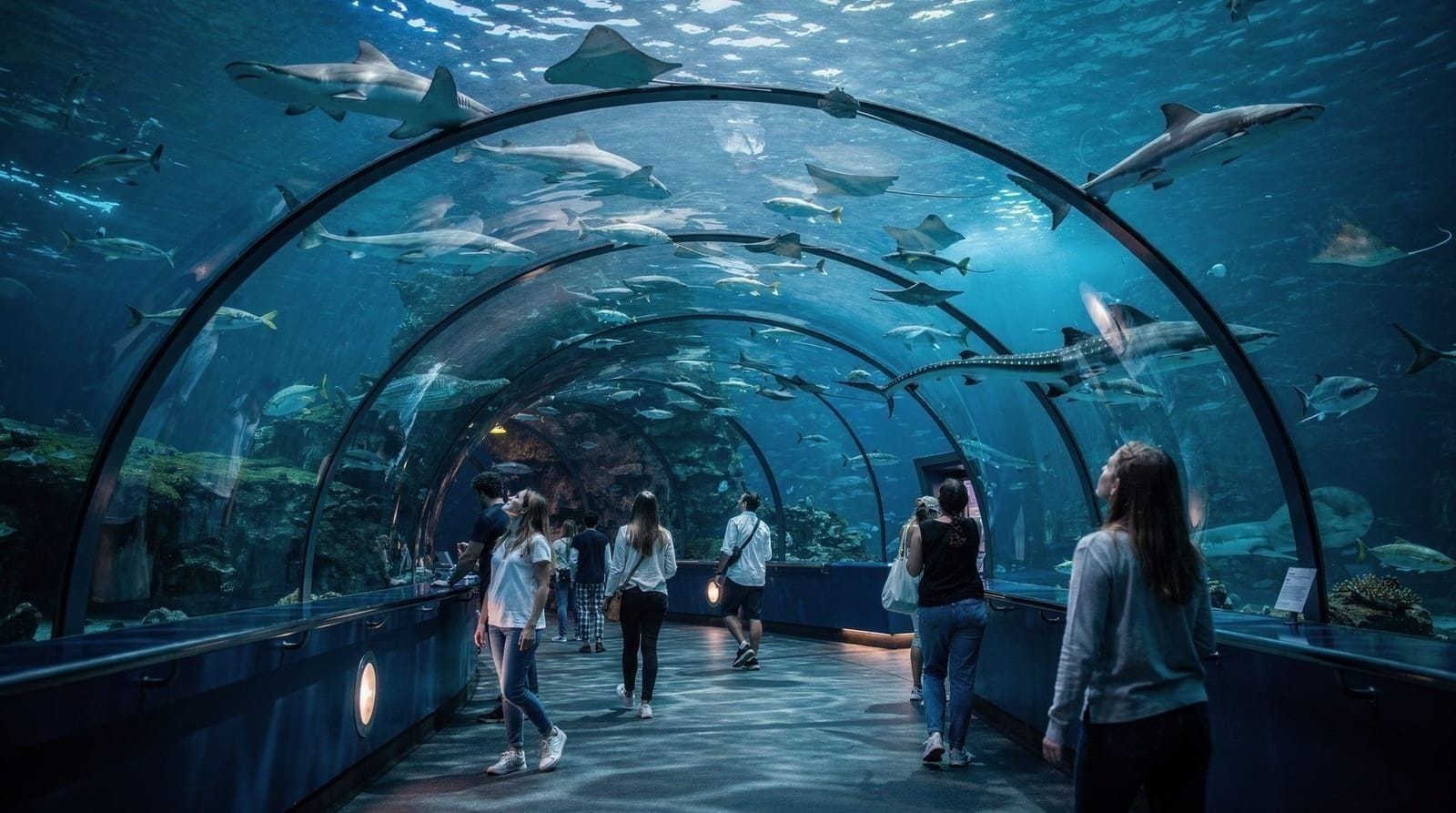
What is the Berlin Aquarium and how is it different from Sea Life?
The Berlin Aquarium — officially the Zoo-Aquarium or Aquarium Berlin — is a separate institution from Sea Life Berlin. Located at Budapester Strasse 30 in Charlottenburg, it's part of the Zoo complex but has its own entrance and ticket. It houses 9,000 animals across 650 species across three floors covering fish, reptiles, amphibians, and invertebrates. Entry is €14.50 adults, €7.50 children, or €28/€14 as part of the Zoo+Aquarium combo. Sea Life Berlin (near Museum Island) is a separate Merlin Entertainments attraction with a different focus.
What is the Berlin Aquarium? The Zoo-Aquarium Berlin (Aquarium Berlin) at Budapester Strasse 30 is a three-floor natural history aquarium covering 9,000 animals across 650 species — fish, reptiles, amphibians, and invertebrates. It’s part of the same Zoo complex but has its own entrance and ticket. Separate from Sea Life Berlin. Adult entry is €14.50 standalone, or €28 as part of the Zoo+Aquarium combo.
| Where | Budapester Strasse 30, Charlottenburg |
| Cost | around €14.50 adults, €7.50 children; €28/€14 with Zoo combo |
| Time needed | 1–1.5 hours (2+ for reptile enthusiasts) |
| Getting there | S/U-Bahn Zoologischer Garten, 5 min walk |
| Best time | Weekday mornings, Tuesday–Thursday |
The Zoo-Aquarium vs Sea Life: clarifying the confusion
Berlin has two distinct aquarium venues, and they’re frequently confused:
Aquarium Berlin (Zoo-Aquarium), Budapester Strasse 30, Charlottenburg: An independent scientific aquarium opened in 1913, part of the Berlin Zoo complex. Covers fish, reptiles, amphibians, and invertebrates across three floors. Not part of any commercial chain. More comprehensive in taxonomic range; more academic in presentation.
Sea Life Berlin, Spandauer Strasse 3, Mitte: A Merlin Entertainments commercial aquarium near Museum Island. Opened in 2002. Focuses on marine species and freshwater Berlin species. More entertainment-oriented; designed specifically for young families. Note that the AquaDom (the famous cylinder tank) in the adjacent hotel was destroyed in December 2022. See Sea Life Berlin guide.
If you’re choosing between the two for a general family visit, the Zoo-Aquarium offers more species variety and depth; Sea Life offers a more tightly curated experience with stronger family-entertainment production values.
What’s on each floor
Ground floor: Fish hall
The largest section of the Aquarium, with tank environments ranging from Amazon freshwater habitats to Indo-Pacific reefs, deep-sea fish, and European river species. Highlights:
- Piranha tanks: Red-bellied piranhas (Pygocentrus nattereri) in shoal tanks, consistently popular with children
- Arapaima tank: The Aquarium houses arapaima (Arapaima gigas), one of the world’s largest freshwater fish, reaching 3 metres in length. There are few comparable exhibits in Germany.
- Coral reef tanks: Multiple tanks with clownfish, surgeonfish, and reef species
- Berlin river species: Spree and Havel species represented alongside European freshwater biology
The ground floor has the most natural light and the widest tank formats — best for young children who might be unsettled by the darker upper floors.
First floor: Reptile and amphibian hall
The Aquarium’s most distinctive section and arguably its greatest strength. The reptile collection is one of the most diverse in Germany:
- Crocodile hall: Multiple species of crocodilian including Nile crocodile (Crocodylus niloticus) and spectacled caiman (Caiman crocodilus) in open walk-around enclosures. Adults can reach 4+ metres. The scale of the animals at close range is genuinely impressive.
- Komodo dragons: The Aquarium is one of a small number of institutions in Germany holding Varanus komodoensis. Typically visible in a temperature-controlled enclosure.
- Chameleon room: A dedicated display of multiple chameleon species under controlled conditions, with close viewing angles.
- Poison dart frogs: Dendrobatidae displayed in vivaria with good lighting for viewing and photography.
- Boa constrictors and pythons: Large-format snakes in spacious enclosures. Often curled rather than active, but impressive at scale.
- Turtle and tortoise hall: Multiple aquatic and land turtle species including Aldabra giant tortoises.
For children aged 7–14 with any interest in reptiles, this floor alone justifies the Aquarium entry.
Second floor: Insects and invertebrates
The most unusual floor for a venue marketed as an aquarium — but genuinely interesting:
- Stick insect displays: Multiple species at close range in walk-through vivariums
- Tarantula enclosures: Several large species in glass cases
- Ant colonies: Active leaf-cutter ant colonies with tunnels visible
- Butterfly section (seasonal): A small free-flight butterfly area is operational in warmer months
This floor is best for ages 7–12 who engage with “weird” nature content. Under-5s may find the insect section unsettling.
Tickets and prices (2026)
| Ticket type | Aquarium only | Zoo + Aquarium combo |
|---|---|---|
| Adult (16–64) | €14.50 | €28 |
| Child (4–15) | €7.50 | €14 |
| Under 4 | Free | Free |
| Senior (65+) | €12 | €25 |
| Family (2A + 2C) | ~€44 | €74 |
Should you get the Zoo+Aquarium combo? If you have 6+ hours and children of appropriate ages, yes. The combo saves €6.50 per adult and €3.50 per child compared to buying separately. If you only want the Aquarium (not the Zoo), the standalone ticket is perfectly valid.
Getting there
Address: Budapester Strasse 30, 10787 Berlin
By S/U-Bahn: S-Bahn (S3, S5, S7, S9) or U2 to Zoologischer Garten station — 5-minute walk south along Hardenbergstrasse and Budapester Strasse. The Aquarium entrance has a distinctive green-tiled facade; look for the large fish sign.
By bus: M29, M45, X9 stop on Budapester Strasse directly in front of the building.
On foot from Kurfürstendamm: 10-minute walk along Joachimsthaler Strasse and Budapester Strasse.
Practical tips
Lighting: The tank floors use low blue-shifted lighting for the animals’ wellbeing. Cameras with auto-exposure handle this well; flash photography is not permitted at reptile enclosures. The ground floor fish hall has the most natural light.
Best days: Weekday mornings (Tuesday–Thursday) are the quietest. Saturdays in summer can be crowded, particularly the ground floor fish hall.
Pushchairs: The Aquarium has a lift between floors. The tank viewing areas are wide enough for pushchairs on the ground floor; the reptile and insect floors are slightly narrower in some sections but manageable.
Combined with the Zoo: If visiting both on the same day, start with the Zoo (morning, 4–5 hours) and finish with the Aquarium in the afternoon (1.5 hours) — the Aquarium’s indoor/air-conditioned environment is welcome after a long zoo day in summer heat.
Comparing Berlin’s aquarium options for families
| Venue | Type | Price (adult) | Best for |
|---|---|---|---|
| Aquarium Berlin (Zoo-Aquarium) | Scientific, broad taxonomy | €14.50 | Ages 6–14, reptile lovers |
| Sea Life Berlin | Commercial, marine focus | ~€22 | Ages 3–12, ocean curiosity |
| Zoo+Aquarium combo | Full day | €28 | Full family day, all ages |
For very young children (under 5), Sea Life’s shorter, brighter route may be more accessible. For children aged 6+, the Zoo-Aquarium’s reptile floor is the stronger experience. See the Sea Life Berlin guide and Berlin Zoo guide for full comparisons.
Fitting the Aquarium into a wider family day
The Aquarium’s compact 1–1.5 hour visit makes it easy to combine with other things in the Zoo area rather than treating it as a standalone destination. The Tiergarten family guide covers the adjoining park for a picnic or playground break either side of your visit, and the Berlin with kids overview sequences the Aquarium alongside other family-friendly stops across a longer stay. If you’re staying near Museum Island rather than Charlottenburg, checking the Sea Life Berlin guide first can save a cross-town trip — both venues cover similar ground for younger children.
For a break from indoor animal viewing, a short family boat trip on the Spree gives children a different kind of wildlife-adjacent outing on the same afternoon.
Book a family-friendly Spree sightseeing boat tourFrequently asked questions about Berlin Aquarium (Zoo-Aquarium) guide
How much does the Berlin Aquarium cost?
Aquarium only: adults €14.50, children (4–15) €7.50, under-4 free. Zoo + Aquarium combo (recommended): adults €28, children €14. Family ticket for Zoo+Aquarium (2 adults + 2 children): €74. The Aquarium-only ticket makes sense if you don't want the full Zoo day; the combo is better value if you plan to visit both.How long does the Berlin Aquarium take?
Most visitors spend 1–1.5 hours. The three floors cover fish (ground floor), reptiles and amphibians (first floor), and insects and invertebrates (second floor). Visitors with a particular interest in reptiles or a child obsessed with snakes and crocodiles can spend 2+ hours. It's compact compared to large aquariums like the Ozeaneum in Stralsund.What is the Berlin Aquarium's most famous animal?
The crocodile hall on the reptile floor is the most striking feature — multiple crocodilian species including full-grown Nile crocodiles and caimans in large walk-around enclosures. The Aquarium also houses Komodo dragons (Varanus komodoensis), one of very few institutions in Germany to keep them.How is the Berlin Aquarium different from Sea Life Berlin?
These are entirely separate venues. The Zoo-Aquarium (Aquarium Berlin, Budapester Strasse) is an independent scientific institution with a broader taxonomic range — fish, reptiles, amphibians, and invertebrates — and a more academic approach. Sea Life Berlin (DomAquarée, near Museum Island) is a Merlin Entertainments commercial attraction primarily focused on marine species, aimed specifically at young families. The Zoo-Aquarium is more comprehensive; Sea Life is more entertainment-oriented.Can I visit the Berlin Aquarium without visiting the Zoo?
Yes. The Aquarium has its own entrance at Budapester Strasse 30 and a separate ticket (€14.50 adults, €7.50 children). You don't need a Zoo ticket to visit the Aquarium. However, the combo ticket (Zoo+Aquarium) costs €28 instead of €34.50 for separate tickets, so if you plan both, the combo is cheaper.Is the Berlin Aquarium good for children?
Yes, particularly for ages 5–14 who are interested in reptiles, large fish, or unusual species. The crocodile hall is consistently the most memorable section for children. Under-5s may find the darker tank lighting difficult and the reptile section frightening. The fish floor (ground floor) is best for very young children. The insect floor (second floor) works well for ages 7+.When was the Berlin Aquarium founded?
The Aquarium Berlin at Budapester Strasse opened in 1913 — a purpose-built building replacing the original aquarium within the Zoo grounds. It has operated continuously since, surviving WWII bomb damage (unlike much of the Zoo) and continuing under both West and East Berlin administrations. The current building largely dates from post-war reconstruction.Is the Berlin Aquarium a good rainy-day option?
Yes — it's fully indoor and air-conditioned, which makes it one of the more reliable wet-weather choices in the Zoo area. See the Berlin rainy day guide for kids for other indoor options to pair with it if the weather stays bad for more than a day.How does the Aquarium compare to Berlin's Natural History Museum for families?
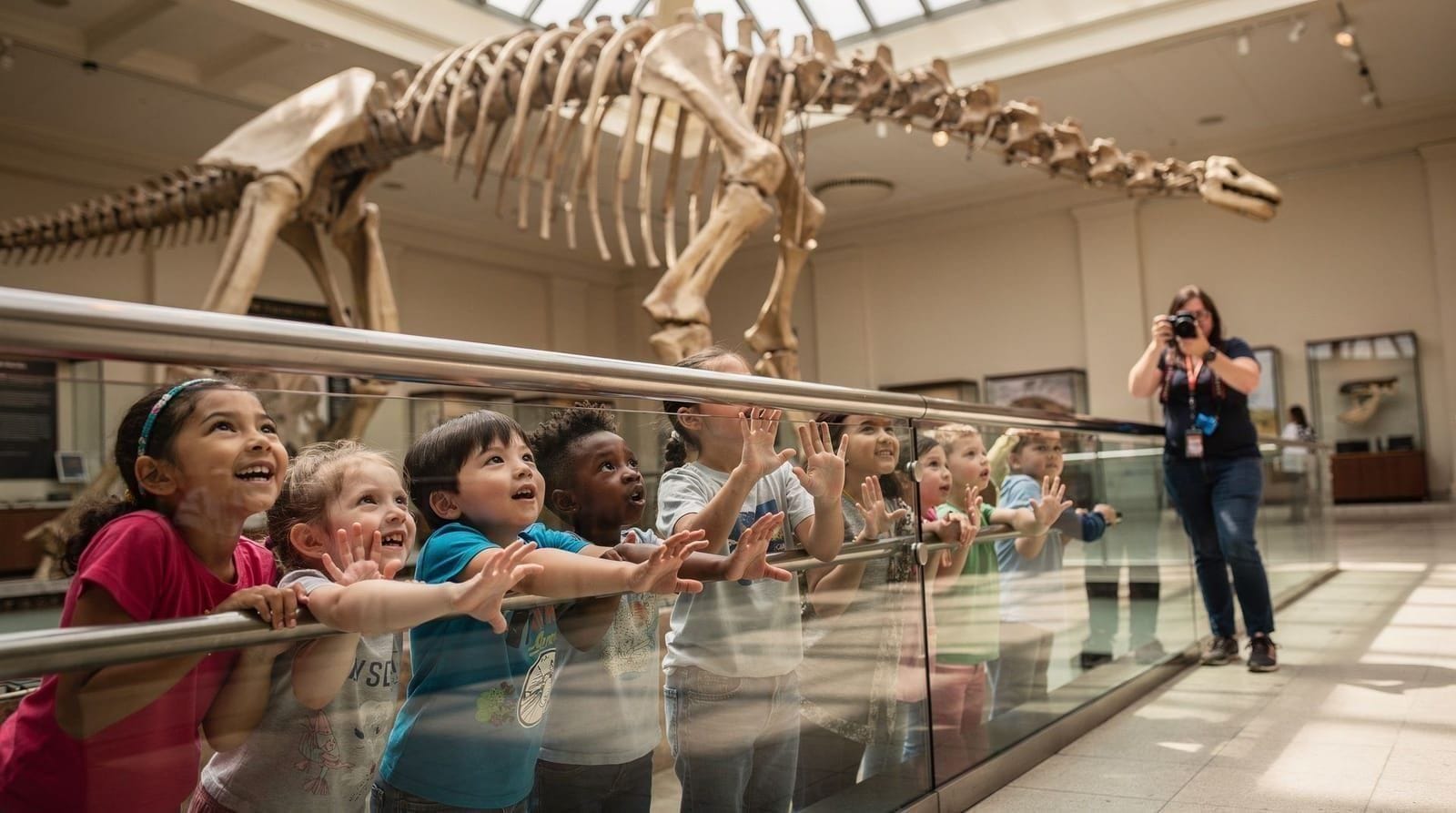
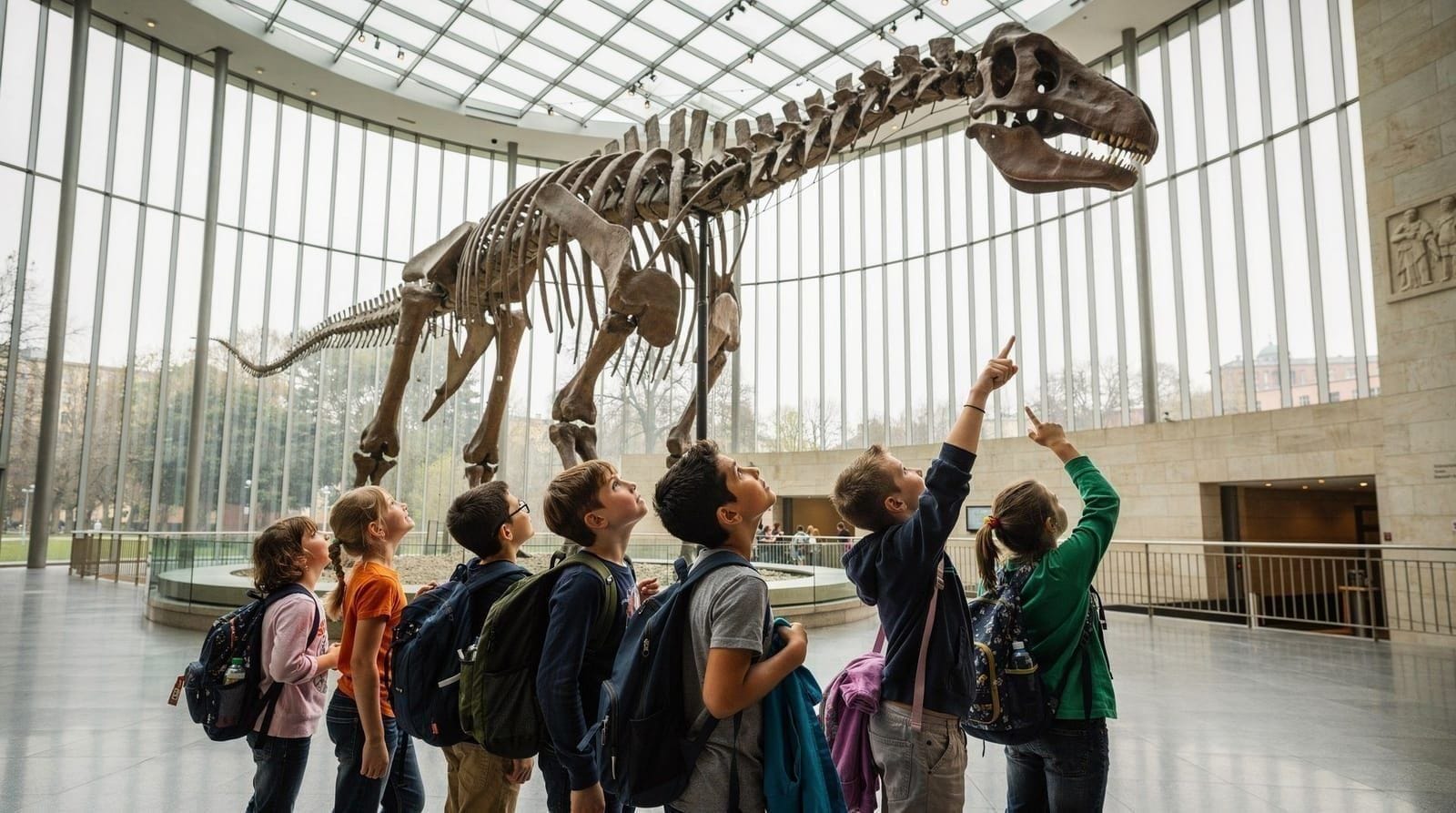
They're complementary rather than competing. The Aquarium is about living animals in tanks and vivaria; the Natural History Museum covers dinosaur skeletons, minerals, and preserved specimens. Families spending several days in Berlin often do one on a zoo day and the other alongside Museum Island.
Top experiences
Bookable activities with verified prices and instant confirmation on GetYourGuide.