Sea Life Berlin — tickets, what to see & honest visitor guide 2026
Berlin: LEGOLAND Discovery Centre, Madame Tussauds & SEA LIFE
Is Sea Life Berlin worth visiting in 2026?
Sea Life Berlin is a solid 1.5-hour family attraction near Museum Island, covering 30 tank environments from Berlin's freshwater rivers to tropical oceans. Current ticket prices are on the official Sea Life Berlin website. Note that the famous AquaDom cylindrical elevator tank at the DomAquarée hotel was catastrophically destroyed in December 2022 — it is no longer part of Sea Life Berlin and there is no planned date for its restoration. Sea Life itself (the separate aquarium) continues to operate normally.
Sea Life Berlin in 2026: The aquarium at DomAquarée on the Spree continues to operate normally following the destruction of the adjacent AquaDom in December 2022. The AquaDom — the famous cylindrical tank inside the Radisson Blu hotel — is not part of Sea Life Berlin and is not accessible for the foreseeable future. Sea Life itself is worth 1.5 hours for families with children aged 3–12.
| Where | Spandauer Strasse 3, DomAquarée, near Museum Island |
| Cost | see the official website for current prices |
| Time needed | around 90 minutes |
| Getting there | S-Bahn Hackescher Markt or U-Bahn Alexanderplatz |
| Best time | at opening (10:00) before queues build |
The AquaDom situation: what you need to know
If you’ve read about Sea Life Berlin and seen images of the spectacular 16-metre-high cylindrical aquarium tank — that was the AquaDom, located in the atrium of the Radisson Blu Hotel at the same DomAquarée complex.
On 16 December 2022, at around 5:50 in the morning, the AquaDom’s acrylic cylinder cracked and burst. Approximately 1 million litres of water flooded the hotel lobby, the street outside, and damaged the adjacent Sea Life attraction. About 1,500 fish were killed; two hotel guests were injured by broken glass. The cause was identified as stress fractures in the cylinder, likely related to overnight temperature changes.
The AquaDom has not been replaced or rebuilt. The Radisson Blu Hotel remains partially closed. As of June 2026, no confirmed reopening date has been announced for the AquaDom.
Sea Life Berlin (the aquarium attraction in the adjacent part of DomAquarée) reopened after repairs and operates independently from the AquaDom. If you visit Sea Life today, you will not see the cylinder tank — it no longer exists in any form. Any travel content describing the AquaDom as a current Sea Life Berlin feature is out of date.
What Sea Life Berlin actually contains
Sea Life Berlin covers 30 themed aquatic environments arranged on a single linear route. The progression moves from Berlin’s own freshwater ecosystems — the Spree, Havel, and Brandenburg lakes — through increasingly deep and exotic marine environments.
Zone 1: Berlin freshwater habitats
The route begins with local Berlin species: perch, pike, carp, eel, and species from the Spree and Havel river system. This section is underrated — German freshwater fish are more varied than most visitors expect, and the tanks are at child eye-level with good viewing angles. Catfish in this zone can reach 1 metre in length.
Zone 2: North Sea and Atlantic cold water
Rays, flatfish, and Atlantic sea life in chilled tanks. Ray touch pools are available at some times (check daily schedule at entry). Children aged 5–10 respond strongly to touching live rays.
Zone 3: Tropical reef environments
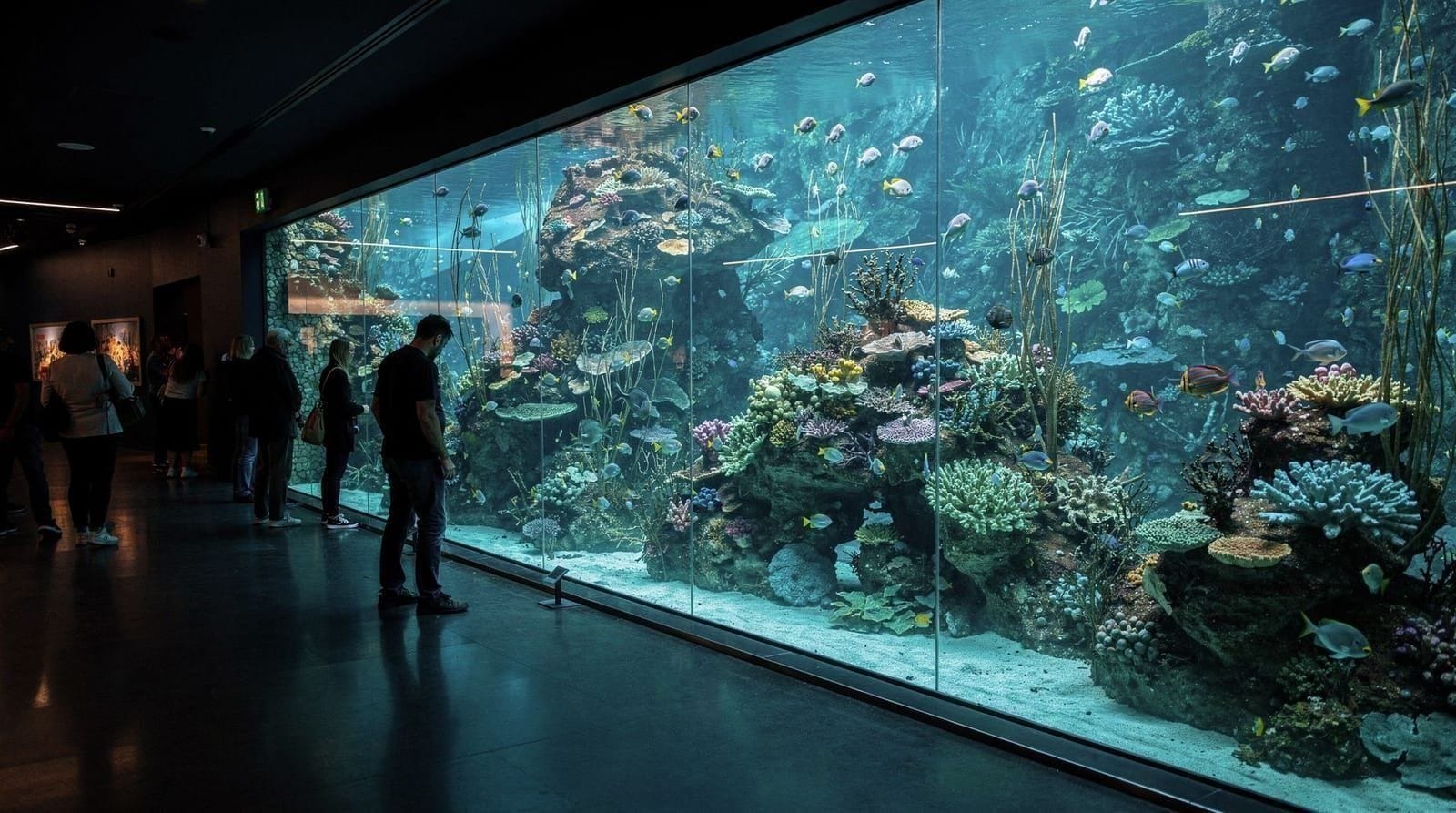
The majority of the attraction — coral reef environments with clownfish, surgeonfish, moray eels, reef sharks, and dense tropical species. Tanks are large and deep, with some overhead viewing tunnels that let you walk beneath the fish.
Zone 4: Ocean tunnel
A curved acrylic tunnel through a large tank containing sharks (grey reef and nurse sharks), rays, and large tropical fish. Children can stand underneath the tank for 3–5 minutes; most spend longer. This is typically the most popular section.
Zone 5: Deep ocean and unusual species
Jellyfish tanks (slow-moving, hypnotic for children and adults), seahorses, and unusual deep-ocean species. The jellyfish display in particular is well-lit and genuinely striking.
Zone 6: Exit via gift shop
The route exits through the standard gift shop. Shark plush toys, fish-shaped key rings, marine-themed educational books (German and English editions).
The route is entirely linear and step-free, so there is no risk of missing a zone or needing to backtrack — a genuine practical advantage over larger, sprawling aquariums where families can lose track of what they’ve already seen. Total walking distance end to end is short enough that even toddlers manage the full route without needing to be carried, though a stroller is still useful for nap breaks.
Tickets and prices (2026)
| Ticket type | Online price | Walk-in price |
|---|---|---|
| Adult (15+) | see official website | see official website |
| Child (4–14) | see official website | see official website |
| Under 4 | Free | Free |
| Family (2 adults + 2 children) | see official website | N/A |
Combination tickets:
Legoland Discovery Centre + Madame Tussauds + Sea Life Berlin — combo ticketThe three-attraction combo bundles the three tickets in one purchase. Useful for families who plan to visit both Sea Life and Legoland Discovery Centre (at Potsdamer Platz, around 20 minutes by tram or foot from Sea Life). See the dedicated Legoland Discovery Berlin guide for what that attraction covers on its own.
How Sea Life compares to Berlin’s other family attractions
For families deciding between Sea Life and the alternatives, the honest comparison depends on age and interest:
| Attraction | Best age | Time needed | How it compares |
|---|---|---|---|
| Sea Life Berlin | 3-12 | around 90 min | Compact, central, easy with a pushchair |
| Berlin Zoo-Aquarium | all ages | 2-3 hours | Larger, more species, more academic |
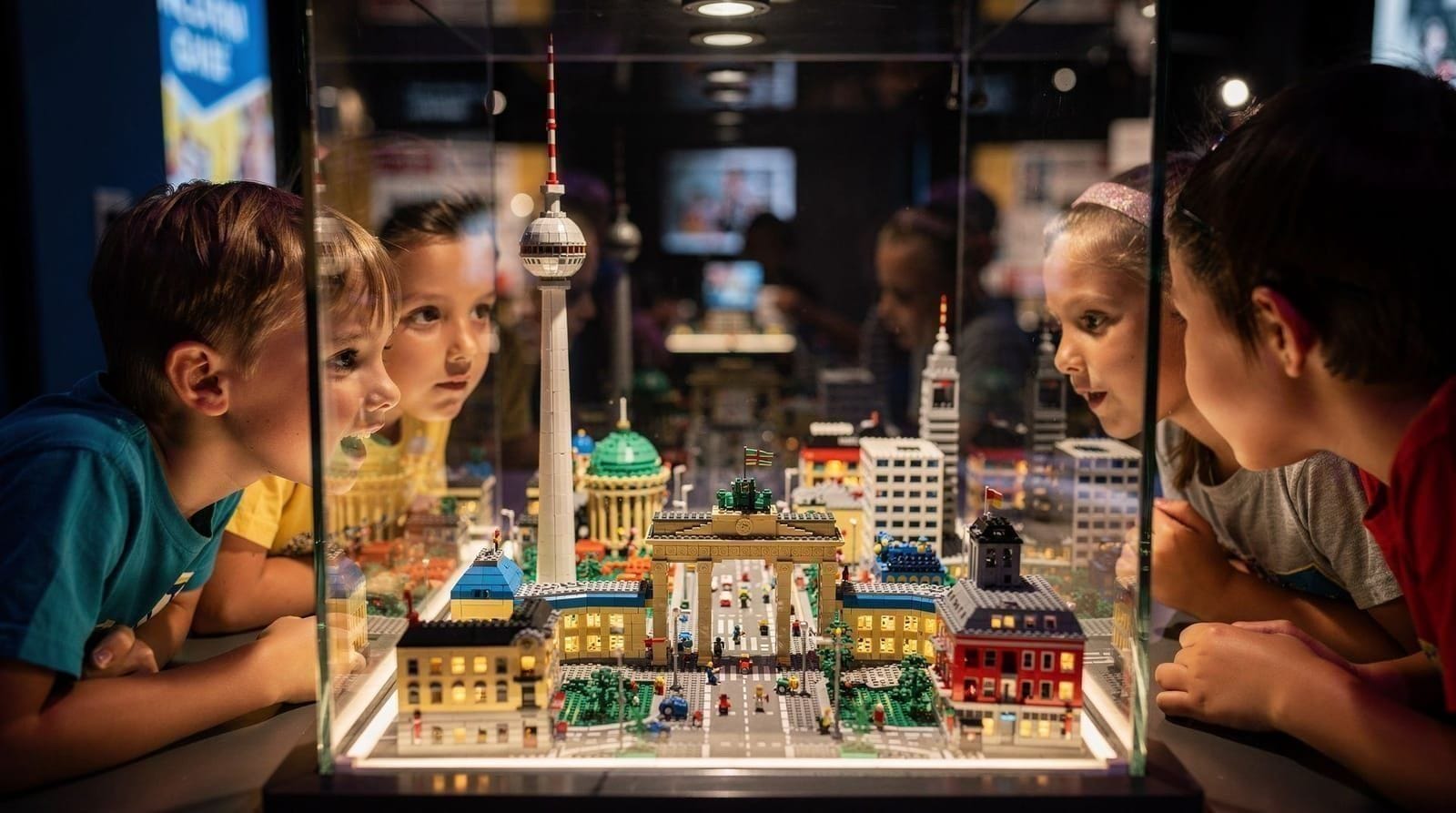
| Legoland Discovery Centre | 3-10 | around 2 hours | More interactive, less educational |
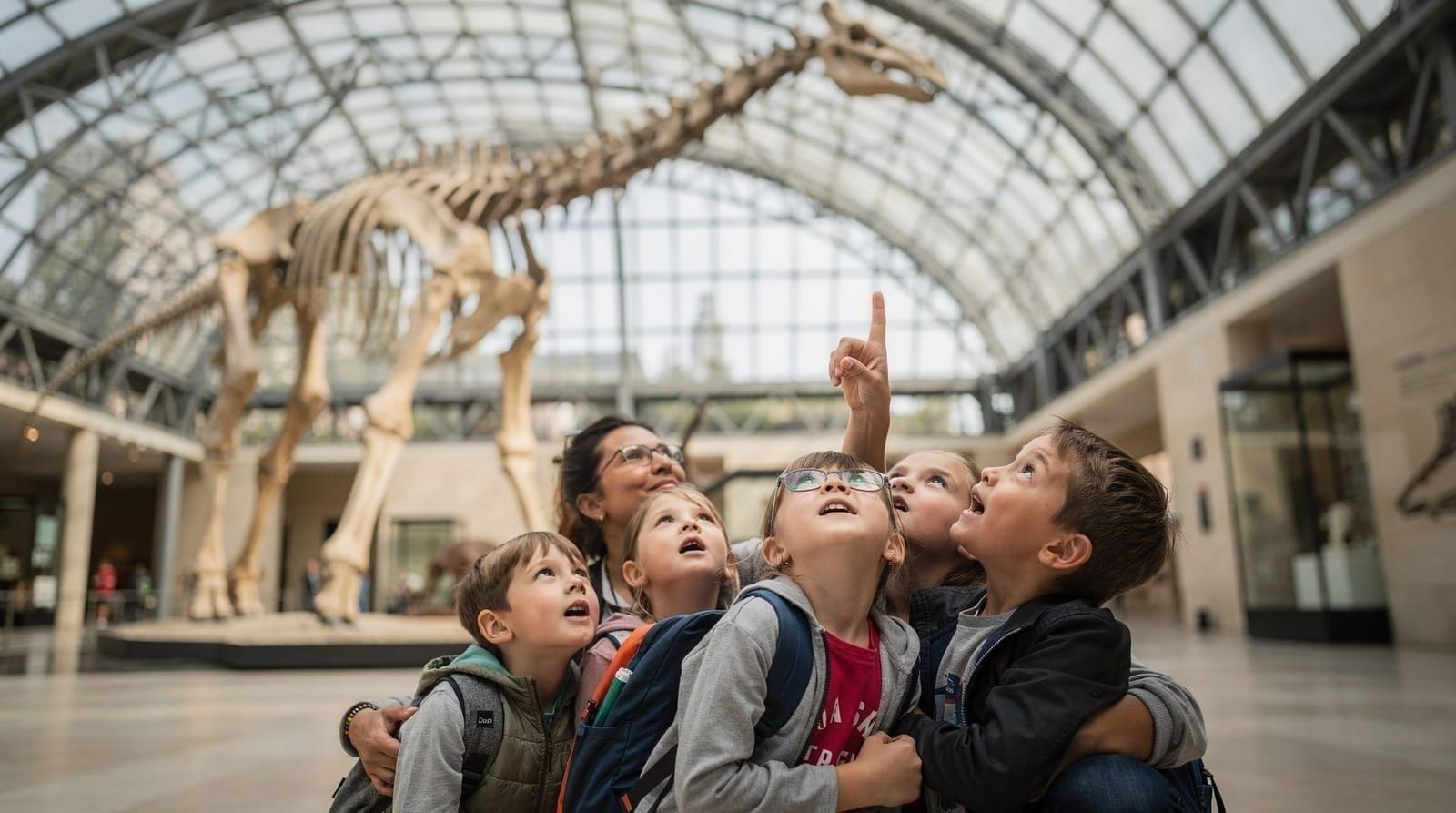
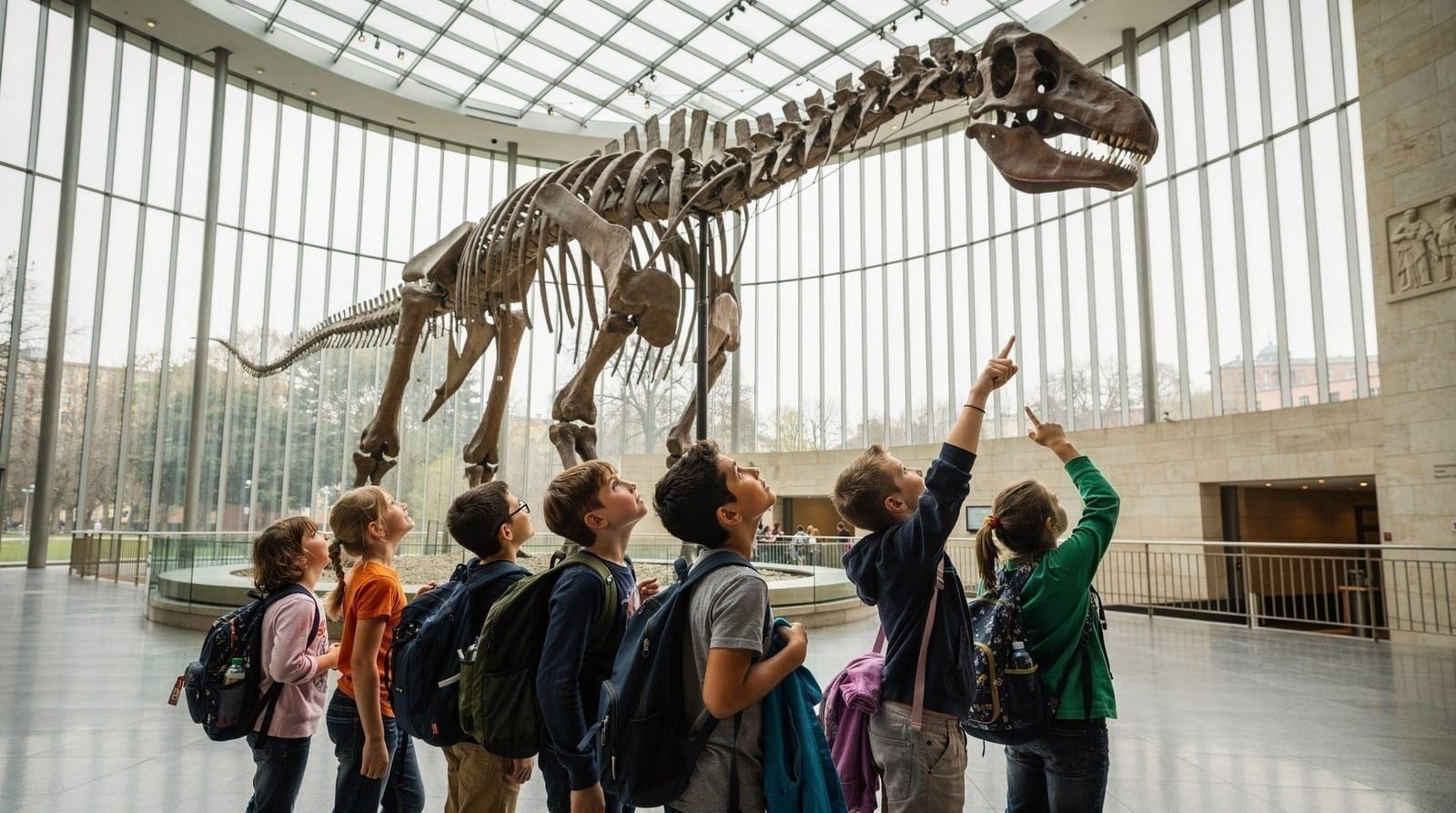
| Natural History Museum | 5-12 | 2-3 hours | Dinosaurs, free-standing skeletons |
Getting there
Address: Spandauer Strasse 3, 10178 Berlin (DomAquarée complex)
By public transport:
- S-Bahn (S3, S5, S7, S9) to Hackescher Markt — 8 min walk along the Spree
- Tram M4, M5, or M6 to Spandauer Strasse/Marienkirche — 2 min walk
- U-Bahn to Alexanderplatz (U2, U5, U8) — 12 min walk along Karl-Liebknecht-Strasse
On foot from Museum Island: Sea Life is about 300 metres from the Berliner Dom — walkable in 5 minutes. The combination of Museum Island / Berliner Dom + Sea Life works well as a half-day plan.
How to combine Sea Life Berlin with other attractions
Sea Life’s location near Museum Island and the central Spree makes it easy to combine with other central Berlin attractions.
Sea Life + Legoland Discovery Centre: Legoland is at Potsdamer Platz, about 20 minutes by tram M48 or M41. The three-attraction combo (Legoland + Sea Life + Madame Tussauds) covers a full indoor day. Good for rainy days or with younger children who don’t manage the full Zoo.
Sea Life + Berlin Cathedral (Berliner Dom): The Cathedral’s dome climb (see the Cathedral’s official website for current prices) is adjacent. Family combination for ages 10+ who can manage the staircase.
Sea Life + DDR Museum: The DDR Museum is 5 minutes along the Spree on Karl-Liebknecht-Strasse. Entry €13.90 adults, €8.50 concessions. Combined with Sea Life makes a solid half-day for ages 8+.
Sea Life + Museum Island (Alte Nationalgalerie or Pergamonmuseum): Note — the Pergamonmuseum is closed until at least June 2027. The Alte Nationalgalerie and Altes Museum are open but less suitable for young children. Neues Museum has Egyptian artefacts including the Nefertiti bust (€14, free for under-18s). Check current access rules before booking.
Building a half-day around Sea Life
Because the aquarium itself is compact, the most useful way to think about it is as one anchor in a short central loop rather than a destination on its own. Start at opening, when the route is calm, then use the rest of the morning or afternoon for something on the same stretch of the Spree.
For families with older children, the DDR Museum is the natural second stop: it is hands-on, it explains daily life in East Germany in a way children can follow, and you can book a skip-the-line entry to the museum about daily life in East Germany in advance so the two visits slot together without a wait at the door. If your group prefers to stay outdoors once the aquarium is done, the surrounding streets of Berlin Mitte are good for a slow walk, and the Museum Island guide explains which buildings are worth a quick look from the outside even if you do not go in.
If the weather turns, the same logic applies in reverse: keep the aquarium as your dry anchor and plan the rest of the day around other indoor options. The Berlin itinerary ideas page and the one-day Berlin itinerary show how an attraction like this fits into a wider plan, and the Berlin trip planning guide helps you decide how many family-focused days you really need.
Pacing the visit with children
Younger children tend to want to linger at the ocean tunnel and the jellyfish tanks, while older ones move faster and get restless in the freshwater section. A simple approach is to let the youngest set the pace at the tunnel, then agree beforehand on what everyone wants to do afterwards. Keeping a snack and drink ready for the walk to a cafe works better than hunting for food mid-visit, since there is no cafe inside. Plan the feeding sessions first and the rest of the route around them, so nobody misses the part they were looking forward to.
Making the most of the ocean tunnel and jellyfish tanks
These two sections reward patience. Rather than walking straight through, stop at the middle of the tunnel and let the larger animals pass overhead; children usually notice far more when they stand still. At the jellyfish tanks, the soft lighting makes it a good place for a short pause if anyone in the group is tired or overstimulated. Photographs work best without flash, and a few minutes of waiting is often enough to get a clear shot of a passing shark or ray.
Who should skip it
Visitors travelling without children, or those who care more about marine biology than convenience, will get more from the larger collection at the Zoo-Aquarium. The Berlin Zoo guide covers the zoo that surrounds it, which makes a fuller day out than Sea Life can offer alone. Likewise, if your trip is short and history is the priority, your time is better spent on the sites in the Berlin travel tips rather than a family attraction.
Practical tips
Arrive at opening (10:00): Queues build significantly after 11:30, especially at weekends and during Berlin school holidays (Ferien). The first hour is consistently the quietest.
Download the feeding schedule: Feeding demonstrations and diver presentations are listed on the Sea Life Berlin website daily schedule. The shark feeding and ray touch sessions are the most engaging for children.
Photography: Personal photography and video are permitted throughout. The jellyfish and ocean tunnel sections photograph well.
Pushchairs: The entire route is step-free and pram-accessible. The building is small enough that pushchairs are manageable without difficulty.
Gift shop: Not required for exit. Staff will redirect you if you ask — there’s a bypass for families who don’t want the shop.
Toilets and baby facilities: Baby-changing facilities are available near the entrance and midway through the route. There is no cafe inside; the nearest food options are along Karl-Liebknecht-Strasse and around the Berliner Dom, a 2-3 minute walk.
Birthdays and school groups: Sea Life Berlin runs birthday party packages for small groups, bookable in advance through the venue directly rather than the standard ticket site. School groups get discounted rates but need to book well ahead, particularly in spring when class trips peak.
Language: All signage is in German and English. Feeding demonstrations are usually presented in German with some English commentary depending on staff availability that day.
Is Sea Life Berlin worth it?
For families with children aged 3–12: Yes, for 90 minutes of engaged content. The ocean tunnel and jellyfish tanks deliver genuine visual impact. It’s not the largest or most ambitious aquarium in Germany — the Zoom Erlebniswelt in Gelsenkirchen or the Ozeaneum in Stralsund are more impressive for serious marine life — but as an urban attraction in central Berlin, it punches above its weight for the age group.
For adults or teenagers visiting alone: The Zoo-Aquarium (Berlin Aquarium on Budapester Strasse) is a better choice — larger collection, more depth, and a more academic approach to fish taxonomy. See the Berlin Aquarium guide.
What about rainy days? Sea Life is one of Berlin’s best fully-indoor family options. For a complete rainy-day plan, see Berlin rainy day kids guide, and for wider family-trip planning across the city, the Berlin with kids guide covers age-by-age recommendations.
Frequently asked questions about Sea Life Berlin
What happened to the AquaDom Berlin?
In December 2022, the AquaDom — a 16-metre-high cylindrical aquarium tank inside the Radisson Blu hotel at DomAquarée — catastrophically burst, releasing around 1 million litres of water and killing most of its 1,500 fish. The cause was stress fractures in the acrylic cylinder, possibly related to temperature changes. The hotel and AquaDom section remain closed for reconstruction as of June 2026. No confirmed reopening date has been announced. Sea Life Berlin, which occupied the adjacent DomAquarée building, operates independently and is open normally.How much do Sea Life Berlin tickets cost?
Current ticket prices and age categories are on the official Sea Life Berlin website. A combo ticket with Legoland Discovery Centre and Madame Tussauds is available online.How long does Sea Life Berlin take?
Most visitors spend 1–1.5 hours. The route is linear through 30 themed environments. Children aged 4–10 who stop at interactive touchpoints and feeding demonstrations can spend up to 2 hours. It is not a full-day attraction on its own; it works best paired with another nearby attraction.Where is Sea Life Berlin located?
Sea Life Berlin is at Spandauer Strasse 3, 10178 Berlin, in the DomAquarée complex next to the Berliner Dom (Berlin Cathedral) and Museum Island. Nearest S-Bahn and U-Bahn stations are Hackescher Markt (S3, S5, S7, S9) or Alexanderplatz (U2, U5, U8, S-Bahn — 10 min walk). Tram M4/M5/M6 stops directly outside on Karl-Liebknecht-Strasse.Is Sea Life Berlin worth it for adults without children?
As a standalone visit, probably not at the full walk-in price. The marine content is solid but the displays are aimed at families with young children. For adults interested in marine life, the Aquarium in the Zoo (Zoo-Aquarium on Budapester Strasse) is more substantive and offers 9,000 animals across 650 species. For a full aquarium experience, the Zoo-Aquarium is the better choice.What is the difference between Sea Life Berlin and the Berlin Aquarium?
These are two separate venues. Sea Life Berlin is at DomAquarée near Museum Island — a Merlin Entertainments brand aquarium primarily aimed at families. The Berlin Aquarium (Zoo-Aquarium) is a separate, independent aquarium attached to Berlin Zoo in Charlottenburg, with a larger collection and more depth. Both charge admission. See the Berlin Aquarium guide for the Zoo-Aquarium.Are there feeding times and demonstrations at Sea Life Berlin?
Yes. Feeding demonstrations and diver talks are scheduled at set times during the day. Schedules are posted at the entrance and change seasonally. The shark feeding and ray feeding sessions are the most popular. Arrive 15 minutes early to get a good viewing position.
Top experiences
Bookable activities with verified prices and instant confirmation on GetYourGuide.