Berlin craft beer guide: breweries, Biergärten, and honest pint prices
Berlin: BRLO BRWHOUSE Tour and Craft Beer Tasting
Where is the best craft beer in Berlin?
BRLO Brwhouse at Schöneberger Strasse 16 (near Gleisdreieck Park) is the most complete craft beer destination with a brewpub, beer garden, and guided tastings. Vagabund Brauerei in Wedding offers a more grassroots taproom experience. Expect to pay €4-6 per 0.3L pour at craft taprooms, versus €2.50-3.50 for a standard Berliner Pilsner at a regular Kneipe.
BRLO Brwhouse at Schöneberger Strasse 16, near Gleisdreieck Park, is the most complete craft beer destination in Berlin — brewpub, beer garden, restaurant, and guided tastings all on one site. For a more grassroots experience, Vagabund Brauerei in Wedding runs a small taproom where the brewers are often visible behind the tanks. Budget €4-6 per 0.3L pour at craft taprooms, versus €2.50-3.50 for a standard Berliner Pilsner at a regular Kneipe.
| Where | Kreuzberg, Wedding, Neukölln, Friedrichshain |
| Cost | around €4–6/0.3L craft pour, €2.50–3.50 for standard Pilsner |
| Time needed | 1–2 hours per brewery, half a day for a multi-stop circuit |
| Getting there | U-Bahn to each brewery district |
| Best time | April–September for Biergärten; book brewery tours ahead in summer |
Berlin’s long relationship with beer
Berlin has been brewing seriously since at least the 14th century, but the industrial era is what shaped the city’s beer identity. In the 19th century, the Prussian capital became home to some of Germany’s largest commercial breweries. Kindl and Schultheiss emerged as the dominant Berlin brands — lager-focused, high-volume, built to serve a fast-growing urban working class. By 1900, Schultheiss was reportedly one of the largest breweries in the world by output.
The 20th century was less kind. The Second World War destroyed much of the physical brewing infrastructure in both halves of the city. In East Berlin, the state consolidated remaining brewing operations under VEB Getränkekombinat Berlin — a single state enterprise that produced standardised beer for the GDR market. Quality was consistent but uninspiring, and variety was essentially nonexistent. If you want to understand what daily East Berlin life felt like, including what people drank, the DDR Museum on the Spree riverbank is worth an hour of your time. The broader story of how the city was divided — and what that division meant for culture, commerce, and daily life — is told well in our cold war Berlin history guide.
In West Berlin, Kindl and Schultheiss continued as commercial brands, eventually merging in 1988 to form Berliner Kindl-Schultheiss Brauerei. That consolidation left Berlin with fewer distinct beers than before, even as reunification opened the city back up. The 1990s brought a chaotic but creative period — squats, clubs, new neighbourhoods taking shape — but the brewing scene remained fairly flat.
What changed everything was the global craft beer wave hitting Germany around 2010-2014. Younger Berliners who had been drinking American and British craft beers started asking why their own city, with its deep brewing history, was producing so little variety. A generation of small-batch brewers appeared, many self-taught, many working in converted industrial spaces in Wedding, Neukölln, and Friedrichshain. By 2016, when California’s Stone Brewing opened a major brewpub in Tempelhof, it was a signal to the industry that Berlin was a serious craft beer market.
Traditional Berlin beers: what locals actually drink
Before exploring the craft scene, it is worth knowing the baseline. Berliner Pilsner — produced at the Wasser AG brewery and distributed through REWE supermarkets — is the cheapest widely available Berlin lager. You will see it in green bottles throughout the city. It is drinkable, unremarkable, and costs €0.70-1.00 per 500ml bottle at the supermarket.
Berliner Kindl and Schultheiss are the mainstream brands at most Kneipen (neighbourhood pubs). A 500ml glass runs €2.50-3.50 depending on the bar and neighbourhood. These are competent German lagers, not craft beers, and there is no shame in ordering one — they are cold, reliable, and appropriately priced for a long evening.
The genuinely interesting traditional style is Berliner Weisse — a top-fermented wheat beer with a distinctly sour, refreshing profile and low alcohol content (around 3% ABV). Napoleon’s troops, passing through Prussia in the early 19th century, reportedly called it the “Champagne of the North” — a reference to its effervescence and pale colour rather than its prestige. By the late 20th century it had nearly disappeared from the commercial market, replaced by standard lagers. The craft revival has brought it back, and you can now find genuinely well-made versions.
The traditional serving method involves a Schuss — a shot of syrup added to the glass. Green (Waldmeister, woodruff) is the classic; red (Himbeere, raspberry) is also common. Many old-school Berliners drink it without the Schuss, arguing the syrup masks the beer. At a craft taproom, you will often get the option or none at all. For a traditional Berliner Weisse experience, Hops and Barley at Wühlischstrasse 22-23 in Friedrichshain brews its own version and is not trying to be trendy about it.
The major craft breweries worth visiting
BRLO Brwhouse
BRLO — the name comes from “Berlin” spelled backwards in an old Slavic dialect — was founded in 2014 and opened its permanent Brwhouse at Schöneberger Strasse 16, 10963 Berlin in 2017. Take the U1, U2, or U3 to Gleisdreieck and walk five minutes south.
The brewpub sits on the edge of Gleisdreieck Park, with a large outdoor beer garden that works extremely well on warm days. Inside, 12-15 rotating taps cover their core range (a reliable Kellerbier, a rotating IPA series, seasonal sours) plus collaboration beers. The restaurant serves food designed specifically to pair with the beer — not an afterthought. Portions are substantial and prices are reasonable for the quality: €12-18 for a main course.
Guided brewery tours run regularly and are the most structured visitor experience available at any Berlin craft brewery. The tours cover the brewing process, a walk through the production area, and a tasting flight of four to six beers. Book in advance, especially in summer.


Stone Brewing Berlin
Stone Brewing, the California-based craft giant, opened its Berlin brewpub at Mariendorfer Damm 19, 12099 Tempelhof in 2016 — the first Stone brewery outside the United States. Take the U6 to Alt-Tempelhof and walk ten minutes. The location in an enormous converted gasworks building is impressive. The beer range runs to 30+ taps covering Stone’s American IPA-heavy lineup alongside Berlin-specific brews.
Stone is a slightly controversial presence among local craft beer enthusiasts — some find it incongruous that a major American company occupies so much space in what is meant to be a local craft scene. That is a legitimate conversation, but the beer quality is consistently high, and if you want to compare American West Coast IPA styles with German interpretations in one sitting, Stone is the place to do it. Prices are at the top of the craft range: €5-7 for a 0.3L pour.
Vagabund Brauerei
Vagabund Brauerei at Antwerpener Strasse 3, 13353 Wedding (U9 Westhafen, then a short walk) is the closest thing Berlin has to a classic American craft taproom: small, unpretentious, and focused entirely on what is in the tanks. The brewers are often visible working behind the bar area. There is no kitchen — pretzels are about as far as the food programme goes. Rotating taps cover six to eight beers, leaning toward hop-forward styles and German-American hybrids. No booking needed to walk in for a drink, but if you want a formal tour, arrange it in advance.

Berliner Berg
Berliner Berg at Rollbergstrasse 26, 12053 Neukölln has a strong community following in the surrounding neighbourhood. The brewery runs open tasting evenings Thursday through Saturday, with six to eight taps covering their core and seasonal range. The vibe is deliberately local — this is not a tourist destination in the way BRLO is, and that is precisely what makes it interesting. The Lager and the Pale Ale are the safest starting points.

Eschenbräu
Eschenbräu at Triftstrasse 67, 13353 Wedding is very small, very traditional, and worth knowing about. They brew a solid Kellerbier and a Weizen, and have a small Biergarten open in summer. Cash only. Do not expect a visitor experience — this is a working small brewery with a taproom where locals drink. Which is exactly the point.
Hops and Barley
Hops and Barley at Wühlischstrasse 22-23, 10245 Friedrichshain operates in a converted butcher’s shop, and the original tiled walls are still part of the decor. The house Berliner Weisse is one of the most consistent available anywhere in the city, and the rotating tap list covers five or six house-brewed beers at any given time. It is ten minutes walk from the East Side Gallery, which makes it a natural stop on a Friedrichshain afternoon. Prices are at the lower end of the craft range: €3.50-5 per pour.
Berlin Biergärten: the outdoor drinking tradition
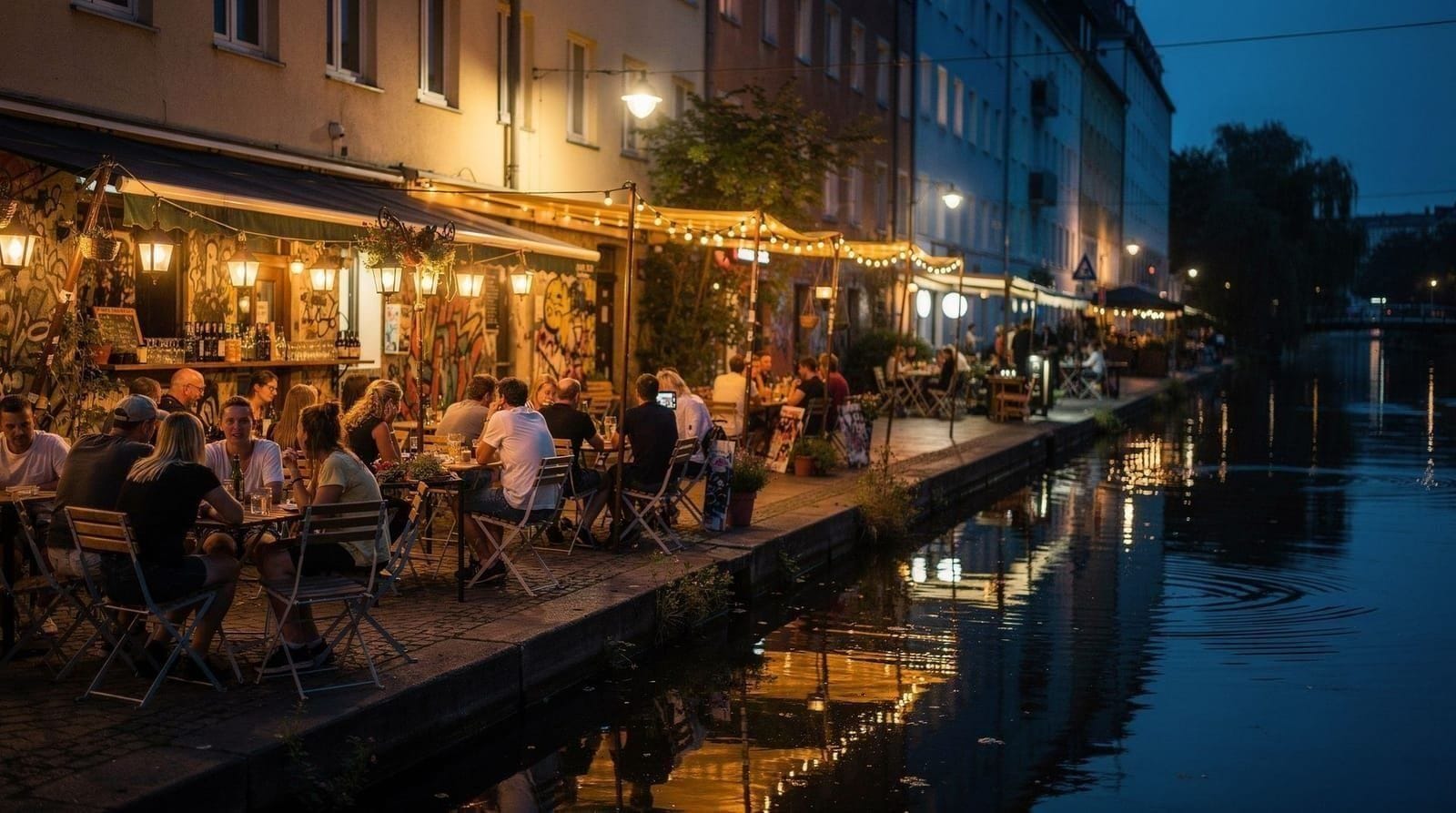
A Biergarten is not simply a bar with outdoor seating. It is a specific format — traditionally self-service (Selbstbedienung), with long communal benches and tables, beer served in large Masskrug glasses or standard 0.5L glasses, and in the purest traditional form, an allowance to bring your own food (Brotzeit) as long as you buy your drinks at the counter.
Prater Garten, Kastanienallee 7-9, Prenzlauer Berg (U2 Eberswalder Strasse) has been operating since 1837, making it Berlin’s oldest beer garden. It brews its own Prater Pils on-site. The atmosphere on a warm May or June evening — chestnut trees, communal benches, families and after-work drinkers mixed together — is genuinely Berlin in a way that many more famous attractions are not. It is near Mauerpark if you want to combine it with a Sunday visit. Open April to September. Expect to pay €4-5 for a 0.5L glass.
The Tiergarten Biergarten (inside the Tiergarten park near the Löwenbrücke) is a beautiful summer setting — surrounded by the park’s trees, relatively uncrowded on weekday afternoons. More central than Prater Garten, less neighbourhood character.
Loretta am Wannsee out by the lake is a summer destination rather than a daily local haunt — the lakeside location is the point, and it pairs well with a day at Wannsee beach. The Wannsee area in summer is worth the S-Bahn journey out of the city centre.
Biergarten Jungfernheide near Spandau has an authentic neighbourhood vibe and very few tourists. The beer selection is standard commercial rather than craft, but the setting in the Jungfernheide park is pleasant and prices are the lowest of any major Berlin Biergarten.
Craft beer bars worth knowing
Not every good craft beer experience requires visiting a brewery. Several standalone bars have built strong reputations around curated tap lists.
Monterey Bar at Oranienstrasse 159, Kreuzberg runs 20-plus rotating taps with a well-chosen selection of German craft alongside Belgian imports. It fits naturally into a Kreuzberg bar evening without feeling like a specialist destination. The food offer is minimal — small snacks only.
Kaschk at Linienstrasse 40, Mitte has 12 rotating taps alongside a natural wine selection. The interior is small and fills quickly after 8pm on weekends. The tap list changes faster than most competitors, and the staff know what is on each tap. This is where Berlin’s craft beer nerds drink when they are not visiting breweries.
Protokoll at Simon-Dach-Strasse 37, Friedrichshain is a neighbourhood bar that happens to stock a solid craft selection alongside standard draught options. No pretension, reasonable prices, good mix of locals and visitors from the surrounding area.
Bierkombinat near Boxhagener Platz in Friedrichshain covers both bottles and draft, with a better bottle selection than most bars. Useful if you want to sit down and work through Berlin craft labels at your own pace.
For a broader view of where to drink across the city — beyond just beer — the best bars in Berlin guide covers cocktail bars, wine bars, and late-night options alongside the beer-focused spots.
Guided tastings and brewery tours: are they worth it?
Walking into a taproom and ordering a beer is free. Booking a guided tour costs €25-45 per person typically, and the question is whether the structure adds enough value.
For most visitors, a guided tour at BRLO makes sense if it is your first serious encounter with the craft brewing process. The format — typically 90 minutes to two hours, four to six tasting samples, a walk through the brewing and fermentation areas, explanation of ingredients and techniques — gives you a vocabulary for tasting that you carry to every subsequent taproom visit. The alternative is standing at a bar without context, which is fine but less useful.
If you already know your way around a brewery or beer styles, the craft beer cultural tour that combines multiple venues and neighbourhood context gives you more variety in the same time.

The private tasting format is worth considering for groups of four or more — the per-person cost is similar to a standard tour once you split it, but the experience is tailored to your group’s preferences and pace.
For food and drink combinations, the Berlin food tour guide covers options that mix beer stops with street food markets, Markthallen, and neighbourhood eating across multiple areas of the city.
The Kneipe: Berlin’s neighbourhood pub culture
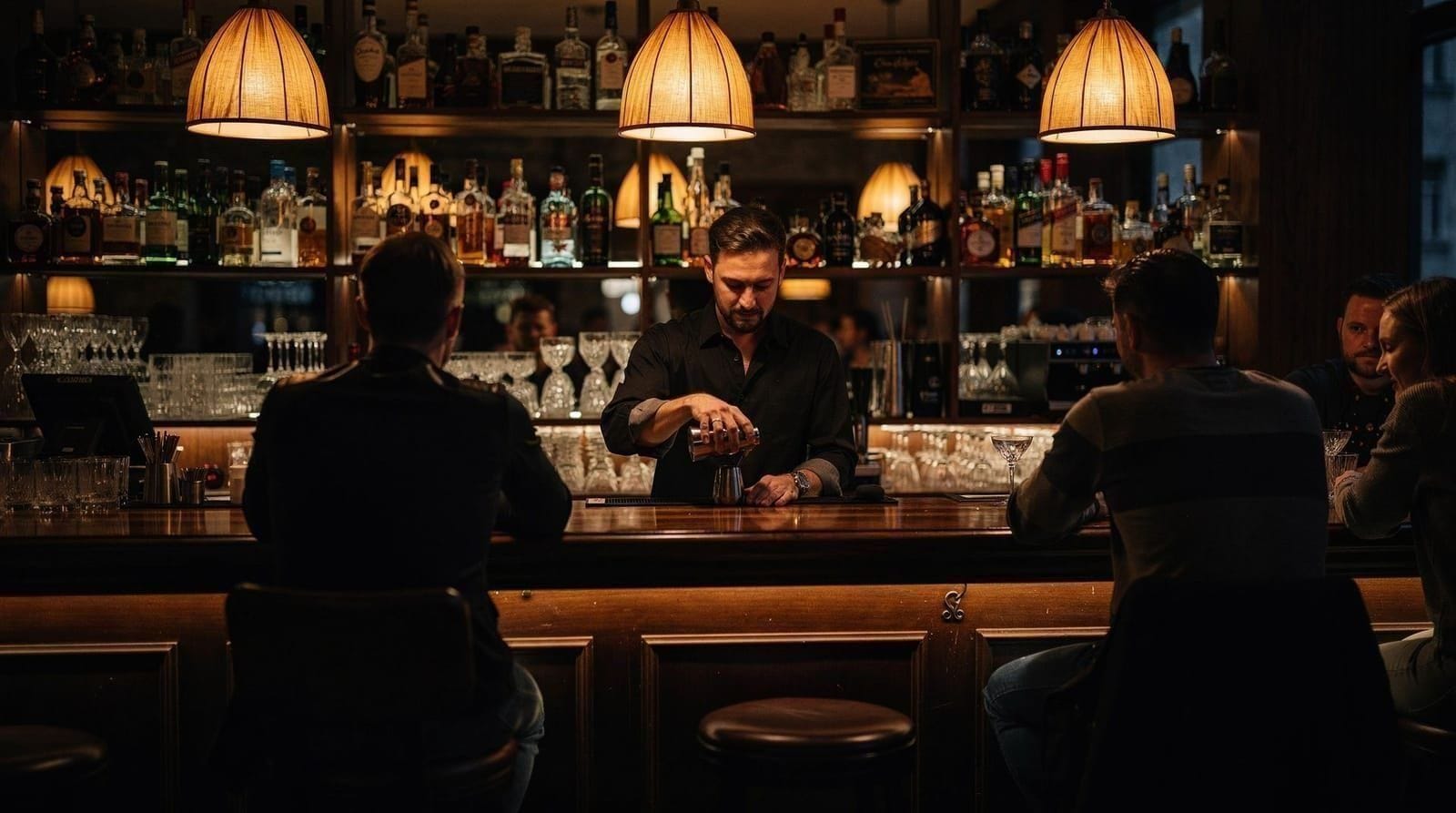
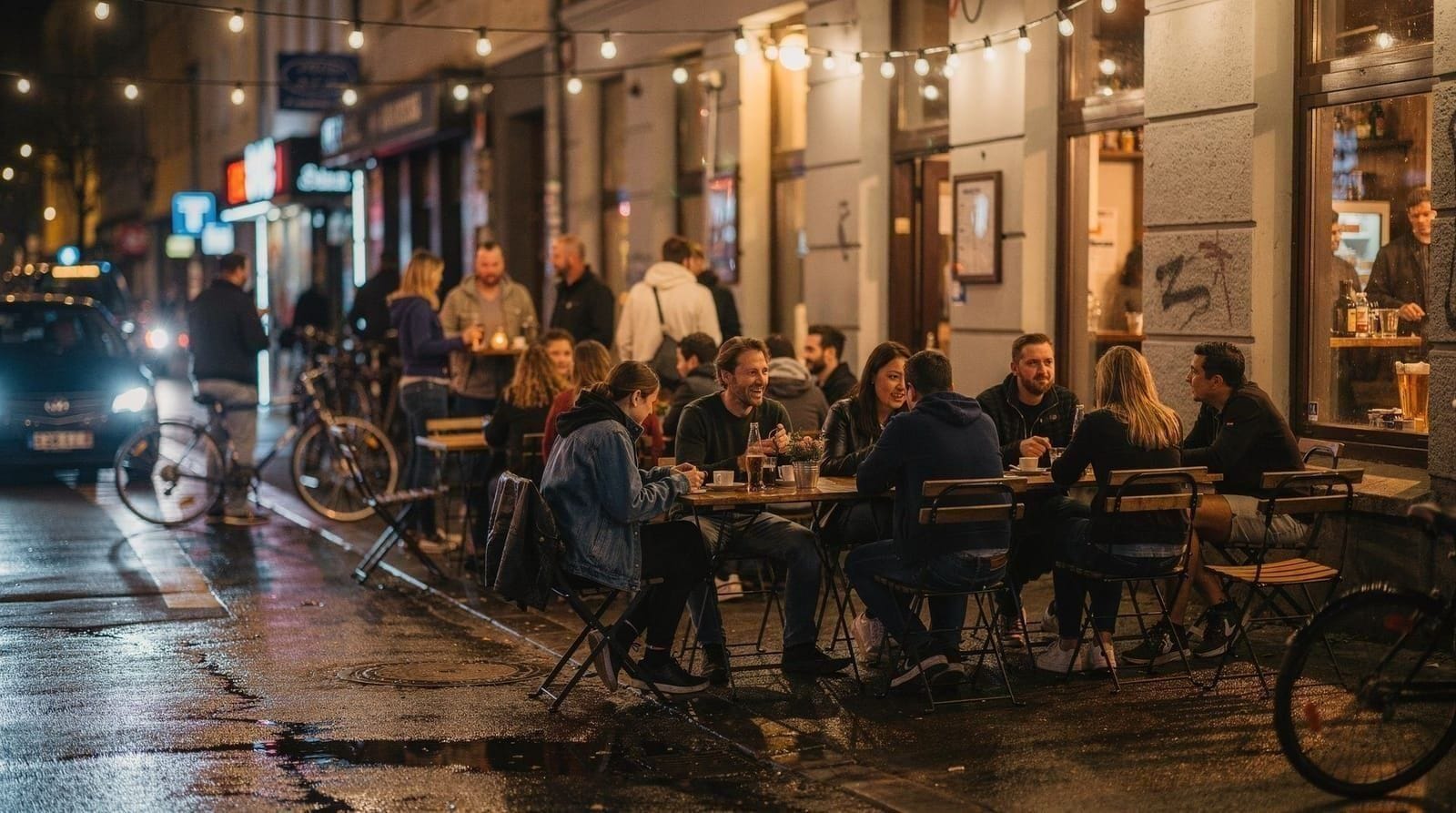
No beer guide to Berlin is complete without explaining the Kneipe. It is not a bar in the Anglo-American sense — it is a neighbourhood institution, often family-run, often in the same location for decades. The defining features: a long wooden counter, bar stools, Stehtische (standing tables near the door for people who just want one beer), and a Bierdeckel system where the bartender stamps your cardboard coaster once for each drink and tallies at the end.
Ordering is straightforward. Saying “ein Bier” to a Kneipe bartender gets you a Pilsner without any further specification needed. “Noch eine” (another one) keeps things moving. Tipping €0.50-1.00 per round is standard. The culture is one of slow, sustained drinking rather than rounds-based speed.
Kneipen in East Berlin pre-reunification served an additional social function — they were some of the few spaces where people could talk relatively freely among trusted company, since the bars were not formally monitored in the same way as some other public spaces. That history is visible in the DDR Museum and discussed in the cold war Berlin history guide. Post-reunification, the East Berlin Kneipe culture has survived more intact in certain neighbourhoods — Friedrichshain and parts of Lichtenberg have preserved corner pubs that feel continuous with the pre-1989 version.
A relaxed Kneipe evening — two or three beers over a couple of hours — costs €10-20 per person. There is no rush to leave.
A practical beer circuit for one day
This is a realistic itinerary rather than an aspirational one.
Late morning (10:30-12:30): Book a morning brewery tour at BRLO (Schöneberger Strasse 16, U1/U2/U3 Gleisdreieck). Tours typically run about 90 minutes and include four to six tasting samples. If you have not booked, walk in anyway and check tap availability — the brewpub opens late morning.
Lunch (12:30-14:00): Eat at the BRLO restaurant, which serves food designed to complement their beers rather than compete with them. Or pack a Brotzeit (bread, cheese, cold cuts from a nearby supermarket) and take it across to Gleisdreieck Park — the park has good seating and is five minutes walk from the brewery.
Afternoon (14:30-16:30): Take the U-Bahn north to Wedding. Vagabund Brauerei (Antwerpener Strasse 3, U9 Westhafen) is a 30-minute journey. Spend an hour at the taproom, try two or three pours. The pace here is slower than BRLO — there is no food, no tour structure, just the beer and the people making it.
Evening (18:00-21:00): Head east to Friedrichshain. Hops and Barley (Wühlischstrasse 22-23) opens early evening and serves food alongside their own-brewed range. The house Berliner Weisse is the order here. The East Side Gallery is a 15-minute walk away if you want to see it before dark.
Total cost for beer: approximately €30-45 per person over the day, depending on how many pours you take at each stop.
Tourist traps to avoid
Some of this is worth stating plainly.
Bars within a five-minute walk of Hackescher Markt, Checkpoint Charlie, and the TV Tower tend to charge €7-9 for a 0.3L pour of imported IPA that costs €3 at the source brewery. The “craft beer” label in these locations is marketing. The Checkpoint Charlie guide covers the area’s actual historical content — the surrounding bars are not part of that value.
Avoid any bar that prominently advertises beer pong — this is shorthand for a tourist-extraction operation with no interest in the beer itself.
Pub crawl operators that use “craft” in their marketing but serve Heineken or standard commercial lager at each stop are common in Mitte. If the itinerary does not name specific breweries, assume it is not craft.
The test: if a bar cannot tell you the name of the brewery that made the beer you are drinking, it is not a craft beer bar.
For context on where the genuinely interesting drinking neighbourhoods are — and which ones to prioritise based on your time in the city — the Berlin nightlife neighbourhoods guide breaks this down by area.
Practical information
Drinking age: 16 for beer and wine in Germany; 18 for spirits. This is the legal minimum and is enforced.
Open container: Germany has no federal ban on drinking in public spaces, and Berlin parks, train platforms, and streets are generally tolerant of open bottles. Check any local park rules.
Pfand (bottle deposit): Most glass and plastic bottles in supermarkets carry a deposit (typically €0.08-0.25 per bottle). Return them at any supermarket for the refund. This applies to bottles bought at stores, not at bars.
Supermarket beer: Aldi, Lidl, REWE, and Edeka all sell Berliner Pilsner, Kindl, and import brands for €0.70-1.00 per 500ml. Buying a few bottles and drinking in a park is a completely normal Berlin activity.
Club-Mate: If you are avoiding alcohol or want to pace yourself, Club-Mate — a caffeinated mate-leaf soft drink — is a Berlin staple. Originally adopted by the hacker and alternative culture scenes in the 1990s and 2000s, it is now stocked at most bars, cafes, and corner shops. About €1.50-2.50 per bottle.
Currency: Eschenbräu is cash only. Most other craft breweries and bars accept card, but carry cash for smaller Kneipen.
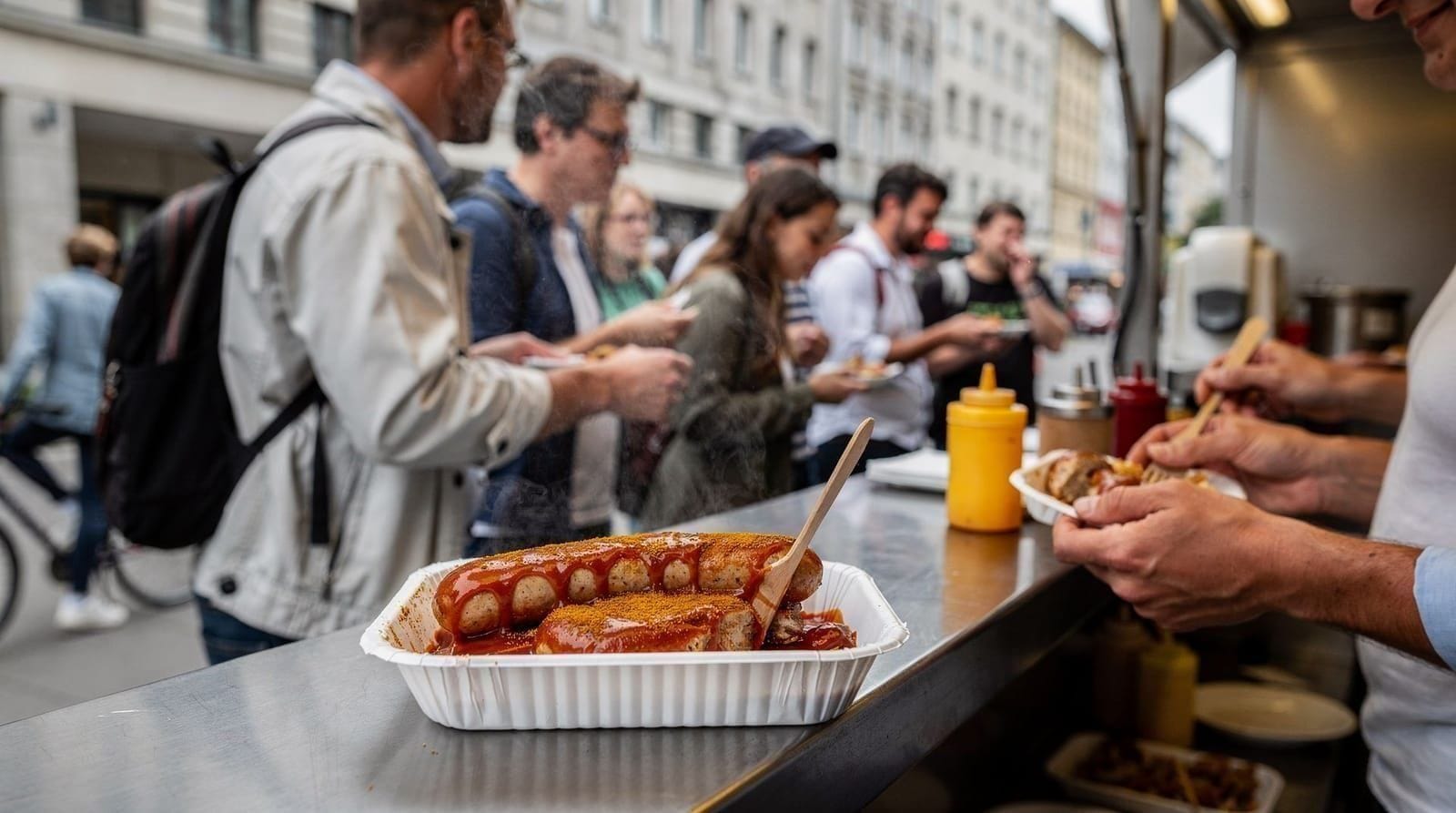
Beer integrates naturally into the Berlin street food scene — Markthalle Neun in Kreuzberg, for example, runs Street Food Thursday evenings where craft beer vendors appear alongside food stalls. The pairing of a cold Pilsner or Weisse with a Berlin currywurst is not sophisticated, but it is exactly what the city tastes like. For the full picture on eating and drinking across Kreuzberg — Berlin’s most food-interesting neighbourhood — the dedicated guide covers the territory in more depth.
Craft beer festivals and seasonal events
Beyond the year-round brewery and bar scene, a handful of dates concentrate Berlin’s craft beer world into single events worth planning around. Braukunst Live-style pop-up festivals and brewery collaboration weekends tend to cluster in spring and early autumn, when weather allows outdoor tasting. Berliner Weisse revival events sometimes run through the summer at Prater Garten and other historic Biergärten, pairing the traditional sour style with modern hop-forward beers side by side — a genuinely useful way to taste the contrast that this guide describes rather than just reading about it. Check individual brewery social channels close to your travel dates, since exact festival scheduling shifts year to year and isn’t fixed on a public calendar the way the Christmas markets are.
Seasonal beers and what to look for by month
Berlin’s craft breweries follow a loose seasonal calendar worth knowing if you want to catch a specific style. Late winter and early spring often bring Bock beers and stronger, maltier releases — a holdover from the German tradition of brewing heartier beers for the colder months. Spring through early summer is when hop-forward pale ales and session IPAs dominate tap lists, timed for outdoor drinking as the Biergärten reopen in April. Summer brings the widest variety of sours and fruited Berliner Weisse riffs, since the style suits hot weather and the traditional Schuss syrups pair naturally with long daylight evenings. Autumn sees a shift back toward Kellerbier, Märzen-style lagers, and the first seasonal stouts, often timed loosely around Oktoberfest even though Berlin’s own beer identity has little to do with Bavaria. None of this is rigid — smaller breweries release what they want when they want — but it’s a reasonable guide if you’re trying to catch a particular style during a specific month.
Tasting notes: what to actually order first
If you’re new to German craft beer and unsure where to start at any of the taprooms above, a reasonable approach is to work from familiar to unfamiliar rather than ordering randomly. Start with a Kellerbier — an unfiltered lager that most craft breweries make well and that gives you a baseline for what “fresh, well-made lager” tastes like compared to the mass-market Kindl or Berliner Pilsner. From there, move to a hop-forward pale ale or IPA if you already know you like that style from home, or to a Berliner Weisse if you want something distinctly local — ask for it without the Schuss first, then with, so you can compare. Save barrel-aged stouts and high-ABV specialty releases for last; they’re the most intense and least representative of what a Berlin brewery makes day to day. Staff at Kaschk, Vagabund, and BRLO are generally happy to talk through a flight if you ask — this is a scene that rewards curiosity rather than confident ordering.
Non-alcoholic and low-ABV options
Berlin’s craft scene has kept pace with the broader German interest in alcohol-free beer (Alkoholfrei). Most Kneipen stock at least one alcohol-free Pilsner (Kindl and Berliner Pilsner both make one), and several craft breweries — including BRLO — have released low-ABV or alcohol-free versions of their core beers in recent years. Club-Mate remains the default alternative for anyone skipping alcohol entirely at a bar or Biergarten, and ordering it carries none of the social friction that abstaining sometimes does elsewhere; Berlin’s drinking culture is generally relaxed about mixed groups where not everyone is drinking beer.
Combining a brewery visit with the rest of your trip
Several of the breweries and bars in this guide sit close enough to major sights that a beer stop fits naturally into a day of sightseeing rather than requiring its own dedicated outing. Hops and Barley’s proximity to the East Side Gallery has already been mentioned; the same logic applies to Prater Garten and Mauerpark on a Sunday, or Monterey Bar as a natural stop during a Kreuzberg evening. If you’re planning transport around a multi-stop beer day, the standard BVG AB-zone ticket covers every location in this guide except Loretta am Wannsee, which needs an ABC-zone ticket for the S-Bahn out to the lake.
Frequently asked questions about Berlin craft beer guide
What is the traditional Berlin beer?
Berliner Weisse is the city's most historic beer style — a top-fermented wheat beer with a sour, low-alcohol profile (around 3% ABV), traditionally served with a shot of green (woodruff syrup) or red (raspberry syrup) Schuss to cut the acidity. It nearly went extinct but is experiencing a craft revival. Kindl, Schultheiss, and Berliner Pilsner are the mainstream Berlin lager brands, sold at most Kneipen for €2.50-3.50.How much does beer cost in Berlin?
A standard 0.5L Berliner Pilsner or Kindl lager at a Kneipe (local pub) costs €2.50-3.50. At a craft beer taproom or brewpub, expect €4-6 for a 0.3L craft pour. Beer garden prices are €4-5 for a 0.5L Masskrug or standard glass. Tourist bars near Checkpoint Charlie and the TV Tower charge €5-8 for standard lager — that is the tourist premium, not the beer quality.Does Berlin have a big craft beer scene?
Yes, Berlin has around 40-50 craft breweries as of 2026. The scene grew sharply from 2012 onward, with American-style IPAs, Berliner Weisse revivals, sour beers, and barrel-aged stouts becoming common. Stone Brewing opened a major Berlin brewpub in 2016, which signalled international confidence in the market. The scene is concentrated in Kreuzberg, Wedding, Neukölln, and Friedrichshain.What is BRLO brewery?
BRLO (Berlin spelled backwards in an old dialect) was founded in 2014 and opened its brewpub at Schöneberger Strasse 16 (Gleisdreieck area) in 2017. It brews IPAs, Kellerbier, and experimental styles. The brewpub has a large beer garden, a restaurant serving food designed to pair with their beer, and guided brewery tours with tastings. It is probably the most visitor-friendly craft brewery in Berlin.What is a Biergarten and how does it work?
A Biergarten (beer garden) is an outdoor seating area attached to a restaurant or brewery, traditionally serving beer in large 0.5L or 1L Masskrug glasses. Some allow you to bring your own food (Selbstbedienung). Berlin's best Biergärten are in parks: Prater Garten (Kastanienallee 7-9, Prenzlauer Berg, Berlin's oldest at 1837), Loretta am Wannsee, and the Biergarten at Tiergarten. Open from April to October, weather permitting.Can I visit Berlin breweries for tastings?
Yes. BRLO, Vagabund Brauerei (Wedding), Berliner Berg (Neukölln), and Eschenbräu (Wedding) all offer walk-in taprooms or scheduled tasting sessions. Vagabund is the most casual — small taproom, brewers often visible, no booking needed for a drink, tours by arrangement. BRLO has the most structured visitor experience with food and tasting flights. Berliner Berg does open tasting evenings.Is the Prater Garten worth visiting?
Yes. Prater Garten at Kastanienallee 7-9, Prenzlauer Berg (U2 Eberswalder Strasse) is Berlin's oldest beer garden (since 1837) and has a genuine local atmosphere. It serves Prater-brand Pils brewed on-site. It can get busy on warm evenings but is not a tourist trap — it serves the Prenzlauer Berg community. If the garden is full, the adjacent pub has indoor seating. Open April to September.Are there alcohol-free craft beer options in Berlin?
Yes. Most Kneipen stock at least one alcohol-free Pilsner, and several craft breweries, including BRLO, have added low-ABV or alcohol-free versions of their core beers in recent years. Club-Mate is the standard alternative for anyone skipping alcohol at a bar or Biergarten, and it carries no social friction in Berlin's generally relaxed drinking culture.What ticket do I need to reach the breweries in this guide?
A standard BVG AB-zone ticket covers every brewery and bar in this guide — BRLO, Stone, Vagabund, Berliner Berg, Eschenbräu, and Hops and Barley are all within the AB zone. The one exception is Loretta am Wannsee, which requires an ABC-zone ticket for the S-Bahn journey out to the lake.
Top experiences
Bookable activities with verified prices and instant confirmation on GetYourGuide.