Is Berlin worth visiting? An honest answer for 2026
Berlin: Discover Berlin Half-Day Walking Tour
Is Berlin worth visiting in 2026?
Yes — but not for the reasons most travel sites suggest. Berlin is worth visiting for its extraordinary density of 20th-century history, its world-class museums, and its price point relative to other Western European capitals. It is not worth visiting if you want a conventionally beautiful or easy city: it is sprawling, historically brutal, and occasionally raw. Match your expectations to the real Berlin and you will leave thinking it was one of the most significant cities you have ever seen.
Berlin is not the city that travel brochures sell. It is bigger, harder to read, more historically confronting, and less conventionally beautiful than the highlight reels suggest. It is also, for the right traveler, one of the most rewarding cities in Europe.
This guide gives you an honest answer — what works, what underwhelms, who should visit, and who might leave disappointed.
| Best for | History, museums, budget-conscious Western Europe trips |
| Not for | Conventional prettiness, compact easy itineraries |
| Minimum stay | 3 days rushed, 5 days comfortable |
| Cost level | Cheaper than Paris/London/Amsterdam, rising fast |
| Best time | May, June, September, October |
The honest case for Berlin
No other European capital carries this much 20th-century history in its streets. You can walk from the site of Kaiser Wilhelm II’s abdication to the ruins of the Reich Chancellery, to a surviving stretch of the Wall, to the remains of a Gestapo torture facility — all in an afternoon. Weimar Republic, Third Reich, Allied bombing, Soviet occupation, Cold War division, 1989 revolution, reunification: every phase has left physical evidence that has not been sanitised or themed-parked out of existence.
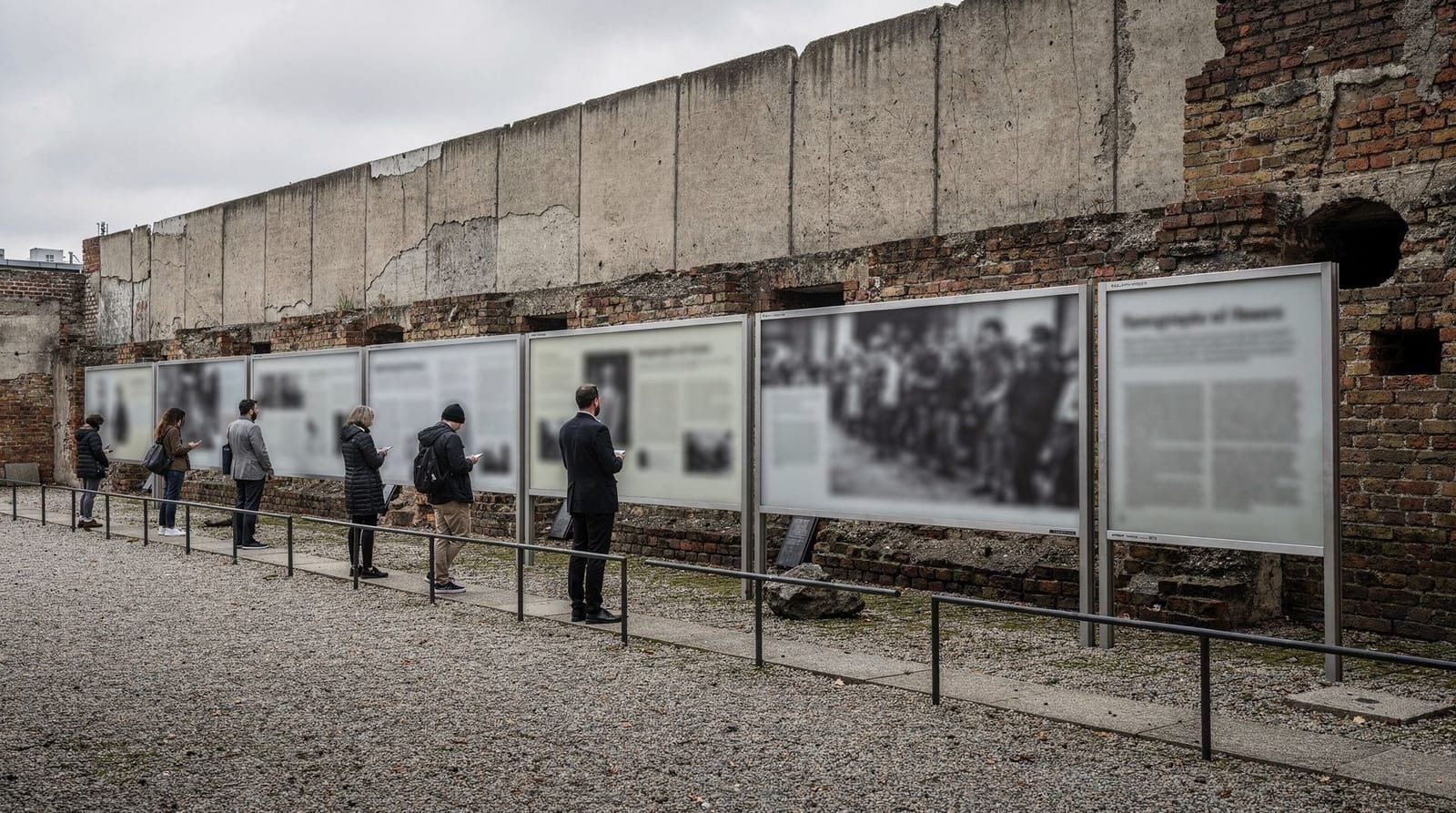
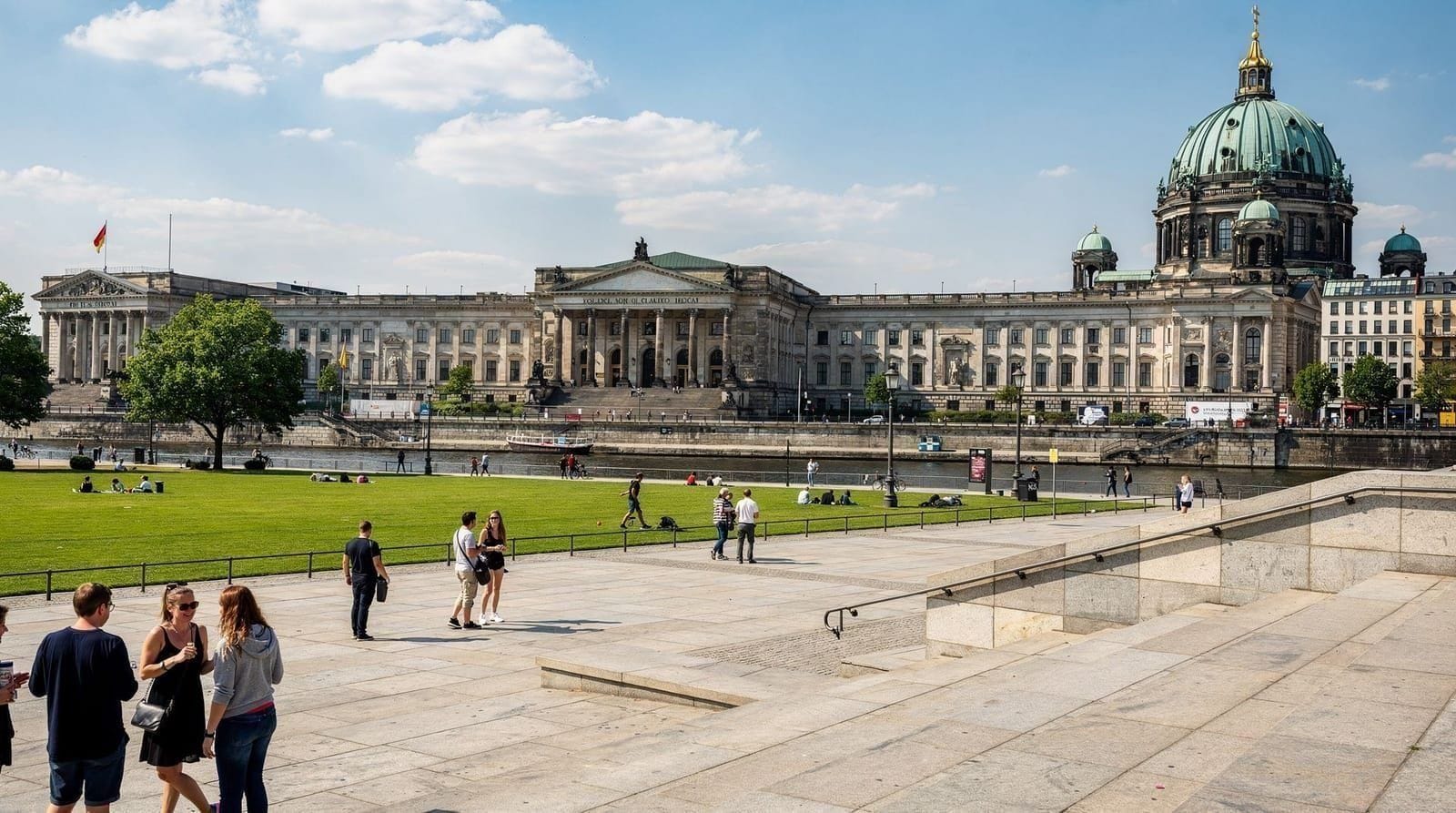
The museum density is genuinely world-class. Museum Island alone — a UNESCO World Heritage Site — houses five major institutions including the Pergamon, Neues Museum, and Alte Nationalgalerie. Beyond the island, you have the Deutsches Historisches Museum, the DDR Museum, the Topography of Terror, the Jewish Museum, the German Spy Museum, and dozens of smaller specialist collections. A serious museum visitor could spend a week without revisiting anything.
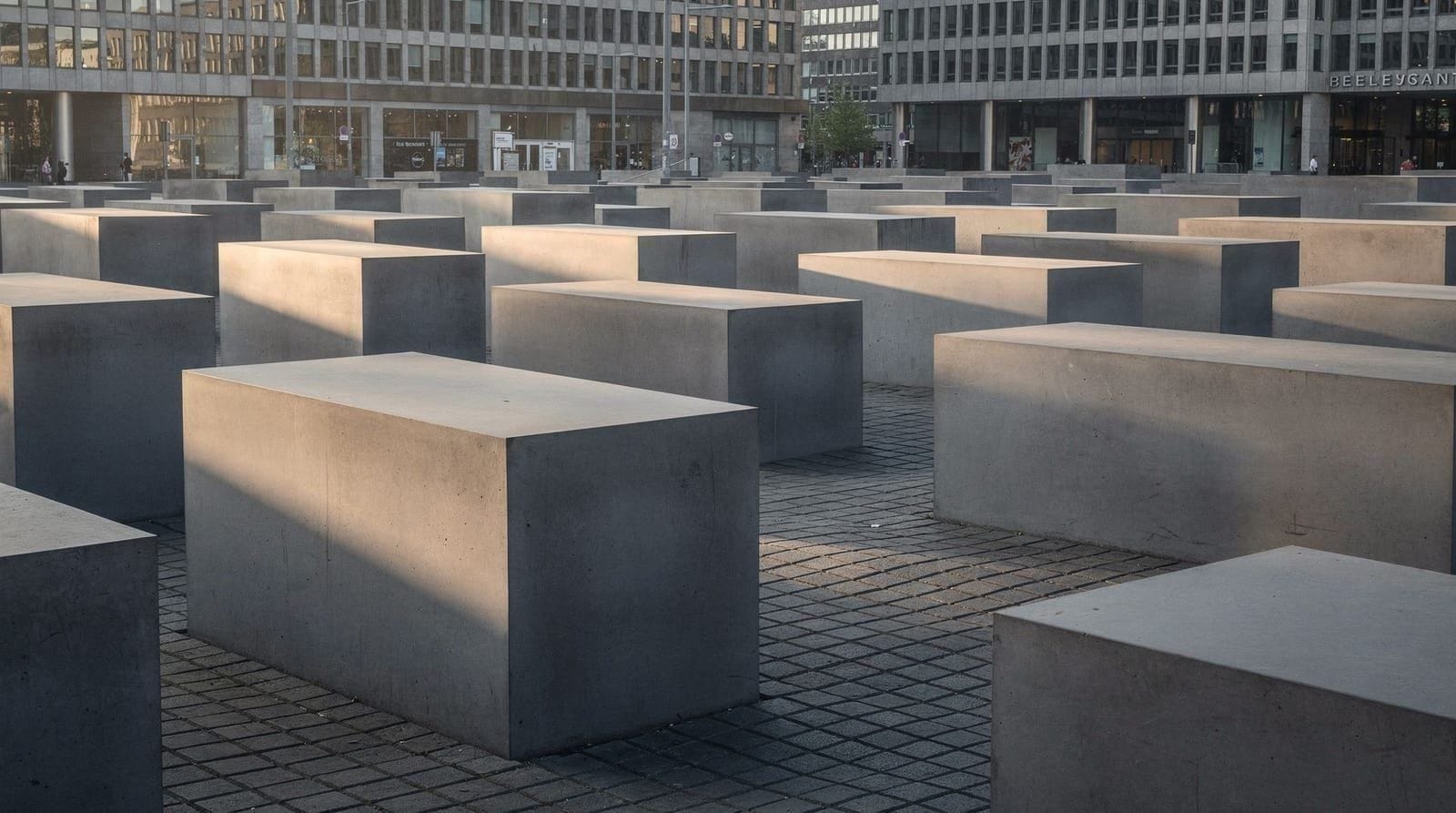
Berlin also has more significant free major attractions than any comparable European capital. The Holocaust Memorial, Topography of Terror, Bernauer Strasse Wall memorial, Neue Nationalgalerie (on a first Sunday), and the Reichstag dome are all free or free with advance booking. This meaningfully changes the budget calculation.
The food scene is genuinely diverse rather than tourist-facing. Berlin has absorbed waves of immigration — Turkish, Vietnamese, Lebanese, Middle Eastern, Korean — and the results show in what you actually eat day to day. Kreuzberg’s restaurant strip along Bergmannstrasse and the markets around Maybachufer are the real thing, not international approximations.
Green space per capita exceeds Paris and London by a significant margin. Tiergarten (200 hectares at the centre of the city), Tempelhof field (a former airport converted to a flat public park the size of Monaco), and Volkspark Friedrichshain all offer serious outdoor space within the city proper. Berlin in late spring, with the Tiergarten in blossom, is unexpectedly lovely.
Prices remain lower than western European equivalents. Accommodation, restaurant meals, beer, and public transport all cost less than in Paris, Amsterdam, or Zurich. Not dramatically so anymore, but meaningfully. See the section below on the changing price picture.
The public transport network is comprehensive. U-Bahn, S-Bahn, trams, and buses cover the city well, and a single AB zone Tageskarte covers almost everything a tourist needs. The app works, the map is logical, and for a city this large, getting around is not stressful — construction delays notwithstanding.
Who will love Berlin
History enthusiasts, particularly those interested in the 20th century, the Cold War, and World War Two, will find Berlin almost overwhelmingly rich. The city does not let you forget what happened here.
Museum visitors who plan several full days inside collections will get excellent value. Berlin’s museums reward time; half-hour visits are a waste of the entry fee and the depth on offer.
Architecture lovers will find Berlin genuinely unusual. Museum Island’s neoclassical ensemble sits next to 1960s GDR prefab blocks, 1990s reunification-era showpieces (the Sony Center, the Reichstag renovation), and increasingly glassy 21st-century additions. The skyline is not coherent — it is a record of rupture.
Nightlife and electronic music travelers still have reason to come, though the Berlin of 2026 is more regulated, more expensive, and more gentrified than the Berlin of 2005. Berghain remains a genuine destination. Tresor, Watergate, and the Sisyphos complex still function. But the era of empty warehouses and €3 entry is over.
Budget travelers by Western European standards will find Berlin relatively comfortable. A solid hostel, street food, public transport, and mostly free major attractions make a five-day trip achievable without financial stress.
Families with older children interested in history will find the range of kid-accessible history content (the DDR Museum is particularly hands-on, the Spy Museum is interactive) better than in most comparable cities.
What people find disappointing — honest assessment
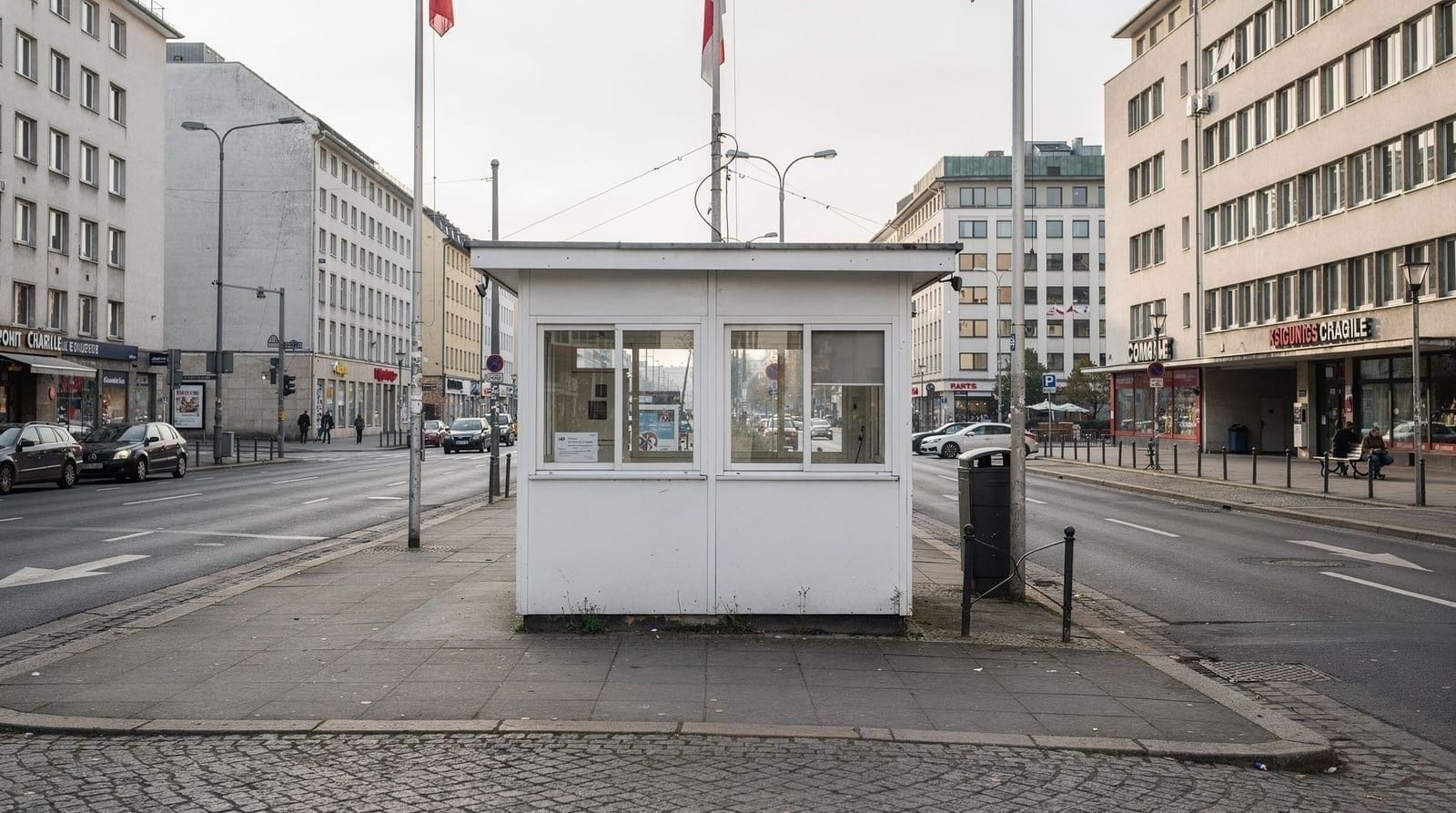
Checkpoint Charlie is the most reliably underwhelming major site in Berlin. The original guardhouse was demolished; what stands now is a replica, surrounded by actors charging for photographs in Cold War uniforms and a wall of souvenir stalls. The crossing point was genuinely dramatic — the Tank Standoff of 1961 happened here, people risked their lives here — but none of that weight survives in the current presentation. The indoor museum nearby is better but old-fashioned and not worth €15. Go briefly for orientation; do not make it the centrepiece of your Cold War circuit. Our Checkpoint Charlie guide explains what the crossing actually meant and where the better Cold War sites are.
The Pergamon Museum is closed. This is not a rumour or a temporary inconvenience — the main hall including the Pergamon Altar has been under restoration since 2023 and is not expected to reopen until at least June 2027. Many visitors book Berlin specifically for the Pergamon and are surprised to arrive and find it inaccessible. The James Simon Galerie and some Pergamon collections are visible in adjacent buildings, but the headline piece is gone. See our guide to Pergamon closed alternatives for what to visit instead.
Berghain: the club is real, the music is serious, and the experience for those who get in is often described as singular. The rejection rate on a typical Saturday night is 70–80%. The door team rejects groups, tourists who look like tourists, people who try too hard, people who do not try enough, and sometimes seemingly nobody. This is not a system you can reliably game. Our Berghain guide covers what actually improves your odds, but go with realistic expectations.
Gentrification in the central districts. Mitte and Prenzlauer Berg now feel like upscale European neighborhoods that happen to be in Berlin. The independent music venues, squat bars, and cheap artist studios that defined those areas have largely been replaced by boutique coffee shops and €28-a-plate restaurants. This is not wrong — cities change — but if you are chasing the “real Berlin” of cultural mythology, you need to head to Neukölln, Wedding, or parts of Lichtenberg where the city’s edge has actually migrated.
The Berliner Fernsehturm (television tower) has a viewing platform with genuine 360-degree views. The attached restaurant, Sphere, requires advance booking weeks ahead in summer and serves standard international food at the kind of prices that a captive audience expects. The view is worth considering; the meal is not.
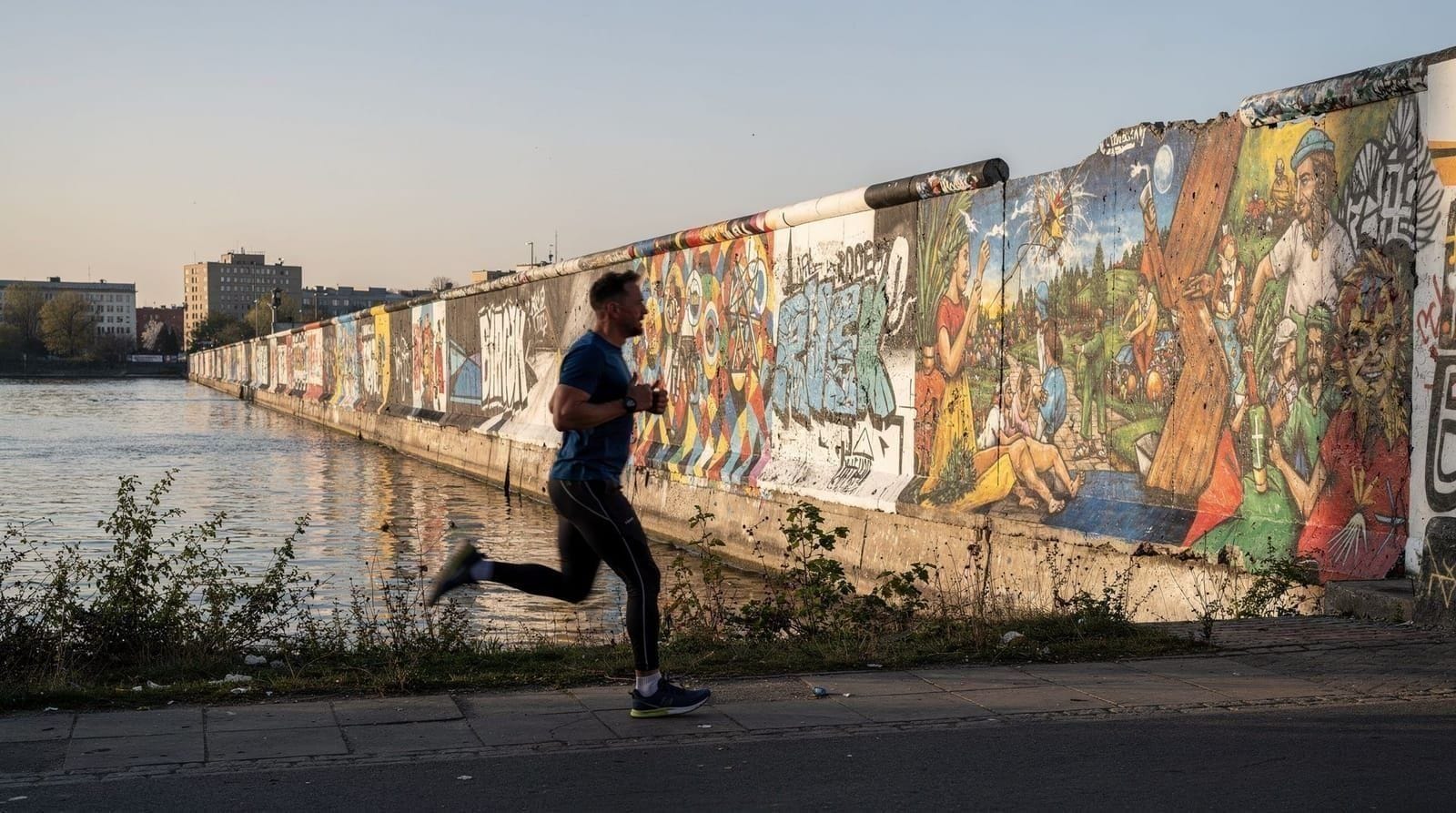
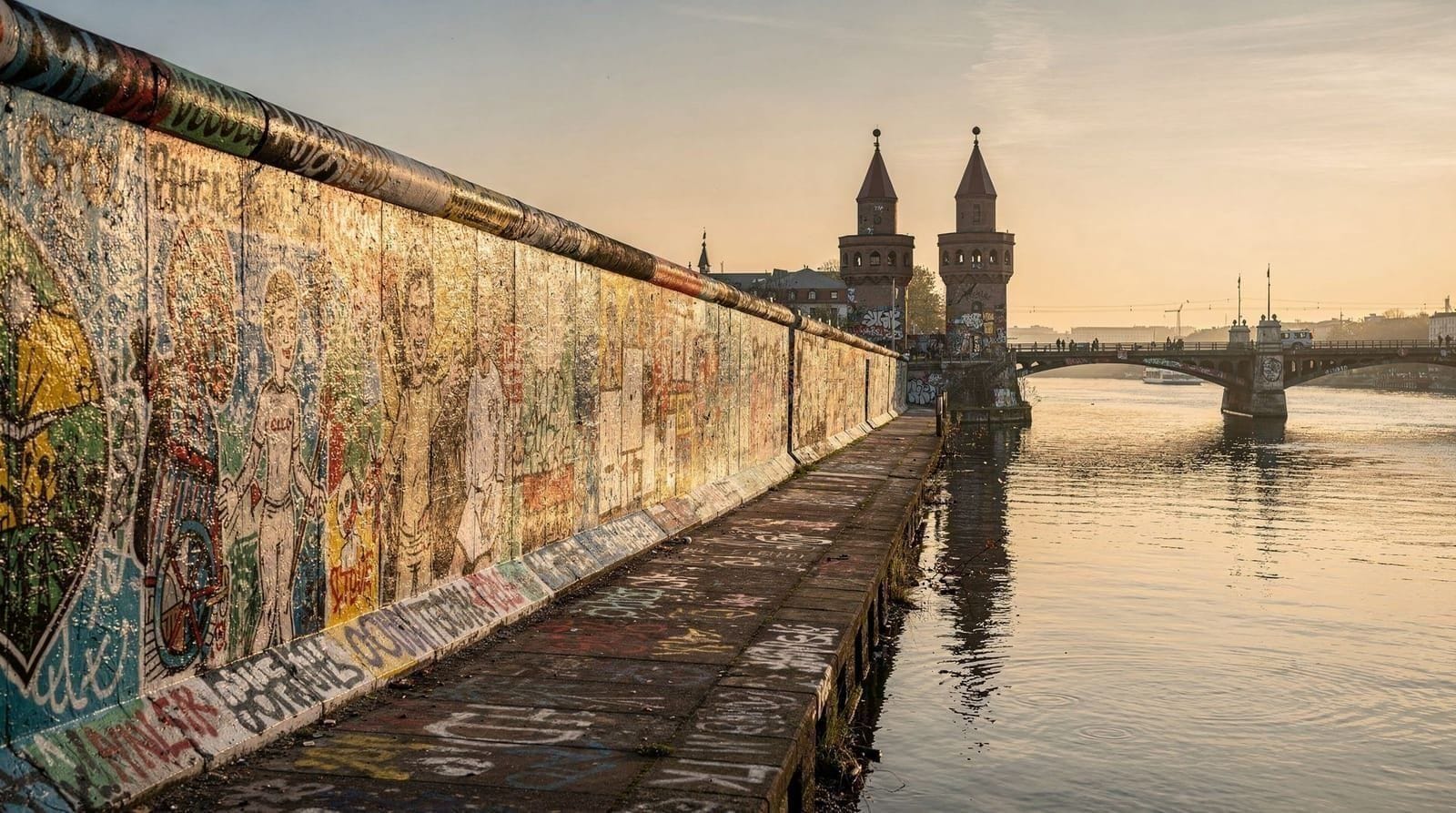
The East Side Gallery is genuinely impressive — 1.3 km of original Wall covered in murals painted by international artists in 1990. It is also genuinely crowded on summer afternoons, with groups blocking the best sections for photographs. Some of the most iconic panels have been repainted, which depending on your view of authenticity may bother you. Go in the morning. Our East Side Gallery guide explains the best approach and what each section means.
Construction: Berlin has been under construction in various forms since 1990 and shows no sign of stopping. U-Bahn line closures for weekend maintenance are routine. Scaffolding covers significant buildings without announcement. Road closures redirect walking routes at inopportune moments. Factor this in to any time-sensitive itinerary.
The question of Berlin’s “cheapness”
Berlin is still cheaper than Paris, London, or Amsterdam — but the gap has narrowed significantly since 2019. Rents roughly doubled in the city between 2015 and 2025, and restaurant operators have passed those costs through to menus. A meal that cost €10 in 2018 often costs €15–18 today.
The honest numbers for 2026: a hostel dorm bed in a central, well-rated property runs €20–35 per night. A Döner kebab — Berlin’s most emblematic street food — is €5–6 for a standard portion; less than €5 is rare now. A sit-down meal at a mid-range restaurant is €18–30 per person including a drink. A pint of beer in a bar is €5–7. A day’s public transport AB zone ticket is €10.
These prices are still materially lower than equivalents in Paris or Zurich. The budget calculation still works. But the backpacker mythology of Berlin as a place where you can live well on €30 a day is outdated.
How much time do you actually need
Three days is enough to cover the essential Wall and Cold War circuit — the Bernauer Strasse memorial, East Side Gallery, and the broad historical arc — plus a morning on Museum Island and a walk through one neighbourhood. It feels rushed. You will leave with the sense that you saw Berlin’s headlines but missed the body text.
Five days is the practical minimum for a satisfying visit. You can add a Sachsenhausen concentration camp day trip (about 35 minutes by S-Bahn to Oranienburg, then 20 minutes on foot), spend proper time in two or three museums, explore Kreuzberg and one other neighbourhood, and manage one evening out without sacrificing a morning.
Seven or more days opens up day trips to Potsdam — which functions as Berlin’s Versailles, with baroque palace grounds that justify a full day — as well as deeper district exploration and time for the lesser-known collections.
The most common planning error is underestimating Berlin’s scale. At 892 km², Berlin is roughly nine times the area of Paris. Sites that look close on a map take 30–45 minutes to reach by public transport. Budget the travel time.
Berlin versus other German cities — honest comparison
Munich is cleaner, more immediately photogenic, and more manageable for a short trip. The Marienplatz and the Nymphenburg Palace grounds are prettier than anything comparable in Berlin. But Munich’s historical significance, while real, is narrower — it is the city of the Weimar-era beer hall putsch, but not of the full 20th-century weight that Berlin carries. For most visitors, Munich is easier; Berlin is more meaningful.
Hamburg has a beautiful harbour setting, an excellent food scene in the Schanze and HafenCity areas, and a strong music tradition. It is compact enough to cover in three days. But it has less for the historical visitor and far fewer museums. Hamburg suits a city break; Berlin suits a deliberate trip.
Dresden is a half-day city for most visitors — the baroque Zwinger and Frauenkirche are spectacular but the surrounding area lacks Berlin’s depth. Dresden is an excellent addition as a day trip from Berlin; the two-hour train makes it feasible. See our day trips by train guide for logistics.
Potsdam deserves a full day rather than a cursory afternoon. The Sanssouci palace and park system — Frederick the Great’s answer to Versailles — is extraordinary in scale and condition. At 40 minutes from Berlin Hauptbahnhof on the S7, it is the most rewarding day trip from the city.
When to go
May, June, September, and October offer the best combination of decent weather, manageable crowds, and access to all outdoor sites. Late September in particular is often overlooked — the crowds thin out, the light is good, and accommodation prices drop.
Summer (July and August) brings the longest days and the warmest weather, and also the largest queues at East Side Gallery on summer afternoons, the most crowded Brandenburg Gate area, and the highest accommodation prices. Museum Island becomes genuinely busy, especially on weekends. Our Berlin in summer guide covers how to manage the peak season without losing your mind.
Winter (November to February) is cold, often grey, and dark by 4pm — but the museums are emptier than at any other time of year, accommodation prices are at their lowest, and December brings Christmas markets at Gendarmenmarkt and across the city. It is a genuinely different atmosphere: Berlin in winter has a particular severity that suits the city’s history. See our Berlin in winter guide for what actually works in the cold.
Spring (March and April) brings variable weather — cold spells in March, improving in April — and the Tiergarten in late April blossom is one of the genuinely pleasant Berlin experiences. Museums are accessible without summer queues and without winter grimness.
Berlin for specific traveler types
Families with young children
The Natural History Museum (Museum für Naturkunde) is outstanding for under-10s — the dinosaur hall is one of the best in Europe, and the mounted Brachiosaurus skeleton is the largest in the world. The Zoologischer Garten in Tiergarten is one of the world’s largest zoos and runs a full day easily. Tempelhof field — the former airport runway converted to public park — has space for cycling, kite-flying, and open running that is rare in a city centre. For rainy days, the Legoland Discovery Centre and SEA LIFE Berlin aquarium near Potsdamer Platz are reliable options, if expensive. The Planetarium am Insulaner in Schöneberg runs shows throughout the week.
For solo travelers
Berlin is straightforward to navigate alone. The U-Bahn map is logical, English is widely spoken in tourist areas, and the city is oriented around independent exploration rather than guided tours. Free walking tours run multiple departures daily from Brandenburg Gate and are a practical way to orient on arrival and to meet other travelers. The hostel scene — particularly in Mitte and Friedrichshain — remains lively compared to other European capitals.
For couples
Museum Island followed by dinner in the Hackescher Markt area is a reliable combination. Evening boat trips on the Spree (departing near the Berliner Dom) work well in summer. Rooftop bars have proliferated across the city — the Klunkerkranich in Neukölln and the Monkey Bar on Breitscheidplatz both have genuine views. The Tiergarten on a clear evening is underused by visitors and genuinely pleasant.
Berlin versus Paris, London, and Amsterdam
For visitors deciding between Berlin and Western Europe’s other major capitals, the trade-offs are fairly consistent:
| City | Strength vs Berlin | Weakness vs Berlin |
|---|---|---|
| Paris | More conventionally beautiful, denser art history | Significantly more expensive, more tourist-saturated |
| London | Broader museum range in English, easier first-timer logistics | Considerably pricier, less 20th-century density in one walkable area |
| Amsterdam | More compact, easier to see in 2-3 days | Less historical range beyond WWII/Anne Frank, smaller city overall |
Berlin’s case against all three is essentially the same: lower cost, more space per attraction, and a specific historical density that none of the others match in a single walkable core. Its case for the others is aesthetic — Berlin genuinely is less pretty, and if postcard beauty matters more to your trip than historical depth, that’s a legitimate reason to choose elsewhere.
What locals wish visitors knew
Long-term Berlin residents tend to name the same handful of things when asked what tourists get wrong. First, the city rewards slowing down far more than checklist-style sightseeing — a neighbourhood spent properly in Kreuzberg or Prenzlauer Berg usually leaves a stronger impression than four rushed major sites in one day. Second, Berlin’s public transport etiquette is real: stand right on escalators, let people off trains before boarding, and don’t expect small talk with strangers — Berliners are not unfriendly, but the city’s social register is more reserved than southern European cities. Third, cash still matters more here than in most Western European capitals; plenty of smaller cafés, bars, and market stalls are cash-only or card-with-minimum, so carrying some euros avoids awkward moments. Finally, locals consistently point newcomers away from the big-name Mitte tourist strip after dark and toward Neukölln, Friedrichshain, or Prenzlauer Berg for a more genuine evening out.
Accessibility for visitors with disabilities
Berlin’s accessibility infrastructure is a mixed picture. Newer U-Bahn and S-Bahn stations, and the entire tram and bus network, are step-free with low-floor vehicles, but a meaningful share of older U-Bahn stations — particularly on the U1 and U2 lines — remain stairs-only, so route planning matters more here than in cities with fully modernised networks. Major museums (Museum Island’s four open buildings, the Jewish Museum, the DDR Museum) are wheelchair accessible with lifts, though some historic buildings like Jagdschloss Grunewald have physical limitations that can’t be fully retrofitted. Central pavements are generally in good repair, though cobblestones in some older streets (parts of Mitte, Nikolaiviertel) are uneven. The BVG website and app both flag station accessibility clearly, which is worth checking route by route before relying on a specific connection. Accessible taxis with wheelchair space can be booked through FreeNow with advance notice, though supply is limited relative to standard vehicles, so booking a day ahead for any fixed appointment (a flight, a timed museum slot) is sensible rather than assuming one will be available on demand.
Berlin discovery walking tour — see the highlights with a local guideThe verdict: who should and should not visit Berlin
Visit if you have genuine interest in 20th-century European history; if you want serious museum time in world-class collections; if you are interested in art, architecture, and the post-reunification built environment; if budget relative to other Western European capitals matters; or if you want a nightlife destination that still has serious credentials.
Recalibrate expectations if you are looking for a conventionally beautiful or compact European city — Berlin is striking but not pretty, and it rewards intellectual engagement more than aesthetic tourism. If you are planning your visit around the Pergamon Museum, check the reopening status before booking (closed until at least June 2027). If you are a party tourist expecting frictionless access to the legendary Berlin club scene, the math has changed — the city is more expensive, more regulated, and more selective than its reputation suggests.
Berlin is not a city that flatters you. It does not make itself easy. But for the traveler who comes prepared for what it actually is rather than the mythology, it offers a depth that very few cities in the world can match.
Frequently asked questions about Is Berlin worth visiting? An honest answer for 2026
Is Berlin worth visiting for history lovers?
It is arguably the most historically loaded capital in Europe for 20th-century history. You can stand at sites connected to the Kaiser's abdication, the Weimar Republic, the Nazi rise to power, World War Two bombing, the Soviet occupation, the Cold War division, and the 1989 revolution — all within a few kilometres. No other European city covers this range with this density of preserved sites and memorials. For anyone seriously interested in modern European history, Berlin is essential.Is Berlin safe for tourists?
Berlin is broadly safe by European capital standards. The main tourist areas — Mitte, Prenzlauer Berg, Friedrichshain, Kreuzberg — are safe at night. Petty theft (pickpocketing) occurs on the U-Bahn and in busy tourist clusters like Alexanderplatz and around the Brandenburg Gate. Neukölln and parts of Wedding are rougher, though rarely dangerous for tourists passing through. The bigger risk is the U-Bahn fare evasion culture — BVG inspectors are unsympathetic; always validate your ticket.Is Berlin expensive compared to other European capitals?
It is still cheaper than Paris, Amsterdam, London, or Zurich — but meaningfully more expensive than five years ago. Rents have roughly doubled since 2019, and restaurant prices have risen 30–40%. A hostel dorm runs €20–35 per night; a Döner kebab €5–6; a sit-down restaurant dinner €18–30 per person. Budget travelers will still find Berlin generous by western European standards; the era of €3 kebabs and €5 hostel beds is over.How many days do you need in Berlin?
Three days is the minimum to cover the essential Cold War and Wall circuit plus Museum Island. Five days allows you to add a Sachsenhausen day trip, explore multiple neighborhoods properly, and spend real time in the museums rather than rushing. Seven or more days suits anyone who wants to see Potsdam, Wittenberg, and the lesser-known districts. The most common mistake is underestimating Berlin's size — at 892 km², it is nine times the area of Paris.Is Berlin better than Munich?
Different rather than better. Munich is cleaner, more conventionally attractive, and easier to navigate for a short trip. Berlin has far more historical depth, a bigger art and museum scene, a more diverse food culture, and a lower price point. If you want comfort and prettiness, Munich wins. If you want significance, complexity, and something that stays with you, Berlin wins. Most travelers who visit both say Berlin was more memorable.What is Berlin known for that surprises visitors?
Most visitors are surprised by the quantity of genuinely free major attractions — the Holocaust Memorial, Topography of Terror, Bernauer Strasse memorial, Reichstag dome (bookings required but free), and Tempelhof field. Many are also surprised by how spread out the city is and how much travel time accumulates between sites. First-time visitors underestimate this and try to cover too much.Is Berlin good for families?
Very good for families with older children interested in history. For younger children, the Natural History Museum (Naturkundemuseum) with its dinosaur collection, the Zoologischer Garten (one of the world's largest zoos), and Tempelhof field for cycling and space all work well. The city is less suited to toddlers navigating U-Bahn stairs and long distances between sites.What are the most overrated things to do in Berlin?
Checkpoint Charlie tops almost every honest list — the replica guardhouse in a sea of souvenir stalls is a poor stand-in for what was a genuinely dramatic crossing point. The Berliner Fernsehturm restaurant requires weeks of advance booking in summer and delivers mediocre food at inflated prices for the view. Madame Tussauds and the Dungeon are tourist traps that could be in any city. The Pergamon Museum is also closed until at least June 2027 — confirm this before building your trip around it.