Berlin vegetarian and vegan guide — why Berlin leads Europe and where to eat well
Berlin: Guided Street Food Tour with Tastings
Is Berlin good for vegetarians and vegans?
Berlin is one of the best cities in Europe for plant-based eating. The city has over 80 registered vegan restaurants and hundreds of vegetarian-friendly cafes. Veganism is mainstream here — major supermarkets stock vegan alternatives across all categories, most restaurants offer multiple plant-based options, and dedicated vegan restaurants exist in nearly every neighbourhood. Budget €8–18 per person for a full meal.
Is Berlin good for vegetarians and vegans? Yes — Berlin is one of the most plant-friendly major cities in Europe. Over 80 registered vegan restaurants, plant-based options across almost every cuisine type, and a mainstream culture of plant-based eating in supermarkets and regular restaurants. Budget €8–18 for a full restaurant meal. This guide covers the best specific spots by neighbourhood and what to expect.
| Best neighbourhoods | Kreuzberg and Friedrichshain (density), Neukölln (growing fast) |
| Typical meal cost | Around €8-20 per person; fine dining €90-120 tasting menu |
| Quick options | Falafel wraps around €3.50-6, vegan doughnuts around €2.50-3.50 |
| Supermarkets | Rewe, Edeka, Veganz (dedicated vegan chain) |
| Key phrase | ”Ist das vegan?” (Is this vegan?) |
Why Berlin became a vegan capital
The story starts in the 1990s. After reunification, Kreuzberg and Friedrichshain filled with squatters, artists, and political activists who established the city’s alternative food culture. Vegetarian co-operative restaurants, community kitchens, and Naturkost (health food) shops proliferated in these districts. The food culture was explicitly political — environmentally and ethically motivated.
This base did not disappear when the squatter houses were eventually evicted or bought out. It became commercial — independent vegan restaurants, vegetarian bakeries, plant-based Imbisse — and gradually spread from the alternative heartland into Prenzlauer Berg, Neukölln, and eventually the rest of the city.
By 2015, Berlin was being described in international food media as the vegan capital of Europe. By 2026, the label has become so mainstream as to be almost unremarkable from inside the city. Veganism is not a subculture here — it is a standard option at every type of eating establishment from doner Imbiss to Michelin-starred restaurant.
Dedicated vegan restaurants by neighbourhood
Kreuzberg — the foundation
Kreuzberg has the oldest and densest concentration of vegetarian and vegan eating in Berlin. Many of these restaurants predate the global vegan trend by a decade or more and were built around genuine community need rather than trend capture.
Mao Thai (Wörther Strasse 30, Prenzlauer Berg) / Kopps (Linienstrasse 94, Mitte): Kopps is the most-cited dedicated vegan restaurant in central Berlin. Located in Mitte, it serves a menu that covers burgers, pasta, bowls, and desserts all fully vegan. The cooking is competent without being extraordinary. Dinner €14–22 per person. Cards accepted.
Vaust Brauerei Pub (Georg-Schwarz-Strasse 9, Charlottenburg): A vegan brewpub — a rarity. The in-house brewery produces unfiltered beers; the kitchen serves fully vegan pub food (burgers, fries, snacks). Meal €12–18, beer €4–5 per half litre.
Brammibal’s Donuts (multiple locations, Kastanienallee 26 in Prenzlauer Berg is the original): Fully vegan doughnuts — this is not an asterisked claim. The doughnuts are technically excellent, range changes daily, and the queue on weekend mornings is real. Price: €2.50–3.50 per doughnut. Small seating area.
Lotte — The Organic Store and Café (Schlesische Strasse 28, Kreuzberg): An organic shop with a café serving vegetarian and predominantly vegan dishes: soups, grain bowls, sandwiches. Lunch €8–14 per person. The organic grocery section is useful for self-catering vegans.
Friedrichshain
Friedrichshain’s younger demographic and proximity to Kreuzberg have produced a cluster of vegan and vegetarian restaurants along and around Simon-Dach-Strasse and Warschauer Strasse.
Lucky Leek (Kollwitzstrasse 54, Prenzlauer Berg — a short walk from Friedrichshain): One of Berlin’s most ambitious dedicated vegan restaurants. The cooking is genuinely refined — this is not canteen veganism but a restaurant that happens to use no animal products while pursuing cooking at a real level. Three-course dinner €40–55 per person. Reservations required. Considered by Berlin food writers as the best vegan restaurant in the city in terms of cooking quality.
Café Rosa (Revaler Strasse 99, inside the RAW Gelände, Friedrichshain): A community-rooted café in Berlin’s famous RAW Gelände arts complex. Fully vegan menu, low prices (€6–10 for a full meal), unpretentious atmosphere. Cash only. Hours variable — check before going.
Prenzlauer Berg
Prenzlauer Berg has more vegetarian-friendly cafes than dedicated vegan restaurants, but several are worth noting.
Yellow Sunshine (Wiener Strasse 19, Kreuzberg): A small vegan fast-food spot near Görlitzer Park that has been serving burgers, hot dogs, and milkshakes — all vegan — since the early 2000s. Price range €5–10. Takeaway focused with minimal seating. Often cited as the original Berlin vegan fast food.
Café Morgenrot (Kastanienallee 85, Prenzlauer Berg): A collectively run café with a strong vegan breakfast menu. See also the Berlin breakfast and brunch guide for the full context.
Neukölln
Neukölln’s café and restaurant scene has developed rapidly since 2015, with a particular growth in plant-friendly options.
Schneeweiß (Simplonstrasse 16, Friedrichshain/Neukölln border): Not exclusively vegan but with a strong plant-based menu section and a well-regarded Sunday brunch. The setting is in a converted factory space. Brunch per person: €14–20.
Neighbourhood comparison, at a glance:
| Neighbourhood | Density of dedicated spots | Typical price | Vibe |
|---|---|---|---|
| Kreuzberg | Highest, oldest scene | €8-18 | Community-rooted, unpretentious |
| Friedrichshain | High | €10-22, up to €55 (Lucky Leek) | Mix of casual and ambitious |
| Prenzlauer Berg | Moderate, more vegetarian than vegan | €10-20 | Café culture, family-friendly |
| Neukölln | Growing fast | €8-20 | Younger, informal, expanding |
| Mitte | Lower dedicated density, strong tourist-facing options | €14-25 | More polished, less community feel |
| Charlottenburg | Weakest for dedicated spots | Variable | Upscale mainstream restaurants with options |
Naturally vegan cuisine in Berlin — beyond the dedicated restaurants
Several of Berlin’s strongest food cultures are heavily plant-compatible without being marketed as vegan at all.
Middle Eastern and Lebanese food
Berlin has a substantial Lebanese and Arab community whose cuisine offers extensive naturally vegan options. Hummus, falafel, tabbouleh, baba ghanoush, mujaddara (lentils and rice), and fresh vegetable salads are standard menu items at Middle Eastern restaurants throughout Neukölln and Kreuzberg.
Kanaan (Kopenhagener Strasse 17, Prenzlauer Berg): An Israeli-Palestinian cooperative restaurant where the cooking is primarily plant-based. Full of flavour, genuinely interesting food. Dinner €14–22. No reservations — queue if necessary.
Azzam (Sonnenallee 54, Neukölln): A no-frills Lebanese restaurant primarily serving the local Arab community. The mezze selection is almost entirely vegan and very inexpensive — a full spread for two costs €15–25. Cash only.
Indian food
Indian restaurants in Berlin vary significantly by quality, but the cuisine has abundant vegan-compatible options (dal, chana masala, aloo gobi, rice dishes) across the price range. The cluster around Winterfeldtplatz in Schöneberg and around Karl-Marx-Strasse in Neukölln has several reliable options.
Thai and Vietnamese
Southeast Asian restaurants in Berlin almost universally offer tofu alternatives to meat dishes, and many traditional dishes are plant-based. Pho with tofu, spring rolls, and vegetable curries are standard.
Street food and quick options
Falafel: The most reliable quick vegan option in Berlin. Falafel Mitte (Rosenthaler Strasse 2–3) is central and consistently good at €4–5 per wrap. Kreuzberg has multiple Imbisse offering falafel at €3.50–5. Specify “vegan” if you want to be sure about the sauce.
Currywurst: The iconic Berlin street food is not vegan — the sausage is pork or beef and the ketchup-based curry sauce usually contains some animal products. However, vegan currywurst is now widely available, including at some branches of Curry 36. Ask specifically.
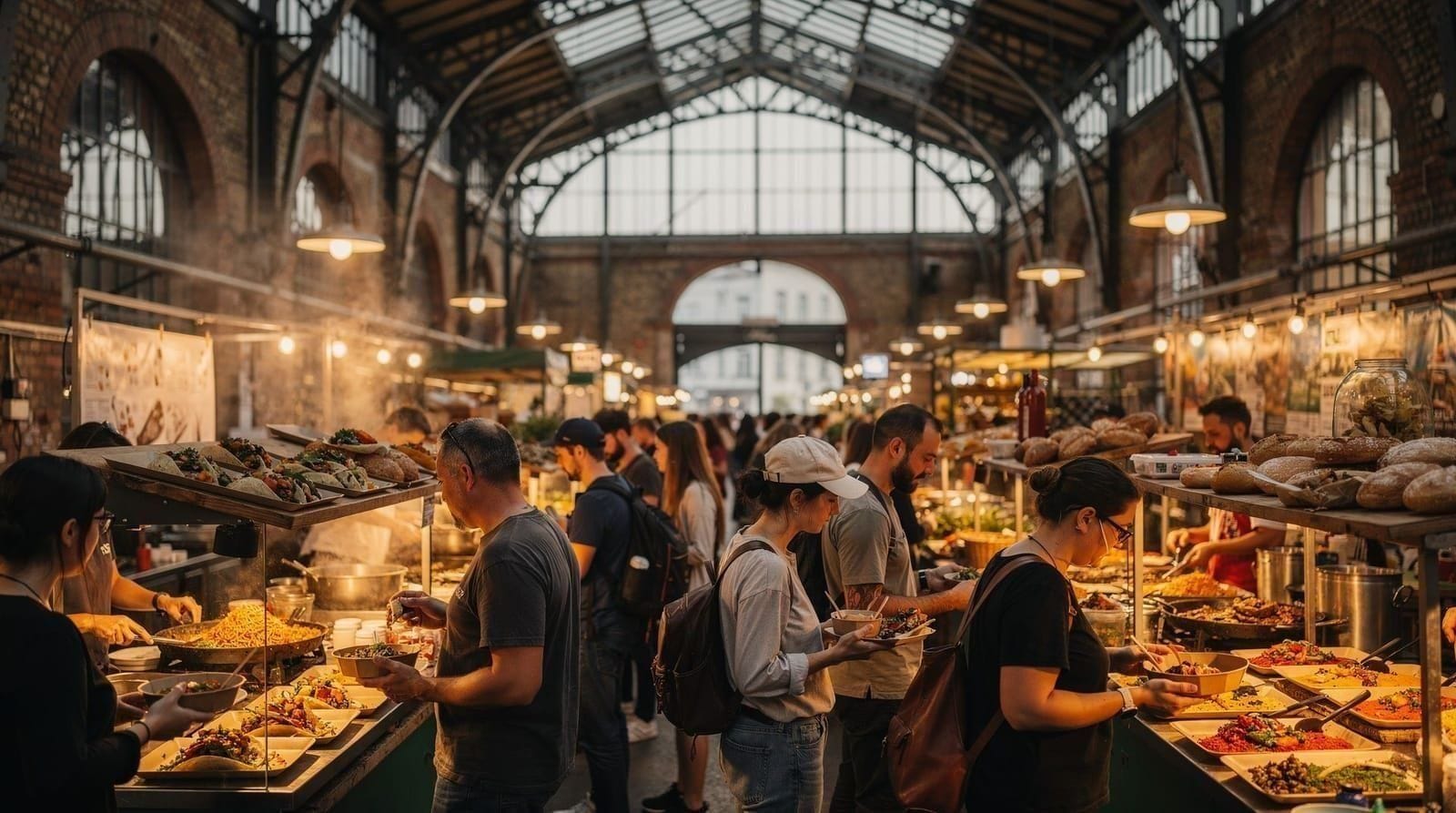
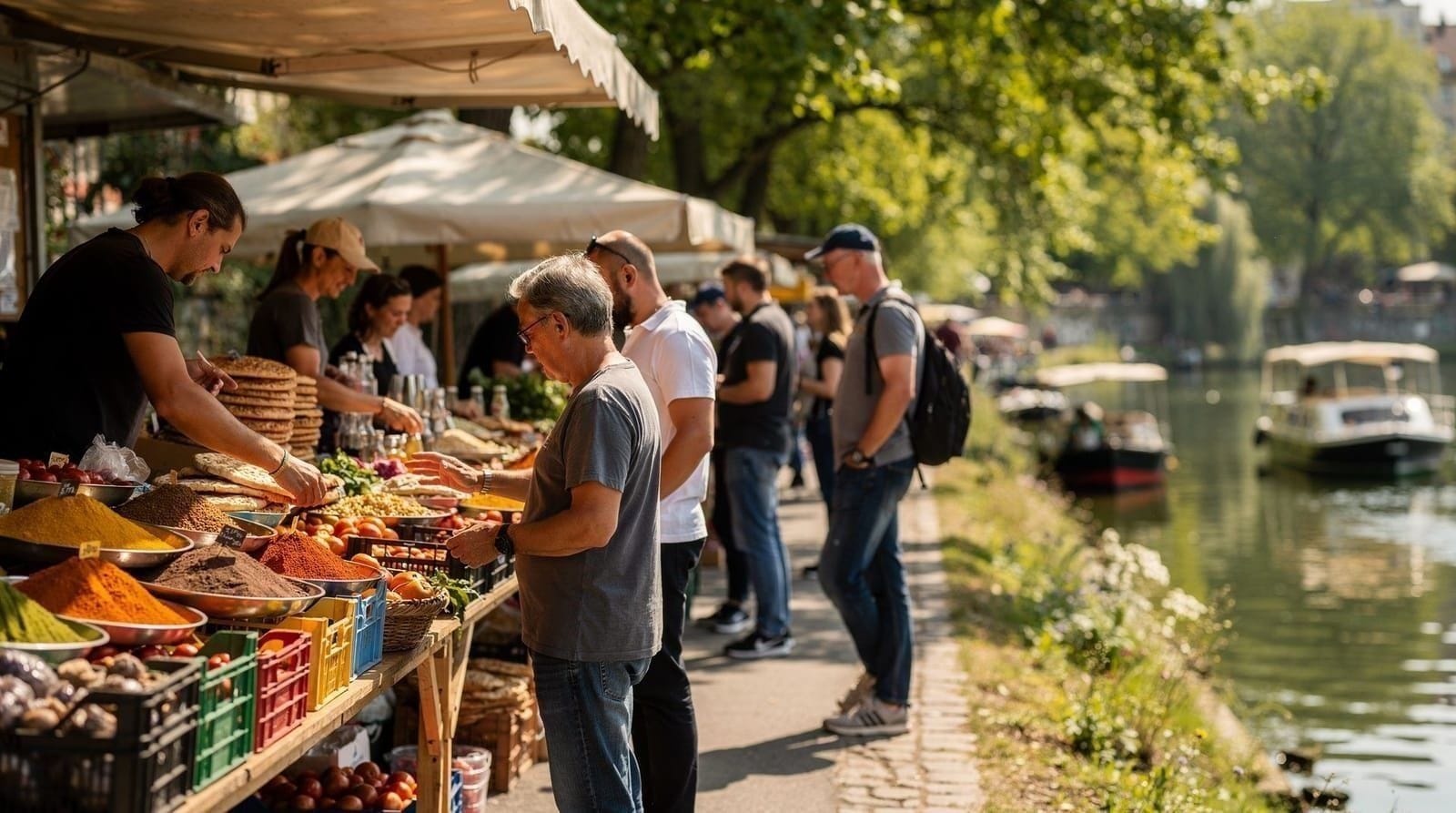
Markets: The Turkish Market on the Maybachufer (Tuesday and Friday) has naturally vegan options including fresh vegetables, bulk legumes, olives, and some prepared food. Markthalle Neun’s Thursday Street Food event usually has dedicated vegan stalls. See best markets for eating guide for details.
Supermarket vegan shopping in Berlin
German supermarkets are among the best-stocked in Europe for plant-based products:
Rewe and Edeka: Full range of plant milks (oat, soy, almond, rice), vegan cheese alternatives, plant-based meat (Rügenwalder Mühle is the leading German brand), vegan yoghurt, and a reasonable vegan convenience food selection. Vegan sections are marked (usually “Vegan” or “Pflanzlich”).
Lidl and Aldi: More limited but the basic plant milks, tofu, and some vegan convenience items are standard.
Bio Company and Alnatura (health food chains): The most comprehensive vegan range, including specialist products. More expensive but the selection is wider. Locations throughout Berlin.
Veganz: A Berlin-based fully vegan supermarket chain with several Berlin locations. The most complete one-stop shop for vegan grocery shopping. Higher prices than regular supermarkets but the range is unmatched.
Street food tours for plant-based eaters
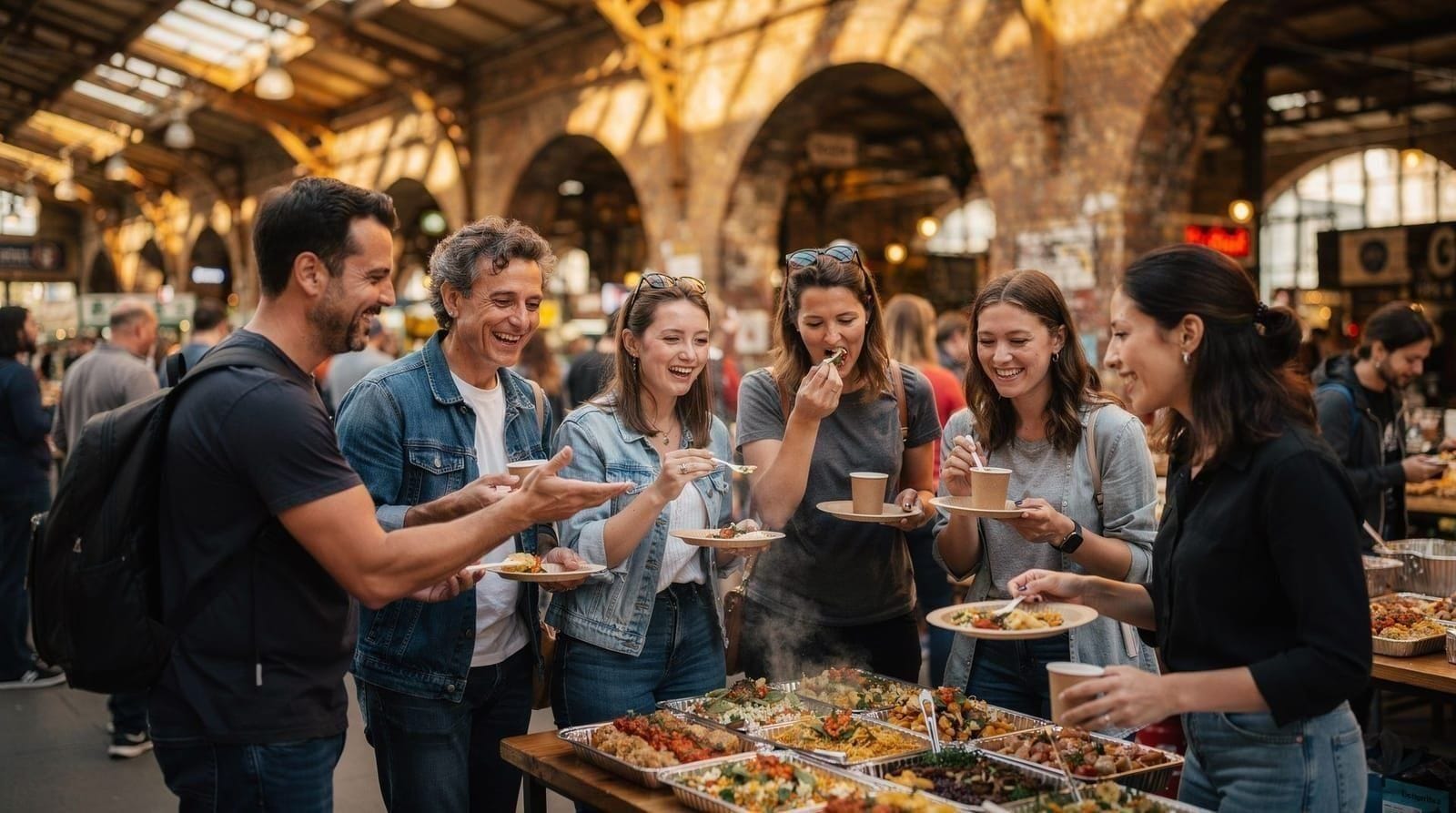
A guided food tour is useful for vegetarians and vegans to navigate a city’s street food scene, particularly in areas like the Turkish Market or Neukölln where vegan options are numerous but not always obvious to visitors.
Berlin guided street food tastings tour — covers markets, multiple neighbourhoods, street food optionsWhen booking, confirm with the operator that they can accommodate vegan requirements — reputable operators will confirm this at booking and adjust the tour stops accordingly. Do not assume all street food tours are vegan-compatible by default.
Berlin local food and hidden gems tour — neighbourhood food stops, market visitsFine dining for vegans
Cookies Cream (Behrenstrasse 55, Mitte, via Theaterpassage) holds one Michelin star and operates as a fully vegetarian fine dining restaurant. The cooking is technically serious. Tasting menu €90–120. See the Berlin Michelin restaurants guide for full details.
Tim Raue (Rudi-Dutschke-Strasse 26) offers a vegetarian tasting menu on request (pre-order required at booking). Fully vegan version possible with advance notice.
Rutz can accommodate vegetarian tasting menus. Vegan requires advance discussion.
Practical notes for plant-based visitors
Labelling: German food labelling laws are precise. “Vegan” (or the V-label certification mark) on packaged food means genuinely no animal products including honey and gelatin. Restaurant menus increasingly use the same term. Ask if uncertain — “Ist das vegan?” is understood everywhere.
Cross-contamination: In high-volume kitchens, cross-contamination is possible and rarely specifically managed at mid-price restaurants. If you have a serious allergy (not just a preference), say so explicitly — “Ich habe eine Allergie” (I have an allergy) triggers a different response than “Ich esse vegan” (I eat vegan).
Honey: Vegans who avoid honey should specify this in Germany — “ohne Honig” (without honey) — as honey is widely used in German baking and cooking and is not always disclosed.
Berlin Welcome Card and vegan: No specific vegan discount exists on city transport or attraction cards. The Berlin Welcome Card guide covers whether the card makes financial sense for your visit.
Building a one-day vegan food itinerary
For visitors with a single day to sample Berlin’s plant-based scene, a realistic sequence avoids overloading on heavy meals while still covering the range:
Morning: A vegan breakfast in Prenzlauer Berg — Café Morgenrot or a similar collective café — eases into the day. See the Berlin breakfast and brunch guide for more options in the same area.
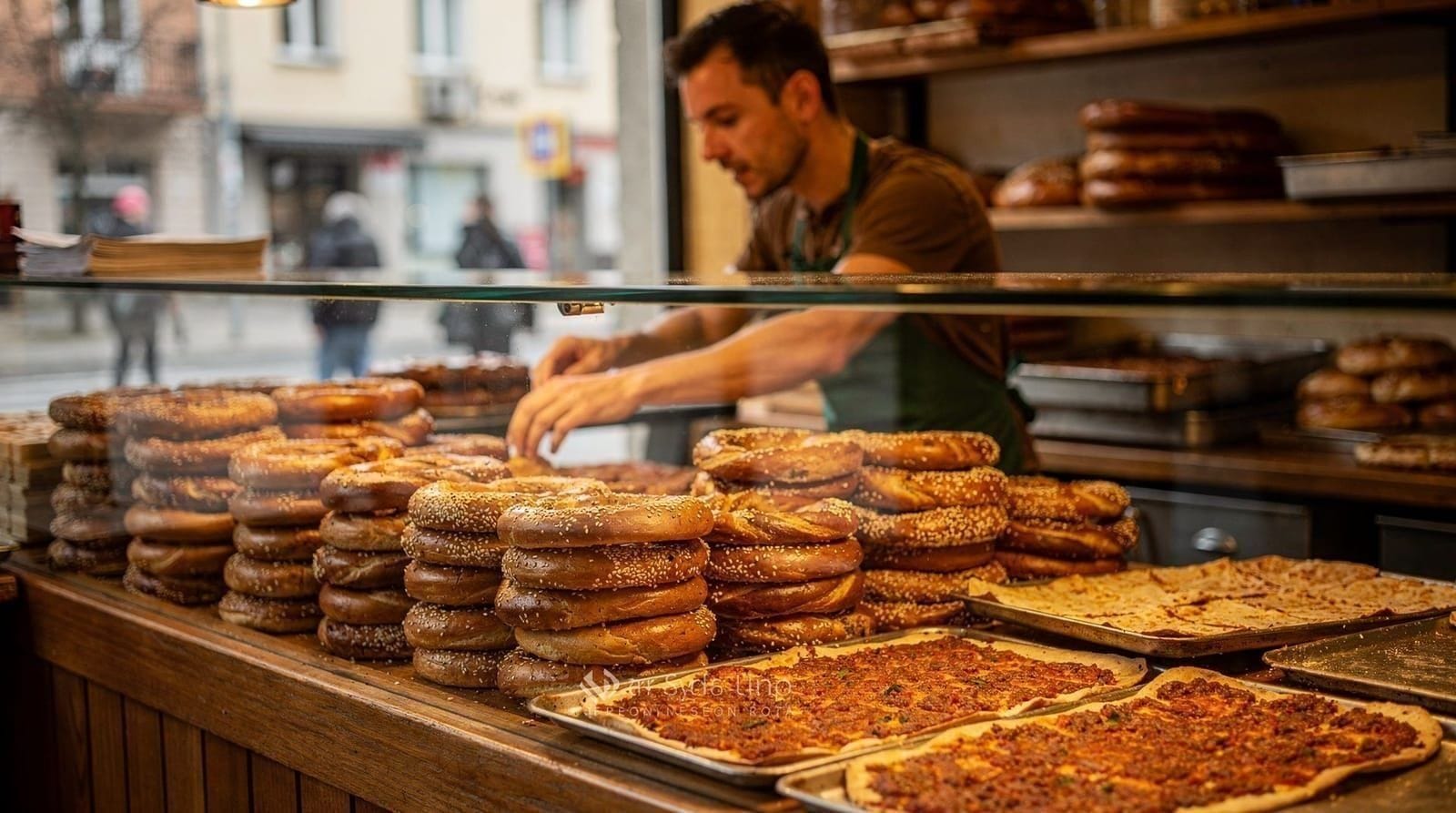
Midday: A falafel wrap or Middle Eastern mezze spread in Neukölln, ideally combined with a stop at Sonnenallee if you’re also curious about the Berlin Turkish food guide’s naturally vegan dishes — lentil soup and vegetable lahmacun both qualify.
Afternoon: A coffee and pastry stop at Brammibal’s Donuts in Prenzlauer Berg breaks up a day of walking without committing to another full meal.
Evening: Dinner in Kreuzberg or Friedrichshain — Kopps for a polished sit-down option, or Café Rosa in the RAW Gelände for something cheaper and more informal. If it’s a special occasion, book Kanaan or Lucky Leek well ahead, since both fill up.
This sequence naturally threads through Kreuzberg, Prenzlauer Berg, Friedrichshain, and Neukölln — useful if you’re also trying to get a feel for each district’s character, not just its food.
Frequently asked questions about Berlin vegetarian and vegan guide
Why is Berlin particularly good for vegans?
Several factors converge. Berlin's post-reunification counterculture and squatter movement in the 1990s generated a strong vegetarian and vegan community in districts like Kreuzberg and Prenzlauer Berg. The city's young, cost-conscious population has been receptive to plant-based eating as it has become mainstream globally. Low commercial rents compared to other European capitals have allowed independent vegan restaurants to establish themselves without the pressure to cater exclusively to higher-spending meat-eating customers.Which neighbourhood has the best vegan food in Berlin?
Friedrichshain and Kreuzberg have the highest density of dedicated vegan restaurants. Prenzlauer Berg is strong for vegetarian-friendly cafes. Neukölln is growing rapidly. Mitte has less dedicated vegan infrastructure but many tourist-facing restaurants now offer good plant-based options. Charlottenburg is weakest for dedicated vegan spots.What are the price ranges for vegan restaurants in Berlin?
Budget: street food and falafel wraps €3–7. Café meals: €8–14 per person. Mid-range restaurant dinner: €15–25 per person. Fine dining (Cookies Cream, one Michelin star): €90–120 for tasting menu. Most vegan restaurants in Berlin fall in the €10–20 per person range for a full meal with a drink.Is falafel a reliable vegan option in Berlin?
Yes — Berlin has a large and competitive falafel scene, particularly in Kreuzberg and Mitte. Most falafel wraps are vegan by default (no yoghurt sauce if you specify). Price range €3.50–6 for a wrap. The Falafel on Rosenthaler Platz (Rosenthaler Strasse 2–3) has been a reliable standard for years. Quality Imbisse also exist throughout Kreuzberg. Watch for tzatziki or white sauce offered as a topping — specify "ohne Joghurtsauce" (without yoghurt sauce) if you want to be certain.Are German supermarkets good for vegans?
Excellent. REWE, Edeka, Kaufland, and Lidl all carry substantial vegan product ranges in 2026. Alpro and own-brand oat milks are in every supermarket. Plant-based meat alternatives (from Beyond Meat, Rügenwalder Mühle, and others) are widely available. The best-stocked supermarkets for vegan products are the larger REWE and Edeka branches; basic Lidl and Aldi have fewer options but the staples are there.What about vegan options at Turkish restaurants?
Turkish cuisine has extensive naturally vegan options that many people overlook. Lahmacun with vegetable topping (specify "ohne Fleisch" — without meat), mercimek corbasi (red lentil soup, typically vegan), all-vegetable mezze dishes (olives, hummus, roasted aubergine, stuffed peppers without cheese), and gözleme with spinach filling can all be vegan. Check for butter or egg in bread and pastry items. The Turkish Market on the Maybachufer has good naturally vegan options.Is Berlin's vegan scene overpriced or tourist-facing?
The vegan scene has two tiers. The original community-rooted spots in Kreuzberg and Friedrichshain are genuinely affordable (€8–14 for a full meal). A newer wave of Instagram-oriented vegan cafes in Prenzlauer Berg and Mitte charges more (€14–25) and serves a younger, tourist-adjacent crowd. Both tiers offer real value compared to comparable cities, but the difference in atmosphere is significant.
Top experiences
Bookable activities with verified prices and instant confirmation on GetYourGuide.