Berlin Christmas markets — which one to visit and why
Which Berlin Christmas market should I visit?
For upscale atmosphere and high-quality stalls, Gendarmenmarkt (entry fee applies). For a medieval experience, Spandau Citadel. For families and the most classic feel, Charlottenburg Palace. For rides and casual crowds, Winter World at Potsdamer Platz. Alexanderplatz is large but tourist-oriented — worth one pass but not a destination in itself.
Berlin has dozens of Christmas markets — from one-square-block neighbourhood gatherings to sprawling events attracting hundreds of thousands of visitors. The five markets described here are the most significant, each with a different character and purpose. Choosing between them is a matter of knowing what you want from the experience.
| Where | Mitte, Spandau, Charlottenburg, Potsdamer Platz |
| Cost | free–€5 entry; around €3–6/Glühwein |
| Time needed | 1.5–2 hours per market visited |
| Getting there | U-Bahn/S-Bahn to each; Spandau is 40–60 min from centre |
| Best time | Weekday evenings for atmosphere without peak crowds |
For a practical route covering the central markets in one day, see the companion Christmas markets visiting guide.
Overview: the five main markets
| Market | Location | Character | Entry | Best for |
|---|---|---|---|---|
| Gendarmenmarkt | Mitte | Upscale, curated | €1–2 | Quality crafts, atmosphere |
| Spandau Citadel | Spandau | Medieval, theatrical | €3–5 | History, uniqueness |
| Charlottenburg Palace | Charlottenburg | Classic, family | Free | Families, setting |
| Winter World | Potsdamer Platz | Commercial, rides | Free | Rides, casual visiting |
| Alexanderplatz | Mitte | Large, tourist | Free | Convenience only |
Gendarmenmarkt — the upscale choice
The Christmas market at Gendarmenmarkt is consistently rated among the best in Germany. It occupies the square between the Konzerthaus and the two identical cathedrals (the French and German Domes) in Mitte — one of the most architecturally coherent settings in Berlin.
The market runs from late November to 31 December, making it one of the few markets that continues through the Christmas week and into New Year’s Eve. Entry costs approximately €1–2 per person, paid at the gate — this is nominally to cover the cost of the Konzerthaus building lighting but practically it limits the most casual foot traffic.
What distinguishes Gendarmenmarkt: The stall selection is genuinely curated. Vendors must apply and are vetted for product quality. You will find hand-thrown pottery, handblown glass ornaments, quality regional food products (Thuringian spiced gingerbread, smoked sausages from regional producers, obscure German cheeses), fur and leather accessories, and beeswax candle makers whose workshops show the production process.
This is the most expensive Berlin Christmas market. Glühwein runs €4–6. Food items are priced at the higher end of market norms. A carved wooden nutcracker from an Erzgebirge (Ore Mountains, Saxony) craftsman costs €20–80 depending on size.
What to skip: Gendarmenmarkt on a Saturday evening from mid-December is genuinely very crowded — shoulder-to-shoulder in the narrow stall corridors. If you are claustrophobic or travelling with children, come on a Tuesday or Wednesday evening.
Practical details:
- Transport: U2/U6 to Stadtmitte (2 minutes’ walk), or U6/S-Bahn to Friedrichstrasse (8 minutes’ walk)
- Opening times typically: Sunday to Thursday noon to 10pm, Friday to Saturday noon to 11pm (verify current year)
- Peak hours: Friday and Saturday evenings from 6pm to 9pm
Spandau Citadel — the medieval option
The Weihnachtsmarkt im Spandauer Zitadelle is held inside and around a Renaissance-era fortress in Spandau, a historic town incorporated into Berlin in 1920 that retains a distinct small-town atmosphere. The citadel itself is a well-preserved 16th-century moated fortress (Zitadelle Spandau) with a separate entry fee throughout the year; the Christmas market entry is bundled with citadel access.
The medieval theme is committed. Stall holders are encouraged to dress in period clothing and to sell period-appropriate goods (mead, roasted meats, leather goods, handcrafted metalwork). Fire-lit torches and period music create an atmosphere that is deliberately distinct from generic Christmas market formats.
What makes Spandau distinctive: It is genuinely different from the other major markets. The theatrical element is well executed without being theme-park kitsch. Mead (Honigwein) is sold from large clay vessels. Blacksmiths work at small forges. This is the best market to visit if novelty and uniqueness matter more than convenience.
What to know about Spandau: It takes 40–60 minutes to reach from central Berlin (U7 to Zitadelle stop, then a short walk). This deters casual visitors, which means it is notably less crowded than Gendarmenmarkt or Charlottenburg on comparable evenings.
The market typically runs from mid-November to just before Christmas (not New Year’s Eve like Gendarmenmarkt). Check the current year’s exact dates.
Practical details:
- Transport: U7 to Zitadelle, 5 minutes’ walk to the fortress entrance
- Entry fee: €3–5 per adult (includes citadel access)
- Best visited: midweek evening, when the torchlit setting is at its most atmospheric
Charlottenburg Palace — the classic Christmas market
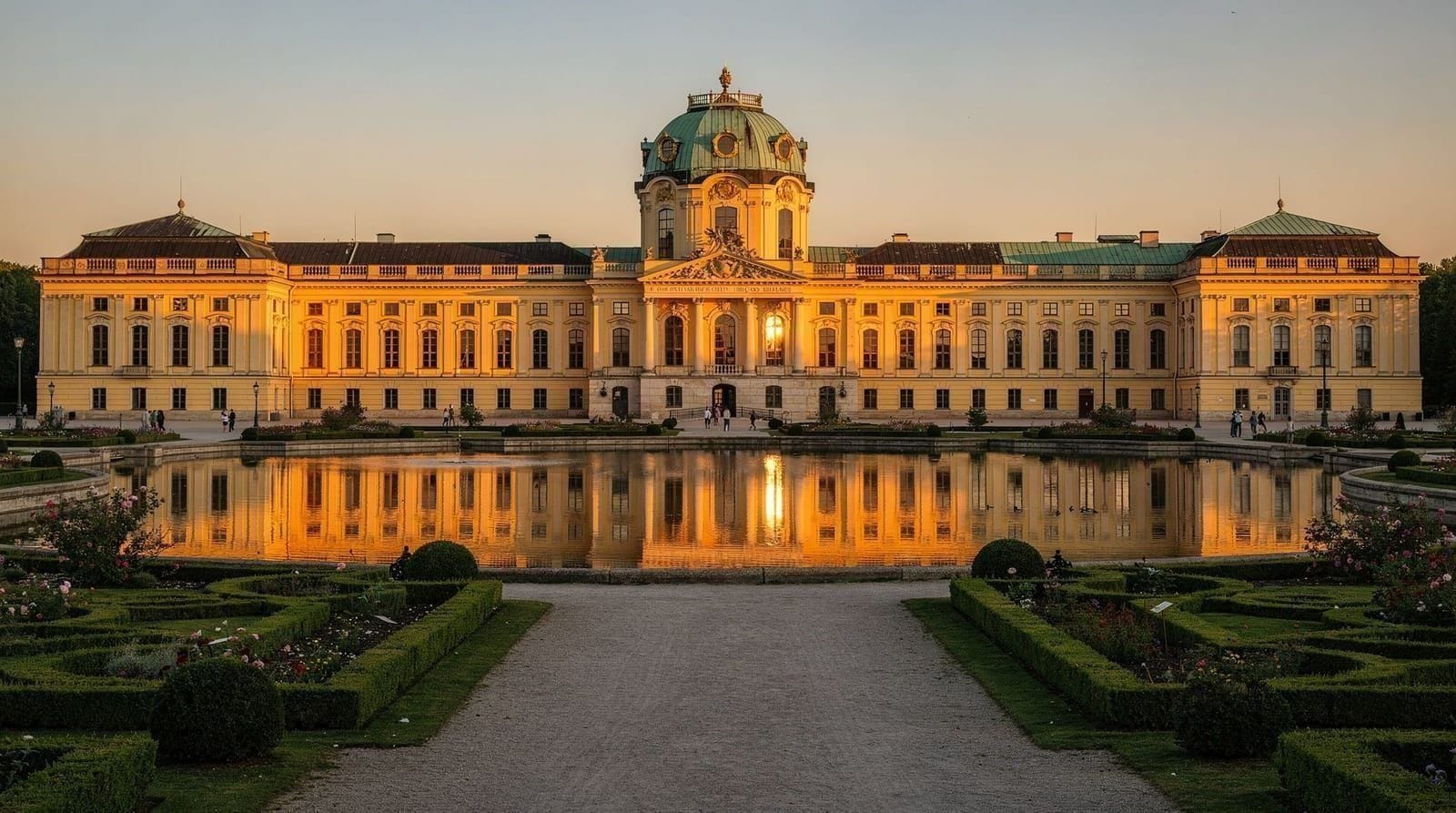
The market in front of Charlottenburg Palace (Schloss Charlottenburg) is the most photogenic of Berlin’s Christmas markets. The Baroque palace facade, lit at night with warm lighting, provides a genuinely grand backdrop. The market spreads across the forecourt and the streets immediately south of the palace.
This is the most family-oriented of the main Berlin markets. There are rides and carousels, a dedicated children’s area with activities, and a more relaxed crowd density than Gendarmenmarkt. Entry is free.
Stall quality: A step below Gendarmenmarkt but above the commercial markets. You will find handcraft stalls, regional food products, and some genuine artisan work alongside more generic market items. The market includes a dedicated section called the Charlottenburger Hof with higher-quality vendors.
For context on the palace itself, which is worth visiting during daylight hours separately from the market, see the Charlottenburg Palace guide.
Practical details:
- Transport: U7 to Richard-Wagner-Platz (10 minutes’ walk), or Bus M45 directly to the palace
- Entry: free
- Opening hours typically: daily from noon to 9pm (verify current year)
- Best time: early evening on a weekday, when the palace is lit and crowds are manageable
Winter World at Potsdamer Platz — the commercial option
Winter World (Winterwelt) at Potsdamer Platz is the most explicitly commercial and entertainment-focused of the major markets. It occupies the Arkaden shopping centre square and surrounding streets. Entry is free.
The defining features are not the craft stalls but the amusements: a large outdoor ice rink (skate hire available, around €5–8 per session), a toboggan run, a Ferris wheel, and various mechanical rides. This is the market to visit if you have children who want to do things rather than browse stalls, or if you want the Christmas market as a backdrop to an activity rather than the focus itself.
Stall quality: Noticeably lower than Gendarmenmarkt or Charlottenburg. The food vendors are mainly fast food formats (bratwurst, Currywurst, chips) rather than artisan products. Gift stalls lean toward mass-produced items. Do not visit Potsdamer Platz expecting the best shopping — come for the ice rink and the rides.
Practical details:
- Transport: U2/S1/S2/S25 to Potsdamer Platz, market is directly adjacent
- Entry: free (activities such as ice rink and toboggan have individual fees)
- Best for: ice skating, children, casual evening visit while staying nearby
Alexanderplatz — the convenient but tourist-oriented option
The Alexanderplatz Christmas market is large (over 100 stalls), centrally located, and open long hours. It is also the least interesting of the major markets.
The stalls follow the standard wholesale Christmas market catalogue available across Germany — carved wooden items from Czech Republic manufacturers, printed textiles, candy stalls, sausage vendors. Few items are uniquely made or locally sourced. The setting (Alexanderplatz is a vast Soviet-scale square with the TV Tower dominating) lacks the intimacy of Gendarmenmarkt or the grandeur of Charlottenburg.
The market’s case for visiting is pure convenience: it is adjacent to two S-Bahn lines and multiple U-Bahn lines, making it easy to access from almost anywhere in Berlin. If you have limited time and just want to see a Christmas market, this is the simplest option. But if you have the time to travel further, other markets are better.
Practical details:
- Transport: U2/U5/U8 to Alexanderplatz, S3/S5/S7/S9 to Alexanderplatz — the market is literally adjacent
- Entry: free
- Best for: a brief visit, a quick Glühwein, convenience over quality
Smaller Berlin Christmas markets worth knowing
Beyond the five main markets, a number of smaller and more neighbourhood-focused markets operate across Berlin. These attract almost no tourists and can be more pleasant precisely because of this:
Kulturbrauerei, Prenzlauer Berg: In the courtyard of a former brewery complex (worth visiting in its own right), this market has a strong arts and crafts component and draws a local Prenzlauer Berg crowd. The setting is beautiful.
Domäne Dahlem, Zehlendorf: An organic farm in the southwest of Berlin runs an ecologically focused Christmas market with local food producers, handmade goods, and a strong community atmosphere. Far from the centre (30 minutes from Zoo station) but genuinely different.
Rixdorf, Neukölln: A small market in the historic Bohemian settlement of Rixdorf (incorporated into Berlin in 1920 but with 18th-century roots) with an artisan-only selection policy. Very small but high quality and almost entirely free of tourists.
What to buy and what to avoid
Worth buying at Berlin Christmas markets:
- Erzgebirge carved wooden figures (nutcrackers, pyramids, smoker figures) — if you are buying from an actual Erzgebirge producer, these are genuine craft items and unavailable in most non-German shops
- Regional food products: Stollen (Dresden spiced fruit bread), Lebkuchen (spiced gingerbread in tin boxes), Glühwein spice packets, and regional sausages
- Hand-blown glass ornaments — particularly at Gendarmenmarkt where you can watch the production process
- Beeswax candles — handmade, slow-burning, and a practical souvenir
Avoid:
- Cheap “Berlin” branded Christmas ornaments — identical items available online for a fraction of the price
- Fur-look accessories from stalls that cannot explain their sourcing
- Hot wine or spirits served in the “exclusive collector cup” that costs €8–12 — the cups are never actually worth keeping and the drink is not better than standard Glühwein
Glühwein — the essential Christmas market drink
Glühwein (warm spiced wine) is the defining Christmas market drink. It is made from red wine (occasionally white for a variation called weisser Glühwein), heated with orange, cinnamon, cloves, and star anise. Alcoholic content is typically 7–10%. It is served in cups, which carry a deposit (Pfand) of €2–4 that you reclaim by returning the cup.
The cup itself is part of the experience — every market has its own designed cup for the current year, and collecting cups is a minor tradition for some visitors. If you want the cup as a souvenir, you forfeit the deposit. If you want the deposit back, return the cup to any stall at the same market.
Quality of Glühwein varies. The better markets use better base wine and fresher spices. Potsdamer Platz and Alexanderplatz tend to serve the most diluted versions. Gendarmenmarkt and Charlottenburg are better.
Planning your visit
Weather: Late November temperatures in Berlin average 3–7°C, and December brings the possibility of frost or light snow, though white Christmases are not guaranteed or even common in Berlin. Dress for cold and wind. The markets are entirely outdoors.
Weekdays vs weekends: Weekend crowds are significantly larger, particularly in the two weeks before Christmas. If you have the flexibility, a weekday evening visit offers the full market with manageable crowds.
Combining markets: The five main markets require separate trips due to their geographic spread. The most natural combination is Gendarmenmarkt and Alexanderplatz in one outing (15 minutes apart), or Charlottenburg and Winter World via U-Bahn (30 minutes apart). Spandau is too far to combine practically with central markets.
Beyond the markets: shopping and souvenirs
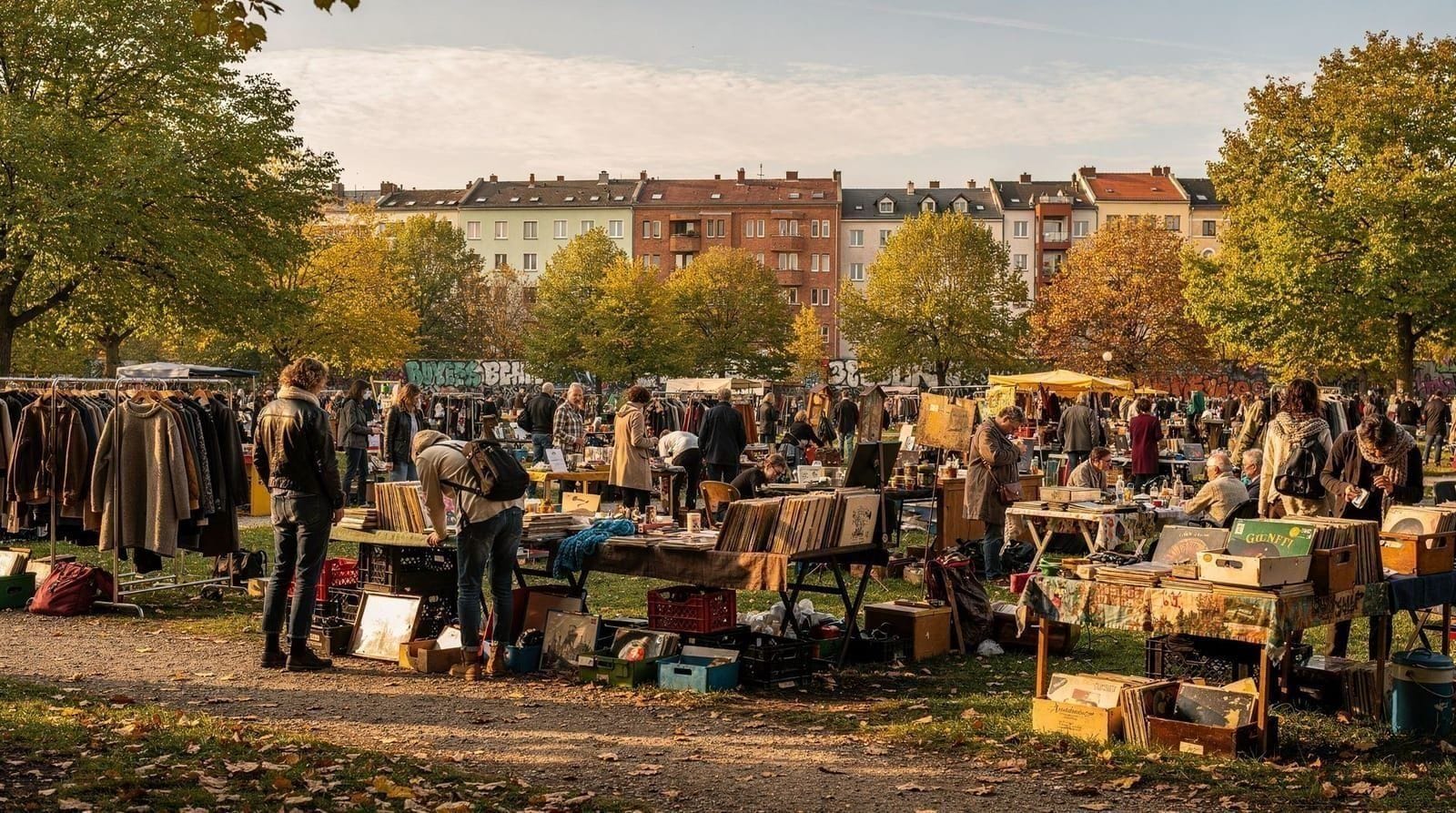
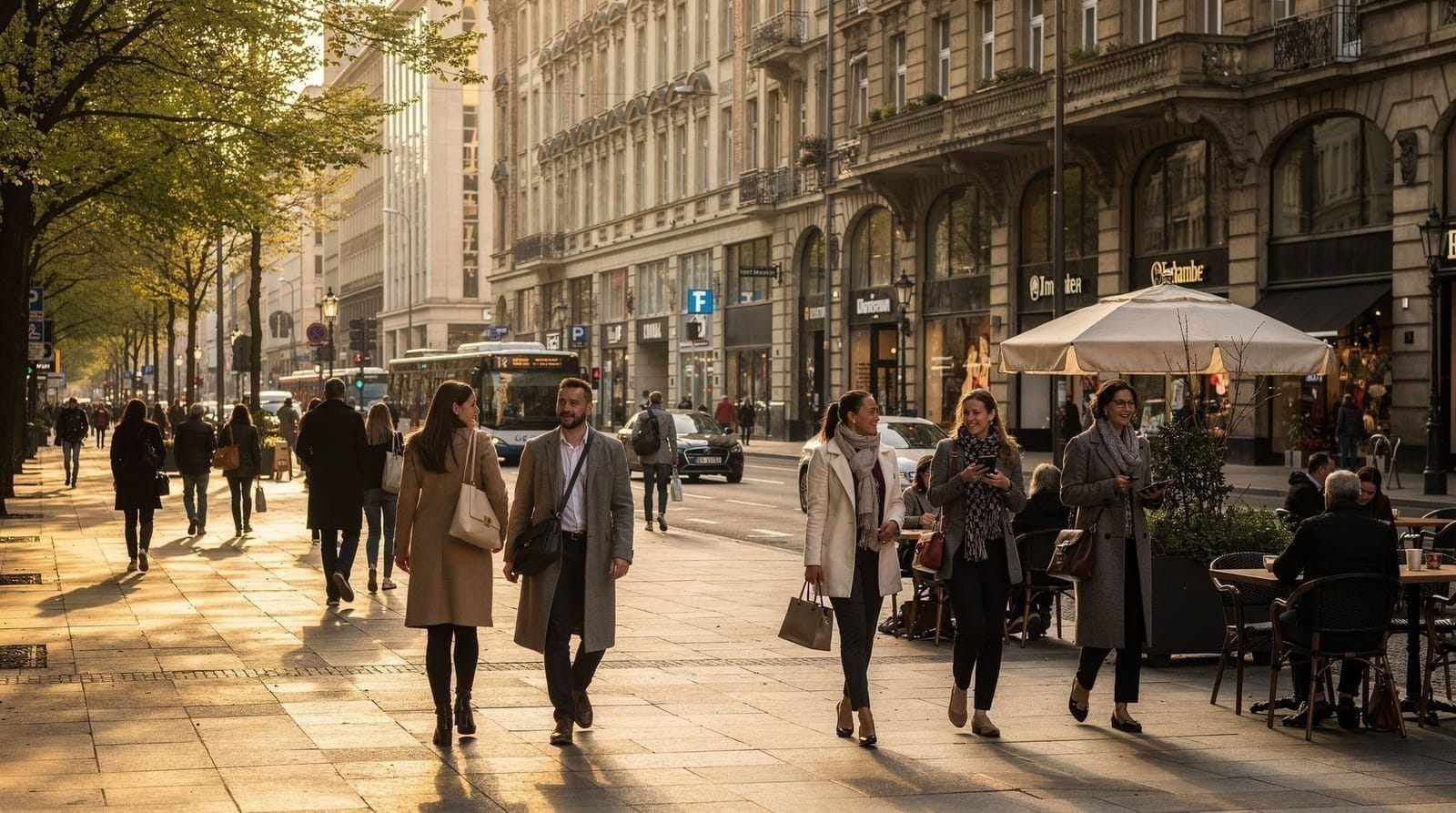
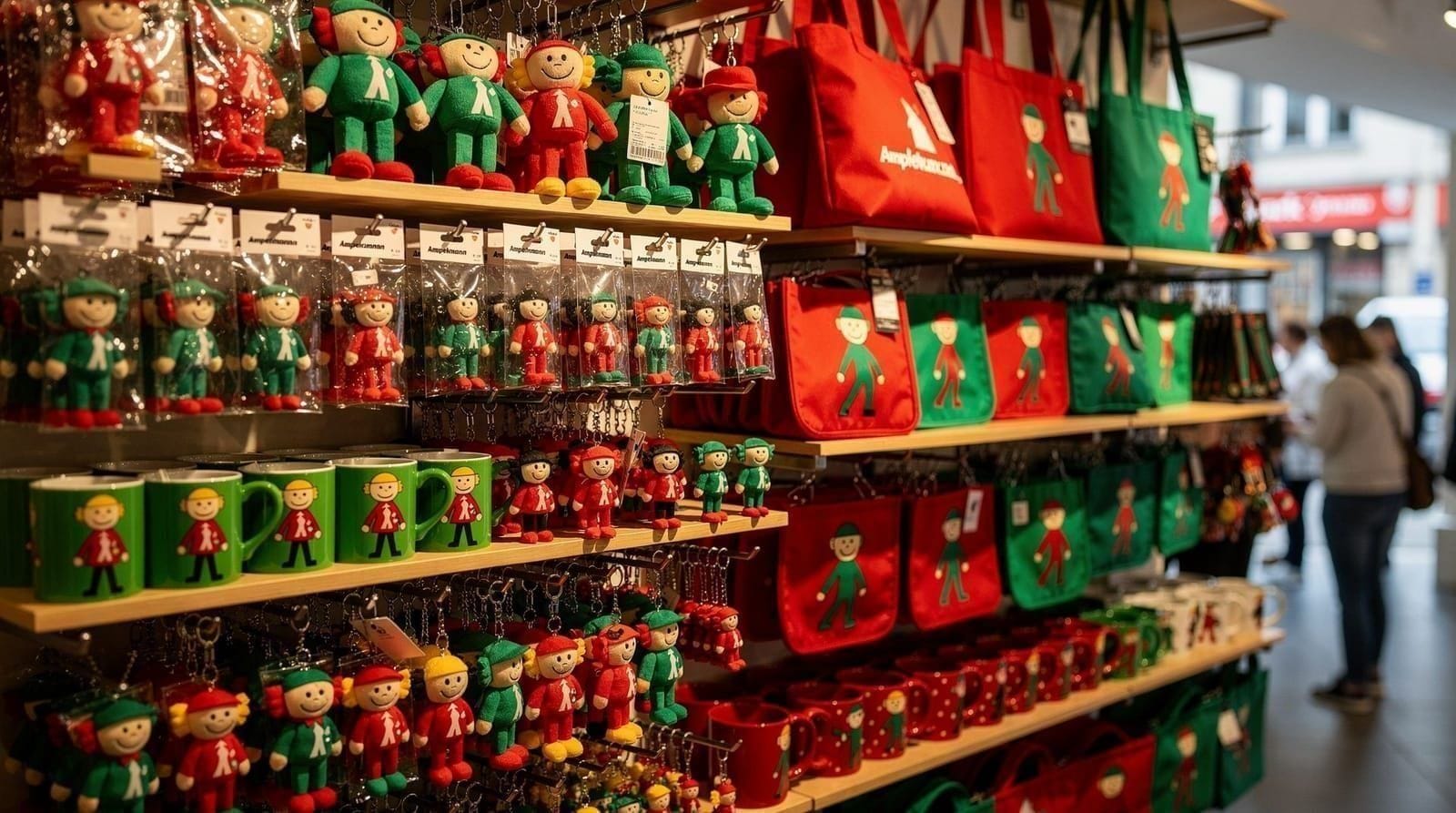
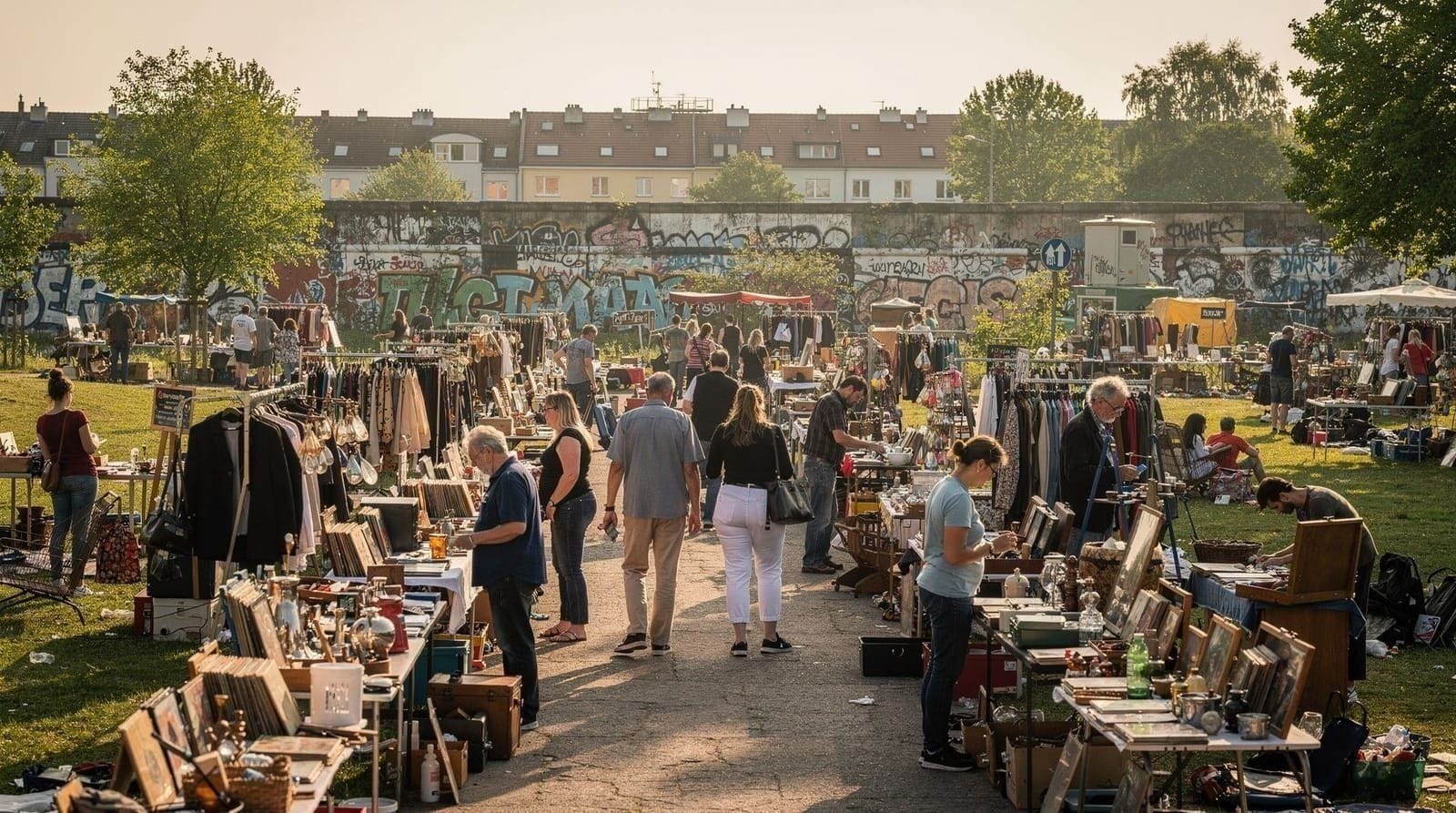
If Christmas market crafts aren’t quite what you’re after, Berlin’s regular shopping scene runs alongside the markets all December — the Berlin shopping guide covers the department stores and boutique streets that get their own seasonal window displays. For a broader view of what actually makes a good Berlin souvenir beyond market stalls, see the best souvenirs guide. And if flea markets are more your pace than Christmas stalls, several of Berlin’s regular weekend markets — including Mauerpark and the wider flea markets guide — keep running through December alongside the seasonal ones.
A family day: Charlottenburg market plus the palace
Because Charlottenburg Palace market sits directly in front of the palace itself, it’s worth planning as a half-day rather than a quick stop. Visit the palace interior in daylight (last entry is typically mid-afternoon in winter), then let the market’s lighting and atmosphere take over as dusk falls — Berlin’s early winter sunset (around 4pm in December) means the transition from museum visit to lit market happens naturally within a single afternoon. The rides and children’s area make it easy to split attention between adults wanting the palace and children wanting the carousel.
Weeknight timing across all five markets
Across every market covered here, the same pattern holds: Tuesday to Thursday evenings between 5pm and 7pm consistently offer the best balance of full lighting and manageable crowds, before the after-work and dinner crowd arrives. Saturday from 3pm onward is the single most crowded window at every major market, Gendarmenmarkt and Charlottenburg especially. If your schedule allows only a weekend visit, arriving at opening time (typically noon) beats any afternoon or evening slot.
Budgeting across a multi-market trip
Visiting all five main markets over several days adds up faster than a single visit suggests. A realistic per-market spend is €15–25 (a Glühwein or two, a snack, and a small gift), plus entry fees where they apply (€1–2 at Gendarmenmarkt, €3–5 at Spandau). Transport is the same BVG ticket you’re already using for general sightseeing, so it adds no extra cost beyond a standard day or 7-day pass. Across five markets over a week, budget roughly €90–140 per person total, excluding any larger craft purchases.
Frequently asked questions about Berlin Christmas markets
When do Berlin's Christmas markets run?
Most Berlin Christmas markets open in late November (around the 24th or 25th) and run until 26 or 31 December. The exact opening and closing dates vary by market and year. Gendarmenmarkt typically runs from late November to 31 December. Spandau Citadel usually runs from mid-November to late December. Always check current-year dates before visiting as they shift annually.How much does entry cost for Berlin Christmas markets?
Most Berlin Christmas markets are free to enter. Gendarmenmarkt charges entry (typically €1–2 per person), which funds the quality of the market and limits overcrowding. Spandau Citadel also charges a small entry fee (around €3–5) due to the historic fortress access. All others are free to enter.What are standard Christmas market prices in Berlin?
Glühwein (mulled wine) typically costs €3–5 per cup, with a cup deposit (Pfand) of €2–4 returned when you give the cup back. Food items run €3–8 for most snacks. Handcraft items range from €5 to €60+ depending on type. Gendarmenmarkt is the most expensive; Alexanderplatz the cheapest. Budget approximately €15–25 per person for a comfortable two-hour visit including drinks and food.Are Berlin Christmas markets good for shopping and gifts?
The better markets (Gendarmenmarkt, Charlottenburg, Spandau) have genuine handcraft vendors selling items not available in shops — carved wood, hand-blown glass ornaments, local food products. The lower-quality markets (Alexanderplatz, some smaller markets) sell mass-produced items from the same wholesale catalogues used across Germany. Spend time at the premium markets if gifts are your goal.Is it very crowded at Berlin Christmas markets?
Yes, particularly on weekends between late November and December 23rd. Weekday evenings (after 6pm) are crowded. Weekday afternoons (2pm to 5pm) are the most manageable. December 24th is surprisingly quiet as Germans typically spend Christmas Eve at home. The period between December 26th and 31st varies by market — some are nearly over, others (Gendarmenmarkt) run until New Year's Eve.Which Berlin Christmas market is best for children?
Charlottenburg Palace market is the most suitable for families — lower crowding, rides and a separate children's area, beautiful setting, and easy transport. Winter World at Potsdamer Platz has the largest selection of rides and amusements. Avoid Gendarmenmarkt with very young children during peak hours — it can be uncomfortably crowded.Do I need to book in advance for Berlin Christmas markets?
No advance booking is required for most markets. Gendarmenmarkt charges entry on the door (no reservation needed, queues can form at peak times). If you want to visit specific seasonal events at the markets (concerts, medieval shows at Spandau), check for tickets in advance as these can sell out.Which Berlin Christmas market has the best atmosphere in the evening?
Gendarmenmarkt, by a clear margin — the lit Konzerthaus and twin cathedrals create a setting that photographs and feels genuinely special after dark, especially on a quieter weeknight. Spandau Citadel is the closest competitor, with torchlit medieval theming that's distinct from anywhere else in the city, but it requires a 40–60 minute journey from the centre.Can I visit Spandau Citadel market and a central market in the same evening?
It's tight but not really practical. Spandau is 40–60 minutes each way from central Berlin by U7, and the market itself deserves at least an hour once there. Treat it as a dedicated half-day trip rather than trying to combine it with Gendarmenmarkt or Alexanderplatz on the same evening.