Best souvenirs from Berlin — what to buy and what to avoid
What are the best souvenirs to bring home from Berlin?
The most distinctive Berlin souvenirs are Ampelmann merchandise (from the dedicated shops, not airport stalls), vinyl records from specialist shops, Erzgebirge wooden figures at Christmas markets, German food products from KaDeWe's food hall, and authentic GDR-era ephemera from flea markets. Avoid Berlin Wall fragments sold at tourist stalls — the overwhelming majority are fake, and the entire market is built on a significant scam.
Berlin souvenir shopping rewards effort and punishes laziness. The tourist markets around Checkpoint Charlie, Alexanderplatz, and BER airport stock the same generic merchandise at elevated prices. The genuine and interesting gifts — Ampelmann items from the brand’s own shops, vinyl records from Kreuzberg specialists, authentic GDR ephemera from flea markets — take a little more navigation but are markedly better value and more interesting.
This guide covers what is worth buying, where to find it, and which popular souvenirs to avoid.
| Where | Hackescher Markt (Ampelmann), Kreuzberg (vinyl), Mauerpark/Arkonaplatz (GDR items) |
| Cost | Around €1–40 for most souvenirs; €30–300+ for verified Wall fragments |
| Time needed | An afternoon covers the main shops; flea markets need Sunday timing |
| Getting there | S-Bahn Hackescher Markt, U8 Kreuzberg stops, U2 Eberswalder Strasse |
| Best time | Sunday for Mauerpark; any weekday for the fixed shops |
The Ampelmann — Berlin’s most recognisable design
The Ampelmann is the silhouette figure used on East German pedestrian traffic lights: a stocky man in a hat, shown striding (green for walk) or standing with arms outstretched (red for stop). The design was created in 1961 by traffic psychologist Karl Peglau as part of the GDR’s effort to create pedestrian signals with higher visibility than simple abstract shapes.
After reunification in 1990, the Ampelmann was scheduled for replacement with the standard West German (and Western European) pedestrian signal design. A public campaign, led by designer Markus Heckhausen, successfully argued for the Ampelmann’s preservation — initially in Berlin, eventually across Germany. The figure became, somewhat unexpectedly, one of the most popular symbols of German reunification’s complications: something from the East worth preserving.
Today the Ampelmann is a registered brand. The Ampelmann shops (ampelmann.de) operate dedicated retail in Berlin and license the design for a range of products.
Where to buy: The main Ampelmann shop is at Hackescher Markt (S-Bahn to Hackescher Markt). Additional shops operate at Potsdamer Platz and BER airport. Buy from these locations rather than from tourist stalls or third-party sellers — the official shops have the widest range, best quality, and your purchase supports the Berlin-based business rather than a wholesale importer.
What they sell: The product range is extensive: shopping bags, umbrellas, socks, mugs, prints, USB drives, key rings, and chocolate moulded in the Ampelmann shape. Quality across the range is good — these are not cheap novelty items. Prices range from €3–5 for small items to €20–40 for bags and accessories.
The key advice: Do not buy Ampelmann items from the airport without checking prices first. The airport shops stock the products but at higher prices. If you have time, buy from the Hackescher Markt shop and use the airport only if you have genuinely no other time.
The Berlin Wall fragment — the biggest scam in the city
This section exists because no honest Berlin souvenir guide can omit it.
The tourist market around “authentic Berlin Wall fragments” is, in the overwhelming majority of cases, a straightforward fraud. Here is why.
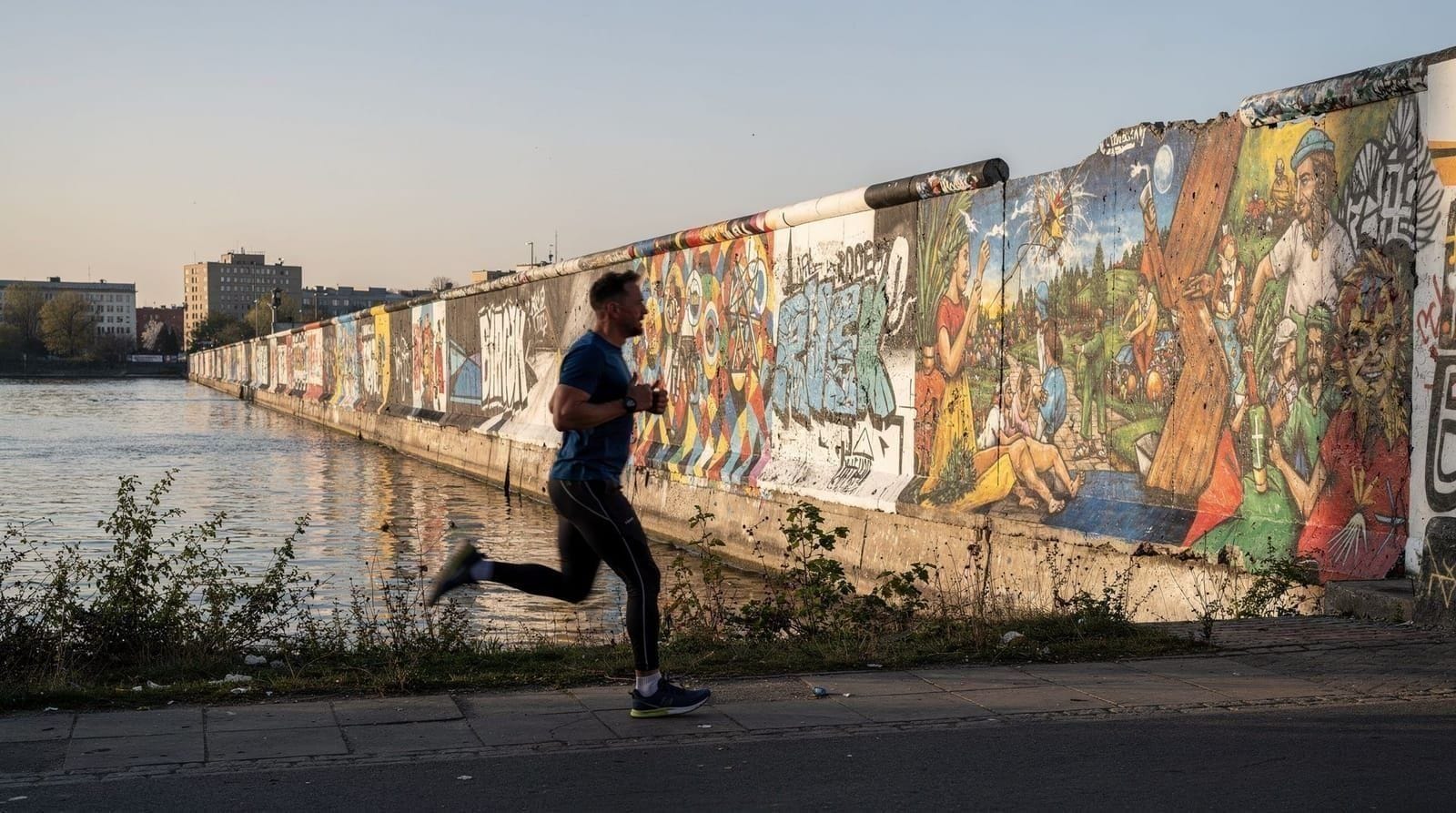
The Berlin Wall was demolished between November 1989 and mid-1991. The vast majority of the precast concrete segments (Segment UL 12.11, each 3.6 metres high) were crushed on site and used as road aggregate in Berlin and Brandenburg. A portion were sold to official buyers — governments, embassies, institutions, wealthy collectors — with documentation at the time of purchase. Some went to auction. The Checkpoint Charlie Museum has a small inventory of verified fragments.
The market stalls around Checkpoint Charlie, Alexanderplatz, and tourist markets across the city have been selling “Wall pieces” since 1990. These are, in practice, one of three things:
-
Random concrete rubble from any demolition site in East Berlin during the early 1990s. Berlin was an enormous construction site — there was no shortage of grey concrete chunks. None of these is from the Wall.
-
Commercially produced replica fragments: Concrete pieces cast in Ampelmann-grey and artificially weathered. These are manufactured specifically for the souvenir market.
-
Genuinely from the Wall, but unverifiable: Occasionally, fragments with actual provenance exist on the market but the seller has no documentation. Without documentation, there is no way to distinguish these from the above.
What a genuine Wall fragment looks like: The authentic Wall segments were made from precast concrete with specific dimensions and a distinctive internal structure (iron reinforcement bars, specific aggregate composition). Authenticated fragments have chain-of-custody documentation connecting them to demolition contractors active between 1989 and 1991 (primarily Limex-Bau and Sero). Asking for this documentation will quickly establish whether a stall is selling genuine or replica material.
Prices that should raise suspicion: Genuine small Wall fragments with verifiable provenance are rare enough that they command €50–300+ in documented form. The €5–15 fragments sold at tourist stalls do not represent value — they represent fraud.
Where to buy a genuine fragment if you want one: The Checkpoint Charlie Museum shop sells small verified pieces with documentation (expect €30–80). The Berlin Wall Memorial documentation centre at Bernauer Strasse occasionally has certified fragments. Auction houses (Hermann Historica and similar) list documented Wall material occasionally.
If provenance does not matter to you and you simply want a piece of grey concrete as a memento, buy the cheap stall versions knowing what they are. If authenticity matters, do not buy from a tourist stall under any circumstances. For the fuller history of what was demolished and what remains, see the Berlin Wall complete guide and the Checkpoint Charlie guide for context on the surrounding tourist zone.
Vinyl records — the serious Berlin souvenir
Berlin’s record shop culture is genuinely world-class, sustained by the club scene’s demand for music at a density found in few other cities. For anyone who plays records, Berlin is one of the best places in Europe to buy.
For electronic music (techno, dub, experimental):
Hard Wax (Schlesische Strasse 28, Kreuzberg) is the most significant address. Operating since 1989, it has direct links to Berlin’s club scene and stocks both new and secondhand electronic vinyl. The shop is deliberately low-profile — unmarked entrance, cash only, no online shop — and the staff knowledge is exceptional. Prices for secondhand electronic vinyl run €5–20 for most items; limited pressings and originals more. Hours are Monday to Saturday, 1pm to 8pm approximately.
Space Hall (Zossener Strasse 34, Kreuzberg) is the most broadly stocked, covering electronic music, hip-hop, soul, jazz, and experimental. A mix of new and secondhand. More visitor-friendly than Hard Wax — you can browse without specialist knowledge. Monday to Saturday.
For jazz, soul, and world music:
Melting Point (Kastanienallee 55, Prenzlauer Berg) has the best jazz and soul section in the city, with a strong selection of original pressings at reasonable prices. Also stocks world music and some electronic. A good starting point if you are not sure of your specialist preferences.
Hallmann und Klee (Pflügerstrasse 56, Neukölln) mixes secondhand clothing and vinyl in one space, and the vinyl selection reflects the neighbourhood’s diverse musical tastes.
For cheap secondhand browsing:
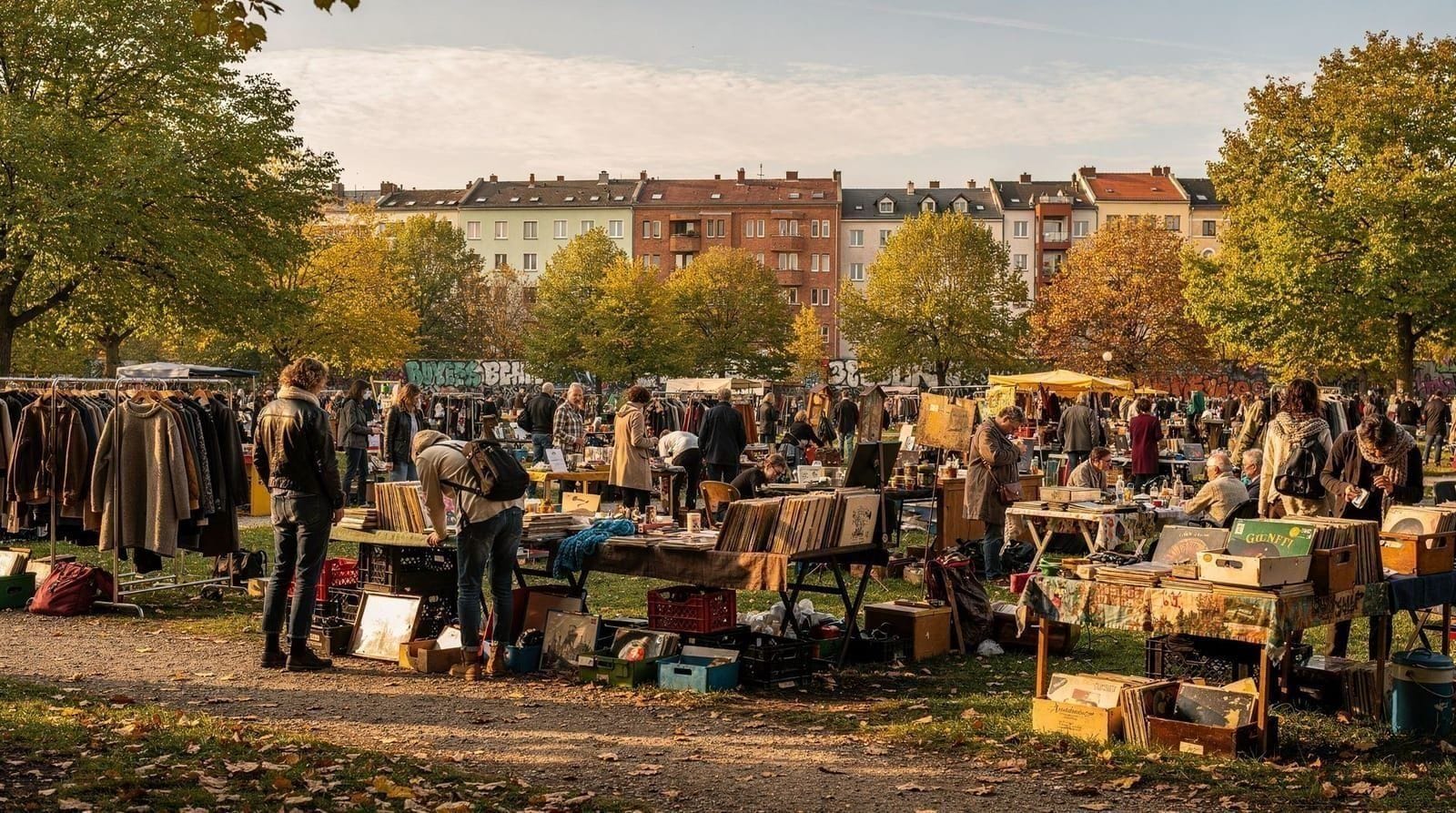
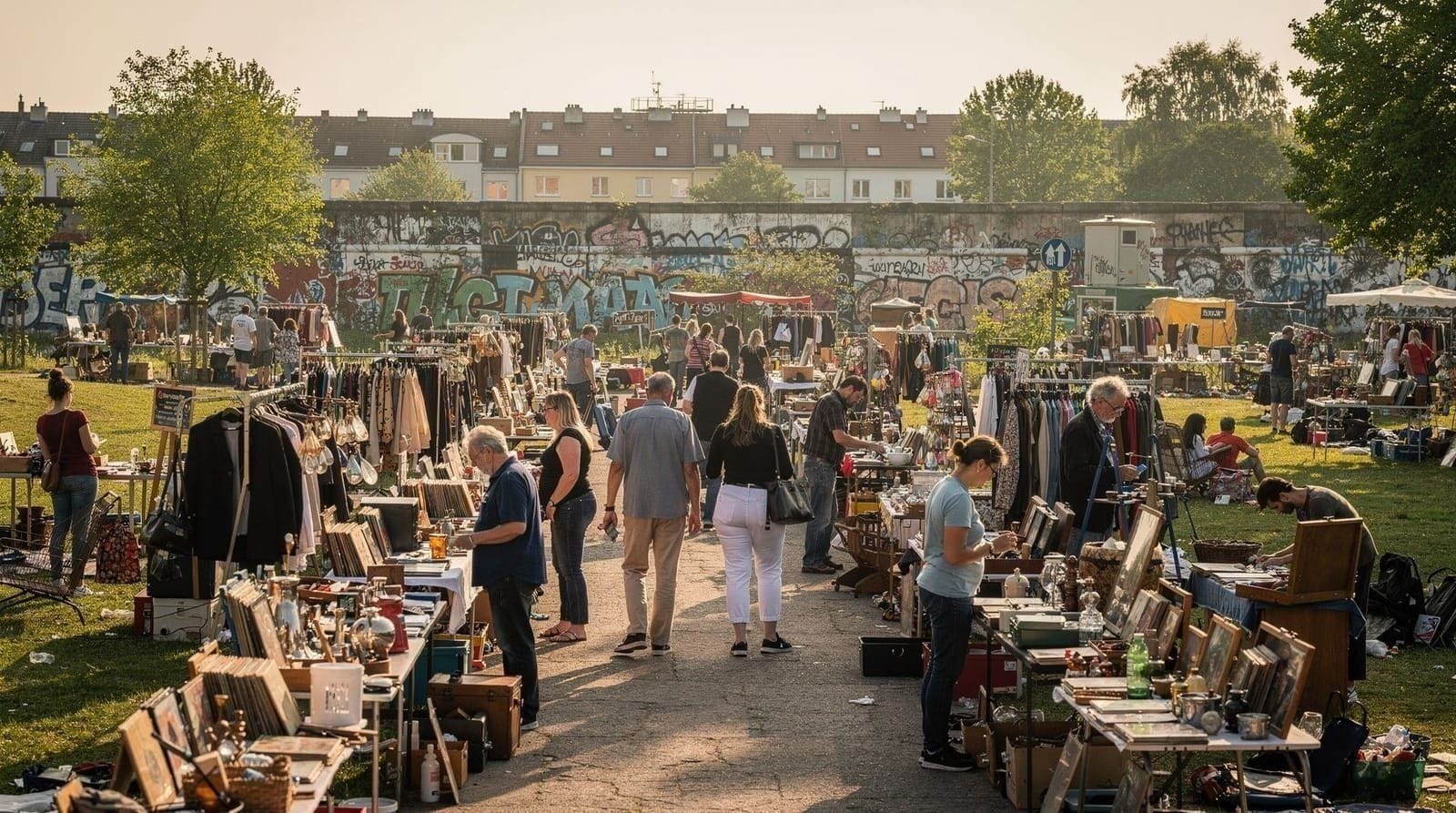
Flea markets — particularly Mauerpark (Sundays) — have substantial vinyl sections. The pricing is lower than specialist shops, but the curation requires more effort. GDR-era East German pressings (Amiga label) are consistently interesting: recordings of Western music licensed for sale behind the Iron Curtain, often with different sleeve artwork, and interesting as cultural documents of the period. The Kreuzberg record shops above sit within easy reach of the wider Kreuzberg neighbourhood guide’s other independent shopping streets.
What to look for at flea markets:
- Amiga label pressings: original pressings of Western pop and rock licensed for East German distribution. Artists include ABBA, the Rolling Stones, and others. The pressings are genuine vinyl and play well; their interest is partly sonic and partly historical.
- West German pressing of internationally released albums from the 1960s–1980s: often excellent quality pressings, priced at €3–15 for most items.
German food products — practical and genuinely regional
German food products are excellent souvenirs for the right audience — compact, genuinely regional, and often unavailable outside Germany.
From Berlin and the region:
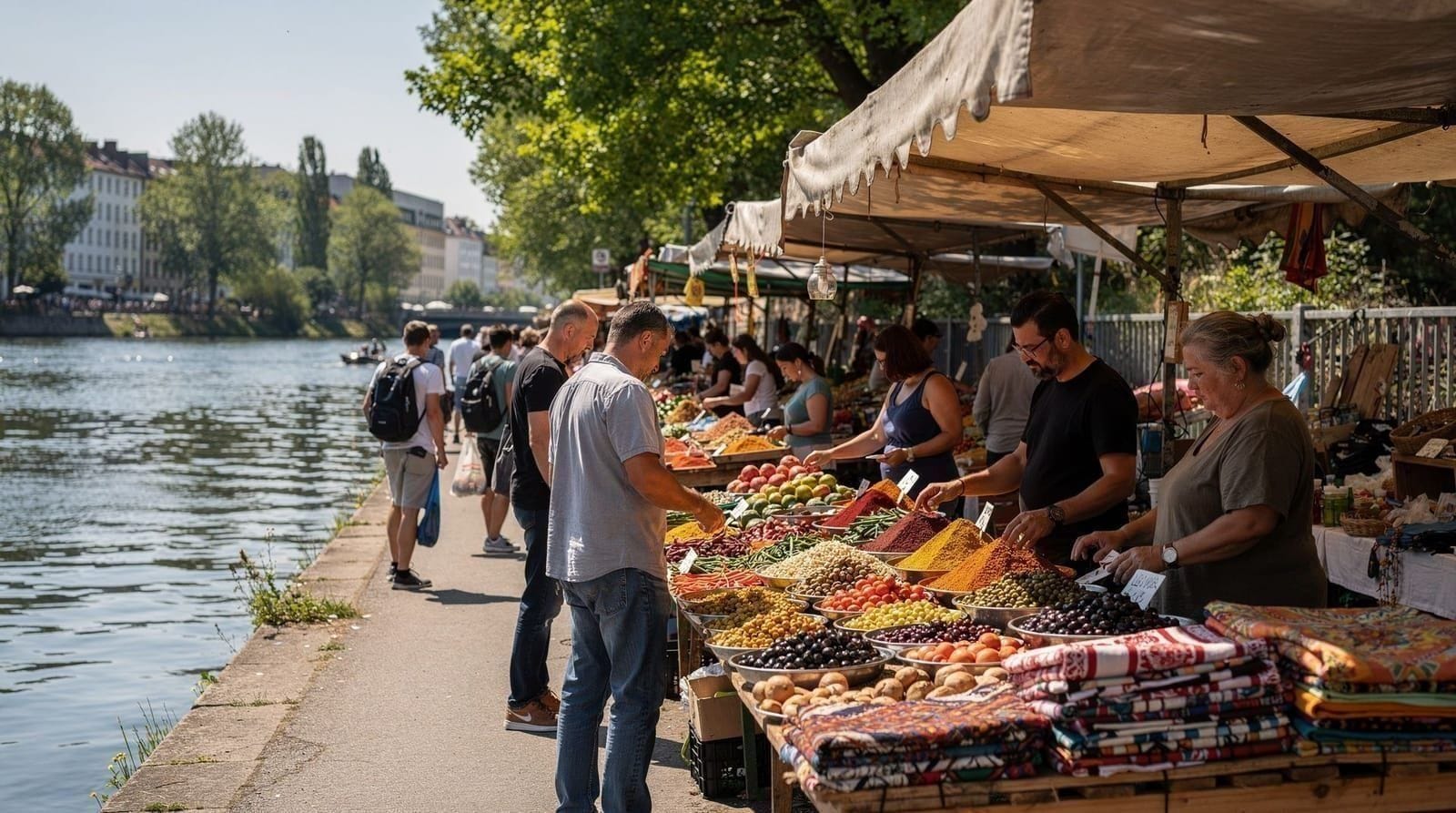
Spreewälder Gurken (Spreewald pickles): Cucumbers pickled in various styles from the Spreewald biosphere reserve south of Berlin. Protected geographical indication — only cucumbers grown in the Spreewald can carry this name. Available at KaDeWe’s food hall, at the Türkenmarkt (loosely from the barrel), and at specialist delis. A jar costs €2–5.
Berliner Pfefferkuchen: Spiced gingerbread in the Berlin tradition, distinct from the Nuremberg Lebkuchen. Drier and harder than most non-German gingerbread. Available in decorative tins at Christmas markets and year-round at Leysieffer or similar Berlin confectioners.
Berlin craft beer: BRLO, Berliner Berg, and Vagabund are the most significant Berlin microbreweries. All three produce beers in formats suitable for travel (cans or bottles). A six-pack from any of these makes a practical and genuinely local gift. Available at specialist beer shops and sometimes directly from the brewery taproom.
Rübenkraut (beet syrup): A dark, sweet syrup used in traditional German cooking and as a bread spread. Very German, compact, unusual to non-German audiences. Available at the KaDeWe food hall.
From Germany more broadly (available at KaDeWe):
Lübecker Marzipan: The original German marzipan from Lübeck, with protected designation. Distinctly better than most marzipan available outside Germany — higher almond proportion, less sugar. Available in chocolate-covered formats and as shaped confections.
Speck and regional sausages: Vacuum-packed versions travel well. German airports now commonly allow vacuum-packed meats in check-in luggage within EU; check current rules for non-EU destinations.
KaDeWe food hall as the single best source: If you want to buy multiple German food products in one place, the sixth-floor food hall at KaDeWe (Tauentzienstrasse, Charlottenburg) is the most comprehensive option. The downside is price — items here cost more than equivalent products at Rewe or at the Türkenmarkt. But the range, sourcing quality, and the experience of the space justify the premium for a one-stop shopping visit.
GDR collectibles — authentic East German items
The GDR (Deutsche Demokratische Republik, 1949–1990) produced a distinct material culture that is now collectible. Items from this period have a historical interest that generic “Berlin” merchandise lacks.
What to look for:
Pins and badges (Abzeichen): East Germany produced vast quantities of official pins — for youth organisations (Freie Deutsche Jugend, Thälmann Pioneers), state enterprises, political campaigns, and sports events. These are compact, identifiable, and cheap at flea markets (€1–5 each). The quality and variety are both high.
Postcards and printed ephemera: East German postcards from the 1950s–1980s are available at Mauerpark and Arkonaplatz flea markets for €0.50–3 each. Socialist-realist imagery, GDR tourist board scenes, and official photography make these historically interesting items.
Amiga vinyl records: As noted above, the GDR state record label for pop and rock music.
Trabant and GDR design items: Miniature Trabant models (the GDR’s iconic two-stroke car) are ubiquitously sold and range from tourist quality (avoid) to genuine vintage collectibles (available at flea markets). Original Trabant accessories and parts appear occasionally at Arkonaplatz.
Political memorabilia: Items from SED (the East German Communist Party) events, official certificates, and propaganda-printed items. These require some historical literacy to appreciate, but are compact and authentic. Available at Arkonaplatz and Tiergarten markets.
What to avoid in this category: Reproduction GDR items. The market for fake “vintage” GDR pins, postcards, and badges is smaller than the fake Wall fragment market but exists. At reputable flea markets (Arkonaplatz, Tiergarten), sellers are generally professional and items are genuine. At tourist markets near Checkpoint Charlie, treat any “GDR item” with the same skepticism as Wall fragments. The Mauerpark guide has full opening times and what else the Sunday flea market and park offer beyond shopping.
Where to base a souvenir-shopping day
Mauerpark and Arkonaplatz are both in Prenzlauer Berg, an easy pairing on a Sunday morning. Hackescher Markt (Ampelmann) and the KaDeWe food hall sit at opposite ends of the city, so plan them on separate days or accept a longer transit link between them. If shopping is only part of a broader day out, see the Berlin shopping guide for how souvenir hunting fits alongside Berlin’s wider retail scene, including department stores and design shops that this guide doesn’t cover in depth.
Handmade and design items
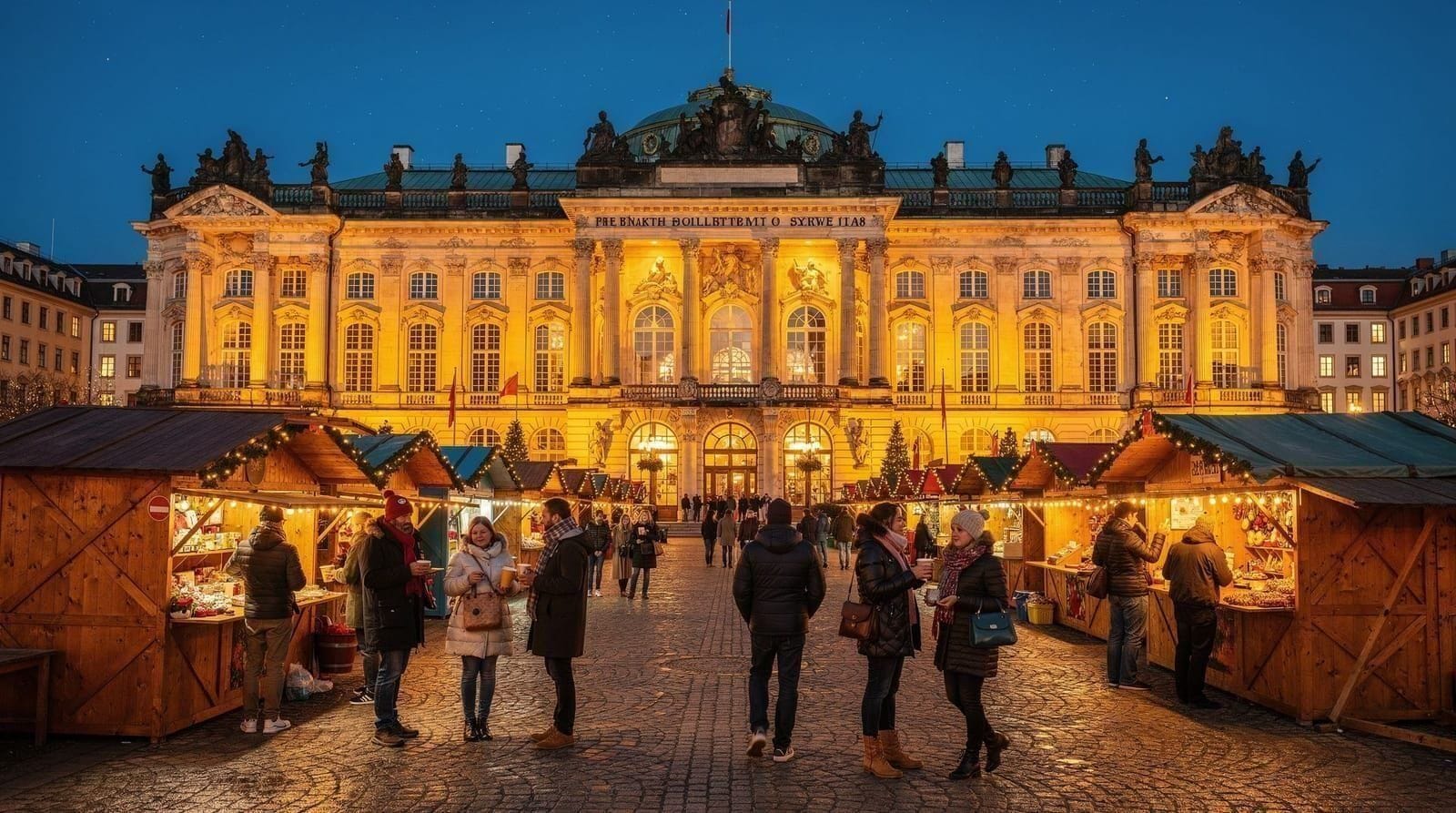
Erzgebirge wooden figures: The Ore Mountains region of Saxony (a 2-hour train from Berlin) has produced hand-carved wooden figures for centuries. At Berlin’s Christmas markets (particularly Gendarmenmarkt), Erzgebirge vendors sell nutcrackers, pyramids, and smoker figures (Räuchermänner) that produce incense smoke from their mouths. These are genuine craft items, not factory products — each is hand-painted and hand-turned. Prices: small nutcrackers €15–25, larger pieces €40–100+. Available November to December; for full details see the Berlin Christmas markets guide.
Local jewellery makers: The craft sections of Mauerpark and RAW Gelände markets have genuine makers selling handmade jewellery. Quality varies, but the better pieces (search out hallmarked silver work) are significantly better value than commercial jewellery stores. Prices €15–60 for most wearable pieces.
Independent art prints: Berlin has a dense concentration of independent artists and designers selling prints at markets and through independent shops. Original prints by Berlin artists (not reproductions of famous artworks) are available at Tiergarten and at independent galleries from €20–100. These are genuinely local and genuinely unique.
Shipping and packing considerations
Vinyl records and larger craft items need careful handling if you’re flying rather than driving. Record shops in Kreuzberg will typically wrap purchases in stiff card on request — ask, as it isn’t automatic. For fragile Erzgebirge figures bought at Christmas markets, keep the original box if offered; these wooden pieces travel poorly loose in a suitcase. If you’ve bought more than will comfortably fit in carry-on luggage, both DHL and the German postal service (Deutsche Post) offer reasonably priced international shipping from branches across the city — worth considering for a serious vinyl haul or bulk food-hall purchases, since checked-luggage weight limits catch out more visitors than they expect.
Seasonal souvenir shopping
Timing changes what’s available. November–December is the only window for Erzgebirge figures at their source prices and the widest Christmas market selection — see the Berlin Christmas markets guide for which markets specialise in craft versus food. Year-round, the Ampelmann shops, KaDeWe food hall, and Kreuzberg record shops operate on standard hours with no seasonal variation. Sundays only covers Mauerpark and Arkonaplatz — plan around this if souvenir flea-market shopping matters to your itinerary, since a Berlin trip that misses every Sunday misses this entire category of genuinely interesting purchases.
Where to buy — summary
| What | Where | Price range |
|---|---|---|
| Ampelmann items | Ampelmann shop, Hackescher Markt | €3–40 |
| Vinyl records | Hard Wax, Space Hall, Melting Point | €5–50+ |
| GDR collectibles | Mauerpark, Arkonaplatz, Tiergarten markets | €1–50 |
| German food products | KaDeWe food hall, Türkenmarkt | €2–20 |
| Erzgebirge figures | Gendarmenmarkt Christmas market (Nov–Dec) | €15–100+ |
| Craft jewellery | Mauerpark craft section, RAW Gelände | €10–60 |
| Wall fragments (verified) | Checkpoint Charlie Museum shop | €30–80 |
| Wall fragments (tourist stalls) | Checkpoint Charlie area | €5–15 (almost certainly fake) |
Frequently asked questions about Best souvenirs from Berlin
Are Berlin Wall fragments sold at tourist sites real?
Almost certainly not. The authentic Berlin Wall was demolished between 1990 and 1991. An estimated 45,300 precast concrete segments made up the final Wall, and essentially all of them were crushed for road aggregate or sold to official buyers during demolition. The fragments sold at stalls around Checkpoint Charlie, Alexanderplatz, and online are overwhelmingly either random concrete rubble, or pieces from buildings demolished in the same period as the Wall. Authentic Wall fragments with certified provenance exist — they are sold by specific auction houses and documentation centres, cost significantly more than market-stall prices, and come with verifiable paper trails.Where do you buy genuine Ampelmann merchandise?
The Ampelmann shops (ampelmann.de) are the licensed retailer for the Ampelmann brand. There are dedicated shops near Hackescher Markt (the main store), at Potsdamer Platz, and at BER airport. The independent Ampelmann shops stock a wider range at lower prices than airport or third-party sellers, and the quality is standardised. Buying from these shops supports the cultural initiative that revived the Ampelmann symbol after reunification.Are there any genuinely local Berlin food products worth bringing home?
Yes. KaDeWe's food hall is the best single source for German regional food products. Look for Spreewald pickled cucumbers (Spreewälder Gurken — a protected geographical product), Berlin Weisse syrup (the red or green raspberry syrup drunk with the local wheat beer), Rübenkraut (beet syrup used in regional cooking), and spiced gingerbread (Berliner Pfefferkuchen). These are compact, genuinely regional, and not widely available outside Germany.Where is the best place to buy vinyl records in Berlin?
For electronic music (techno, dub, minimal), Hard Wax in Kreuzberg is the specialist address — cash only, no online presence, high knowledge staff. Space Hall on Zossener Strasse is the most broadly stocked specialist with secondhand and new vinyl. Melting Point on Kastanienallee covers jazz, soul, and world music alongside electronic. Flea markets (particularly Mauerpark) have secondhand vinyl at lower prices but with more curation required.What are the best gifts from Berlin for people who are not particularly interested in Berlin?
German chocolate (particularly from small manufacturers, available at the KaDeWe food hall), craft beer from Berlin microbreweries (a 6-pack from BRLO or Berliner Berg travels well), a small Ampelmann item (universally recognisable design, compact), or a piece of original art or print from the Tiergarten antique and art market. These work as gifts without requiring the recipient to be interested in the city specifically.What should I absolutely avoid buying as a Berlin souvenir?
Fake Berlin Wall fragments (see above). Generic Berlin-branded merchandise (mugs, keyrings, T-shirts saying 'Berlin' in generic fonts) available in identical form at tourist markets in any major European city. Cheap 'handmade' items that are clearly factory-produced — inspect quality before buying. Also: tourist market Ampelmann merchandise that is not from an official Ampelmann shop — the quality and licensing varies substantially.