Berlin flea markets guide — every major market compared
Which are the best flea markets in Berlin and when do they run?
Berlin's five main flea markets run mainly on weekends. Mauerpark is the largest and most famous (Sundays, Prenzlauer Berg). Boxhagener Platz is the most neighbourhood-authentic (Sundays, Friedrichshain). Arkonaplatz is the most curated for antiques (Sundays, Mitte/Prenzlauer Berg border). RAW Gelände is the most alternative (weekends, Friedrichshain). The Tiergarten art and antiques market is the most upscale (Saturdays and Sundays, central).
Berlin’s flea market scene is one of the best in Europe. The city’s combination of history (two distinct cultures producing separate streams of vintage goods), demographics (a large young population with limited disposable income, sustaining secondhand culture), and urban geography (affordable space for outdoor markets in parks and former industrial sites) has created a rich and varied market landscape.
This guide covers the five most significant flea markets in the city, with practical details on each.
| Best overall | Mauerpark (Sunday, Prenzlauer Berg) |
| Best prices | Boxhagener Platz (Sunday, Friedrichshain) |
| Best for antiques | Arkonaplatz or Tiergarten |
| Payment | Cash only at almost every stall |
| Arrive by | Within the first hour of opening for the best selection |
1. Mauerpark flea market — the famous one
Location: Bernauer Strasse / Mauerpark, Prenzlauer Berg Transport: U2 to Eberswalder Strasse (10 minutes’ walk) or tram M10 Day and hours: Sunday, 9am to 6pm Stall count: 150–200+ (varies seasonally) Entry: Free
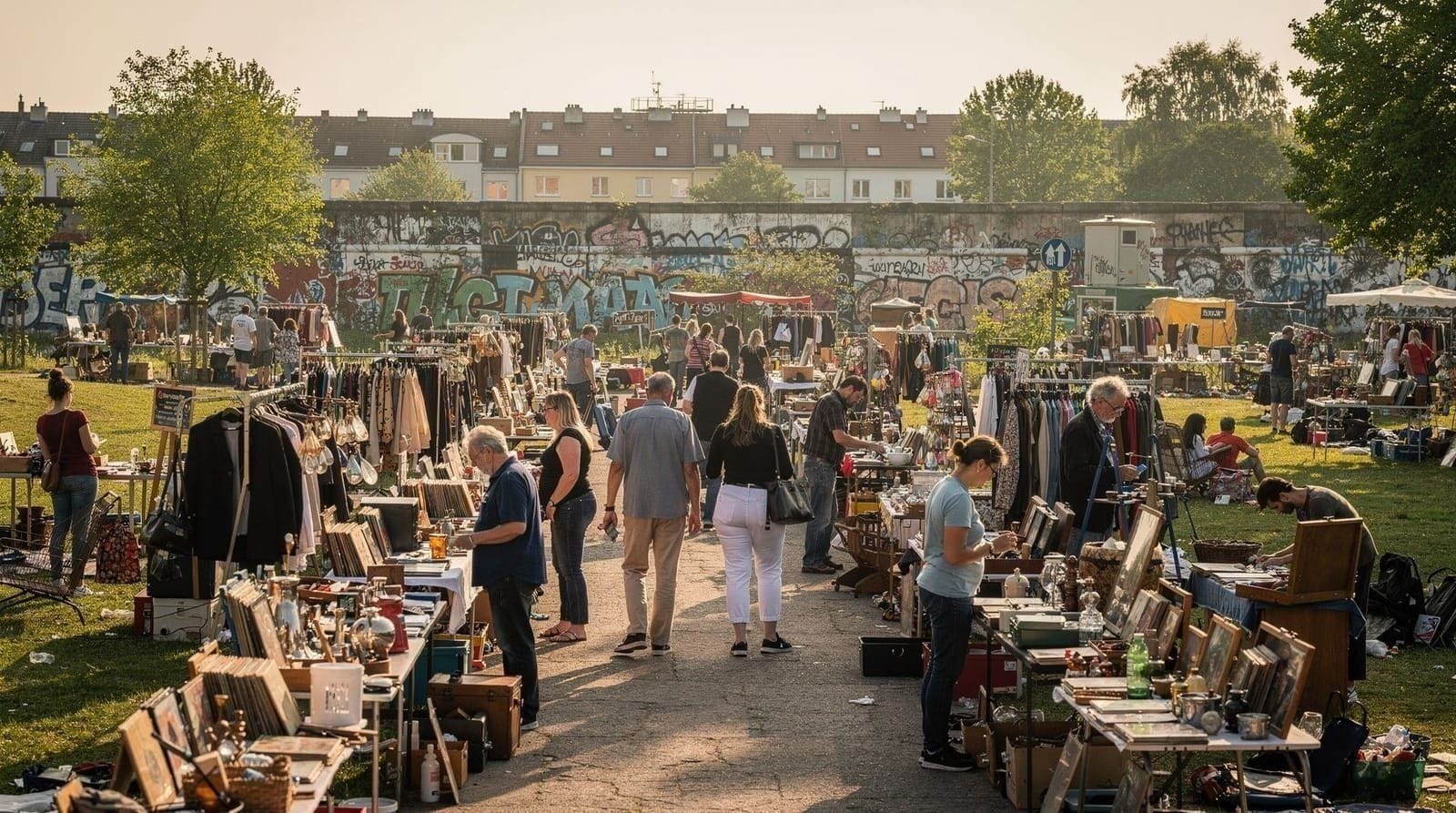
Mauerpark is Berlin’s most famous flea market and is significantly larger than all others. The market occupies the northern half of Mauerpark — a park built on the former Berlin Wall death strip — and fills the streets adjacent to Bernauer Strasse.
The market mixes private sellers clearing flats with professional vintage dealers and a section of contemporary craft sellers. The range is the widest of any Berlin market: vintage clothing, vinyl records, secondhand books, furniture, GDR collectibles, handmade jewellery, street food, and general bric-a-brac all coexist within the market boundary.
Strengths: Scale, variety, and the bear pit karaoke (an open-air singing event in the park’s amphitheatre, running from around noon). The volume of stalls means genuine finds are possible if you arrive early.
Weaknesses: By mid-morning in summer, the market lanes are extremely crowded. Pricing has increased over the years as Mauerpark’s tourist profile has grown — professional vintage dealers charge more than private sellers, and the difference is not always obvious at first glance. Some stalls near the main entrance are priced for tourist trade rather than resident trade.
Best strategy: Arrive at 9am, focus on the areas furthest from the main Bernauer Strasse entrance (where prices tend to be lower and sellers more likely to be private individuals), and buy by noon.
For the full Mauerpark guide including the karaoke, Cold War history of the park, and transport details, see the dedicated Mauerpark flea market guide.
2. Boxhagener Platz — the neighbourhood favourite
Location: Boxhagener Platz, Friedrichshain Transport: U5 to Frankfurter Tor (5 minutes’ walk), or tram M10 Day and hours: Sunday, 9am to 5pm Stall count: 60–100 Entry: Free
Boxhagener Platz is the flea market least affected by tourist attention — it remains primarily a neighbourhood market serving Friedrichshain residents. The square itself is one of the more pleasant in the former East Berlin, tree-lined and without major traffic, and functions as a community gathering point on Sundays.
The market is smaller than Mauerpark but has a more coherent character. Most sellers are private individuals clearing unwanted items from their flats. Professional dealers are present but fewer. The pricing reflects this: lower average prices than Mauerpark, and more scope for finding genuinely under-valued items from sellers who simply want things gone.
What you will find: Secondhand clothing (a lot of everyday items, with occasional good vintage pieces), vinyl records, books (mostly German), kitchen items, small electronics, toys, and miscellaneous furniture. Less handcraft than Mauerpark — this is more purely a secondhand market.
Strengths: Authentic neighbourhood atmosphere, lower prices, less crowded than Mauerpark.
Weaknesses: Fewer stalls and less overall range. The vinyl and vintage clothing sections are smaller than Mauerpark’s.
Practical note: Boxhagener Platz also has a Saturday farmers’ and organic market (different from the flea market, operating on the same square). If you are in Friedrichshain on a Saturday, the Wochenmarkt (weekly market) is also worth visiting for food.
After the market, the surrounding streets of Friedrichshain have good cafe and brunch options (Revaler Strasse and Simon-Dach-Strasse are the main concentrations). For the wider neighbourhood context — where to eat, other things to do nearby — see the Friedrichshain guide.
3. Arkonaplatz — the antique and vintage specialist
Location: Arkonaplatz, Mitte (near the Prenzlauer Berg border) Transport: U8 to Bernauer Strasse (10 minutes’ walk), or tram M10 to Arkonaplatz Day and hours: Sunday, 10am to 4pm Stall count: 50–80 Entry: Free
Arkonaplatz sits at the junction of Mitte and Prenzlauer Berg and operates as a more specialised antique and vintage market. Unlike Mauerpark’s mixed-sell format, Arkonaplatz trends toward pre-1970 items: genuine antiques, 1920s–1950s homeware, vintage jewellery, early twentieth-century photography and ephemera, and mid-century furniture.
Who sells here: Primarily professional dealers who have made considered purchases from estate sales and who price their items accordingly. This is not a clearance market — sellers know what they have and price it at or near market value.
What you will find:
- Pre-war German ceramics and porcelain
- Vintage photography and framed artwork from the 1920s–1950s
- Mid-century German furniture (Bauhaus-influenced chairs, lamps, sideboards)
- Vintage jewellery (costume jewellery, bakelite items, art deco pieces)
- Typewriters, early cameras, and mechanical objects
- Books, postcards, and printed ephemera from the early 20th century
Prices: Higher than Mauerpark for equivalent items, but the items are more consistently verified and better curated. A 1930s German ceramic piece might cost €15–50; a mid-century lamp €30–100; a genuine East German Amiga vinyl pressing €5–20.
Strengths: Genuine quality, more reliable provenance than a general flea market, good for collectors of specific categories.
Weaknesses: Smaller selection than Mauerpark; opens at 10am (later than Mauerpark); prices are non-negotiable with some dealers.
4. RAW Gelände weekend market — the alternative scene
Location: Revaler Strasse 99, Friedrichshain (RAW Gelände cultural complex) Transport: U1/U3 to Warschauer Strasse (10 minutes’ walk), or S-Bahn S3/S5/S7/S9 to Warschauer Strasse Day and hours: Saturday and Sunday, 10am to 5pm (approximate — check current schedule) Stall count: Varies, typically 40–80 Entry: Usually free during daytime market hours
RAW Gelände (Reichsbahnausbesserungswerk — a former railway repair yard) is a cultural complex in Friedrichshain that has housed various alternative uses since the 1990s: skate parks, climbing walls, music venues, and outdoor bars. The weekend market operates within the complex.
The market character is the most countercultural of the five described here. Expect:
Handmade and independent items: Clothing made by the seller, printed textiles, alternative craft items, vintage rework pieces (deadstock fabrics sewn into new shapes).
Vintage clothing: A good vintage clothing section, generally competitive with Mauerpark’s vintage dealers.
Music and subculture items: Vinyl (particularly techno, punk, and electronic), DIY zines, band merchandise from local and international acts.
Food and drink: Outdoor food stalls operating within the complex throughout the weekend, often with higher quality and more interesting cuisine than standard market stalls. In summer, outdoor bar culture at RAW makes the weekend market an all-day destination.
Strengths: The most interesting atmosphere of any Berlin market for visitors interested in the city’s alternative and club culture. The food and drink options are significantly better than at general flea markets.
Weaknesses: The market component is less structured and consistent than the others described here. Stall counts vary considerably by season and booking cycle. In winter the outdoor market contracts substantially.
Best time to visit: Saturday or Sunday in spring/summer (May to September), when the full outdoor culture of RAW Gelände is operating. The market and the cultural complex work best together as a half-day destination. For more on eating around Friedrichshain and neighbouring Kreuzberg, see the street food scene guide and the Kreuzberg food guide.
5. Tiergarten antiques and art market — the upscale option
Location: Strasse des 17. Juni, Tiergarten (between Ernst-Reuter-Platz and Tiergarten station) Transport: S-Bahn S5/S7/S9 to Tiergarten, or U2 to Ernst-Reuter-Platz Day and hours: Saturday and Sunday, 10am to 5pm Stall count: 80–150 (varies seasonally) Entry: Free
The Tiergarten market is the most established and the most upscale of Berlin’s regular markets. It runs along the central axis of the Tiergarten park on Saturday and Sunday and concentrates specifically on antiques and art — two distinct sections that flow into each other.
Antiques section: Professional dealers with vintage and antique items from across Europe. Quality ranges from genuine antiques (pre-1900 European furniture, silverware, porcelain) to twentieth-century vintage collectibles. Pricing is serious — dealers know their inventory, and very few items are under-valued.
Art section: Paintings, prints, photographs, and drawings from professional artists and from dealers specialising in original art. Some is estate-sale material; some is from working artists who use the market as a selling venue.
What to expect:
- Pre-war German and European decorative items
- Original oil paintings and watercolours (€50–500+ for most pieces)
- Vintage maps and framed prints
- Silverware and jewellery
- High-quality vintage clothing and accessories (more formal pieces — fur stoles, vintage tailoring)
Prices: This is the most expensive Berlin market. Dealers here price for collectors and informed buyers. Negotiation is possible but modest discounts (10–15%) rather than the 30% typical at Mauerpark.
Strengths: The most reliable sourcing for genuine antiques and original art. The setting (along the Tiergarten central axis, adjacent to the park) is beautiful in good weather.
Weaknesses: High prices; less suitable for casual browsing if budget is limited; the formal antique market format lacks the spontaneity of Mauerpark or Boxhagener Platz.
Comparison table
| Market | Day | Hours | Best for | Price level |
|---|---|---|---|---|
| Mauerpark | Sunday | 9am–6pm | Variety, vintage clothing, records | Low–medium |
| Boxhagener Platz | Sunday | 9am–5pm | Authentic neighbourhood feel, bargains | Low |
| Arkonaplatz | Sunday | 10am–4pm | Antiques, pre-war items, collectibles | Medium |
| RAW Gelände | Sat + Sun | 10am–5pm | Alternative culture, vinyl, handmade | Low–medium |
| Tiergarten | Sat + Sun | 10am–5pm | Antiques, art, serious collecting | Medium–high |
A weekday alternative: the Turkish market
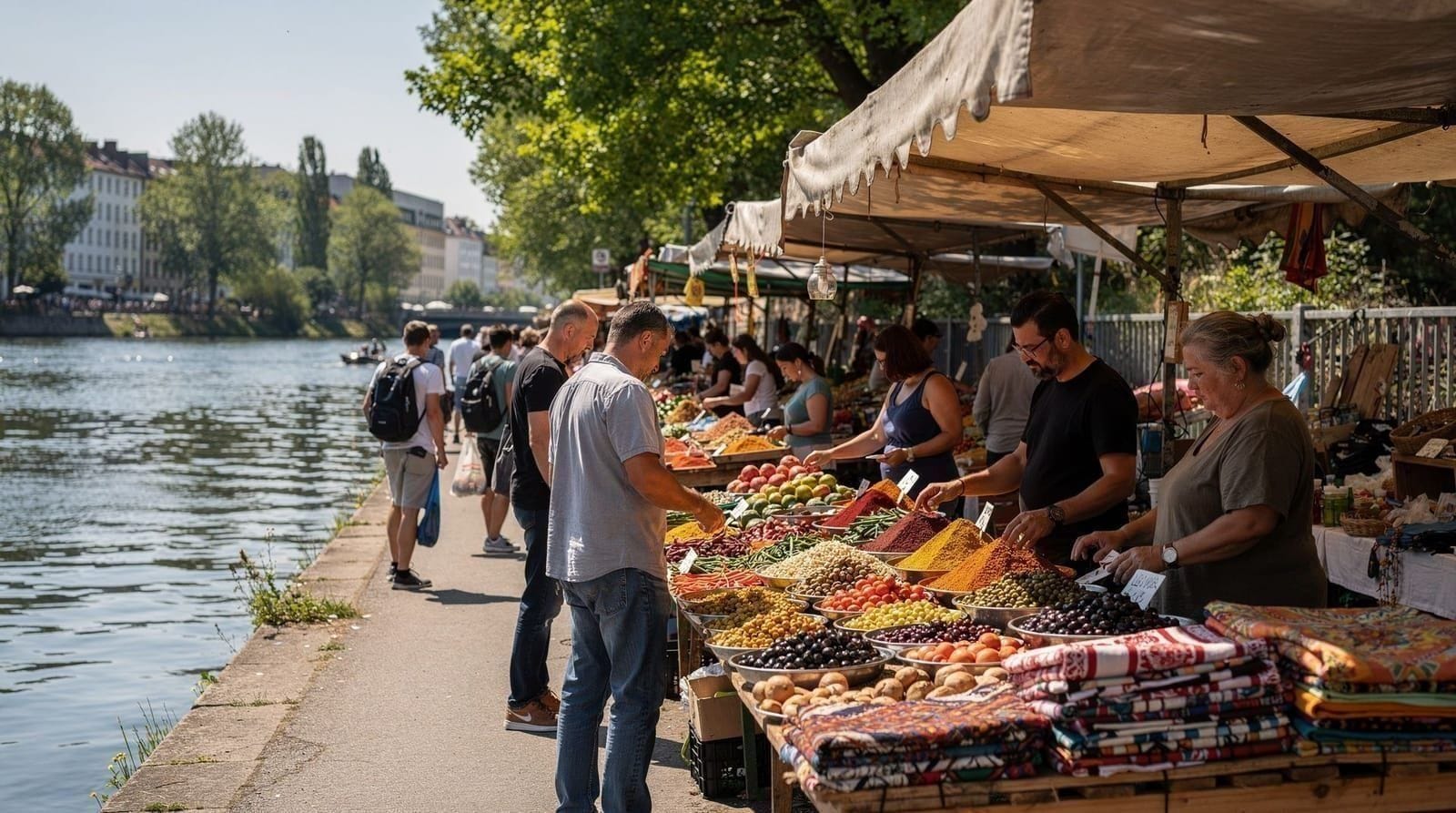
If your Berlin trip doesn’t line up with a weekend, the Türkenmarkt (Turkish market) at Maybachufer runs Tuesday and Friday afternoons in Neukölln — it’s a food and household-goods market rather than a flea market, but it’s a genuinely useful stand-in for travellers whose only free days fall midweek. Produce, fabrics, spices, and household items dominate rather than vintage clothing or antiques, so treat it as a complementary trip rather than a substitute for Mauerpark or Boxhagener Platz.
Buying gifts and souvenirs at the markets
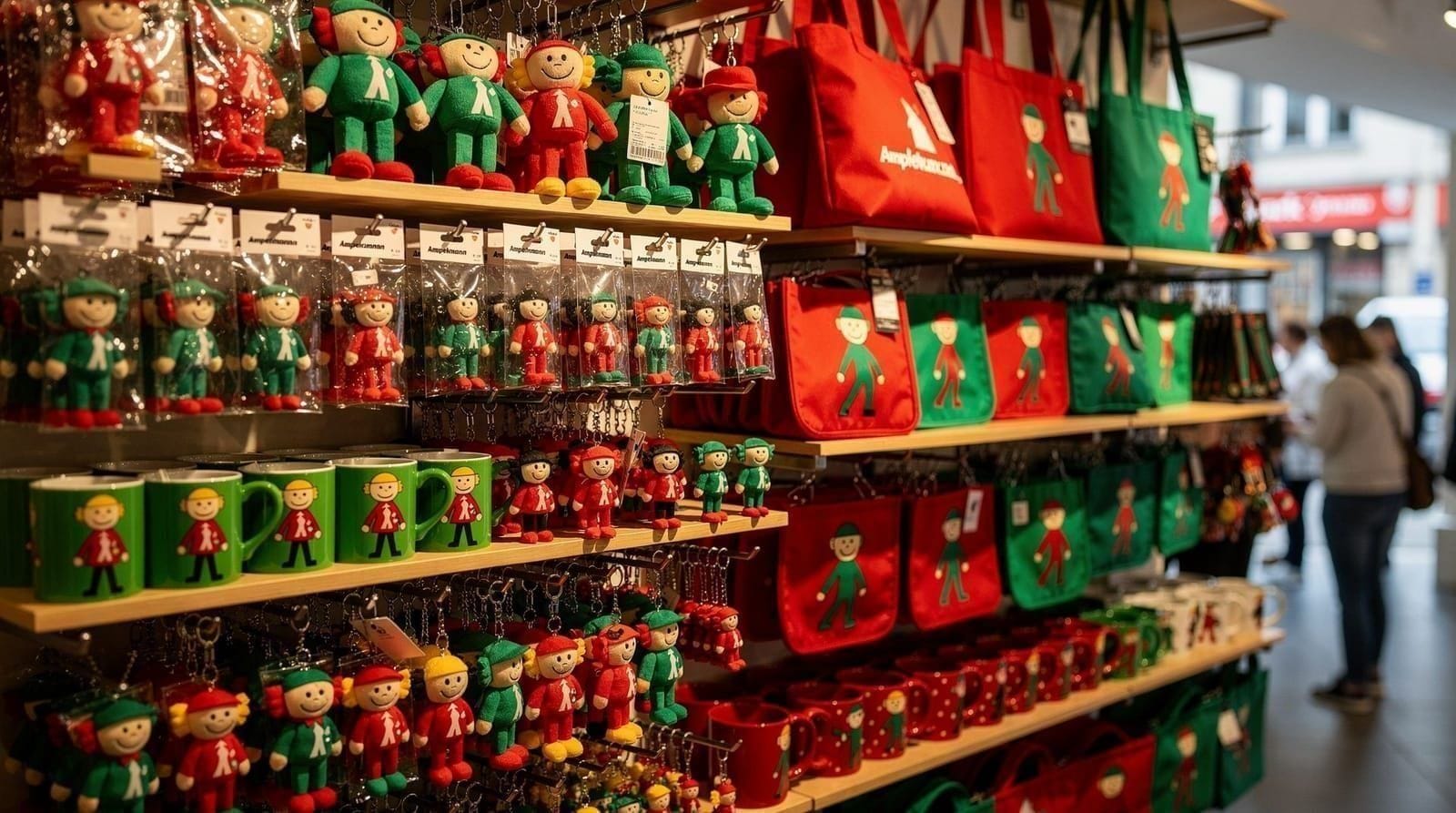
Flea markets are a far better source of genuine Berlin souvenirs than the gift shops around Brandenburg Gate or Checkpoint Charlie. GDR-era items (Ampelmann memorabilia, Amiga vinyl, enamel signage), mid-century design pieces, and vintage postcards of the divided city all turn up regularly at Mauerpark and Arkonaplatz, and cost a fraction of what an equivalent “vintage-style” item costs in a Mitte souvenir shop. See our best souvenirs from Berlin guide for what’s genuinely worth carrying home versus what’s mass-produced filler, and the broader Berlin shopping guide for retail beyond the markets.
Practical advice for all Berlin flea markets
Cash: All flea markets in Berlin operate primarily on cash. Bring enough for your expected spending plus a buffer for unexpected finds. ATMs are available near each market but may have queues on busy Sunday mornings.
Timing: For the best selection and most comfortable shopping at all markets, arrive within the first hour of opening. By midday the crowd density at popular markets makes browsing harder and the best items are gone.
What to bring: A reusable bag (large enough for any clothing or vinyl purchases), cash in small denominations, and a portable card reader if you are a seller.
Authenticity: Berlin flea markets are not primarily tourist attractions — they are active secondhand markets used by the local population. The experience is more raw and less curated than vintage boutiques. This is a feature, not a bug.
Seasonal variation: All outdoor markets are significantly larger and more active in spring and summer (April to September). Winter markets continue at all locations but with reduced stall counts. December is the exception — the weeks before Christmas can see market sizes increase again.
Combining two markets in one Sunday
Because Mauerpark, Boxhagener Platz and Arkonaplatz all run Sunday mornings, a reasonably fit visitor can cover two in a single day if timed carefully. The most efficient pairing is Arkonaplatz (opens 10am, smaller so quicker to browse) followed by Mauerpark (a 20–25 minute walk or a short tram ride via M10) for the afternoon — arrive at Arkonaplatz right at opening, spend 60–90 minutes, then move on to Mauerpark by late morning before its crowds peak. Pairing Mauerpark with Boxhagener Platz on the same day is possible but less comfortable: they sit on opposite sides of the city (U2 plus U5, roughly 35–40 minutes door to door), and both markets reward unhurried browsing rather than a rushed transfer between them. If you only have one Sunday and want the antique-hunting plus general-browsing combination, Arkonaplatz-then-Mauerpark is the pairing worth planning around.
Frequently asked questions about Berlin flea markets guide
When are Berlin flea markets open?
Most Berlin flea markets operate on Sundays. Several also run on Saturdays. The Tiergarten market (near Strasse des 17. Juni) runs Saturdays and Sundays. Mauerpark is Sunday only. Boxhagener Platz is Sunday only. Arkonaplatz is Sunday only. RAW Gelände runs weekends (both Saturday and Sunday). None of the major flea markets operate Monday to Friday.Are Berlin flea markets cash only?
The vast majority of Berlin flea market stalls are cash only. Professional antique dealers at Tiergarten may accept card payment, but this is uncommon. Come with enough euros for anticipated purchases. ATMs are available near most markets but can have queues on busy Sunday mornings.What is the difference between a Flohmarkt and an Antikmarkt?
A Flohmarkt is a general flea market with private sellers, professional dealers, and craft vendors mixed together — prices vary widely, secondhand goods dominate, and bargaining is expected. An Antikmarkt is an antique market with professional dealers specialising in vintage and antique items, usually with higher quality and higher prices. Berlin has both; the Tiergarten market is the most prominent Antikmarkt, while Mauerpark and Boxhagener Platz are primarily Flohmärkte.Can I sell at Berlin flea markets as a private individual?
Yes. Most Berlin flea markets allow private sellers to book a stall space. Prices typically range from €10–25 per space for private sellers. You usually need to pre-book (often online) rather than turning up on the morning. Professional dealers have longer-term arrangements with the market organisers.What should I look for at Berlin flea markets?
Vintage clothing (particularly leather, denim, and knitwear from the 1970s–1990s), vinyl records (especially GDR Amiga label pressings), East German collectibles and ephemera, mid-century furniture and ceramics, handmade jewellery and craft items, and secondhand books (mainly German, some English). Prices for vintage clothing typically run €5–50 depending on condition and the seller's assessment of the item.Is negotiating prices expected at Berlin flea markets?
Yes, negotiation is standard practice. For items over €5–10, offering 20–30% less than the asking price is normal and expected. In German, "Können Sie beim Preis etwas machen?" (Can you do something on the price?) is polite and effective. Very low-priced items (under €3) are usually fixed. Professional dealers at Tiergarten are less flexible than private sellers at Mauerpark.Are there flea markets in Berlin for furniture?
Larger furniture pieces appear at most general flea markets, but logistics limit what is practical to buy as a visitor. The Tiergarten market and some specialist weekend markets in Charlottenburg have more dedicated furniture dealers. Unless you are shipping purchases home or have transport, focus on portable items.Is there a flea market open midweek in Berlin?
The main flea markets (Mauerpark, Boxhagener Platz, Arkonaplatz, RAW Gelände, Tiergarten) all run on weekends only. If your only free days are midweek, the Türkenmarkt at Maybachufer in Neukölln runs Tuesday and Friday afternoons, though it's a food and household-goods market rather than a vintage or antiques flea market.Are Berlin flea markets good for buying souvenirs?
Yes, often better than dedicated souvenir shops. GDR-era items, mid-century design, and vintage postcards of divided Berlin turn up regularly at Mauerpark and Arkonaplatz and typically cost less than "vintage-style" reproductions sold near major tourist sites.