How to visit the Reichstag dome in Berlin — free booking guide and what to avoid
Berlin: Reichstag, Dome and Government District Guided Tour
How do you visit the Reichstag dome in Berlin?
The Reichstag dome is free to visit but requires advance registration at bundestag.de — you cannot simply show up. You'll need to provide the full name, date of birth, and nationality of every adult in your group. Slots book up 2–4 weeks ahead in peak season, so register as soon as your travel dates are confirmed.
The Reichstag dome is one of the very few world-class Berlin sights that costs nothing to visit — but the free booking system trips up more travelers than any other single attraction in the city. This guide covers exactly how to register, what to expect once inside, and how to tell a genuinely useful paid tour from one that resells something you could have booked for free.
| Cost | free (booking required); paid tours around EUR 20-35 |
| Booking | 2-4 weeks ahead in peak season (Apr-Oct); 5-7 days in winter |
| Time needed | around 90 minutes including security |
| Getting there | S-Bahn Brandenburger Tor (8 min walk) or Bus 100 |
| Bring | photo ID matching your online registration |
The single most important thing to know: the dome is free
The glass dome on top of the Reichstag building is free to visit. No entry ticket. No charge. Zero euros.
This matters because a significant number of operators on booking platforms sell “Reichstag tours” for €25 to €50 that appear to offer dome access as a product. Some of them are legitimate. Some are selling you something you can get for nothing. Understanding the difference before you book will save you money and — depending on which operator you choose — either waste your time or give you an excellent morning in one of Berlin’s most historically dense neighbourhoods.
The building itself is the seat of the Bundestag, the German federal parliament. It is not a tourist attraction that happens to have a dome — it is a working parliament building that allows public access as part of a deliberate transparency policy. That context shapes the experience in ways that matter.
The booking requirement. Free does not mean walk-up. To visit, you must register in advance at bundestag.de, the official German parliament website. During registration you provide the full name, date of birth, and nationality of every adult in your group. This information is used for a security check — the building operates airport-level screening, and the name on your ID must match your registration exactly or you will be turned away.
How far ahead. During peak season — roughly April through October — slots fill 2 to 4 weeks in advance. Weekend evenings with good light are the first to go. Book as soon as your travel dates are confirmed. In November through March you can usually find slots 5 to 7 days ahead, sometimes less.
The building is not optional background. The Reichstag was burned in 1933 — an arson that served as the pretext for the Nazis’ emergency decrees. It sat derelict and bullet-scarred on the western edge of a divided city for four decades, the Wall running directly past its front steps, the Soviet War Memorial within earshot. After reunification, Norman Foster’s rebuild — keeping the shell, adding the glass dome — was a deliberate act of democratic symbolism. None of this is incidental to standing inside the dome. It is the reason the experience carries weight.
Step-by-step: how to book the Reichstag dome for free
The process is straightforward but has a few steps that catch visitors out.
1. Go to bundestag.de/en
The official website has an English version. Navigate to “Visit the Bundestag” and then to the dome/roof terrace booking section. Do not use third-party sites for this — the official booking is the only valid channel.
2. Create an account and register your group
You need to create a user account. Then enter the full legal name, date of birth, and nationality of every adult visiting. Children are included in the group but do not require the same level of documentation. This is a genuine security registration — the Bundestag runs background checks on visitor data before confirming bookings.
3. Choose your time slot
The dome is open daily from 8am to midnight, with last admission at 10pm. Booking gives you a 90-minute window. Options include dome only, or dome plus roof terrace. The Käfer restaurant on the roof is a separate reservation, also bookable on the website at no cost for entry (food and drink are priced normally).
Evening slots from 7pm onward offer good light in summer and tend to be popular — book these first if available.
4. Receive your confirmation
Confirmation arrives by email. Save it — you may be asked to show it at the security checkpoint along with your ID.
5. On the day: arrive 10 to 15 minutes early
Security screening is airport-standard. Remove electronics, belts, and jackets. Large bags are not permitted inside the dome area; there are cloakroom facilities. Go through the checkpoint, present your ID and confirmation, and you are in.
6. Inside: the audio guide is free and multilingual
A multilingual audio guide is provided as part of the free visit. It covers both the architectural history of Foster’s dome and the political history of the Reichstag as a building. It is genuinely informative and worth using.
Photography is unrestricted inside the dome and from the roof terrace.
What operators selling “Reichstag tours” are actually selling
This is where the honest-planner portion of this guide is most useful.
Search for “Reichstag tour” on the major booking platforms and you will find products ranging from €15 to €60. They are not all the same. They fall into two distinct categories.
Category one: resold dome access with no added value
Some operators offer products described as “Reichstag dome access with guide” or “skip the line Reichstag” that, when you read the fine print, amount to this: they have booked bundestag.de slots in advance and will supply you with registration details for their booking. You show up, they meet you outside, and you go through standard free entry. The “guide” may give a brief introduction in front of the building, or may not. The product is worth roughly €0 because everything included in it is available free if you book it yourself.
How to identify this: the tour description focuses almost entirely on dome access. It is short — 60 to 90 minutes total. There is no mention of walking through the government district or covering surrounding buildings. The price is suspiciously low for a guided tour (€15–30) or the description is vague about what the guide actually explains.
Avoid these.
Category two: government district walking tours that include the dome
The second category is a legitimate product and worth considering seriously. These are 2.5 to 3-hour guided walking tours of the government quarter — the remarkable concentration of modern democratic architecture that surrounds the Reichstag. The guide covers the Paul Löbe Haus, the Bundeskanzleramt (Chancellor’s Office), the Marie-Elisabeth-Lüders-Haus, the history of the Spreebogen bend, what stood on these sites under the Third Reich, and how the Wall divided this specific piece of land. The dome visit is included as the culmination of the tour, not as the sole product.
These tours add genuine, substantial value that the free self-guided visit does not replicate. An expert who can point at the Chancellor’s Office and explain exactly what happened 100 metres from that spot in 1944 is not something an audio guide replicates.
Book a guided tour of the Reichstag dome and Berlin government districtHow to identify a legitimate tour: the description emphasises the government district walking component. It runs 2.5 hours or more. There is a named meeting point that is not the Reichstag entrance itself. The price reflects a full guided tour (typically €20–35 for 2–3 hours of expert guiding). The operator’s other products are full walking tours, not just venue access.
Book a government quarter walking tour including the Reichstag domeIf you want the dome experience without a guide, book bundestag.de for free and read the rest of this guide. If you want historical and political context that genuinely deepens what you see — the legitimate guided tours earn their price.
Free self-booking vs paid guided tour
| Self-book at bundestag.de | Legitimate guided tour | |
|---|---|---|
| Cost | free | around EUR 20-35 |
| Duration | around 90 min | 2.5-3 hours |
| Covers | dome, roof terrace, audio guide | dome plus government district history |
| Best for | independent travelers, budget trips | first-timers wanting expert context |
| Booking window | 2-4 weeks peak season | varies by operator, often shorter |
Inside the Reichstag dome — what to expect
Norman Foster’s glass dome opened in 1999, three years after Christo and Jeanne-Claude wrapped the entire building in silver fabric as part of their Wrapped Reichstag project. The installation — 100,000 square metres of fabric, visible from across the city — was partly a farewell to the building’s emptiness and partly a provocation about memory and concealment. Foster’s dome replaced an earlier dome destroyed in the Second World War.
The architecture. The dome is 23.5 metres high. A double spiral ramp — 300 metres total — winds up the interior walls to an open-air oculus at the top. The ramp is accessible and gently graded; it takes about 15 minutes to walk from base to top at a leisurely pace.
At the centre of the dome is a conical mirrored structure that runs from the oculus down to the plenary chamber below. The mirrors serve two functions: they reflect natural light downward into the debating chamber, reducing artificial lighting needs; and they allow visitors inside the dome to look down through a glass floor section into the parliamentary chamber where the Bundestag sits. On days when parliament is in session, you can see the chamber from above.
The views. From the top of the ramp and the open-air area around the oculus, the views cover 360 degrees of central Berlin. The Tiergarten stretches west. The Brandenburg Gate is visible immediately to the southeast. Potsdamer Platz’s cluster of corporate towers rises to the south. The TV Tower marks Alexanderplatz to the east. On clear days the view extends further east into the flatter urban districts toward the Ring.
The audio guide. The multilingual guide is collected at the base of the dome and covers both the architectural logic of the Foster structure and the political history of the Reichstag through fire, abandonment, and reconstruction. It is well-written and takes about 45 minutes to complete at a normal pace.
The roof terrace. The terrace surrounds the base of the dome and offers ground-level views from the rooftop. Less dramatic than the dome interior, but useful if you want to stand outside in open air.
The government quarter — why it is worth more than just the dome
The Reichstag does not sit in isolation. It anchors a district of modern democratic architecture that was deliberately designed after reunification to embody specific values — transparency, openness, the accessibility of government — while standing on ground that had embodied precisely the opposite for twelve years.
What surrounds the Reichstag. To the north, the Paul Löbe Haus and Marie-Elisabeth-Lüders-Haus — two modern parliamentary office buildings connected by a bridge over the Spree — house committee rooms and parliamentary offices. The bridge connection is not decorative: it literally joins the buildings that were once on opposite sides of the Wall. To the west, the Bundeskanzleramt (Federal Chancellery) is one of the largest government buildings in the world, its distinctive H-shape visible from the Tiergarten.
What used to stand here. The Spreebogen bend — the arc of the Spree river around which this district is organised — was one of the most politically contested pieces of land in 20th-century Europe. The Reichstag stood on the western edge of the Reich, close enough to the Nazi government district that the SS and SA headquarters were within 200 metres. During the division of the city, the Reichstag stood in West Berlin but directly adjacent to the Wall; the east side of the building faced East Germany. West Berliners used the roof terrace to look across the Wall. The plenary chamber was not used as a working parliament until 1999 — for four decades it hosted exhibitions, not debates.
A guided tour of this district covering the architectural history, the Cold War geography, and the contemporary parliamentary buildings turns a dome visit into a coherent historical experience.
Watching parliament in session. Separate from the dome visit, it is possible to register to observe a Bundestag plenary debate from the visitors’ gallery when parliament is sitting — a different booking process from the dome, also free, also requiring advance registration and ID. Sessions are announced on the bundestag.de calendar and tend to book out fast for high-profile debates. This is a genuinely different experience from the dome visit: you are watching live legislative proceedings rather than looking down through a glass floor, and it is worth doing if your dates align and you have any interest in German politics.
Book a guided tour of the Berlin government district and ReichstagWhat to see nearby (free)
The Reichstag is within 15 minutes’ walk of several of Berlin’s most important free sites.
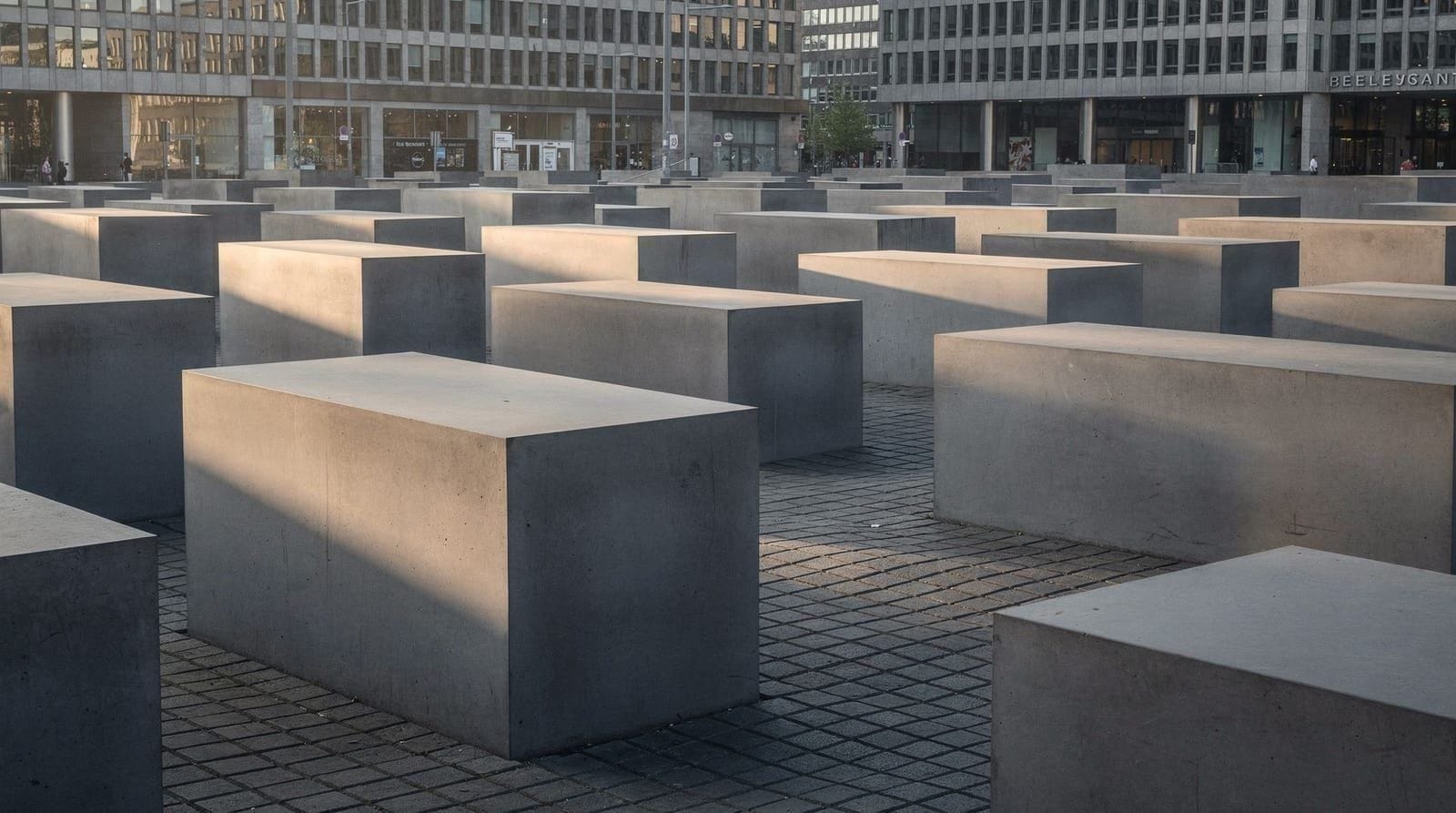
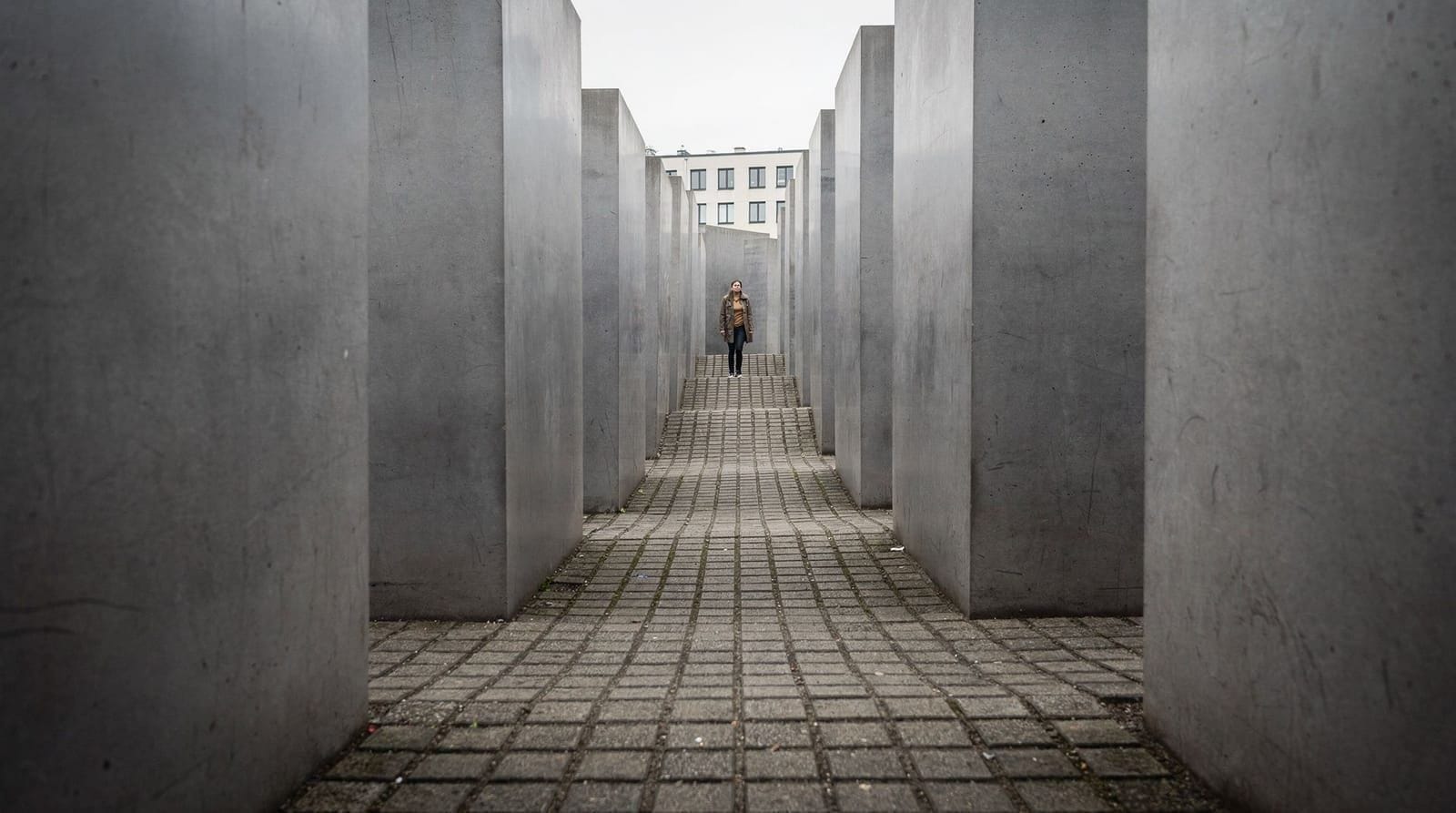
Holocaust Memorial — 5 minutes south. The Memorial to the Murdered Jews of Europe covers 19,000 square metres with 2,711 concrete steles of varying heights. Entry to the outdoor space is free and open 24 hours. The underground information centre, which documents individual victims and the implementation of the Final Solution, costs €4 and is one of the most sobering experiences in Berlin. See the full Holocaust memorial guide and the memorial to murdered Jews guide.
Brandenburg Gate — 10 minutes southeast. Free, always open, best in early morning before the tour group peak. The gate itself was in no man’s land from 1961 to 1989; neither East nor West Berlin could access it.
Tiergarten park — immediate west. The 210-hectare city park begins at the Reichstag’s western edge. A worthwhile detour for a picnic after the dome visit, particularly in summer.
Soviet War Memorial Tiergarten — 10 minutes west. Built in 1945 by the Soviet Union inside the British sector of West Berlin, the memorial was technically Soviet territory throughout the Cold War. Two Soviet tanks flanking the central column are among the first to have entered Berlin in 1945. Free, always accessible.
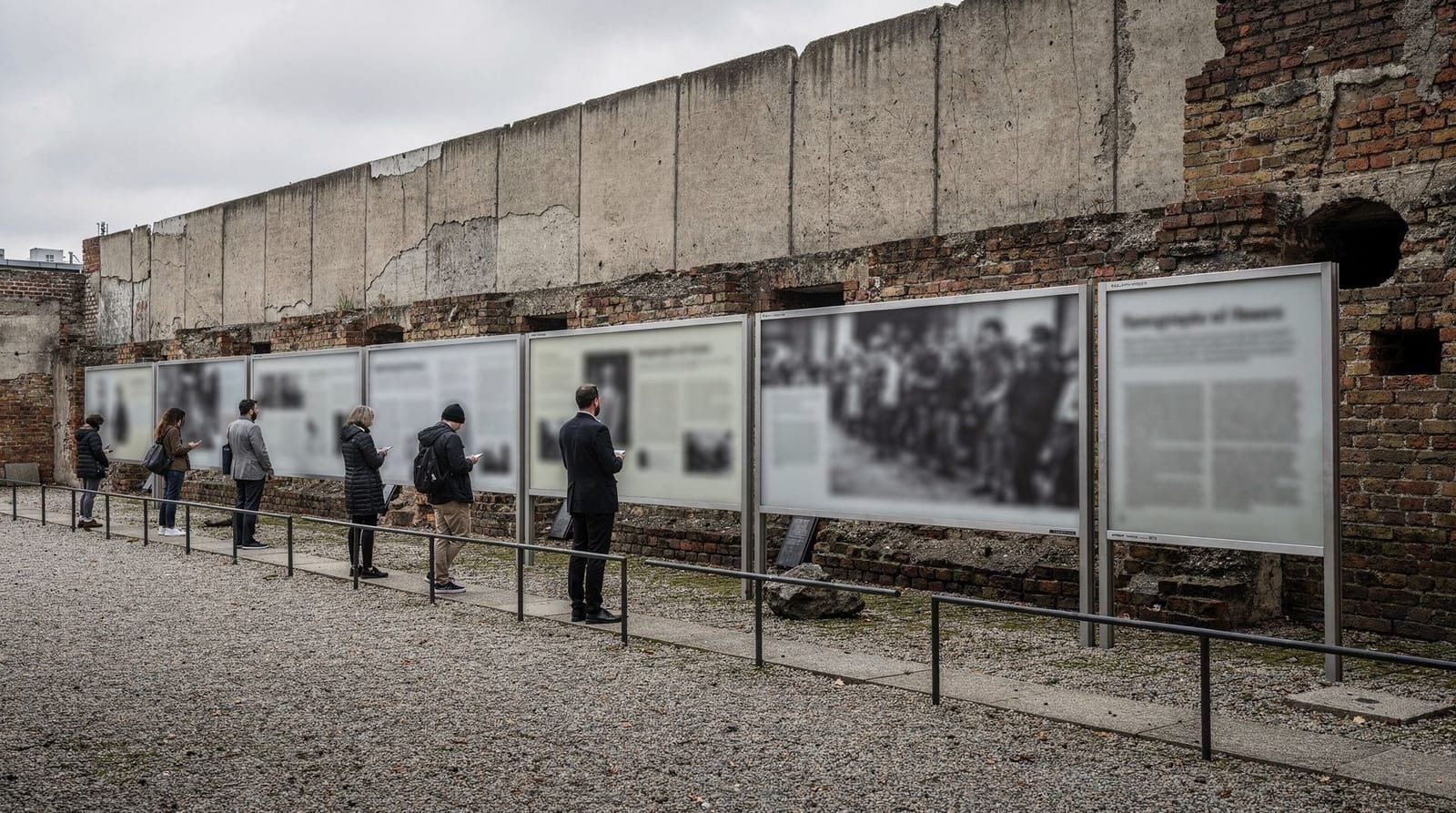
Topography of Terror — 15 minutes south. The open-air and indoor exhibition on the site of the former SS and Gestapo headquarters is free and one of the most important historical exhibitions in Berlin. Allow 90 minutes. See the Topography of Terror guide.
For a structured route connecting these sites, the Berlin Mitte guide and the Berlin self-guided walk highlights both cover this geography.
Practical logistics
Address: Platz der Republik 1, 11011 Berlin
Transport: S-Bahn lines S1, S2, S25, and S26 stop at Brandenburger Tor — from the station it is an 8-minute walk north and west along the park edge. Bus 100 stops directly in front of the building. No U-Bahn station is particularly close; the S-Bahn is the fastest option from most parts of central Berlin.
Opening hours: The dome is open daily from 8am to midnight. Last admission is at 10pm. These hours apply every day of the year, including public holidays, unless parliament is in full session with extraordinary security measures — check the bundestag.de website for any notices.
ID — no exceptions. Bring the same ID document you used to register. Passport, EU national identity card, or German driving licence. If your name has changed since registration, contact the Bundestag visitor service before your visit. Security will not make exceptions on the day.
Bags. Large backpacks and suitcases are not permitted. There is a cloakroom for leaving bags. A normal day bag or small camera bag passes without issue.
Photography. Yes. Photography inside the dome, on the roof terrace, and from the building exterior is permitted without restriction. Tripods are impractical on the narrow spiral ramp but possible on the roof terrace.
With children. The dome works well for families — the spiral ramp is genuinely fun to walk for kids, and the glass floor view down into the parliamentary chamber tends to be a highlight. There is no minimum age, though the security screening and 45-minute audio guide are best suited to children old enough to walk the full ramp without needing to be carried. Strollers are permitted on the ramp itself.
Combining with a river cruise. Several Spree river cruise routes pass directly below the government district, offering a water-level view of the buildings covered on a government-quarter walking tour. It is a relaxed complement to the dome visit rather than a substitute for it, since the historical detail comes from a guide on land, not from the boat commentary alone.
Dress code. None. The building is not a religious or ceremonial site with dress requirements. Security screening means practical clothing with no complicated metalwork is sensible.
Accessibility. The dome and roof terrace are wheelchair accessible via lift — request this when registering online so staff can arrange the lift access in advance rather than at the checkpoint. The spiral ramp itself has a gentle gradient suitable for wheelchairs and strollers, though it can feel narrow when busy with other visitors going both directions.
Best time of day. Early morning slots (shortly after 8am opening) and slots after 8pm in summer tend to be least crowded and offer the clearest light for photography. Midday slots, especially on weekends, see the heaviest foot traffic on the ramp.
Weather. The dome interior is covered, but the roof terrace and the oculus at the top are open to the elements. Rain does not cancel visits — bring a layer, since it can be windy at the top even on a mild day.
Restaurant. The Käfer rooftop restaurant requires a separate reservation (also free to book, separately, at bundestag.de) and is priced as a standard Berlin restaurant — mains €20–35. Booking well ahead is required; it is a popular choice for the views.
Building it into a wider Berlin itinerary
The Reichstag pairs naturally with the government district and Mitte’s historical core in a single day. A realistic sequence: morning Reichstag dome slot, walk to the Holocaust Memorial and Brandenburg Gate, then continue into Mitte for the afternoon. If you are new to the city and want a structured route that includes the Reichstag alongside other unmissable sights, see the Berlin best tours for first-timers guide and the is Berlin worth visiting overview for context on what to prioritise. For general planning around free versus paid attractions across the city, the Berlin tourist traps guide flags other spots where the same resold-ticket pattern shows up.
Frequently asked questions about How to visit the Reichstag dome in Berlin
Is the Reichstag dome free to visit?
Yes. Access to the Reichstag dome and roof terrace is completely free. There is no entry ticket. You register in advance at bundestag.de, bring the ID you used to register, and walk in at your booked time slot.How far in advance do I need to book the Reichstag?
In peak season (April to October), book 2–4 weeks in advance. The daily slot quota is not enormous, and popular dates — weekend mornings and evenings with good light — fill quickly. In winter you can often book 4–5 days ahead. Register as soon as your travel dates are fixed.Do I need a passport to visit the Reichstag?
You need to bring a photo ID that matches what you entered during online registration. A passport, national identity card, or German driving licence are accepted. Non-EU visitors should bring their passport. If the name on your ID does not match the registration, security will turn you away.Can I visit the Reichstag without booking in advance?
No. Walk-in access is not available. The building is the seat of the German parliament and all visitors are security-screened. A same-day booking is technically possible if slots remain, but in practice you will not find available slots on the day during peak season.What's the difference between the free Reichstag visit and paid tours?
The free visit gives you dome and roof terrace access with a multilingual audio guide. Paid guided tours that are worth the money add 2–3 hours of walking through the government district with an expert guide covering parliamentary democracy, Cold War history, and modern architecture. Paid tours that are not worth the money simply resell bundestag.de slots with no added value.How long does a Reichstag dome visit take?
The dome itself takes 45–60 minutes at a normal pace. The spiral ramp is 300 metres total; most visitors walk it once up and once down, stopping at the viewing panels. If you combine with the roof terrace and allow time for security screening, budget 90 minutes from arrival to exit.What if my booking date changes — can I cancel?
Yes. You can cancel and rebook on the bundestag.de system. Cancellations release slots back into availability, which is one reason it is worth checking the site even when dates appear full — cancellations happen regularly.Is the Reichstag worth visiting?
Strongly yes. The Foster dome is genuinely impressive architecture, the views are among the best free panoramas in Berlin, and standing inside the seat of the German parliament carries real weight. It is one of the few truly world-class Berlin sights with no entry fee attached.
Top experiences
Bookable activities with verified prices and instant confirmation on GetYourGuide.