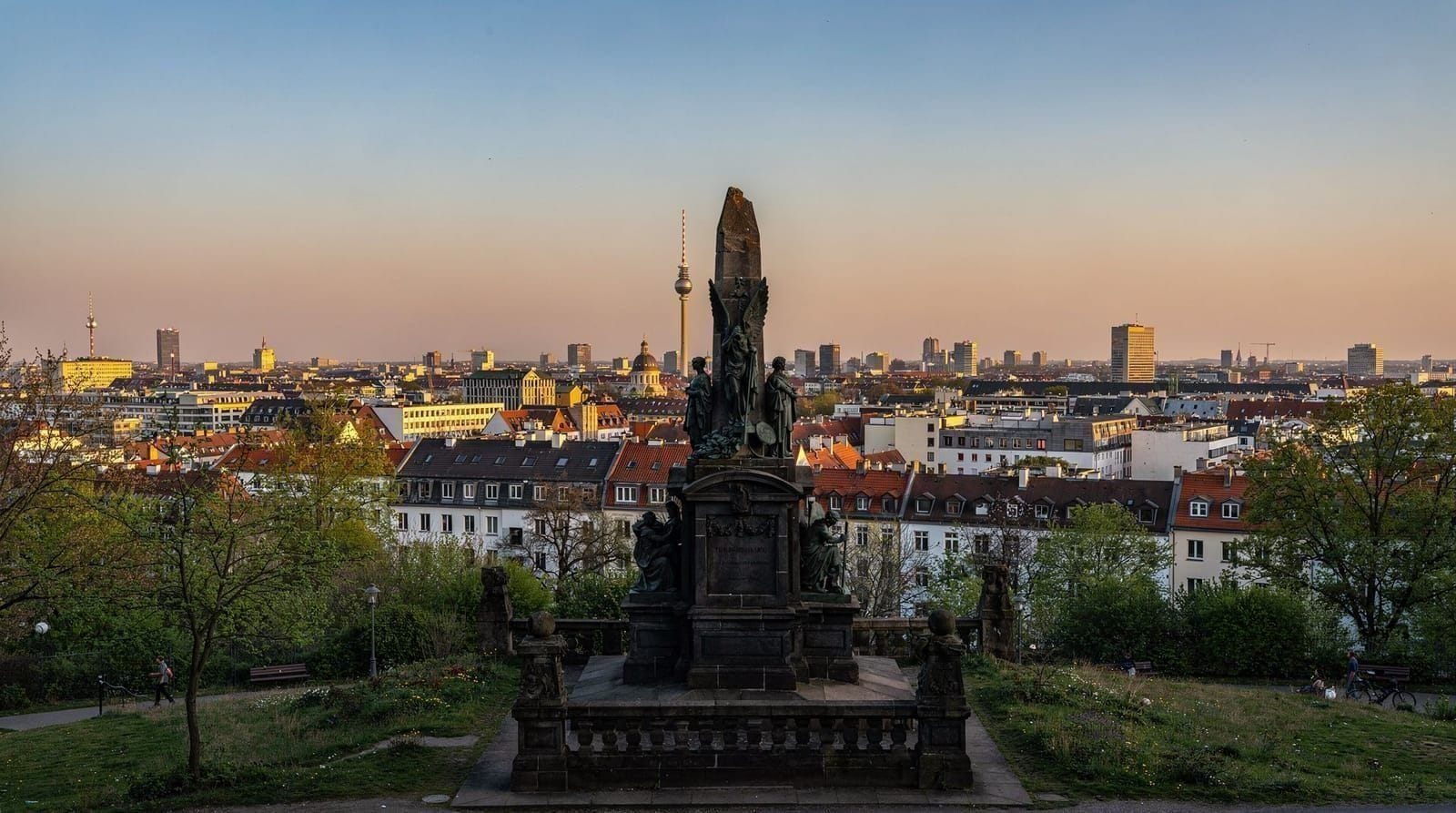
Renting a car in Berlin — is it worth it, Umweltzone, parking, and what to know
Should I rent a car in Berlin?
For visiting Berlin itself, no — the BVG public transport network is faster than driving for almost all city journeys, parking is expensive and scarce, and the Umweltzone covers the entire inner city. A rental car makes sense for day trips into rural Brandenburg (e.g., Tropical Islands, Rheinsberg, rural Spreewald) where trains don't reach.
Quick answer: Renting a car in Berlin is rarely necessary or advantageous for visiting the city. Public transport is faster for virtually all city journeys. Parking is expensive and scarce centrally. The Umweltzone covers the inner city. A car makes sense specifically for day trips into rural Brandenburg inaccessible by train.
This guide gives you an honest assessment of when a rental car adds value in Berlin and when it actively makes your trip more expensive and stressful.
| Where | Pick-up at BER airport or city branches (Charlottenburg, Mitte, Tiergarten) |
| Cost | around €35–55/day compact, plus €12–25/day CDW |
| Time needed | Only worth it for rural Brandenburg day trips, not city use |
| Getting there | Umweltplakette (green sticker) required inside the S-Bahn ring |
| Best time | Book online in advance; airport walk-up rates run higher |
The honest answer — do you need a car in Berlin?
For the vast majority of Berlin visits, the answer is no. Here’s why:
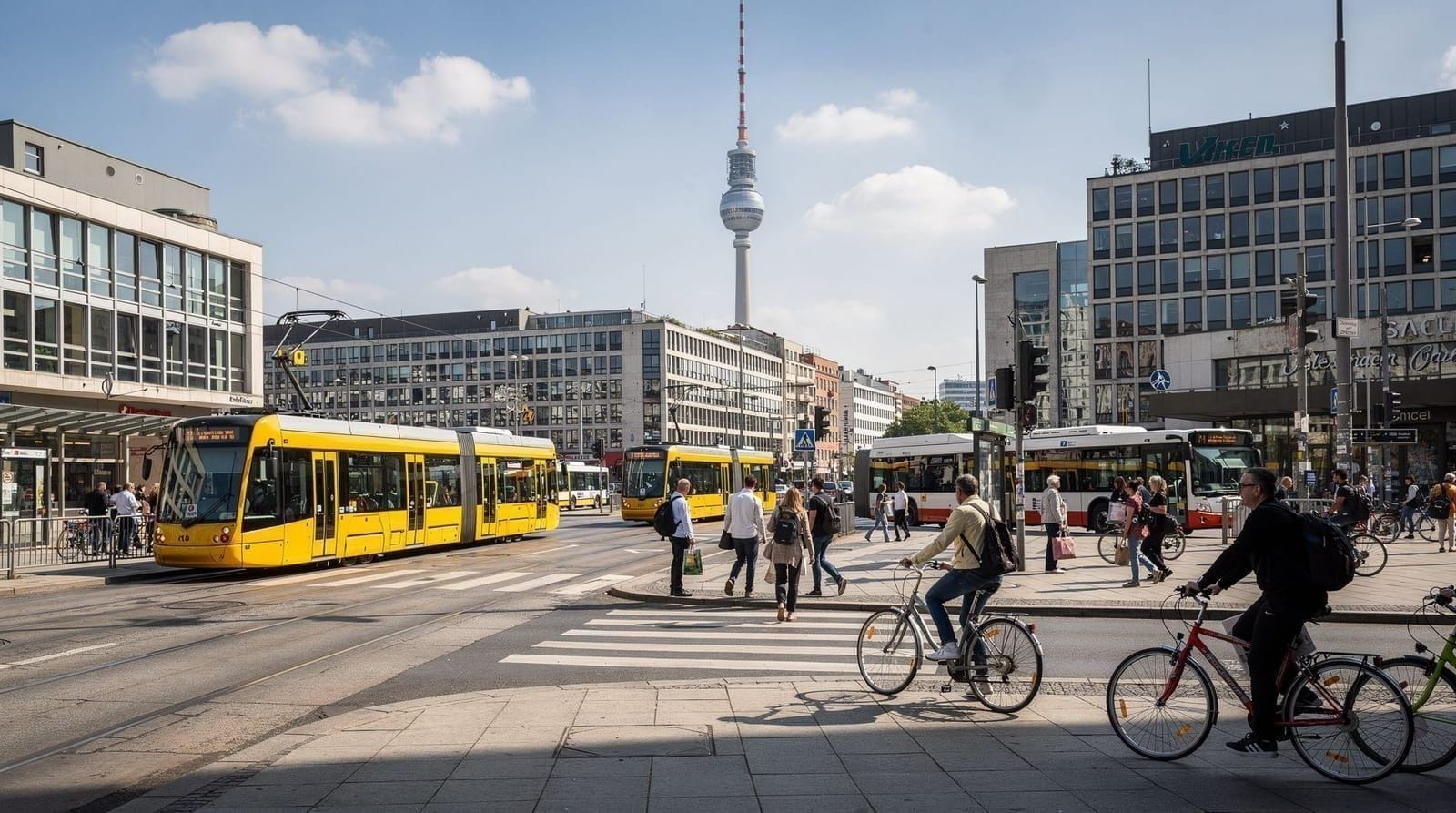
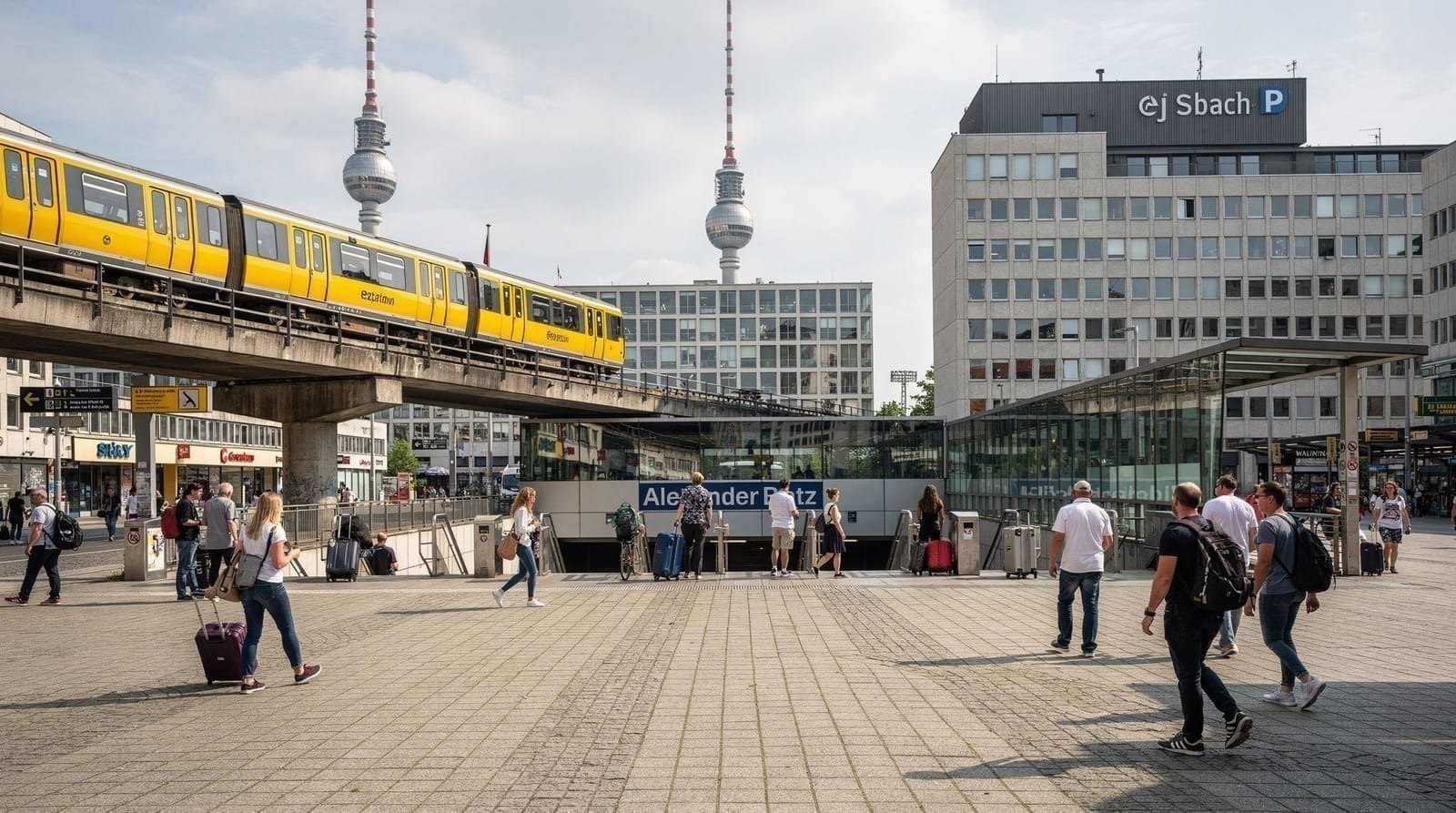
Public transport is faster. The BVG U-Bahn and S-Bahn move through Berlin without traffic delays. A 4 km journey from Charlottenburg to Alexanderplatz takes 12 minutes by U2, 20-35 minutes by car depending on traffic. See the public transport guide for the full network overview.
Parking is expensive and scarce. Central parking in Mitte costs €3-6/hour. Finding a space near any major sight means either a parking garage at those rates or significant time circling — during which the U-Bahn has already covered the distance.
The Umweltzone complicates entry. Every vehicle entering the area within the S-Bahn ring needs a green Umweltplakette. Rental cars have it. If you’re driving a personal vehicle from abroad, you need to obtain one before arriving.
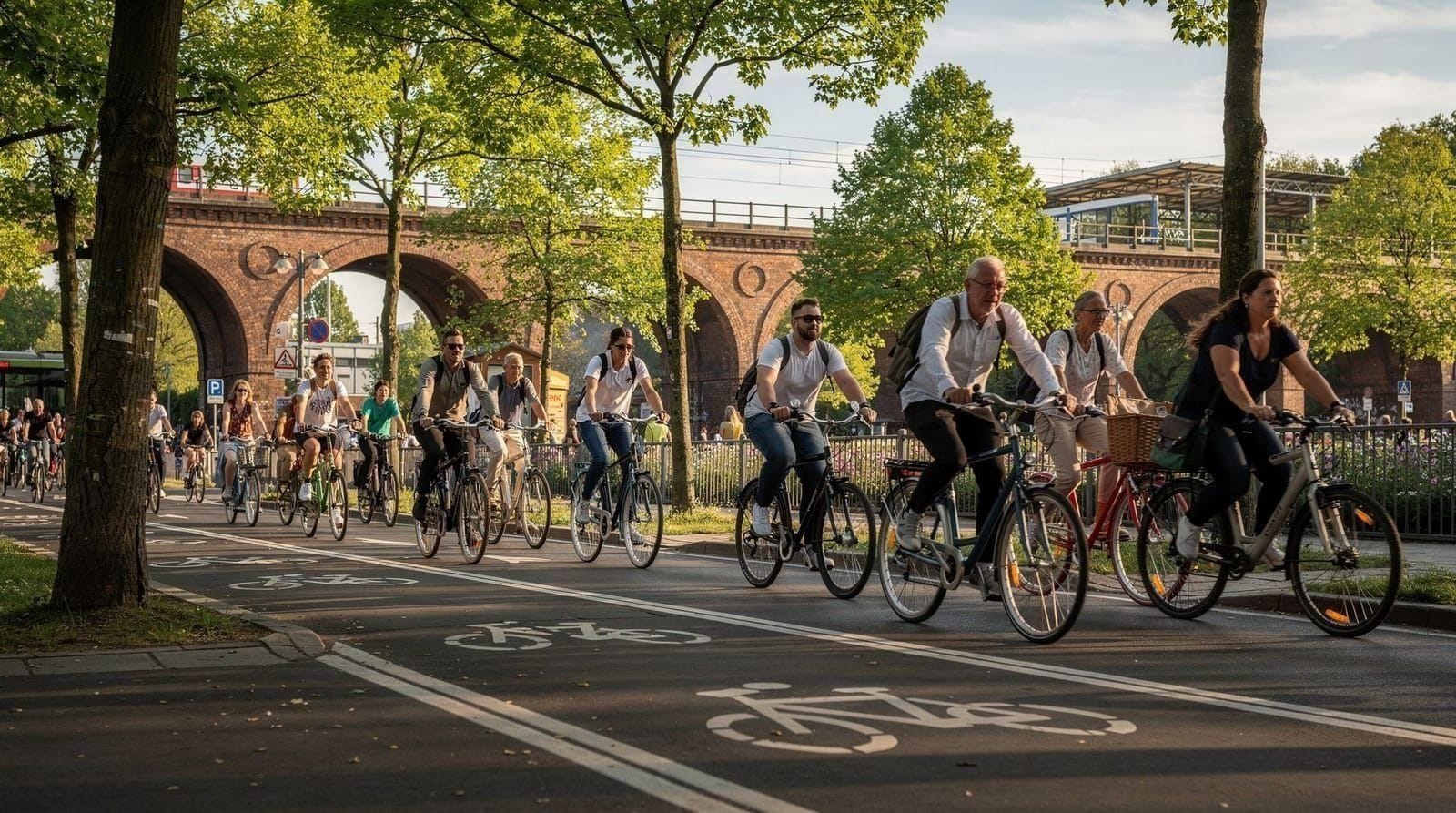
The city is designed for non-drivers. Cycling and walking routes, BVG integration, and urban density mean that a car is simply not a useful tool within Berlin. Unlike rural Germany or even the outer suburbs, central Berlin does not reward driving.
When a rental car does make sense
Day trips to rural Brandenburg:
Some day trip destinations are not practically accessible by public transport:
- Tropical Islands resort (60 km south): Accessible by train to Halbe or Wildau with limited shuttle service, but car is significantly easier. Tropical Islands guide.
- Rheinsberg (100 km north): Small town with limited regional train connection; car allows a day trip at your pace. Rheinsberg guide.
- Rural Spreewald (90 km southeast): Lübbenau is well-served by train, but the canoe network and smaller villages (Lehde, Schlepzig) are car-accessible and not reachable by public transport. Spreewald guide.
- Märkische Schweiz lake district (60 km east): Buckow is accessible by Flächenbahn rural tram from Müncheberg, but car gives full flexibility for the surrounding area.
Families with heavy luggage arriving at BER: Collecting a rental car at BER and driving directly to accommodation in outer Berlin (particularly Wannsee, Grünau, or other outer areas) with pram, luggage, and children can be more practical than BVG connections. However, for accommodation in central Berlin, a taxi or rideshare from BER is usually simpler than navigating the rental process and parking.
Medical or mobility needs: If a member of your group has mobility requirements that make public transport difficult, a car with a curbside drop-off option near major sites can be the right choice.
The Umweltzone — what you need to know
Berlin’s Umweltzone (Low Emission Zone) covers the entire area within the S-Bahn ring — including Mitte, Tiergarten, Prenzlauer Berg, Wedding, Friedrichshain, Kreuzberg, and Schoneberg.
What’s required: A green Umweltplakette sticker displayed on the windscreen. This applies to all petrol and diesel vehicles. Electric vehicles, hydrogen vehicles, and officially designated zero-emission vehicles are exempt.
Which vehicles qualify for the green sticker:
- Petrol cars: Almost all built after 1993 (Euro 1 and above qualify; green sticker requires Euro 4 which most post-2006 cars meet)
- Diesel cars: Euro 4 (typically post-2005/2006 for most models) and above
- Older diesel vehicles may not qualify — check via the German Umweltplakette database before driving to Berlin
German rental cars: Already have the green sticker. Rental companies ensure their fleets comply.
Own vehicle from outside Germany:
- Obtain sticker online from tuv.com, dekra.de, or third-party services: €10-15 delivered internationally
- Available at German ATU, Euromaster, or similar auto accessory shops if crossing the border by road
- UK-registered vehicles: eligible for the green sticker based on Euro emission standard (check your V5C logbook for the emission category)
Fine for non-compliance: €80 per incident.
A second, stricter potential restriction exists for older diesel vehicles (discussions around Diesel Fahrverbote in German cities remain ongoing). As of 2026, Berlin has not implemented an additional diesel ban beyond the existing Umweltzone, but visitors with older Euro 5 or earlier diesel vehicles should check the current status before travelling.
Parking in Berlin — what it costs and where
Central parking zones (Parkzonen): Most of Berlin’s inner districts are Parkzonen with ticketed parking and time restrictions. Typical costs:
- Mitte (Zone A): €3.50-4.50/hour, maximum 2-3 hours in many streets
- Charlottenburg (Zone B): €2.50-3.50/hour
- Kreuzberg, Schoneberg: €2.00-3.00/hour
Pay at the Parkscheinautomat (parking ticket machines) or via the ParkNow, EasyPark, or Flowbird apps (card payment, no need for coins).
Parking garages (Parkhäuser):
- Berlin Hauptbahnhof garage: €3.50/hour, max €18/day
- Potsdamer Platz arcades: €2.80/hour
- Galeries Lafayette (Friedrichstrasse): €2.00/30 min
- Alexa mall (Alexanderplatz): €2.50/hour, €20/day maximum
All major central parking garages accept card payment. Most are open 24 hours or close late.
Free parking: Exists in outer residential districts (Marzahn, Hohenschönhausen, Spandau outlying areas) but these are typically 30+ minutes from central attractions by public transport. No meaningful free parking exists in central Berlin.
Parking at BER airport: Short-term: €4.50/hour, €45/day maximum. Multi-storey P1/P2: €35-40/day. Long-term (P5, further walk): €12-15/day. Booking online via ber.berlin reduces rates by 15-20%.
Rental car operators in Berlin
All major international operators are present at BER airport and in the city:
BER airport: Sixt, Hertz, Europcar, Enterprise, Avis, Budget, National. Pick-up counters are on the arrivals level. Pre-booking online is strongly advised — walk-up rates at airport counters are significantly higher.
City branches:
- Sixt: Kurfürstendamm 103 (Charlottenburg), several Mitte locations
- Hertz: Budapester Strasse 39 (Tiergarten)
- Europcar: Kurfürstendamm 178
Budget alternatives:
- Sunny Cars: Broker that searches multiple operators; can find competitive rates especially for weekly hire
- Economy Car Rentals: Similar aggregator model
- DiscoverCars: Aggregator with good European coverage
Useful car-sharing alternatives (no rental desk required):
- Miles: Berlin car-sharing network with reserved and floating cars. Pay by the minute or hour. No pick-up process — unlock via app and drive. Good for short-term use of 2-3 hours.
- Share Now: Similar model in Berlin; international credit for members.
- These are not standard car rental but fill the gap for visitors who need a car for a few hours rather than a day.
Driving in Berlin — practical notes
Speed limits: 30 km/h in most residential and urban streets (Tempo 30 zones); 50 km/h on main arterial roads; no autobahn within the city.
Right of way at unmarked intersections: Rechts vor Links (right before left) — vehicles coming from the right have priority unless otherwise signed. This applies at unmarked intersections throughout Germany and catches international drivers unfamiliar with the rule.
Trams: Trams have right of way. Do not overtake a tram stopped at a stop until all passengers have boarded/alighted and the tram moves off.
Bicycles: Berlin has high cycling density. Mirrors should be checked before turning; cyclists come from dedicated lanes that may not be visible without a careful mirror check. Dooring cyclists from a parked position carries significant legal liability.
Emergency vehicles: Pull to the side and create a Rettungsgasse (emergency lane) in the middle of a motorway queue. This applies on motorways approaching the city but not typically within urban Berlin traffic.
Fuel: Germany’s fuel is sold as Super (95 octane), Super Plus (98 octane), and Diesel. Autogas (LPG) is available at some stations. E10 (10% bioethanol blend of 95 octane) is standard at most pumps — check your rental car documentation for compatibility (almost all modern cars accept E10).
Insurance for rental cars in Berlin
CDW (Collision Damage Waiver): Standard rental companies charge €12-25/day for basic CDW reducing liability to €0-300. Without CDW, you are liable for the full repair cost for any damage to the vehicle.
Check your credit card: Many premium Visa and Mastercard credit cards include car hire CDW insurance when the rental is paid on the card. Check your card terms before paying separately for CDW — it can save €15-20/day.
Third-party liability: Legally mandatory in Germany (Haftpflichtversicherung). All rental cars include it.
Personal accident insurance: Usually not necessary if your travel insurance or personal health insurance covers Germany. Avoid paying twice for the same cover.
Alternatives to renting a full car
For specific journey types where a full day rental seems excessive:
Taxi/rideshare: For BER airport to city with heavy luggage, a metered taxi or Bolt costs €40-55. Simpler than the rental process for a one-time transfer.
Miles or Share Now car-sharing: For a 2-3 hour trip outside Berlin (e.g., Tropical Islands): booking a Miles car for the day (€40-70 all-in for a day depending on distance) avoids rental desk queues and returns.
Guided day tours by minibus: For rural day trips where driving yourself isn’t the point — a guided tour handles logistics and interpretation. See best day trips from Berlin for day trip options with guided versions.
Comparing your options for a Brandenburg day trip
| Option | Cost (roughly) | Best for | Downside |
|---|---|---|---|
| Rental car (full day) | €50–90 incl. insurance | Full flexibility, multiple stops, remote villages | Parking/navigation effort, Umweltzone check |
| Regional train (RE/RB) | €10–25 return | Fixed-route destinations (Potsdam, Sachsenhausen, Lübbenau) | No flexibility off the rail line |
| Guided minibus day tour | €50–100/person | No logistics, built-in commentary | Fixed schedule, group pace |
| Miles/Share Now car-share | €40–70/day | Short 2–4hr trips, spontaneous plans | Limited range, return-to-zone rules on some plans |
For most single-destination day trips (Potsdam, Sachsenhausen), the train is simpler and cheaper — see the best day trips from Berlin guide for the full breakdown by destination. A car earns its cost only when you’re combining several rural stops in one day or reaching a village with no rail link.
Returning the car and avoiding extra charges
Return with a full tank unless you’ve prepaid for fuel — rental companies charge a significant premium (often €2.50–3.50/litre plus a service fee) for returning empty. Photograph the car at pick-up and drop-off, including existing scratches, to avoid disputed damage claims. Most BER counters process returns quickly, but allow 30–45 minutes before a flight for the return-and-shuttle process. One-way rentals (picking up in Berlin, dropping off elsewhere in Germany) are available from most major operators but carry a one-way fee of €50–150 depending on distance — factor this in if your trip continues beyond Berlin, for instance toward Dresden or Leipzig.
Toll roads and motorway stickers
Unlike Austria or Switzerland, Germany’s autobahns have no toll vignette for private cars — driving between German cities is free of road tolls. The only cost consideration is the Umweltzone sticker discussed above, plus standard fuel costs. If your rental takes you into neighbouring countries (Poland, via Szczecin, for example), check the rental agreement — cross-border travel sometimes requires advance notification to the rental company.
Frequently asked questions about Renting a car in Berlin
What is the Umweltzone in Berlin and do I need a sticker?
The Umweltzone (environmental zone) covers all of Berlin within the S-Bahn ring, requiring all vehicles to display a green Umweltplakette (emissions sticker) on the windscreen. Without a sticker, you face a €80 fine. Rental cars in Germany include the sticker by default. Visitors driving their own vehicle from abroad must obtain one before entering — available online for €10-15 or at German car accessory shops (e.g., ATU, Euromaster).Where can I pick up a rental car in Berlin?
Main rental desks are at BER airport (Terminal 1 arrivals level — Sixt, Hertz, Europcar, Enterprise, Avis all present) and at Berlin Hauptbahnhof. City centre branches exist for Sixt, Hertz, and Europcar near Kurfürstendamm and Mitte. Picking up at BER is often more convenient if driving out of the city immediately; city branches make sense for in-city pickup after arrival.How much does car hire cost in Berlin in 2026?
A compact car (e.g., VW Polo category) typically costs €35-55/day for advance booking. Weekend rates can be cheaper (€25-40/day). Minimum age is usually 21 (some operators 25 for premium categories). Fuel is extra — Germany prices petrol at approximately €1.70-1.90/litre. CDW insurance is additional (€12-20/day) unless you have credit card coverage.Can I park for free in central Berlin?
Almost never in central Berlin. Most streets in Mitte, Kreuzberg, Charlottenburg, and Schoneberg are in paid Parkzone zones with 1-2 hour maximum parking (metered or pay-and-display). Parking garages in central Berlin charge €3-6/hour or €20-40/day. Free street parking exists in outer residential areas but requires walking to public transport.Are there low-emission zones beyond the Umweltzone in Berlin?
The green Umweltplakette (Euro 4 and above — most cars made after 2006) covers Berlin's Umweltzone. A planned Ultra Low Emission Zone for diesel vehicles (proposed but not yet implemented as of 2026) may restrict older diesel cars in future. Check current regulations before visiting with an older vehicle. Electric and hybrid vehicles are not subject to any restrictions.Is parking included with accommodation in Berlin?
Rarely in central Berlin. Most central hotels do not include parking; where available, hotel parking costs €15-35/night. Always check before booking. Self-parking in the hotel or nearby garage is the realistic expectation. Budget for parking costs separately if driving.When does a rental car make sense in Berlin?
For day trips to destinations without train access — Tropical Islands resort, rural Spreewald (beyond Lübbenau), the Märkische Schweiz lake district, or the Uckermark region north of Berlin. Also useful for families with young children and significant luggage if BER arrival involves multiple outlying locations. For a standard city-focused Berlin trip, a car adds cost and complexity without advantage.What GPS or map app should I use if driving in Berlin?
Google Maps and Waze both work accurately in Berlin. Google Maps integrates live traffic data and will route around congestion. Waze gives police and speed camera alerts. Most rental cars offer built-in navigation (typically €10-15/day extra). A smartphone mount is the practical choice — German law requires that you do not hold a phone while driving.Do German motorways require a toll vignette?
No — unlike Austria or Switzerland, Germany does not charge a toll vignette for private cars on the autobahn network. Driving between German cities, including any Berlin day trip, is free of road tolls. The only mandatory cost is the Umweltzone sticker if entering central Berlin, plus fuel.Is it cheaper to rent a car or take the train for a Brandenburg day trip?
For a single fixed destination like Potsdam or Sachsenhausen, the regional train is usually cheaper and simpler — tickets run €10–25 return versus €50–90 for a full-day rental with insurance. A car only pays off when combining several rural stops in one day or reaching a village with no rail connection, such as parts of the Spreewald or the Uckermark.