Berlin to Dresden day trip — Baroque city guide and train logistics
From Berlin: Private Guided Dresden Day Trip by Train
Can you do a day trip from Berlin to Dresden?
Yes. ICE trains from Berlin Hauptbahnhof reach Dresden Hauptbahnhof in approximately 2 hours. Advance saver tickets start from €17.90 each way. Leaving Berlin at 8am gives you 9 hours in Dresden before a 7pm return. The Zwinger, Frauenkirche, and Brühlsche Terrasse are all within walking distance of each other.
Quick answer: ICE trains from Berlin Hauptbahnhof to Dresden take approximately 2 hours, with advance tickets from €17.90 each way. Leaving at 8am gives you a full day in one of Germany’s most architecturally concentrated historic cities. The Zwinger, Frauenkirche, and Brühlsche Terrasse are all walkable from each other in the Old Town.
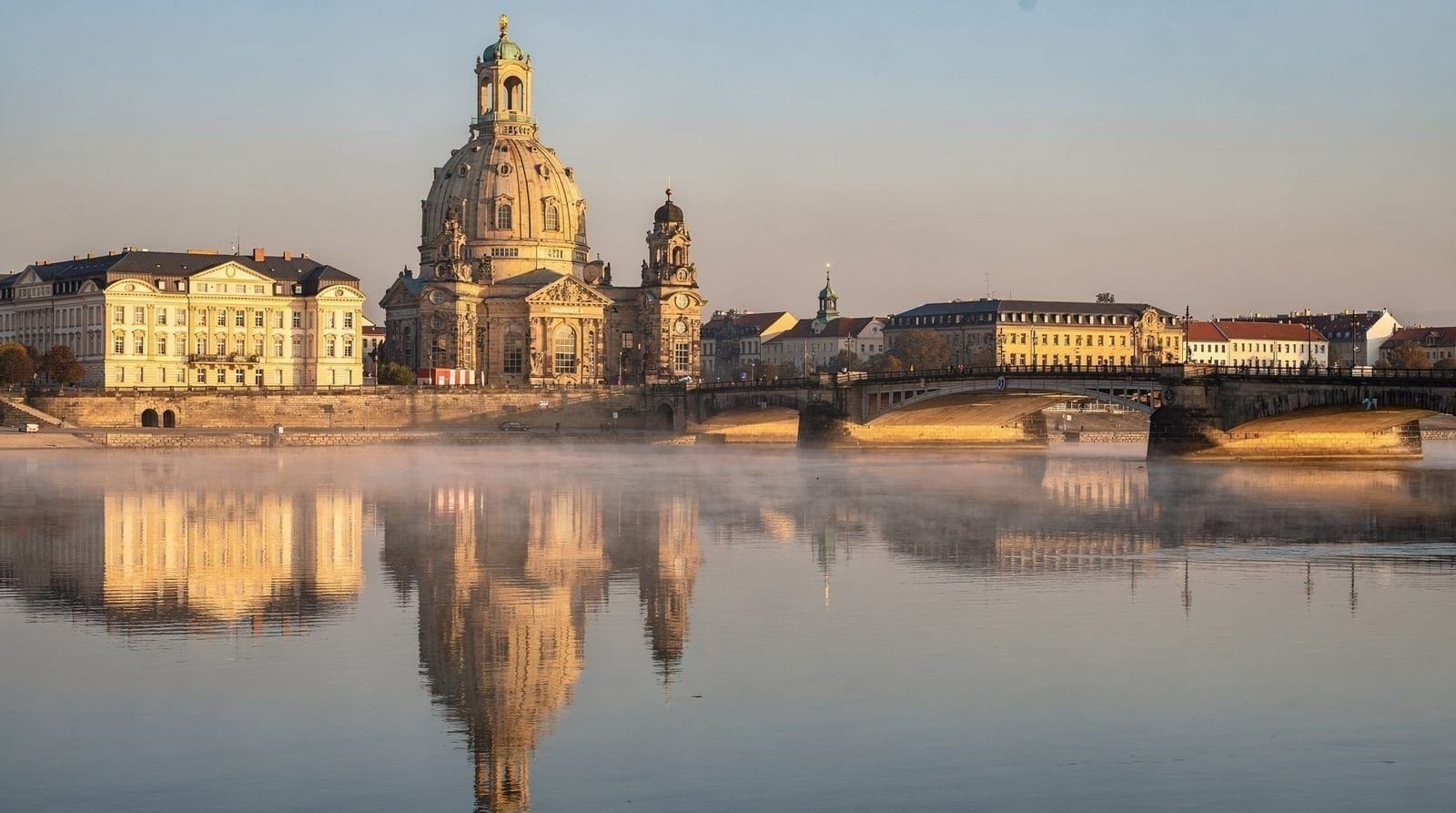
Dresden is the Baroque capital of Saxony and one of the most visually dramatic cities in Germany. The rebuilt Old Town skyline reflected in the Elbe — the dome of the Frauenkirche, the Semper Opera, the Zwinger — is recognisable across Europe. What’s less often mentioned: much of what you see is reconstruction, and understanding that context makes the visit considerably richer.
| Where | Dresden, Saxony, about 2hrs from Berlin by ICE |
| Cost | Train from around €17.90 each way; museum entries €13–14 each |
| Time needed | Full day (9–10 hours in Dresden) |
| Getting there | ICE/EC from Berlin Hauptbahnhof, no regional option practical |
| Best time | Shoulder months; avoid the late-November/December Christmas market crowds |
Getting from Berlin to Dresden by train
The train options:
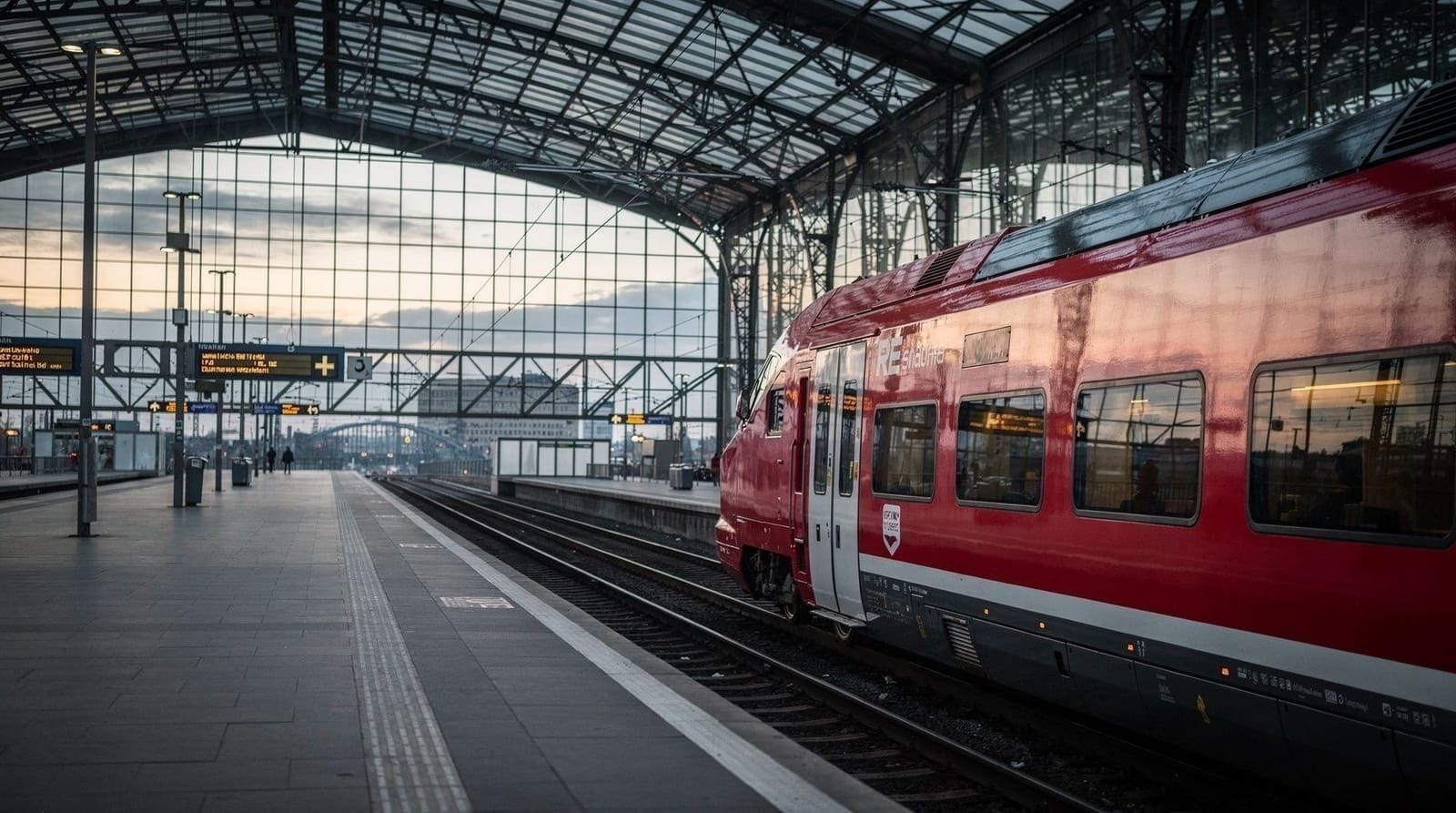
ICE (Intercity Express): The fastest and most frequent option. Berlin Hauptbahnhof to Dresden Hauptbahnhof: approximately 2 hours. Trains run roughly every 2 hours. These are the trains to book when buying in advance for reduced fares.
EC (EuroCity): Slightly slower international trains (about 2h 15min) at similar prices. Less frequent but often have cheaper flexible tickets.
There is no regional train option that would be practical for a day trip — the regional route to Dresden involves multiple changes and takes 3+ hours.
Departure stations:
- Berlin Hauptbahnhof (primary, most departures)
- Berlin Südkreuz (some services stop here — useful if staying in Tempelhof, Kreuzberg, or Schöneberg areas)
- Berlin Spandau (a few ICE services)
Arriving in Dresden: All trains terminate at Dresden Hauptbahnhof, which is at the southern edge of the Old Town. The Frauenkirche, Zwinger, and Brühlsche Terrasse are 10–15 minutes on foot north of the station.
Train ticket prices and booking
The Berlin–Dresden route is covered by Deutsche Bahn (DB), not the Berlin regional ticket system. The Brandenburg Day Ticket does NOT cover this journey.
Booking strategy:
- Sparpreis (saver tickets): From approximately €17.90 each way if booked 4–6 weeks in advance. Tied to a specific train; cannot change after booking.
- Super Sparpreis: Occasional promotional fares as low as €9.90, offered several weeks in advance on quiet routes.
- Flexpreis: Full-flexibility tickets, €35–60+ each way. Worth it if your schedule is uncertain.
- DB Sparpreis Europe: If you’re travelling from outside Germany, Sparpreis Europe tickets can sometimes be cheaper for the Berlin–Dresden leg as part of a longer journey.
Where to buy: DB Navigator app (most convenient), deutsche-bahn.de, or DB ticket machines at Hauptbahnhof. The machines have English language options.
Seat reservations: Not required but can be added (€4.50) for guaranteed seating on busy trains. Worth doing on Friday afternoon return trains.
Luggage and lockers: If you’re arriving in Berlin the same day or leaving straight after, Dresden Hauptbahnhof has luggage lockers on the lower level near the platforms, sized for anything from a daypack to a full suitcase. Berlin Hauptbahnhof has similar facilities if you’d rather drop bags before heading out for the day. Neither station’s lockers are guaranteed available at peak times, so arrive with a backup plan (a hotel that allows early bag drop) if you’re travelling with a lot of luggage.
What to see in Dresden — a one-day itinerary
The Old Town (Altstadt) contains almost all of the major historic sights within a 1 km radius. From Dresden Hauptbahnhof, walk north on Prager Strasse and cross into the Altmarkt area.
Suggested one-day order:
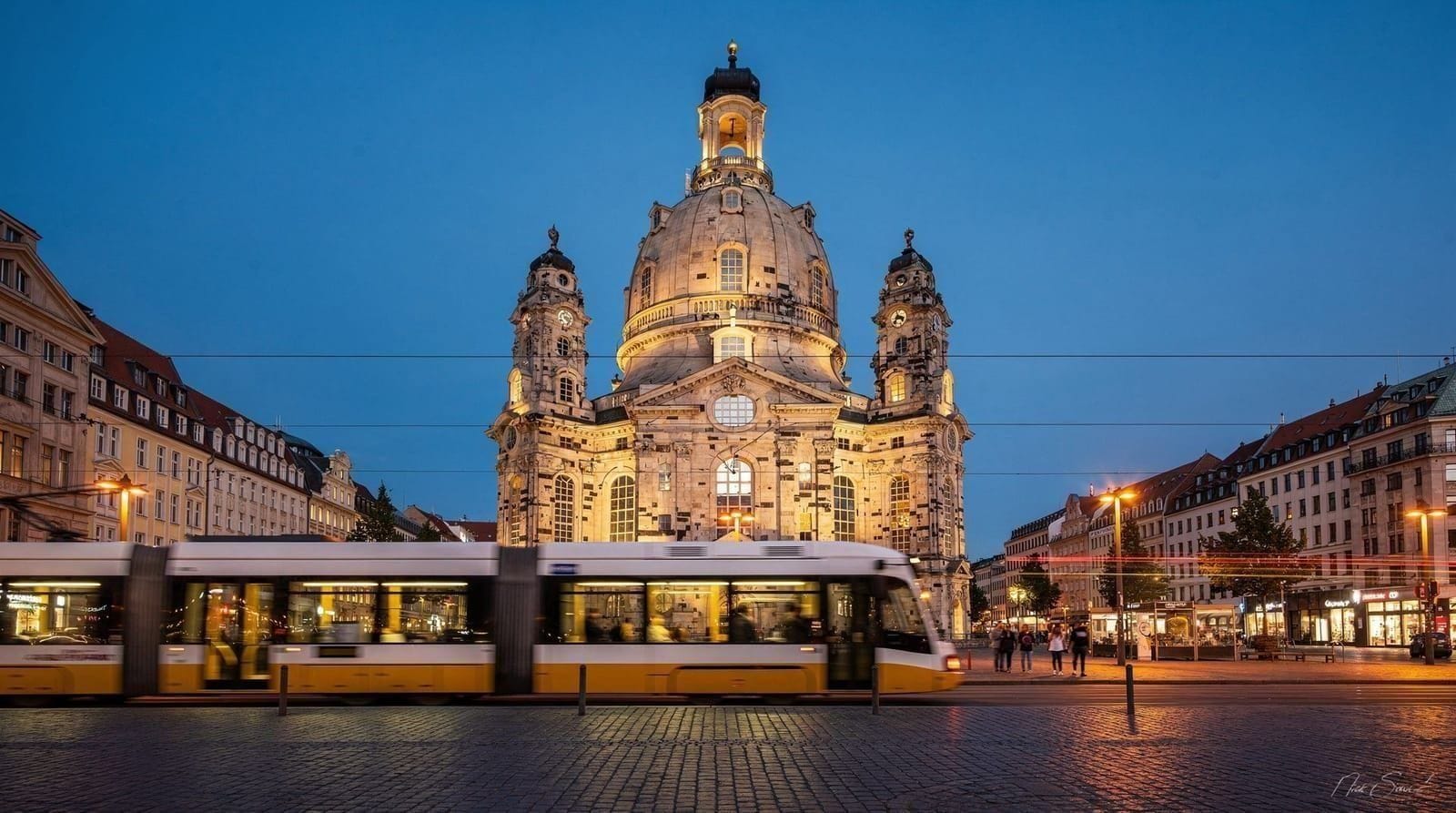
10:00am — Frauenkirche (Church of Our Lady) Enter the church during open visiting hours (check the current schedule; typically 10am–12pm and 1pm–5pm on weekdays). The interior is remarkable — entirely reconstructed between 1993 and 2005 from historical records and salvaged stone, with sandstone blocks varying from near-white (new) to dark grey-black (original, fire-damaged). The exhibition on the reconstruction and the 1945 bombing is on the lower level and worth 30 minutes. Entry to the church: free during visiting hours. Cupola access (views over the city): ~€8, book at the entrance.
11:30am — Brühlsche Terrasse The elevated terrace along the Elbe north of the Frauenkirche is known as the “Balcony of Europe” — a wide promenade with views across the Elbe to the Neustadt district and back along the palace buildings. Free, always accessible. The view is best in morning or evening light.
12:30pm — Lunch The Altmarkt area has adequate but tourist-priced restaurants. Better options: Sophienkeller at the Taschenbergpalais (traditional Saxony food in a historic cellar setting, mid-priced); or walk 5 minutes east to the Münzgasse, which has several independent cafes and restaurants.
1:30pm — The Zwinger The Zwinger courtyard is the heart of Baroque Dresden. Enter from the Theaterplatz side through the Kronentor gate. The courtyard (large formal garden surrounded by gallery wings) is free to walk. The three main museums within charge entry:
- Gemäldegalerie Alte Meister (Old Masters Gallery): €14. Contains Raphael’s Sistine Madonna and works by Rembrandt, Rubens, and Titian. The most important collection.
- Rüstkammer (Armoury): €14. Spectacular collection of ceremonial weapons and armour.
- Porzellansammlung (Porcelain Collection): €14. Augustus the Strong’s compulsive porcelain collection — relevant if planning to add Meissen to the itinerary.
3:00pm — Semperoper (Semper Opera House) The opera house on the Theaterplatz was originally built in 1841, burned down twice, and rebuilt most recently between 1977 and 1985. Guided tours of the interior are available when no performance is scheduled (€13 adults). The exterior is architecturally superb even without a tour.
4:00pm — Optional: Dresden Neustadt Cross the Augustus Bridge (Augustusbrücke) over the Elbe to Neustadt, the less-bombed left-bank district. The Innere Neustadt (Inner Neustadt) has a better selection of independent restaurants and bars than the tourist centre. The Kunsthofpassage art installation in the outer Neustadt is an example of the creative quarter that developed in East German-era buildings.
5:30–6:00pm — Return to Dresden Hauptbahnhof for ICE back to Berlin.
Book a private guided day trip from Berlin to Dresden by train, covering all major sites with specialist commentaryThe Zwinger in detail
The Zwinger requires more time than most visitors allocate. It was conceived by Augustus the Strong, Elector of Saxony and King of Poland, as an orangery and festival venue — not originally intended as a museum complex, which it became later.
What to prioritise in one day:
The Gemäldegalerie Alte Meister contains the most significant works. Raphael’s Sistine Madonna (1512) — showing the Madonna and Child with two angels at the bottom that have become independently famous on merchandise — is the anchor piece. But the collection includes outstanding Vermeers, Dutch Golden Age work, and a substantial Rembrandt holding. Allow 1–1.5 hours minimum.
The Porzellansammlung is immediately relevant before a potential Meissen visit: Augustus the Strong’s obsession with Chinese and Japanese porcelain drove him to establish the Meissener Manufaktur in 1710 to produce European-made porcelain for the first time. The scale of the collection (over 20,000 pieces) illustrates what a significant economic and political project the manufaktur was.
The courtyard itself is architecturally stunning and free. Many visitors are satisfied with the courtyard photos without entering the museums — this is fine, but the galleries are worth the entry fee.
The Frauenkirche — reconstruction and memory
The Frauenkirche (Church of Our Lady) is the most visited site in Dresden, and for good reason — not just for its architectural quality but for the history embedded in the building itself.
The original church, built 1726–1743, was the largest Lutheran church in the German-speaking world. It survived the February 1945 bombing for two days before the heat-weakened sandstone dome collapsed on February 15. The East German government left the ruin in place as a war memorial and anti-war symbol — a deliberate political statement.
After German reunification, a citizen-led initiative raised the funds and organized the reconstruction, which took from 1993 to 2005. The architectural approach was to use original stone where salvageable (dark-coloured, fire-damaged) and new sandstone (light-coloured) to fill the gaps. The visual effect inside — a mosaic of old and new stone — is the built record of the building’s history.
The reconstruction was supported by international donations including contributions from the Dresden Trust in the UK, as a gesture of reconciliation given British responsibility for the 1945 bombing. The gilded cross on top was donated by the son of one of the British pilots involved in the raid.
What the bombing of Dresden was
Some context that is useful before visiting: The bombing of Dresden on 13–14 February 1945 was a subject of significant propaganda manipulation by the Nazi regime (inflating death tolls to 200,000+, now established as approximately 22,500–25,000) and subsequent Cold War appropriation by East Germany and later right-wing groups.
The military rationale — Dresden as a rail and communications hub for the Eastern Front in a period when Soviet forces were advancing — was genuine, though the necessity of the specific attack remains debated. The city’s civilian character and the timing (very late in the war) have made it a persistent moral reference point.
The Frauenkirche’s information panels address this directly and honestly. Reading them within the rebuilt church is more informative than most pre-trip summaries.
Adding Meissen to a Dresden day trip
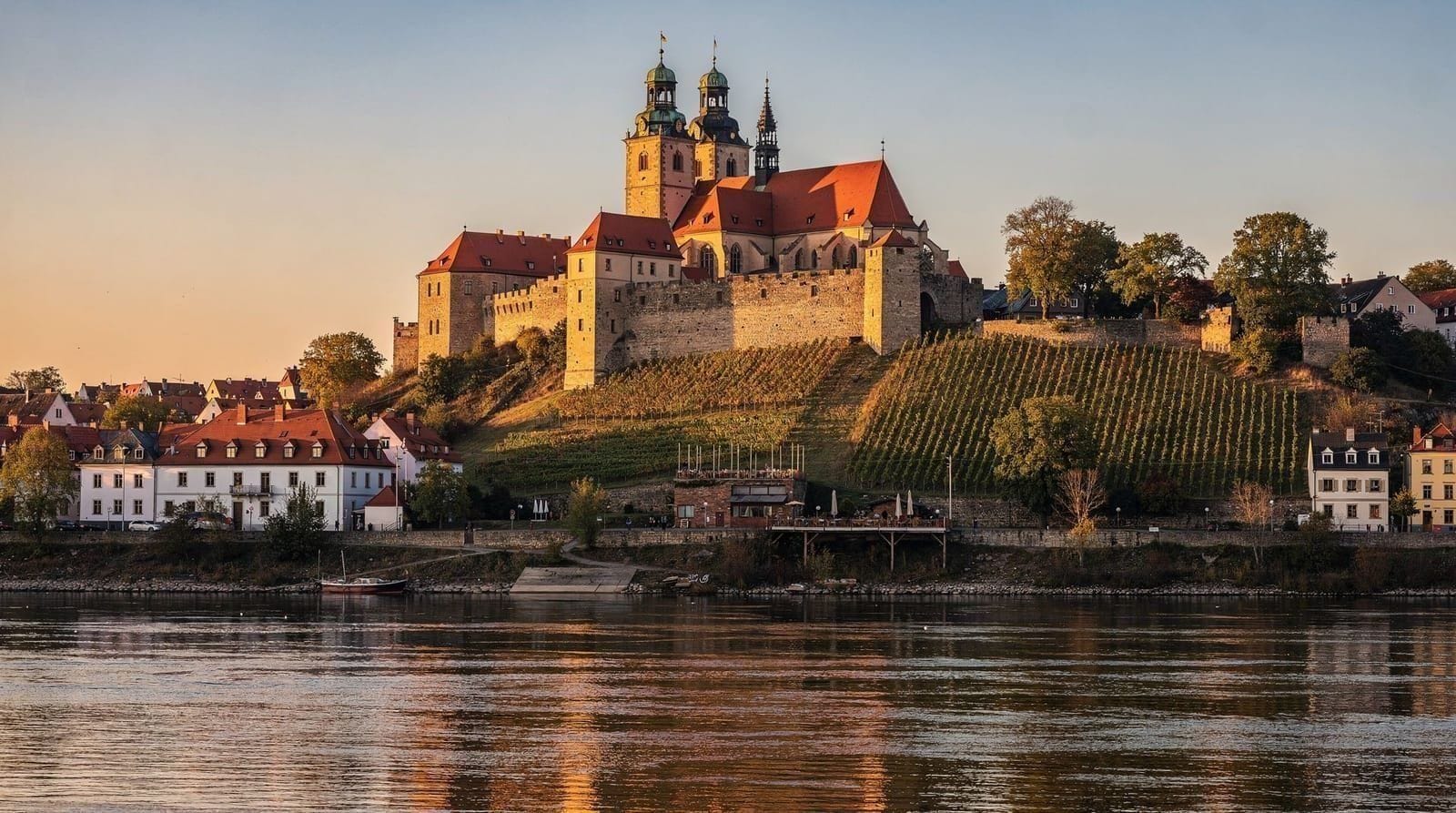
Meissen is 25 km northwest of Dresden, directly connected by S-Bahn S1 (40 minutes, €3.70 return). The combination is feasible but tight on a day trip from Berlin:
- Arrive Dresden 10am
- Dresden Old Town 10:00–12:30
- S-Bahn to Meissen 12:45 (arrive 1:25pm)
- Meissen 1:30–4:00pm
- S-Bahn return to Dresden 4:15 (arrive 4:55pm)
- ICE Berlin 5:30pm
This schedule works but leaves almost no flexibility. If trains run late, the Meissen portion gets compressed. For full details on what to see in Meissen, see the Berlin to Meissen day trip guide.
For the full Dresden destination overview, see the Dresden destination page.
Honest warnings
The Christmas Market tourism: Dresden’s Striezelmarkt (Christmas market) from late November to December 24 is one of Germany’s largest. It draws enormous crowds and hotel prices spike significantly. A day trip from Berlin during this period means train costs are also elevated. Go in a shoulder month if possible.
The Neumarkt tourist restaurants: The restaurants immediately surrounding the Frauenkirche and the Neumarkt square (the main tourist plaza) are overpriced and mediocre — primarily designed for coach-tour groups. Walk one or two streets away for significantly better value.
Guided bus tours from Berlin: Some operators offer Berlin–Dresden day tours by bus, which take 2.5–3 hours each way vs 2 hours by train. The time difference is meaningful on a day trip where every hour counts. Train is consistently faster and more comfortable.
Turning it into a weekend instead
If a single day feels rushed once you see how much the Old Town holds, Dresden supports a proper weekend. Our Berlin–Dresden weekend itinerary spreads the Zwinger’s museums, the Neustadt quarter, and a Meissen half-day across two unhurried days rather than one compressed one, and it’s the better choice if you also want to see the New Green Vault (Neues Grünes Gewölbe) or take an evening at the Semperoper. For those who’d rather not manage train connections and timing themselves, a private guided option covers the logistics end to end.
Private best-of Dresden day tour from Berlin, door-to-door with a dedicated guideHow Dresden compares to other Saxony day trips
Dresden is the most architecturally dense and historically layered of Berlin’s Saxony day-trip options — more so than Meissen, which is smaller and centres on the porcelain manufaktur and a single hilltop castle. If your time in Germany is limited to one day trip beyond Berlin, Dresden generally rewards it best; see the best day trips from Berlin ranking for how it stacks up against Potsdam, Spreewald and the rest. Before travelling, our general Berlin travel tips guide covers ticket apps, luggage lockers at Hauptbahnhof, and other practicalities that apply just as much to a Dresden day as to Berlin itself.
Frequently asked questions about Berlin to Dresden day trip
How long is the train from Berlin to Dresden?
ICE (Intercity Express) and EC (EuroCity) trains from Berlin Hauptbahnhof to Dresden Hauptbahnhof take approximately 2 hours. There is no stopping service that would be practical for a day trip. Trains run roughly every 2 hours throughout the day.How much does the Berlin to Dresden train cost?
Advance saver tickets (Sparpreis) start from approximately €17.90 each way on ICE trains. Standard (Flexpreis) tickets cost €35–60+ each way. Book 4–6 weeks ahead for the cheapest fares. DB tickets at machine or in the Deutsche Bahn app. The Brandenburg Day Ticket does NOT cover ICE trains to Dresden.Which Berlin station do I depart from for Dresden?
Most ICE and EC trains to Dresden depart from Berlin Hauptbahnhof (central station). Some services also stop at Berlin Südkreuz, which is useful for visitors staying in the southern districts. Always check the DB timetable, as not all services stop at both stations.What is the Zwinger in Dresden?
The Zwinger is an 18th-century Baroque palace courtyard complex — a series of connected pavilions and galleries surrounding a formal garden. It was built for Augustus the Strong between 1710 and 1728 and is the visual symbol of Dresden. The courtyard itself is free to enter; three museums within the complex charge entry (€14 for the Gemäldegalerie Alte Meister, which contains Raphael's Sistine Madonna).Is one day enough for Dresden?
One full day covers the main sights within walking distance of the Old Town (Altstadt) — the Zwinger, Frauenkirche, Brühlsche Terrasse, and Semper Opera exterior. A relaxed two-day visit allows you to add the New Green Vault (Neues Grünes Gewölbe), the Neustadt quarter across the river, and a half-day trip to Meissen. Prioritise based on your interests.Can I combine Dresden and Meissen in one day trip from Berlin?
Yes, but it requires an early start and some timing discipline. Take the first ICE at approximately 8am, arrive Dresden at 10am, spend 2.5 hours in Dresden, take S-Bahn S1 to Meissen (40 min), spend 2.5 hours in Meissen, return to Dresden by S-Bahn, then ICE back to Berlin. This is feasible but leaves little margin for delays. See the separate Berlin to Meissen day trip guide.What happened to Dresden in World War II?
Dresden was bombed by British and American air forces on the night of 13–14 February 1945, when the war was nearly over. The bombing killed between 22,500 and 25,000 people (the higher estimates used in Nazi propaganda were inflated) and destroyed much of the historic centre. The exact military justification remains contested by historians. The Frauenkirche was left as a ruin by East Germany as a war memorial; its reconstruction between 1993 and 2005 is documented within the church.Do I need to book the Frauenkirche in advance?
The Frauenkirche is free to enter for general visits during designated open hours (typically morning and early afternoon on weekdays, with restricted access during services). The cupola viewing platform requires a separate ticket (~€8) that can be booked at the church or in advance online. Regular services and concerts are ticketed separately.
Top experiences
Bookable activities with verified prices and instant confirmation on GetYourGuide.