Berlin to Meissen day trip — porcelain, medieval castle and the Elbe
From Berlin: Private Guided Dresden Day Trip by Train
How do you get from Berlin to Meissen?
Take the ICE from Berlin Hauptbahnhof to Dresden (2 hours), then the S-Bahn S1 from Dresden Hauptbahnhof to Meissen (40 minutes). Total journey approximately 2.5 hours each way. Meissen is best combined with a Dresden visit — doing it as a standalone trip from Berlin is a long day for a small town.
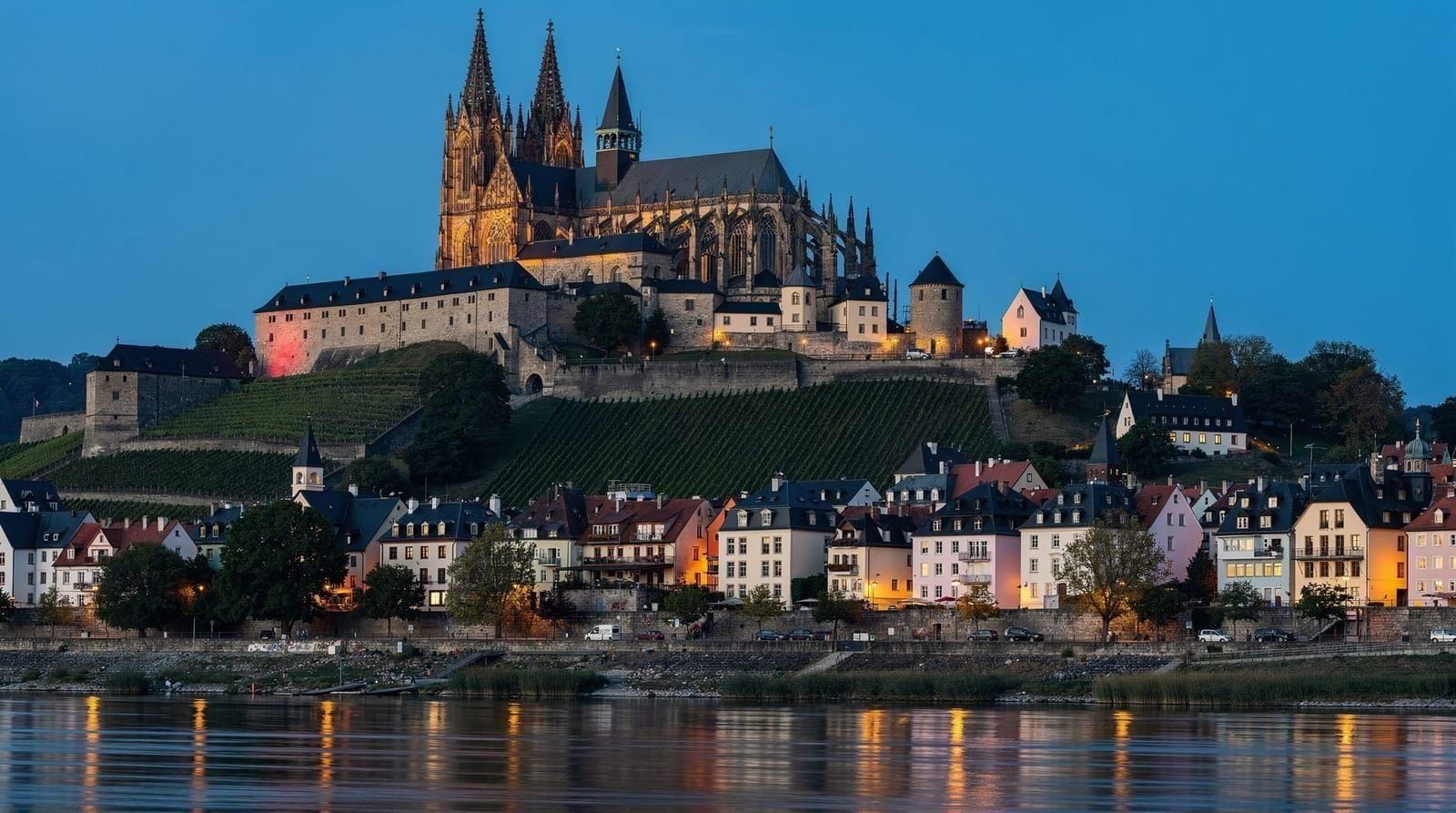
Meissen is a small Saxon city 25 km northwest of Dresden on the Elbe, with a medieval hilltop castle, a Gothic cathedral, and the manufaktur that established European porcelain production in 1710. It’s an honest day trip in the sense that it requires commitment — the journey from Berlin is 2.5 hours each way — but it rewards with an unusually coherent historic town that feels unchanged by mass tourism.
The practical advice upfront: Meissen works best as an extension of a Dresden visit, not as a standalone day trip from Berlin. If you’re already planning to go to Dresden, add two or three hours for Meissen and you won’t regret it.
| Where | Meissen, Saxony, 25km northwest of Dresden |
| Getting there | ICE to Dresden (2h) + S-Bahn S1 (40min), around 2h40 total |
| Cost | Porcelain factory tour around €14; castle around €8; cathedral around €4 |
| Time needed | 4–5 hours in Meissen if paired with Dresden |
| Best as | An add-on to a Dresden day, not a Berlin standalone trip |
Getting from Berlin to Meissen
Meissen requires a two-stage journey from Berlin:
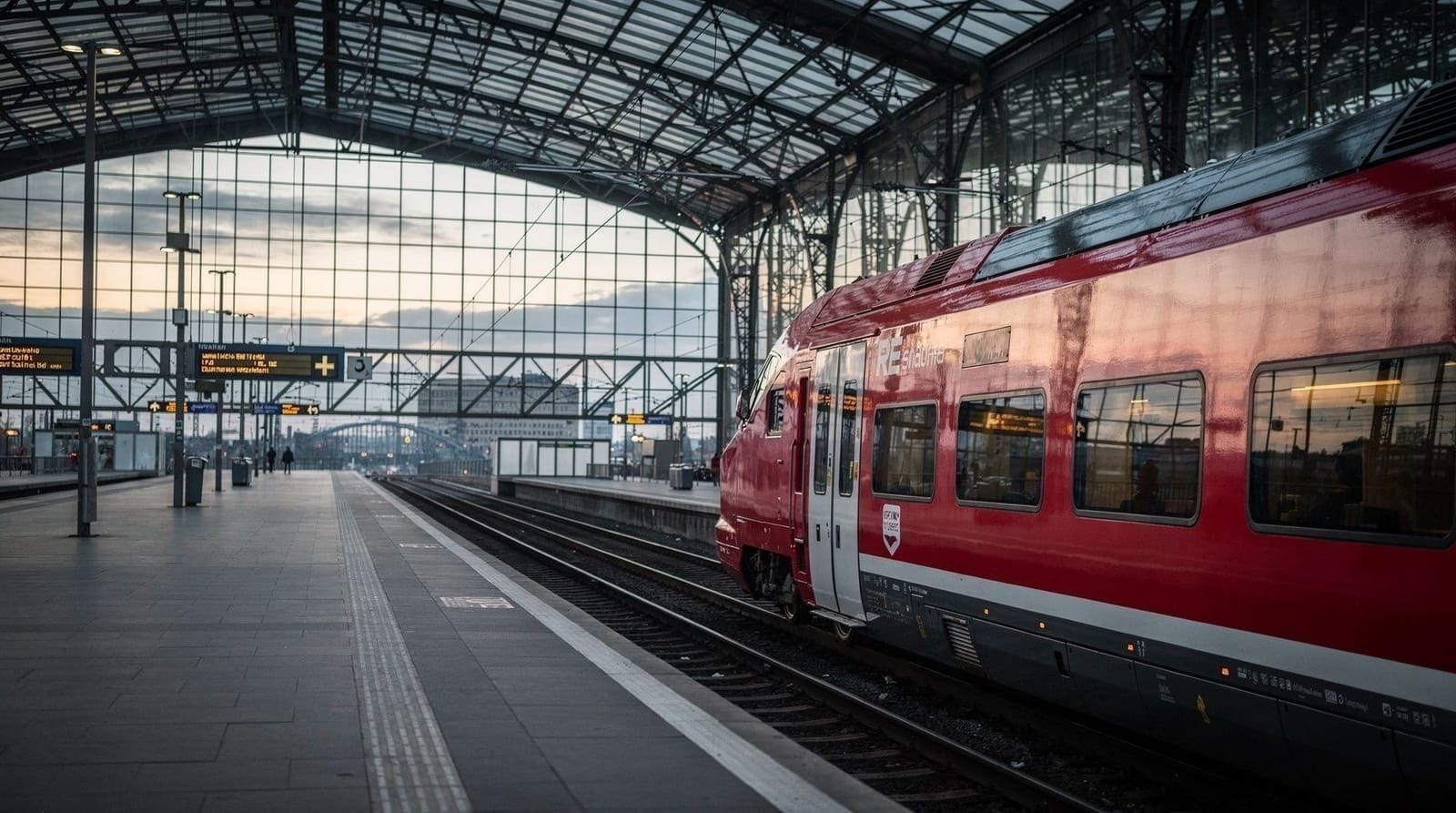
Stage 1 — Berlin Hauptbahnhof to Dresden Hauptbahnhof: ICE trains take approximately 2 hours. Advance saver tickets (Sparpreis) from approximately €17.90 each way. See the full Berlin to Dresden day trip guide for ticket booking strategy. The Brandenburg Day Ticket does NOT cover ICE trains to Dresden.
Stage 2 — Dresden Hauptbahnhof to Meissen: S-Bahn S1 from Dresden Hauptbahnhof (or Dresden-Neustadt station) to Meissen Hauptbahnhof: approximately 38–42 minutes. Trains run every 30 minutes. Standard single ticket: approximately €3.70. This is a separate DB or VVO (Verkehrsverbund Oberelbe) ticket — not covered by Berlin regional tickets.
Total journey time: approximately 2 hours 40 minutes Berlin to Meissen.
Alternative — boat from Dresden to Meissen: Sächsische Dampfschifffahrt (Saxon paddle steamers, the world’s oldest and largest fleet of historic paddle steamers) operates boats from Dresden along the Elbe to Meissen in the warmer months. Journey time approximately 1.5 hours downstream. The boat trip itself is a pleasant experience and arrives at the Meissen city dock, close to the historic centre. Check schedules at saechsische-dampfschifffahrt.de. This option extends a Dresden–Meissen combination into a full day in itself.
Choosing S-Bahn versus boat: The S-Bahn is faster and reliable year-round, which matters if your day is already tight. The boat is slower and seasonal but is a genuinely scenic way to arrive, gliding past vineyards on the Elbe slopes before Meissen’s skyline comes into view. If you have the extra 50 minutes each way to spare and are visiting between roughly April and October, the boat upstream in one direction and the S-Bahn back is a reasonable compromise that keeps the schedule realistic.
Meissen station to the old town
Meissen Hauptbahnhof is on the west bank of the Elbe. The historic centre and the Albrechtsburg hill are on the east bank, about 1.2 km from the station.
Cross the river via the Altstadtbrücke bridge and walk up Görnische Gasse toward the market square. The Albrechtsburg and cathedral are visible from the bridge on the hill above.
The porcelain manufaktur is about 15 minutes south of the station on Talstrasse — the opposite direction from the old town. Plan your timing to visit one before the other, with lunch at the market square in between.
What to see in Meissen
Meissener Porzellan Manufaktur (porcelain factory): The factory that has produced Meissen porcelain continuously since 1710 still operates on the same site (Talstrasse 9). The factory tour includes:
- Live demonstration of hand-painting by manufaktur artists
- Walking route through production areas showing moulding, glazing, and firing stages
- The Schauhalle (exhibition hall) with historical pieces and current production
- A factory shop selling first-quality and second-quality (discounted) pieces
Adult entry: approximately €14 (2026; confirm at porzellan.de). Tours run in English at scheduled times; check the website for current language schedules. Photography is generally permitted in non-production areas.
The shop sells genuinely expensive items — first-quality Meissen porcelain is priced accordingly (a simple dinner plate can exceed €100). The quality is documented and authentic; this is not tourist souvenir pricing but the market price for hand-decorated hard-paste porcelain from a 300-year-old manufaktur. Seconds (slight production imperfections) are significantly cheaper and are the best value for visitors who want to take something home.
Albrechtsburg castle: The castle on the sandstone hill above the Elbe (Domplatz 1) was built between 1471 and 1525 for Duke Ernst and his brother Albrecht of Saxony — it is considered the earliest significant secular Gothic building in Germany. The architecture is sophisticated and the views over the Elbe valley and Meissen below are among the best in Saxony.
From 1710 to 1863, Albrechtsburg was the site of the Meissen porcelain manufaktur — Augustus the Strong chose it deliberately for its isolation, to protect the porcelain formula from industrial espionage. The current exhibition within the castle documents both the Gothic architecture and the porcelain history.
Entry: approximately €8 adults. Allow 1 hour for the castle and exterior views.
Meissner Dom (Meissen Cathedral): Adjacent to the Albrechtsburg, the cathedral was begun in the early 13th century and completed over the following two centuries. Key elements:
- Late Romanesque and early Gothic architecture in the nave and choir
- Medieval stained glass (14th–15th century) in the choir chapels
- Royal tombs of Saxon electors and the foundational bishops of Meissen
- The bronze tomb slab of Emperor Otto I (10th century original not present, but significant for the site’s early history)
Entry: approximately €4 adults. Services are still held regularly; check times before visiting if attending a service matters.
The old town and market square: Meissen’s Marktplatz has a 15th-century Rathaus (town hall) and is surrounded by medieval and early modern buildings that survived wartime bombing largely intact. The square is modest in scale compared to Dresden but genuinely historic. Good for a 20-minute walk before catching the S-Bahn back.
The porcelain story — why it matters
In early 18th-century Europe, Chinese porcelain was immensely valuable — so valuable that European rulers actively tried to discover the formula for hard-paste porcelain that China had kept secret for centuries. Augustus the Strong, who was simultaneously Elector of Saxony and King of Poland (an unusual political combination), was obsessed with collecting Chinese and Japanese porcelain and with cracking the formula.
In 1708, a young alchemist named Johann Friedrich Böttger, working in Dresden under court supervision, produced the first European hard-paste porcelain. Augustus immediately established a manufaktur in 1710 at Albrechtsburg castle in Meissen, choosing the fortified hilltop site specifically to keep Böttger and the formula under guard.
The crossed blue swords mark — the Meissen trademark — was introduced in 1722 and is the oldest trademark in continuous use in the world.
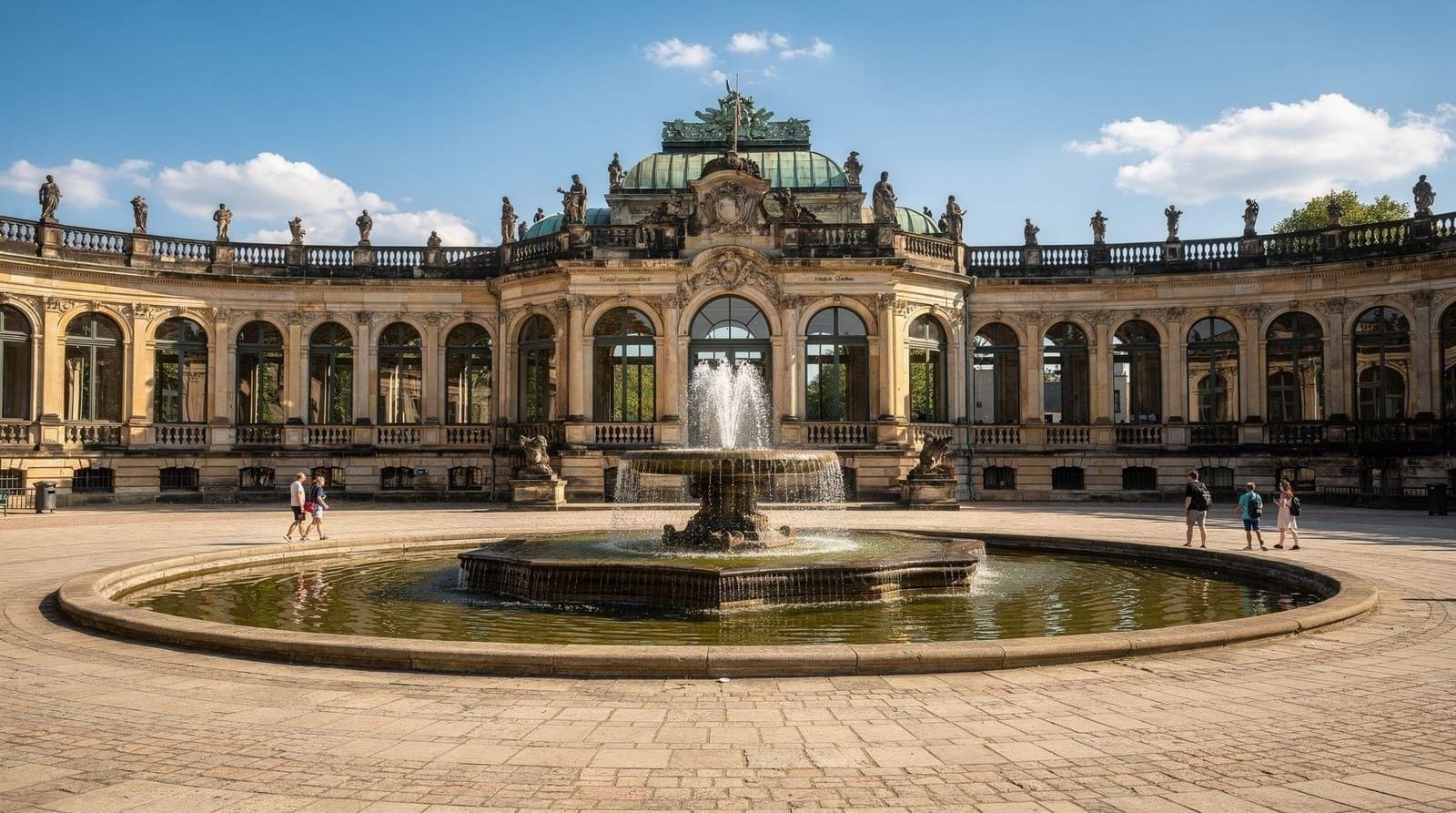
The porcelain collection at Dresden’s Zwinger (the Porzellansammlung, approximately €14 entry) shows the scale of Augustus’s collecting obsession — 20,000+ pieces. Going to Meissen after visiting the Dresden collection puts the manufaktur in direct context.
Combining Dresden and Meissen in one day trip
The most efficient combination for a Berlin day trip:
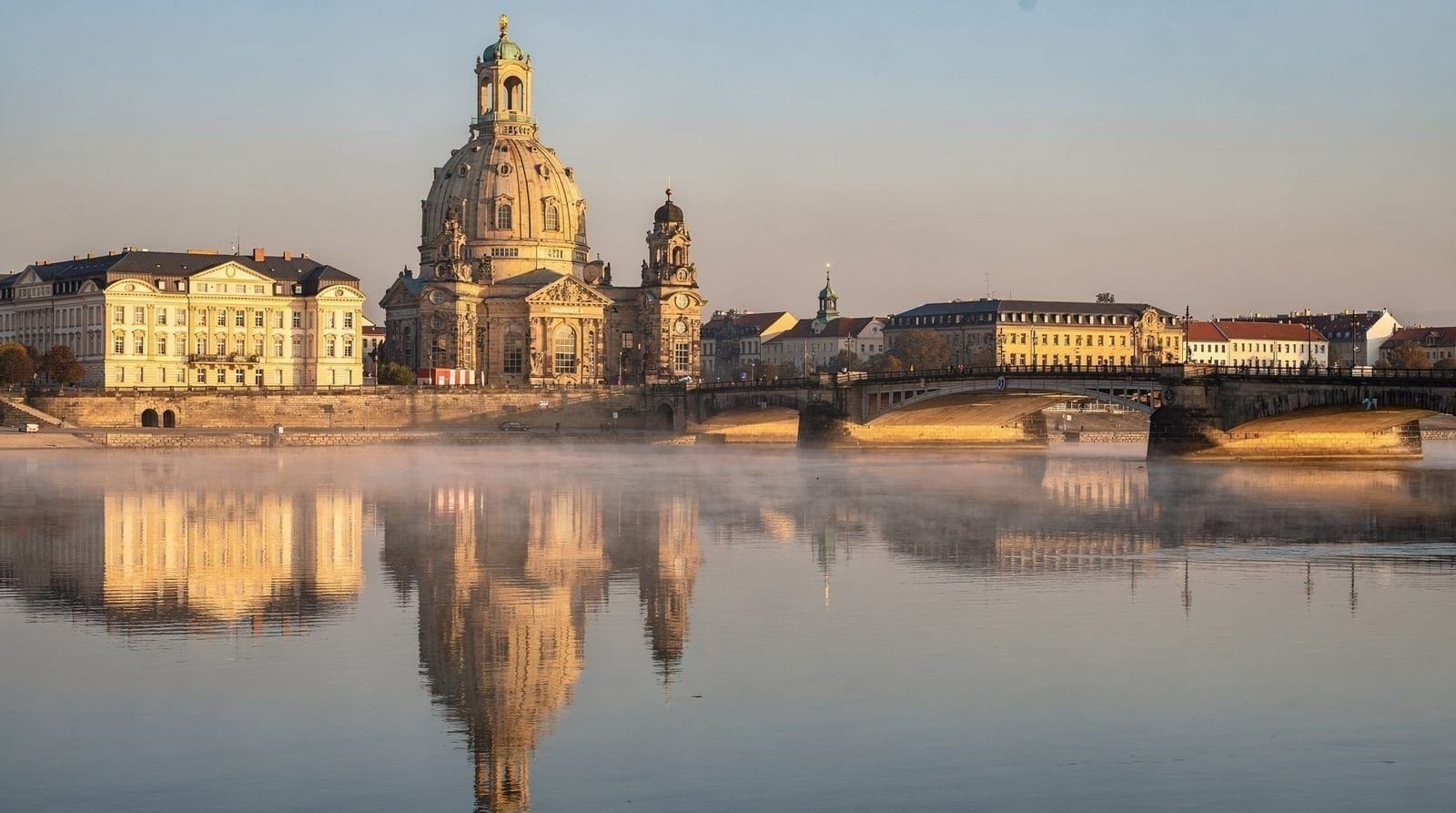
8:00am — Depart Berlin Hauptbahnhof, ICE direction Dresden 10:00am — Arrive Dresden. Walk to the Zwinger courtyard (free, 15 minutes from station) 10:15–12:00 — Zwinger and Frauenkirche (choose based on priorities) 12:15 — S-Bahn S1 from Dresden Hauptbahnhof direction Meissen 1:00pm — Arrive Meissen 1:15–2:00pm — Lunch at the market square (recommended: Meissener Gasthof Zur Schmiede, mid-priced Saxon food) 2:00–3:30pm — Porcelain manufaktur tour (check tour times in advance; English tours typically at 10am and 2pm) 3:30–4:30pm — Albrechtsburg and cathedral 4:45pm — S-Bahn S1 back to Dresden 5:30pm — Arrive Dresden Hauptbahnhof 5:45pm — ICE back to Berlin 7:45pm — Arrive Berlin
This schedule is tight and depends on trains running on time. Build in 15 minutes of flexibility at Meissen by checking the last practical S-Bahn back to Dresden before you leave Berlin.
For the full Dresden section, see the Berlin to Dresden day trip guide. For the Dresden destination overview, see the Dresden destination page.
What to skip in Meissen
The wine tasting tourist trap: Several restaurants near the Albrechtsburg advertise Elbe valley wine tastings at prices well above what the wine quality justifies. The local wine is genuinely interesting but not at the prices being charged in the castle hill tourist restaurants. A glass at a regular bar is fine; a formal tasting session is not worth it.
The Meissen porcelain shops in the old town: Shops selling Meissen porcelain at discounted prices in the old town are not selling genuine Manufaktur Meissen. The authentic pieces come from the factory shop at the manufaktur (Talstrasse) or from authorised retailers. The crossed blue swords mark can be verified; counterfeit versions of this mark exist.
Practical notes
Meissen manufaktur tour booking: English-language tours at the manufaktur run at scheduled times. Check the schedule at porzellan.de before visiting — English tours may run only at 10am and 2pm. If your timing doesn’t align, the exhibition can be visited without a formal tour.
Timing the Albrechtsburg: The castle is open 10am–6pm (April–October) and 10am–5pm (November–March). Closed on certain public holidays. Check ahead.
The castle and cathedral are close together on the same hill (Domplatz). Budget 1–1.5 hours for both.
Eating: The castle hill area has tourist-facing restaurants. Walk down to the market square (10 minutes) for more reasonable options.
Making the combined day easier
Coordinating an ICE, an S-Bahn connection, a factory tour slot and a castle visit within one day is the main source of stress on this trip — miss one connection and the whole schedule compresses. If you’d rather not manage the timing yourself, a private guided day trip from Berlin covers Dresden and handles transport and pacing for you, leaving the Meissen extension as a simple add-on request rather than something you have to time to the minute.
Private guided day trip from Berlin to Dresden by train, with flexible time for a Meissen extensionFor the broader context on turning this into a full weekend rather than a single rushed day, see the Berlin–Dresden weekend itinerary, and for how Meissen and Dresden rank against Berlin’s other day-trip options generally, see best day trips from Berlin.
Frequently asked questions about Berlin to Meissen day trip
Is Meissen worth visiting as a day trip from Berlin?
Meissen is more rewarding as an add-on to a Dresden visit than as a standalone day trip from Berlin. The journey (2h ICE + 40min S-Bahn each way) leaves about 4–5 hours in Meissen, which is enough for the porcelain factory, the Albrechtsburg, and a walk through the old town. As a standalone trip it requires an early start and tight timing.How do I get from Dresden to Meissen?
S-Bahn S1 from Dresden Hauptbahnhof to Meissen station takes approximately 40 minutes. Trains run every 30 minutes. A standard DB ticket costs approximately €3.70 single. Alternatively, the Meissen city dock is accessible by boat on the Elbe (Sächsische Dampfschifffahrt ferries operate in season), taking about 1.5 hours.What is Meissen famous for?
Meissen is Europe's oldest porcelain manufacturer, established in 1710 by Augustus the Strong, Elector of Saxony. The formula for hard-paste porcelain had previously been a Chinese secret. The factory (Meissener Porzellan Manufaktur) still operates in the same building and offers tours showing hand-painting and production. The town is also known for Albrechtsburg castle and a Gothic cathedral.How much does the Meissen porcelain factory tour cost?
The Meissener Porzellan Manufaktur tour costs approximately €14 for adults (2026 prices; confirm at the factory or porzellan.de). The tour includes a demonstration of hand-painting, access to production areas, and the factory museum. Audio guides in English are included. The attached shop sells current production pieces.What are Albrechtsburg and the cathedral in Meissen?
Albrechtsburg is a 15th-century castle on a sandstone hill above the Elbe — the birthplace of German secular Gothic architecture and the site of the original Meissen porcelain manufaktur from 1710 to 1863. The adjacent Meissner Dom (Meissen Cathedral) is a 13th–15th-century Gothic cathedral with medieval stained glass and notable royal tombs. Both are on the same hilltop complex.Can I visit Meissen and Dresden in one day from Berlin?
Yes, but it requires an early departure. Leaving Berlin at 7:30–8:00am by ICE, you arrive in Dresden around 10am. Spend 2–3 hours in Dresden, then S-Bahn to Meissen for 2–3 hours, then return to Dresden in time for the 5–6pm ICE back to Berlin. It is a full day with limited flexibility for delays or extended visits.Is Meissen touristy?
Less so than Dresden. Meissen receives visitors primarily for the porcelain manufaktur and the castle, but the town is not heavily commercialised. The historic centre is compact and authentic, with local shops and restaurants that are not exclusively tourist-facing. It feels more like a real Saxon town than most of the sites on the standard tourist circuit.What wine is produced near Meissen?
The Elbe valley around Meissen is Germany's northernmost wine-producing region. The Meissener Domherrnberg vineyard dates to the 9th century. The wines are primarily white — Müller-Thurgau, Riesling, and Grauburgunder (Pinot Gris). The production is small and largely consumed locally. A glass of local Elbe valley wine is available in Meissen restaurants and from the vineyard direct.