Berlin cooking classes guide — German cuisine, international options, and what they actually cost
Are cooking classes in Berlin worth it?
Cooking classes in Berlin range from €45 to €150 per person depending on format and cuisine. Market-to-table classes (shopping at the Turkish Market or Markthalle Neun, then cooking) offer the best combination of cultural experience and practical skill. German cuisine classes covering regional dishes are genuinely useful for visitors wanting to recreate what they have eaten. The key is to verify whether a class is taught by a professional chef or a well-meaning amateur with a kitchen.
Are cooking classes in Berlin worth it? Yes, if you choose the right format. Market-to-table classes that combine shopping with cooking offer genuine skill and cultural context. German cuisine classes are useful for replicating what you have eaten. The key differentiator is whether the instructor is a working professional or a home cook with a nice apartment — this is worth verifying before booking.
| Where | Kreuzberg, Schöneberg (market classes); Mitte, Prenzlauer Berg (studio kitchens) |
| Cost | around €35–160/person depending on format |
| Time needed | 2 hours (demonstration) to a full day (market-to-table) |
| Getting there | U-Bahn to the relevant kitchen or market |
| Best time | Book 3–7 days ahead for weekend slots |
What to expect from Berlin cooking classes
Berlin’s cooking class scene ranges from professional culinary school sessions to informal evening classes in shared kitchens. The diversity is greater than in cities with more homogeneous food tourism — Berlin attracts visitors interested in German cuisine, Turkish food, international cooking, and vegan techniques, and the class offerings reflect this.
The most common formats:
Demonstration classes: An instructor cooks while you watch, take notes, and eat the result. Lower engagement, lower price. Useful for dishes where technique matters less than the recipe — German cakes, traditional soups, bread. Price: €35–55 per person for 2 hours.
Hands-on small group classes: You cook alongside the instructor in a group of 6–12 people. This is the standard format for serious skill development. Price: €65–110 per person for 3–4 hours.
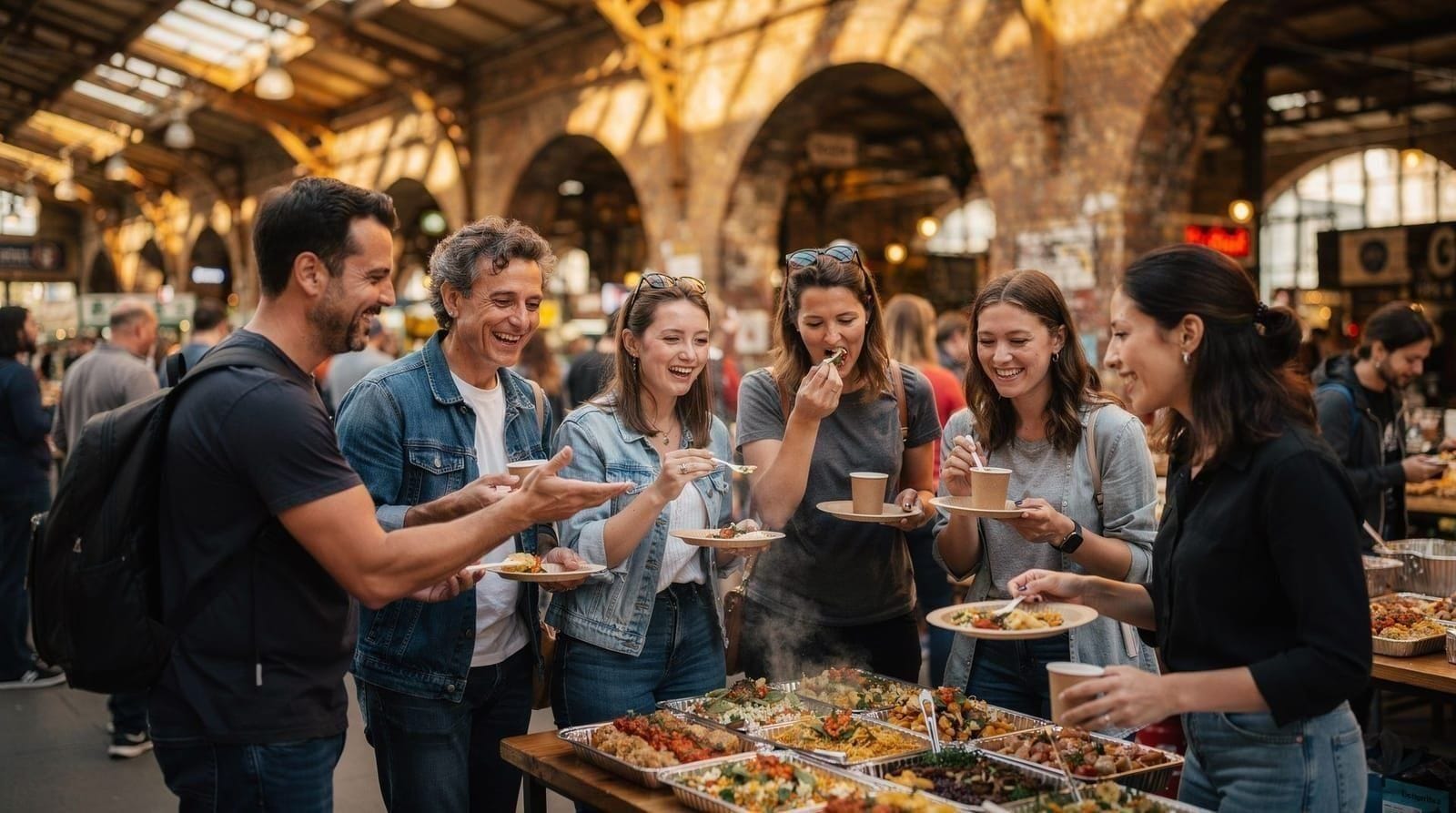
Market-to-table classes: Begin at a food market, shop for ingredients with the instructor’s guidance, then cook. These classes teach both ingredient selection and cooking. Best scheduled around the Turkish Market (Tuesday/Friday) or Markthalle Neun (Thursday). Price: €110–160 per person for 4–5 hours.
Private classes: One-to-one or couple sessions with a chef. Fully personalised curriculum. Price: €150–250 per person.
German cuisine classes — what you will learn
Traditional Berlin and German recipes
Berlin has its own regional food identity distinct from southern German cuisine (Bavaria, Baden-Württemberg). A good German cuisine class in Berlin should cover dishes that are genuinely Berliner rather than generic German:
Königsberger Klopse: Meatballs in a white caper sauce — a dish specific to old Berlin/Prussian cuisine, named for the now-Russian city of Königsberg (Kaliningrad). The sauce is unusual in German cooking: a bechamel base with capers, lemon, and anchovy. A good class will explain the historical context.
Eisbein: Boiled pork knuckle with sauerkraut and pea puree — a Berlin pub staple. Learning to prepare sauerkraut from scratch (fermented cabbage) is often included as a component skill.
Berliner Pfannkuchen: The Berlin doughnut — a yeasted fried dough filled with jam (Pflaumenmus — plum jam, or Hagebuttenmarmelade — rose hip jam) and dusted with sugar. These are called “Berliner” everywhere in Germany except Berlin itself, where they are called “Pfannkuchen.” A class covering this teaches yeast dough handling and deep frying safely.
Kartoffelsuppe mit Würstchen: Berlin’s potato soup, often served with sliced sausage. Simple technique but important for understanding German stock-making and vegetable preparation.
Sauerbraten: Marinated beef roast — a German classic rather than specifically Berlin, but widely taught. The marinade period (usually 3–5 days in reality) means classes typically work with pre-marinated meat. Understanding the vinegar-wine-spice balance is the key lesson.
Baking and pastry
German baking — Backkunst — has genuine depth that cooking classes can meaningfully address:
Apfelstrudel: Traditionally Austrian but deeply embedded in Berlin café culture. The strudel dough is pulled by hand to near-transparency — a technique that requires practice. Classes that include this are genuinely teaching something that takes time to develop.
Bienenstich (Bee Sting Cake): A yeasted cake with a caramelised almond topping and vanilla cream filling. A good introduction to German yeasted cake technique.
Schwarzwälder Kirschtorte (Black Forest cake): Not Berlin-specific but commonly requested. Classes covering this teach génoise sponge, Kirsch (cherry schnapps) soaking, whipped cream stabilisation, and layered cake assembly.
International cuisine classes
Berlin’s multicultural food scene has generated genuine expertise in international cuisines taught by community members rather than culinary tourists.
Turkish cuisine classes
Given Berlin’s Turkish population (approximately 250,000 residents of Turkish origin — see the Berlin Turkish food guide), it is surprising that dedicated Turkish cooking classes are relatively rare in the formal class format. Several informal offerings exist through community organisations in Kreuzberg.
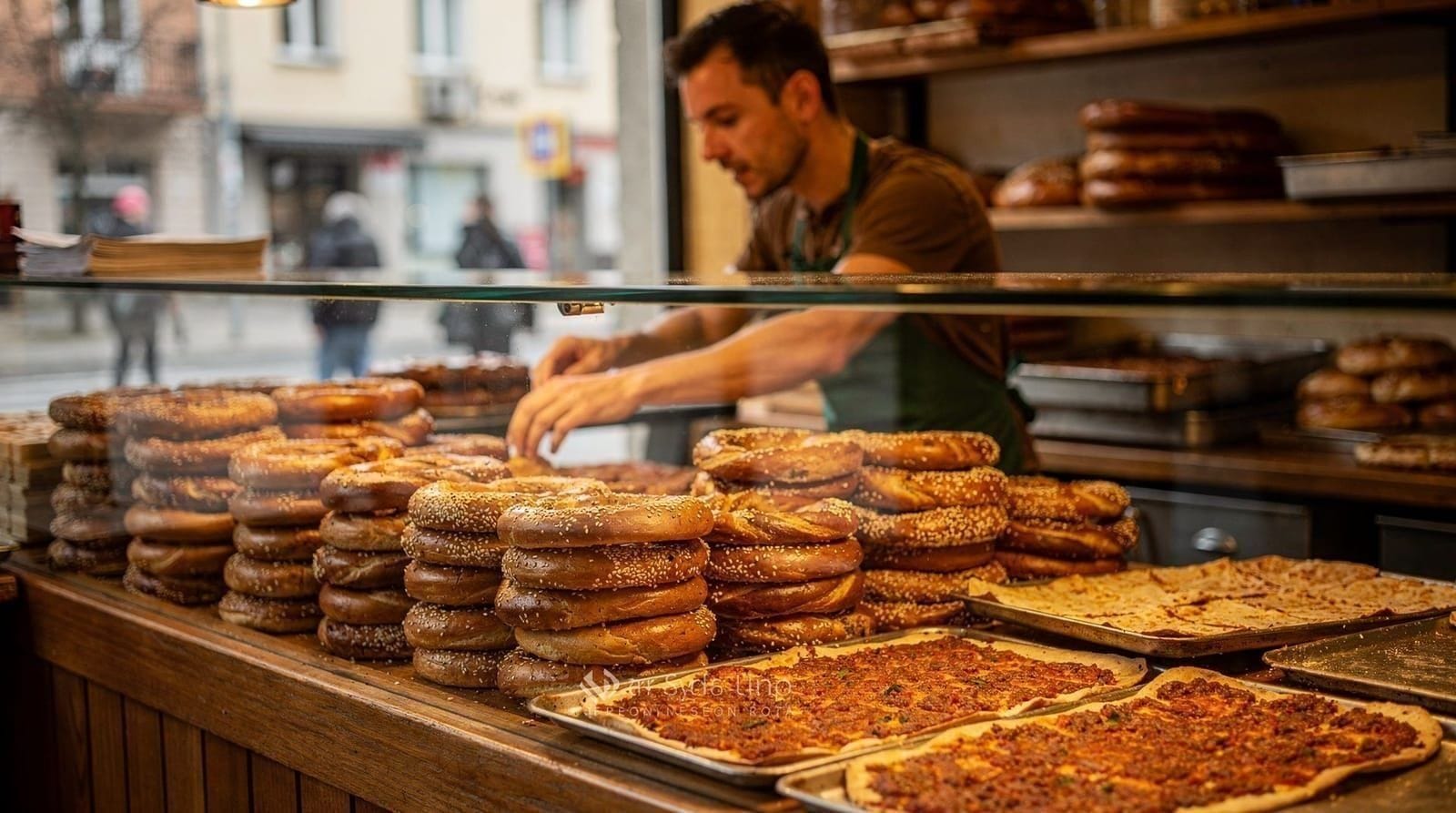
What a good Turkish cuisine class might cover: lahmacun dough preparation and topping, gözleme filling and cooking on a saç griddle, menemen technique, Turkish pastry dough (börek), and cooking lamb in the Turkish style with regional spices.
If you cannot find a formal class, spending time at the Turkish Market on Maybachufer with an informal guide (some market vendors will explain their products and technique if you are genuinely interested) is a lower-cost alternative.
Asian cuisine
Several well-regarded cooking schools in Berlin offer Japanese, Thai, Vietnamese, and Korean classes taught by instructors from those communities. Quality varies significantly — the key differentiator is whether the instructor is actually from the relevant country and tradition or is teaching a generalised “Asian cooking” approach.
Japanese cooking: Sushi rolling classes are widely available and aimed at tourists (reasonable fun but not serious instruction). More valuable are classes focusing on dashi stock preparation, miso soup technique, and basic knife skills — these represent genuine Japanese cooking fundamentals.
Thai cooking: Several Thai restaurants in Berlin offer cooking classes to supplement their restaurant revenue. Technique-focused classes here are worthwhile if the restaurant itself is good — a restaurant that cooks poorly will teach you to cook poorly.
Bread baking
Berlin’s artisan bread scene has grown substantially. Several bakeries offer bread-baking workshops covering sourdough, German rye breads (Roggenbrot, Pumpernickel), and white wheat breads. These are typically morning or all-day sessions.
The practical skill from a bread-baking class is highly transferable — understanding fermentation, shaping, and oven spring applies regardless of your home country’s bread culture.
Market-to-table class formats
Turkish Market on the Maybachufer
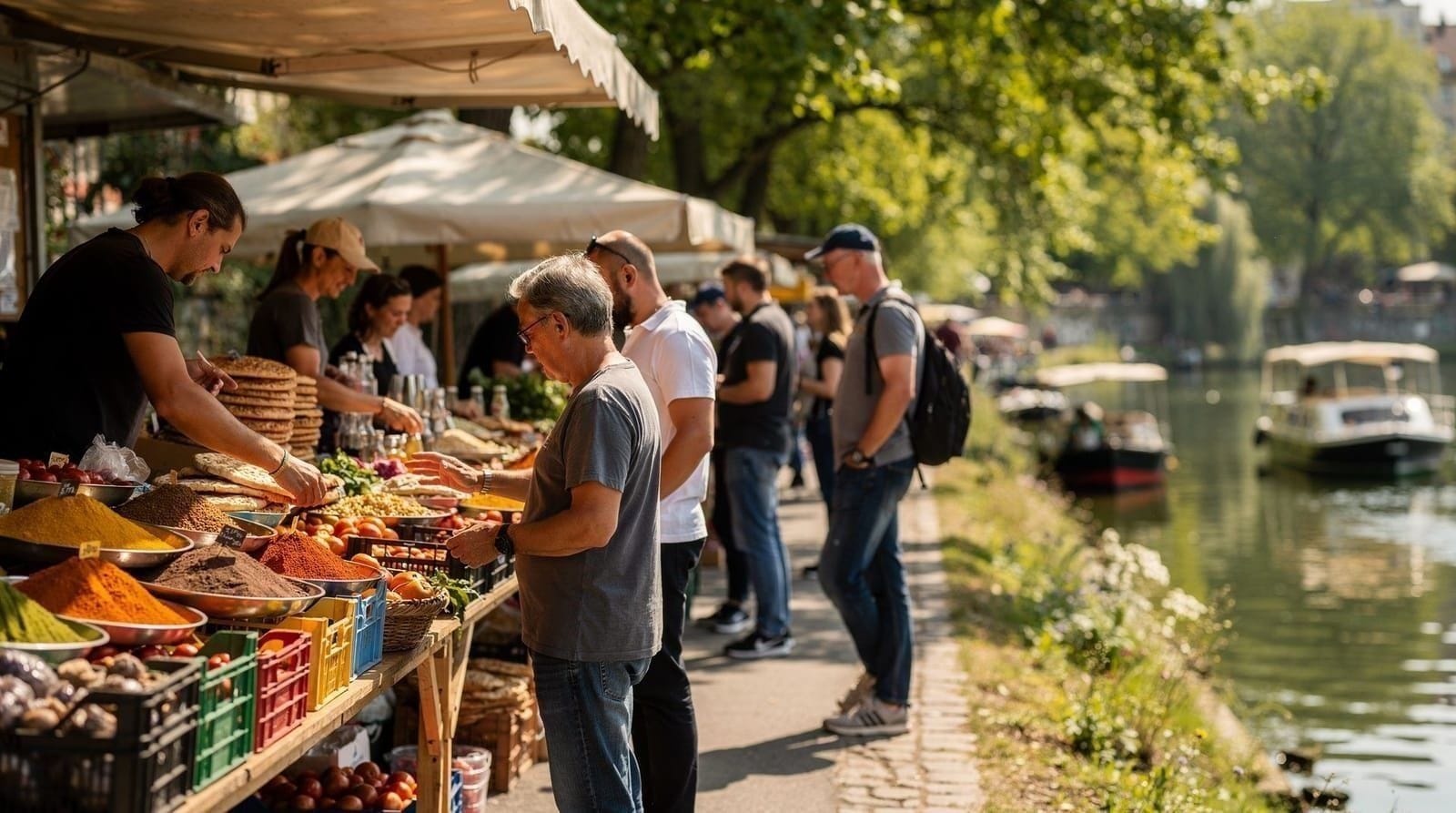
A class beginning at the Türkenmarkt (Tuesday or Friday, 11:00–18:30) has the advantage of immediate access to the largest and most varied outdoor food market in Berlin. The ingredients available — fresh spices, unusual vegetables, halal meats, seasonal produce — exceed what most professional kitchens stock.
A market-to-table class here typically covers: navigating the market with an instructor explaining ingredient selection, purchasing for a 3–4 person meal within a set budget, and then cooking in a nearby studio kitchen. The Turkish Market components add genuine value that compensates for the higher price.
Markthalle Neun
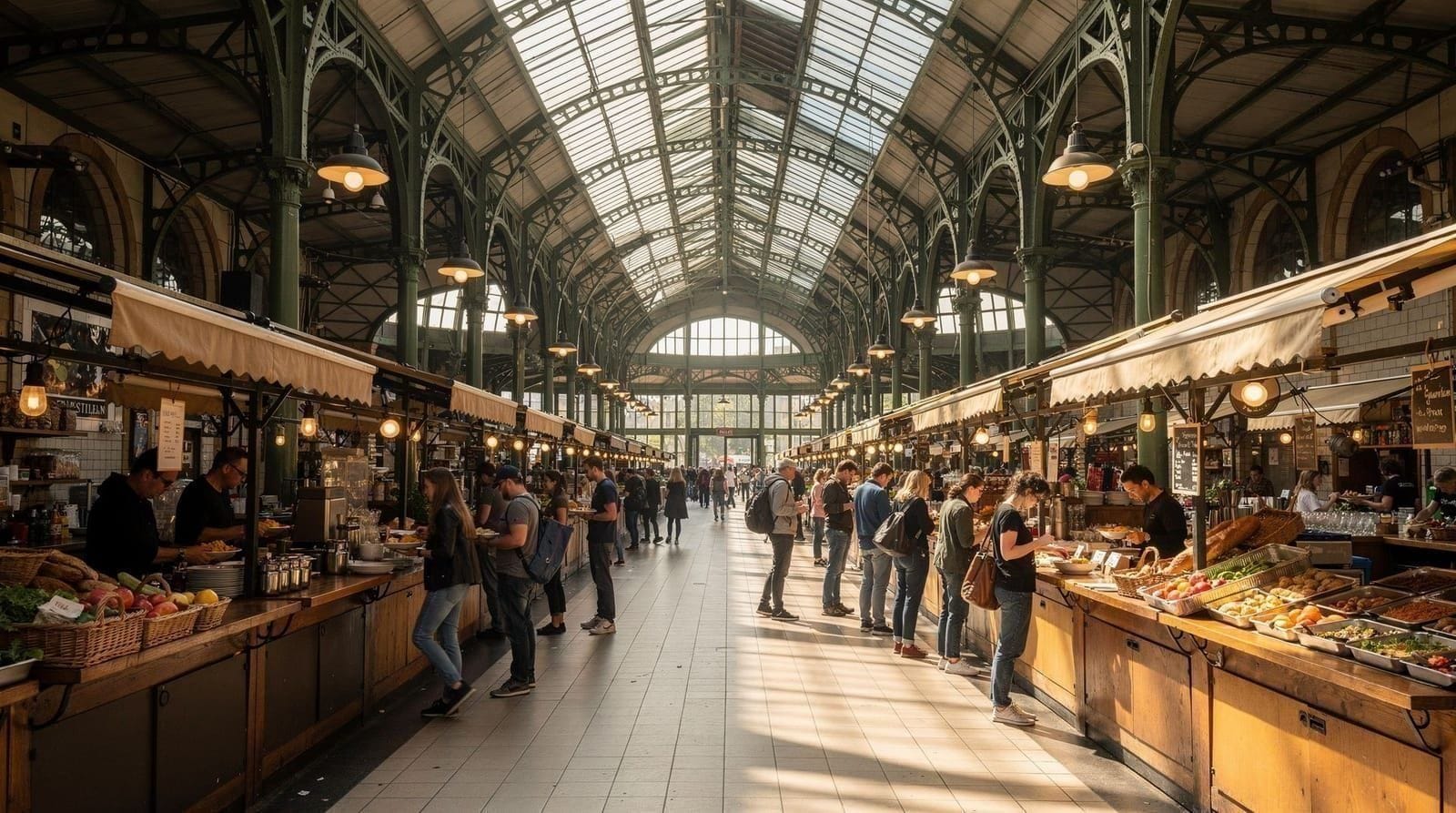
Thursday market-to-table classes beginning at Markthalle Neun’s Street Food Thursday event cover a different angle: identifying quality vendors, understanding the difference between genuine artisan production and mass production, and buying ingredients for cooking. The Thursday event means the market is at its most active and varied.
Winterfeldtmarkt
Saturday morning market-to-table classes starting at Winterfeldtmarkt in Schöneberg combine German farmers’ market shopping with subsequent cooking in the Schöneberg area. Particularly useful for understanding German seasonal produce and the Brandenburg farming calendar.
How to evaluate a cooking class before booking
Instructor background: Is the instructor a working professional chef, a former professional, or an enthusiast? For technical skill development, professional background matters. For cultural context and home cooking, an enthusiastic home cook with deep personal knowledge of a cuisine can be more valuable.
Class size: For hands-on cooking, 6–8 people per class is a workable maximum. Above 12 people, hands-on time per person drops significantly and the class becomes closer to demonstration format regardless of how it is marketed.
Kitchen quality: A class held in a professional kitchen with commercial equipment (six-burner stoves, professional knives, adequate workspace) teaches you in conditions where proper technique is achievable. A class in a domestic kitchen is necessarily limited.
What you take home: The most useful classes provide a written recipe in English that you can actually recreate at home. Classes that give you a laminated card or a brief handout are less valuable than those with a properly formatted recipe card.
Reviews from verifiable sources: Check Google Reviews and review platforms for specific mention of cooking quality, instructor knowledge, and whether the stated price matches what participants actually experienced (including any hidden costs for wine, additional food, transport).
Approximate pricing guide for Berlin cooking classes (2026)
| Format | Duration | Price per person |
|---|---|---|
| Demonstration, German cuisine | 2 hours | €35–55 |
| Hands-on, small group (6–10 people) | 3 hours | €65–95 |
| Hands-on, small group, international cuisine | 3 hours | €70–110 |
| Market-to-table with cooking | 4–5 hours | €110–160 |
| Bread baking workshop | Half day | €75–110 |
| Private class, couple | 3–4 hours | €150–250 per person |
Wine is sometimes included, sometimes charged separately (add €15–25 per person if not included). All ingredients are typically included in the quoted price. Confirm before booking.
Booking cooking classes in Berlin
GetYourGuide and Airbnb Experiences: Both aggregate cooking class listings for Berlin with verified reviews. Useful for comparison shopping and real availability checking.
Cookly: A dedicated cooking class booking platform with a Berlin section. More curated than GetYourGuide; smaller selection but stronger quality filtering.
Direct booking: Several cooking schools (particularly those focused on German cuisine) prefer direct booking and offer small discounts for it. Worth checking the school’s own website after finding them through a platform.
Cancellation policies: Most Berlin cooking classes have 24–48 hour cancellation windows. Some require 72 hours. Confirm before booking — classes with large upfront ingredient costs have stricter policies.
For reference on where to eat the food you will be learning to cook, see the Berlin food tour guide and the Kreuzberg food guide.
Vegan and dietary-restricted classes
Beyond the general vegan cooking classes mentioned above, several instructors specialise in adapting German classics — Sauerbraten, Königsberger Klopse, even Berliner Pfannkuchen — for plant-based diets, which is a genuinely different skill from simply cooking vegan food from scratch. If you’re building a food-focused trip around dietary needs, the Berlin vegetarian and vegan guide covers where to eat alongside where to learn to cook. Gluten-free options are less common in class format but worth asking about directly, especially for baking and pastry sessions.
If you’d rather eat than cook
Not every visitor wants to spend three hours in a kitchen. If a cooking class doesn’t fit your schedule, the same market and neighbourhood knowledge translates directly into a good eating itinerary: the best markets to eat guide and the street food scene guide cover the same Turkish Market and Markthalle Neun venues used for market-to-table classes, minus the cooking. Pairing a market-to-table class with a subsequent breakfast the next morning — see the Berlin breakfast and brunch guide — is a reasonable way to bookend a food-focused day.
Fitting a class around the rest of your itinerary
A hands-on class runs 3–4 hours and a full market-to-table session can take up most of a morning or afternoon — plan it as a dedicated block rather than squeezing it between sightseeing stops. Kreuzberg and Schöneberg classes pair naturally with a neighbourhood walk either side, since both areas have plenty to see beyond the kitchen itself. If you’re building a food-heavy day, avoid stacking a cooking class directly against a separate food tour; the Berlin food tour guide above covers similar ground and back-to-back food commitments tend to leave people too full to enjoy either one properly.
Budgeting a class into a food-focused trip
At €35–160 per person, a single cooking class is a meaningful line item on a food-focused Berlin trip. The Berlin budget guide has the wider daily cost breakdown if you’re weighing a class against other spending — for most mid-range travellers, one hands-on class (€65–110) is a reasonable one-off splurge rather than a daily expense.
Frequently asked questions about Berlin cooking classes guide
How much do cooking classes cost in Berlin?
Prices vary significantly by format. Short demonstration classes (2 hours, you watch and eat) run €35–55 per person. Hands-on classes (3–4 hours, you cook) cost €65–110 per person. Full-day market-plus-cooking classes cost €110–160 per person, typically including market transport, all ingredients, wine during cooking, and the meal. Private classes for a couple or small group cost €150–250 per person but include personalised instruction.What German dishes can I learn in a Berlin cooking class?
Common German cuisine class content includes: Sauerbraten (braised marinated beef), Rouladen (beef rolls with mustard and pickles), Kartoffelsuppe (potato soup), Spätzle (fresh egg noodles), Apfelstrudel (apple strudel), and various Kuchen (cake) recipes. Regional Berlin specialities that can be taught include Berliner Pfannkuchen (filled doughnuts), Königsberger Klopse (meatballs in caper sauce), and Leber Berliner Art (calves' liver with apple and onion). Some classes also cover Schnitzel, which is Viennese in origin but ubiquitous in Berlin.Are there vegan cooking classes in Berlin?
Yes — several operators specifically run plant-based cooking classes. Vegan German cuisine (adapting traditional recipes with plant-based ingredients), Asian vegan cooking, and Middle Eastern plant-based classes are all available. Prices are similar to standard classes. These are particularly popular among visitors who want practical skills for vegan eating beyond Berlin.What is a market-to-table cooking class?
A market-to-table class begins at a Berlin food market (typically the Turkish Market on Maybachufer, Markthalle Neun, or the Winterfeldtmarkt), where the instructor guides shopping for ingredients. The group then moves to a kitchen space and cooks with the purchased ingredients. The format is more expensive than a standard class (add €20–40 for the market portion) but covers both ingredient knowledge and cooking technique. Best scheduled on Tuesday or Friday for the Turkish Market.Where are cooking classes held in Berlin?
Classes are held in various venues — dedicated cooking schools with professional kitchen equipment (these offer the best facilities), restaurant kitchens during off-hours, community kitchen spaces, and sometimes private apartments. Dedicated cooking schools are preferable for hands-on technique classes; the kitchen equipment matters when you are learning to control heat, use specific pans, and understand professional workflow.Can non-German speakers participate in Berlin cooking classes?
The majority of cooking classes aimed at visitors are taught in English. German-language classes also exist and are typically cheaper. Mixed groups are sometimes taught in both languages simultaneously, which can slow down instruction. When booking, confirm the teaching language — this is usually stated clearly but worth double-checking.Is it better to book in advance or can I book last-minute?
Most cooking classes in Berlin require advance booking of 3–7 days for popular weekend slots. Weekday classes often have more last-minute availability. Booking platforms (Airbnb Experiences, Cookly, GetYourGuide) aggregate options and show real-time availability. Classes that regularly appear as fully booked weeks in advance are a positive signal — it indicates genuine demand rather than a class kept running on tourist trap economics.Are Berlin cooking classes suitable for people with dietary restrictions?
Vegan and vegetarian classes are widely available, including versions that adapt traditional German dishes to plant-based ingredients. Gluten-free accommodation is less common in class format but many instructors will adjust with advance notice. Always confirm dietary needs when booking rather than assuming a class can accommodate them on the day.What should I expect to take home from a Berlin cooking class?
A good class provides a written, English-language recipe card you can actually recreate at home — not just a laminated summary. The best market-to-table classes also teach ingredient selection, which is harder to replicate outside Berlin but still transfers as a general shopping skill. Confirm before booking whether recipes are included, as this varies by operator.