Berlin solo travel — the honest guide for 2026
Berlin is one of the best solo travel destinations in Europe, and I say that having visited both with others and alone. The city is dense with things to do independently, locals are generally unbothered by solo tourists, and the culture of going places alone — cafes, galleries, clubs, concerts — is completely normalised here.
This guide is for people who haven’t done Berlin solo before, or who have done it but want to do it better. No lists of “essential solo travel tips” that apply to any city. Just Berlin-specific, practical information.
| Best base | Friedrichshain or Mitte/Prenzlauer Berg border |
| Realistic daily spend | Around €60–90 |
| Safety level | Good — petty theft is the main risk, not violence |
| Best solo activity | Museum Island or a free walking tour |
| Getting around late | Night buses + weekend all-night U/S-Bahn |
How safe is Berlin, honestly?
Berlin has the reputation of being rough in places, and that reputation is partly earned and partly exaggerated.
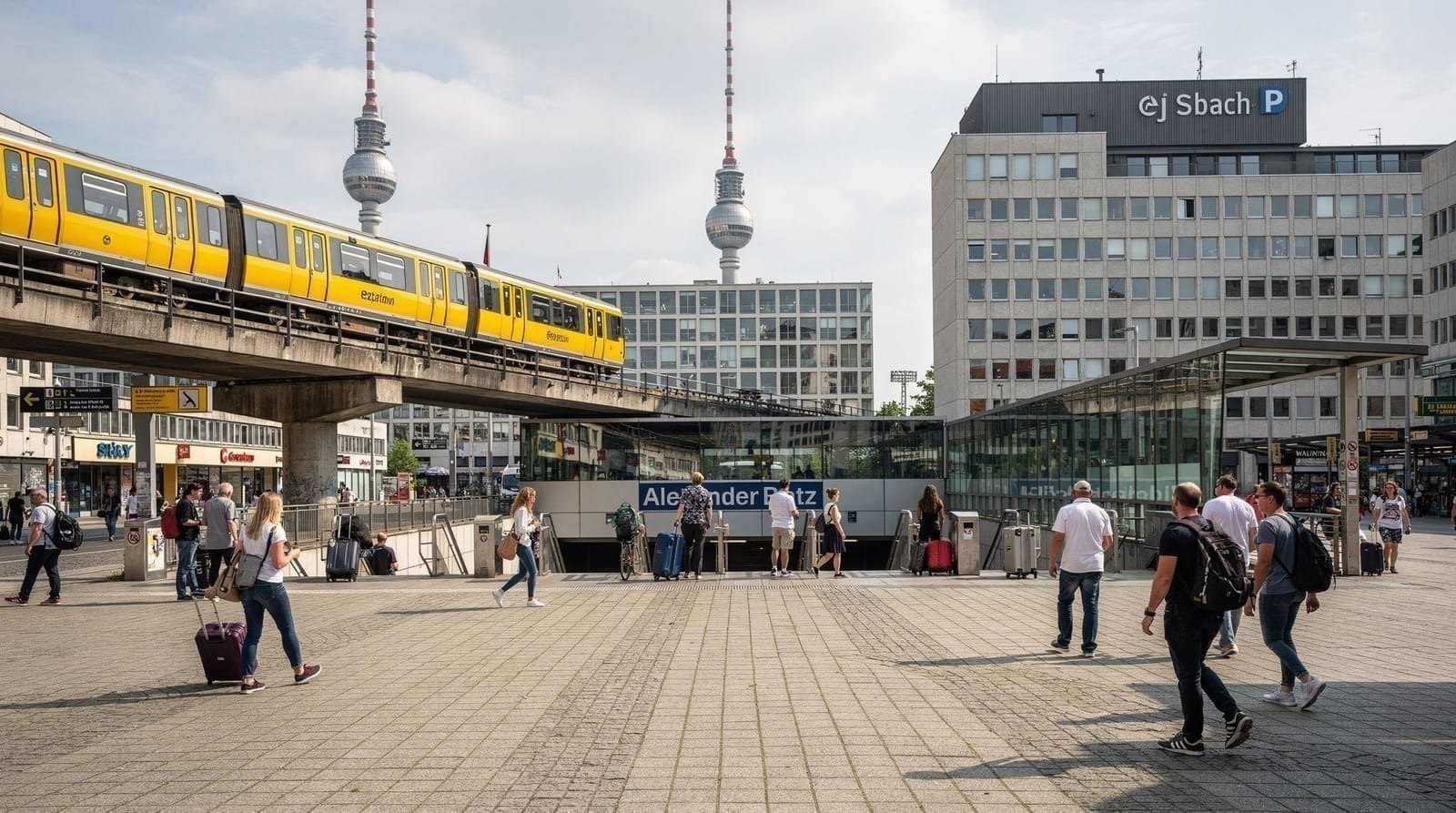
The city’s crime statistics are higher than, say, Munich or Hamburg, but they’re skewed by petty theft and bicycle theft rather than violent crime against tourists. Pickpocketing is the main risk in crowded tourist areas — Alexanderplatz, the area around Hackescher Markt, the Reichstag queue, and crowded S-Bahn and U-Bahn carriages. Front-pocket wallets, a cross-body bag with a zip, or a money belt solve most of this.
Violent incidents involving tourists are uncommon enough that they make the news when they happen. Statistically, Berlin’s violent crime is concentrated in domestic situations, not streets full of visitors.
Certain areas have rougher reputations: parts of Wedding, Neukölln north of Karl-Marx-Strasse (not the trendy south), and some sections of Hellersdorf in the far east. As a tourist, you’re unlikely to end up in these areas accidentally. They’re outer-zone residential neighbourhoods with no particular tourist draw.
Late-night transport: Berlin runs night buses and all-night U/S-Bahn on weekends. On weeknights, the U-Bahn stops around midnight and restarts around 4am. The night bus network (N-lines) covers the gaps. Solo after midnight: stick to lit, populated areas and use official public transport rather than walking long distances alone. The Berlin public transport guide covers the night network in detail.
The best neighbourhoods to stay solo
Mitte / Prenzlauer Berg border: Central, safe, well-connected. U2 and M10 tram give you access to everything. Cafes everywhere, good for solo morning routines. Slightly pricier than the east.
Friedrichshain: The solo traveller’s practical sweet spot. Dense with hostels, midrange hotels, bars, and restaurants. The Boxhagener Platz neighbourhood has excellent independent food and coffee. Close to Kreuzberg by bike or foot across the Oberbaum Bridge. The U5 and multiple tram lines connect you efficiently.
Kreuzberg: More residential feeling, slightly less tourist infrastructure, but excellent food scene along Bergmannstrasse and on the Turkish Market days (Tuesdays and Fridays on the Maybachufer canal). Quiet streets to walk in, no hotel tower clusters. Good for a second or third Berlin visit when you want less of the obvious tourist orbit.
Neukölln (north of Hermannstrasse, south Kreuzberg area): Hipster-coded but genuinely affordable and interesting. Best for people who want to eat and drink well in a neighbourhood that feels local. Further from Museum Island — add 20-25 minutes transit.
Charlottenburg (West Berlin): More upscale, quieter at night, closer to the Kurfürstendamm. Better choice if you want a calmer base and don’t care about being at the centre of the nightlife geography. Strong hotel infrastructure.
Solo-friendly activities that actually work
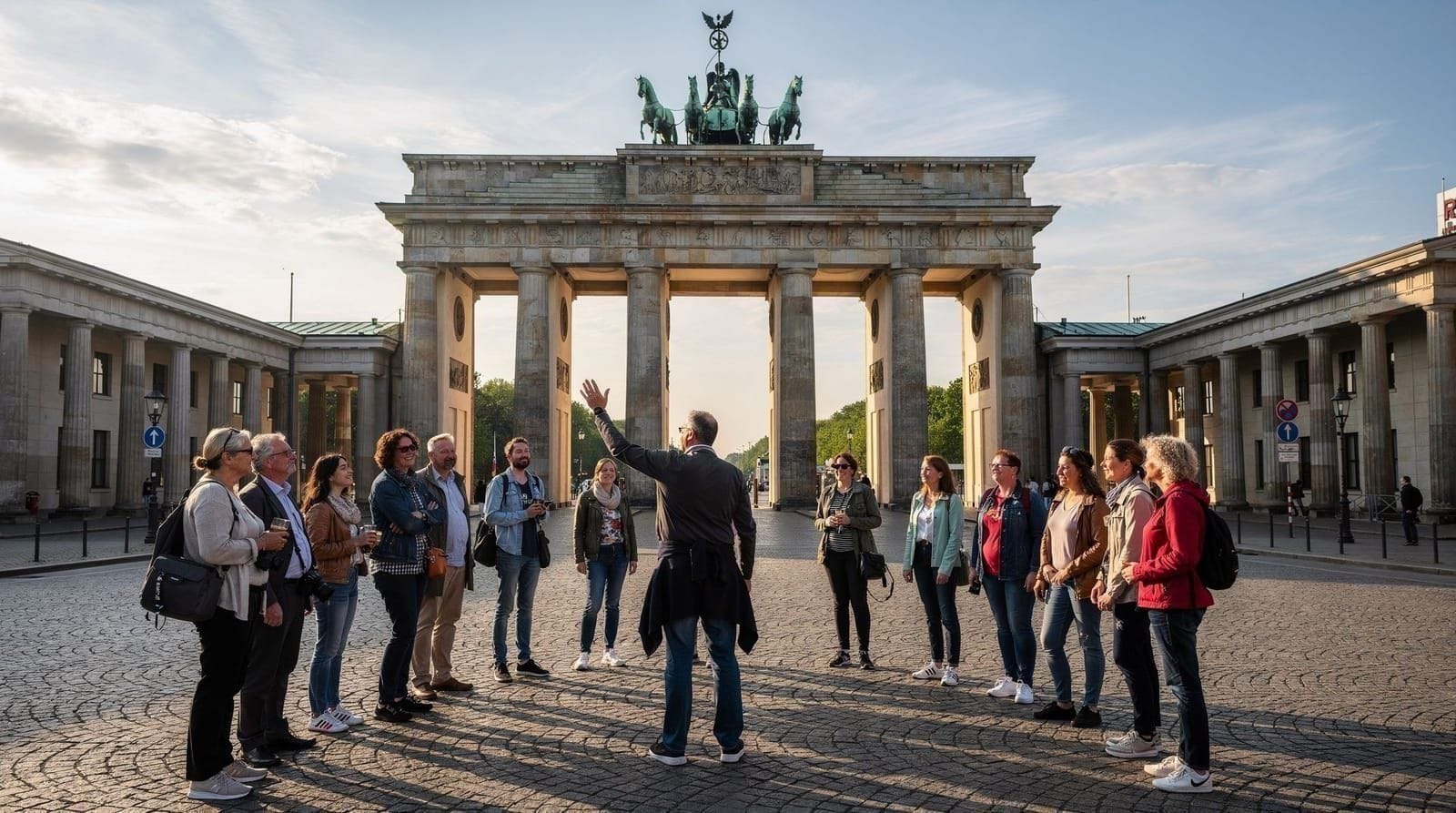
Walking tours: The free walking tour circuit in Berlin is one of the best in Europe. They operate on a tips basis, run multiple times daily, and the guides are typically well-trained English speakers. Groups tend to be mixed — solo travellers, couples, small groups — and the format is naturally sociable without being forced. The Berlin free walking tours guide lists the main operators and what to expect from each.
Guided English walking tour of central Berlin — tips-based, no booking feeMuseum Island solo: Wandering a museum alone is one of those activities that’s legitimately better without a group. You go at your own pace, spend 40 minutes in front of something that interests you without anyone sighing, and skip what doesn’t. The Museum Island guide covers what’s currently open (Pergamon is partially closed for renovation through the mid-2020s). Budget a full day for two or three museums — the Neues Museum (Nefertiti bust) and Alte Nationalgalerie are the strongest.
Street art neighbourhoods: Berlin’s street art is extensive and concentrated enough to constitute a genuine itinerary. The Berlin street art guide covers the East Side Gallery, the RAW-Gelände in Friedrichshain, the areas around Kreuzberg Urban Spree, and Cuvrystrasse. You can walk these routes entirely alone at your own pace. Most are free, outdoors, and accessible without any booking.
Bike tours: Berlin is flat and bike-friendly. A guided bike tour on day one or two is a genuinely efficient way to get your bearings — you cover a lot of ground, you hear context, and you end up with a mental map that makes the rest of the trip easier. After that, independent cycling with a rental bike gives you freedom at low cost. The Berlin bike tours guide covers both options.
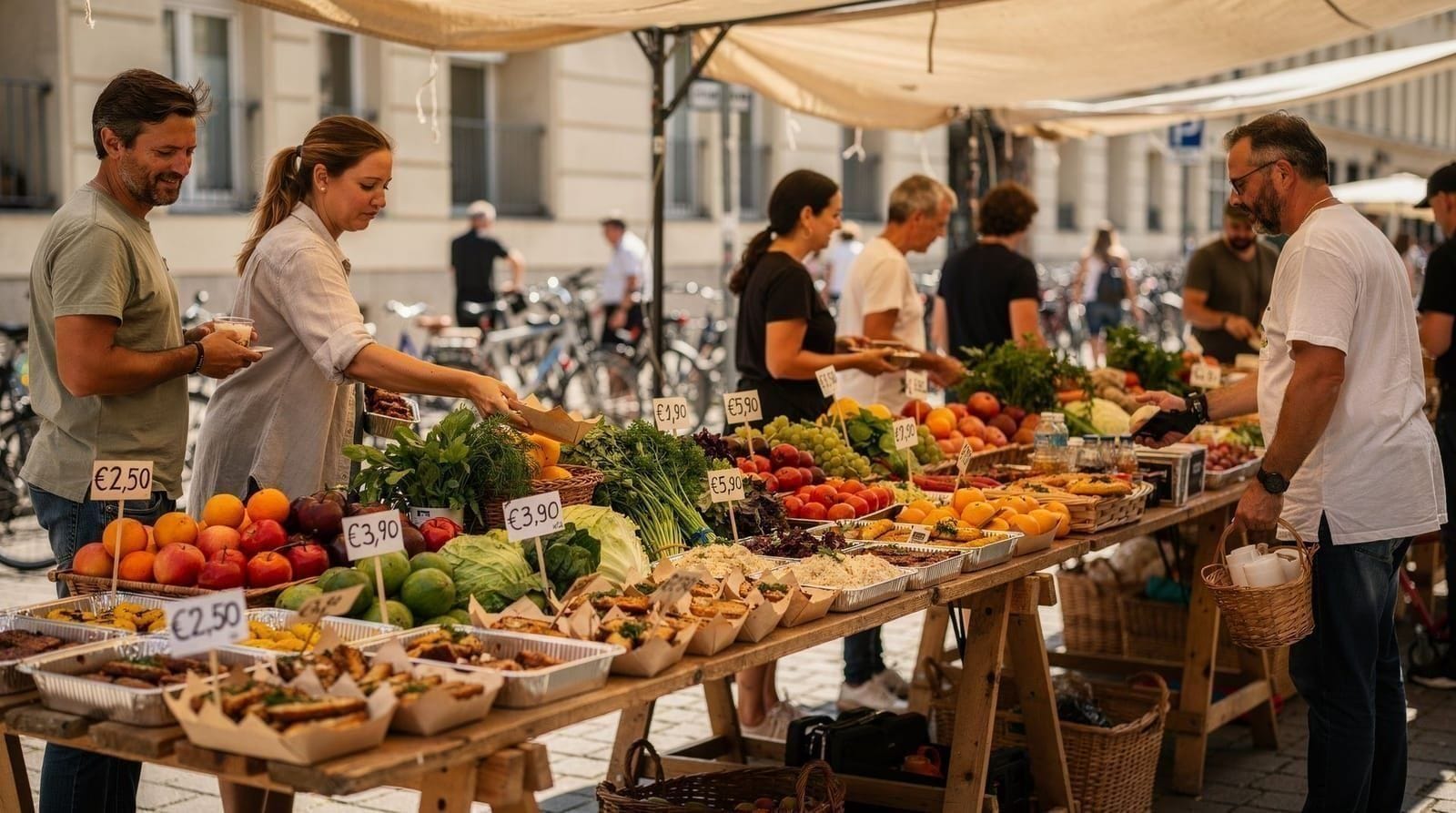
Food tours: Going solo on a food tour sounds awkward but consistently isn’t — they’re small groups, often solo travellers mixed in, and the structure of eating and walking means conversation happens naturally without being mandatory. The Berlin street food guide covers the independent version.
Cafes and co-working culture: Berlin has a strong cafe culture that is very solo-friendly — long solo sits are expected, not unusual. Bonanza Coffee (Prenzlauer Berg and Kreuzberg), Father Carpenter (Mitte), Five Elephant (Kreuzberg), and dozens of smaller neighbourhood spots have good coffee and wifi and won’t move you on. Useful on rainy days or when you need to decompress.
Budget reality for solo travellers
Solo travel is inherently more expensive per person than group or couple travel — you’re paying single occupancy rates on everything. But Berlin is among the more affordable major European cities. Here’s what realistic solo costs look like in 2026:
Accommodation: Hostel dorms run €20-35/night at decent places (Generator, Wombats, Ostel). Private hostel rooms: €55-85/night. Budget hotels in Friedrichshain or Neukölln: €65-110/night. Anything under €60 for a private room in a decent central location is a good deal — book it.
Food: Eating cheaply in Berlin is entirely possible. A Döner Kebab from a good Turkish shop (Rosenthaler Platz area has several; Mustafa’s at Mehringdamm is famous but has a 30+ minute queue) runs €5.50-7. A Currywurst from a proper stand is €3.50-4.50. A sit-down lunch at a Vietnamese, Turkish, or Middle Eastern restaurant in Kreuzberg or Neukölln comes in at €9-13. For the budget food breakdown, see the Berlin budget guide.
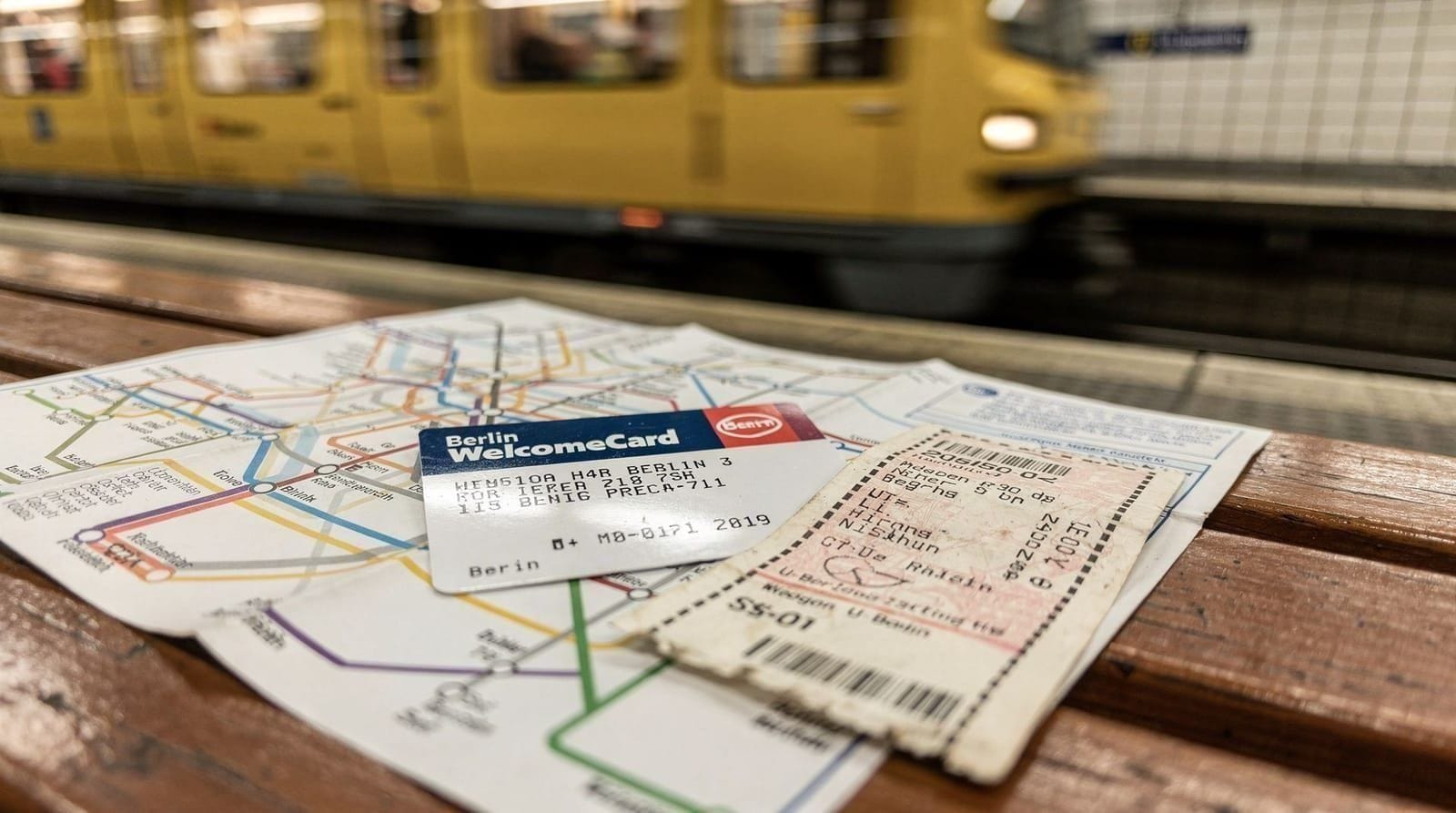
Transport: A week AB ticket at €36 covers everything inside the city. If you’re doing a day trip or two, add ABC supplements as needed. Read is the Berlin WelcomeCard worth it? before buying one — run the maths on your specific museum plan.
Museums: Museum Island entry runs €12-19 per museum or €24 with a day pass covering most of them. Berlin has substantial free options: the Topography of Terror (Gestapo headquarters history), the DDR Museum courtyard, the East Side Gallery, most memorial sites. The Berlin budget guide lists the full free entry options.
Realistic daily spend: €60-90/day covering accommodation, food, transport, and entry to one or two paid sites. Budget closer to €80-100 if you’re eating at proper restaurants and taking tours.
Nightlife as a solo traveller
This is where Berlin solo travel gets genuinely interesting. The city’s nightlife culture is more solo-friendly than most places because:
- Going to a bar or club alone is completely normal here — nobody stares, nobody asks where your friends are
- The music-focused venues (techno clubs, jazz bars, classical concerts) don’t require social interaction to enjoy
- The city’s queer scene is extensive, well-distributed across neighbourhoods, and very welcoming to visitors
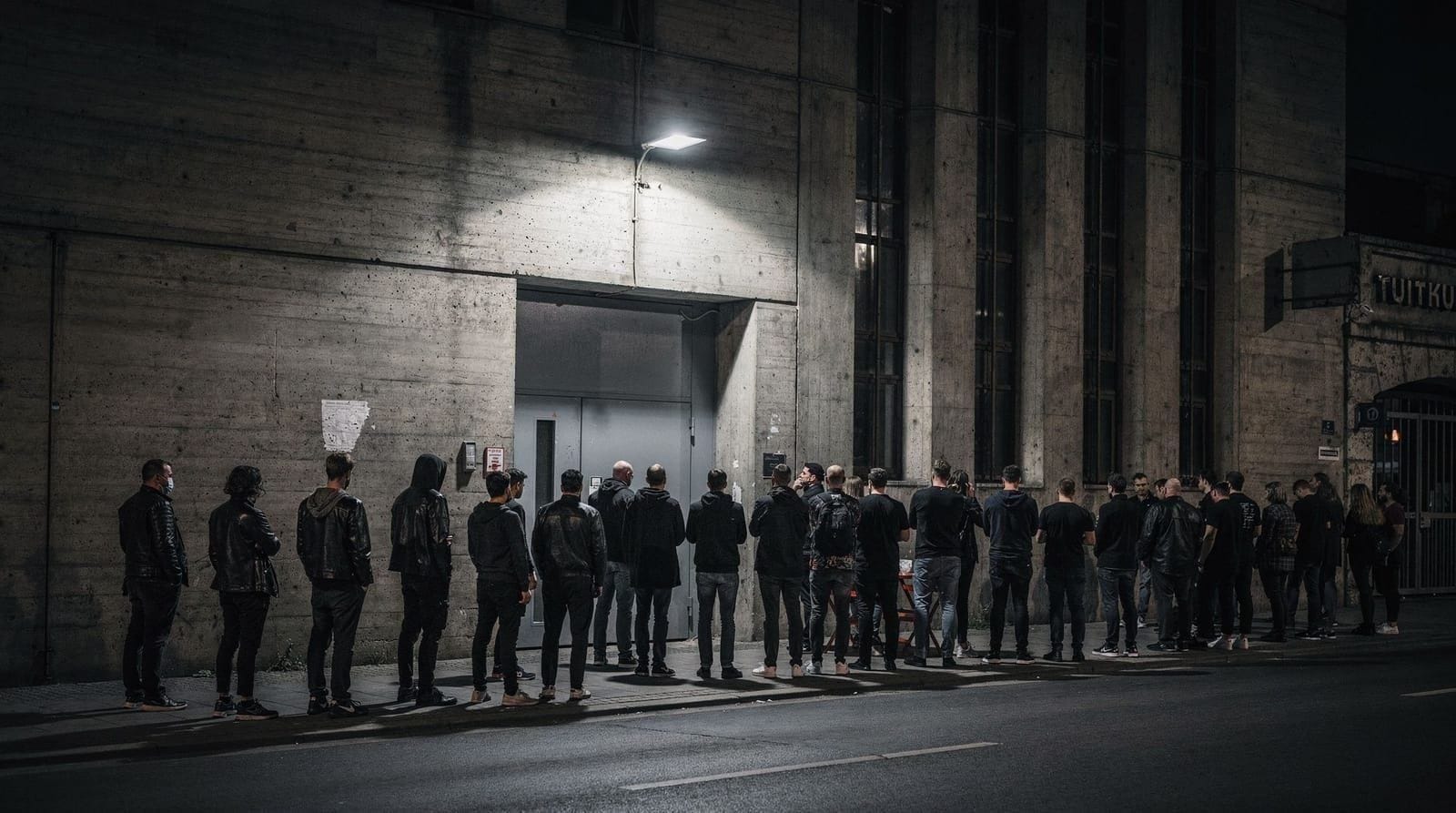
Berghain: Solo is arguably the ideal way to go. The Berghain guide covers the door policy in full detail. Going alone (versus a large group) is genuinely advantageous for entry. What happens inside is best described as 20+ hours of extraordinary music if you’re into it, complete sensory overload if you’re not. Know which kind of person you are before spending three hours in the queue.
Bar scene without the club stress: Kreuzberg is the right place to start. Oranienstrasse and the surrounding blocks have bars running from early evening through 4am. Friedrichshain’s Simon-Dach-Strasse is more tourist-facing but lively. Neukölln has smaller, quieter bars that fill later.
Jazz and live music: A-Trane in Charlottenburg has live jazz almost every night. Entry runs €12-18. Quasimodo near Zoo station is another institution. Both are completely fine alone — you’re there for the music.
Prenzlauer Berg evenings: Less of a nightlife destination and more of a dinner-into-one-drink neighbourhood. Good if you want a sociable evening that ends at midnight rather than 6am.
A few solo-specific practicalities
SIM cards: Pick one up at Vodafone, Telekom, or a Rewe/Kaufland at the airport or main stations. A month’s data with calls runs €15-25. Don’t rely on hotel wifi if you’re navigating constantly — mobile data is worth it.
Keeping valuables safe: Most hostels have lockers (bring your own padlock or rent one). For solo day trips, carry only the cash you’ll use plus one card. Leave your passport in the locker and carry a photo of it instead.
Language: Berlin’s service industry is heavily English-speaking in tourist areas. Germans who prefer not to speak English will switch automatically if they see you struggling. You don’t need German to function, though learning “Einmal bitte” (one, please) and “Danke” will be appreciated.
Meeting other travellers: Hostel common rooms work if you’re staying in one. Walking tours naturally create groups. The solo-traveller-friendly cafes listed above see regular mixer events. Beyond that — be open to conversations in bars, but don’t force it. Berlin doesn’t do forced sociability.
Day trips: Solo day trips to Potsdam, Dresden, or the Spreewald are entirely manageable and enjoyable alone. For Sachsenhausen, going with a guide adds substantial value — processing that experience with context and a human voice beats doing it alone with an audio tour. See the Berlin to Sachsenhausen guide for the guided options.
A sample solo day, put together
If you want a template rather than a list of options, here’s how a genuinely good solo day in Berlin sequences:
| Time | What | Why it works alone |
|---|---|---|
| 9:00–9:30 | Coffee at a neighbourhood cafe | Solo mornings are normal here; no rush |
| 10:00–13:00 | Museum Island (one or two museums) | Go at your own pace, skip what doesn’t interest you |
| 13:30–14:30 | Lunch at Markthalle Neun or a Kreuzberg imbiss | Solo-friendly, no reservation stress |
| 15:00–17:30 | Street art walk in Kreuzberg or Friedrichshain | Entirely self-paced, free, no booking needed |
| 18:30–20:00 | Dinner in Neukölln or Kreuzberg | Bar seating and small tables are common; nobody blinks at a table for one |
| 21:00 onward | A bar, a jazz set, or an early club set | Solo entry is normal in Berlin nightlife |
This is deliberately loose — the Berlin street art guide and Museum Island guide both cover the detail if either becomes the focus of your day.
Eating alone without it being awkward
Solo dining in Berlin is genuinely unremarkable, which is different from many European capitals where a table for one draws attention. Bar seating at Markthalle Neun stalls, imbiss counters, and the long communal tables at Vietnamese and Turkish restaurants in Kreuzberg and Neukölln all make eating alone the default rather than the exception. Sit-down restaurants with white tablecloths are the one category where a solo reservation occasionally gets a slightly awkward table near the kitchen — if that bothers you, stick to the more casual end of the Berlin street food guide for dinner and save formal restaurants for lunch, when it matters less.
The honest case for Berlin solo
Berlin is an inherently interesting city to spend time in alone. It has a density of history, food, art, music, and urban architecture that rewards slow, independent exploration — the kind you can only do when you’re not negotiating with anyone else’s preferences.
The cost is manageable, the safety risk is real but proportionate, and the culture is indifferent to solo visitors in the best possible way: nobody cares that you’re alone, which means you’re entirely free to behave as though it’s completely normal. Because in Berlin, it is.
FAQ
Is Berlin a good first-time solo travel destination, or better for experienced solo travellers? It works well for both. First-timers benefit from the strong English-language service industry and normalised solo culture; experienced solo travellers appreciate the depth — you could spend two weeks here and still have neighbourhoods left to explore.
Do I need to book activities in advance as a solo traveller? Rarely. Free walking tours, museums (outside peak summer), and most restaurants don’t require booking. The exceptions are Berghain-adjacent nightlife (no advance booking exists anyway) and popular restaurants on weekend evenings.