Things to do in Sachsenhausen
From Berlin: Licensed Sachsenhausen Tour with max. 15 people
Visiting Sachsenhausen: what to know before you go
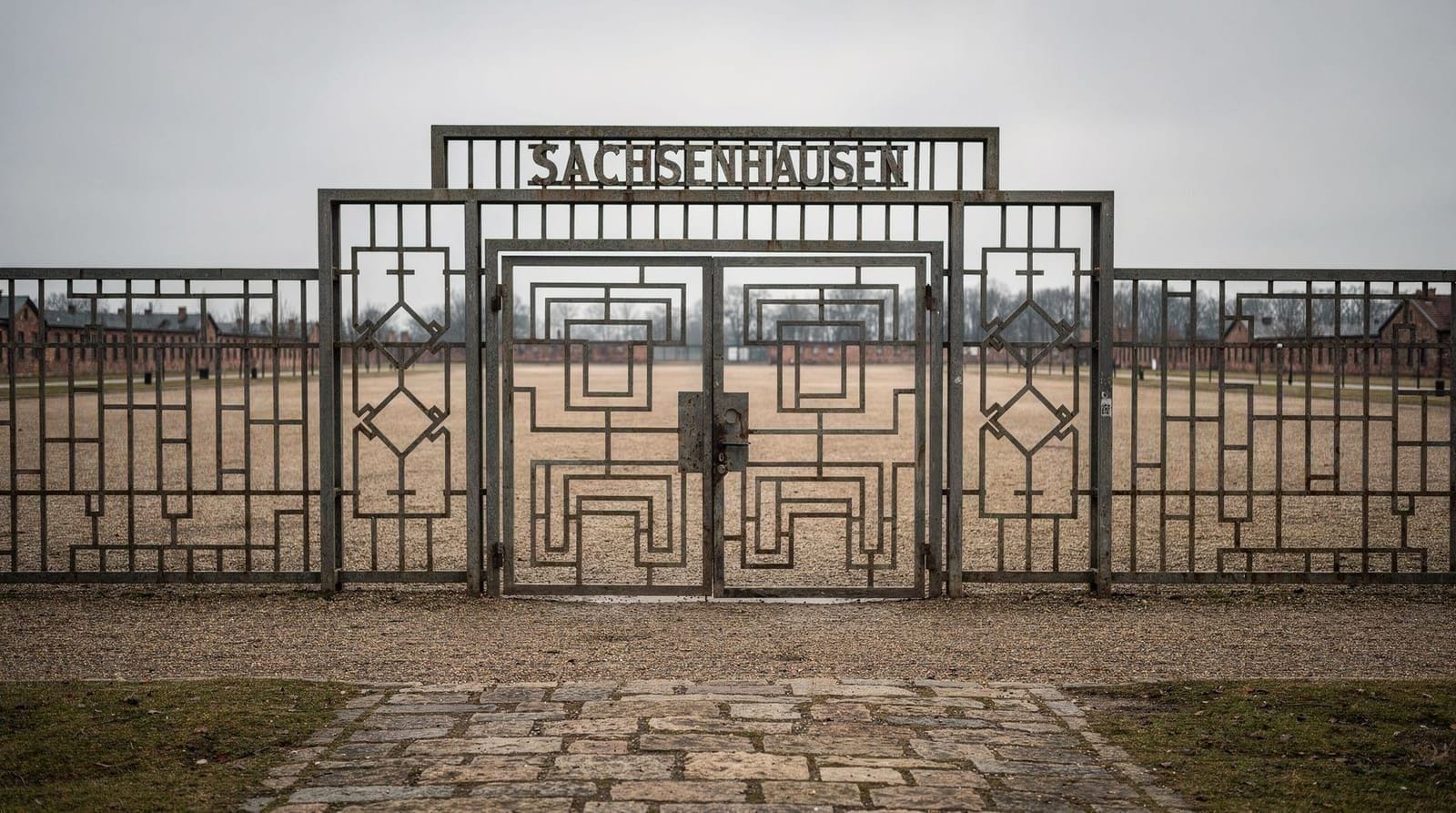
Sachsenhausen is not a tourist attraction. It is a place of remembrance — a former Nazi concentration camp 35km north of Berlin where over 200,000 people were imprisoned between 1936 and 1945, and tens of thousands murdered. The site is now a Memorial and Museum, and visiting it is one of the most important things you can do in the Berlin region.
This guide covers how to get there, what to expect, and whether a guided tour is worth it — with the tone of respect this place demands.
| Where | Oranienburg, around 35km / 50 min north of central Berlin |
| Cost | Free entry; guided tours around €22–35 |
| Time needed | 3–4 hours minimum, 5–6 with transport |
| Getting there | S1 S-Bahn to Oranienburg, Zone ABC ticket |
| Best time | Weekday mornings, dress in layers year-round |
Entrance and access
Entry is free. The Memorial is open Tuesday to Sunday, 8:30am to 6pm (4:30pm October to March). There is no need to book entry, but guided tours require advance reservation.
The site covers the full former camp footprint — roll call square, barracks foundations, punishment cells, the T-building execution site, and pathology building. Allow a minimum of 3 hours; 4–5 hours for a thorough visit.
Should you take a guided tour?
Yes, for most visitors. The physical remains at Sachsenhausen are often fragments — foundations, partial walls, a few preserved buildings. Without a guide who can populate the space with testimony and historical explanation, it can feel disorienting and under-explained.
The Licensed Small Group Tour (max 15 people, €29–35 from Berlin) is the gold standard — licensed guides are trained specifically in Holocaust memorial interpretation, not just general history. The group size cap ensures you can hear the guide at all times.

The English-Language Memorial Tour (€22–28) runs most days and is a solid option for solo travellers. Transport from Berlin is typically included.

The Private Tour (around €90–130 for up to 6 people) is worth considering for families with teenagers or for people with a personal connection to the camp’s history — the guide can adapt entirely to the group’s needs and questions.
Sachsenhausen private guided tour from BerlinComparing the guided tour options
| Option | Approx. price | Group size | Best for |
|---|---|---|---|
| Licensed small group | around €29–35 | Max 15 | Best balance of depth and value |
| English memorial tour | around €22–28 | Medium | Solo travellers, most days available |
| English bus tour | around €25–32 | Up to 25 | Convenience, less individual attention |
| Private tour | around €90–130 for 6 | Your group only | Teenagers, personal connection, flexible pace |
Getting there independently
By train: Take the S1 S-Bahn from Berlin Friedrichstrasse or Hauptbahnhof to Oranienburg (50–55 minutes, Zone C). From Oranienburg station, it’s a 15-minute walk or short bus ride to the memorial entrance.
Zone C is not included on the standard AB day ticket — you’ll need an ABC day pass (€8.60) or a return ticket specifically to Oranienburg.
English audio guides are available for rent at the visitor centre (around €3). The on-site exhibition in Station Z (the extermination site) is particularly thorough and recently updated. If you’re travelling independently, the Berlin to Sachsenhausen day trip guide has the full step-by-step transport breakdown, including which platform to use at Oranienburg and how to avoid the fine for an invalid ticket.
Oranienburg itself is a small town with little beyond the memorial to detain most visitors, though the station area has a few cafés if you need time before the journey back.
Bus tours from Berlin
The English Bus Tour to Sachsenhausen (€25–32, includes transport) departs from central Berlin and returns by mid-afternoon. Convenient but the group sizes are larger (up to 25 people) and the guide’s time is split between commentary on the bus journey and time at the site.

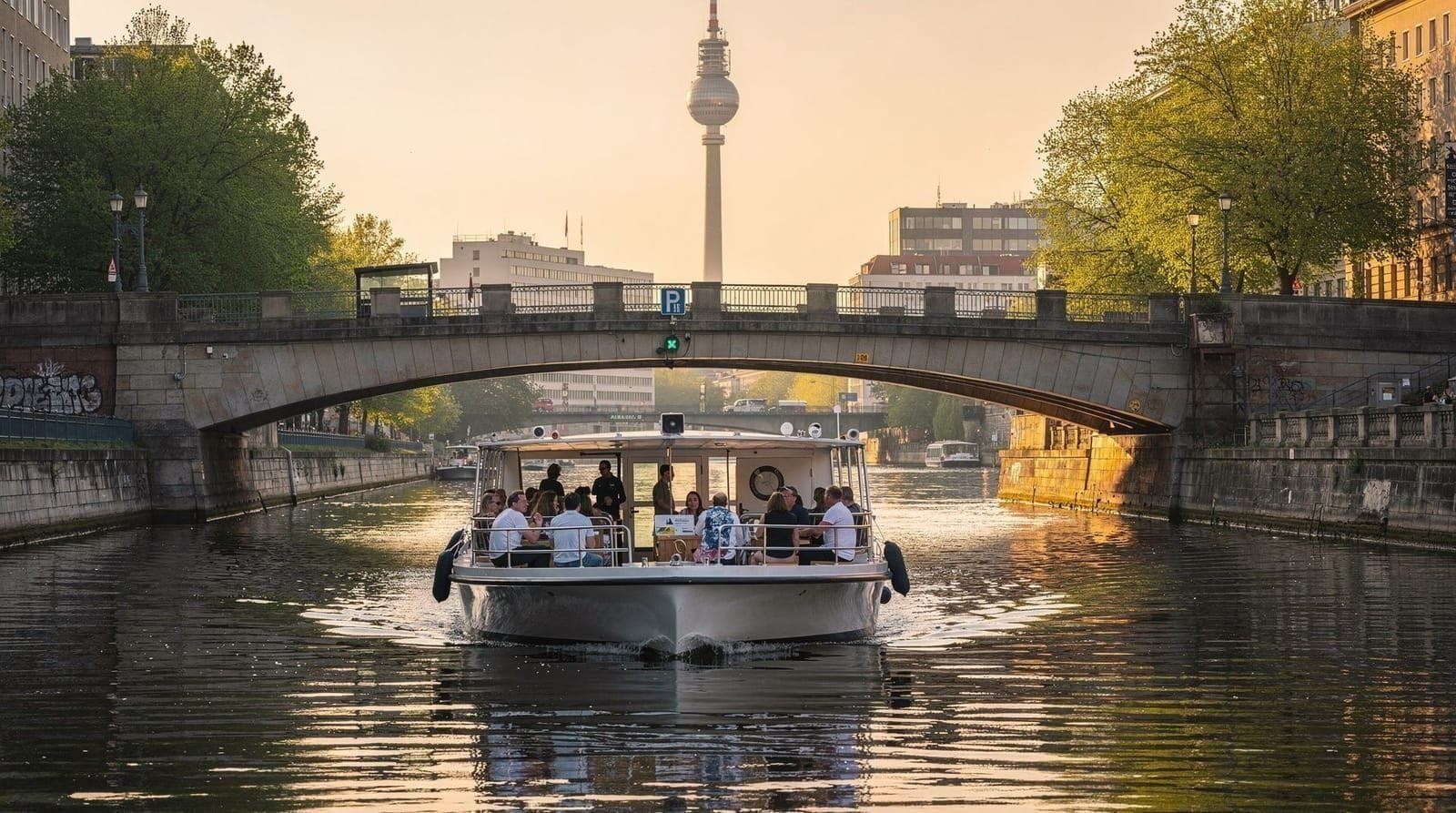
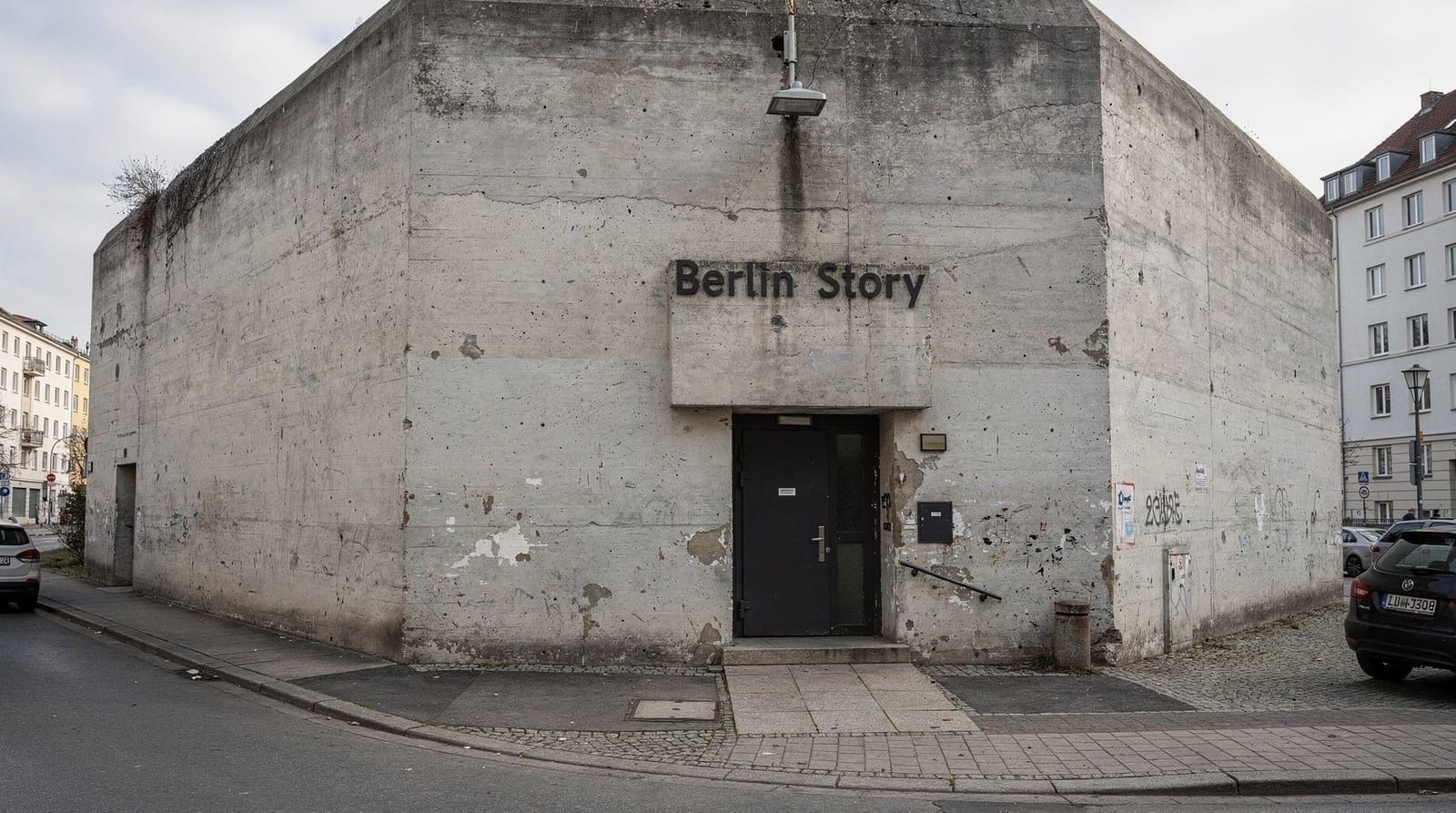
Some combination tours link Sachsenhausen with other sites: the Sachsenhausen + East Side Gallery + Berlin Story Bunker day tour covers WWII and Cold War layers in a single day. This compressed format is informative but intense — emotionally and physically.
The Sachsenhausen + Potsdam combination: is it appropriate?
The Sachsenhausen and Potsdam Tour exists and some visitors ask about combining them. This is a personal decision. Some people find it too jarring to move from a concentration camp to palace gardens in the same afternoon. Others feel the contrast is historically meaningful — the Nazi terror and Hohenzollern grandeur existed in the same era.

If you do this combination, Sachsenhausen in the morning and Potsdam in the afternoon works better than the reverse.
What to prepare for
Sachsenhausen is an emotionally heavy experience. The roll call square is large and exposed — bring layers even in summer. The exhibitions contain photographs and documented testimony that can be disturbing. Many visitors find they need time to sit quietly before returning to Berlin.
There is a café/restaurant near the visitor centre. Eating on the site itself (at the remains of the camp) is discouraged.
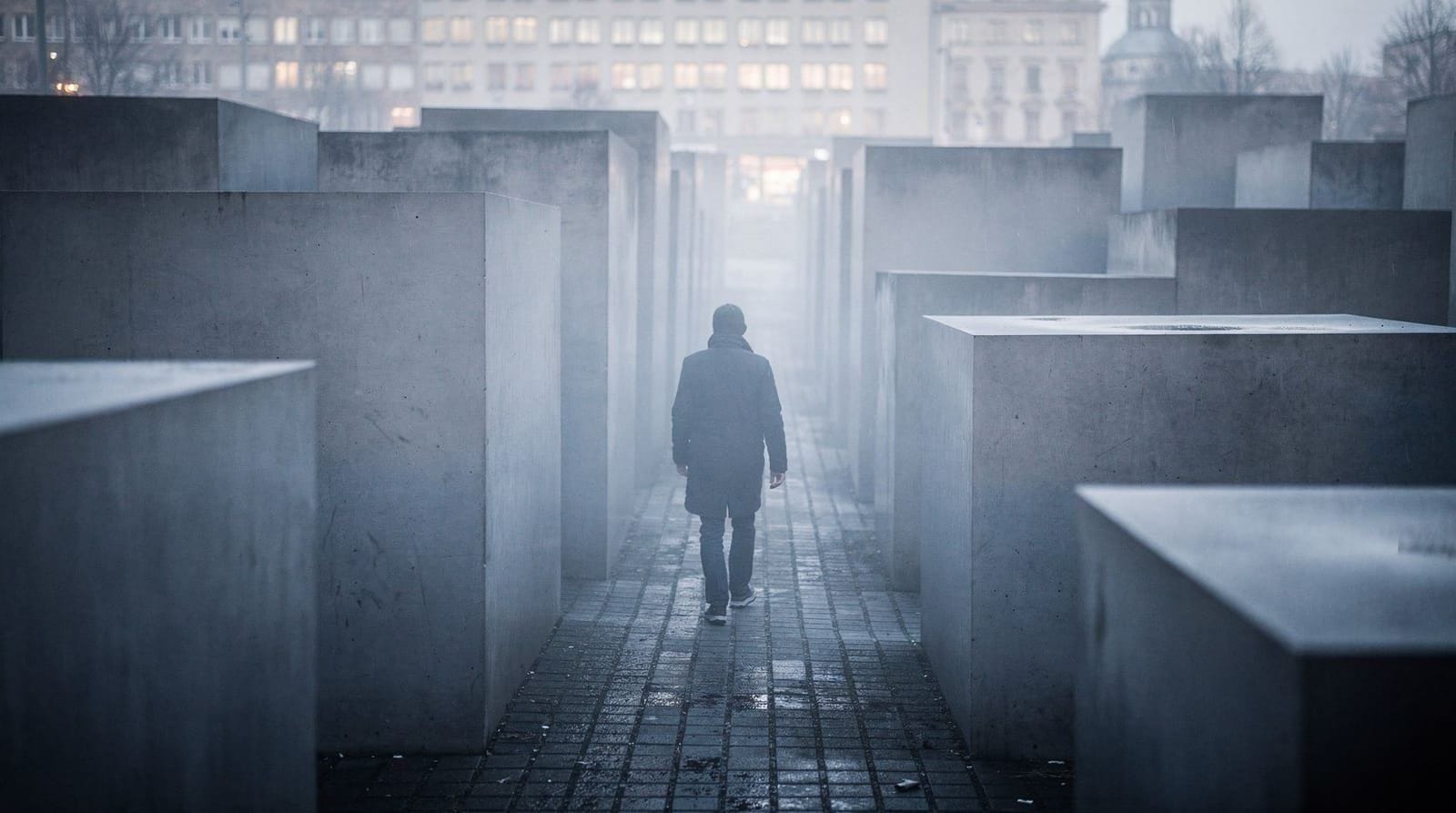
The Berlin Story Bunker in central Berlin, covering the final days of the Third Reich, makes a logical companion visit — either before or after Sachsenhausen. The Topography of Terror is free and provides the broader Nazi administrative context.
Building a fuller picture of this history
Sachsenhausen is one stop in a wider story. The Berlin Wall Memorial at Bernauer Strasse and the Stasi Museum cover the later Cold War chapter — Sachsenhausen itself continued as a Soviet special camp until 1950, a fact many visitors don’t know until they arrive. For travellers who want to structure several sites into one coherent day-by-day plan rather than visiting piecemeal, the Third Reich History Trail itinerary sequences Sachsenhausen with other Berlin sites in a logical order.
Pacing your day around the visit
Most people plan Sachsenhausen as a stand-alone day rather than combining it with sightseeing elsewhere, and that’s the right instinct. If you’re building a longer stay, a 4-day Berlin itinerary has enough slack to dedicate one full day to Sachsenhausen without feeling rushed, then use the following morning for something lighter — the contrast matters for your own wellbeing as much as for scheduling.
Frequently asked questions about visiting Sachsenhausen
Is Sachsenhausen free to visit?
Yes. The Sachsenhausen Memorial and Museum charges no entry fee. Guided tours from Berlin are separate and cost €22–35 per person depending on group size and format. Audio guides at the site cost €3 to rent.
How long does a visit take?
Allow 3–4 hours minimum to see the main areas. A guided tour from Berlin (including transport) typically takes 5–6 hours total. The most thorough private tours can stretch to 7–8 hours.
What is there to see at Sachsenhausen?
The Memorial preserves the camp’s main structures: the entrance gate (“Arbeit Macht Frei”), roll call square, intact barracks, the punishment cells (Bunker), the industrial yard, Station Z (extermination and cremation area), and the pathology building. Two museums on site cover the camp’s history under both the Nazi regime (1936–1945) and its Soviet use (1945–1950) as Special Camp No. 7.
Can children visit Sachsenhausen?
The memorial is open to all ages. Many schools bring groups of teenagers as part of history education. For younger children (under 10), the content and atmosphere can be overwhelming — parents should assess based on the child’s maturity and preparation. There is no specific children’s programme.
What is the best tour from Berlin for Sachsenhausen?
The Licensed Small Group Tour (max 15 people) consistently receives the highest reviews for quality of interpretation. For those wanting more control over pacing and focus, the private tour offers maximum flexibility.
Is Sachsenhausen worth visiting?
It is not “worth it” in the tourist sense — it’s not enjoyable. But it is important. Understanding what happened at Sachsenhausen, and in the hundreds of camps like it, is part of understanding 20th-century European history. Most visitors leave saying it was one of the most significant experiences of their trip, despite (or because of) how difficult it was.
Should I visit Sachsenhausen or the Berlin Wall Memorial if I only have time for one?
They cover different history and aren’t really substitutes for each other — Sachsenhausen is Nazi-era, the Berlin Wall Memorial at Bernauer Strasse is Cold War. If forced to choose, Sachsenhausen requires a half-day commitment and travel outside the city, while the Wall Memorial sits within Berlin and can be seen in an hour or two, making it easier to fit into a short trip.
Is it disrespectful to take photos at Sachsenhausen?
Photography is generally permitted across the site, including the exhibitions, but visitors should avoid posed or celebratory photos, particularly near memorials and the former execution and cremation sites. Treat it as you would a cemetery: documentation is fine, performative photography is not.
Compare alternative tours
| Tour | Duration | Rating | Price | Highlights | |
|---|---|---|---|---|---|
| Berlin: Sachsenhausen Concentration Camp Memorial Tour | — | — | — | — | Check availability |
| Berlin: Sachsenhausen Concentration Camp Guided Tour in English | — | — | — | — | Check availability |
| Berlin: English Bus Tour to Sachsenhausen Concentration Camp | — | — | — | — | Check availability |
| Berlin: Private Tour to Sachsenhausen Concentration Camp Memorial | — | — | — | — | Check availability |
| Berlin: Sachsenhausen Concentration Camp and Potsdam Tour | — | — | — | — | Check availability |