Berlin Wall Memorial Bernauer Strasse — the complete visitor guide
Berlin: East Berlin and the Wall Walking Tour
What is the Berlin Wall Memorial on Bernauer Strasse and is it free?
The Gedenkstätte Berliner Mauer is the central memorial to the Berlin Wall, running 1.4 km along Bernauer Strasse where the border ran between 1961 and 1989. The outdoor memorial and documentation centre are both free to enter. It is the most historically complete and soberly presented of all Berlin Wall sites — more rigorous than the East Side Gallery and more authentic than Checkpoint Charlie.
The Gedenkstätte Berliner Mauer on Bernauer Strasse is the central memorial to the Berlin Wall: 1.4 km of outdoor exhibition along the former border, including preserved Wall segments, a reconstructed death strip, original watchtower, tunnel documentation, and a free indoor documentation centre. It is the most historically complete and respectfully presented of all Berlin Wall memorial sites. Allow at least three hours.
| Where | Bernauer Strasse, between Gartenstrasse and Swinemünder Strasse |
| Cost | Free — outdoor memorial, documentation centre, chapel |
| Time needed | At least 2.5-3 hours for the full experience |
| Getting there | U8 to Bernauer Strasse, or tram M10 |
| Best time | Weekday mornings, spring or autumn, for a quieter visit |
Why Bernauer Strasse matters
Most visitors encounter the Berlin Wall at the East Side Gallery or Checkpoint Charlie — sites that are vivid but show only fragments of the border system, stripped of the death strip and guard infrastructure that made the Wall what it actually was.
Bernauer Strasse is different. This street was the border. The apartment buildings on the southern pavement of Bernauer Strasse were in East Berlin; the pavement itself was in West Berlin. When construction began on August 13, 1961, residents of those buildings were suddenly living on the wrong side. The street became the scene of some of the most harrowing events of the early Wall period: people jumping from windows, families separated overnight, and in the cases of Conrad Schumann and others, dramatic individual escapes caught by Western photographers and cameramen positioned on the West Berlin side.
The buildings were progressively bricked up, then eventually demolished to create a clear death strip. The Versöhnungskirche (Church of Reconciliation), which had stood in the middle of the border zone, was blown up by the GDR in January 1985 as a security measure — the church tower offered a potential observation point or navigation landmark for escape tunnels. The congregation, which included members on both sides of the border, had been unable to use their church since 1961.
The memorial on Bernauer Strasse was established in 1998 and expanded into its current form in 2009–2010. It is a federal memorial — the Bundesbeauftragter für Kultur und Medien funds it alongside the Berlin Senate — and operates with the scholarly seriousness that designation implies.
The outdoor memorial — what you’ll find along the route
The outdoor exhibition runs along the north side of Bernauer Strasse, on the former East Berlin side of the border, from Gartenstrasse to Swinemünder Strasse (approximately 1.4 km).
The preserved Wall section
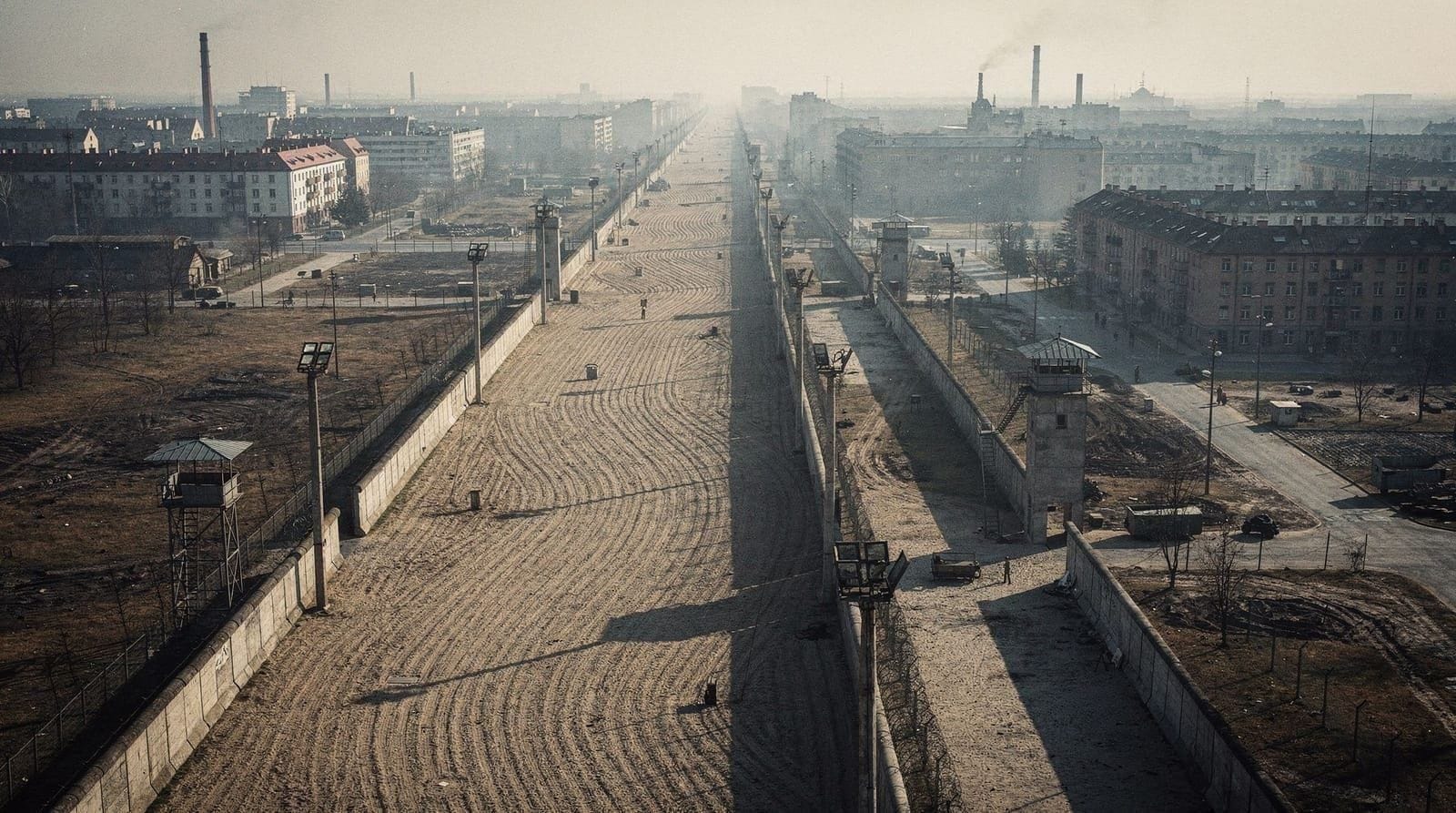
A 70-metre section of original fourth-generation Wall (the precast concrete UL 12.11 segments) is preserved with the death strip between the outer wall and a reconstructed inner fence. This is the only place in Berlin where the full spatial relationship between the two walls — the outer wall, the death strip, and the inner fence — is visible and comprehensible. The section includes original sand in the death strip (raked to show footprints) and the anti-vehicle ditches.
Standing in front of this section, looking at the 100-metre-wide cleared zone that separated East Berlin residents from the outer wall, makes concrete what the Wall actually was — not a single barrier but a militarised exclusion zone in the middle of a city.
The observation platform
A steel observation platform (Aussichtspunkt) above street level allows a view over the memorial site and along the former border course. The platform is accessible from ground level via steps; it is free to use and open during daylight hours. The view from the platform is the best place to understand the memorial’s spatial organisation.
The reconstructed watchtower
One of the original Führungsturm 68 watchtowers (a model used from 1969 onward) has been reconstructed on site — not the exact original, but a documented recreation of the type that stood here. The watchtower is accessible to visitors and contains an exhibition on guard duty and the system of surveillance from above. The physical experience of climbing the tower and looking along the former border is instructive.
The tunnel exhibition
Bernauer Strasse was the site of more escape tunnels than any other section of the Wall. At least 70 tunnels were attempted along the Wall’s length; several of the most significant — including Tunnel 57 (October 1964, 57 people escaped) and Tunnel 29 (September 1962, 29 people) — ran under or near Bernauer Strasse.
An outdoor marker installation traces the route of Tunnel 57. A separate tunnel exhibition inside the documentation centre covers the Bernauer Strasse tunnels with documents, photographs, and testimonies from participants.
The Window of Remembrance
At the corner of Bernauer Strasse and Ackerstrasse, a row of steel panels bears the photographs and names of people who died at the Berlin Wall. The Fenster des Gedenkens does not show all 140 confirmed deaths — the memorial research team adds panels as documentation allows, and the count continues to be refined. Each panel shows a face: name, age, circumstances, date.
The format refuses to reduce the toll to statistics. Standing in front of it, reading the names and ages — including those in their teens and twenties — is the most direct encounter the memorial offers with what the Wall meant for specific human beings.
The Chapel of Reconciliation
The Kapelle der Versöhnung (Chapel of Reconciliation), completed in 2000, stands on the footprint of the original Versöhnungskirche. The building was designed by architects Peter Sassenroth and Rudolf Reitermann. Its form — an oval of rammed earth and loam, encased in a timber frame, with bricks from the demolished original church incorporated into the rammed earth walls — was chosen to reference both the original site and the decomposed material of history itself.
The chapel is an active place of worship for the Evangelische Gemeinde Versöhnung. Daily ecumenical services are held here (weekdays at noon). The interior is open to visitors outside service times. The atmosphere is quiet and contemplative. Even for non-religious visitors, the chapel offers a moment of stillness within what is otherwise an intellectually demanding site.
The documentation centre
The Besucherzentrum (Visitor Centre) at Bernauer Strasse 119 is the indoor component of the memorial. It houses a permanent exhibition on the history of the Wall, the division of the city, and the border regime between 1961 and 1989.
The exhibition is carefully designed and well-maintained. It covers:
- The construction of the Wall in August 1961 and the immediate impact on families and communities
- The development of the border fortification system through four generations
- Life in the border zone on both sides
- Escape attempts and the people who made them
- The work of the border guards and the orders-to-shoot (Schießbefehl)
- The Wall’s fall in November 1989 and the subsequent period of demolition
The exhibition design uses original documents, photographs, objects, and audiovisual materials. English translations are thorough and accurate. Several testimonies from survivors and witnesses are presented via video, with subtitles.
A specific research room within the centre is available for visitors who want to access deeper documentation — useful for those with family connections to specific incidents or for researchers.
The centre also hosts periodic temporary exhibitions and, on some weekends, guided walks led by memorial staff in German and occasionally English — check the current schedule at the centre’s information desk on arrival, as these aren’t always listed online in advance.
Hours: Tuesday–Sunday 10 am–6 pm. Closed Mondays and some public holidays.
Entry: Free.
Audio guide: Free app download or device loan with deposit.
The Schreibstube — the guard room
At the north end of the outdoor memorial, near the former patrol road, a small preserved section of a GDR border installation — the Schreibstube (guardroom) — has been retained as an exhibit. It was the administrative room for the section of border troops responsible for this stretch. Documents, equipment, and operational records from this specific guardroom are displayed in their original context.
Practical planning
Start at the documentation centre. Even 20 minutes of orientation there — understanding the chronology and the spatial layout of the border system — makes the outdoor walk considerably more meaningful.
Use the audio guide. The outdoor markers alone do not carry enough contextual information. The audio guide (30 stations) covers material that would take hours to read from information boards.
The site is most affecting in quiet. Weekday mornings, particularly in spring and autumn, are much less crowded than summer weekends. The contemplative quality of the memorial is harder to access in a crowd.
Combine with Mauerpark. Mauerpark (5 minutes north by foot) occupies the former death strip north of this site. It is a park now, used for the famous Sunday flea market and open-air karaoke, but its geography — the widened strip, the slight rise where the inner wall ran — is readable if you know what to look for. See the Mauerpark guide.
Getting there: U8 to Bernauer Strasse (3-minute walk) or tram M10 along Bernauer Strasse. From Alexanderplatz: tram M10 direction Hauptbahnhof, 15 minutes.
Nearest food: Bernauer Strasse has several cafes and bakeries. Prenzlauer Berg, 10 minutes east, has a wider selection.
Self-guided versus a guided walk
The audio guide app and information boards are genuinely thorough, and a self-guided visit works well for anyone comfortable reading and processing dense historical material at their own pace. What a guide adds is connective narrative — linking the tunnel escapes, the Window of Remembrance faces, and the guard-tower perspective into a single human story rather than a sequence of well-documented but separate stations.
Walking tour of Berlin’s East Wall and Cold War history, including the Bernauer Strasse memorialIf you’re short on time and can only do a guided tour or a self-guided visit, not both, the self-guided route with the audio app is the stronger choice at Bernauer Strasse specifically — the documentation centre and outdoor markers are unusually complete on their own. A guide adds the most value at sites with less on-the-ground signage, such as Mauerpark or the wider Cold War trail.
Visiting with limited time
If you only have 90 minutes rather than the recommended 2.5-3 hours, prioritise in this order: the preserved Wall section with the death strip, the Window of Remembrance, and 20-30 minutes in the documentation centre focused on the 1961 construction and the Bernauer Strasse-specific escape stories. Skip the full tunnel exhibition and the Schreibstube guardroom if time is genuinely tight — both reward a longer visit but aren’t essential to understanding the site’s core story.
Comparing Berlin Wall memorial sites
| Site | What’s preserved | Entry | Tone |
|---|---|---|---|
| Bernauer Strasse | Full border system + documentation | Free | Scholarly, sober |
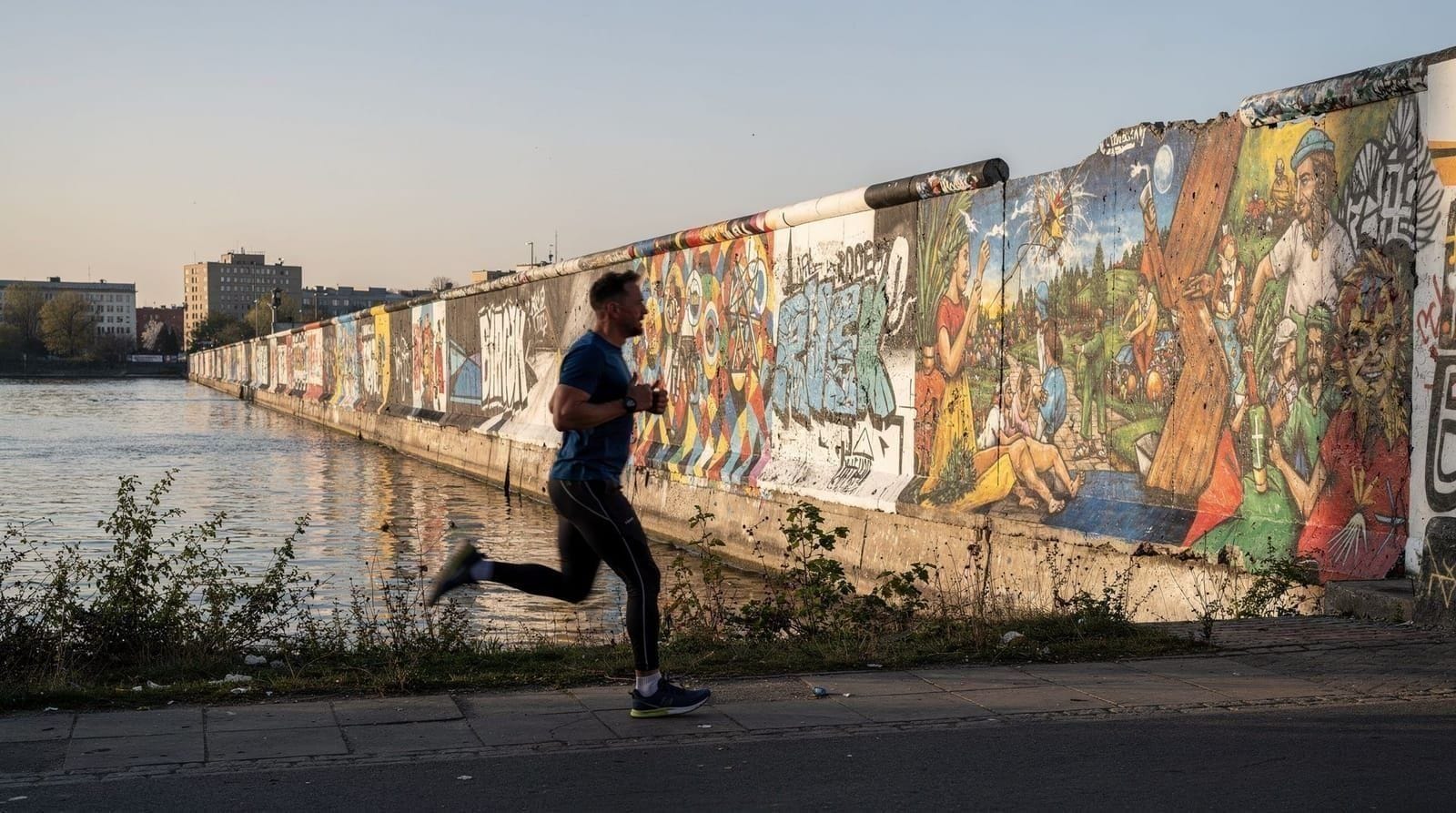
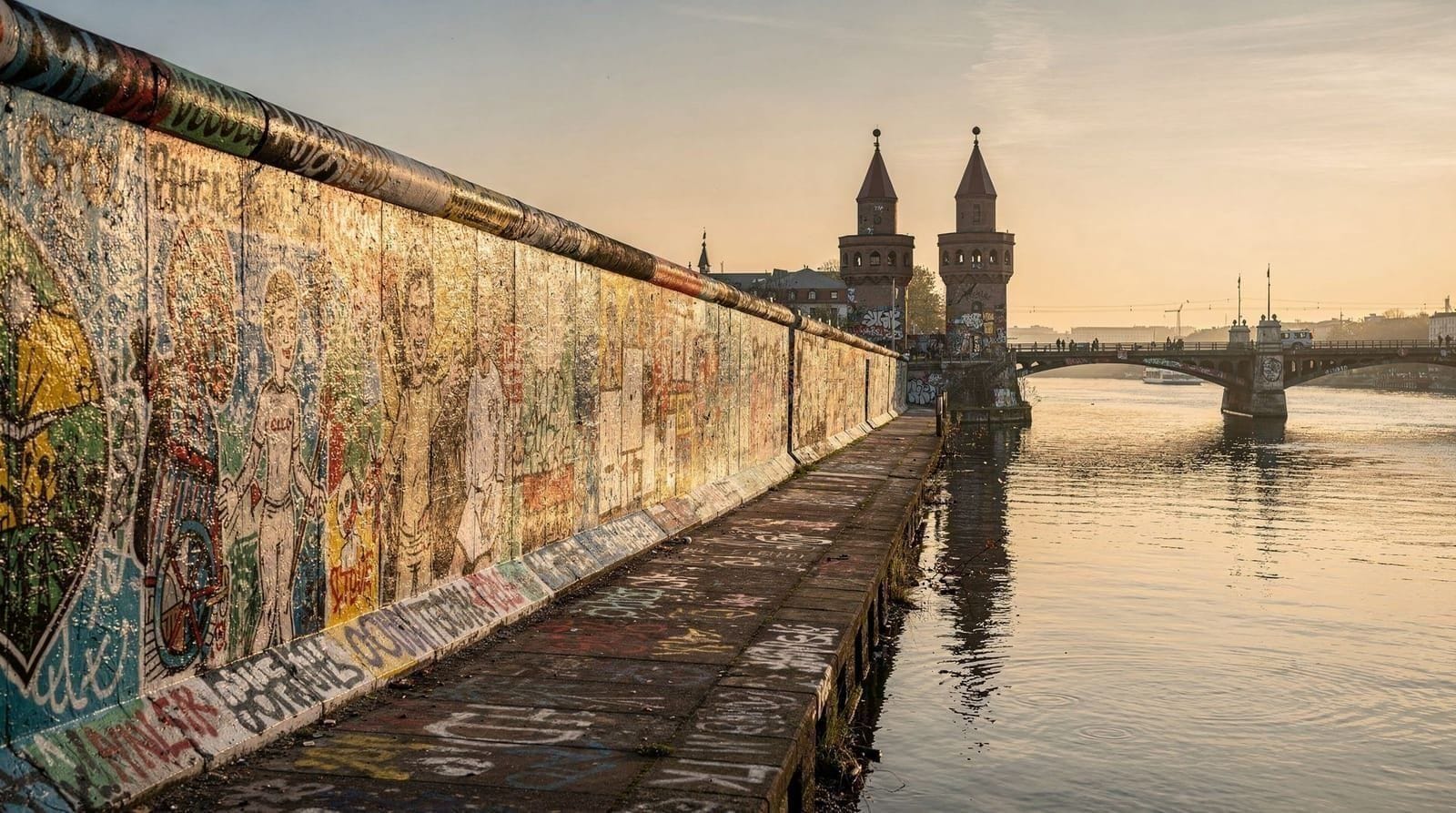
| East Side Gallery | Outer wall + murals | Free | Art/historical hybrid |
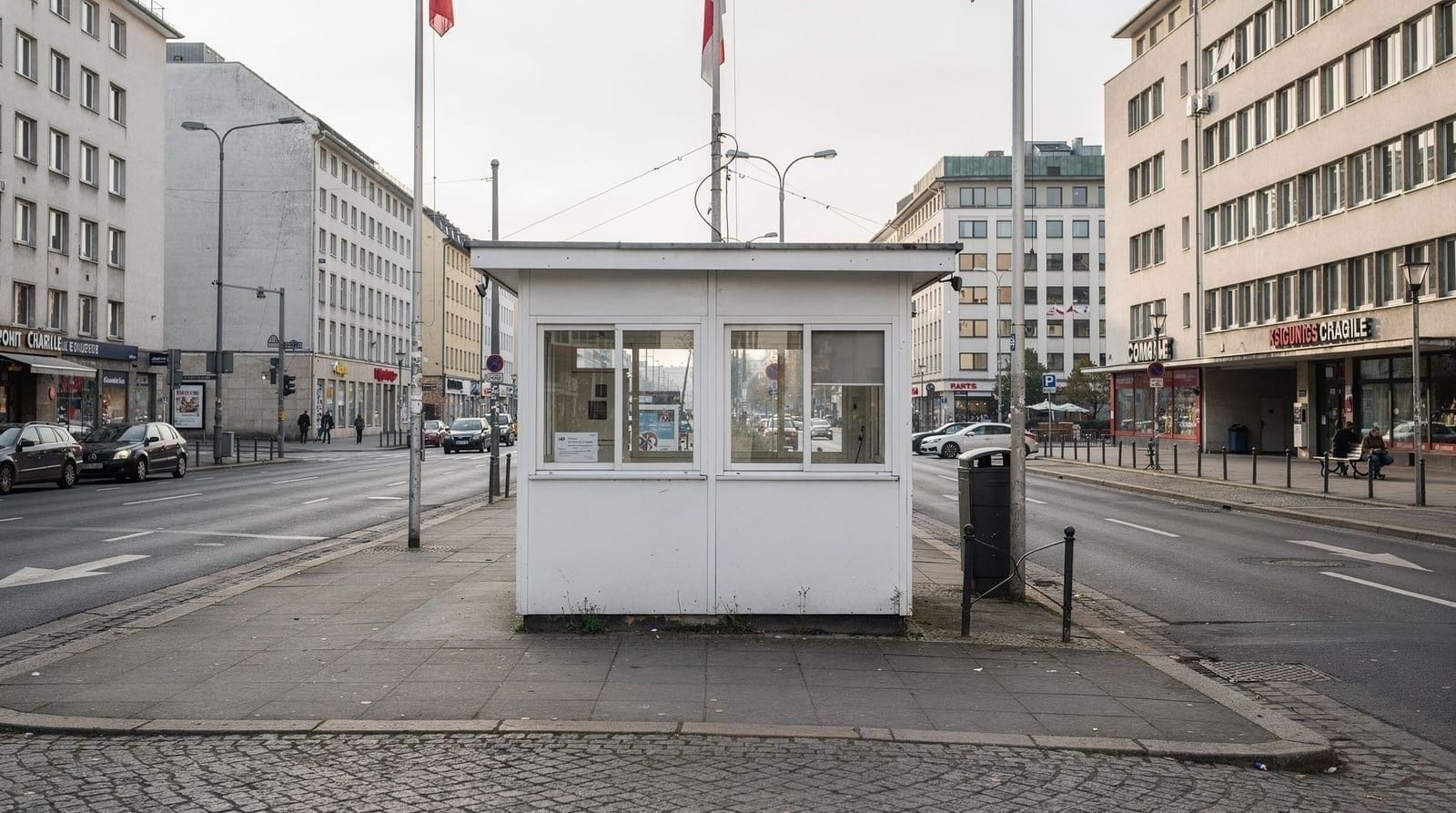
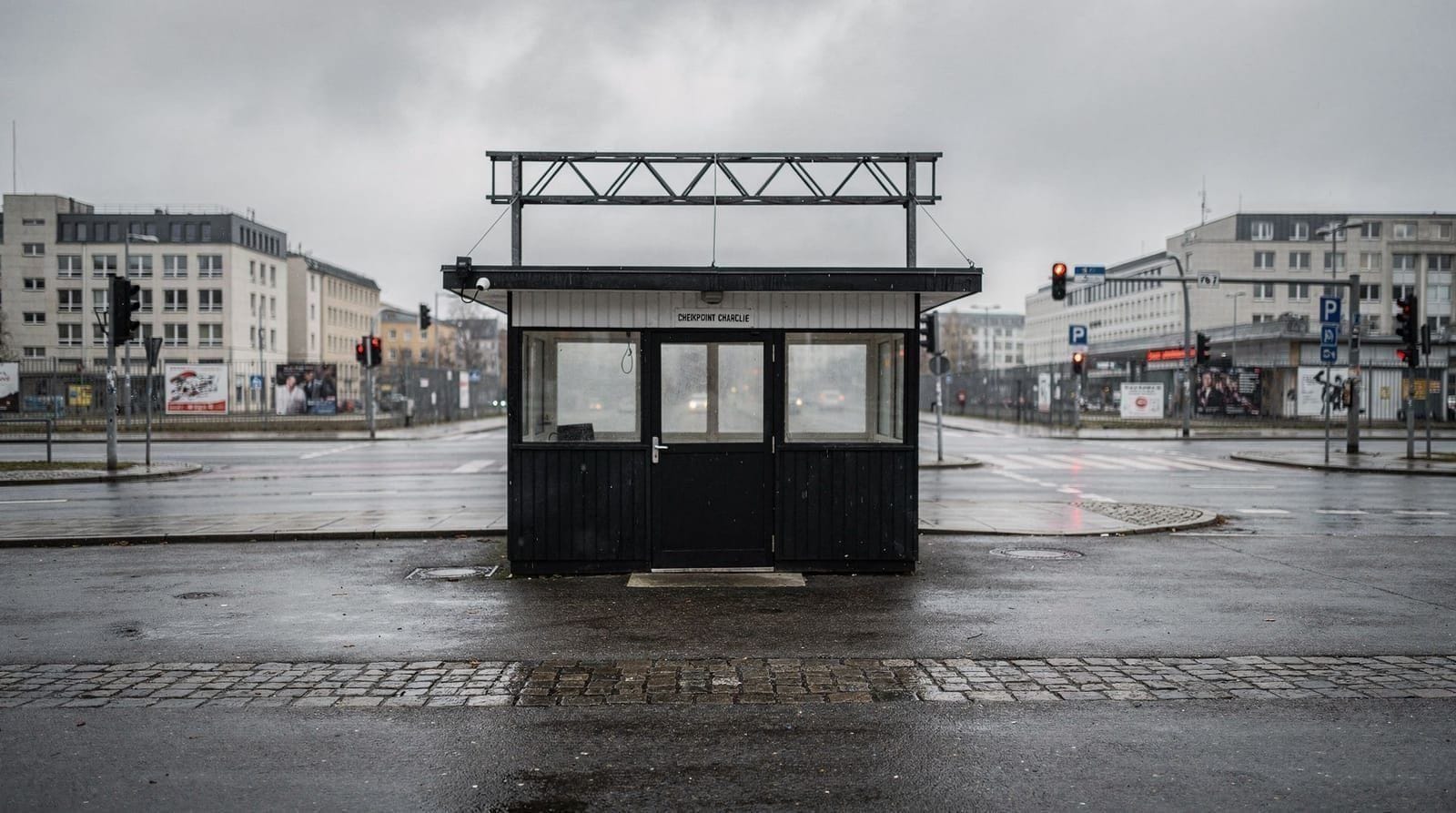
| Checkpoint Charlie area | Replica guardhouse + outdoor boards | Free (replica) / €15 (museum) | Commercial |
| Topography of Terror | Wall section + Nazi history | Free | Scholarly |
| Mauerpark | Former death strip | Free | Casual park |
For most visitors, Bernauer Strasse and the East Side Gallery together give the most complete encounter with the Wall. See the Berlin Wall complete guide for the full overview.
Frequently asked questions about Berlin Wall Memorial Bernauer Strasse
Is the Berlin Wall Memorial free?
Yes, entirely free. The outdoor memorial along Bernauer Strasse is always open. The indoor documentation centre (Besucherzentrum) is free and open Tuesday–Sunday 10 am–6 pm. The Chapel of Reconciliation on the site is also free to enter.How do I get to the Berlin Wall Memorial?
U8 to Bernauer Strasse, or tram M10 along Bernauer Strasse itself. The memorial stretches along Bernauer Strasse between Gartenstrasse and Swinemuender Strasse. The main documentation centre entrance is at Bernauer Strasse 119. From central Berlin (Alexanderplatz), the tram M10 takes approximately 15 minutes.How long does the Berlin Wall Memorial take?
The outdoor site runs 1.4 km and takes 1–1.5 hours to walk with the audio guide. The indoor documentation centre takes 1–1.5 hours if read carefully. Allow at least 2.5–3 hours for the complete experience. The Window of Remembrance and the Chapel of Reconciliation are each worth 15–20 minutes additional.What makes Bernauer Strasse historically significant?
Bernauer Strasse was one of the most dramatic border locations in Berlin. The street itself formed the border — apartment buildings on the south side were in East Berlin while the pavement in front of them was in West Berlin. When the Wall was built on 13 August 1961, residents of those buildings were suddenly on the wrong side; several famously jumped from windows to escape to the West. The buildings were later demolished to create the death strip.What is the Chapel of Reconciliation at the memorial?
The Kapelle der Versöhnung (Chapel of Reconciliation) was built in 2000 on the site of the Versöhnungskirche (Church of Reconciliation), which stood in the death strip and was demolished by the GDR in January 1985. The original church served both East and West Berlin congregations; its demolition was an act of deliberate cultural violence. The new oval chapel, built of rammed earth and loam with timber, incorporates bricks salvaged from the demolished church. It remains an active place of worship.Is there an audio guide for the Berlin Wall Memorial?
Yes. A free audio guide app is available for download for smartphones (search for "Gedenkstätte Berliner Mauer" in your app store). It covers 30 stations along the outdoor memorial route. Dedicated audio guide devices can also be borrowed from the documentation centre for a deposit. The audio content is detailed and available in German and English.What is the Window of Remembrance?
The Fenster des Gedenkens is a row of steel panels with photographs of people who died at the Berlin Wall. It stands at the corner of Bernauer Strasse and Ackerstrasse. Each photograph is accompanied by name, age, and date of death. The format is deliberately individual rather than statistical — a face to go with the number of at least 140 confirmed deaths. It is one of the most affecting elements of the memorial.