Natural History Museum Berlin guide — the world's tallest mounted dinosaur
Berlin: Museum Island Multiple Museum Entry Ticket
Is the Berlin Natural History Museum worth visiting?
Yes, particularly for families and anyone interested in palaeontology. The Brachiosaurus brancai in the main hall — 13.27 metres tall and 22 metres long, the largest mounted dinosaur skeleton in the world — alone justifies the €11 entry. The museum is also genuinely excellent on mineralogy and taxidermy collections. Allow 2–3 hours.
Quick answer: Entry is €11 adult, €5 child. No advance booking needed outside school holidays. The Brachiosaurus hall is the centrepiece but the mineralogy and wet collection rooms are equally remarkable. Allow 2–3 hours.
| Where | Invalidenstrasse 43, Mitte |
| Cost | €11 adult, €5 child (6–17), family ticket around €26 |
| Time needed | 2–3 hours |
| Getting there | U6 Zinnowitzer Straße, or 15 min walk from Hauptbahnhof |
| Booking | Not required outside school holidays |
Why the Natural History Museum is worth your time
The Museum für Naturkunde (Natural History Museum) in Berlin is not a typical tourist-itinerary item — it sits between Mitte and the government quarter rather than on Museum Island, and few first-time Berlin visitors think of palaeontology when they think of Berlin. This is a genuine gap in most Berlin trip plans.
The museum holds one of the ten largest natural history collections in the world, with approximately 30 million specimens spanning geology, palaeontology, zoology, and mineralogy. What makes it remarkable is not its size alone — it is the quality and specificity of particular collections that distinguish it.
The Brachiosaurus brancai in the central atrium is the most immediately impressive: 13.27 metres from ground to top of neck, 22 metres in length, and scientifically significant as a complete specimen (most museum dinosaurs combine bones from multiple individuals; the Berlin Brachiosaurus is approximately 70% original bone). It was excavated from the Tendaguru Formation in present-day Tanzania in a German expedition of 1909–1913 — one of the most ambitious palaeontological digs in history, bringing 225 tonnes of fossil material to Berlin.
The museum also holds the original Archaeopteryx lithographica fossil — the feathered transitional species between non-avian dinosaurs and birds, central to the evidence for evolution. The original 1877 Berlin specimen is one of the most scientifically significant fossils in existence.
The dinosaur hall
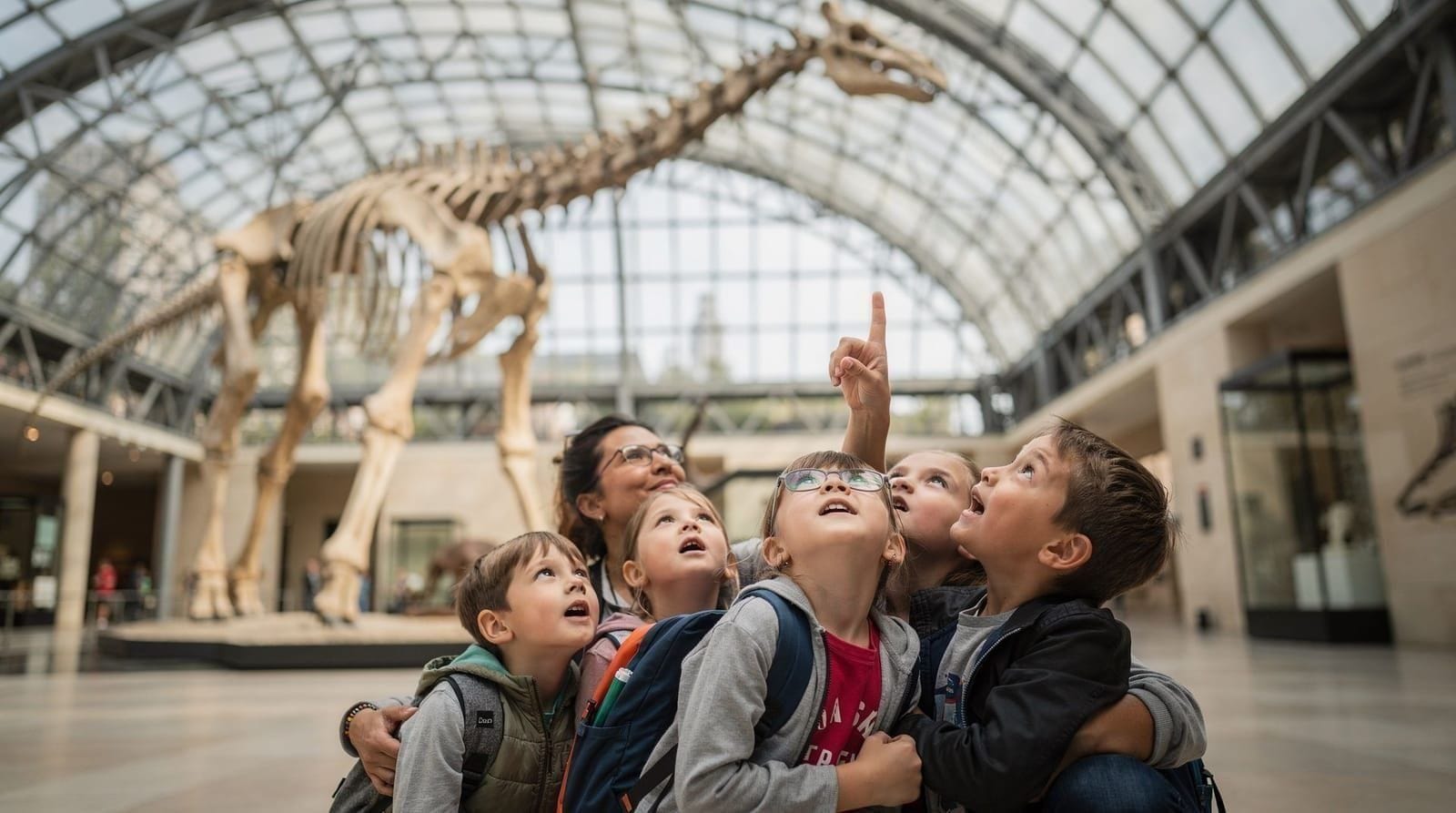
The Saurierhalle (dinosaur hall) occupies the ground floor of the museum’s central building, a high-ceilinged Victorian hall that was purpose-built for large specimens. Five large dinosaur skeletons stand in the central space:
Brachiosaurus brancai is the star — a long-necked sauropod from the Late Jurassic period (approximately 150 million years ago). The skeleton record for tallest mounted specimen has been held by the Berlin specimen since 2007. The neck alone is approximately 9 metres; the skull (a replica — original skulls are rarely found) is positioned looking down toward visitors.
Diplodocus and Kentrosaurus specimens flank the Brachiosaurus on either side. The Kentrosaurus (a plated dinosaur related to Stegosaurus) is particularly complete and visually distinctive.
Giraffatitan brancai — recently reclassified from Brachiosaurus — forms part of the same Tanzanian excavation material. Multiple individuals are represented in the hall.
The hall is organised to be photographable from multiple angles, including a mezzanine level (take the stairs to the left as you enter) that gives eye-level views of the larger dinosaurs’ heads and backs. This level also houses the Archaeopteryx display in a dedicated case with magnifying glass and interpretive text.
The wet collection (Nass-Magazin)
One of the museum’s most photographed spaces is not the dinosaur hall but the wet collection — a long gallery lined floor-to-ceiling with metal shelving holding 276,000 glass jars of preserved specimens. The effect is simultaneously scientific archive and surrealist installation: row after row of fish, snakes, lizards, frogs, eels, and marine invertebrates, preserved in amber-yellow formalin solution in jars ranging from hand-sized to 50-litre vessels.
The collection dates from the 18th century onward and has been digitised over the past decade, with each specimen linked to location and collector data. A walk through the gallery takes about 20 minutes and is genuinely unusual — there is nothing quite like it in other Berlin museums.
Note: the wet collection is not suitable for visitors with strong sensitivity to preserved specimens. The smell within the gallery is notable but not overwhelming.
Mineralogy and meteorite collection
The mineralogy wing on the upper floor contains approximately 8,500 specimens of minerals, gemstones, and meteorites. The collection spans the periodic table and includes particularly fine specimens of fluorite, malachite, quartz, and native metals.
The meteorite section is a highlight: the Hoba meteorite replica (the original is in Namibia) and a selection of lunar samples (Apollo programme) are displayed alongside a working explanation of how meteorites are classified and what they tell us about the solar system’s formation.
The Tektite collection — glassy stones formed by meteorite impacts — includes specimens from the Nördlingen Ries impact crater and the Chicxulub region (the impact event associated with the dinosaur extinction).
The taxidermy halls
The upper floors of the west wing hold a series of taxidermy galleries covering African mammals, birds, and marine specimens. The quality of the 19th-century taxidermy varies — some specimens show their age and the state of preservation technique at the time — but the collection includes complete specimens of animals now extinct or extremely endangered.
The Bobby exhibit is a singular Berlin story: Bobby was a male lowland gorilla who lived at the Berlin Zoo from 1928 to 1935 and became one of the most famous animals in Europe before his death. His taxidermied form is on display in the natural history museum alongside documentation of his life and the public response to his death. The story is unexpectedly moving, particularly as a record of early 20th-century public attitudes toward great apes. For a living counterpart, the Berlin Zoo is about 20 minutes away by public transport.
Is it better for kids than a live zoo visit?
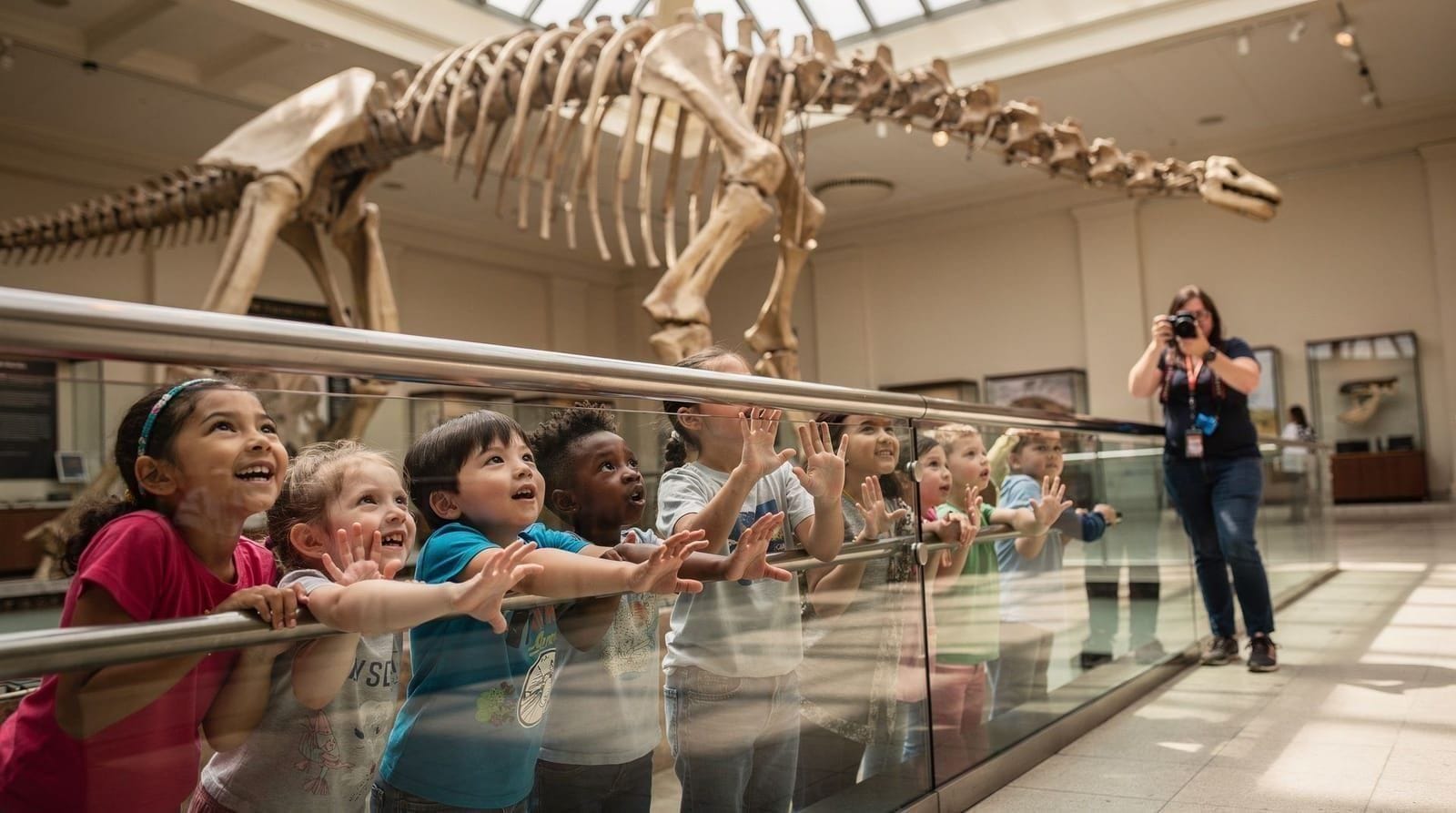
For families deciding between the Natural History Museum and a full zoo day, the honest answer is that they suit different ages and moods. The dinosaur hall and wet collection reward curious children roughly 5–14 who like looking closely rather than covering distance, and a visit fits neatly into a half-day slot around nap times or a rainy afternoon. A deeper breakdown of what works for younger visitors specifically — including which sections to skip with toddlers — is in the Natural History Museum with kids guide. If your children want to see animals moving rather than mounted, pair this museum with a separate half-day at Berlin Zoo or the Legoland Discovery Centre rather than trying to force all three into one day.
Practical visitor information
Address: Invalidenstrasse 43, 10115 Berlin
Opening hours: Tuesday–Friday 9:30 am–6 pm; Saturday–Sunday 10 am–6 pm. Closed Mondays.
Getting there: U6 to Zinnowitzer Strasse (10-minute walk east), or S-Bahn to Hauptbahnhof (15-minute walk southeast). From Museum Island, allow 20 minutes on foot or one U-Bahn stop (U5 to Naturkundemuseum is planned but not yet operational as of 2026 — check current service). Bus 245 serves Invalidenstrasse directly.
Tickets: Available at door; online booking at naturkundemuseum.berlin. Advance booking is recommended only during school holidays (summer July–August, October half-term). Queues outside school holiday periods are typically under 10 minutes.
Audio guides: Available in German and English at €3 additional. A children’s audio guide in German is available. The standard adult guide is well-produced and covers the key collections without overextending the visit.
Children’s lab (Kinderforscherwerkstatt): Available on weekends and during school holidays. Timed slots, booking in advance required at the museum website. Children aged 6–14 examine specimens under microscopes and learn basic natural history research methods. Extremely popular — book ahead.
Photography: Permitted throughout without flash. Tripods are not permitted. The dinosaur hall at opening time (9:30 am) offers the best lighting for photography before the hall fills with visitors.
Combining with other Mitte attractions
The Natural History Museum is best combined with the government quarter and Hamburger Bahnhof rather than with Museum Island (which is a 20-minute walk away and could easily absorb a full separate day).
Hamburger Bahnhof — Museum for Contemporary Art: 10 minutes on foot northeast. One of the better contemporary art museums in Germany, in a converted railway station. Free on Thursday evenings 4–8 pm.
Government quarter: The Reichstag building, Federal Chancellery, and Bundestag offices are 15 minutes by foot west along the Spree. The Reichstag booking guide covers the advance reservation requirement for dome visits.
Hauptbahnhof: 12 minutes by foot. Useful if you are arriving or departing from the museum area.
For families combining the Natural History Museum with other family-friendly sites, the Berlin with kids guide covers the full range of options including Legoland Discovery Centre, the Berlin Zoo, and the SEA LIFE aquarium. The wider Mitte neighbourhood guide also puts the museum in context alongside Museum Island and the government quarter for those planning a full district day.
For a structured Berlin itinerary that includes the Natural History Museum, the Berlin 2-day plan suggests it on day two alongside the government quarter, and the Museum Island guide is the natural pairing if you want a full day of collections in one trip.
Compare Museum Island combined tickets, useful if pairing with Naturkundemuseum
Frequently asked questions about Natural History Museum Berlin guide
How much does the Berlin Natural History Museum cost?
Adult entry is €11. Concession (students, seniors) is €6. Children under 6 are free. Children 6–17 pay €5. A family ticket (2 adults + 2 children) costs €26. Tickets are available at the door — advance booking is rarely necessary outside school holidays.What is the main attraction at the Berlin Natural History Museum?
The Brachiosaurus brancai skeleton in the central atrium is the museum's signature exhibit and a genuine world record holder — at 13.27 metres tall and approximately 22 metres long, it is the largest mounted dinosaur skeleton in the world as certified by Guinness World Records. The skeleton was excavated in Tanzania between 1909 and 1913 and assembled in Berlin. Surrounding it in the same hall are several other large Jurassic sauropod skeletons.Is the Berlin Natural History Museum good for children?
Excellent for children, particularly ages 5–14. The dinosaur hall is consistently the most popular exhibit with younger visitors. The museum offers specific children's tours, audio guides for children (in German and English), and a children's laboratory (Kinderforscherwerkstatt) where young visitors can examine specimens under microscopes. The large taxidermy hall with complete animal specimens is also popular with children.How long does the Berlin Natural History Museum take to visit?
Two to three hours covers all major sections at a comfortable pace. If you spend significant time in the dinosaur hall (most families do) and the wet collection, allow the full 3 hours. The museum is not enormous but has remarkable depth in specific areas.Is the Natural History Museum near other Berlin attractions?
The museum is in Mitte, at Invalidenstrasse 43, about 10 minutes by foot from the Hauptbahnhof (main station) and 15 minutes from Museum Island. The nearest U-Bahn is U6 Zinnowitzer Strasse. It is within easy walking distance of the Hamburger Bahnhof contemporary art museum and the government quarter.What is the wet collection at the Natural History Museum Berlin?
The wet collection (Nass-Magazin) is one of the museum's most striking exhibits — an entire wing of floor-to-ceiling shelving containing 276,000 preserved specimens in alcohol or formalin. The collection includes fish, reptiles, amphibians, and invertebrates from the 18th century onward. It is not for the squeamish but is scientifically significant and visually extraordinary. It is accessible as part of regular admission.Does the Berlin Natural History Museum have a gift shop and cafe?
Yes. The museum shop has a good selection of natural history books (including German and English titles), mineralogy specimens, and replica dinosaur items. The quality is above average for a museum shop. There is a small cafe on site for light meals and drinks, open during museum hours.When is the best time to visit the Natural History Museum Berlin?
Weekday mornings are the least crowded. During school holidays (particularly summer and October half-term), the dinosaur hall is very busy with school groups and families. Saturday and Sunday afternoons are consistently the busiest times. The museum opens at 9:30 am Tuesday to Friday and 10 am on weekends.Can I combine the Natural History Museum with Museum Island in one day?
It is possible but not recommended if you want to give either place justice. The two are about 20 minutes apart on foot, and Museum Island alone can absorb a full day across its five museums. If time is tight, pick one; the Natural History Museum works better paired with the government quarter or Hamburger Bahnhof, both a short walk away.
Top experiences
Bookable activities with verified prices and instant confirmation on GetYourGuide.