Berlin Christmas markets 2026 — the ones worth your time
Berlin’s Christmas market scene is vast, partly commercialised, and genuinely magical in places. The problem is that most guides treat every market the same — listing 20 markets as if they’re all equivalent experiences. They’re not. Here’s the editorial ranking of which ones are worth your time in 2026 and the honest case for skipping the famous ones. For full logistics with opening dates, transport directions, and maps, see the Berlin Christmas markets guide.
| Season | Late November to December 23-24 (Gendarmenmarkt to Dec 31) |
| Best markets | Gendarmenmarkt, RAW-Gelände, Charlottenburg Palace |
| Skip | Alexanderplatz, Hackescher Markt as a special trip |
| Glühwein | Around €4-5/cup, €2-3 cup deposit |
| Ticket | AB zone day ticket, around €9.50, covers all central markets |
Why Berlin’s market scene is complicated
Berlin has more Christmas markets than almost any other European city — estimates range from 60 to 80 depending on how you count pop-up events and smaller neighbourhood markets. The problem this creates for visitors: the tourist infrastructure funnels everyone toward five or six “famous” markets, many of which are the most commercial and least interesting.
The best markets in Berlin are often the smaller, less-promoted ones. But they run on specific schedules (often weekends only), in neighbourhoods that require some navigation, and don’t appear prominently in aggregated “top Berlin Christmas markets” lists because they don’t pay for placement.
The Christmas markets overview has the comprehensive list. This is the edited version.
Gendarmenmarkt — the most visually compelling
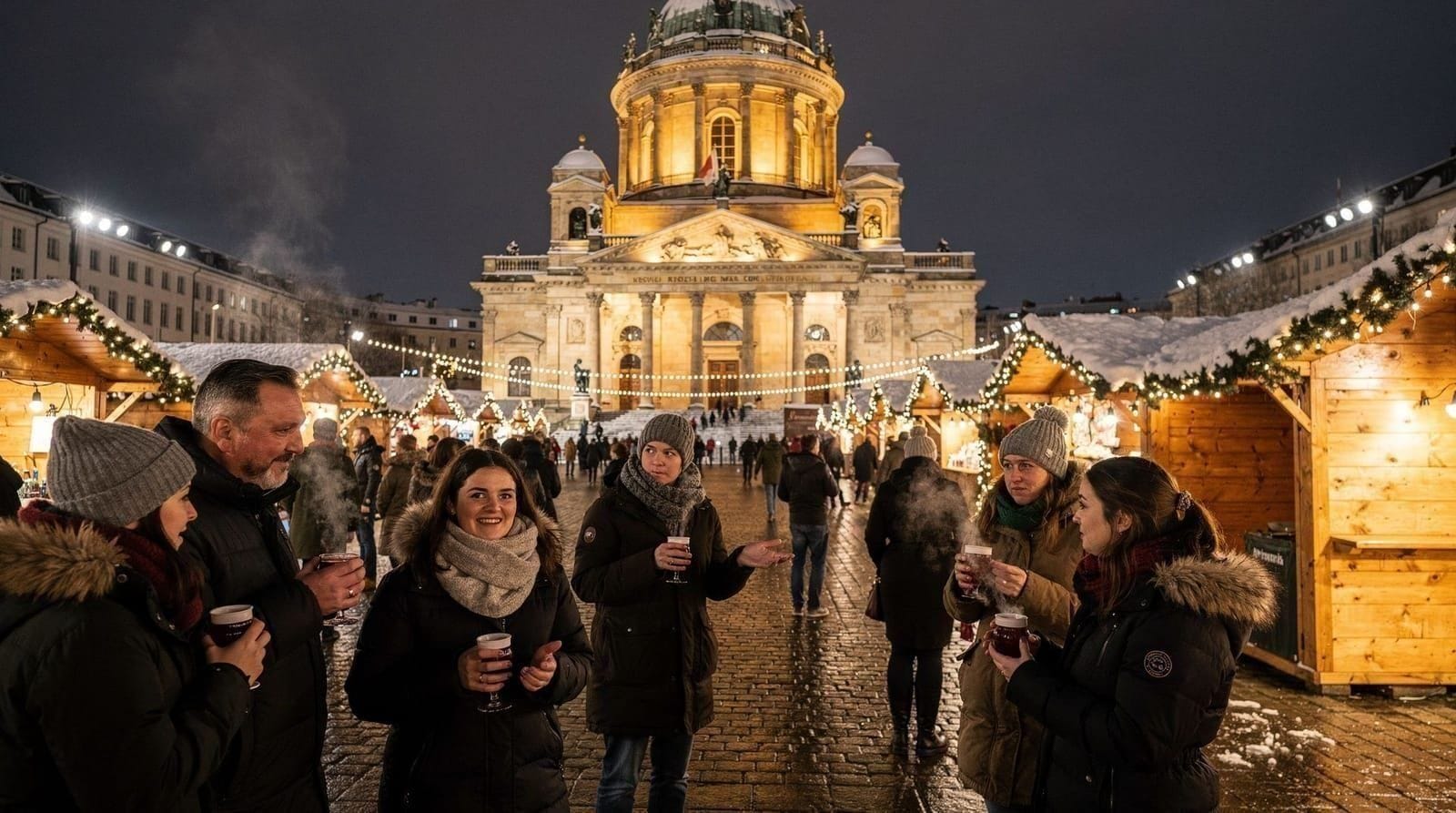
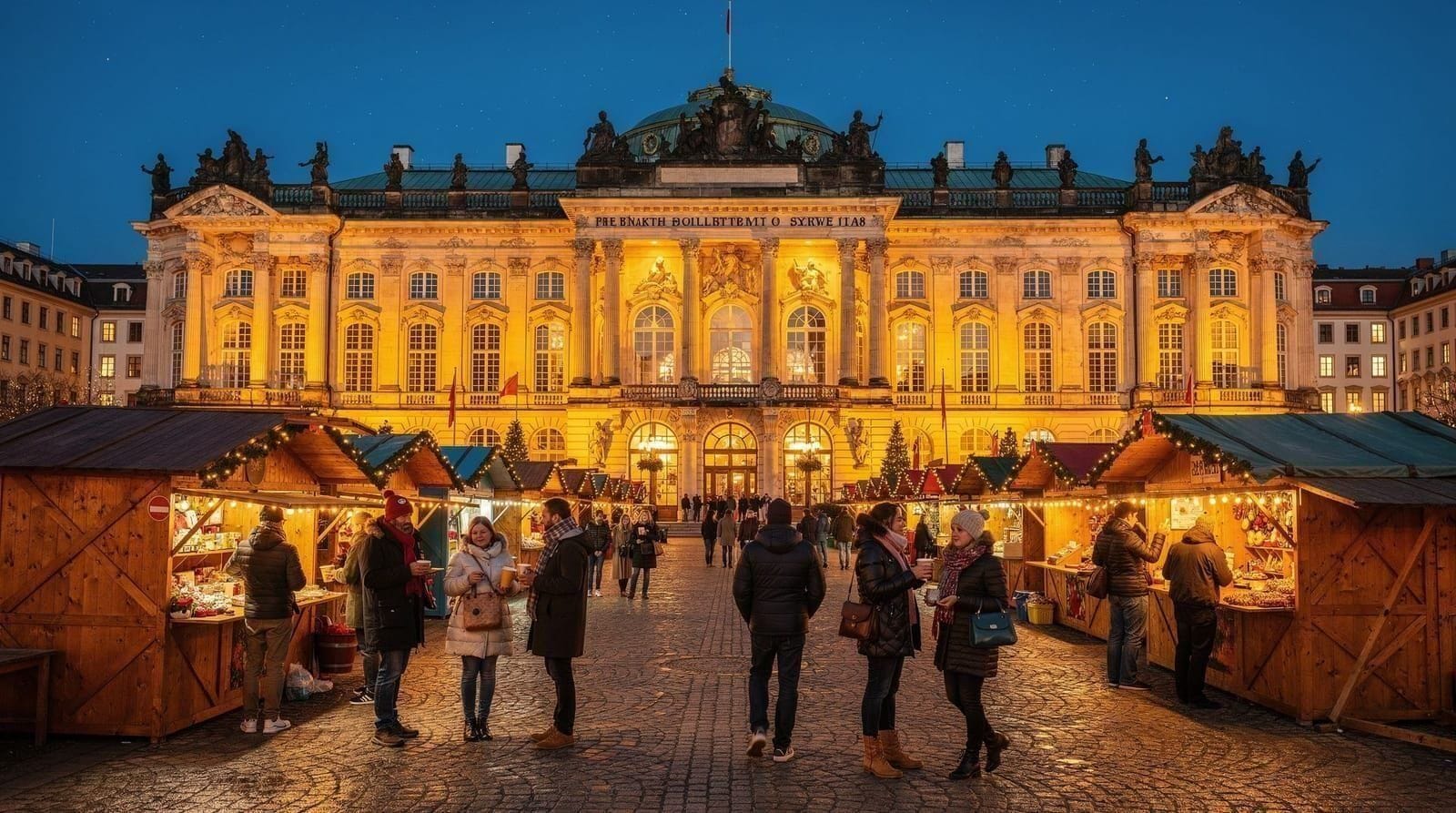
The Christmas market at Gendarmenmarkt is the most photogenic in Berlin, full stop. Set between the Konzerthaus and the twin facades of Französischer Dom and Deutscher Dom, it’s genuinely beautiful at dusk when the building illuminations are on and the market lights come up.
Entry costs around €1–2 (varies by year — check the 2026 dates). This small fee has the practical effect of keeping the crowd manageable compared to the free markets nearby.
The stalls lean toward higher-quality crafts and regional German food. You’ll find Erzgebirge wooden figures (the carved, intricately detailed decorations from the Ore Mountains), Thuringian sausages that aren’t the €8 tourist sausages sold near Checkpoint Charlie, and occasional genuine artisan products rather than Chinese-manufactured souvenirs. Glühwein runs €4–5 per cup, with a €2 deposit on the ceramic cup.
When to go: Tuesday or Wednesday evening before December 15. Weekend evenings in the second and third weeks of December are packed — expect queues to enter the market itself. The experience is considerably better mid-week.
Opening dates for 2026: typically late November (around November 27) through December 31. One of the few markets that runs through New Year’s Eve.
Charlottenburg Palace — the largest and family-best
The market surrounding Charlottenburg Palace along Spandauer Damm is Berlin’s largest, running two sections: a medieval market on the north side (costumed performers, fire-eaters, period-style stalls) and a traditional Christmas market with 250+ stalls on the east side facing the palace.
It’s good rather than exceptional — the scale and the palace backdrop compensate for some commercial stalls that wouldn’t make the cut at Gendarmenmarkt. Best for families with children under 12, for whom the medieval entertainment section holds attention better than craft markets. The Charlottenburg Palace guide covers the palace itself, which is worth visiting while you’re in the area.
Transport: U7 to Richard-Wagner-Platz (8-minute walk) or bus M45/M09. Opening dates: typically mid-November through early January — one of the longest-running markets.
WinterWelt at Potsdamer Platz — ice rink, not market
WinterWelt is often listed alongside the genuine markets but is primarily an ice rink complex with adjacent stalls. The ice rink is large and well-maintained; entry is €5–8, skate hire extra. If you want to ice skate in a central location, this is a reasonable option.
As a Christmas market experience, it’s the most commercial option in central Berlin. The food stalls are standard and overpriced; the craft stalls are generic. Go if you specifically want the ice rink; skip if you’re there for market atmosphere.
RAW-Gelände in Friedrichshain — the authentic alternative
The Christmas market at RAW-Gelände (the industrial compound behind Warschauer Str. in Friedrichshain) is where local Berliners are more likely to appear. Smaller, less polished, genuinely different.
Vendors selling vinyl records, screen-printed clothing, handmade ceramics, homemade jams, and obscure liqueurs sit alongside food stalls with an actual Berlin street food character. The atmosphere is what you’d get if you put a Berlin flea market in a Christmas format — which is exactly what it is.
Transport: S-Bahn Warschauer Strasse (S3/S5/S7/S9), then 5-minute walk through the RAW complex entrance. No entry fee. Typically runs December weekends only — check exact 2026 dates closer to the season.
Mauerpark in December — casual, more local
The Mauerpark Sunday flea market continues through December with additional seasonal stalls. It’s not a dedicated Christmas market, but the combination of second-hand goods, food, and the amphitheatre karaoke (which runs year-round regardless of temperature) creates an alternative experience.
Best for late morning into early afternoon on Sundays. The karaoke typically starts around noon. Free entry, obviously.
The Neue Nationalgalerie Christmas market (when running)
Some years, a small market runs near the Kulturforum complex (Neue Nationalgalerie area). This is the smallest and most genuinely artisan option when it runs — ceramics, prints, and specialist food vendors. Check 2026 dates closer to November, as this market doesn’t have a fixed annual presence.
Markets to give minimal time
Alexanderplatz: The largest attendance numbers in Berlin, the least interesting experience. Giant rides, carnival atmosphere, generic fast food, mass-produced souvenirs. It’s a fair if you want a fair; it’s not a Christmas market in the artisan/craft sense. Unless you’re already at Alexanderplatz for another reason, no need to make a special trip.
Breitscheidplatz (Kaiser-Wilhelm-Gedächtniskirche): The market at the Memorial Church remains significant for historical reasons — the site of the December 2016 truck attack. The market itself is modest. Worth visiting the church regardless of the season, but the Christmas market is not the reason to go.
Hackescher Markt: Fine as a backdrop, not worth a special journey. Primarily a through-traffic market for people walking between areas.
Practical logistics for Christmas markets 2026
Opening schedule: Most markets open late November (typically around November 27–28 for 2026) and close December 23–24. Gendarmenmarkt runs through December 31.
Transport: An AB zone BVG day ticket (€9.50) covers all central Berlin markets. The transport guide has the full fare breakdown. The S-Bahn runs later than usual in December on weekends — check BVG.de for extended festive timetables.
Cash: Many market stalls still prefer cash for purchases under €20. Bring €30–40 in small denominations. The Pfand (deposit) on Glühwein cups (usually €2–3) is returned when you hand the cup back at any stall from that market’s cup system — don’t lose track of it.
Glühwein notes: Quality varies significantly. Generic markets use bottled premade Glühwein; better markets use mulled wine made on-site. The give-away is whether the stall operator pours from a dispenser tap or from a large pot with spices visible floating in it. The pot version is almost always better.
What to eat beyond Glühwein: Kartoffelpuffer (potato pancakes) with apple sauce, Reibekuchen, Bratwurst or Rostbratwurst (small, charcoal-grilled), roasted chestnuts (€3–4 per bag), Schneeballen (pastry from Rothenburg, available at many Berlin markets). Avoid €15 “artisan hot chocolate” from operations targeting tourists — the standard €4 option from a serious stall is usually better.
Security: Since 2016, most major Berlin Christmas markets have vehicle barriers and bag checks at entry points. Factor this into timing — queues for entry can be 10–15 minutes at peak weekend evenings.
Combining Christmas markets with winter Berlin
The winter Berlin guide covers the full picture beyond markets: indoor museum experiences at reduced crowds, the nightlife calendar in December, and how the city genuinely changes atmosphere in winter. Some visitors find Berlin more interesting in December than in August precisely because the tourist pressure drops and the city’s residents become more visible.
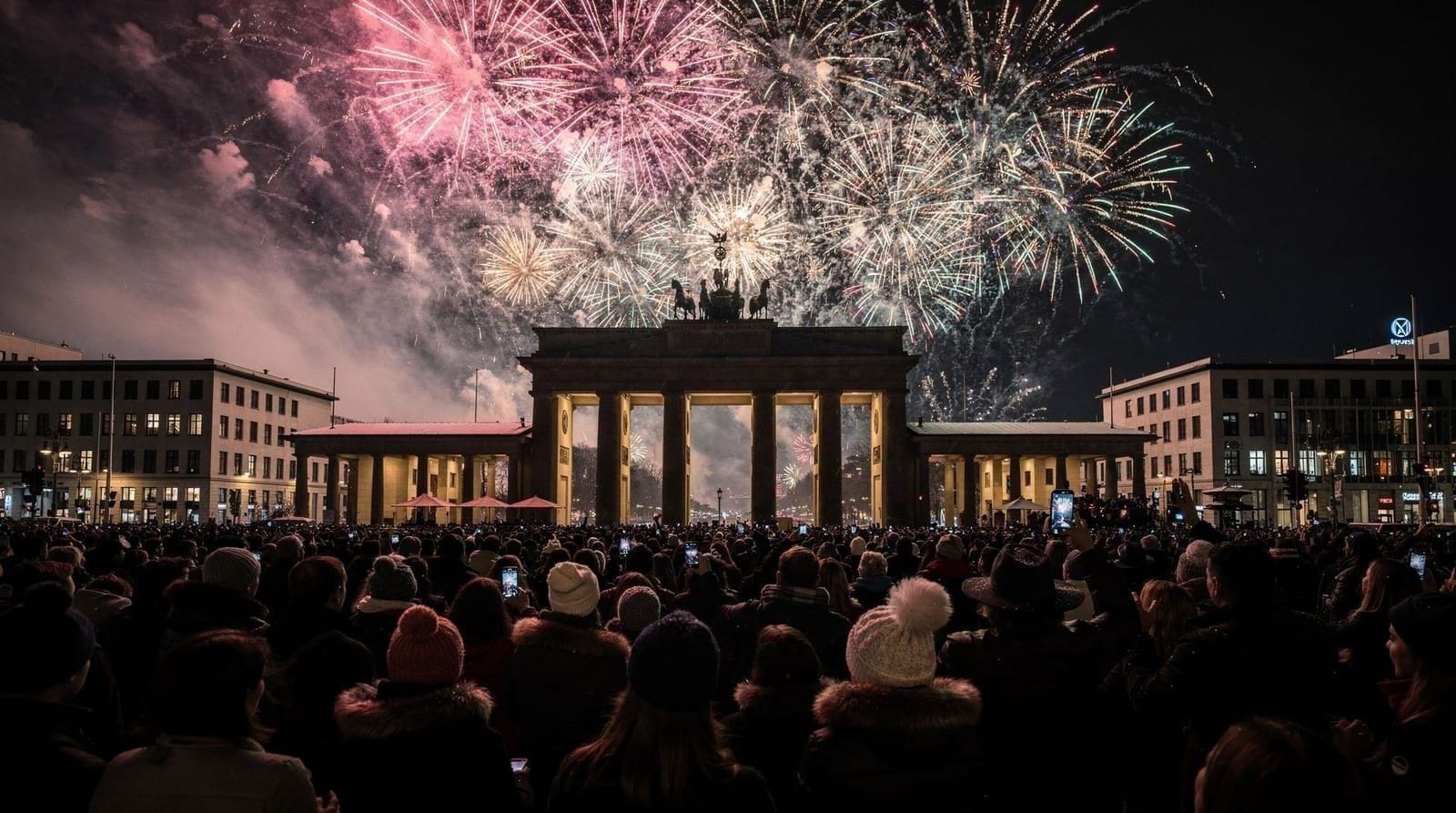
The Berlin New Year’s Eve guide is essential reading if you’re considering a December 31 trip — the Brandenburger Tor event is enormous but requires crowd management strategy.
One practical note: Christmas week (December 23–26) sees some restaurants, galleries, and attractions close for the holiday. Plan museum visits for before December 22 or after December 27.
A ranked comparison for planning your evening
| Market | Vibe | Crowd level | Worth a special trip? |
|---|---|---|---|
| Gendarmenmarkt | Most photogenic, higher-quality stalls | High weekends, manageable midweek | Yes |
| RAW-Gelände | Local, alternative, no entry fee | Low-moderate | Yes, if in Friedrichshain |
| Charlottenburg Palace | Largest, best for families | High | Yes for the setting |
| Mauerpark (December) | Casual, flea market plus karaoke | Moderate | Only if already visiting |
| WinterWelt (Potsdamer Platz) | Ice rink, generic stalls | High | Only for the skating |
| Alexanderplatz | Fairground atmosphere | Very high | No |
Guided evening options
If you’d rather not plan the route yourself, a guided evening walking tour through Mitte covers several of the central markets with commentary on the history behind Gendarmenmarkt and Unter den Linden along the way — useful on a first visit when you want context without doing the navigation.
Guided evening walking tour through central BerlinFAQ
Which Berlin Christmas market should I prioritise if I only have one evening? Gendarmenmarkt. It’s the most visually compelling, the small entry fee keeps crowds manageable, and it’s centrally located near other Mitte sights, so you can combine it with a Christmas market evening and general sightseeing without a long transit detour.
Are Berlin’s Christmas markets worth visiting if I’ve been to German markets elsewhere? Selectively, yes. Skip the generic central markets you’d find in any European city (Alexanderplatz, Hackescher Markt), but Gendarmenmarkt and RAW-Gelände offer something distinctly Berlin — the former for its architectural setting, the latter for its local, unpolished character that markets in smaller German cities don’t replicate.