Things to do in Oranienburg and Sachsenhausen
Berlin: Sachsenhausen Concentration Camp Memorial Tour
Sachsenhausen: a note on visiting a memorial site
Sachsenhausen concentration camp memorial is not a tourist attraction in the conventional sense. It is a place where approximately 200,000 people were imprisoned between 1936 and 1945, and where tens of thousands died — through execution, starvation, disease, and forced labour. A further unknown number died during the death march of April 1945 as Soviet forces approached.
After 1945, the site was used as a Soviet special camp (Special Camp No. 7) until 1950, imprisoning around 60,000 more people — former Nazis, political opponents, and ordinary citizens caught up in post-war denunciations. Some 12,000 of these Soviet-era prisoners died.
Visiting Sachsenhausen asks something of you. The site warrants time, attention, and a willingness to sit with difficult material. This guide is written with those expectations stated clearly.
| Where | Oranienburg, 35 km north of Berlin |
| Cost | Free entry; guided tours around €12–25/person |
| Time needed | Half-day (5–6 hours from central Berlin, incl. travel) |
| Getting there | S1 S-Bahn to Oranienburg, ~35–45 min, Zone C |
| Best time | Depart by 9am, avoid arriving after 2pm |
For the wider context of Berlin’s Third Reich history sites, see the Third Reich sites in Berlin guide, and for transport specifics, the Berlin to Sachsenhausen day trip guide.
Getting to Oranienburg and Sachsenhausen
By train: The S1 S-Bahn from Berlin Hauptbahnhof, Friedrichstrasse, or Nordbahnhof runs to Oranienburg in 35–45 minutes. You need a Zone C extension on your ticket — either a single (€4.40 from Zone AB boundary) or an ABC day ticket (€8.60). From Oranienburg station, the memorial is a 20-minute walk north through the town centre, or take bus 804 (direction Lehnitz, stop Gedenkstätte).
By guided coach: Most organised tours depart from central Berlin by coach, arriving at the memorial entrance in 40–45 minutes without any connections. This is the simplest option, particularly for groups or anyone who prefers not to navigate German public transport with a language barrier.

What you’ll see at the memorial
The Sachsenhausen Memorial covers the original 1936-planned triangular camp layout, most of which is preserved or clearly documented. Key areas:
Tower A and the main entrance: The gate bearing the “Arbeit Macht Frei” inscription (the original bronze letters were stolen in 2009 and never fully recovered; a replica is now in place). The entry tower contains a permanent exhibition on the camp’s construction and original function as a model camp designed to influence other camp construction.
The roll-call area: The central apron of gravel where prisoners stood for daily counts, sometimes for hours, regardless of weather. The scale of the space becomes intelligible when you understand that 6,000 or more prisoners could be assembled here simultaneously.
Station Z: The extermination site in the northwest corner — including a shooting trench, gas chamber ruins, and crematoria. This is the most difficult part of the memorial to visit. Documentation is clear and factual. Allow time here.
Barracks 38 and 39: Two reconstructed prisoners’ barracks containing the main permanent exhibition on daily life inside the camp. The exhibition is thorough, multilingual, and does not flinch from detailing conditions and violence.
The Pathology Building: Includes documentation of the medical experiments conducted on prisoners — some of the most disturbing material in the memorial complex.
The Soviet Special Camp documentation centre: A separate building near the eastern edge of the site documents the 1945–1950 period, including the mass graves discovered in the 1990s on the periphery of the camp.
Licensed guide versus self-guided
The Sachsenhausen Memorial offers free audio guides (€3 rental) and the permanent exhibitions are well-labelled in German and English. Self-guided visiting is entirely viable if you read carefully.
However, a licensed guide adds meaningful value here — particularly for understanding the timeline (the camp evolved significantly between 1936 and 1945), the specific decisions that drove the escalation of violence, and the post-war use of the site by Soviet authorities. The best guides have researched specific prisoner biographies and can connect individual stories to particular locations within the camp.
The licensed small-group tour keeps groups to 8–12 people and runs almost entirely in English. It is the best experience for most English-speaking visitors.

The English-language bus tour from Berlin is the more accessible option for those who prefer door-to-door transport included.

For groups with specific historical interests — academic groups, teachers, families researching their own history — a private tour allows full customisation of the route and focus.

Comparing the visiting options:
| Option | Cost | Best for |
|---|---|---|
| Self-guided + audio guide | Free entry, €3 audio | Independent visitors who read carefully |
| Licensed small-group tour | €12–25/person | Most English-speaking visitors |
| English-language bus tour | €12–25/person | Door-to-door transport, no train navigation |
| Private tour | Higher, custom pricing | Academic groups, family history research |
Oranienburg town: a brief note
Oranienburg is a small Brandenburg town of around 43,000 people. The main reason visitors come is the memorial. Beyond that:
Schloss Oranienburg (Oranienburg Palace) is a 17th-century Baroque palace on the River Havel, now housing the Brandenburg State Museum of Early Modern History. Entry is €6. The palace gardens are free. It offers a sharp and deliberately uncomfortable historical contrast — courtly Baroque splendour built by the same dynasty that later presided over the region’s incorporation into what became the Nazi state.
The town centre has a reasonable range of cafés and a supermarket where you can buy provisions. Most visitors spend 20–30 minutes in town before or after the memorial. It’s a low-key stop rather than a destination in its own right, but it gives you a place to sit and eat something before the S-Bahn back to Berlin, which many visitors find useful after several hours at the memorial.
Practical guidance for the visit
Timing: Allow a full half-day (5–6 hours from central Berlin including travel). Departing Berlin by 9am means arriving at the memorial by 10–10:30am, leaving time for a 3–4 hour visit and return by mid-afternoon. Avoid arriving at the memorial after 2pm if you want a guided tour — some tours book out early.
What to bring: Comfortable walking shoes (the ground surface across the memorial is gravel and compressed earth), water, and weather-appropriate clothing. Parts of the site are exposed to wind. There is a small café at the visitor centre for basic refreshments.
Photography: Photography is permitted throughout the memorial for personal, non-commercial use. Some visitors choose not to photograph out of respect; others find documentation a way of engaging seriously with the site. There is no official restriction.
Emotional preparation: The material is heavy. If you are researching family history connected to the camp, contact the memorial’s archive department in advance (www.sachsenhausen-sbg.de) — they hold prisoner records and can assist with research requests.
Combining Sachsenhausen with the rest of Berlin’s history layer
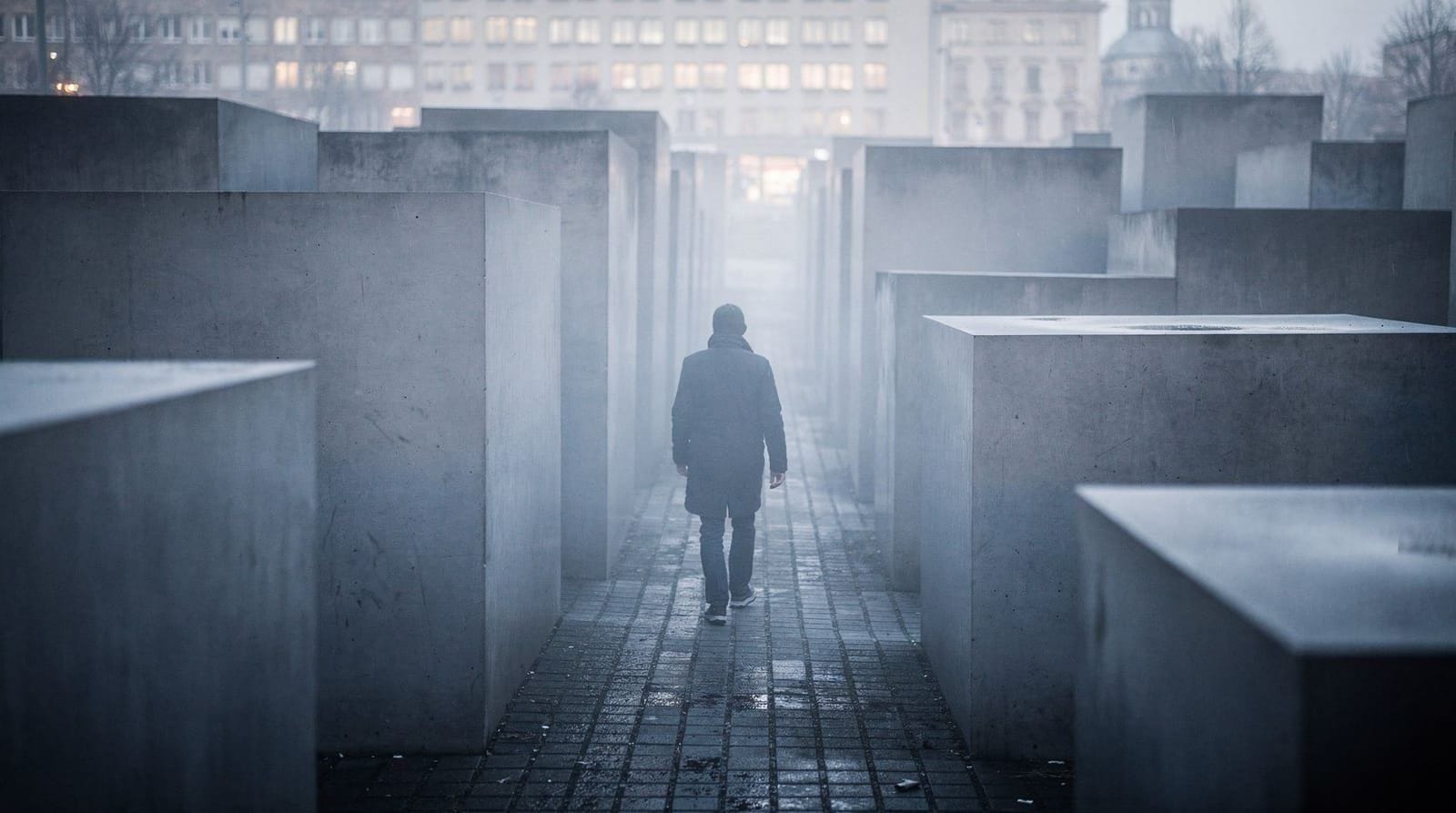
Sachsenhausen makes most sense as part of a broader engagement with Third Reich and Cold War history in Berlin, rather than as a standalone outing. The Third Reich history trail itinerary places it within a 2–3 day sequence that also covers the Topography of Terror, the Wannsee Conference Memorial, and the Memorial to the Murdered Jews of Europe.
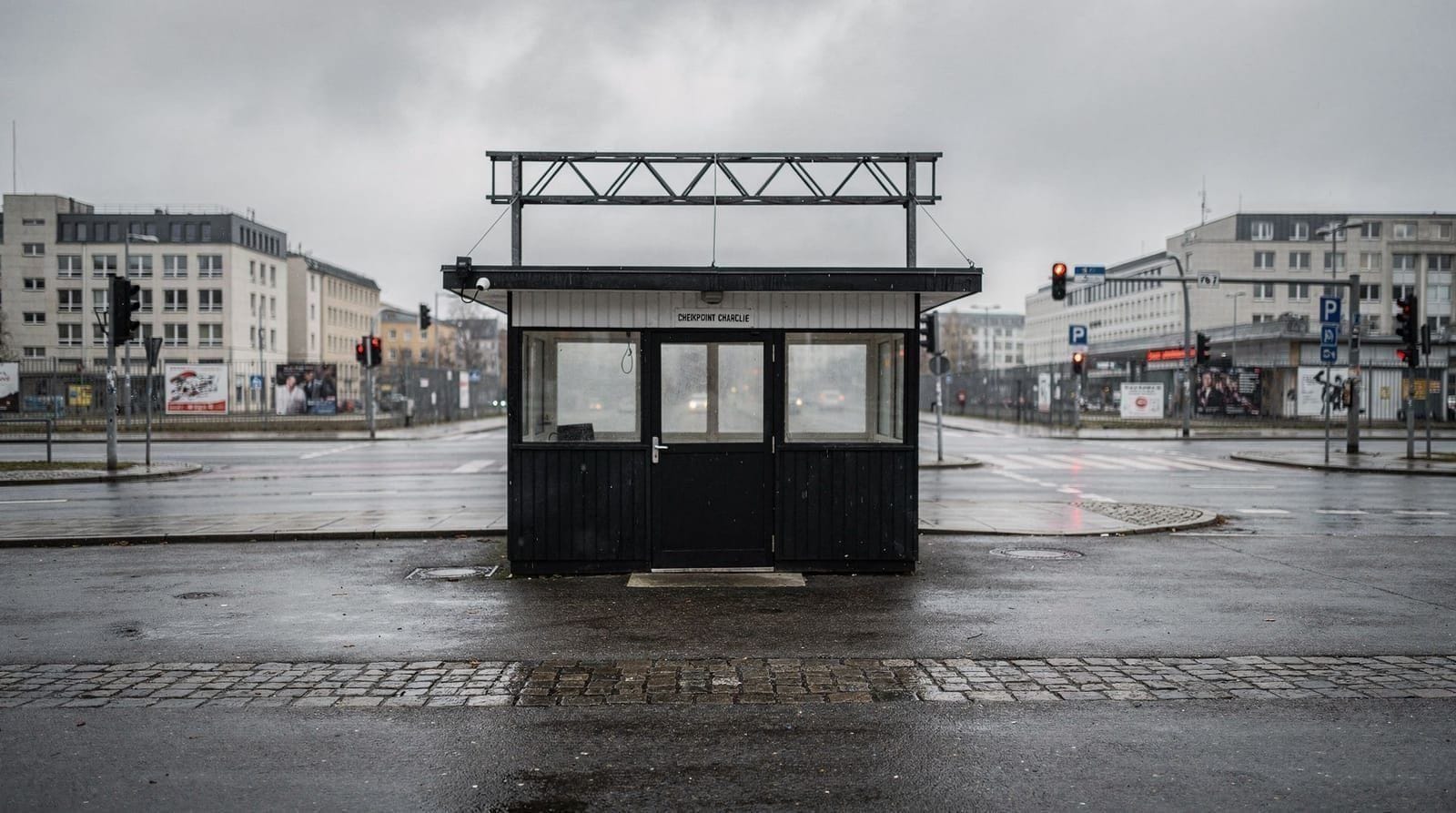
The Cold War Berlin itinerary adds the Soviet special camp history to a broader Cold War narrative including the Berlin Wall, Checkpoint Charlie, and Stasi Museum.
If you’re visiting Sachsenhausen alongside Potsdam, the combined tour handles logistics but plan time between the two.

For the full Berlin 4-day itinerary that integrates Sachsenhausen into a sequenced visit, see the Berlin 4-day itinerary.
The Ravensbruck Memorial: a note for context
Ravensbrück women’s concentration camp is 80 km north of Berlin near Fürstenberg, about 1.5 hours by regional train. It operated as the primary Nazi camp for women prisoners from 1939 and also held men and children. A visit to Ravensbrück combined with Sachsenhausen is possible as a two-day itinerary but makes for very difficult consecutive days of memorial visiting. Most visitors to Ravensbrück make it a separate dedicated day trip.
Where this fits in a longer Berlin trip
Sachsenhausen is the kind of visit worth building a schedule around rather than squeezing in. The Oranienburg destination page and Sachsenhausen destination page have the wider planning context, and the Sachsenhausen visiting tips blog post covers practical questions this guide doesn’t — what to say to children who ask about it, how to process the visit afterward, and how other visitors have structured their day.
Compare alternative tours
| Tour | Duration | Rating | Price | Highlights | |
|---|---|---|---|---|---|
| From Berlin: Licensed Sachsenhausen Tour with max. 15 people | — | — | — | — | Check availability |
| Berlin: English Bus Tour to Sachsenhausen Concentration Camp | — | — | — | — | Check availability |
| Berlin: Private Tour to Sachsenhausen Concentration Camp Memorial | — | — | — | — | Check availability |
| Berlin: Sachsenhausen Concentration Camp and Potsdam Tour | — | — | — | — | Check availability |
Frequently asked questions about Berlin
How do I get to Sachsenhausen from Berlin?
The most direct route is the S1 S-Bahn from Berlin Hauptbahnhof or Friedrichstrasse to Oranienburg, which takes 35–45 minutes (Zone C ticket, €4.40 single or use an ABC day pass at €8.60). From Oranienburg station, it's a 20-minute walk north through the town to the memorial entrance, or a short bus ride (bus 804). Many guided tours from Berlin depart by coach, which is door-to-door from central Berlin in 40–45 minutes.Is Sachsenhausen free to visit?
Entry to the Sachsenhausen Memorial is free. The permanent exhibitions inside the former prisoner barracks and documentation centre are also free. Temporary exhibitions and the separate museum spaces occasionally have a small fee (€2–4). Audio guides are available for hire at the visitor centre (€3). Guided tours cost €12–25 per person depending on group size and type.How long does a visit to Sachsenhausen take?
A self-guided visit to the main memorial site takes a minimum of 2.5–3 hours. The full memorial complex, including all the documentation buildings and the sub-camp museum, takes 4–5 hours. Guided tours typically run 3–4 hours. Most visitors from Berlin allocate a half-day (4–5 hours round trip including travel time).Is Sachsenhausen appropriate for children?
There is no strict age restriction, but the site contains graphic material and requires significant emotional resilience. Most guides and educators suggest 14+ as a general guideline. For younger children, the Topography of Terror in Berlin (free, central Berlin) presents historical context in a somewhat more structured exhibition format. Decide based on your knowledge of your child's maturity and emotional readiness.What else is there to do in Oranienburg town?
Oranienburg town itself has a small Baroque palace (Schloss Oranienburg) with a regional history museum. The palace garden and the adjacent orangery offer a quiet counterpoint to the memorial visit. The town centre has a handful of cafés and a supermarket — most visitors eat lunch here before or after the memorial. There is no specific tourist infrastructure beyond the memorial.Can I combine Sachsenhausen with a visit to Potsdam?
Yes, but it makes for a long day. The Sachsenhausen–Potsdam combined tour exists precisely for this pairing. A more comfortable option is to visit Sachsenhausen in the morning, return to Berlin for a late lunch, then take an afternoon train to Potsdam for the gardens and Dutch Quarter. Allow plenty of time between the two — transitioning directly from a concentration camp memorial to a palace tour without time to decompress is emotionally abrupt.