Berlin BVG and U-Bahn guide — lines, night network, tickets and how it really works
Berlin WelcomeCard: Discounts & Transport Berlin Zones (AB)
How does the Berlin U-Bahn work?
Berlin's U-Bahn runs 10 lines across the city without ticket barriers. Buy a valid ticket before boarding — paper from machines (validate in yellow stampers at the platform entrance) or digital via the BVG app. Inspectors board regularly in plainclothes; fines are €60 with no exceptions. Night buses replace U-Bahn from roughly 1am to 4:30am on weekday nights.
Quick answer: Berlin’s U-Bahn is a 10-line network without ticket barriers. You need a valid ticket before boarding — inspectors board regularly in plainclothes. The fine is €60 with no negotiation. Night buses replace the U-Bahn on weekday nights from around 1am. The BVG app is the most convenient way to buy and hold tickets.
| Where | City-wide, 10 lines, hub stations at Alexanderplatz and Hauptbahnhof |
| Cost | around €3.50 single (AB), €36.50 for a 7-day AB ticket |
| Time needed | Trains every 5–10 min on central lines by day |
| Getting there | No barriers — buy and validate before boarding |
| Best time | Weekend nights run through until morning (Fri/Sat only) |
The Berlin U-Bahn is older than most visitors realise. The first line opened in 1902, and several original stations — particularly on the U1 and U3 in Kreuzberg — still have their century-old tile work visible beneath decades of renovation. The system carries around 500 million passengers per year and is the backbone of public transport in the western and central city (trams take that role in the east).
The 10 U-Bahn lines explained
U1: Uhlandstrasse (Kurfürstendamm area) — Warschauer Strasse (Friedrichshain). Runs through western Kreuzberg (Görlitzer Bahnhof, Kottbusser Tor), across the historic East-West boundary at Schlesisches Tor, and into Friedrichshain. One of the busiest late-night lines due to the bar and club density along the route. Elevated above street level through the Kreuzberg stretch.
U2: Ruhleben (Spandau area) — Pankow. The longest east-west U-Bahn line, running from the western suburbs through Zoologischer Garten, Wittenbergplatz, Nollendorfplatz, Gleisdreieck (junction), Potsdamer Platz, Stadtmitte, Senefelderplatz (Prenzlauer Berg), and north to Pankow. Key tourist line.
U3: Krumme Lanke (Grunewald) — Warschauer Strasse. Shares tracks with U1 between Nollendorfplatz and Warschauer Strasse, serving Kreuzberg stations including Mehringdamm.
U4: Innsbrucker Platz — Nollendorfplatz. Short line of 5 stations in Schoneberg. Useful for accessing Rathaus Schoneberg area.
U5: Hauptbahnhof — Hönow. The newest extension of this line (Hauptbahnhof to Museum Island opened 2021) has made it one of the most useful tourist lines. Passes Hauptbahnhof, Bundestag, Brandenburger Tor (Unter den Linden station), Museuminsel, Berliner Rathaus, Alexanderplatz, Frankfurter Allee, and east to the outer suburbs.
U6: Alt-Tegel (north) — Alt-Mariendorf (south). The north-south backbone through Mitte. Passes Friedrichstrasse, Stadtmitte, Mehringdamm, and Tempelhof.
U7: Spandau (far west) — Rudow (south). Extremely long line crossing the city diagonally. Passes Kleistpark, Bayerischer Platz, Schoneberg, Mehringdamm, Hermannplatz (Neukolln), and south. Useful for getting between west and south Berlin without going through the centre.
U8: Wittenau (north) — Hermannstrasse (south). North-south through Wedding, Gesundbrunnen, Alexanderplatz area (Weinmeisterstrasse, Rosenthaler Platz), and south through Kottbusser Tor, Neukolln. Key for Kreuzberg/Neukolln-Wedding corridor.
U9: Osloer Strasse (Wedding) — Steglitz (south). Through Zoologischer Garten, Kurfürstendamm, Spichernstrasse, and south. Parallel to U7 on the western side.
U55 (now U5 extension): Originally a short 3-station line, now absorbed into the extended U5 running directly from Hauptbahnhof through the government district. There is no longer a separate U55 line designation.
The barrier-free system — how it actually works
Berlin is unusual among major European cities in operating public transport without fare gates. Passengers are expected to hold a valid, validated ticket. No barriers check tickets at platform entrances or train doors.
This has two practical consequences:
1. You can physically board a train without a ticket. This is not an invitation to do so. The system is checked by Kontrolleure — BVG employees who board trains in plainclothes (street clothes, not uniforms) and check all passengers’ tickets simultaneously. A Kontrolleur team typically positions itself at the end of the train, boards, and spreads through the carriages asking every passenger to show a valid ticket.
2. The fine structure is consistent and firm. The erhöhtes Beförderungsentgelt (EBE, literally “increased transport fee”) for travel without a valid ticket is €60 in 2026. This is the same regardless of whether you forgot to validate your paper ticket, bought the wrong zone, or intentionally skipped purchasing. BVG staff and inspectors are not empowered to reduce or waive this on the spot. A tourist explanation is not an accepted justification.
What “validate” means: Paper tickets from machines are date-stamped by yellow validation machines (Entwertungsautomaten) at U-Bahn platform entrances. The stamper is usually clearly marked. You must stamp the ticket before going to the platform and boarding. Unstamped tickets are treated as unused tickets. Digital BVG app tickets validate on purchase — no physical stamper needed.
How often do inspections happen?
Based on regular use of the Berlin U-Bahn, inspection frequency varies significantly by line and time:
High inspection frequency: U5 (especially Alexanderplatz to Hönow eastern stretch), U8 (known for regular checks), U2 on weekday mornings.
Moderate: U1/U3 Kreuzberg stretch, U6, U7.
Lower (but not zero): Outer suburban stretches of longer lines, very early morning services.
Night services (after midnight) are checked, often more than daytime services on certain lines. The common assumption that late-night inspectors are absent is incorrect.
The group check: Inspectors always work in teams of 3-5 people, boarding simultaneously from different doors and working through the train. You will not see them before they board. They will ask everyone, not just suspicious-looking individuals.
Night network — what runs when
Friday and Saturday nights: U-Bahn runs through the night on all lines, approximately every 15 minutes between midnight and 4:30am. The S-Bahn also runs through the night on Friday/Saturday on most lines. This means seamless 24-hour service on weekends.
Sunday to Thursday nights: U-Bahn stops approximately 12:30-1:00am depending on the line. Night buses (N-prefix) take over, running every 30 minutes on routes that parallel the U-Bahn lines.
Key night bus correspondences:
- N1: Approximate night equivalent of U1 corridor
- N2: Approximate equivalent of U2 corridor
- N5: Some overlap with U5 (but not full coverage — check BVG app)
- N8: U8 corridor, Wedding to Neukolln
The S-Bahn S41/S42 ring does not run overnight on weeknights. The S1 and some other S-Bahn lines run reduced overnight service even on weeknights.
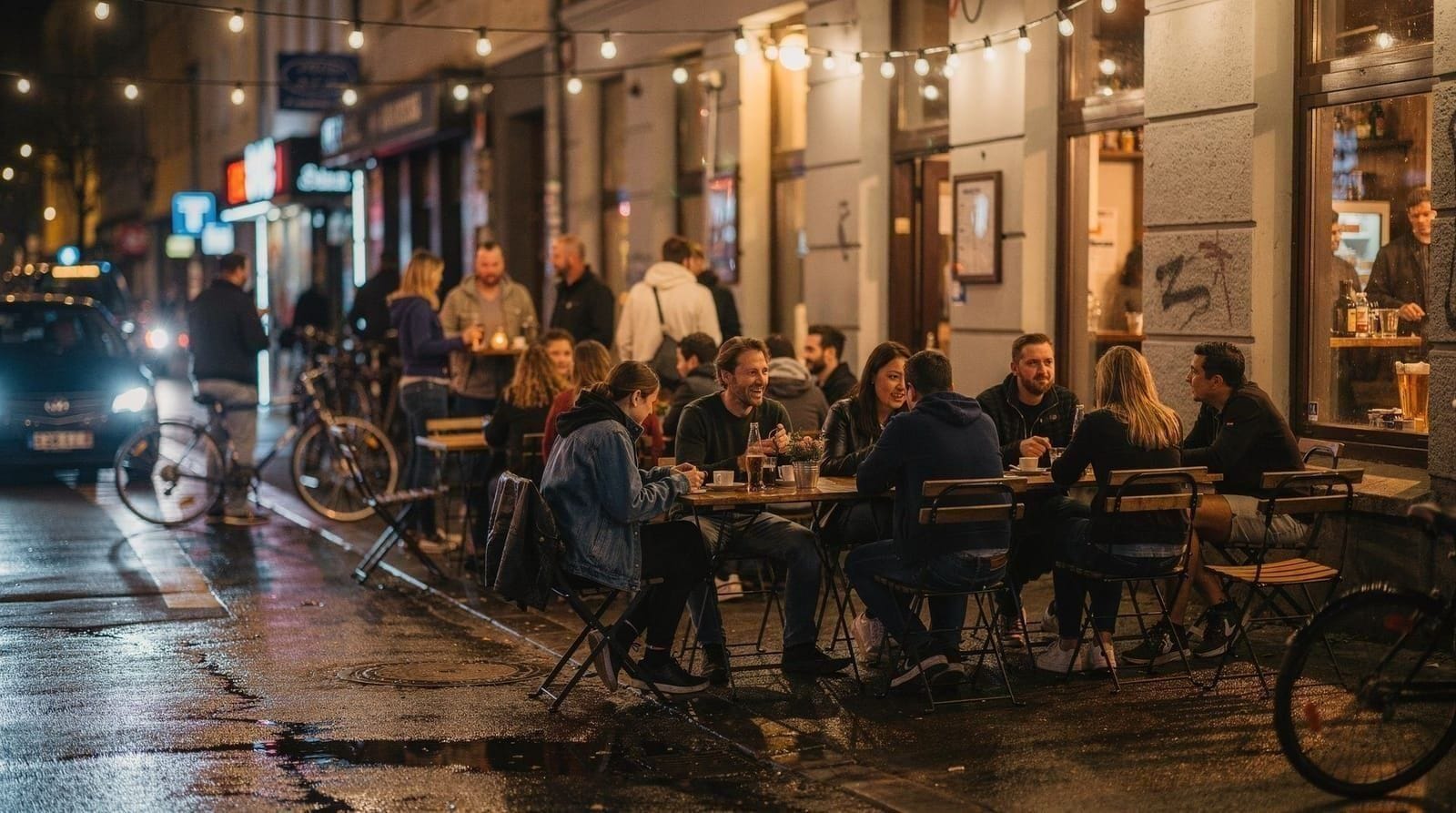
Practical advice for nightlife: Berlin clubs open late (3am is early for Berghain), meaning the early-morning night bus gap (roughly 1am to 4:30am on weekdays) corresponds exactly with the period when many people are entering or leaving clubs. The BVG app shows night bus routes. Many Berliners simply walk, cycle, or use Bolt/Uber for this window. See the Berlin nightlife neighborhoods guide for transport context around specific venues.
Key interchange stations
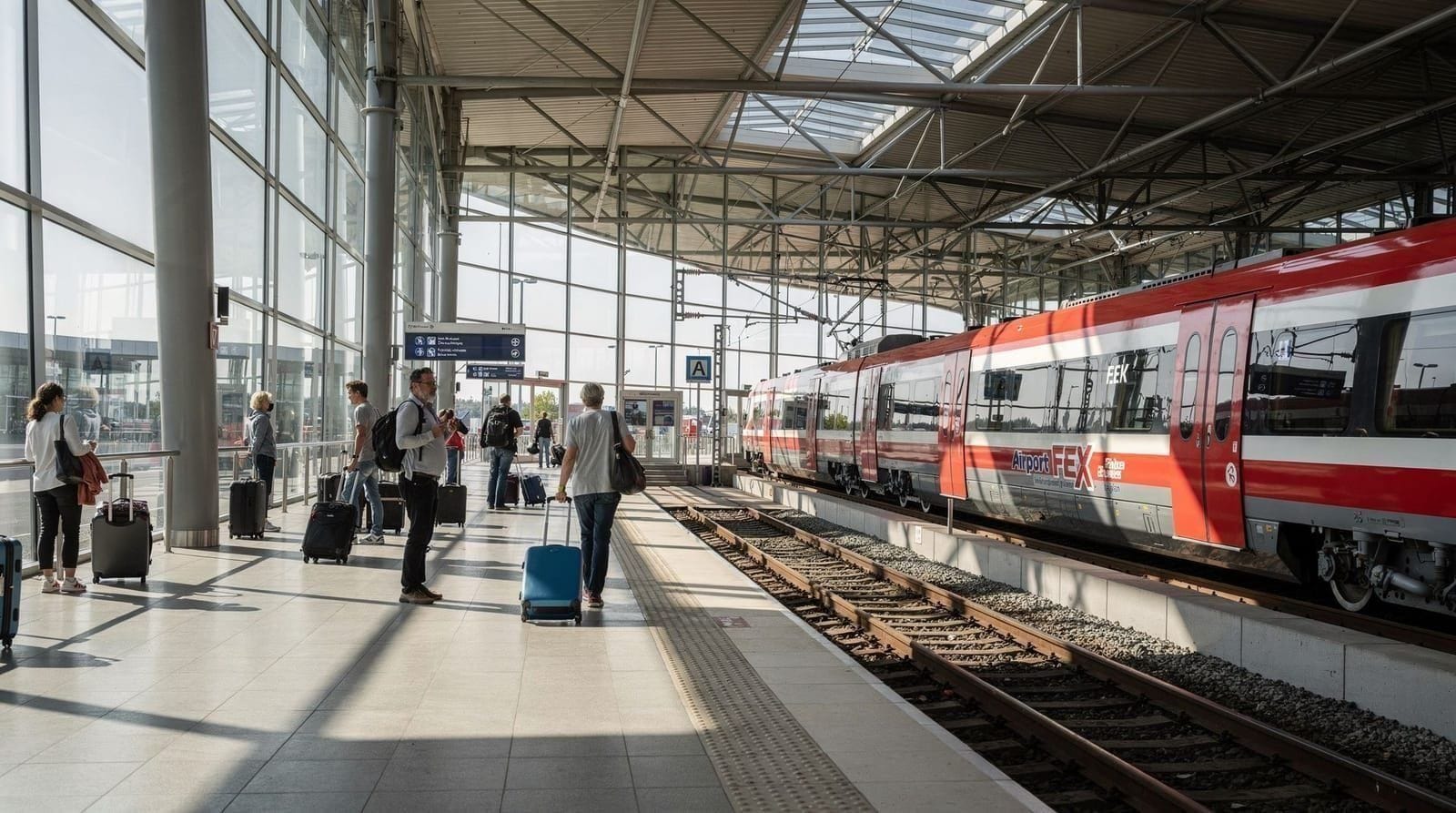
Hauptbahnhof: Connects U5, S-Bahn (S5/S7/S75 east-west, S3, S9), FEX airport express, and regional/intercity trains. The most important interchange for visitors arriving by train.
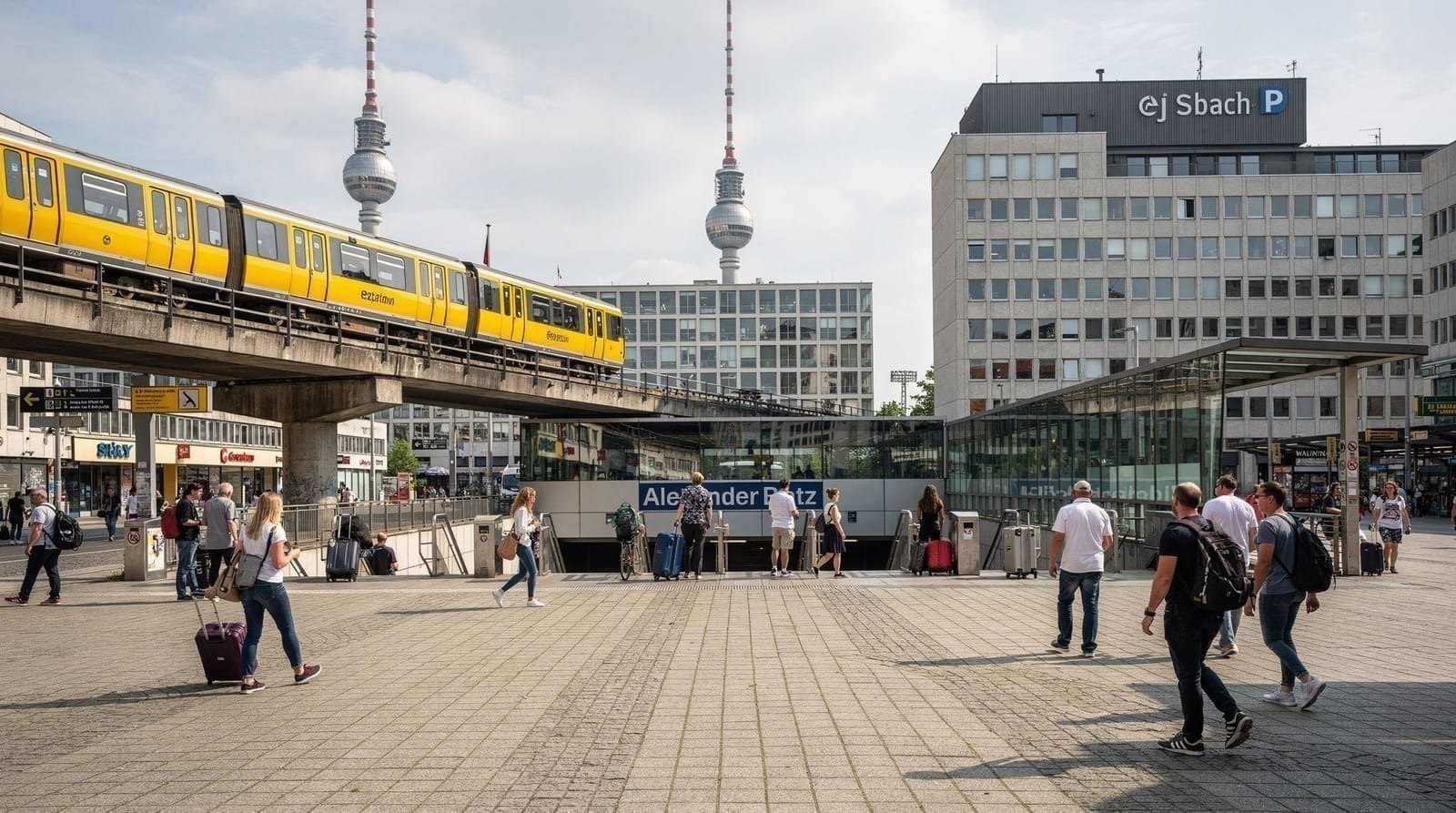
Alexanderplatz: Connects U2, U5, U8, S-Bahn (S3/S5/S7/S75/S9), and multiple tram lines. The central eastern hub of the BVG network.
Zoologischer Garten: Connects U2, U9, S-Bahn (S5/S7/S75). Western city hub near Kurfürstendamm and the zoo.
Ostbahnhof: Connects S-Bahn (S3/S5/S7/S75), FEX airport express, and regional trains. Gateway to Friedrichshain.
Gleisdreieck: Connects U1 and U2. Useful for Potsdamer Platz area without taking the S-Bahn.
Stadtmitte: Connects U2 and U6. Central Mitte, 10 minutes’ walk from Museum Island.
Architecture and history on the U-Bahn
Several U-Bahn stations are architecturally notable — designed to be seen rather than just passed through:
Heidelberger Platz (U3): Original 1913 tilework in glazed brick, one of the least-altered original stations.
Spichernstrasse (U3/U9): Original 1908 station with traditional ceramic decoration preserved at platform level.
Bundestag (U5): New 2021 station designed by Susanne Betz with a deliberately understated modern aesthetic, pale concrete columns.
Unter den Linden (U5/U6): Also new in 2021, where U5 and U6 cross. The deepest station in central Berlin, 27 metres underground, with warm-toned metal panels.
Gleisdreieck (U1/U2): The 1902 elevated station above the former Potsdamer Güterbahnhof goods yard, now Gleisdreieck Park. Original steel structure above the park.
Common mistakes and how to avoid them
Wrong zone: Buying an AB ticket and travelling to Potsdam (which needs ABC) is the most common error. Always check your destination’s zone before buying.
Not validating: Paper tickets are worthless until stamped. Look for the yellow box at the top of the escalators or stairs to the platform, or at the platform entrance. If you don’t see one, look for the small yellow column validators on the platform itself.
Assuming the U5 hasn’t changed: The extension to Hauptbahnhof opened in December 2020 — some older maps and apps may not show it. Current U5 runs from Hönow all the way to Hauptbahnhof.
Treating the Ringbahn as U-Bahn: The S41/S42 circular lines are S-Bahn, not U-Bahn. They run above ground. The same ticket applies, but they are different vehicles and platforms.
Waiting for a specific train: Berlin trains run frequently enough (every 5-10 minutes on most central U-Bahn lines during the day) that checking departure times in advance is rarely necessary. Just go to the platform.
U-Bahn vs S-Bahn — which to use
Visitors often assume they’re the same system; they’re operated separately (BVG runs the U-Bahn, Deutsche Bahn runs the S-Bahn) but share the same ticket.
| U-Bahn | S-Bahn | |
|---|---|---|
| Operator | BVG | Deutsche Bahn (DB) |
| Coverage | Dense, central, mostly underground | Wider reach, connects outer suburbs and BER airport |
| Frequency | Every 5–10 min (central lines, daytime) | Every 5–10 min (core), 20 min (outer) |
| Best for | Getting around central neighbourhoods | Airport, Potsdam, longer cross-city hops |
| Night service | Weekends only (Fri/Sat all night) | Weekends mostly all night; some weekday reduced overnight |
In practice, use whichever line gets you there directly — tickets are valid across both, plus buses and trams, within the same zone.
Tickets and passes — what actually makes sense
For a short visit, a 7-day AB ticket (€36.50) covers unlimited U-Bahn, S-Bahn, tram and bus travel within the city ring and pays for itself after about 11 single journeys — typically within 3–4 days of normal sightseeing. If your trip includes Potsdam, Sachsenhausen, or BER airport transfers, you need the ABC zone version instead. The Berlin budget guide has the full 2026 price table for singles, day tickets and passes.
If you’re also planning several paid museums or attractions, it’s worth checking whether the WelcomeCard beats buying transport and entry separately — see the WelcomeCard value guide before booking.
Berlin WelcomeCard — AB zone transport and discountsConnecting to other Berlin transport modes
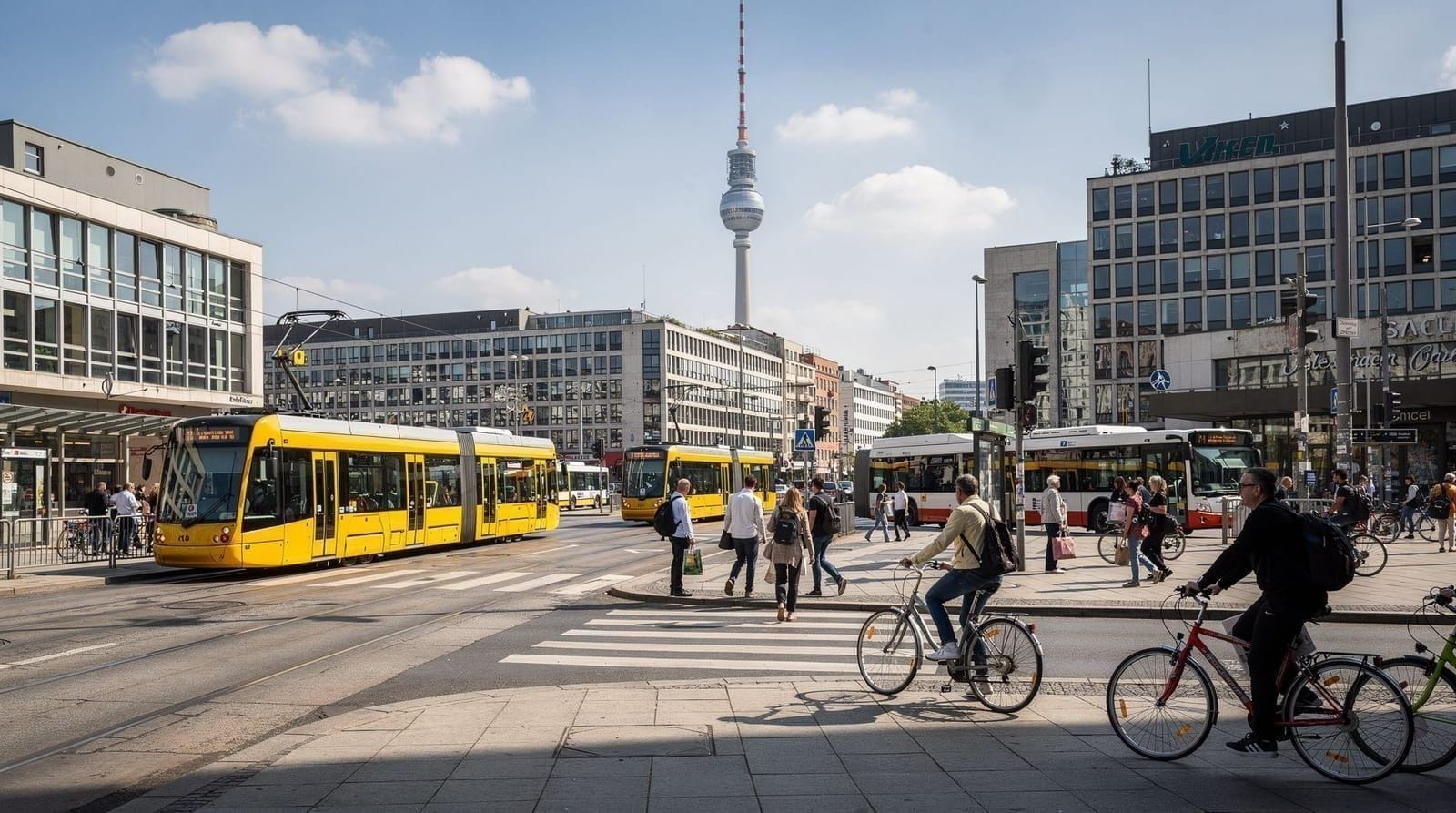
The U-Bahn integrates with trams (mostly east Berlin — key info in the Berlin public transport guide), S-Bahn, buses, and BER airport connections described in the BER airport to city guide.
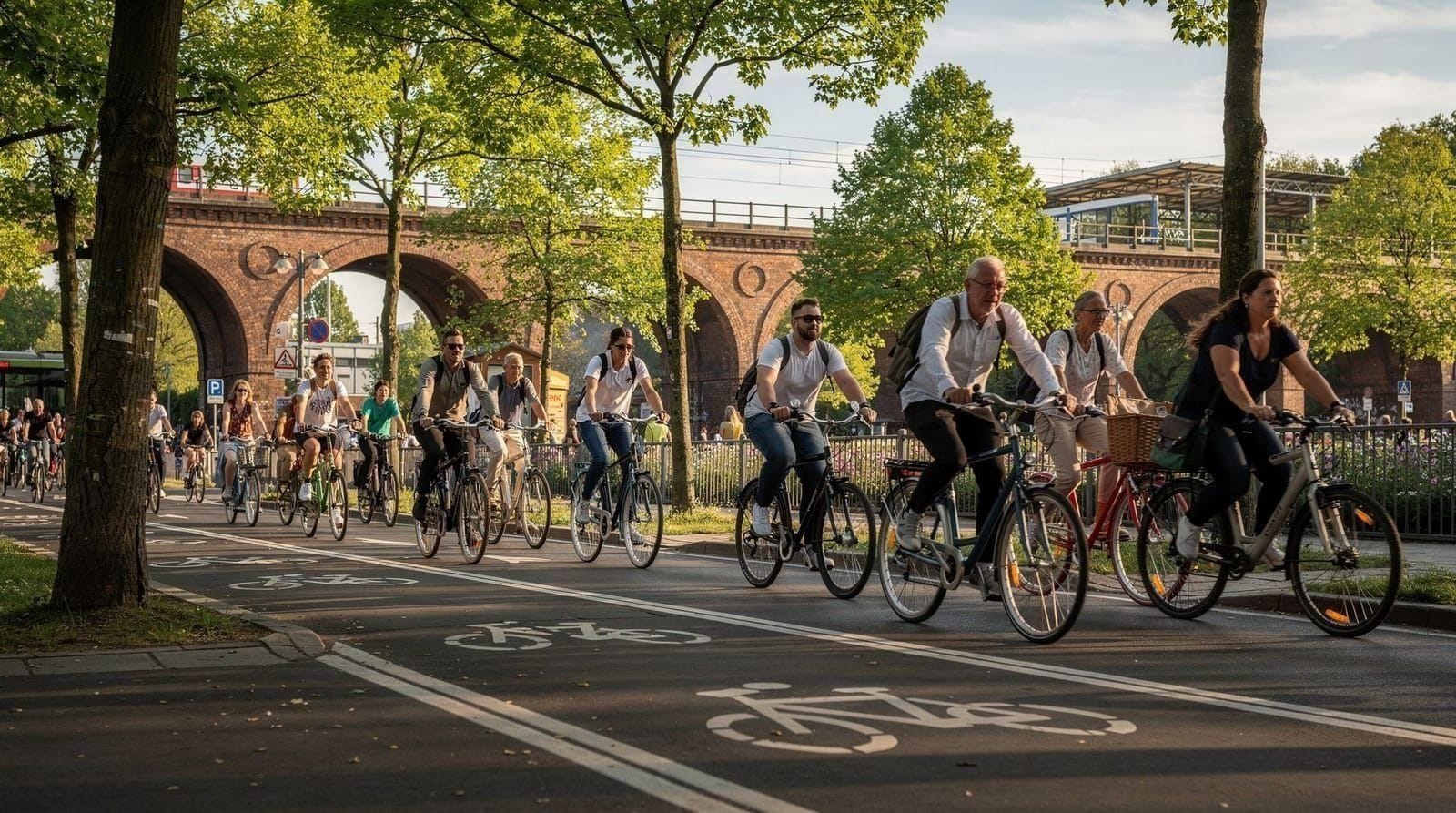
For cycling as an alternative or complement to the U-Bahn, see the Berlin cycling guide.
For a full transport mode comparison, see getting around Berlin.
Frequently asked questions about Berlin BVG and U-Bahn guide
How many U-Bahn lines does Berlin have?
Berlin has 10 U-Bahn lines — U1 through U9 plus U55 (now absorbed into U5). The U5 is the longest and busiest line, running from Hauptbahnhof through Brandenburger Tor, Bundestag, Museuminsel, Alexanderplatz, and east to Hönow. U1/U3 serve Kreuzberg and Friedrichshain. U2 connects Charlottenburg and Schoneberg to Pankow in the northeast.Does the Berlin U-Bahn run all night?
On Friday and Saturday nights, the U-Bahn runs through the night (roughly every 15 minutes). On Sunday to Thursday nights, U-Bahn stops around 1am and night buses (N-prefix lines) take over, running every 30 minutes until S-Bahn service resumes around 4:30am. The S-Bahn runs through the night on Friday and Saturday on most lines.Why does Berlin public transport not have ticket barriers?
Berlin uses a trust-based system (Vertrauensprinzip) without fare gates. The system relies on passengers buying valid tickets, backed by regular plainclothes inspection. The city made a deliberate choice to keep access open and fund inspections instead of gates. Barriers were briefly discussed in various BVG reform proposals but have not been implemented.How often do ticket inspectors check on the U-Bahn?
Frequently enough to take seriously. Teams of Kontrolleure (inspectors) board trains in plainclothes and check all passengers in the carriage simultaneously. On the busier U5, U2, and U8 lines, expect checks roughly every other day on any given journey. On outer lines, less often. The fine for riding without a valid ticket is €60, payable immediately or by bank transfer.What is the short trip ticket and when should I use it?
The Kurzstrecke ticket (€2.40) is valid for up to 3 stops on S-Bahn or U-Bahn, or up to 6 stops on bus or tram, with no transfers. It is useful for very short hops — for example, one or two U-Bahn stops to a nearby museum or neighbourhood. It is not valid for connections or direction changes. If you need to transfer or travel more than 3 stops, buy a standard single (€4.80).Are U-Bahn announcements in English?
Major stations and lines have bilingual German-English announcements on the trains and at major interchanges. Not all stations have English signage, but the major lines serving tourist areas (U5, U6, U2) are adequately signed. Berlin's U-Bahn map is straightforward to navigate visually even without reading German.What is the difference between the Ringbahn and U-Bahn?
The Ringbahn is not a U-Bahn line — it is the S41 and S42 circular S-Bahn lines that form a rough oval around the inner city. It is an overground service, not underground. The U-Bahn ring does not exist — Berlin's U-Bahn is a series of radial and cross-city lines, not a circle. For circular travel between outer districts, the S-Bahn Ring (S41/S42) is the tool.Is the U-Bahn safe at night in Berlin?
Generally yes. Berlin's U-Bahn is busier late at night than most European metro systems, largely because of the city's nightlife culture. The U1 (Kreuzberg-Friedrichshain) and U8 are particularly active on weekend nights. The usual urban common sense applies — be aware of your surroundings, keep valuables out of sight. Serious safety incidents on the U-Bahn are statistically low relative to ridership.Do I need a different ticket for the S-Bahn than the U-Bahn?
No — the same ticket covers U-Bahn, S-Bahn, trams and buses within the same fare zone (AB, BC, or ABC). Buy according to zone, not vehicle type. The only exception is if your journey crosses into a zone your ticket doesn't cover, such as an AB ticket used for a trip to Potsdam, which requires ABC.Is a 7-day ticket worth it for a short trip to Berlin?
Usually yes. The 7-day AB ticket costs €36.50 and breaks even after about 11 single journeys (€3.50 each), which most visitors reach within 3–4 days of normal sightseeing. It also removes the need to buy and validate a new ticket for every trip, which matters given the inspection frequency on busier lines.