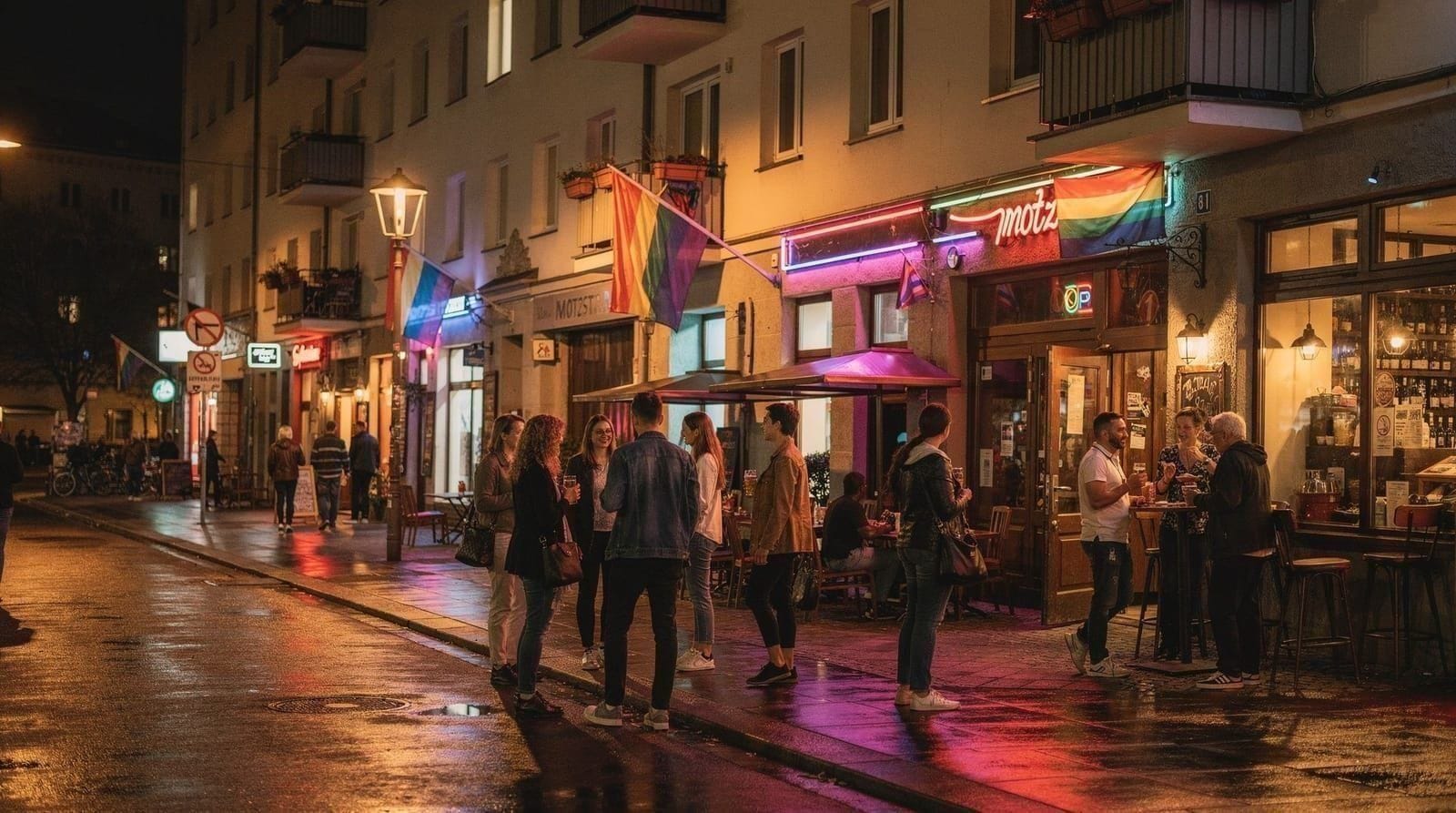
How to get into Berghain — what actually works in 2026
Every year, tens of thousands of tourists queue for Berghain. Many don’t get in. Most of those who didn’t get in were turned away for reasons they could have anticipated. This is not a “hacks to bypass the bouncer” article — those don’t exist, and anyone selling you an entry-guarantee strategy is selling you false hope. This is an honest, unsentimental account of how the door works in 2026 and what gives you a realistic chance. For the full guide with historical context and deeper venue breakdown, see the Berghain guide.
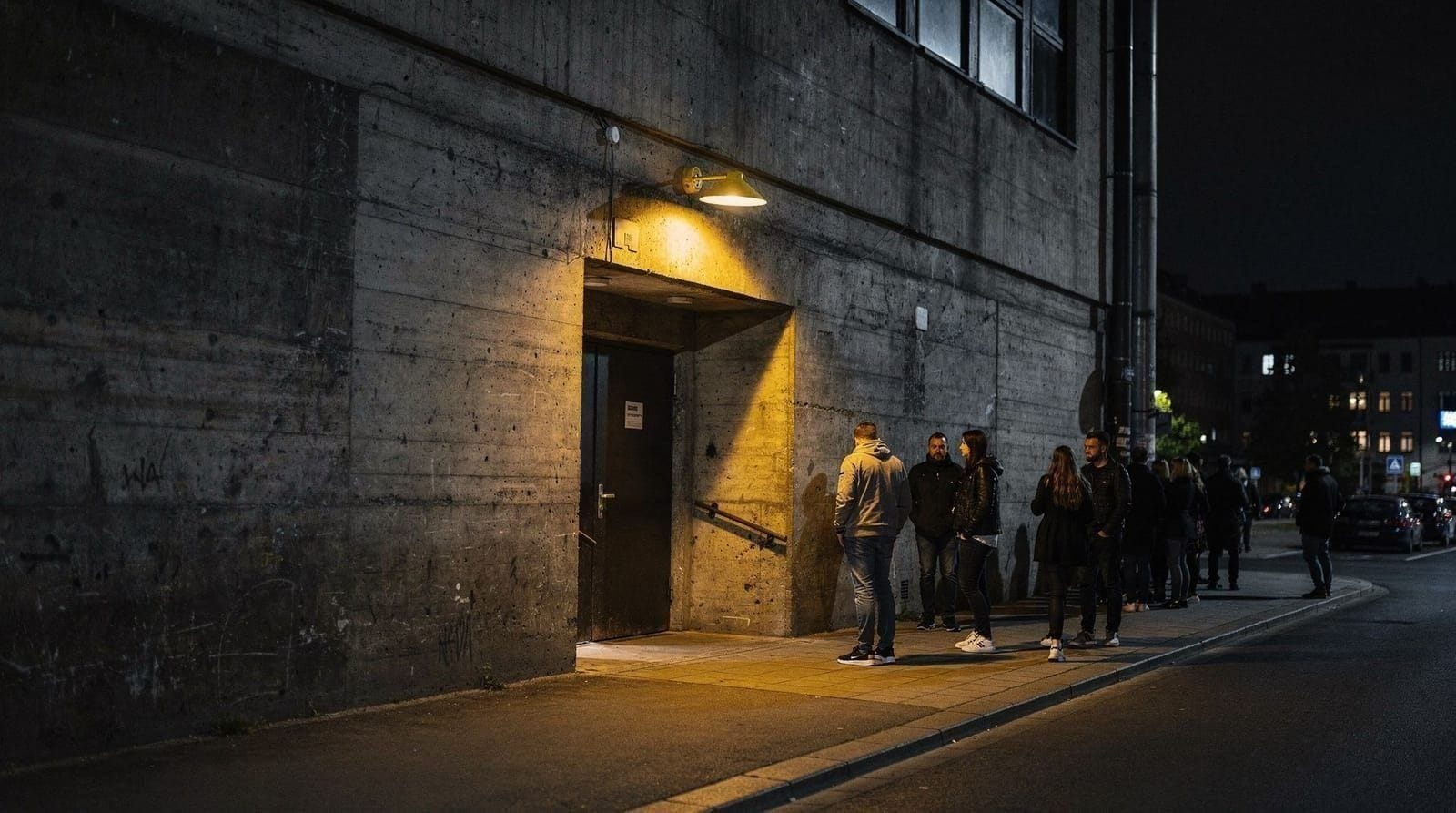
| Where | Am Wriezener Bahnhof, Friedrichshain, near Ostbahnhof |
| Cost | around €25–30 entry, cash only at the door |
| Best window | Sunday morning, 07:00–10:00 |
| Group size | solo, pairs, or small groups of 2–3 do best |
| Dress | dark, practical clothing; no photography inside |
What Berghain actually is — and why the door exists
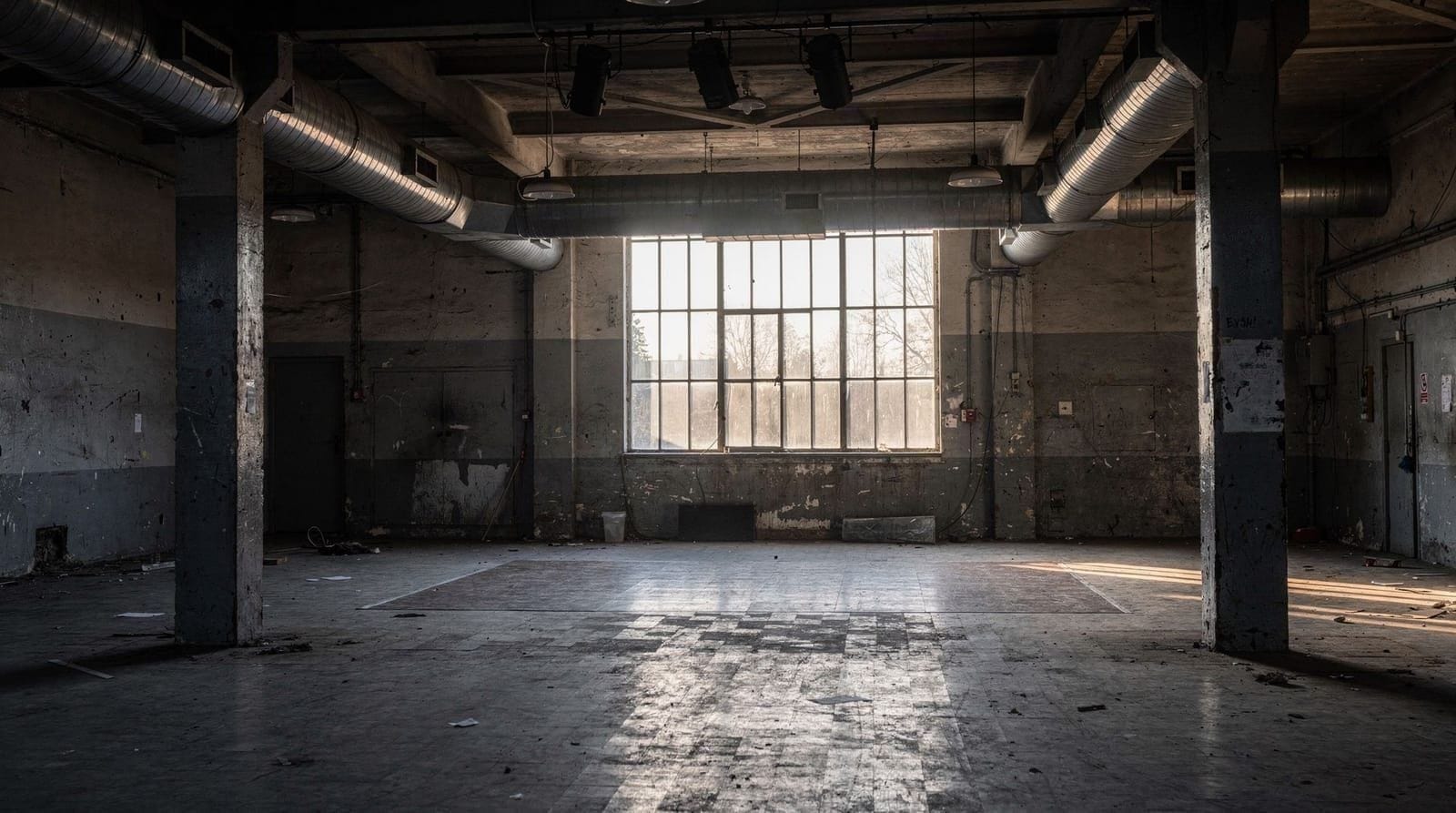
Berghain opened in 2004 in a former GDR power plant in Friedrichshain, on the border between Friedrichshain and Mitte (Berghain = Friedrichshain + Berghain). It became the defining techno club in Europe — possibly the world — through sound system engineering of exceptional quality, a carefully maintained roster of residents (Marcel Dettmann, Ben Klock, Barker, Blawan, Vladimir Ivkovic), and a door policy explicitly designed to keep it from becoming a tourist attraction that lost its soul.
The door exists because of capacity. Berghain can hold approximately 1,500 people. The number of people who want to be there on a Saturday night is 10x that. The door therefore functions as a filter — not for prestige, but for experience quality and safety. A club at 150% capacity with 30% of people who don’t understand the context is a worse experience for the 100% who do. The door policy is, in this sense, a practical quality-control mechanism.
Sven Marquardt, the head bouncer whose face you’ve probably seen in photographs, has been clear about this in interviews. The door team is not selecting for attractiveness or social status. They’re selecting for people who will behave in a way that maintains the experience for everyone inside.
What the door team is actually reading
The assessment at the door is brief — typically under 30 seconds per group. In that time, Sven or his colleagues are reading:
Body language and composure. Nervousness is readable, but the specific problem is performing confidence rather than having it. People who are too obviously trying to project that they belong rarely do. People who are relaxed and actually there for the music don’t need to perform anything.
Group composition and dynamics. A group of four friends where two are enthusiastic and two are clearly along for the ride is a problem. The door can see which people in a group are uncertain. A couple or two people who are clearly aligned on why they’re there reads better.
What you’re wearing. Not a formal dress code, but context-appropriate clothing matters. Berghain is a dark, physical, extended-duration environment. People wear practical black clothing, boots, comfortable layers. Someone in going-out club wear from a more mainstream nightlife circuit signals they don’t know what they’re walking into.
Apparent state. Arriving clearly drunk on alcohol is a significant negative signal. Berghain is drug-tolerant; it is not an alcohol-drunk venue. The distinction matters to the door team.
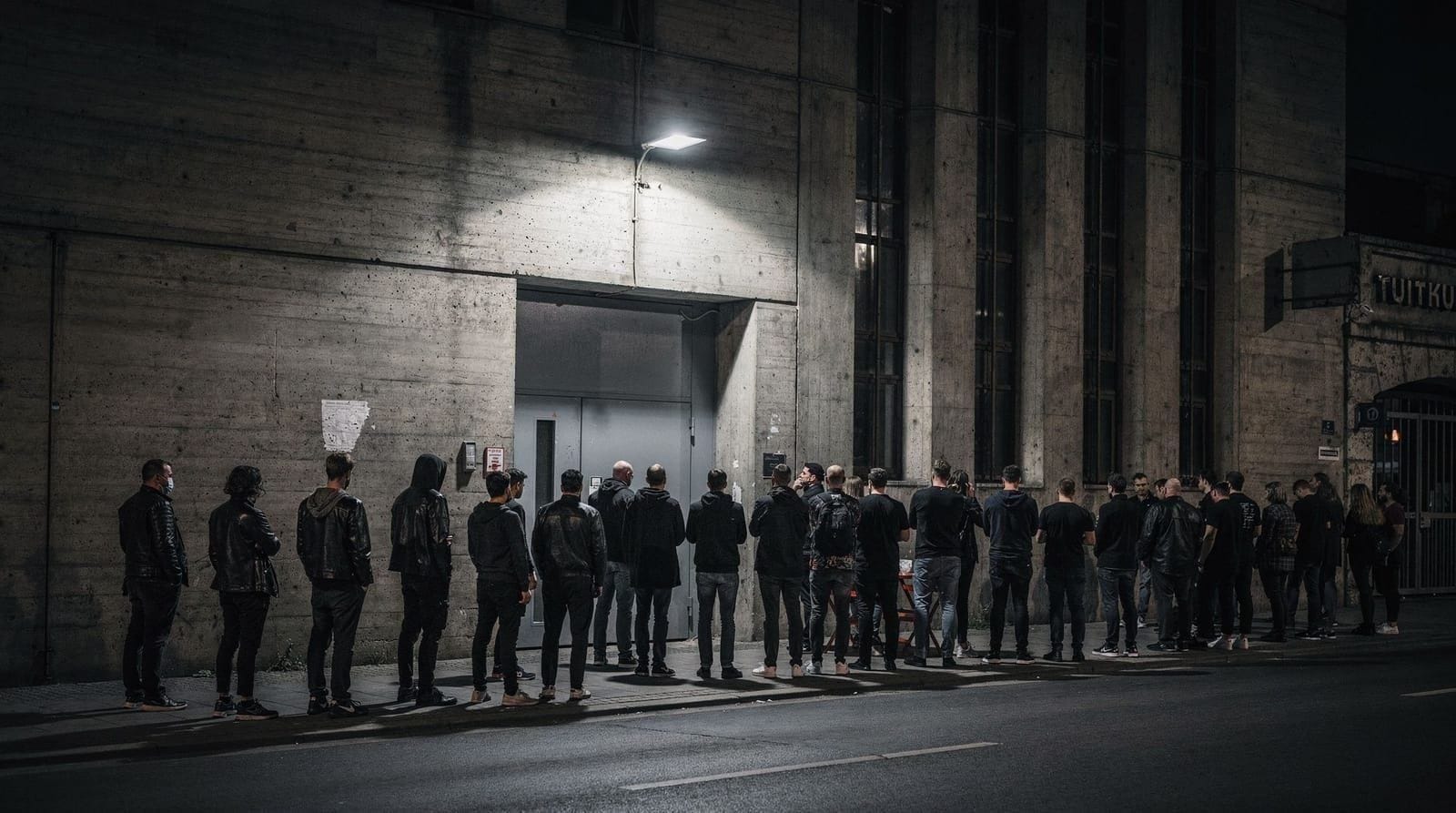
Queue behaviour. Taking selfies in the queue, loudly discussing strategy for getting in, checking Google Maps — all visible signals of tourist-mode operation.
Probability estimates by time window
These are approximate estimates based on visitor accounts and patterns over recent years. They shift seasonally and the door team’s composition evolves:
- Friday night, 23:00–02:00: 40–60% admission rate
- Saturday night, 22:00–01:00: 20–35% (peak tourist concentration)
- Saturday night, 03:00–06:00: 35–50% (crowd composition shifts as tourists clear out)
- Sunday morning, 06:00–12:00: 50–70% (most accessible regular window)
- Monday morning, when the weekend run extends: 70%+ for those arriving at the natural continuation
These estimates assume you’re going as a couple or small pair. Groups of four or more consistently have lower admission rates.
The Sunday morning window is the real answer for visitors
The honest answer for most visitors who want to experience Berghain rather than just the queue: Sunday morning, arriving between 07:00 and 10:00.
By Sunday morning, the Saturday night tourist wave has either been admitted or turned away. The people queuing Sunday morning are mostly: people who’ve been dancing elsewhere and are continuing; residents who specifically plan their Berlin Sundays around this; and informed visitors who did their research. The door team recognises this shift in demographic.
Sunday morning Berghain also sounds different from Saturday night Berghain — sets tend to be longer, artists play differently in the morning light that comes through the windows, the crowd has been there long enough to be in a different physical state. It’s not a lesser version of the Saturday experience; it’s a different thing entirely.
The practical challenge: you need to be awake and functional at 07:00 on a Sunday morning to queue. For most tourists accustomed to sleeping at night, this requires planning the previous night around it.
What to wear — the functional approach
Dark colours, comfortable shoes, layering capability. Black is the effective choice not because of a written dress code but because it’s the practical colour for a dark space where you’ll be moving for hours. Trainers or boots are appropriate. High heels are not the move — Berghain has multiple levels of stairs and a floor that’s been dance-worn. Drag is absolutely appropriate; trans and queer culture has been central to Berghain since its founding, not an addition.
Avoid: carrying large bags (there’s a cloakroom but large items cause friction), bringing camera equipment (photography is prohibited and enforced), wearing anything that signals you’re treating this as a photo opportunity.
Phones go in your pocket inside
Berghain has a strict no-photography policy enforced by stickers placed over phone cameras at entry. The policy is genuine and the club takes it seriously. This is not security theatre — it’s a deliberate choice to create a space where the experience is primary. If you need to document your night, Berghain is the wrong venue.
Panorama Bar — the more accessible upper floor
Berghain has two main floors. The ground floor (Berghain proper) plays techno. The upper floor, Panorama Bar, plays house music in a slightly different architectural space with large windows. Panorama Bar has a somewhat lower door barrier — the music format and crowd lean slightly different — while still being a genuinely world-class club experience.
If you’re at the door and uncertain which floor you’re being assessed for, indicating that you’re interested in Panorama Bar specifically can occasionally be a more accessible route. The two spaces share an entry point but the door team sometimes makes separate assessments.
What not to do in the queue
- Don’t rehearse German phrases — the door team speaks English and the language doesn’t matter
- Don’t arrive in a group larger than three unless everyone in the group is clearly a regular club-goer
- Don’t stand in the queue obviously photographing your queue experience
- Don’t try to explain why you “deserve” to get in or have been “waiting for so long”
- Don’t make eye contact aggressively — composure reads better than intensity
If you don’t get in
A rejection at Berghain is a reading of the composition and energy of your group on that specific night. It’s not a judgment on you as a person, and trying again on the same night rarely works. Wait a month, come with a different setup, try the Sunday morning window.
Alternatives that are excellent on their own terms:
Tresor (Köpenicker Str. 70) — historically as significant as Berghain, harder industrial techno in a genuinely different space (the old bank vault area is underground). Typically more accessible door.
Watergate (Falckensteinstraße 49, Kreuzberg) — techno and house on the Spree, floor-to-ceiling windows over the water, typically more approachable admission. Different atmosphere, excellent music.
Salon zur Wilden Renate (Alt-Stralau 70, Friedrichshain) — alternative electronic, labyrinthine multi-room setup, more accessible than Berghain.
| Club | Door difficulty | Best for |
|---|---|---|
| Berghain | Very hard | Serious techno, best sound system in the city |
| Tresor | Moderate | Industrial techno, historic underground vault |
| Watergate | Moderate | Techno/house with Spree river views |
| Salon zur Wilden Renate | Easy–moderate | Alternative electronic, labyrinthine venue |
If you’re new to the scene entirely, the Berlin techno scene beginner’s guide is a better starting point than aiming straight for Berghain on night one — understanding the culture first genuinely improves your odds at any of these doors.
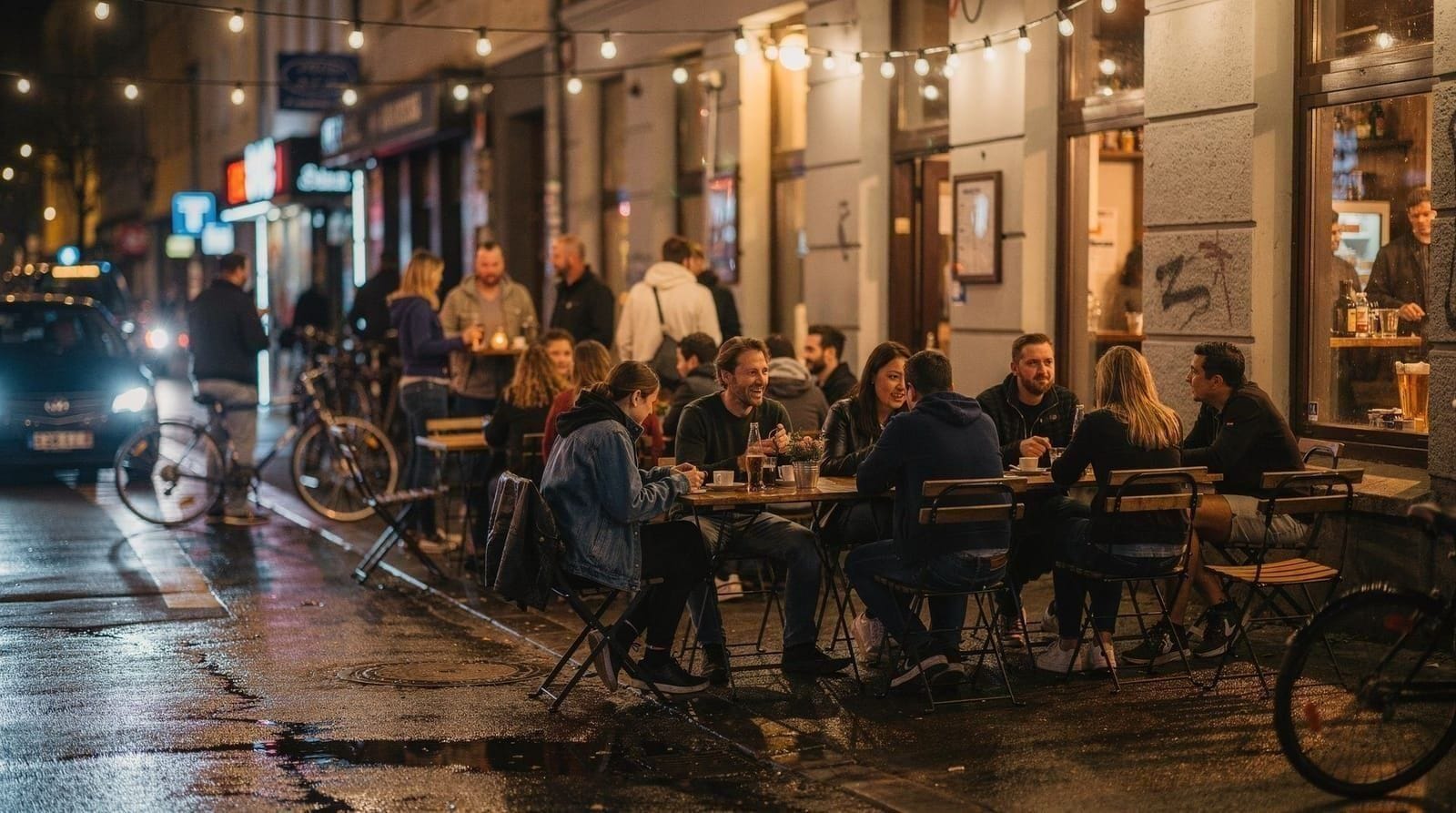
The Berlin techno clubs guide covers the full landscape with honest assessments of door policies, music quality, and crowd character for each major venue. The club culture history guide provides the context on why the Berlin scene developed the way it did — useful for understanding Berghain’s place in it before you queue. For where these clubs sit relative to your accommodation, the Berlin nightlife neighbourhoods guide maps out Friedrichshain, Kreuzberg, and the other after-dark districts.
The queer dimension
Berghain has deep roots in Berlin’s gay and leather community — the club evolved from the queer-focused Snax parties and the Lab.oratory darkroom. This context matters for understanding why the club operates the way it does, and why the door team is particularly attuned to whether visitors respect the space.
The Berlin queer nightlife guide covers the broader scene including the clubs, events, and bars that are explicitly queer-focused, which sometimes offer a more welcoming first experience than the mixed space of Berghain.
FAQ
Q: Is there any way to guarantee entry to Berghain? No. There is no guest list, no paid skip-the-line option, and no reliable “hack.” Anyone selling a guaranteed-entry package is not affiliated with the club and cannot deliver on the promise.
Q: What happens if I’m rejected — do I lose my money? You pay only after being admitted, so a rejection at the door costs you nothing beyond the time spent queueing. Entry fee is collected inside, not at the point of assessment.