Berlin techno scene — a beginner's honest guide
If you’ve never been to a Berlin techno club before, the scene can feel like an entirely different planet. One with a strict door policy, no phones, and music that doesn’t stop until Tuesday. This guide is not going to hype it up. Instead, it’s going to tell you exactly what to expect so you don’t waste a night queuing only to get turned away.
Start with our full Berlin techno clubs guide for the complete venue-by-venue breakdown. This post covers the mindset, the logistics, and the mistakes first-timers make.
| Where to start | Watergate or Tresor — more accessible than Berghain |
| Cost | Entry around €10–20, drinks €4–7, cloakroom €2–3 |
| When | After 1am; earlier arrivals face stricter doors |
| Dress | All black, understated, no sportswear or logos |
| Getting home | Night bus (N-lines) or weekend all-night U/S-Bahn |
Why Berlin techno is unlike anything else
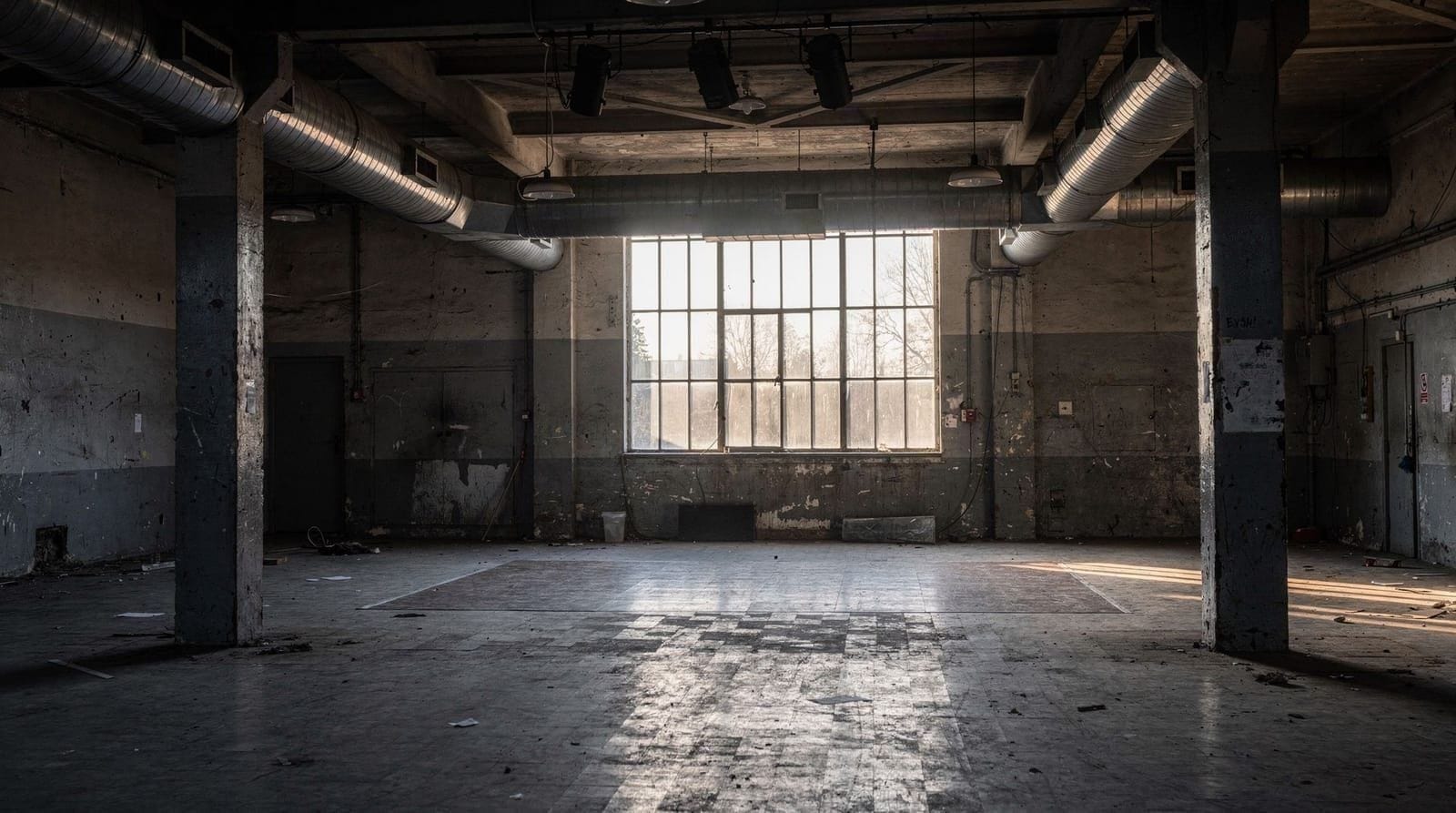
Berlin became the global capital of electronic music after reunification. The city’s grey industrial spaces — former power stations, abandoned department stores, decommissioned water pumps — were available for almost nothing in the 1990s. They became the raw material for a club culture that put sound before aesthetics and community before profit.
The result is a scene that has remained largely underground even as it became internationally famous. Clubs like Berghain (technically a techno and industrial music venue, legally classified as a cultural institution) operate on their own terms. The music policy is strict. The door policy is stricter. And the social contract inside is unlike anywhere in the world.
Understanding this history matters. If you walk into Berlin nightlife expecting a conventional club experience, you’ll be confused. If you walk in knowing what the culture values, you’ll have a better chance of enjoying it.
The door policy reality
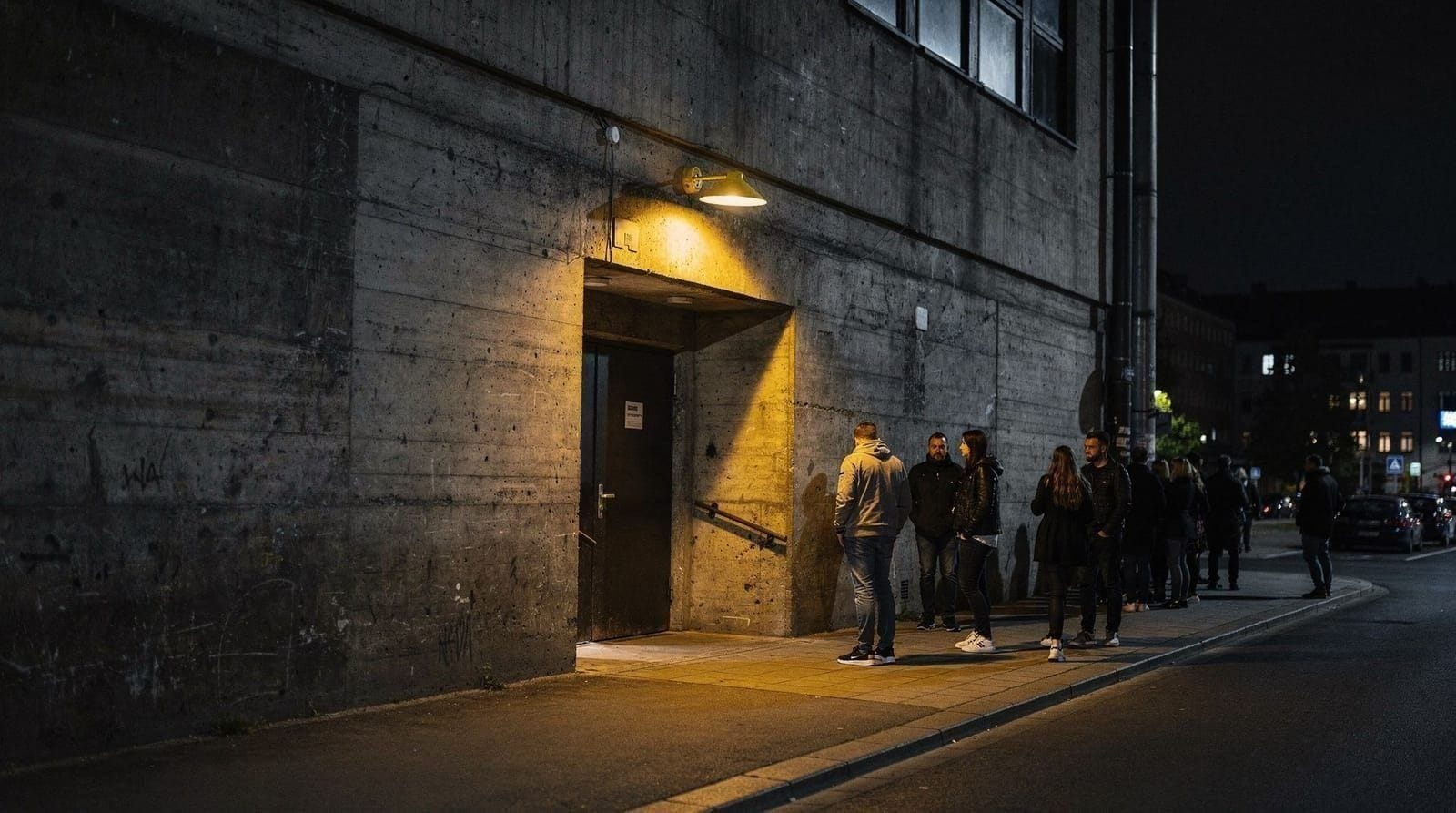
Let’s be direct: Berghain rejects a significant percentage of people on any given night, including locals who’ve been going for years. The exact reasons are never given. Dress in black, go alone or in a small group of two, speak German at the door if you can, and don’t be visibly drunk. Even then, there’s no guarantee.
Tresor is more accessible but still selective. Watergate has a mixed crowd and is slightly easier for visitors. Kit Kat Club operates on a costume/kink-positive basis that’s very different from standard techno venues. Arena Club and Griessmuehle have varying entry depending on the lineup.
The practical advice: don’t make Berghain the centrepiece of your Berlin trip. Plan around it. If you get in, consider it a bonus. If you don’t, go to Tresor or Watergate instead.
What to wear — and what not to wear
Black. All black, if possible. This is not a fashion statement; it’s a cultural signal that you understand the context.
No white trainers. No polo shirts. No suits (unless you’re going to Kit Kat). No group of twelve wearing matching hen-do sashes. The door teams are not looking for a specific outfit so much as they’re reading whether you look like you understand what kind of night this is.
Layers are practical. Clubs in Berlin run hot inside, cold outside, and the sessions are long. A jacket you can leave at the cloakroom (Garderobe) is essential.
The no-phone rule at Berghain
Berghain introduced camera stickers over phone cameras years ago, and the policy is now standard at many venues. You’ll receive a small sticker over your camera lens when you enter. The rule exists to protect the privacy of people inside, many of whom are having experiences — personal, sexual, emotional — that they’d rather not have photographed.
Respecting this policy is not optional. Using your phone to photograph or film people will get you removed. Use your phone to check the time if you need to, and keep it in your pocket otherwise.
This takes adjustment if you’re used to documenting everything. After a few hours, most people stop caring about the phone entirely.
Timing — when to go, when not to go
Berlin clubs don’t get started until well after midnight. Berghain typically opens around midnight Friday/Saturday but the crowd doesn’t arrive in earnest until 3 or 4am. Going early, counterintuitively, can make entry harder — the door team is more selective when the club is empty because early arrivals set the tone for the night.
Watergate opens earlier and is more conventional in timing. Tresor’s Globus room opens late and runs longest.
The clubs run through Saturday night into Sunday, and into Sunday night in some cases. Berghain’s Sunday sessions can continue past midnight into Monday. Plan accordingly — and don’t assume you need to eat a full breakfast to have made it.
The cloakroom and cash
Berlin is still a heavily cash-based city. Many clubs only accept cash at the bar and cloakroom. Bring €50-80 in cash for a night out: entry (€12-20 at most venues, Berghain typically €18-20), drinks (€4-7 each at most clubs), and cloakroom (€2-3).
There are ATMs near most club areas, but queues are long at 3am on Saturday. Take cash out before you go.
Clubs that work well for first-timers
Beyond Berghain, which is a whole project in itself, here are venues where newcomers generally have a good time without the stress:
Watergate: Two floors, one with a window overlooking the Spree. Mixed crowd including tourists. Solid electronic music booking. Entry around €10-15.
Tresor: Industrial tunnels in a former power station. Harder, darker techno. The Globus room upstairs has a different energy. More accessible than Berghain.
Sisyphos: Best on Sunday afternoons. Former dog food factory with an open-air area. Long-running parties, relaxed vibe, easier entry.
Klunkerkranich: Rooftop bar on top of a shopping centre in Neukölln. Not a techno club per se, but a great intro to Berlin’s alternative night scene. Entry is cheap, the view is good, and there’s no dress code stress.
Club der Visionaere: Open-air venue on the Flutgraben canal. Can Creek. Good in summer especially. Regular DJs, pleasant outdoor setting.
For context on which neighbourhoods to base yourself in, the Berlin nightlife neighborhoods guide explains how Friedrichshain, Mitte, and Neukölln differ.
The etiquette inside
No photos of other people without explicit consent. Don’t talk loudly during a set — you’ll get looks. Don’t push to the front if you arrived late. Don’t request songs; this is not that kind of club. Don’t point at the DJ or wave your phone in their direction.
The culture in Berlin’s techno venues is genuinely egalitarian in certain ways: people of all ages, backgrounds, and orientations are present. But that openness is built on a shared respect for the space and the music. Behave as if you’re a guest in someone’s home.
Should you book a pub crawl instead?
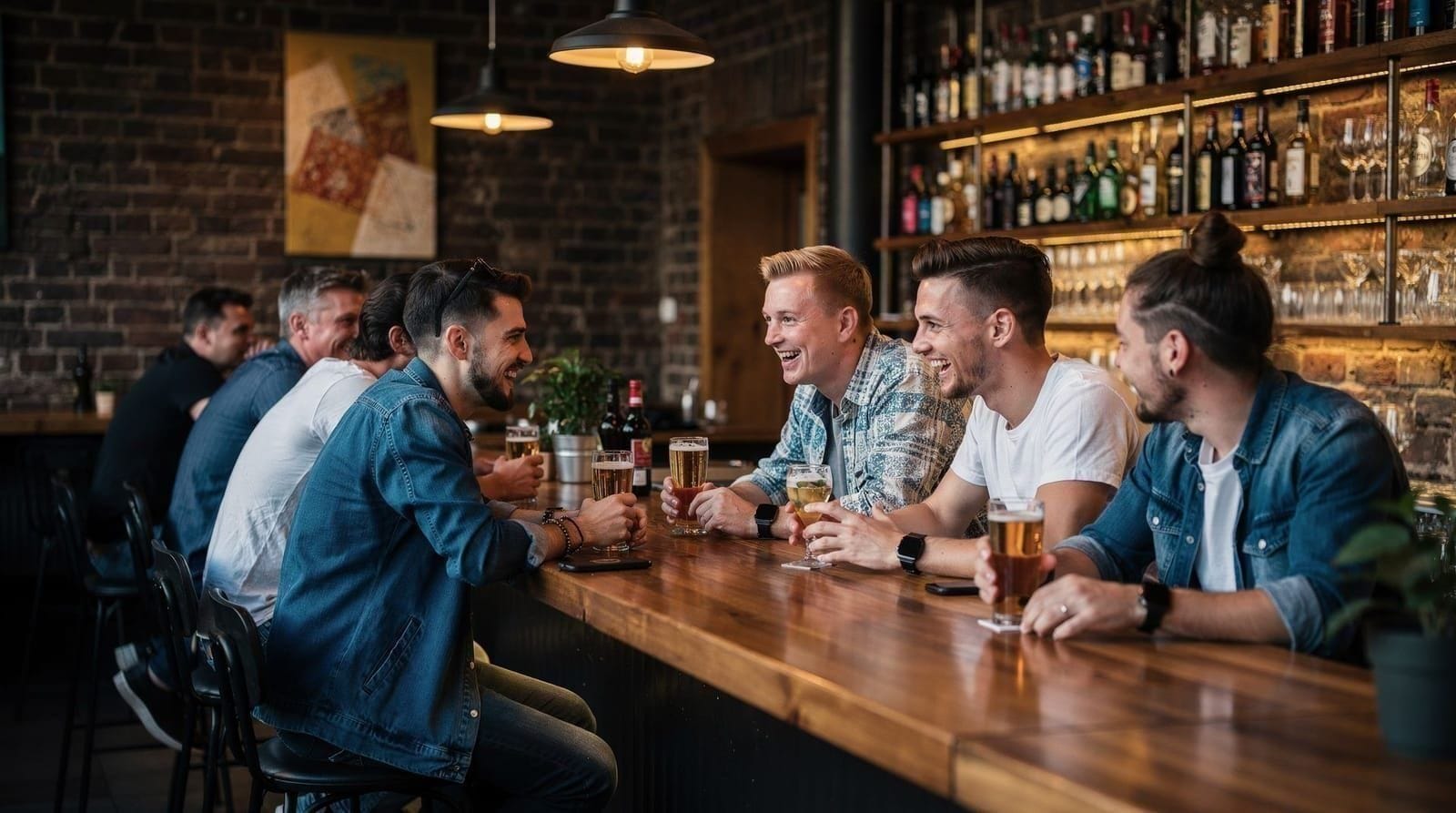
If the techno scene isn’t your thing — and it genuinely isn’t for everyone — Berlin has a lively bar scene that doesn’t require queuing for two hours and wearing a sticker on your phone. The Berlin pub crawl guide covers the organised crawl options and the independent bar-hopping routes.
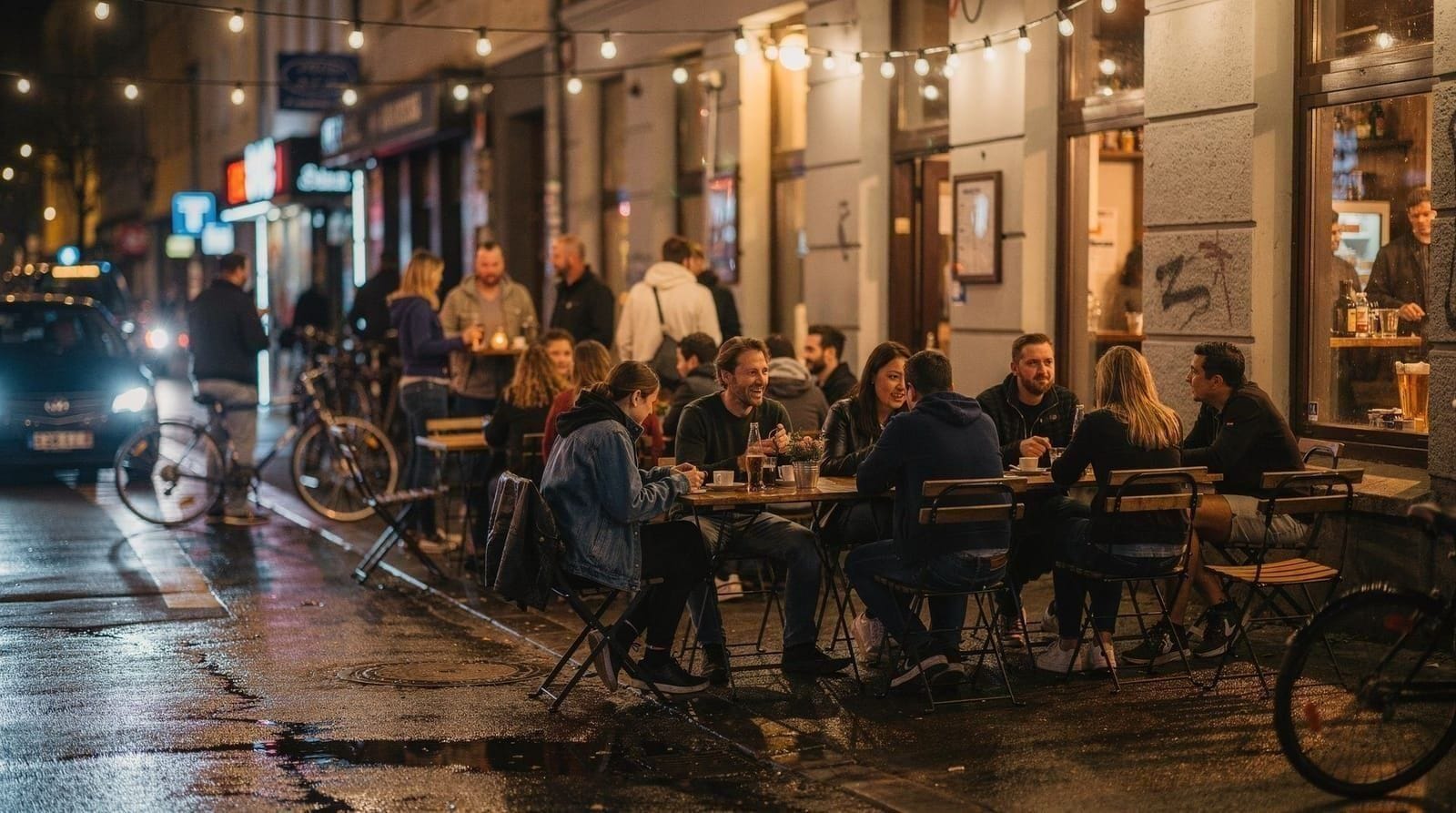
The Kreuzberg bar scene, especially around Oranienstrasse, is excellent and low-key. Neukölln has small bars and late-night spots that feel more like the local pub than a club. You can have a very good Berlin night out without ever going near a techno venue.
Alternative pub crawl with a local guidePractical details you need before you go
Transport: The U-Bahn stops running around midnight and starts again around 4am. Berlin runs night buses (Nachtbus, marked N) on key routes, and night trams in the east. Uber and taxi are available but expensive at peak hours. The best approach for a club night is the night bus network or walking between venues in a cluster.
For a full transport overview, see the Berlin public transport guide.
Water: Bring a refillable bottle if the venue allows it, or buy water at the bar. Staying hydrated on a long night is practical, not optional.
Substances: Berlin’s club culture has a realistic relationship with substances. The clubs themselves do not encourage or facilitate drug use. Harm reduction organisations including Drugchecking Berlin operate pop-ups near major venues. Know what you’re taking, or don’t take anything.
Age: 18+ strictly enforced at all venues. Bring ID. Berghain has been known to check even people who are clearly middle-aged.
Clubs compared for first-timers
| Club | Door difficulty | Vibe | Best for |
|---|---|---|---|
| Berghain | Very hard | Industrial, intense, marathon sets | Committed techno fans, going alone or in twos |
| Tresor | Moderate | Dark, harder techno, tunnel setting | A more accessible taste of the industrial aesthetic |
| Watergate | Easier | Polished, mixed crowd, Spree view | First club night, less pressure |
| Sisyphos | Easier | Relaxed, best Sunday afternoons | Long, low-stress sessions |
| Klunkerkranich | No door policy | Rooftop bar, not a club | Easing in without any door stress at all |
If you get rejected, what a good backup night looks like
Rejection at Berghain is common enough that it shouldn’t derail the evening. The practical backup: head straight to Tresor or Watergate rather than re-queuing — both are a short U-Bahn ride away and rarely have the same intensity of door screening. If clubbing itself has lost its appeal for the night, Kreuzberg’s bar scene along Oranienstrasse runs until 4am with none of the queue logistics, and the Kreuzberg bars guide covers the specific streets worth walking. Treat a Berghain rejection as a normal part of a Berlin weekend, not a verdict on the night.
Linking the scene to its history
The Berlin club culture history guide is worth reading before your visit. Understanding that Tresor opened in 1991 in the ruins of a former safe deposit vault, or that the rave scene in the 1990s was partly a political statement in a city still processing reunification, changes how you hear the music.
This isn’t obligatory background reading. But it adds a layer to an evening that might otherwise just be loud music in a dark room.
Berlin alternative scene walking tourFAQ
Q: Can you book entry to Berghain in advance? No. Berghain does not sell tickets in advance for its regular club nights. Special events (concerts, gallery events) sometimes have advance tickets. For regular techno nights, you queue and hope.
Q: What’s the best night to go to Berlin clubs? Saturday night into Sunday is the classic. Some clubs also run strong Friday nights. Sunday afternoon parties at Sisyphos are excellent for a more relaxed experience.
Q: Is there a dress code? No written dress code, but there is a strong cultural code. Black, understated, nothing that reads as “tourist out on a fun night.” Avoid logos, sportswear, and anything you’d wear to a corporate event.
Q: How long do Berlin clubs stay open? Some clubs run 24-36+ hours continuously over a weekend. You go when you want, leave when you want. Most people arrive between 2 and 5am and stay 4-8 hours.
Q: Is Berlin nightlife safe? Generally yes. Pickpocketing is the main risk in crowded venues. Keep cards and phones in a front pocket or leave most of your cash at your accommodation and bring only what you’ll spend.
Q: Do I need to speak German? Not at the venue itself. But speaking a few words of German at the Berghain door (e.g., “Ich bin allein”) can help. Inside, the crowd is international.
Q: Are there sober nights or non-alcohol club nights? Some venues host sober events. Check their schedules. The club culture is not exclusively substance-focused despite its reputation.
Q: What happens if I get rejected at the door? You move on. Don’t argue, don’t try again the same night. Go to Tresor or Watergate. Getting rejected at Berghain is a very normal Berlin experience.
Q: Which club is easiest for a genuine first-timer? Watergate or Sisyphos. Both have friendlier doors than Berghain or Tresor, mixed crowds that include visitors, and a lower-pressure atmosphere overall.
Q: Is it worth going to a techno club if I don’t really like techno? Not really, for the flagship venues. If the music itself isn’t your interest, Klunkerkranich or a rooftop bar gives you Berlin’s alternative nightlife atmosphere without the door stress or the all-night commitment.